
 Optical Fiber
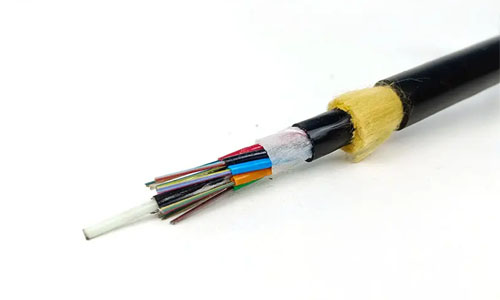 ADSS Fiber Optic Cable
 ASU Fiber Optic Cable
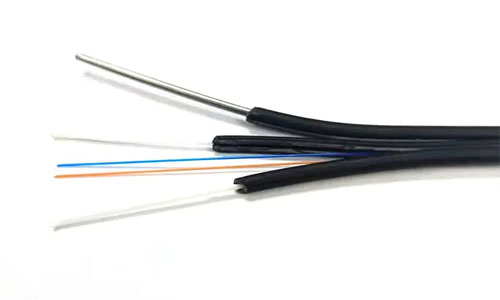 FTTH Fiber Optic Cable
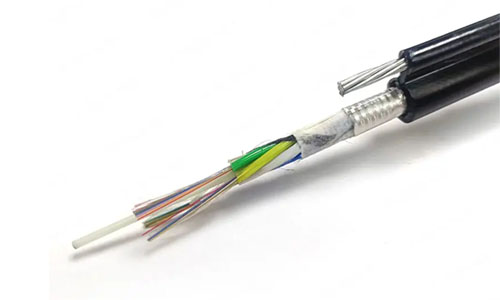 Figure 8 Fiber Optic Cable
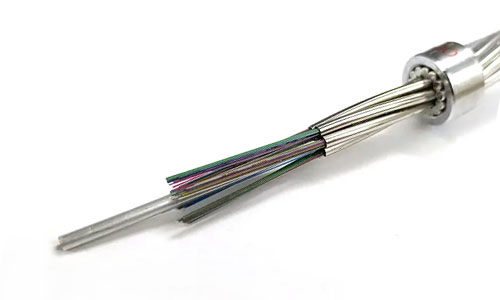 OPGW Fiber Optic Cable
 Coaxial Cable
 Ethernet Cable
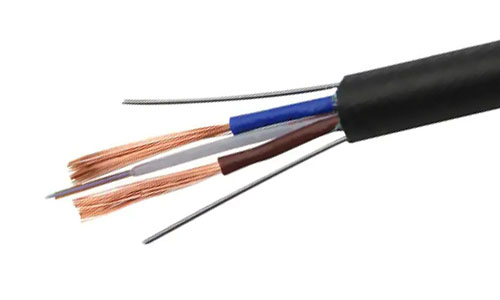 Photoelectric Composite Fiber Optic Cable
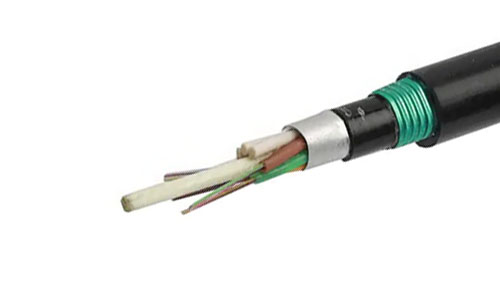 Underground & Pipeline Fiber Optic Cable
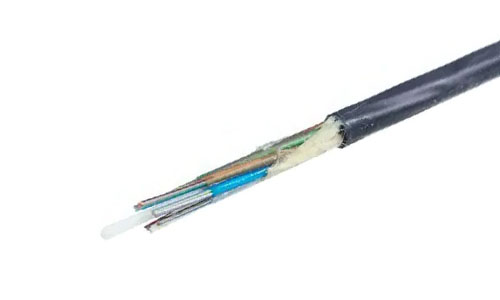 Air-Blown Micro Fiber Optic Cable
 Indoor Fiber Optic Cable
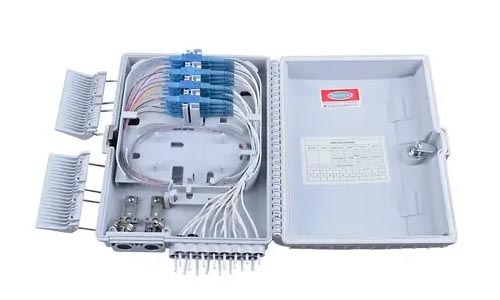 Fiber Optic Distribution Box
 Multiport Service Termina Box
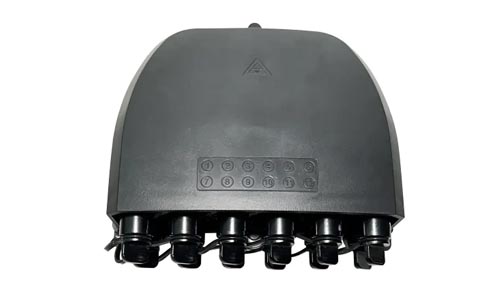 Fiber Optical Terminal Box
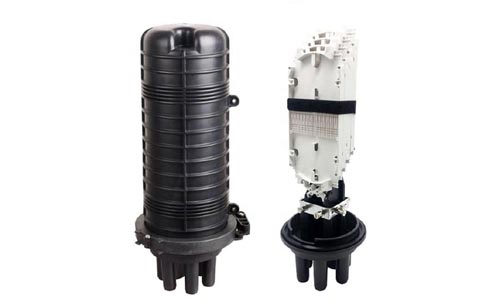 Fiber Optic Splice Closure
 Fiber Optic Clamps
 Fiber Optic Cable Fittings
 ADSS Fiber Cable
 ASU Fiber Cable
 OPGW Fiber Cable
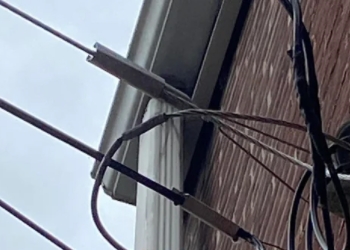 FTTH Fiber Cable
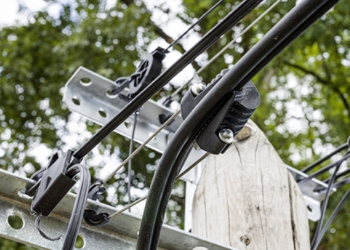 Figure 8 Fiber Cable
 Photoelectric Composite Fiber Cable
 Underground & Pipeline Fiber Cable
 Air-Blown Micro Fiber Cable
 Aerial Fiber Cable
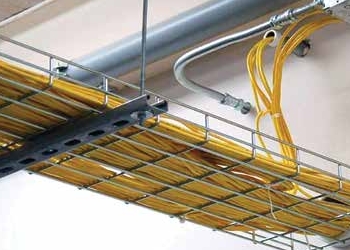 Indoor Fiber Cable
 Fiber Optical Terminal Box
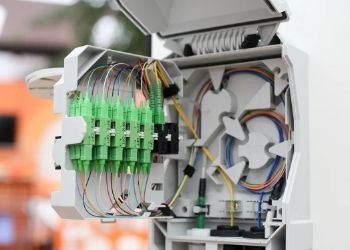 Fiber Optic Distribution Box
 Multiport Service Termina Box
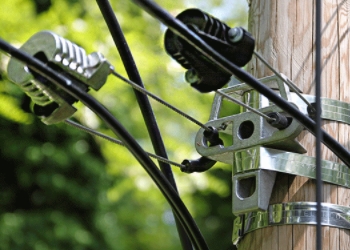 Fiber Optic Clamps
 About Us
 Our Team
 History
 R&D Strength
 Production Base
 Warehouse & Logistics
 Quality
 FAQs
FAQsWiFi 5 vs WiFi 6: Understanding the Key Differences
Contact for Free Quotation & Sample, According to your needs, customize for you.
inquiry nowWiFi 5 vs WiFi 6: Understanding the Key Differences
-
WiFi 6 is faster, more efficient, and more robust than WiFi 5. Its better capacity means it’s well-suited for homes or offices that are saturated with connected devices.
-
Upgrading to WiFi 6 can enhance streaming, gaming, and smart home experiences by reducing latency and supporting more devices at once.
-
Security is inherently better with WiFi 6 with WPA3 encryption, making your home network more secure from today’s advanced threats.
-
First, test your existing internet speed before making an upgrade. In addition, consider how many devices you have and whether your current hardware can handle WiFi 6.
-
If your home houses fewer devices or you don’t require high speeds, WiFi 5 could be just fine for your usage. Consider your own usage habits first before committing to switches.
-
Transitioning to WiFi 6 may require new routers and compatible devices, so plan for potential hardware upgrades and configuration steps.
Wifi 6 is the evolution of wireless networking and the successor to what wifi 5 already provided. WiFi 6 provides up to 40% faster speeds. It gives better answers for finessing overloaded networks when you’re at home with a bunch of devices, or in battalions-connected office environments.
Wifi 5, or 802.11ac, offers much faster speeds and more reliable connections than past generations. Wifi 6, or 802.11ax, can handle more devices at the same time and uses less energy.
Either type is compatible with literally every phone, laptop, smart TV, and other devices you use daily. Understanding the difference between the two will help you choose the router or device best suited to your needs.
I explore the most important differences and practical advantages of each in the balance of this blog.

What is WiFi 5 (802.11ac)?
WiFi 5, or 802.11ac, ushers in the fifth-generation of wireless networking into the home and office. Beginning in 2014, this standard took wireless speeds and reliability leaps and bounds beyond what had come before. It operates on the 5GHz band, which provides quicker and more consistent connections, even in high-traffic areas.
WiFi 5 is capable of WiFi speeds faster than 1 gigabit per second. In optimal configurations, it’s even capable of hitting speeds as high as 9.6 gigabits! This upgrade from WiFi 4 translates to improved performance for activities such as streaming and online gaming.
Defining the AC Standard
The AC standard represents the most significant shift in WiFi’s development. Prior to the introduction of WiFi 5, WiFi 4 (802.11n) had used the 2.4GHz and 5GHz bands. It just couldn’t keep up in speed or efficiency against its successor.
That leap up to 802.11ac dramatically upgraded the consumer experience by greatly increasing bandwidth. Today, it’s easier for more devices to connect and remain online at the same time. This move proved crucial in allowing WiFi to be robust enough to handle the demands of today’s myriad smart devices and media requirements.
Core Features and Limitations
WiFi 5 employs a technology called beamforming that focuses the signal to where it needs to go. Secondly, it includes MU-MIMO, meaning the router can talk to multiple devices at the same time. The largest possible channel width is 160MHz, which provides even more room for data to flow.
More spatial streams allow data to flow at greater distances and more seamlessly. WiFi 5 isn’t without its drawbacks. It only supports one-way MU-MIMO and mainly works in the 5GHz band, causing a slowdown in speed when deployed in dense environments.
Typical WiFi 5 Use Cases
You likely have WiFi 5 in your home, in your place of work, and in your favorite coffee shop. It’s ideal for streaming movie marathons, playing online multiplayer games, and powering all your smart home devices.
It’s a level that most Americans find perfectly sufficient for their online activities. Yet, if a large number of devices connect at once, as occurs in a crowded enterprise or educational environment, speeds are impacted.
What is WiFi 6 (802.11ax)?
WiFi 6, technically referred to as 802.11ax, is the sixth generation of WiFi supported and promoted by the Wi-Fi Alliance and IEEE. Wi-Fi 6 began to hit the market in 2020.
WiFi 6 provides increased speeds and more robust connectivity. That unlocks another important benefit — simultaneous connections to multiple devices with low latency. It works on both the 2.4 GHz and 5 GHz frequency bands.
This translates into you getting more bandwidth and experiencing less congestion, even when everyone else is connecting at peak times. With increased data rates up to 9.6 Gbps, WiFi 6 is roughly four times faster than WiFi 5. Its 1024-QAM support and 160MHz channels help make sure that your downloads and streams go a whole lot faster.
The range is equally jaw-dropping, hitting distances of up to nearly 3 miles in ideal conditions.
Defining the AX Standard
The AX standard represents a seismic shift in the evolution of wireless networks. It takes what WiFi 5 (802.11ac) laid the groundwork for, but adds a ton of power.
WiFi 6 really shines in its speed, capacity and reliability. That’s what you begin to feel at home, in the office, or wherever many devices fill up an area.
Our primary concern is keeping your connection as fast and reliable as possible. We do this even with numerous devices in close proximity blasting away at once.
Key Technological Advancements
WiFi 6 includes technologies that allow more devices to receive what they require to function without delay. Even better, with Target Wake Time your phone, smart watch or any other device will conserve battery by only communicating with the network when it needs to.
Powered by WPA3 encryption, your data is more secure than ever—from your browsing history to personal information, your privacy is protected.
Goals of the WiFi 6 Era
To learn why WiFi 6 technology is purpose-built for today’s smart world defined by many more connected devices. It increases network capacity as well as enabling smart homes and IoT devices to operate seamlessly.
You enjoy super-slick, lightning-fast WiFi, even in crowded places.

WiFi 5 vs WiFi 6 Deep Dive
Together, WiFi 5 and WiFi 6 define your streaming, productivity, and online family time today and in the future. Both have roots in daily life, but WiFi 6 brings new features that fit better with today’s homes and offices. By looking at their core differences, you get a clear sense of what each offers and why these changes matter.
| Feature | WiFi 5 (802.11ac) | WiFi 6 (802.11ax) |
|---|---|---|
| Max Speed | ~3.5 Gbps | ~9.6 Gbps |
| Frequency Bands | 5 GHz | 2.4 GHz & 5 GHz |
| MU-MIMO | Downlink, 4 streams | Downlink/Uplink, 8 streams |
| OFDMA | No | Yes |
| Max Devices | Lower | Higher |
| Security | WPA2 | WPA3 |
| Power Efficiency | Standard | Advanced (TWT) |
1. Speed: Beyond Theoretical Maximums
WiFi 5 maximum advertised speeds cap out around 3.5 Gbps, and WiFi 6 tops out around 9.6 Gbps. In everyday real-world use, walls, distance and a ton of devices all make an impact.
For instance, watching 4K video, participating in video conferences, and more—all at once—remains seamless with WiFi 6. Games load faster, and file downloads are perceived as even shorter, which makes a difference for all who appreciate time savings and reduced lag.
2. Efficiency: Taming Network Congestion
WiFi 6 performs significantly better in crowded households. It’s OFDMA that allows Wi-Fi 6 to carve signals into lanes enabling numerous devices to simultaneously communicate with one another.
That means more time streaming, not as much buffering and no more lagging, even in homes with connected smart TVs, smart phones and tablets all simultaneously engaged. For families or roommates, these modest time savings compound, ensuring every person stays connected without a hitch.
3. Capacity: Supporting More Gadgets Seamlessly
WiFi 6 has a ton of technology that helps it support more devices at the same time. In a busy smart home filled with smart lights, smart thermostats, smart speakers, etc., this really helps reduce the stress on your network.
Where WiFi 5 might trip up with many connections, WiFi 6 keeps up, so every gadget gets its share of the signal.
4. Latency: Achieving Near-Instant Response
Latency is the amount of time it takes for signals to travel there and back. WiFi 6 shaves down this time, making gaming and video calls smoother, even on the subway, and almost instantly when you flip on smart lights.
The response is so immediate, it makes smart home technology operate the way you want, when you want it to.
5. Range: Understanding Coverage Realities
Though WiFi 5 performs exceptionally well in open air at 5 GHz, it does not penetrate walls well or other barriers. WiFi 6 uses both 2.4 GHz and 5 GHz at the same time, allowing it to go farther in the average household.
As noted, brick, metal, and distance can significantly reduce signals so mesh systems or range extenders are beneficial either way.
6. Core Tech: OFDMA vs OFDM Explained
OFDMA is WiFi 6’s fancy new mechanism for allowing more users to use the same channel at the same time by dividing the channel into tiny slots. WiFi 5 uses OFDM, which transmits data in large increments.
Less delay, more action. OFDMA reduces latency and helps everything run quickly, despite the huge number of connected users.
7. Core Tech: MU-MIMO Gets Smarter
WiFi 5 introduced multi-user MIMO, allowing data to be sent simultaneously to multiple devices. WiFi 6 does this for more devices and even allows them to transmit back simultaneously.
This makes a huge difference when everyone’s trying to connect at the same time. Phones, laptops, and smart devices receive drastically improved speeds and consistency.
8. Power Use: Saving Battery Life
WiFi 6 introduces Target Wake Time (TWT), allowing devices to sleep and only wake when they have a task to perform. This extends battery on smartwatches, sensors, and phones, going longer between charges.
WiFi 5 loses this completely, so gear runs out of juice much quicker.
9. Security: WPA3 Takes Center Stage
WiFi 6 employs WPA3, making it more difficult for hackers to breach devices. Which translates to more secure online banking, shopping, and private conversations.
WiFi 5 remaining on WPA2 is safe, but WPA3 fills in additional vulnerabilities.
Real-World Impact Explained
WiFi 6 is so much more than buzz—you’ll experience real benefits every day. It improves not just your upload speed, but the stability and smoothness of your connection. With increasing number of devices in home and office environments, WiFi 6 supports all of those devices to maintain speed without interruption or lag.
Here’s what you get with WiFi 6:
-
Increased speeds for all connected devices simultaneously, not just one device at a time.
-
Reduced latency, meaning videos load faster and video calls don’t lag.
-
More devices connected, with less drops or slow spots.
-
Stronger connections through walls and busy rooms.
-
Smarter use of energy, which means longer battery life.
Smoother Streaming and Gaming Experiences
Thanks to WiFi 6, streaming HD or 4K movies on your connected TV is seamless. It reduces buffering, even when everyone else is on the internet. Gamers enjoy a quick response time with no lag spikes.
Smart TVs, game consoles and streaming sticks all flourish on WiFi 6. They break new ground in realistic graphics fidelity and 4K 60fps gaming performance. Reliable, high-capacity connections keep bad guys from taking over the digital world in the middle of family movie night.
Powering the Modern Smart Home
Smart homes are loaded with cameras, microphones, lights, speakers, and various sensors. WiFi 6 allows all of this to operate simultaneously. Every smart device receives a consistent connection, that’s important for devices such as security cameras or voice assistants.
Smart thermostats, light bulbs, video door bells—every connected device in your home receives a more secure and faster update, so every day runs more smoothly and more safely.
Enhancing Business Network Reliability
WiFi is used for nearly every computing device in offices, from laptops and tablets to printers and conference calls. WiFi 6 delivers the greatest performance when juggling more people and devices in one room, ensuring video calls are crisp and clear and large files zip through effortlessly.
Electrifying everything, hospitals, schools, and shops are upgrading to WiFi 6 to keep technology tools always online and staff synchronized.
Noticeable Battery Life Improvements
WiFi 6 employs techniques such as Target Wake Time (TWT), making sure phones and smart devices save battery life. Tablets, smartwatches, and wireless security cameras can go longer between charges.
This keeps these devices even longer tethered to outlets or swapping batteries.
Understanding Device Compatibility
Being informed about device compatibility and WiFi standards goes a long way. This makes it easier for you to understand which products are compatible with each version and how they affect your network’s overall strength.
WiFi 5, or 802.11ac as it was known then, is baked into nearly every device from the mid-2010s to just a few years ago. With WiFi 6, or 802.11ax, more new products can handle more traffic, give faster speeds, and work better in crowded areas.
Take a moment to research your device’s compatibility before planning any upgrades. Not all devices are compatible with the newest WiFi 6 or WiFi 6e technology. Most brands boast about rapid updating of their devices to support the newest WiFi technology.
Even in that case, it’s a good idea to verify the model on the manufacturer’s site before purchasing.
How Devices Support WiFi 5?
Devices that run on WiFi 5 include most laptops, phones, tablets, streaming sticks, smart TVs, and game consoles built after 2014. WiFi 5 (802.11ac) only connects devices on the newer, 5 GHz band.
This allows for faster speeds and less congestion than legacy 2.4 GHz networks. That’s why in most cases, this standard is a real home run with legacy products too—you maintain reliable connections.
Most popular devices today, from the iPhone 8 and Samsung Galaxy S9 to PlayStation 4 and almost all Windows laptops, are based on WiFi 5. Despite the new technology coming out, WiFi 5 is still widely used in homes and offices.
Millions of Americans walk around with devices that depend on this standard.
How Devices Support WiFi 6?
In fact, there’s an ever-increasing roster of devices that are already compatible with WiFi 6. Smart phones, laptops, tablets, and smart home devices. Many of today’s popular devices are already manufactured under this requirement.
WiFi 6 provides significantly more bandwidth and increased speeds — up to 9.6 Gbps. This technology is designed to eliminate lag, which is perfect for busy households with multiple users and devices connected at the same time.
Major manufacturers such as Apple incorporate WiFi 6 into flagship devices like the iPhone 13, Samsung Galaxy S23, other newer MacBooks, and smart self-optimizing thermostats. WiFi 6e, with its 6 GHz band, is in newer high-end gear, but only about 10% of all products have it so far.
Backward Compatibility: What Works Where?
WiFi 6 routers and WiFi 7 routers are backward compatible with older WiFi 5 devices and 2.4 GHz devices. This reverse-compatibility lets you continue to interoperate between more recent and more mature devices while maintaining the integrity of your network.
Be mindful that older products may have poor performance on the 5 GHz or 6 GHz bands. Most will still make a connection.
For example, you may have a new laptop with WiFi 6 and an old printer with WiFi 5 sharing one network. This allows you to purchase an upgraded router first and then replace devices gradually as they need higher speeds or new features.
Should You Upgrade to WiFi 6?
Let’s take a look at what you need to consider before making the jump to WiFi 6. Below are some key points to help you size up if the move makes sense for you:
-
Speed needs compared to current router limits
-
Number of connected devices in your home or office
-
Cost of upgrading your router and devices
-
Plans for new tech or smart home gear
-
Compatibility of your daily driver devices
Evaluate Your Internet Speed Needs
First, consider your internet usage habits. If your job involves streaming, uploading, or participating in video calls, you’ll want a router that can handle it all seamlessly.
WiFi 6 maxes out at 9.6 Gbps, and WiFi 5 maxes out around 3.5 Gbps. For people who game online or stream 4K video, that increase can translate to reduced lag and a more seamless experience.
Your average web browser and email user may not be able to appreciate the upgrade, but power-users will.
Count Your Connected Devices Now
Smart TVs, phones, tablets, laptops, and various Internet of Things devices can add up quickly. WiFi 6 really excels here with technologies such as MU-MIMO and OFDMA, allowing more devices to smoothly operate at the same time, avoiding bottlenecks.
Whether you’re setting up a smart home or have a large family, this support helps everything run seamlessly. Look for one on your router admin page or app.
Factor in Router Upgrade Costs
Routers cost $100 to $400 or more to replace. While a premium WiFi 6 model may have a higher initial investment, you’re investing in long-term benefits by reducing latency as well as future-proofing it with updates.
If you’re someone who purchases equipment regularly, it’s worth the investment to pay the extra cost in advance.
Think About Future Device Purchases
Nearly every new phone, laptop, and smart home device now supports WiFi 6. If you upgrade now, you’ll already be good to go when you add new technology.
Since this step future-proofs your home network, you won’t need to invest in another router anytime soon.
My View: When WiFi 5 Suffices
If your usage consists mainly of browsing, or if your devices are older with lower requirements, then WiFi 5 suits your needs perfectly.
If you only do some simple streaming or have a small home, you probably won’t notice a substantial difference with WiFi 6.
Potential Transition Hurdles
While the advantages to switching to WiFi 6 are evident, the transition process is where it starts to get rocky. Most folks run into one or more of these hurdles:
-
No WiFi 6 features are available with outdated routers or access points.
-
Where legacy devices are concerned, many older laptops, phones, or tablets remain permanently on WiFi 5.
-
No matter how good the network, getting everyone’s devices talking on the new network can be a challenge.
-
Added requirement for firmware updates or new software brings everything to a crawl.
-
As network environments become increasingly complicated, the easy solution won’t cut it.
-
Budget constraints or project delivery deadlines prevent immediate conversion to better technology or processes.
Necessary Hardware Upgrades
Ideally, most WiFi 6 setups would begin with a new router. The router is the heart of your network, so replacing it with a powerful, future-proof model is essential. Many businesses replace external switches or range extenders to keep up.
It’s a good idea to determine whether your existing hardware is capable of utilizing WiFi 6 before you invest in anything. Either a glance at the device specifications or a quick call to technical support lets you know whether or not the device is ready for a transition.
WiFi 6 chips must be inside phones, laptops, and tablets. Even if your device only supports WiFi 5, it connects, but you lose on all that new speed and other features. It might be time to retire your creaky old laptop.
As an alternative, look into purchasing a WiFi 6 USB dongle for your desktop.
Simple Configuration Tips
As a first step, immediately perform a factory reset on the new router to wipe out any previous settings. Enable WPA3 security—including for guest networks—if your devices are compatible.
Choose the least crowded channel and firmware and have everything updated before you connect everyone. Choose network names that make it easier to identify the desired signal.
If you run into an issue—such as slowness or disconnections—reboot the router and look for settings in a more advanced control panel that prevent access.
Avoiding Performance Bottlenecks
Maintain your network capacity by monitoring simultaneous device connections. Distribute use if too many individuals are streaming or working remotely.
Check out your router’s analytics to identify traffic hotspots. Beware of archaic equipment that will hold up play for the rest. Leave them off the main network or create a separate guest network for them.
My Take: Beyond the Hype
WiFi 6 is the latest standard and it sure brings on the hype. That’s great, but process is secondary to what really matters. What has a tangible impact on your everyday life.
Sure, WiFi 6—known as 802.11ax in the standards world—introduces a lot of impressive new features, but pretty much nobody needs them today. In fact, WiFi 5 is still the most used standard.
In many cases, the important changes in newer versions simply fail to produce a dramatically better user experience. This is where WiFi 6 really shines, in crowded networks.
It doesn’t stop there. It doesn’t just provide blazingly fast speed; it actually helps you dominate network congestion. Predictability and a lower burden on the nuisance of interference have far more weight than simple quantity.
Why Stability Beats Raw Speed
Reliable, stable connections improve life online far beyond the pursuit of maximum speed. Dropped video calls or lag in online gaming can be much more annoying than slower downloads.
WiFi 6 is a big improvement in this regard, handling MU-MIMO for downloads and uploads. That means more devices can communicate with your router simultaneously without a bottleneck.
In real-world busy-home or busy-office scenarios, this often ends up being more important than achieving maximum speed on a single device. Take again the case of a home where children are online and parents are on business video calls—that consistent, stable bandwidth means no more simultaneous buffering.
The Real Benefit: Less Interference
WiFi 6 implements OFDMA, which is a big enhancement from WiFi 5’s OFDM. This allows the network to dynamically spread data throughout the available capacity in real time, ensuring devices don’t step on each other’s toes.
Whether in a condo, apartment, or open office, this decrease in channel interference allows for stronger signals and reduced irritation. A stable, smooth connection retention results in fewer buffering moments in the middle of your favorite series binge or virtual business conference.
Is WiFi 6 Always Necessary?
Yet for many, WiFi 6 is simply overkill. If you only stream Netflix and occasionally check email, Wi-Fi 5 still provides good coverage, often for less money.
WiFi 6, like most generations of WiFi, doesn’t do much in the range department. In short, you’ll only see improved coverage if your average device is newer or you’re specifically looking to future-proof your setup.
Choose according to your priorities and your pocketbook.
Conclusion
WiFi 6 cranks the speed, reduces the lag time, and better manages a home brimming with devices. You’ll enjoy smoother streaming, faster downloads, and happier families when everyone connects at peak time. Transitioning to WiFi 6 made all the difference. It was like jumping off a crowded, bumpy two-lane and whipping down a smooth, wide six-lane highway—absolutely incredible! Sure, you can still get away with using legacy WiFi 5 gear, but the new WiFi 6 hardware definitely packs a bigger punch. For people who telecommute, download movies, or play video games, the difference becomes apparent almost immediately. Looking for a base that can handle your work-hard, play-hard lifestyle? Evaluate your router and determine whether an upgrade to WiFi 6 meets your requirements.
Frequently Asked Questions
What is the main difference between WiFi 5 and WiFi 6?
WiFi 6 provides greater speeds and improves performance in dense environments. Plus, it extends battery life on all your devices over WiFi 5. Then it uses that new technology to further increase efficiency across the network and improve the user experience.
Is WiFi 6 compatible with my current devices?
WiFi 6 routers are backward compatible, so they will work with older WiFi devices, including those using WiFi 5. To experience WiFi 6’s full advantages, your device needs to be compatible with the WiFi 6 standard.
Will upgrading to WiFi 6 improve my internet speed?
Indeed, there is actually a way to dramatically speed up your network beyond just WiFi 6 technology being built into a router. Keep in mind that true internet speed is subject to your internet service plan.
Does WiFi 6 help with network congestion?
Very much so, yes. WiFi 6 handles these congested networks far superior to WiFi 5. It’s perfect for larger homes with dozens of connected devices or for high-demand, high-traffic environments.
Can WiFi 6 extend my WiFi coverage?
WiFi 6 doesn’t directly extend WiFi range, but its efficiency and advanced features can improve signal stability throughout your home.
Is it worth upgrading to WiFi 6 if I live alone?
Even if you have lots of modern devices or you stream in 4K, there are still advantages to adopting WiFi 6. For simple web browsing, WiFi 5 is often enough even for one user.
What challenges might I face when switching to WiFi 6?
You’ll likely need new hardware, plus older devices won’t receive all the advantages of WiFi 6. Installation is pretty easy overall, but confirm compatibility twice before swapping out.