 Optical Fiber
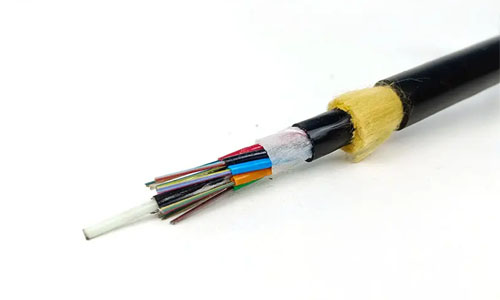 ADSS Fiber Optic Cable
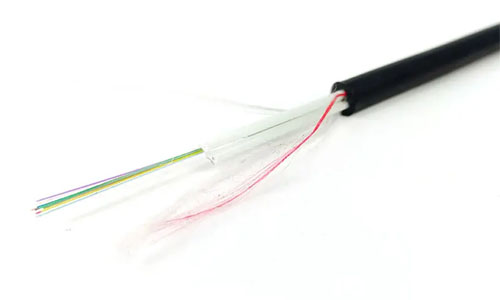 ASU Fiber Optic Cable
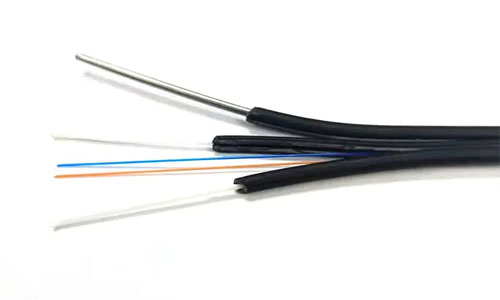 FTTH Fiber Optic Cable
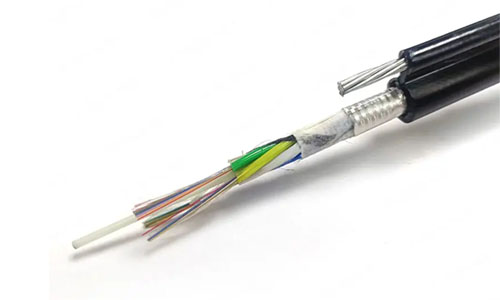 Figure 8 Fiber Optic Cable
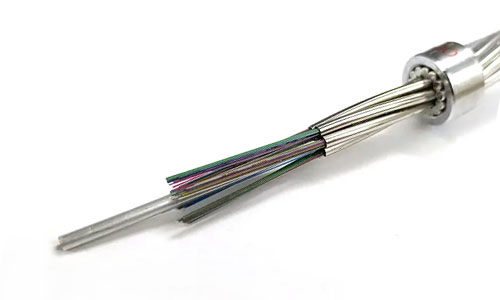 OPGW Fiber Optic Cable
 Coaxial Cable
 Ethernet Cable
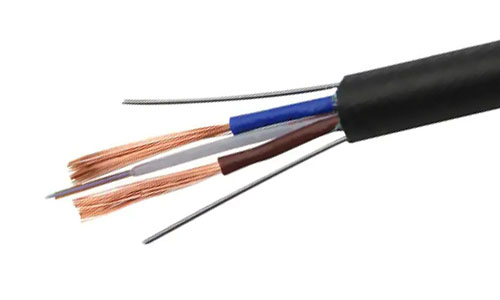 Photoelectric Composite Fiber Optic Cable
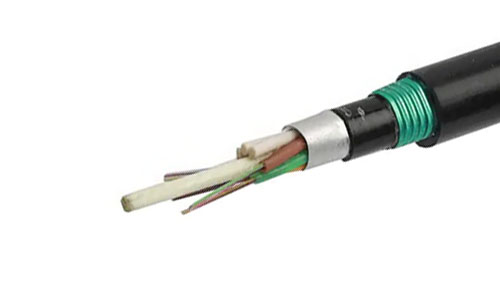 Underground & Pipeline Fiber Optic Cable
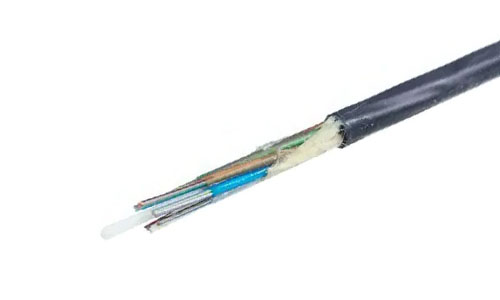 Air-Blown Micro Fiber Optic Cable
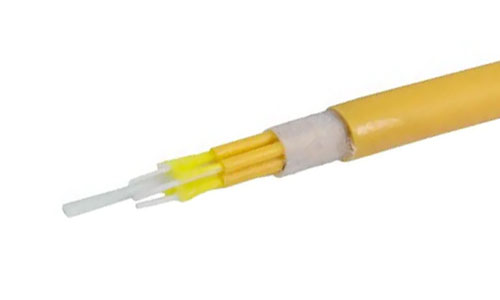 Indoor Fiber Optic Cable
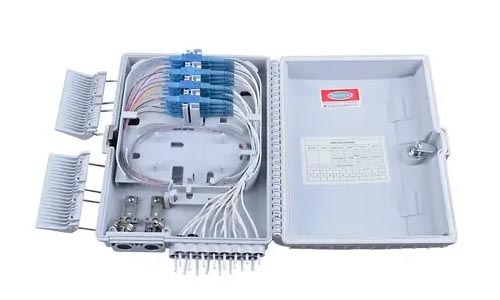 Fiber Optic Distribution Box
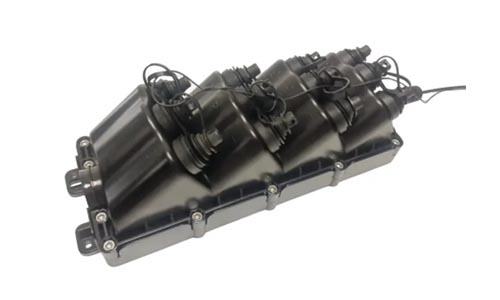 Multiport Service Termina Box
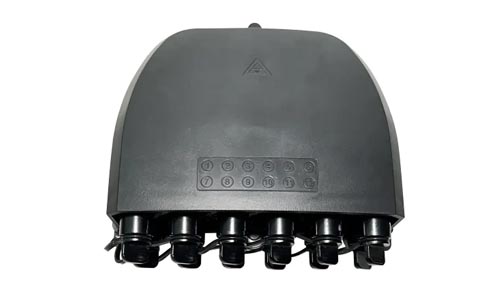 Fiber Optical Terminal Box
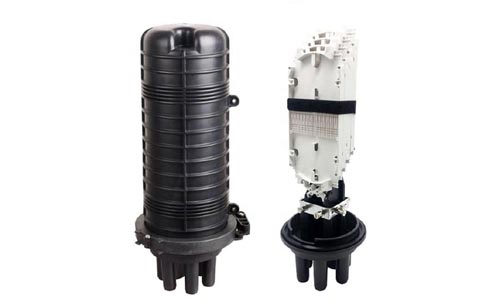 Fiber Optic Splice Closure
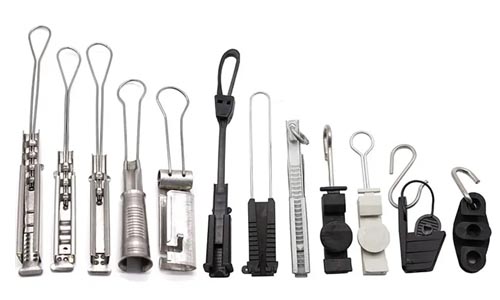 Fiber Optic Clamps
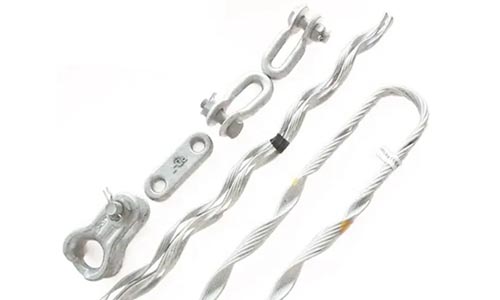 Fiber Optic Cable Fittings
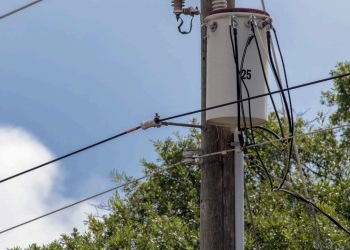 ADSS Fiber Cable
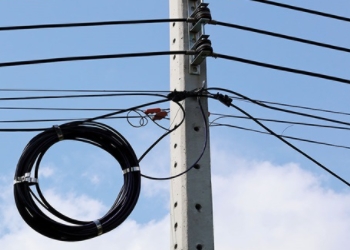 ASU Fiber Cable
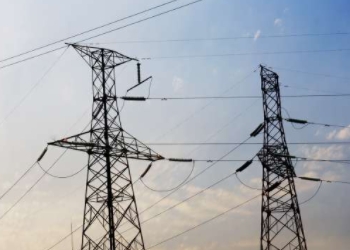 OPGW Fiber Cable
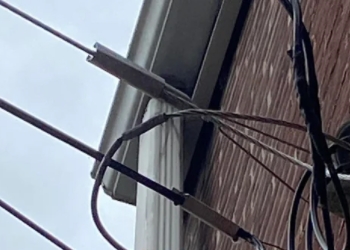 FTTH Fiber Cable
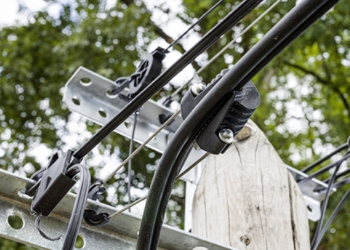 Figure 8 Fiber Cable
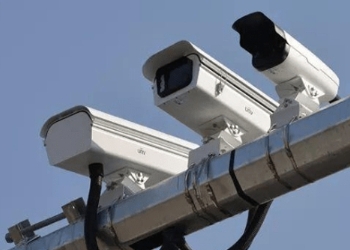 Photoelectric Composite Fiber Cable
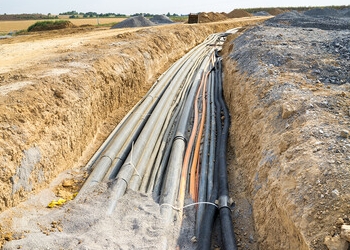 Underground & Pipeline Fiber Cable
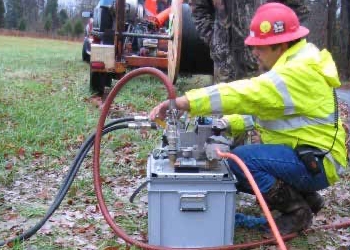 Air-Blown Micro Fiber Cable
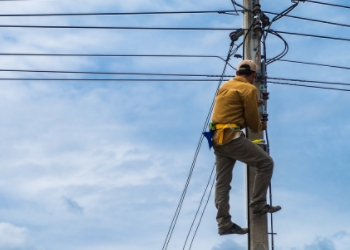 Aerial Fiber Cable
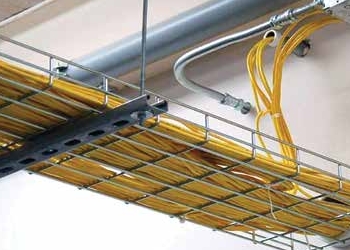 Indoor Fiber Cable
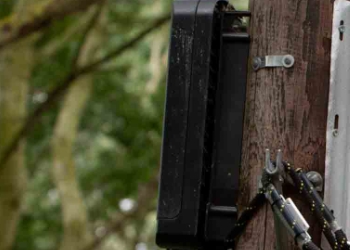 Fiber Optical Terminal Box
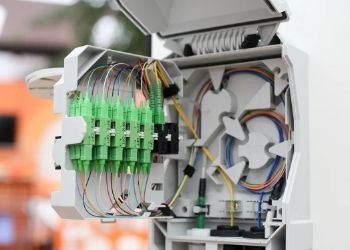 Fiber Optic Distribution Box
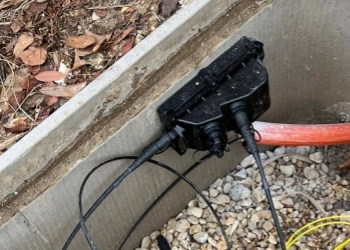 Multiport Service Termina Box
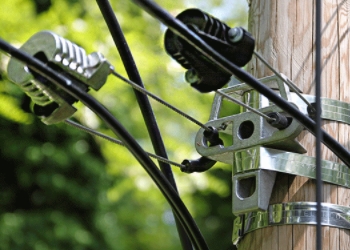 Fiber Optic Clamps
 About Us
 Our Team
 History
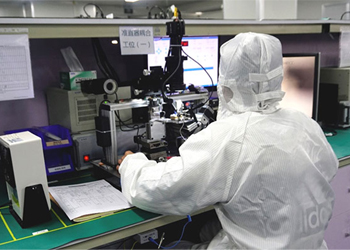 R&D Strength
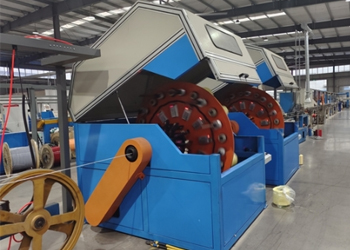 Production Base
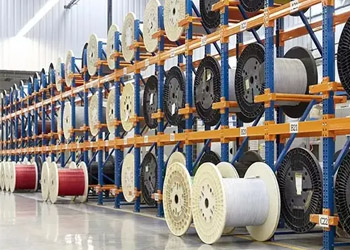 Warehouse & Logistics
 Quality
 FAQs
FAQsHow Long Does Fiber Optic Cable Last?
Fiber optic cable has become the backbone of modern communication networks, supporting high-speed internet, telecommunications, data centers, 5G infrastructure, industrial automation, and smart cities. Compared with traditional copper cables, fiber optic cables provide higher bandwidth, lower signal loss, longer transmission distances, and better resistance to electromagnetic interference.
One of the most common questions asked by network operators, contractors, and buyers is:
How long does fiber optic cable last?
In general, a properly installed and maintained fiber optic cable can last 25 to 50 years or even longer. However, the actual lifespan depends on many factors, including cable type, installation environment, material quality, temperature conditions, moisture protection, mechanical stress, and maintenance practices.
For example:
- Indoor fiber optic cable may last 20–30 years under controlled conditions.
- Outdoor fiber optic cable can typically last 30–50 years.
- Direct buried fiber optic cable with advanced waterproof and armored protection can exceed 50 years in suitable environments.
- Fiber optic cables installed in harsh industrial or underground environments may require earlier replacement.
Understanding fiber optic cable lifespan helps network owners make better investment decisions and avoid unnecessary replacement costs.

What Is the Average Lifespan of Fiber Optic Cable?
The average lifespan of fiber optic cable is generally between 25 and 50 years.
Unlike copper cables, fiber optic cables do not carry electrical signals. They transmit data using pulses of light through glass fibers. Because glass fibers do not suffer from corrosion like copper conductors, fiber cables can maintain stable performance for decades when properly protected.
The main components that determine the lifespan of a fiber optic cable include:
- Optical fiber core
- Cable jacket
- Strength members
- Waterproof materials
- Armoring structure
- Installation quality
A high-quality fiber optic cable designed for outdoor applications can continue operating reliably for several decades.
Fiber Optic Cable Lifespan by Cable Type
Different fiber optic cable designs have different expected service lives.
1. Outdoor Fiber Optic Cable Lifespan
Outdoor fiber optic cables are designed to withstand environmental challenges such as rain, sunlight, temperature changes, wind, and physical pressure.
Typical lifespan:
30–50 years
Common outdoor fiber optic cable types include:
- ADSS fiber optic cable
- GYTS fiber optic cable
- GYTA fiber optic cable
- GYTA53 armored fiber cable
- Direct buried fiber optic cable
- OPGW fiber optic cable
These cables usually include protective features such as:
- UV-resistant polyethylene (PE) jackets
- Water-blocking materials
- Loose tube designs
- Steel tape armor
- Aluminum armor
- Aramid yarn reinforcement
For example, ADSS cable installed on power transmission poles can often operate for more than 25 years when the correct cable design and installation hardware are selected.
2. Underground Fiber Optic Cable Lifespan
Many telecommunications networks use underground fiber optic cables because underground installation provides excellent physical protection.
A properly installed underground fiber optic cable can last:
30–50 years
The lifespan depends heavily on:
- Burial depth
- Soil conditions
- Water exposure
- Rodent protection
- Cable armor
- Installation standards
Direct buried fiber optic cables usually include additional protection such as:
- Steel tape armor
- Steel wire armor
- Double PE sheath
- Waterproof gel or dry water-blocking technology
These features help prevent:
- Moisture penetration
- Crushing damage
- Rodent attacks
- Soil pressure damage
However, poor underground installation can significantly shorten cable life.

3. Indoor Fiber Optic Cable Lifespan
Indoor fiber optic cables are installed inside:
- Buildings
- Data centers
- Offices
- Telecommunication rooms
Because indoor environments have fewer environmental stresses, these cables usually last:
20–30 years or longer
The main factors affecting indoor fiber lifespan include:
- Cable bending
- Heat exposure
- Physical damage
- Poor installation practices
Modern indoor fiber cables often use LSZH (Low Smoke Zero Halogen) jackets, which provide better safety performance in commercial buildings.
Does Fiber Optic Cable Degrade Over Time?
Yes, fiber optic cable can degrade over time, but the degradation process is usually very slow.
The glass fiber itself is extremely stable. Most failures are not caused by the optical fiber core but by external materials surrounding it.
Common causes of fiber optic cable degradation include:
1. Moisture Damage
Water is one of the biggest threats to fiber optic cables.
When moisture enters a cable:
- Optical attenuation may increase
- Fiber strength may decrease
- Connector performance may decline
- Long-term reliability may be affected
High-quality outdoor fiber optic cables use waterproof designs to prevent moisture damage.
Examples:
- Gel-filled loose tube
- Dry water-blocking tape
- Water-blocking yarn
2. UV Radiation Damage
Outdoor cables are continuously exposed to sunlight.
Ultraviolet radiation can gradually damage the outer sheath, causing:
- Jacket cracking
- Material aging
- Reduced mechanical protection
Outdoor fiber optic cables usually use UV-resistant PE jackets to improve durability.
3. Temperature Changes
Extreme temperatures can affect cable performance.
Common temperature-related problems include:
- Expansion and contraction
- Increased attenuation
- Jacket aging
- Mechanical stress
Most outdoor fiber optic cables are designed to operate within approximately:
-40°C to +70°C
Special industrial fiber cables can support wider temperature ranges.
4. Mechanical Stress
Fiber optic cables are sensitive to excessive mechanical forces.
Potential damage sources include:
- Excessive pulling tension
- Tight bending radius
- Crushing pressure
- Incorrect installation
Proper installation is critical because a cable damaged during deployment may fail years later.
Factors That Affect Fiber Optic Cable Lifespan
The actual service life of fiber optic cable depends on several important factors.
1. Cable Quality and Material Selection
Not all fiber optic cables are manufactured with the same quality.
Higher-quality cables usually use:
- Premium optical fiber
- Stronger jackets
- Better waterproof materials
- Reliable reinforcement systems
Cheap cables may experience premature aging because of:
- Poor sheath materials
- Low-quality fiber
- Weak moisture protection
For long-term network investment, choosing a reliable fiber optic cable manufacturer is essential.
2. Installation Environment
The installation location has a major impact on lifespan.
Aerial Installation
Aerial fiber cables are exposed to:
- Wind
- Ice loading
- Sunlight
- Temperature changes
ADSS cable and figure-8 fiber cable are designed for aerial applications.
Underground Installation
Underground cables face:
- Soil pressure
- Water exposure
- Rodents
- Construction damage
Armored fiber optic cables are commonly used.
Indoor Installation
Indoor cables mainly face:
- Physical movement
- Heat
- Bending stress
3. Installation Quality
Even the best fiber optic cable can fail early if installed incorrectly.
Common installation mistakes include:
- Exceeding maximum pulling tension
- Ignoring minimum bending radius
- Poor splice protection
- Incorrect cable storage
- Improper termination
Professional installation can significantly extend cable life.
How to Extend the Lifespan of Fiber Optic Cable
Although fiber optic cables can last for several decades, proper installation and maintenance are essential to achieve maximum service life.
Here are the most effective ways to extend fiber optic cable lifespan.
1. Choose the Right Fiber Optic Cable Type for the Application
Selecting the correct cable design is one of the most important factors affecting long-term reliability.
Different environments require different fiber optic cable structures.
For Aerial Applications
Recommended cables:
- ADSS fiber optic cable
- Figure 8 self-supporting fiber cable
- OPGW cable
These cables are designed to withstand:
- Wind pressure
- Ice loading
- UV exposure
- Long-span installation
ADSS cable is especially popular because it does not require a metallic messenger wire and can be installed near high-voltage power lines.
For Underground Applications
Recommended cables:
- GYTS fiber optic cable
- GYTA fiber optic cable
- GYTA53 armored fiber optic cable
- Direct buried fiber optic cable
These cables provide protection against:
- Water penetration
- Soil pressure
- Rodent damage
- External impact
Armored fiber optic cables generally provide a longer service life in harsh underground environments.
For FTTH Networks
Recommended cables:
- FTTH drop cable
- GJXFH flat drop cable
- GYFXTBY fiber optic cable
FTTH cables are usually designed for:
- Residential buildings
- Fiber-to-the-home connections
- Access networks
Their lifespan is commonly:
20–30 years
when properly installed.
Signs That Fiber Optic Cable Needs Replacement
Although fiber optic cables have a long lifespan, they may eventually require replacement.
The following signs indicate possible cable aging or damage.
1. Increasing Signal Loss
One of the most common signs of fiber cable problems is increased optical attenuation.
Symptoms include:
- Slow network speed
- Frequent connection interruptions
- Reduced transmission distance
- Signal instability
Fiber testing equipment such as an OTDR (Optical Time Domain Reflectometer) can identify:
- Fiber breaks
- High-loss points
- Poor splices
- Connector problems
2. Physical Damage to Cable Jacket
Inspect the outer sheath regularly.
Warning signs include:
- Cracks
- Cuts
- Exposed reinforcement
- Water leakage
- Animal damage
A damaged jacket allows moisture to enter the cable structure, accelerating aging.
3. Outdated Fiber Technology
Sometimes a fiber cable is replaced not because it fails, but because network requirements increase.
For example:
Older installations may use:
- Low fiber count cables
- Older fiber standards
- Limited bandwidth designs
Modern networks may require:
- Higher fiber counts
- Single mode fiber
- Higher bandwidth transmission
- Better bending performance
In this case, upgrading the cable infrastructure may be more economical than maintaining outdated systems.
Fiber Optic Cable Lifespan Compared With Copper Cable
Many network owners compare fiber optic cable with copper cable when planning infrastructure investments.
| Feature | Fiber Optic Cable | Copper Cable |
|---|---|---|
| Average lifespan | 25–50 years | 10–20 years |
| Signal transmission | Light | Electrical signal |
| Distance | Several kilometers | Usually less than 100 meters |
| Electromagnetic interference | Excellent resistance | Sensitive |
| Bandwidth | Extremely high | Limited |
| Maintenance requirement | Low | Higher |
| Corrosion risk | Very low | Higher |
Fiber optic cable usually provides a longer operational lifespan and better future scalability.
This is one reason why telecom operators, internet providers, and data centers continue replacing copper infrastructure with fiber networks.
How Long Do Different Types of Fiber Optic Cable Last?
Different fiber optic cable designs have different expected service lives.
ADSS Fiber Optic Cable Lifespan
Typical lifespan: 25–40 years
ADSS (All-Dielectric Self-Supporting) cable is widely used in aerial networks.
Its lifespan depends on:
- Span length
- Wind load
- Ice load
- Electrical environment
- Installation quality
Advantages:
- No metallic components
- Lightweight
- Resistant to electromagnetic interference
- Suitable for power utility communication networks
GYTS Fiber Optic Cable Lifespan
Typical lifespan: 30–50 years
GYTS cable is a common outdoor loose tube armored fiber cable.
Construction features:
- Steel tape armor
- PE outer sheath
- Loose tube structure
- Water-blocking materials
It is widely used for:
- Long-distance communication
- Underground networks
- Backbone transmission
GYTA53 Armored Fiber Optic Cable Lifespan
Typical lifespan: 40–50 years
GYTA53 is designed for demanding environments.
It usually includes:
- Double sheath protection
- Metal armor
- Strong moisture resistance
Applications:
- Direct burial
- Mining communication
- Industrial networks
- Harsh outdoor environments
OPGW Cable Lifespan
Typical lifespan: 30–50 years
OPGW (Optical Ground Wire) combines:
- Optical communication
- Power transmission protection
It is installed on high-voltage transmission lines.
Its lifespan depends on:
- Power line conditions
- Lightning exposure
- Mechanical loading
- Corrosion protection
FTTH Drop Cable Lifespan
Typical lifespan: 20–30 years
FTTH drop cables connect homes and buildings to fiber access networks.
Their service life depends on:
- Indoor/outdoor exposure
- Installation method
- UV protection
- Bending conditions
How Is Fiber Optic Cable Tested During Its Lifetime?
Regular testing helps identify problems before network failure occurs.
Common fiber optic testing methods include:
1. OTDR Testing
OTDR testing is one of the most important methods for evaluating fiber cable performance.
It can detect:
- Fiber breaks
- Splice loss
- Connector problems
- Distance to faults
Telecommunication companies commonly use OTDR testing for maintenance and troubleshooting.
2. Optical Power Testing
Optical power meters measure:
- Signal strength
- Insertion loss
- Transmission quality
This helps ensure the fiber link remains within acceptable performance levels.
3. Visual Inspection
Regular inspections can identify:
- Damaged cable jackets
- Loose connectors
- Improper installation conditions
Preventive maintenance can greatly increase network reliability.
Frequently Asked Questions About Fiber Optic Cable Lifespan
How long does fiber optic cable last underground?
Underground fiber optic cables typically last 30 to 50 years.
Their lifespan depends on:
- Cable construction
- Waterproof protection
- Soil conditions
- Installation quality
Armored underground cables generally provide better long-term protection.
Can fiber optic cable last 50 years?
Yes.
High-quality fiber optic cables can operate for 50 years or more under suitable conditions.
Many modern fiber networks are designed with a service life exceeding several decades.
Does fiber optic cable degrade over time?
Yes, but very slowly.
The glass fiber itself is extremely durable. Most degradation occurs in:
- Outer jackets
- Waterproof materials
- Strength members
- Connectors
Proper maintenance can significantly slow aging.
Can old fiber optic cable be reused?
Sometimes.
If the cable passes testing and meets network requirements, existing fiber cable can continue operating.
Before reuse, engineers usually check:
- Optical attenuation
- Fiber continuity
- Physical condition
- Bandwidth capability
How often should fiber optic cable be replaced?
There is no fixed replacement schedule.
Most fiber optic cables do not need replacement for:
25–50 years
Replacement usually happens because of:
- Physical damage
- Increased bandwidth requirements
- Network upgrades
- Environmental changes
Future-Proofing Your Fiber Network Investment
Choosing fiber optic cable is a long-term infrastructure decision.
A well-designed fiber network can support future technologies including:
- 5G communication
- Artificial intelligence data centers
- Cloud computing
- Smart cities
- Industrial automation
- Internet of Things (IoT)
When selecting fiber optic cables, consider:
1. Fiber Type
For most modern networks:
- Single mode fiber (OS2)
- G.652.D fiber
- G.657.A1/A2 bend insensitive fiber
are commonly selected.
2. Fiber Count
Future demand should be considered.
Installing higher fiber counts today can reduce future upgrade costs.
Common options include:
- 12 core fiber cable
- 24 core fiber cable
- 48 core fiber cable
- 96 core fiber cable
- 144 core fiber cable
3. Environmental Protection
Choose cable protection according to installation conditions:
Outdoor:
- UV-resistant sheath
- Waterproof design
Underground:
- Armored structure
- Rodent protection
Aerial:
- High tensile strength
- Weather resistance
Conclusion: How Long Does Fiber Optic Cable Last?
So, how long does fiber optic cable last?
The answer is:
Most fiber optic cables last between 25 and 50 years, and high-quality cables can exceed 50 years with proper installation and maintenance.
The actual lifespan depends on:
- Cable type
- Installation environment
- Material quality
- Weather exposure
- Mechanical stress
- Maintenance practices
Compared with copper cables, fiber optic cables provide:
- Longer service life
- Higher bandwidth
- Better reliability
- Lower maintenance costs
- Future-ready network performance
For telecom operators, contractors, and enterprises, investing in high-quality fiber optic cable is not only a network upgrade—it is a long-term infrastructure investment that can support communication needs for decades.