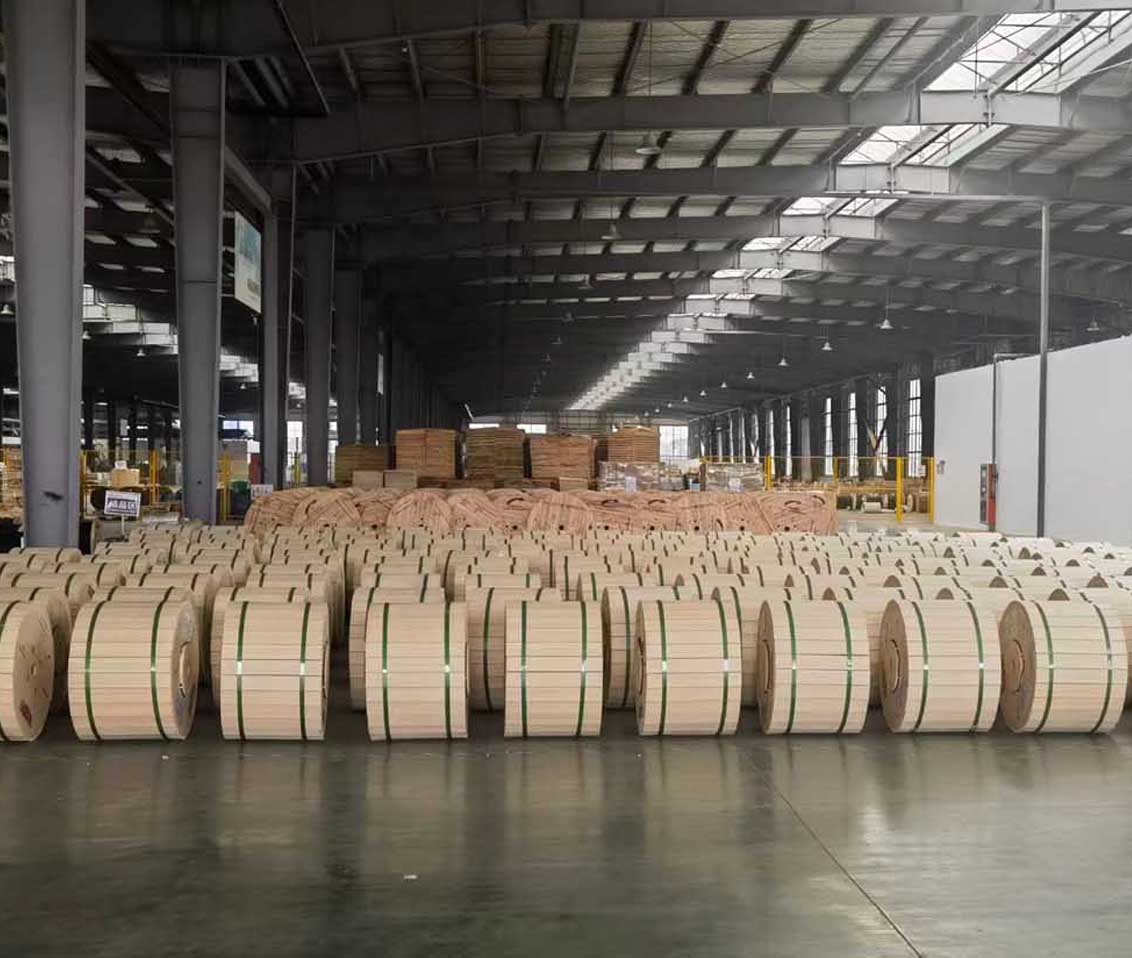
 Optical Fiber
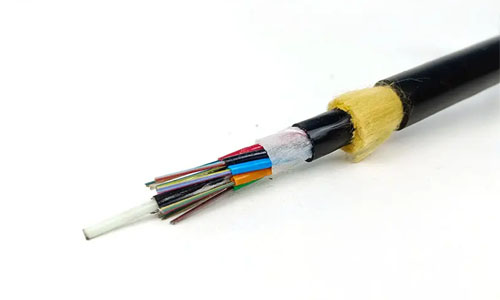 ADSS Fiber Optic Cable
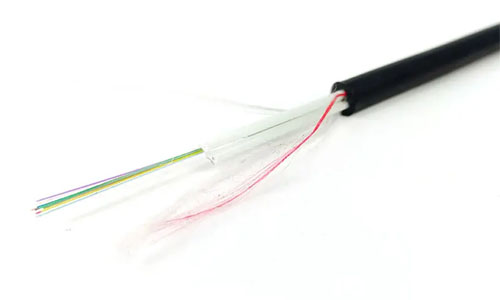 ASU Fiber Optic Cable
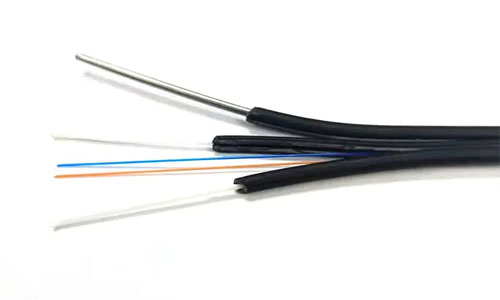 FTTH Fiber Optic Cable
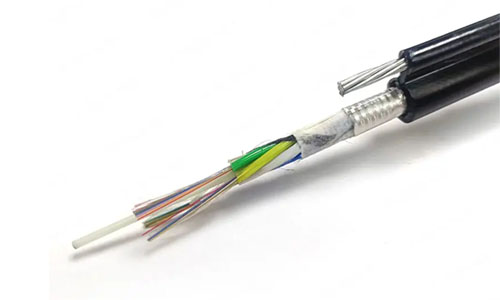 Figure 8 Fiber Optic Cable
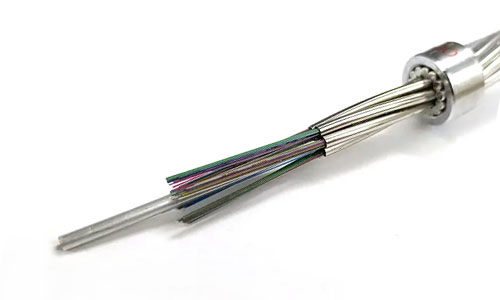 OPGW Fiber Optic Cable
 Coaxial Cable
 Ethernet Cable
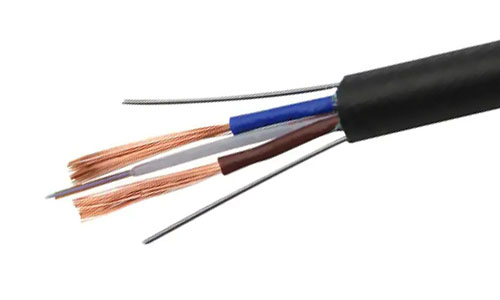 Photoelectric Composite Fiber Optic Cable
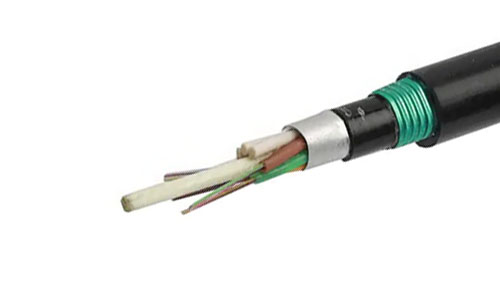 Underground & Pipeline Fiber Optic Cable
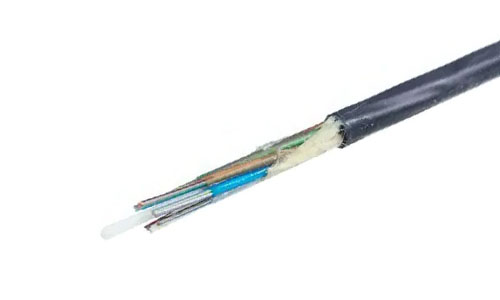 Air-Blown Micro Fiber Optic Cable
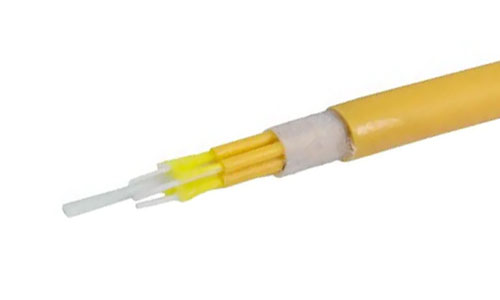 Indoor Fiber Optic Cable
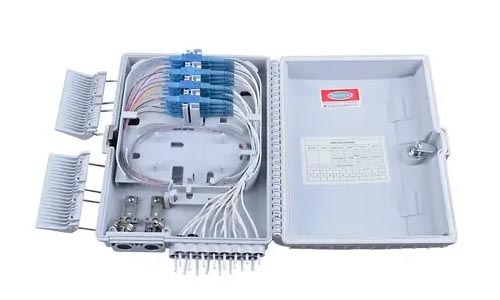 Fiber Optic Distribution Box
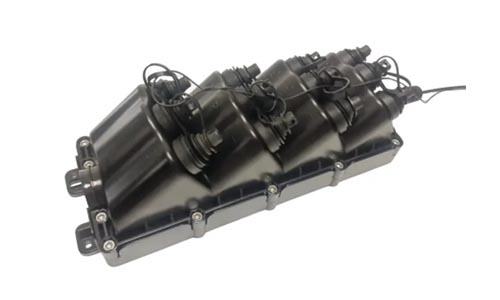 Multiport Service Termina Box
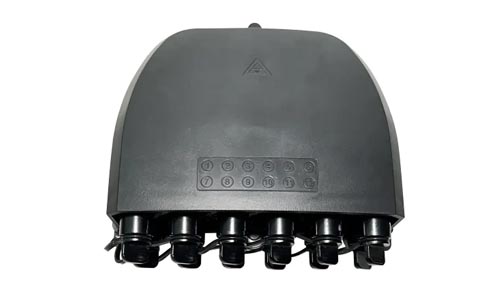 Fiber Optical Terminal Box
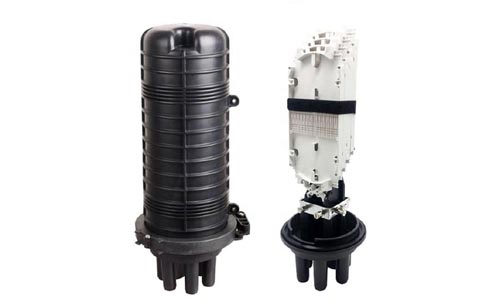 Fiber Optic Splice Closure
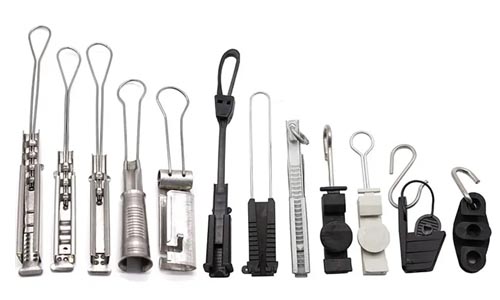 Fiber Optic Clamps
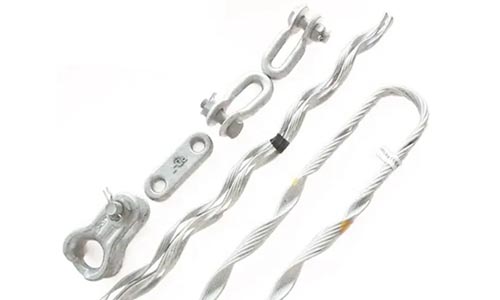 Fiber Optic Cable Fittings
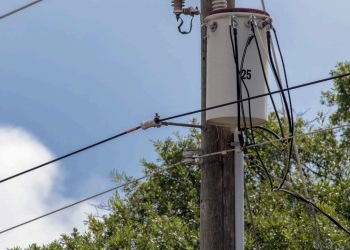 ADSS Fiber Cable
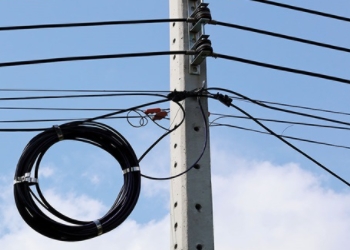 ASU Fiber Cable
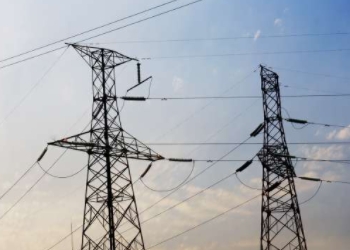 OPGW Fiber Cable
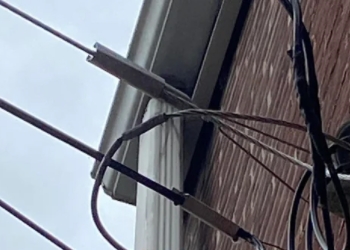 FTTH Fiber Cable
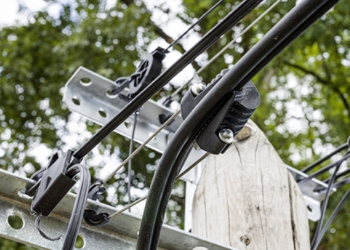 Figure 8 Fiber Cable
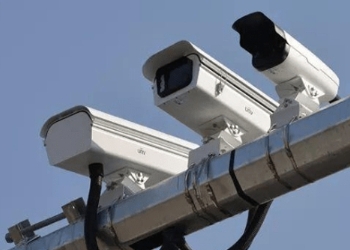 Photoelectric Composite Fiber Cable
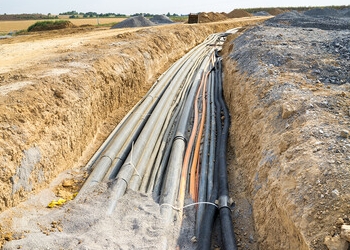 Underground & Pipeline Fiber Cable
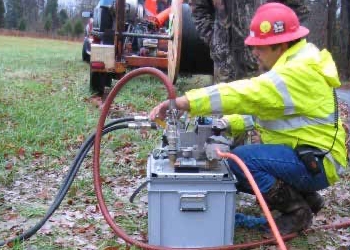 Air-Blown Micro Fiber Cable
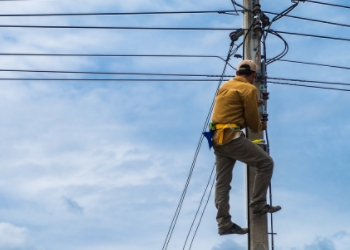 Aerial Fiber Cable
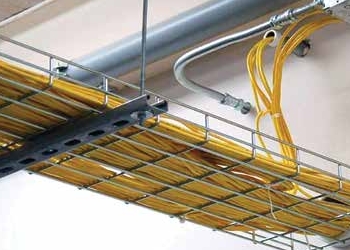 Indoor Fiber Cable
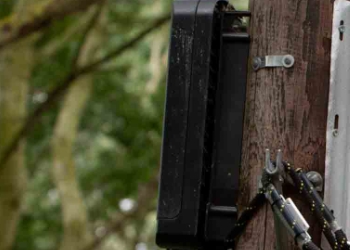 Fiber Optical Terminal Box
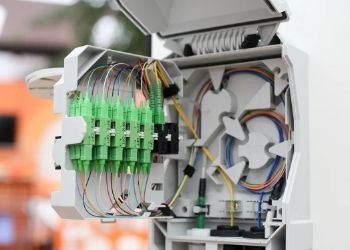 Fiber Optic Distribution Box
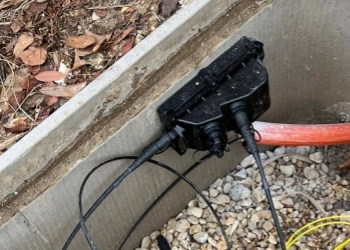 Multiport Service Termina Box
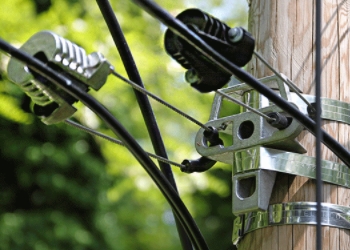 Fiber Optic Clamps
 About Us
 Our Team
 History
 R&D Strength
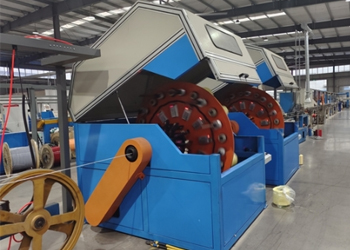 Production Base
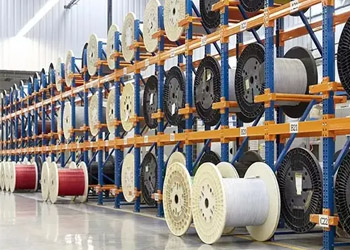 Warehouse & Logistics
 Quality
 FAQs
FAQsWhat's the Difference Fiber Optic Cable vs Copper Cable?
inquiry nowWhat's the Difference Fiber Optic Cable vs Copper Cable?
Let me start by recalling the previous conversation where I explained what a fiber optic cable is. Now you want a comparison, so I need to highlight the differences between the two.
Fiber Optic Cable vs Copper Cable
First, I should consider the main aspects to compare. Probably transmission medium, speed, distance, bandwidth, interference, security, cost, durability, and applications. Let me make sure I cover all these points.
Transmission medium: Fiber uses light, copper uses electrical signals. That's a key difference. Speed and bandwidth: Fiber is much faster with higher bandwidth. Distance: Fiber can transmit over longer distances without signal loss. Interference: Fiber isn't affected by EMI, which copper is. Security: Fiber is harder to tap, so more secure. Cost: Copper is cheaper upfront but fiber has lower long-term costs. Durability: Fiber is more fragile physically but better in harsh environments. Applications: Where each is used.

Wait, I should check if there's anything else. Oh, latency maybe. Fiber has lower latency, which is important for real-time applications. Also, power transmission: Copper can carry power (like PoE), fiber can't. So devices using fiber need separate power.
I need to structure this clearly. Maybe a table would help, but you might want a concise explanation. Let me outline each category with bullet points, comparing them side by side.
Potential user scenarios: They could be a student researching for a project, an IT professional deciding on infrastructure, or someone curious about their home internet. The answer should be accessible but detailed enough for technical readers.
Make sure to mention specific use cases, like fiber for undersea cables and long-distance telecom, copper for short Ethernet runs. Also, touch on future trends, like fiber becoming more common as costs decrease.
I should also highlight when to choose each. For example, if budget is a constraint and distance is short, copper might be better. If needing high speed and security, fiber is the way to go.

Check for any common misconceptions. For instance, some might think fiber is always more expensive, but over time, maintenance costs are lower. Also, clarify that while fiber is fragile, it's better in environments with lots of interference.
Double-check technical details: core sizes, transmission speeds, maximum distances. For example, single-mode vs multi-mode fiber distances. Copper's limitations with crosstalk and EMI.
Okay, structure the response with clear headings for each comparison aspect, use bullet points or numbered lists for clarity, and conclude with a summary and recommendations based on use cases. Make sure it's easy to read and answers both the technical and practical considerations.

Fiber Optic Cable vs. Copper Cable: Key Differences
Fiber optic and copper cables are the two primary mediums for data transmission, each with distinct advantages and limitations. Here’s a detailed comparison:
1. Transmission Medium
-
Fiber Optic: Uses light pulses (lasers/LEDs) through glass/plastic fibers.
-
Copper Cable: Relies on electrical signals through copper wires (e.g., twisted pairs, coaxial).
2. Speed & Bandwidth
-
Fiber Optic:
-
Speed: Up to terabits per second (Tbps) in research settings; commercially up to 100+ Gbps.
-
Bandwidth: Virtually unlimited due to light’s high frequency.
-
-
Copper Cable:
-
Speed: Typically up to 10 Gbps (Cat 6a/7 cables).
-
Bandwidth: Limited by signal degradation at higher frequencies.
-
3. Distance & Signal Loss
-
Fiber Optic:
-
Distance: Single-mode fiber (SMF) can transmit 100+ km without repeaters.
-
Attenuation: Minimal signal loss (~0.2 dB/km).
-
-
Copper Cable:
-
Distance: Limited to 100 meters (for Ethernet) before needing boosters.
-
Attenuation: High signal loss over long distances due to resistance and EMI.
-
4. Interference & Reliability
-
Fiber Optic:
-
Immune to electromagnetic interference (EMI) and radio-frequency interference (RFI).
-
No crosstalk between fibers.
-
-
Copper Cable:
-
Susceptible to EMI/RFI (e.g., power lines, motors).
-
Requires shielding (e.g., STP cables) to reduce interference.
-
5. Security
-
Fiber Optic:
-
Extremely difficult to tap without disrupting the light signal (detectable).
-
Ideal for secure environments (e.g., military, banking).
-
-
Copper Cable:
-
Easier to tap (electromagnetic eavesdropping).
-
Requires encryption (e.g., TLS) for secure data.
-
6. Cost
-
Fiber Optic:
-
Higher upfront cost (installation, transceivers, splicing equipment).
-
Lower long-term costs (durability, minimal maintenance).
-
-
Copper Cable:
-
Cheaper initial setup (widely available, simpler termination).
-
Higher maintenance over time (signal degradation, EMI shielding).
-
7. Durability & Environment
-
Fiber Optic:
-
Fragile glass core (requires careful handling).
-
Resistant to temperature fluctuations, moisture, and corrosion.
-
-
Copper Cable:
-
More physically durable but prone to corrosion (e.g., in humid environments).
-
Heavier and bulkier than fiber.
-
8. Applications
-
Fiber Optic:
-
Long-distance telecom (undersea cables, ISP backbones).
-
Data centers, 5G networks, medical imaging, and military systems.
-
-
Copper Cable:
-
Short-distance Ethernet (LANs, offices, homes).
-
Power over Ethernet (PoE) devices (e.g., IP cameras, VoIP phones).
-
9. Latency
-
Fiber Optic: Lower latency (~30% faster than copper) due to light speed.
-
Copper Cable: Higher latency, especially over long distances.
10. Power Transmission
-
Fiber Optic: Cannot transmit electrical power (requires separate power for devices).
-
Copper Cable: Supports Power over Ethernet (PoE), delivering data and power simultaneously.
When to Choose Which?
-
Fiber Optic:
-
High-speed, long-distance needs (e.g., ISPs, data centers).
-
Environments with heavy EMI (factories, hospitals).
-
Critical security requirements.
-
-
Copper Cable:
-
Budget-conscious, short-range setups (e.g., home networks).
-
PoE applications (security cameras, IoT devices).
-
Legacy systems still using copper infrastructure.
-
Future Trends
-
Fiber optic adoption is growing due to 5G, cloud computing, and IoT demands.
-
Copper remains relevant for PoE and cost-sensitive deployments.
Conclusion: Fiber optic cables outperform copper in speed, distance, and reliability but come at a higher initial cost. Copper remains practical for short-range, low-budget, or PoE-dependent setups. The choice depends on your specific needs for speed, security, and scalability.