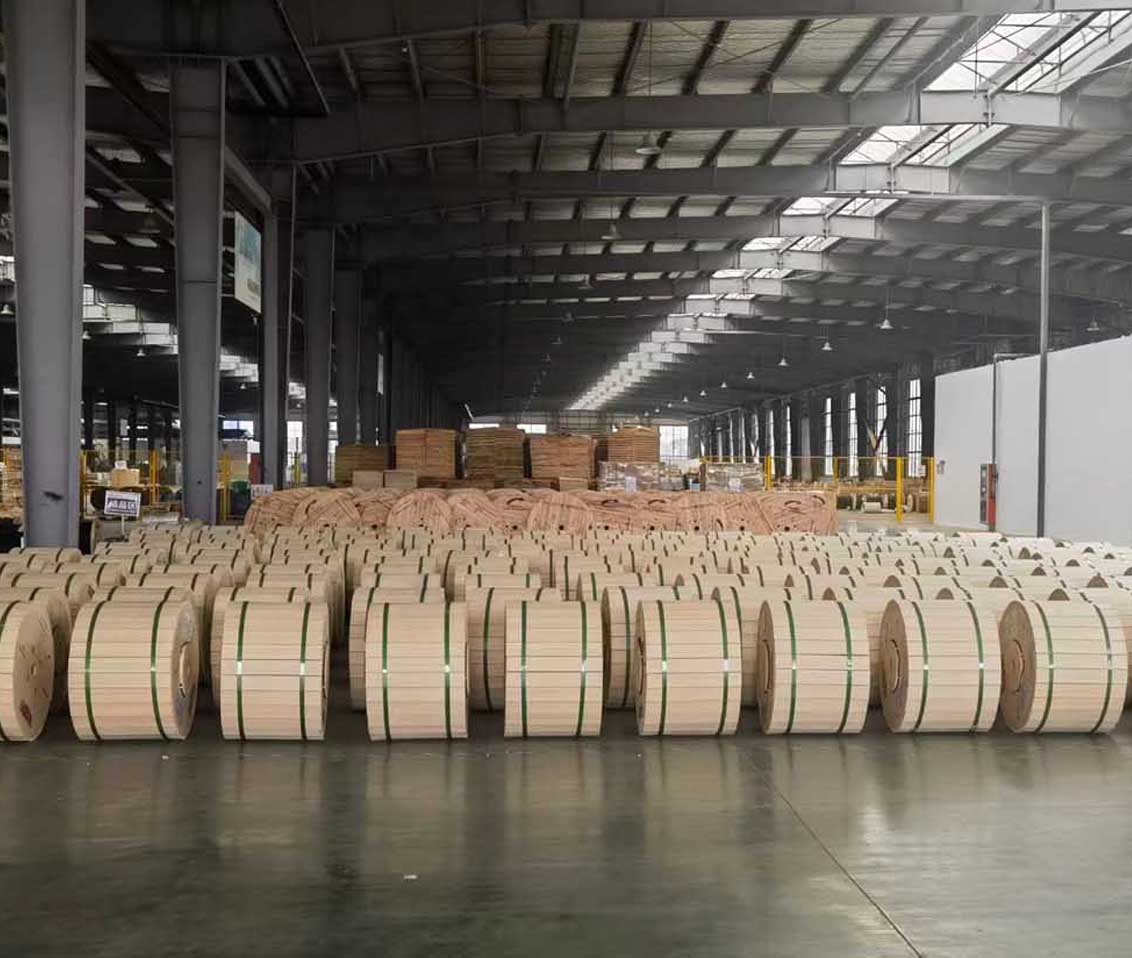
 Optical Fiber
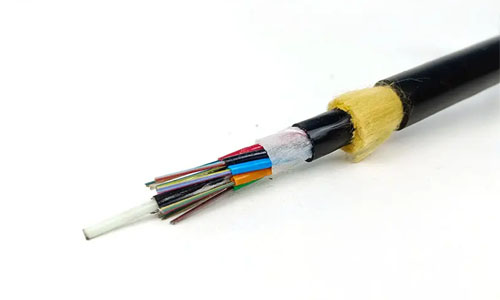 ADSS Fiber Optic Cable
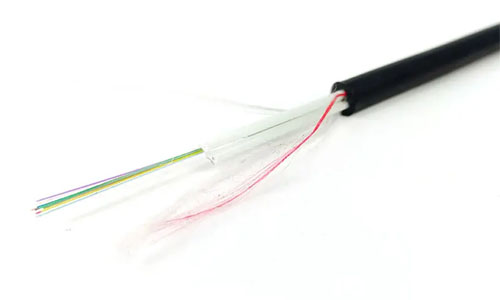 ASU Fiber Optic Cable
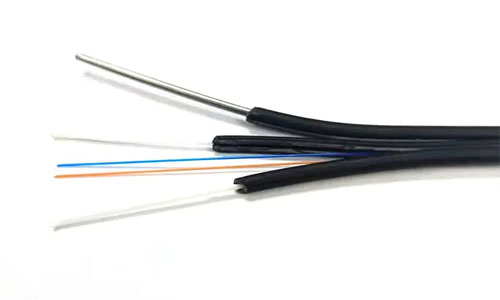 FTTH Fiber Optic Cable
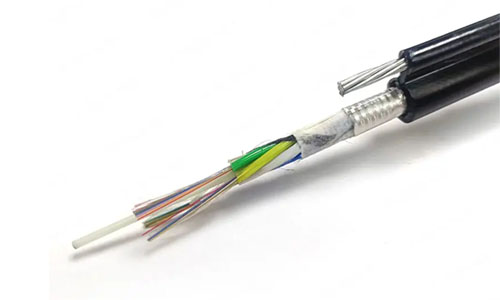 Figure 8 Fiber Optic Cable
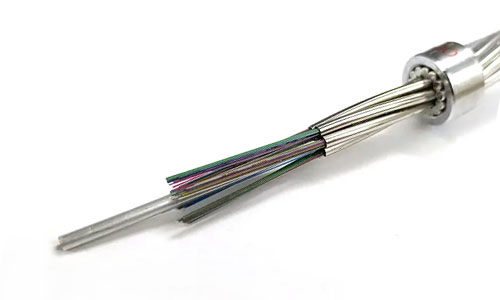 OPGW Fiber Optic Cable
 Coaxial Cable
 Ethernet Cable
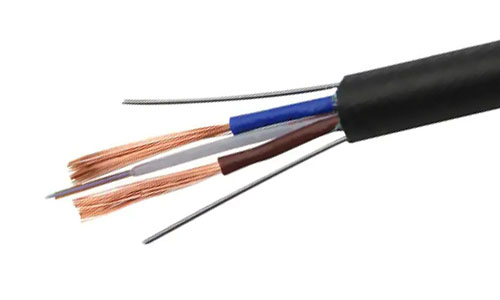 Photoelectric Composite Fiber Optic Cable
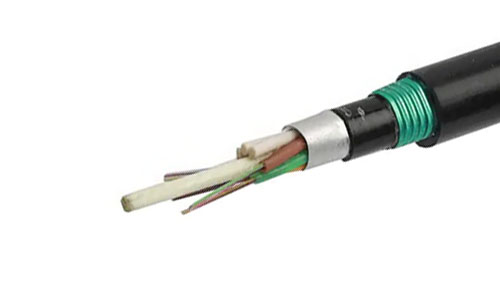 Underground & Pipeline Fiber Optic Cable
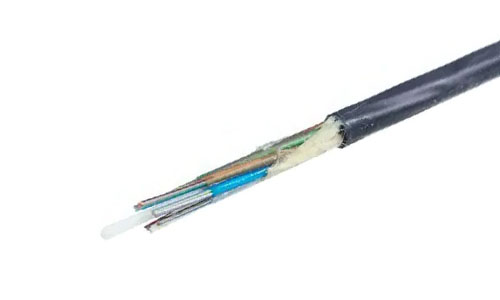 Air-Blown Micro Fiber Optic Cable
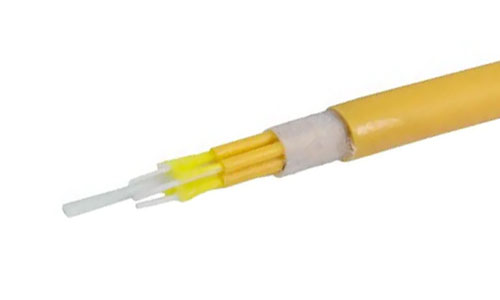 Indoor Fiber Optic Cable
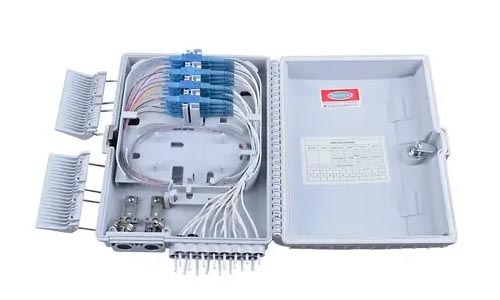 Fiber Optic Distribution Box
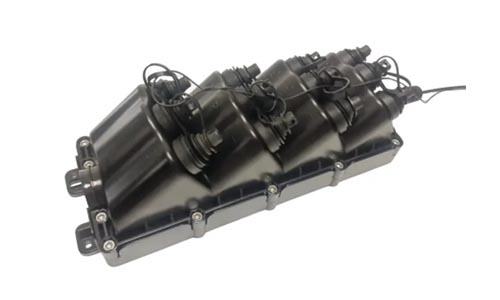 Multiport Service Termina Box
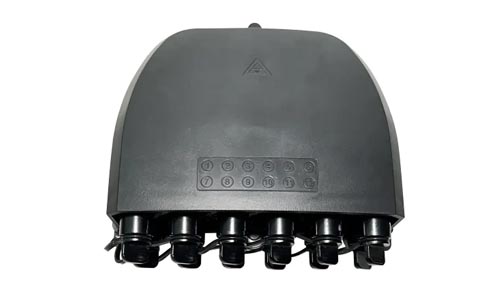 Fiber Optical Terminal Box
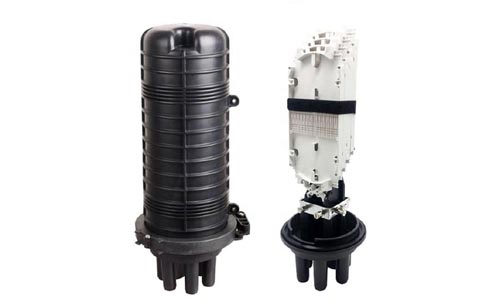 Fiber Optic Splice Closure
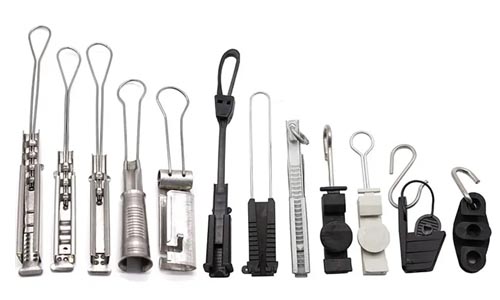 Fiber Optic Clamps
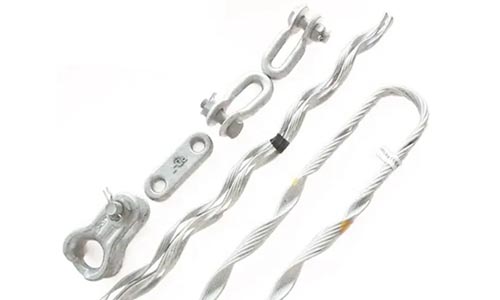 Fiber Optic Cable Fittings
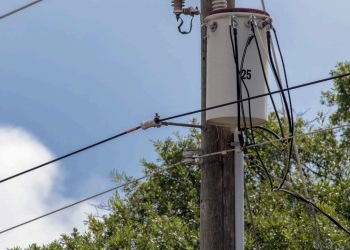 ADSS Fiber Cable
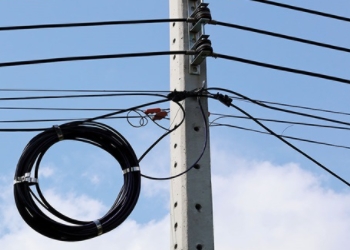 ASU Fiber Cable
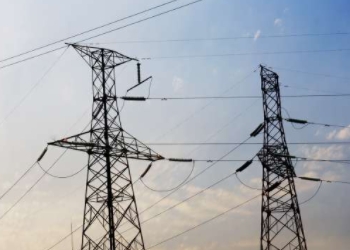 OPGW Fiber Cable
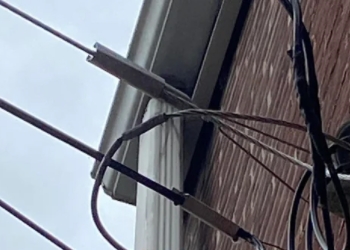 FTTH Fiber Cable
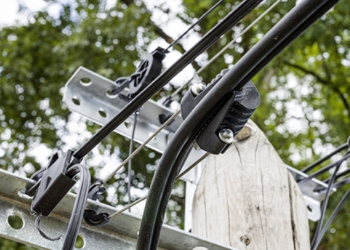 Figure 8 Fiber Cable
 Photoelectric Composite Fiber Cable
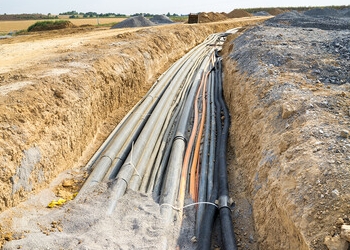 Underground & Pipeline Fiber Cable
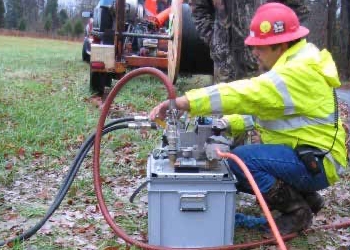 Air-Blown Micro Fiber Cable
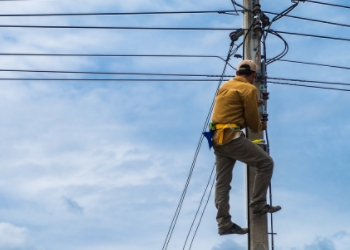 Aerial Fiber Cable
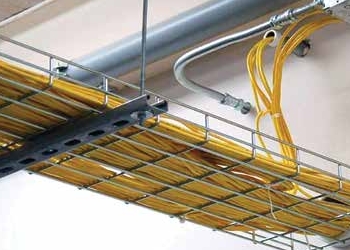 Indoor Fiber Cable
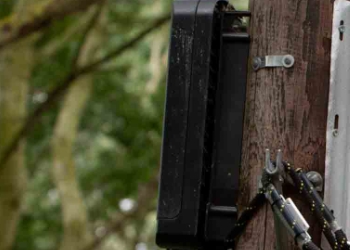 Fiber Optical Terminal Box
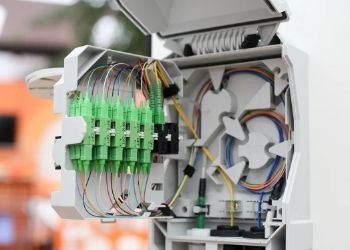 Fiber Optic Distribution Box
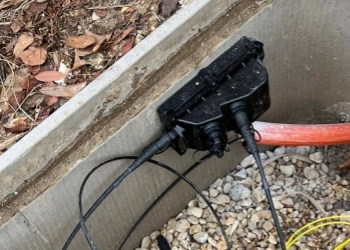 Multiport Service Termina Box
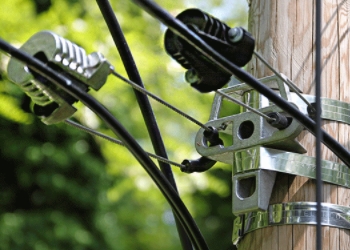 Fiber Optic Clamps
 About Us
 Our Team
 History
 R&D Strength
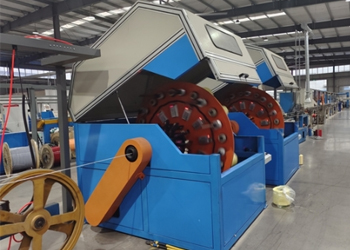 Production Base
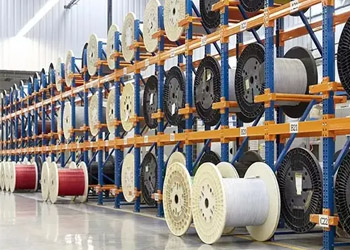 Warehouse & Logistics
 Quality
 FAQs
FAQsWhat's the Difference Between Cat5/5e and Cat6 Ethernet Cables?
Contact for Free Quotation & Sample, According to your needs, customize for you.
inquiry nowWhat's the Difference Between Cat5/5e and Cat6 Ethernet Cables?
Identifying characteristics Cat5e and Cat6 cables both use the same RJ45 connectors. Cat6’s stronger design greatly reduces instances of interference and allows for much higher data speeds, making it the better choice for data-heavy environments.
Cat5e cables have no problem handling the average internet and home/small office network requirements. They are still dependable and cost-effective solutions for residential and small office deployments.
Cat6 cables really start to out perform when you want faster speeds and superior streaming. They improve smoother gaming, particularly if you’re investing for future-proofing or have many devices connected.
Both cable types are suitable for runs up to around 328 feet. Cat6 provides greater speed up to 2500 Mbps over shorter distances and uses thicker materials that makes it a little stiffer to install.
The cost between Cat5e and Cat6 is minimal. Don’t just buy based on upfront cost – consider your total needs today and into the future!
Choosing the right cable can make a real difference in your network’s speed, reliability, and ability to keep up with new technology—so take time to plan before you buy.
Beyond that, Cat 5, Cat 5e, and Cat 6 cables only really vary in speed. They differ in how much data they’re able to move.
Cat 5 cables can support speeds of 100 Mbps or less and are sufficient for most current home configurations. Cat 5e, the “e” stands for “enhanced,” can go up to 1 Gbps and cuts down on wires crossing signals.
In contrast, Cat 6 cables take the lead with speeds of up to 10 Gbps over short distances and greater protection from interference. In the U.S., nearly all new construction for homes and offices install either Cat 5e or Cat 6.
Stronger performance means quicker internet search, video streaming and online gaming. What’s the difference? Choosing the right cable really depends on your individual needs and how quickly you want your network to operate.
The following section explains it all in detail.

What Are Cat5e & Cat6?
Cat5e and Cat6 are both twisted pair cables, and, like most Ethernet cables, they use RJ45 connectors. Together, they form the backbone of nearly every wired network in the U.S. They are classified into categories defined by ANSI/TIA; these categories establish the standards for how well a network cable should perform.
Knowing the difference between these cables can help folks pick the right fit, whether it’s for a small office or a house with lots of devices. Making the leap from Cat5e to Cat6, new design adjustments come into play. It has a thicker copper wire (23 AWG in Cat6 vs 24 AWG in Cat5e) and better shielding to combat noise and improve speed.
Cat5e: The Reliable Standard
Cat5e has long been the standard for residential and SMB networks nationwide. It provides plenty of speed for the average person, including internet browsing, streaming, and typical work from home jobs.
Cat5e handles gigabit speeds—up to 1,000 Mbps—across distances up to 328 feet (100 meters), which matches what most homes and small offices need. It retains the standard’s core, but it’s enough to future-proof it for 1Gb Ethernet. Plus, it supports 2.5GBASE-T Ethernet at the same length!
Cat6: The Faster Upgrade
Cat6 increases the bar for larger demands. It’s a good fit for users seeking higher performance data rates or preparing to migrate to 10Gb Ethernet.
With Cat6, you can get speeds of 10,000 Mbps (10Gbps) over 110 feet (33.5 meters). In perfect conditions with little to no interference (ANEXT), you can even push that distance out to 165 feet (50m)! Its thicker wires and tougher insulation eliminate more crosstalk and interference.
This especially desirable characteristic is why it’s the best choice for future-proofed environments, high-traffic networks, and work-from-home offices with fiber connections.
Cat5 vs. Cat5e: Quick Note
Cat5 and Cat5e may appear identical and even similar in handling, but Cat5e was engineered to perform better in the field. It allows for less crosstalk, or noise between wires, and provides more consistent reliability in everyday applications.
While both can work for everyday networking, Cat5e is the more prudent, more reliable option.
Cat5e vs. Cat6: Key Showdown
When it comes to speed and reliability, choosing the right network cable makes a big difference. It impacts how future-proof your setup will be! While Cat5e and Cat6 seem similar on paper, in practice they serve vastly different purposes. Here’s a quick breakdown, with a simple comparison chart to lay out the key specs next to each other.
| Feature | Cat5e | Cat6 |
|---|---|---|
| Max Speed | 100 Mbps (up to 2.5 Gbps) | 10 Gbps (short runs) |
| Bandwidth | 100 MHz | 250 MHz |
| Length | 328 ft (100 m) | 328 ft (100 m, 10 Gbps up to 165 ft) |
| Shielding | Basic | Tighter pairs, internal spline |
| Conductor Size | 24 AWG | 23 AWG |
1. Speed & Bandwidth: The Race
Cat5e maxes out at 100 Mbps throughput with 100 MHz of bandwidth, which was perfectly adequate for networks of the past.
Cat6 on the other hand, is really designed for what’s needed today, with support for up to 10 Gbps over shorter runs and 250 MHz bandwidth. That additional bandwidth is why Cat6 is the clear choice for handling large files, streaming high-res content, or doing server-class work.
Choosing Cat6 ensures your network won’t be outdated as speeds continue to increase.
2. Crosstalk: Less Static, More Signal
Cat6 cables reduce crosstalk due to the presence of tighter wire pairs and internal separators, known as splines.
This design reduces interference, making sure your signal is clear, even when a lot of information travels simultaneously. Less static also results in fewer dropped connections and smoother performance.
3. Inner Workings: Built Different
Cat6 copper is thicker than Cat5e, typically 23 AWG instead of 24 AWG.
The materials used and the combination of twists give Cat6 the ability to carry more data over longer distances with less loss. That’s precisely why Cat6 is the clear winner over Cat5e nearly 100% of the time.
4. Cable Length: Going the Distance
Both cables perform optimally at lengths of up to 328 feet.
Cat6 is capable of reaching 10 Gbps, but it can only do so up to 165 feet before it starts losing the speed. Cat5e does support 2.5 Gbps for its entire length.
If you’re doing a long run, understanding these limitations helps you avoid a precarious setup.
5. Price Tag: What's the Cost?
Cat5e is easier on the wallet, making it popular for home and small office use where top speed isn’t needed.
We won’t lie, Cat6 costs a little more. It’s well worth it if you want to future-proof your network or require higher speeds for larger, more active workspaces.
Real-World Network Performance
Cat5e and Cat6 cables are still very relevant in residential and commercial buildings today, and across the U.S. The true tale is in how they succeed or fail in their everyday usage. Selecting the proper cable can determine how great or productive your work or leisure activity is.
Here’s where each shines:
-
Cat5e is more than sufficient for casual web browsing, sending a few emails and operating small office printers.
-
Cat6 is the clear winner in environments with heavy streaming, gaming, or high-quality file transfers.
-
Cat6 is ideal for businesses that have a central office where lots of users are using the network simultaneously.
-
Over short cable runs (around 6-feet or less), both are often indistinguishable from one another.
Data Quality: Clearer Connections
The difference comes from the use of thicker copper and better shielding in Cat6 cables, which prevents outside noise. As a result, there’s improved data loss prevention and fewer missing glitches.
For others, when streaming a movie or gaming at home, clearer connections result in less lag and fewer drops. In real-world terms, that could translate to a less interrupted Netflix binge or improved performance on a competitive online gaming leaderboard.
Less latency from better cable quality means faster and more stable work calls and uploads.
Signal Strength: Fewer Errors
Over long runs—up to 328 feet—Cat6 does a remarkable job of maintaining the integrity of the signal. That translates to fewer errors, like getting dropped in the middle of large downloads.
This is especially important for offices with a lot of PCs and other devices. Fewer errors equals a more efficient operation with less time spent on correcting issues.
Everyday Speeds: Practical Gains
With Cat6 you can actually experience download speeds approaching 125 MB/sec on a gigabit network. Cat5e would be lower, with effective real-world file copies in the neighborhood of 850 Mb/s.
If your network seems slow, only reporting 11-12 MB/sec, you need to replace your cable. As future needs arise, Cat6 allows for 10Gb Ethernet up to 165 feet.
Installing Your Network Cables
Installing your network cables in the United States requires considering your speed needs, future expansion, and using the proper equipment. Whether you’re installing your network cables yourself or bringing in a pro, the fundamentals of a solid install are all the same.
Essential tools:
-
Cable stripper
-
Punch-down tool
-
Crimping tool
-
RJ45 connectors
-
Cable tester
-
Fish tape (for wall runs)
-
Label maker
-
Drill and bits
-
Electrical tape
A little planning and a careful install go a long way to ensure you’re squeezing the most performance out of your cables. Because of its thicker copper and spline, Cat6 performs better with high speeds and high interference. Its rigidity makes it more difficult to bend and pull through walls than Cat5e.
Make sure no cable run exceeds 328 feet or you risk losing signal. Running cables in conduit or very tight cable bundles? Be mindful of crosstalk, particularly in instances where Power over Ethernet is used.
Handling and Flexibility
With a high degree of flexibility, Cat5e cables bend and twist easily, making them the preferred choice for home runs and sharp angles. Cat6, due to its durable construction and internal spline, is more resistant to bends.
So make sure you plan your route accordingly! Use gentle curves, not tight angles to avoid breaking cables and losing connection.
Connector Facts: RJ45
Both Cat5e and Cat6 utilize RJ45 connectors. While they may physically appear identical, Cat6’s larger gauge wires can be extremely difficult to fit into older jacks.
Tight, positive connections are crucial in achieving maximum speed. Any loose end will result in reduced speed or an interrupted connection.
DIY or Call a Pro?
Think about your cable length, tech know-how, house layout, and future upgrades. DIY is possible, but only for straight runs and clear access.
More complicated projects, such as lengthy runs or commercial installations, usually require a professional to ensure the quickest service with the surest results.
Pick Your Perfect Ethernet Cable
Choosing Cat5e vs Cat6 cables can be like trying to find your way through an old Marrakech souk. There are many options and picking the right one can really be the difference maker! The important thing is to choose a cable that fits your actual requirements and intentions for your installation long-term.
Cat5e and Cat6 utilize four pairs of twisted copper wire to reduce network interference. While Cat5e cables reach 1Gbps speeds over 328 feet, Cat6 cables push up to 10Gbps, though only for up to 180 feet. The 23 AWG copper used in Cat6 makes for a more durable cable. Unfortunately, this added strength means it’s less flexible than the thinner Cat5e (24 AWG).
Shielding, either foil or braids, assists in preventing crosstalk – a sneaky little type of interference, which is important if your environment is crowded with electronics. Here’s a quick look at how to choose:
| Use Case | Cat5e | Cat6 |
|---|---|---|
| Budget | More affordable | Costs more, higher quality |
| Speed Need | Up to 1Gbps (typical home use) | Up to 10Gbps (gaming/streaming) |
| Future-Proofing | Basic, for current tech | Prepped for next-gen networks |
| Flexibility | Easier to install | Stiffer, can be tricky in tight spots |
| Best For | Small homes and offices | High-demand, modern workspaces |
When Cat5e Is Enough?
In the vast majority of homes and small offices, Cat5e is plenty. It’s cost-effective and manages all web surfing, HD streaming, and basic file transfers with ease. Unless you’re in the business of running data, Cat5e can handle your day-to-day needs while saving you money.
Reasons to Choose Cat6
Cat6 is the standard choice among speed fiends and long-term thinkers. That is why gamers, streamers, and expanding businesses experience superior performance with Cat6. Its increased speed and bandwidth support you as technology continues to evolve at a rapid pace.
Future-Proof Your Setup
Choosing Cat6 means being prepared for the future. With the increase in demand from streaming, remote work, and smart devices, Cat6 is future-proof. It’s usually cheaper in the long run because you won’t have to replace cables as technology evolves.
Home vs. Office Needs
A lot of people don’t need much more than Cat5e at home. If you work in a bustling office or coworking space with many devices connected at once, Cat6 provides faster speeds and lower latency.
Regularly consider your requirements before making a purchase.
Beyond Cat6: What's Next?
As networks in the U.S. Continue to expand, so does the demand for quicker, more reliable cabling. Though Cat6 is still future-proofing most home and office configurations, new technology is just over the horizon. These newer cable types have the potential to increase internet speeds exponentially.
They’re excellent for the intense use of data as well, which is why they’re great for data centers and densely populated places. Up-and-coming Ethernet cables beyond Cat6 include:
-
Cat6a: Improved Cat6 with better speed and less signal loss
-
Cat7: Faster than Cat6, but not used much in the U.S.
-
Cat8: Supports up to 45Gb Ethernet, mainly for short, fast links
Quick Look: Cat6a
Cat6a (the “a” stands for “augmented”) is a significant improvement from standard Cat6. It supports data rates of 10 Gigabits per second up to the full distance of 328 feet. This means it’s not limited to short runs—you can get high speeds across larger rooms or even entire floors.
Cat6 can only maintain 10Gbps for a little over 165 feet before it starts to drop. In crowded workplaces, research facilities, or universities where a lot of people demand high-speed, reliable links, Cat6a usually ends up being the best overall option.
Future Cable Tech (Briefly)
Modern cabling, such as Cat 8, is designed for extremely high-speed requirements. With Cat8, users are able to realize speeds of 25G or 40G Ethernet. However, it’s only practical at very short distances—server racks in a single room, not across entire buildings.
As technology continues to advance at a rapid pace, the cable manufacturers will continue to drive the extremes for speed, distance, and low noise. Staying ahead of these advancements is important because having the right cable can ensure optimal performance and prevent costly upgrades down the line.
Conclusion
To wrap it up, picking between Cat5e and Cat6 comes down to speed, distance, and what you need at home or in the office. Cat5e is perfectly adequate for everyday internet browsing and home or small business applications. Cat6 takes it to another level for higher speeds and reduced clutter from crosstalk. People managing larger networks or who intend on streaming, gaming, or working with large files will be better off going with Cat6. Consider not only your current needs, but what will be required in the near future as more things get connected. Since cables tend to be installed for the long haul, making the right choice today prevents headaches down the road. Have questions or a tale of your own deployment to share? Shoot us a message—we’d love to exchange stories and advice on the crazy crazy world of cable.
Frequently Asked Questions
What is the main difference between Cat5e and Cat6 cables?
Cat6 cables are faster and perform better than Cat5e. Specifically, Cat6 supports 10 Gbps at shorter distances (up to 55 meters), whereas Cat5e, due to its design, maxes out at 1 Gbps.
Can I use Cat6 cables with my older network devices?
The answer is yes – Cat6 cables are backward compatible with Cat5e and Cat5 devices. They both support the same connectors and backward compatibility with the majority of current hardware in most use cases.
Is Cat5e enough for streaming and gaming at home?
Yes, Cat5e is sufficient for streaming and gaming in a typical home environment. If you want additional speed and want to future-proof your setup if you make subsequent upgrades, go with Cat6.
Do Cat6 cables cost much more than Cat5e?
Do Cat6 cables cost significantly more than Cat5e? That additional speed and reliability easily justifies the extra cost in most circumstances.
Will upgrading to Cat6 improve my internet speed?
Yes, upgrading to Cat6 will make a difference IF all your devices and your internet plan are capable of higher speeds. If you’re on an internet plan slower than 1 Gbps, you won’t see any improvement.
How do I know which cable is right for my home in the U.S.?
Consider your internet speed, future needs, and budget. So for the vast majority of U.S. Homes, Cat6 is the better option for long-term performance and peace of mind.
What comes after Cat6 cables for even faster speeds?
Cat6a, Cat7, and Cat8 cables are options for even faster speeds and longer distances. They’re primarily designed for data centers or big office spaces, not average residential homes.