 Optical Fiber
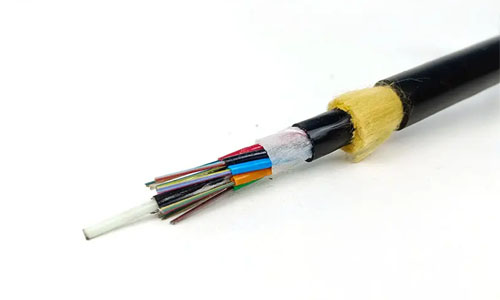 ADSS Fiber Optic Cable
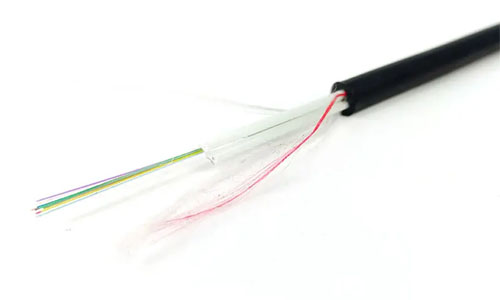 ASU Fiber Optic Cable
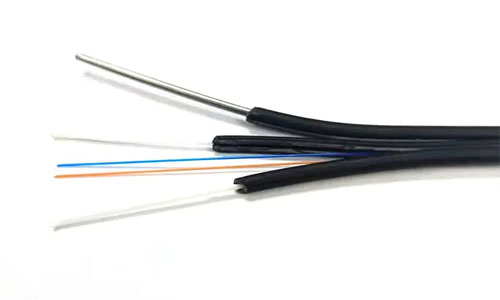 FTTH Fiber Optic Cable
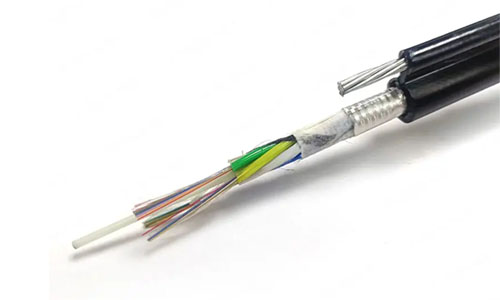 Figure 8 Fiber Optic Cable
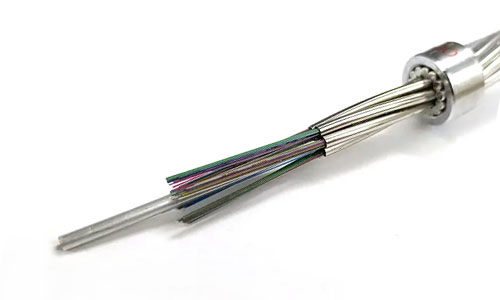 OPGW Fiber Optic Cable
 Coaxial Cable
 Ethernet Cable
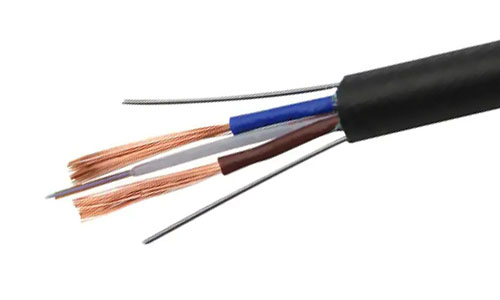 Photoelectric Composite Fiber Optic Cable
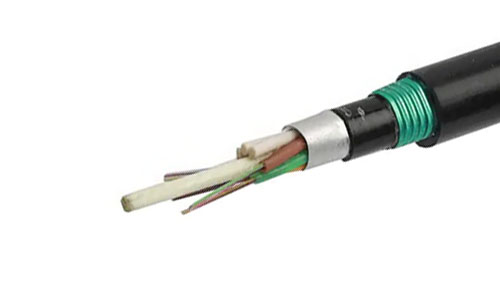 Underground & Pipeline Fiber Optic Cable
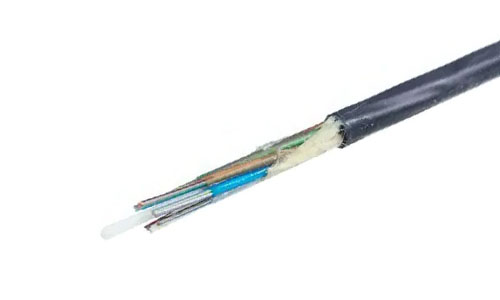 Air-Blown Micro Fiber Optic Cable
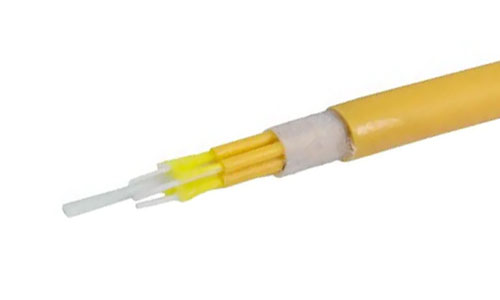 Indoor Fiber Optic Cable
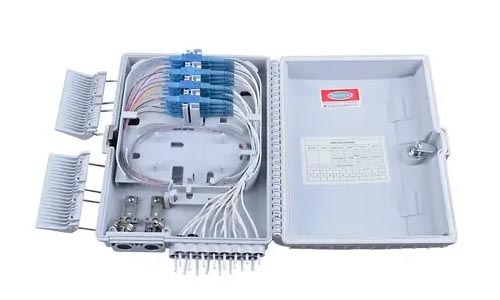 Fiber Optic Distribution Box
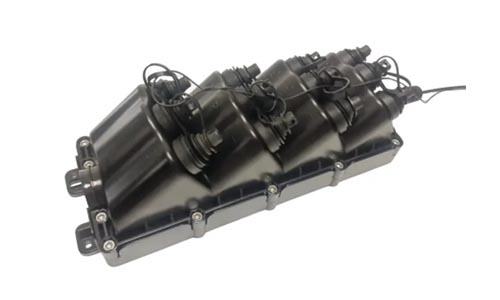 Multiport Service Termina Box
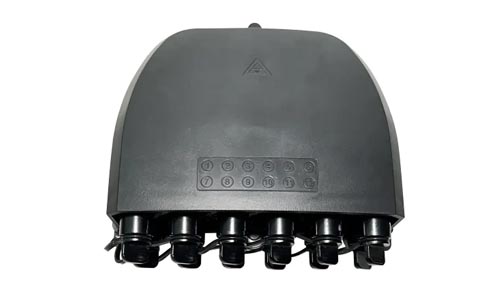 Fiber Optical Terminal Box
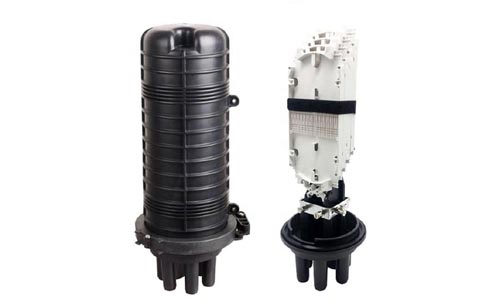 Fiber Optic Splice Closure
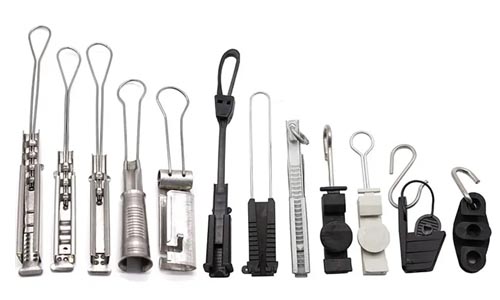 Fiber Optic Clamps
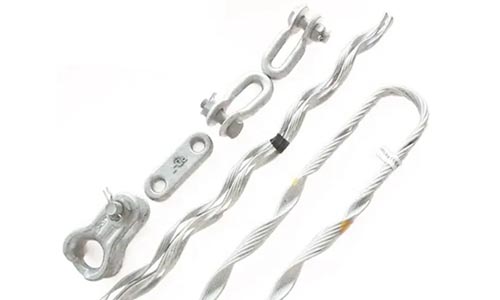 Fiber Optic Cable Fittings
 ADSS Fiber Cable
 ASU Fiber Cable
 OPGW Fiber Cable
 FTTH Fiber Cable
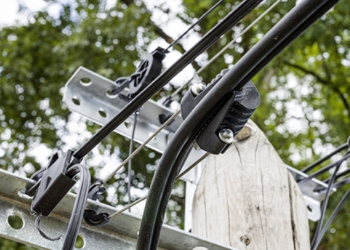 Figure 8 Fiber Cable
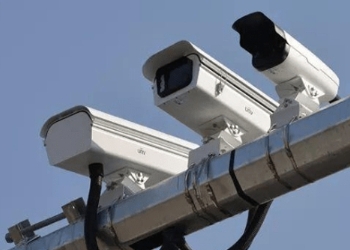 Photoelectric Composite Fiber Cable
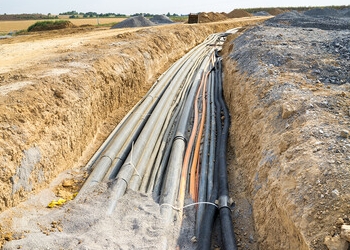 Underground & Pipeline Fiber Cable
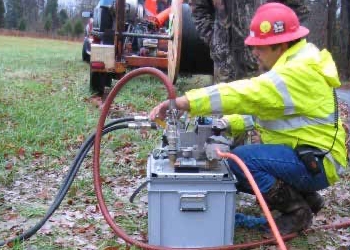 Air-Blown Micro Fiber Cable
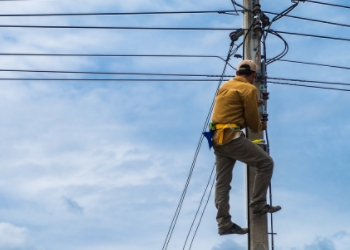 Aerial Fiber Cable
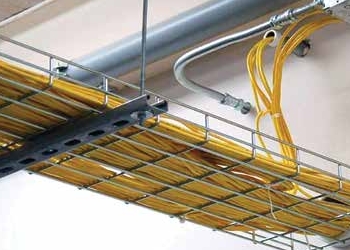 Indoor Fiber Cable
 Fiber Optical Terminal Box
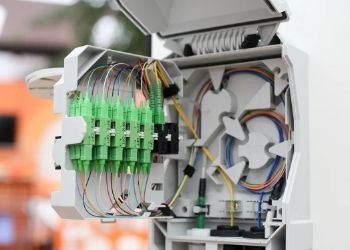 Fiber Optic Distribution Box
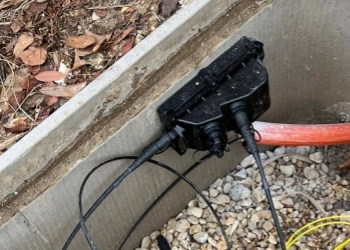 Multiport Service Termina Box
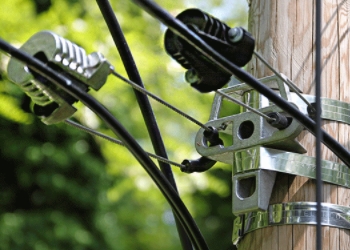 Fiber Optic Clamps
 About Us
 Our Team
 History
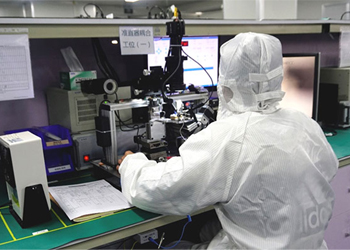 R&D Strength
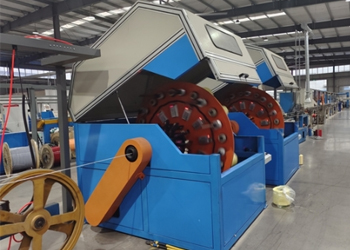 Production Base
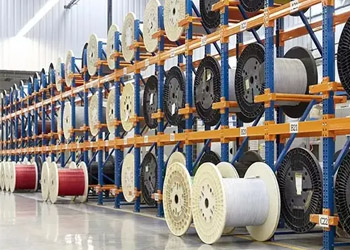 Warehouse & Logistics
 Quality
 FAQs
FAQsWhat Optical Equipment Is Needed for a Fiber Optic Network?
Contact for Free Quotation & Sample, According to your needs, customize for you.
inquiry nowWhat Optical Equipment Is Needed for a Fiber Optic Network?
What optical equipment is needed for a fiber optic network? This would encompass all the optical equipment such as optical transceivers, fiber optic cable, connectors, patch panels and optical splitters. Each of the above plays a crucial part in transmitting data over light signals, helping to ensure that the network is fast and dependable.
In the United States, the most common installations use single-mode or multi-mode fiber cables. You’ll often see LC or SC type connectors in your local community’s server rooms and data centers. A lot of network teams get by on devices such as optical power meters.
They employ visual fault locators to verify and activate each and every link in the network. Whether you’re deploying new lines or replacing legacy networks, selecting the appropriate equipment is key. This results in minimal downtime and quicker connections.
After that, we’ll look at how each component comes together on an actual network.

Fiber: The Internet Upgrade
Fiber internet is a massive upgrade from legacy broadband. Those cables, thinner than a strand of hair, are what carry that faster, smoother web service directly into people’s homes. Unlike copper lines, fiber uses light to transmit data at astonishing speeds.
That’s enough speed to download a 4K quality movie in just a few minutes or transfer large work files in seconds. Fiber has the capacity to transmit large volumes of data simultaneously. This ability to scale is what makes it the clear champion as residences and businesses demand more and more high-bandwidth applications.
Blazing Fast, Smooth Streaming
On fiber, streaming is smooth sailing. Gigabit speeds equip you to binge-watch your favorite series or participate in group video calls without a hitch. Real world improvements are most visible to gamers and remote workers.
Low latency means games load fast and meetings operate smoothly. People who want the ultimate picture and sound quality can enjoy high-definition streaming free from the dreaded buffering wheel. Even so, make sure your router is compatible with the fiber installation to ensure you’re making the most of your plan.
Unwavering Network Reliability
Fiber is more than just a speed upgrade. Its architecture combats signal degradation and prevents the majority of noise interference. Even if all four people in the house are simultaneously streaming 4K video, the connection doesn’t blink an eye.
Whether buried underground or strung up high, fiber cables withstand extreme storms as well. For anyone concerned about outages, a battery backup will ensure you stay connected, even when the power goes out.
Future-Proof Your Home Internet
Fiber future-proofs your home internet connection. As smart tech becomes increasingly widespread, and as the pandemic has made clear, high-speed internet is indispensable. Homes connected to fiber should experience an increase in value.
The installation is often relatively quick—sometimes as little as a few minutes—and can utilize current lines or newly dug trenches.
A Greener Web Connection
Fiber takes the large win on energy savings. It consumes less energy over time than copper, reducing your carbon footprint. By moving around, you’re ensuring that web accessibility is more eco-conscious.
Core Fiber Optic Equipment
Fiber optic networks do not have many required components, but those that they do have are core components. These components combine in perfect synchronicity to send data as bursts of light—fast and efficient. The core of any build is the fiber optic cable itself, which ties everything together.
Single-mode cables, with their super small 9-micron core, propel light over really long distances—ideal for large networks or connecting widespread locations. Multi-mode cables, which typically have 50 or 62.5 micron cores, are well-suited for shorter runs, such as inside an office or across a dense city block. When faced with inevitable construction, the right choice translates to fewer delays and more reliable uptime.
Once the cable is installed, it’s time for the Optical Network Terminal (ONT) to play its part. This device is where the rubber meets the road—increasingly literally where it meets your home or business. It converts the light signal into something your equipment can understand, such as Ethernet.
Almost all ONTs have a number of Ethernet ports built into them. With an ONT, you can directly connect desktops, laptops, smart TVs—even game systems!—directly to the fiber feed!
A fiber-ready router, particularly one equipped with WiFi 6, ensures those high speeds continue streaming throughout your home. Certain configurations even combine the ONT and router into a single unit, eliminating clutter and confusion. To maximize your speeds, ensure that your router fits your speed plan and the size of your home.
Connectors—such as LC, SC, ST, and FC—hold the connection securely in place. Functional connectors reduce the loss of data. Choosing the right style and making sure each plug fits your needs is super important!
Protected, tight connections prevent contaminants and jolts from tampering with the connection. Outside, rugged weatherproof enclosures protect your fiber equipment from the elements like wind, rain, and impact. Durable, rustproof materials designed to withstand the local environment protect the heart of the network, come weather or high water.

Choosing Your Fiber Cable
Choosing the right fiber cable impacts your entire network, including data speeds, durability and overall performance. Begin with considering what your installation requires. Are you looking for a solution with very high bandwidth over a long range, or to wire just one building?
Our response helps to direct you to select single-mode or multi-mode fiber. Single-mode has a narrow core diameter of 8-10 microns, and multi-mode has a larger core diameter of 50 or 62.5 microns.
Single-Mode for Max Reach
Single-mode fiber really shines when you have to send a signal a very long distance. Its small core ensures minimal signal loss over long distances. This capability combined with its low attenuation makes it ideal for citywide or campus networks in regions such as the U.S. Southwest, where distances can be long.
It carries enormous bandwidth, ideal for high-speed backbones. The initial expense may be greater with single-mode fibers. They more than pay for themselves in large projects since they need fewer repeaters and less ongoing maintenance.
Cabling is typically rated with durable jackets like OFNP or OFCP, suitable for harsh environments. It may specify connectors such as LC or SC, which are widely used in massive installations nationwide in the U.S.
Multi-Mode for Shorter Runs
Multi-mode fiber is ideal for shorter distances—like office floors or data centers. That’s because it’s cheaper to produce than single-mode fiber. The thicker core and support for multi-mode types such as OM3 or OM4 make it ideal for local area networks (LANs).
Multi-mode works best for high-speed data transmission at 850 or 1300 nanometers but starts to fall short on longer distances.
US Weather-Proof Outdoor Cables
For outdoor applications, choose cables specifically designed to withstand extreme U.S. Weather. Seek out UV shielding and moisture defense—sunlight, rain, and snow will wear down jackets and damage performance.
Outdoor cables typically have rugged jackets in addition to a Kevlar strength member to protect against pulls and crushes. Making the right choice translates directly to longer life and fewer headaches.
Indoor Cable Safety Ratings
When it comes to indoors, safety is paramount. U.S. Codes require fire-rated jackets — OFNP for plenum spaces, OFNR for risers, and OFNG for general use. These ratings prevent fire from spreading and protect your network in the unfortunate event that a fire does occur.
As always, confirm fire codes for your specific space, residential or commercial.
Power and Protect Your Network
While a fiber optic network provides the best in speed and reliability, it requires adequate power and protection. Without reliable power or robust protections in place, even the most wonderful fiber line can go dark or lag. To keep things running smooth in a place like Marrakech, where power blips and dust storms aren’t rare, using smart equipment matters.
Learn how to power and protect your network. On top of that, I’ll share a few best practices for making sure those Ethernet links stay fast and reliable!
UPS: Always-On Internet
An adequate uninterruptible power supply (UPS) means that your network doesn’t die when the power does. This is where a UPS comes into play with backup battery power. This means your internet connection, your equipment—such as your routers and switches—stay on and functioning without interruption.
In a city like Marrakech, sometimes power can be a little more unpredictable. That’s why having a UPS with the capacity to keep your core equipment powered up for at least 15-30 minutes is essential! This provides you with ample time to save progress or ride out brief disruptions.
This is more than just ensuring your next Netflix binge continues uninterrupted! Consider smart home devices or home security systems that require a constant connection to the internet.
Surge Protectors: Guard Gear
Just a few thousand volts spiking through cables can literally fry fiber gear in seconds. Surge protectors are simple but vital; they are a force multiplier. Choose surge protectors rated for 1,000 joules or more that are UL-listed.
If you live in a region prone to frequent surges, purchase a model that has indicator lights so you can be sure it’s doing its job. This is particularly important when fiber lines are installed in the same corridors as power lines or areas with moving equipment.
Quality Ethernet for Speed
Quality Ethernet cables are important too, especially if you do a lot of online gaming or 4K streaming. Cat 5e cables should be sufficient for most, but Cat 6 or better provides additional headroom for 1 gigabit speeds and beyond.
For optimal performance, utilize short, shielded cables. Even if WiFi is handy, a wired connection for your gaming PC or console can cut lag and boost speed.
Fiber cables themselves often have extra armor, like Kevlar, to keep out rodents or damage. The same goes for your Ethernet: pick cables built to last.
Smart Fiber Setup in USA
Smart fiber deployment in the U.S. Would have tremendous positive impacts. It can be hugely effective when combined with smart planning and the right equipment! A smart fiber setup includes the GigaSpire router, providing super-fast speeds and extensive coverage.
To deal with challenging corners, it occasionally partners with mesh networks or wifi range extenders. Most homes are still served by multimode fiber optic cables, which use a core size of 50 or 62.5 microns. These cables are ideal for short runs, whereas single-mode cables with a 9-micron core shine over longer distances.
Plan Your In-Home Wiring
Having an in-home wiring plan ensures your internet is fast in every room. Plan your in-home wiring. Identify the ideal locations for your ONT and routers—central locations provide the best signals.
Plan for future-proofing. Leave space for future upgrades, such as additional devices or even more mesh points, to maintain a future-ready setup. Today, quite a few people are making use of Wi-Fi 6 or Wi-Fi 6E routers to deliver high quality, high-speed wireless connections.
Professional Install: Worth It?
Some installs can be complicated, such as when walls obstruct signals or pre-existing wiring interferes. That’s where a pro installer can save a lot of time and headaches.
They know how to avoid expensive re-work and ensure the fiber is functional and works correctly from day one. In the long run, it’s less expensive and more effective at maintaining your speeds where you want them.
Match Gear for Performance
Using the wrong combinations of components can create bottlenecks. Make sure that your ONT, router, and cables are compatible towards achieving the fiber connection you want.
Ethernet cables WiFi works well enough to game or stream in 4K most of the time, but ethernet cables are a smart choice. Choose gear that can manage heavy workloads, such as VR or IoT, to ensure your network doesn’t get left in the dust.
Understanding Demarcation Points
Understanding Demarcation Points Demarcation points are physical and/or logical points of demarcation between the provider’s responsibility and your responsibility. If anything gets damaged or if a service interruption occurs, this line helps clarify who is responsible for fixing what.
Effective communication with your ISP about this point will save time and make the troubleshooting process less painful.
Fiber Care and Quick Fixes
Protecting your investment in a fiber optic network isn’t just about choosing quality equipment to install. Daily maintenance and short-term solutions make it easier to avoid expensive and time-consuming nightmares down the road. Keeping up makes you a better connected resource.
This is doubly true in dynamic cities such as Marrakech, where conditions can be very quickly and dramatically changing! Here’s a guide to best practices, frequent issues, and basic troubleshooting you can adopt.
Easy Fiber Maintenance Tips
Periodic inspections should be the first line of defense for any fiber system. Establish a regular routine to inspect cables and connectors. Check for frays, nicks, kinks or other signs of wear.
Follow up with a cleaning kit to scrub grime off connectors. Use a video microscope to see little dust or nicks that rob signal power. Document every stitch repair, melting adjustment, and replacement fiber to compare at a later date.
Before any digging or building occurs, reconfirm the location of buried wires, as construction accidents are the most common reason for fiber cuts.
Spotting Common Fiber Issues
Signal loss commonly begins with vague symptoms, such as a slightly slower internet day or intermittent call dropping. Damaged cables from storm, traffic accidents or even a bored vandal can wreak havoc.
Look out for signals that are low-strength or intermittent. When you do see an issue, reach for a fiber power meter or OTDR to test the cable and diagnose the problem.
Occasionally, OTDR tests will skip over a fault if the cable’s length is inaccurate—so verify your measurements. The first step in troubleshooting a broken link is to check the URL itself.
Basic Diagnostic Checks
Basic diagnostics checks are worth your time. Connect an optical power meter to check if the signal is consistent. Check connections and find quick fixes such as cleaning or reseating.
Take notes of your observations. After a while, you’ll begin to see patterns that can prevent issues from escalating.
When to Call Your ISP?
There’s a few issues that require a pro. If you notice flooding, ice damage, or any clear, deep cable breaks, it's time to call your ISP.
Take notes of everything you tested and repaired—these notes will help support teams put the puzzle together more quickly.
Conclusion
Planning a fiber optic network in the U.S. Is no easy task, but the equipment remains relatively simple. Light sources, optical cables, connectors, optical splitters and network testers are the workhorses of the operation. Quality cables and quality protective equipment go a long way right off the bat. Wise decisions today lead to less repair tomorrow. People who proactively watch for degradation and replace aging components before they fail often avoid major disasters. Have witnessed a number of SMBs in the middle west raise their level of service simply by replacing old splitters and clearing up dirty connectors. Fiber may seem futuristic, but with the proper equipment, even an operator’s least tech-savvy employee can ensure everything continues to run smoothly. Looking for a high-quality, high-speed network? Begin with the fundamentals, adhere to regular maintenance, and ask for advice when you run into a wall.
Frequently Asked Questions
What is the most important equipment for a fiber optic network?
What is the most essential equipment for a fiber optic network. These are the constituent elements of a robust, fast, stable internet connections that Americans are clamoring for and deserve.
Which type of fiber cable should I use for my home network?
If you are looking for the longest distance possible, single-mode fiber is recommended, but multi-mode fiber is sufficient for short runs within a home or office. When buying cables, always make sure they are rated for American ANSI standards.
Do I need special tools to install fiber optic cables?
Special tools to install fiber optic cables Yes, you need fiber cleavers, strippers, fusion splicers, and optical power meters. These are the tools you need to protect against disasters and maintain the integrity of your fiber optic connection.
How can I protect my fiber optic network from damage?
Prevent damage to cables with moisture-resistant and impact-resistant enclosures, conduits, and cable management systems. This becomes particularly critical in the extreme climates found throughout the USA.
What equipment helps monitor fiber optic network performance?
OTDRs (Optical Time Domain Reflectometers) are a must in testing the health of your network. Optical power meters are an indispensable instrument to monitor its performance.
How do I maintain my fiber optic network?
Check cables and connectors often for the presence of dust, moisture, and physical damage. Properly clean connectors with manufacturer- or industry-approved tools to mitigate signal loss and keep your network operating at its best.
Is fiber optic equipment different in the USA compared to other countries?
Is fiber optic equipment in USA different from other countries? As always, check with local code compliance to make sure that your equipment will be compatible and safe.