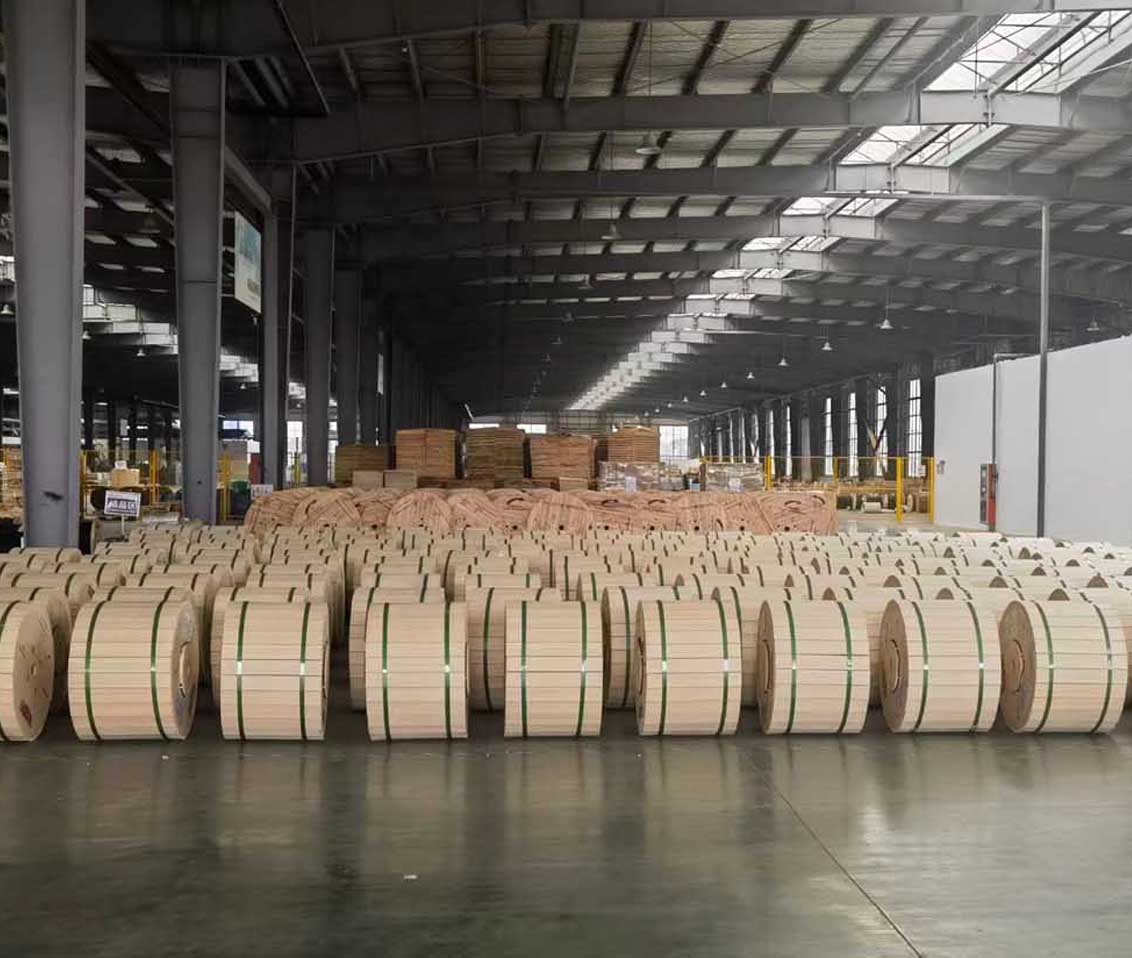
 Optical Fiber
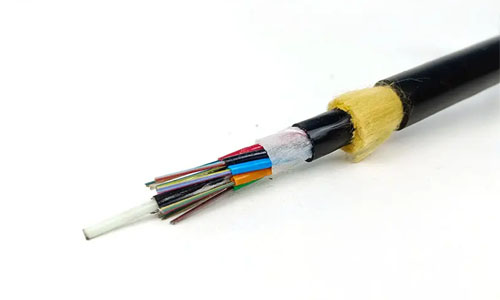 ADSS Fiber Optic Cable
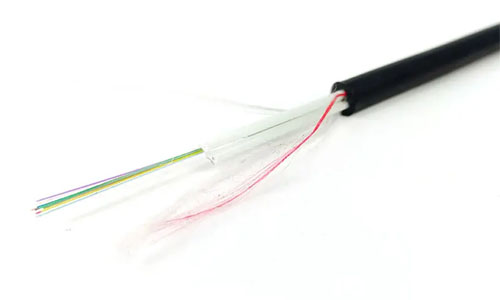 ASU Fiber Optic Cable
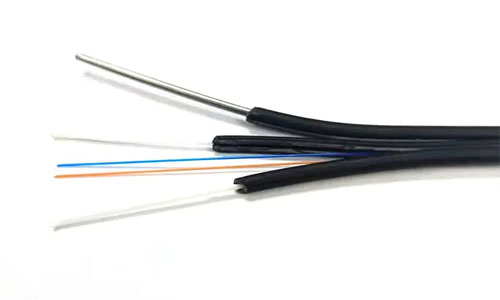 FTTH Fiber Optic Cable
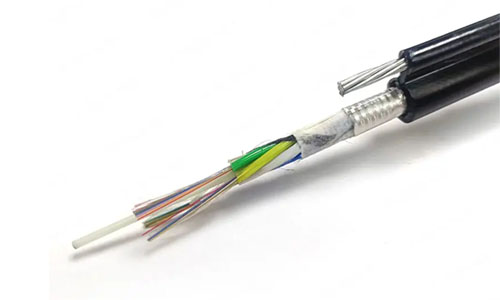 Figure 8 Fiber Optic Cable
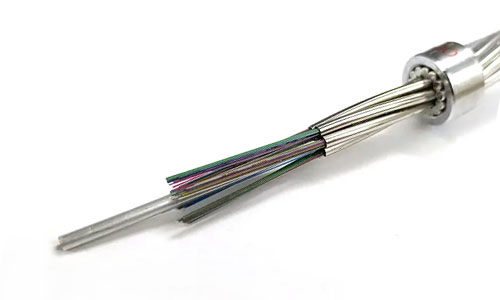 OPGW Fiber Optic Cable
 Coaxial Cable
 Ethernet Cable
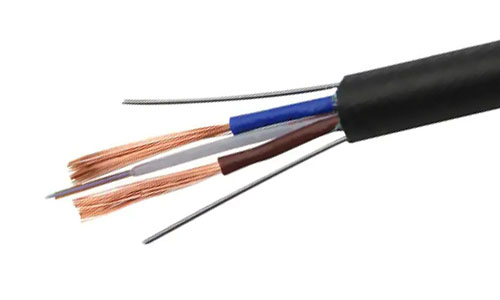 Photoelectric Composite Fiber Optic Cable
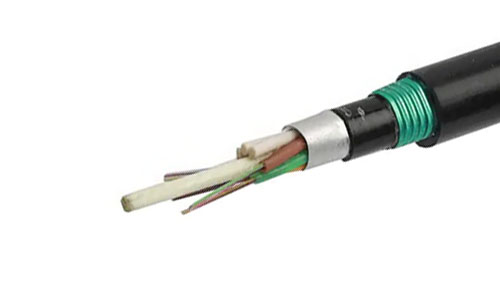 Underground & Pipeline Fiber Optic Cable
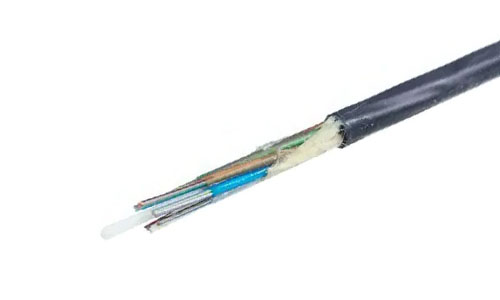 Air-Blown Micro Fiber Optic Cable
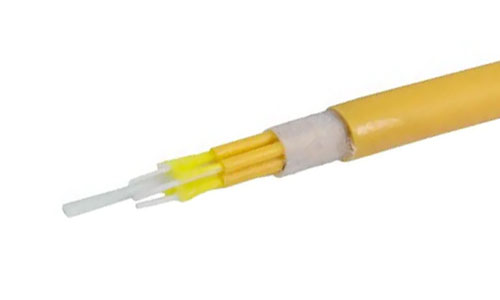 Indoor Fiber Optic Cable
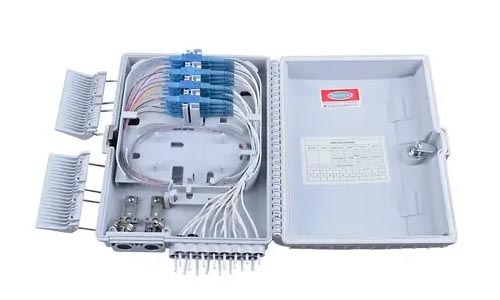 Fiber Optic Distribution Box
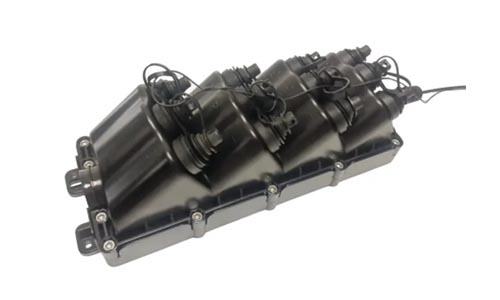 Multiport Service Termina Box
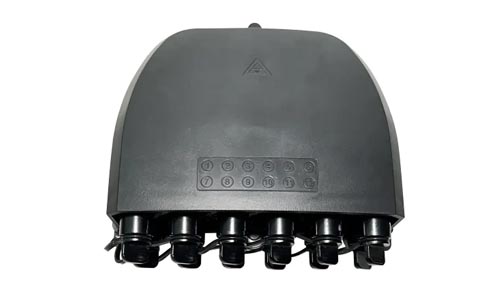 Fiber Optical Terminal Box
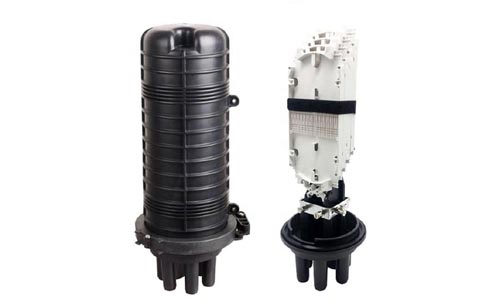 Fiber Optic Splice Closure
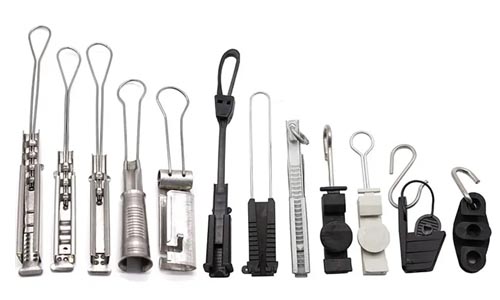 Fiber Optic Clamps
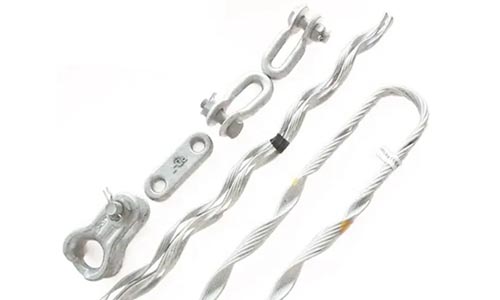 Fiber Optic Cable Fittings
 ADSS Fiber Cable
 ASU Fiber Cable
 OPGW Fiber Cable
 FTTH Fiber Cable
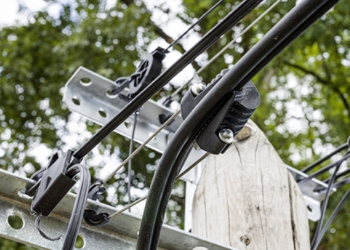 Figure 8 Fiber Cable
 Photoelectric Composite Fiber Cable
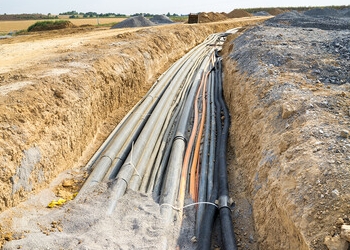 Underground & Pipeline Fiber Cable
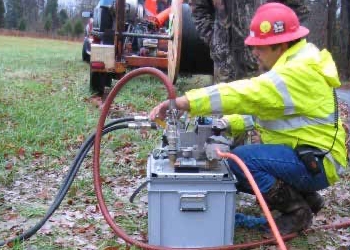 Air-Blown Micro Fiber Cable
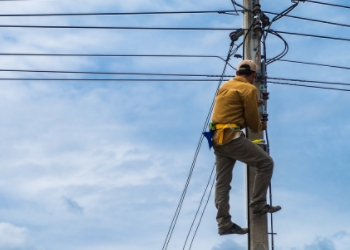 Aerial Fiber Cable
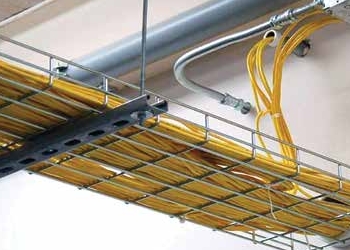 Indoor Fiber Cable
 Fiber Optical Terminal Box
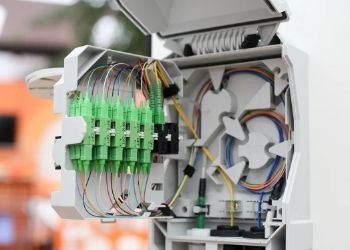 Fiber Optic Distribution Box
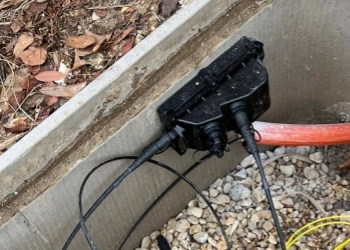 Multiport Service Termina Box
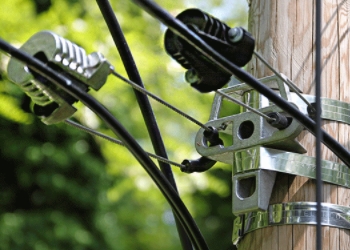 Fiber Optic Clamps
 About Us
 Our Team
 History
 R&D Strength
 Production Base
 Warehouse & Logistics
 Quality
 FAQs
FAQsWhat Is The Difference Between Fiber Optic Patch Panel And Termination Box?
-
A fiber optic patch panel and a fiber optic termination box are both used in fiber optic cable management, but they serve different purposes.
-
While patch panels are best suited for high-density network environments such as data centers, providing scalability and flexibility, termination boxes serve smaller or remote locations effectively, including outdoor installations.
-
Cable management is the major superpower of patch panels, and termination boxes do a great job of protecting fiber splices and keeping connections safe from environmental hazards.
-
Both solutions have different physical designs and materials. Patch panels are typically modular and expandable. Termination boxes provide compactness for limited spaces.
-
Which one to choose depends on your specific requirements such as network scale, installation environment, and future expansion plans. Evaluate your needs accordingly.
-
Routine upkeep and accurate identification are critical for both options, facilitating dependable function and more efficient diagnosis down the road.
The distinction between a fiber optic patch panel and a fiber optic termination box boils down to their primary functions and usage within a network. A fiber optic patch panel serves as a hub for connecting and organizing fibers, which simplifies the process of making or changing connections. In comparison, a fiber optic termination box provides a secure location to terminate and protect fiber cables, typically at the network edge or user connection points. Both play important parts in protecting and managing your cables, but each is designed for a unique position within your configuration. Understanding these functions can assist when constructing or enhancing a fiber network. The next section explains how each one fits into actual configurations.

The Core Difference: Patch Panel vs. Termination Box
Both the fiber optic patch panel and mountable fiber termination box are pivotal components in network infrastructure. They provide distinct methods to manage, connect, and safeguard optical cables. The core distinctions between the two lie in cable management, applications, and scale.
1. Primary Role
Your fiber optic patch panel is the common point for numerous fiber cables, allowing the simple connection and rerouting of connections. It is like a switchboard, allowing users to relocate, add, or replace cables with ease. That is ideal in environments where the network is constantly evolving, such as a busy data center.
Meanwhile, a termination box acts as the safe house for the fiber cable tails. Its primary task is to house and protect spliced fibers while maintaining organization and protection from dust or strain.
Patch panels excel when you need easy access to rearrange connections on the fly. Termination boxes prioritize safeguarding and completing fiber runs.
2. Network Location
Patch panels typically reside within data centers or telecom rooms, mounted on racks or cabinets. Their central location means they’re near switches and routers, which accelerates modifications and repairs.
Termination boxes are more versatile. You’ll find them on walls near building entrances or hidden off in outdoor cabinets, protecting the last fiber yards as it snakes into a location.
It depends on where the cables are run and the convenience of access to the box or panel.
3. Scale and Density
Patch panels manage massive networks with simplicity. Some can support 96 cores or hundreds of fibers in large configurations. This makes them the top choice for high-density requirements.
Termination boxes generally contain 12 to 48 fibers. They’re ideal for locations with a limited number of cables, like small buildings or remote sites.
If you’re concerned about cable congestion, patch panels provide increased room and superior organization for multiple connections.
4. Management Focus
Patch panels are loaded with cable guides, labeling, and trays. This keeps cables neat and accessible and reduces frustration during maintenance.
Termination boxes facilitate splice organization and slack fiber management. They are designed for easy, secure storage instead of everyday manual labor.
Good cable management leads to quick repairs and minimum downtime, regardless of the alternative you go with.
5. Accessibility
Patch panels are designed for quick repairs. Open the door, find the port, and make the switch—easy. That’s why tech teams go crazy for them when it comes to mundane, everyday activities.
Termination boxes are less exposed, designed to keep out dust and moisture. They are rugged, but breaking in is a bit more of a challenge. That makes them ideal for locations where cables do not require frequent handling.
Designs that enhance accessibility, such as transparent labels and hinged covers, simplify working with both variants.

Physical Design and Construction
Fiber optic patch panels and fiber termination boxes serve the same purpose of managing and protecting fiber links, yet their designs differ significantly. The fiber patch panel enclosure is modular and ideal for high-density rack environments, while the mountable fiber termination box is designed to fit in tight spaces, offering unique advantages for various needs.
Patch Panel Anatomy
A fiber optic patch panel contains a series of ports fiber arranged in a 19″ rack frame, typically 1U to 6U high. These mountable fiber termination boxes can accommodate adapter panels, allowing you to connect or divert fibers with ease. Inside, splice trays maintain the fiber splices in control and neatly stowed, which alleviates the chance for tangles or injury.
Good fiber patch panels utilize cable management rings, guides, and even rear trays to control slack and bend radius effectively. Labels on the front provide easy and immediate identification, which is essential when dealing with hundreds of connections in a fiber optic network.
You’ll encounter these fiber panels in data centers, server rooms, and telecom racks. Some are designed to mount in racks, while others can be wall mount fiber termination boxes or mounted on poles. Available in sliding, fixed, and swing-out versions, they can be loaded with various adapter types: SC, LC, ST, and others.
Termination Box Anatomy
A fiber optic termination box is far smaller, generally only 200 to 500 mm tall, containing a maximum of 4 to 48 ports. Its key components are input ports, splice trays, and a lockable enclosure. The box protects sensitive fibers from dust, knocks, and moisture.
Several boxes have mounting holes or brackets, so you can secure them on walls, ceilings, or poles. This renders them ideal for tight niches such as building ingress locations or undersized wiring closets.
Termination boxes can be customized for singlemode or multimode and equipped with the appropriate connector, SC, LC, or even a custom connector, depending on the application.
Material and Build
Patch panels and termination boxes all use metal or tough plastic. Patch panels often accompany cold-rolled steel or aluminum for rack strength. Termination boxes lean on plastic or lighter alloys because they are less subject to heavy loads.
ODFs, engineered for large networks, incorporate rugged metal frames and can accommodate thousands of fibers. Patch panels and ODFs are designed for managed environments, and exposure to dust or water is not recommended.
| Device | Common Materials | Durability Needs |
|---|---|---|
| Patch Panel | Steel, Aluminum | High, for rack use |
| Termination Box | Plastic, Alloy | Medium, for indoor walls |
| ODF | Reinforced Steel | Very high, large networks |
Good physical design and construction. Just as a rugged patch panel or ODF stands the test of time for years, a watertight termination box protects fibers even in tight spaces.
Functional and Performance Metrics
Fiber optic patch panels and fiber termination boxes both play a huge role in connecting and organizing fiber networks. They differ in terms of how they address capacity, optical performance, and environmental requirements. Understanding the differences between a mountable fiber termination box and a fiber patch panel can assist users in making informed decisions for their network configurations, particularly as requirements continue to evolve.
Capacity and Scalability
Patch panels, such as the fiber patch panel enclosure, are capable of containing a very large number of connections. Some panels provide 96 to 576 ports in only one rack unit, allowing you to fit an insane amount of connectivity into a tiny footprint. This high port density is particularly beneficial in busy areas like data centers. Additionally, patch panels allow you to make changes quickly; if you need to swap out cables or change links, you can easily work from the front—no big hassle. Designed to be modular, you can always add more panels or exchange modules as your demand increases.
Termination boxes, including the mountable fiber termination box, come in various shapes and sizes, from tiny wall-mount boxes with a few ports to massive outdoor boxes that accommodate dozens of fibers. Their design is easy to scale for small offices or larger networks. A few boxes can be outfitted with additional splice trays, managing extra fiber without requiring a complete patch panel. The key is future-proofing; networks tend to expand, so choosing hardware that can adapt to your requirements is wise.
Optical Performance
Performance is about keeping the signal clean and fast, which is essential for any fiber optic network. Patch panels utilize high-quality adapters, including fiber patch panels, that maintain low insertion loss of less than or equal to 0.15 dB and high return loss of greater than or equal to 65 dB (APC). This translates into less overhead lost and less noise returning down the line. Designed to keep connections robust, termination boxes, such as the mountable fiber termination box, are used in splicing. Good boxes maintain low loss at every splice point, which is crucial for longer runs. Single-mode and multimode fiber can be used in either configuration, but single-mode systems require more stringent controls to maintain desired performance levels.
Environmental Protection
Dust, water, and knocks can all damage fiber cables. Patch panels, particularly a fiber patch panel enclosure, typically operate indoors and are rated to IP20 or IP40 standards, providing good protection from fingers and small pieces of dust, but not much else. Certain ODFs and fiber termination boxes go even further, with outdoor-use ratings as high as IP68, protecting fibers from rain, grit, and even temporary flooding. Terminal boxes tend to have gasketed seals and rugged cases to resist harsh elements or impact. IP rating checking helps users pair the right box or panel to the job, whether it is in a clean server room or out by the road.
Practical Application Scenarios
Fiber optic patch panels and fiber termination boxes both serve critical roles in constructing dependable fiber networks. While fiber patch panels excel in various environments, choosing between a mountable fiber termination box and a fiber patch panel depends on the network’s scale, geographic distribution, and upcoming requirements.
Where Patch Panels Excel
Patch panels, particularly fiber patch panels, make the most sense in locations where a large number of connections must be organized efficiently, such as data centers, enterprise wiring closets, and telecommunications central offices. In a midsize data center, a rack-mounted fiber termination box allows technicians to organize and redirect fiber connections quickly, reducing mistakes and downtime. Big telecom networks occasionally rely on optical distribution frames (ODFs) instead, but for the vast majority of businesses, a fiber optical patch panel will suffice.
Large companies sometimes have to shift their network configurations as they scale. Mountable fiber termination boxes assist by making it easy to unplug and relocate cables without having to rerun new lines. They support both MDF and IDF, providing teams freedom and authority. When something goes wrong in a massive office, patch panels make it fast to locate and repair.
Enterprise cloud providers and even universities love to tell tales of patch panel arrangements that allowed them to scale gracefully. They can add new users, test fiber runs, or reroute traffic all without major disruption, showcasing the versatility of fiber patch panel enclosures in modern fiber optic systems.
Where Termination Boxes Fit
Termination boxes, specifically mountable fiber termination boxes, are suitable for outdoor or wall-mounted applications, such as linking houses in a subdivision or connecting a mini business park. They guard the fiber termini against wind, dust, and rain. For home installs, these fiber optical patch panels protect the fiber in a neat and clean fashion, typically mounted on a wall inside or outside a house.
They’re a no brainer for remote sites, like cell towers or security cameras away from the main buildings. Smaller and lighter than patch panels, they fit into tight spaces where big racks just won’t go. For rural schools, a small fiber terminal box can deliver speedy fiber to one classroom.
Installers love using these fiber termination boxes for new housing developments. They’re quick to install and easily sealed up, ensuring each connection remains pristine and robust.
Overlapping Use Cases
At times, your network requires both patch panels and termination boxes, particularly in large-scale projects that intersperse indoor and outdoor runs. Wire both allows teams to control complicated cabling indoors while safeguarding delicate fiber outdoors.
Hybrid configurations make their appearance in hospitals, airports and large office parks, combining the heavy-duty administration of patch panels with the rugged casing of termination boxes. This blend keeps systems robust and easy to scale. In main distribution areas, you might find an ODF connecting to patch panels, while termination boxes feed lines to remote buildings.
Combined, these tools assist in maintaining fiber networks that are dependable, organized, and more manageable to repair or expand, regardless of the obstacle or situation.
Debunking Common Misconceptions
Many people mistakenly believe that a fiber optic patch panel and a fiber termination box are interchangeable. This misconception can significantly impact how fiber optic systems operate and their ease of maintenance. Below, we clarify the differences and provide a straightforward checklist to help you identify the specific functions of each, ensuring you avoid common pitfalls in network equipment.
Interchangeable Components
Patch panels and termination boxes each serve their specific job. Patch panels provide a way to route and manage numerous fiber cables in a central location, so that you can swap or test links without disturbing the trunkline. Termination boxes are made for accommodating splices and safeguarding fiber ends at cable origin or destination points. Picking the wrong one can represent heavier labor and greater hazards, such as signal deterioration or cable breakage. Despite being rugged and capable of withstanding 68 joules of pulling force, fiber cables still require proper handling to endure.
I can understand why people might think these are interchangeable. What each device actually does is important. They allow techs to swiftly repair, test, or swap stuff in a large network. Termination boxes are easier and protect and organize splices. Choosing wisely keeps networks humming and reduces repair time.
One Is "Better"
There’s always a discussion about which is ‘better.’ It really depends on your needs. For large server rooms or data centers, patch panels make it easy to organize large numbers of cables. For small sites or tight spaces, a termination box is more feasible and cheaper. Neither is optimal for every task. They’re simply tools, and the appropriate one depends on your configuration.
If you need speed and space for expansion, patch panels prevail. For low-cost, easy installs, choose a termination box. Consider the tradeoffs in terms of bandwidth, distance, and how much you will have to switch cables down the road.
Installation Simplicity
Others believe patch panels or termination boxes are difficult to install. In fact, both can be plug-and-play or require some craftsmanship, depending on the make and model. Patch panels can be a bit lengthier as they manage more wires, but again the majority are operated with simple devices and clear instructions.
To reduce errors, arrange your wires in advance and review the directions. Ensure your equipment fits your requirements. Certain components seamlessly integrate into legacy copper infrastructure, simplifying the upgrade process. If you’re not sure, begin modest and scale up as you gain experience.
How to Select the Right Solution
Selecting between a fiber optic patch panel and a fiber termination box may seem straightforward, but it actually depends on several factors. Each solution, whether a mountable fiber termination box or a fiber patch panel, best fits different network sizes, environmental needs, and future intentions.
Assess Network Size
Begin with an assumption about the size of your network. For small networks with just a few fiber runs, a fiber termination box is typically sufficient. They’re small and fit nicely in nooks and crannies like building entrances. Once networks get larger, a fiber patch panel becomes more convenient. These mountable fiber solutions can manage high fiber counts of 12, 24, 48, or even 144 fibers, making them ideal for data centers or large office buildings. Always align fiber ports and connector types, such as 24-core or 96-core panels, with the fiber throughput your configuration requires. If you anticipate expansion, a patch panel provides greater scalability, allowing you to insert additional fibers down the road without a complete rework.
Evaluate Environment
Where you locate the equipment counts for a lot. Indoor installations can normally use regular fiber patch panels or fiber termination boxes. On the outside, you’re going to require enclosures with robust dust, water, and temperature change resistance. Seek out NEMA 4 or higher rated patch panels if in a harsh environment. Make sure materials will withstand heat, humidity, and sun over time. If you’re in a very wet or dusty environment, don’t scrimp. Junk boxes may fall apart or jeopardize your fiber optic network.
Plan for Growth
Plan forward to what your fiber optic network will need in a year or five. If you envision laying more fiber runs, consider a fiber patch panel that allows for upgrades in the future. A few mountable fiber termination boxes include room or ports for additional cables, so you won’t need to replace the entire unit in the future. Future-proofing now saves time and money and it means your network can stay current with new tech down the road.
Consider Maintenance
Maintenance is simpler with fiber patch panels, as they provide superior accessibility for troubleshooting or replacing cables. While fiber termination boxes can be more of a pain to deal with in tight places, clear labeling and good documentation go a long way. Tracking connections and employing labels reduces errors and speeds repairs. Ensure the panel allows for convenient access for servicing. Frequent inspections and a basic tune-up schedule prevent major issues down the road.
Conclusion
Fiber optic patch panel and fiber optic termination box do a distinct task in any network arrangement. Patch panels provide organization and make changes or repairs fast. Termination boxes work best for protected ends and limited locations. Both keep your signals strong and cut down on mix-ups. Think of a busy office: patch panels line up cables like neat rows of books, while boxes tuck away loose ends out of sight. Each one is right for its own task, and one can’t substitute the other. To construct a robust and secure network, pair your choice to your room and demands. Got a story or tip from your own installation? Exercise your knowledge and assist the community to get the most from their equipment.
Frequently Asked Questions
What is the main difference between a fiber optic patch panel and a termination box?
A fiber optic patch panel consolidates and manages multiple optical cables in a single location, while a fiber termination box primarily safeguards and secures fiber cable terminations, making them essential components in a fiber optic network.
Which is better for large network setups: patch panel or termination box?
A fiber patch panel is more suitable for large network configurations, enabling convenient cable management, rapid modifications, and high-density connections, perfect for intricate fiber optic systems.
Can I use a fiber optic termination box instead of a patch panel?
A fiber termination box is ideal for basic connections or a small network, while a fiber patch panel offers a larger and more flexible system for your fiber optic network needs.
Do both devices protect fiber optic cables from damage?
Sure, a fiber patch panel and fiber termination box both protect fiber optic cables, with the patch panel providing superior manual management for multiple connections.
Are fiber optic patch panels harder to install than termination boxes?
Patch panels, especially the fiber optical patch panel, typically have more installation steps since they are larger and can handle more connections, while fiber termination boxes are easier and faster to install for minimal purposes.
Is ongoing maintenance easier with a patch panel or a termination box?
The fiber patch panel simplifies future maintenance by providing fast access, neat interconnections, and easier troubleshooting compared to a fiber termination box.
How do I decide which option is best for my network?
Consider your network size, future expansion, and maintenance when choosing a mountable fiber termination box. For complex or growing networks, a fiber patch panel is ideal, while a fiber termination box suits compact, stationary installations.