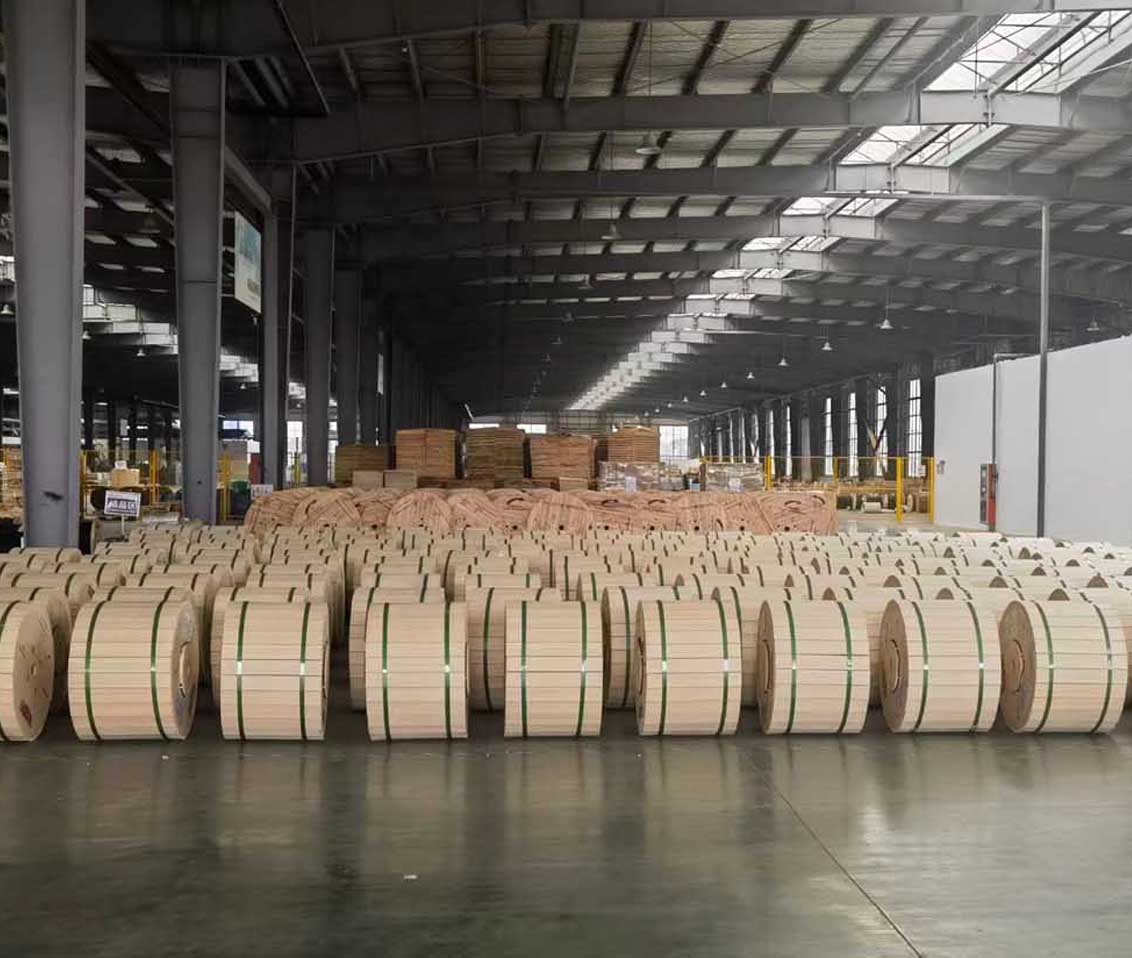
 Optical Fiber
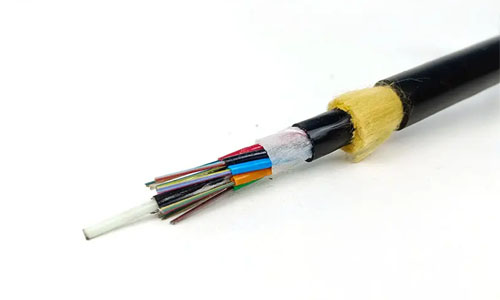 ADSS Fiber Optic Cable
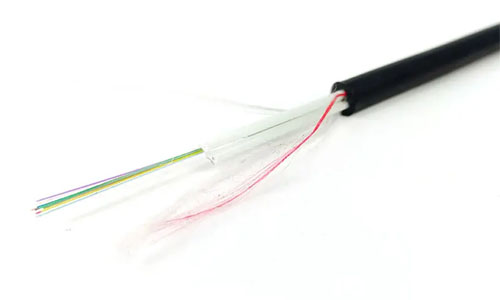 ASU Fiber Optic Cable
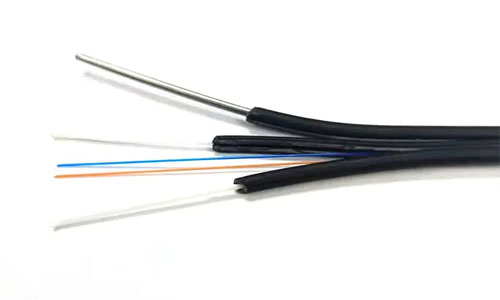 FTTH Fiber Optic Cable
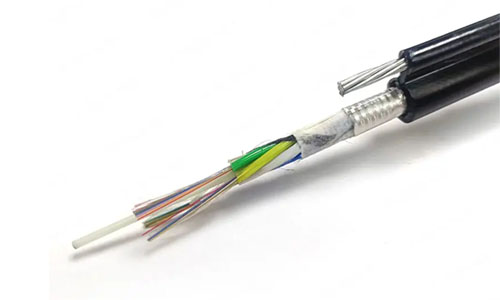 Figure 8 Fiber Optic Cable
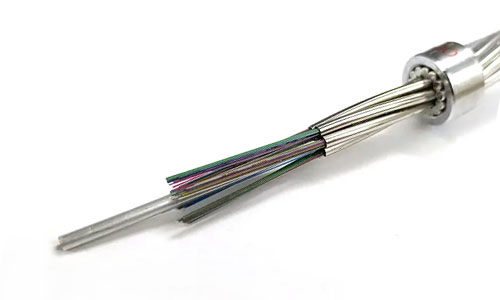 OPGW Fiber Optic Cable
 Coaxial Cable
 Ethernet Cable
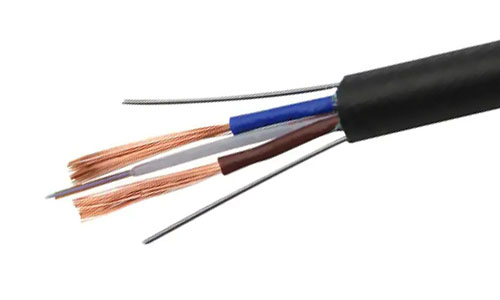 Photoelectric Composite Fiber Optic Cable
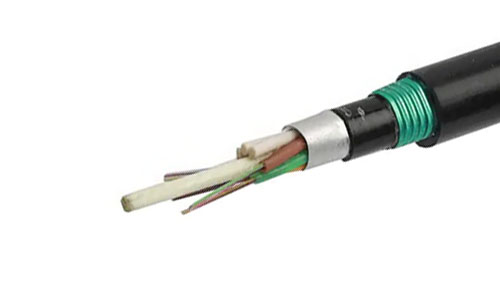 Underground & Pipeline Fiber Optic Cable
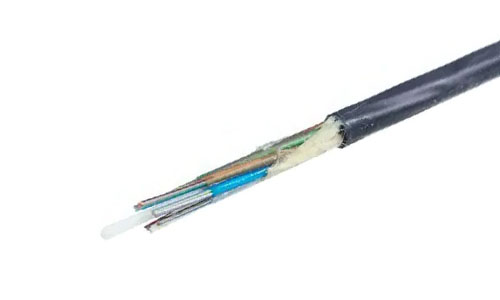 Air-Blown Micro Fiber Optic Cable
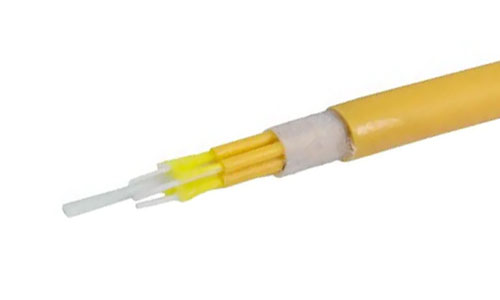 Indoor Fiber Optic Cable
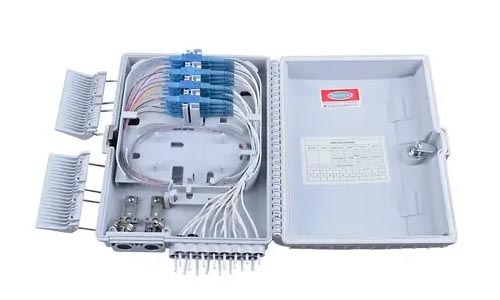 Fiber Optic Distribution Box
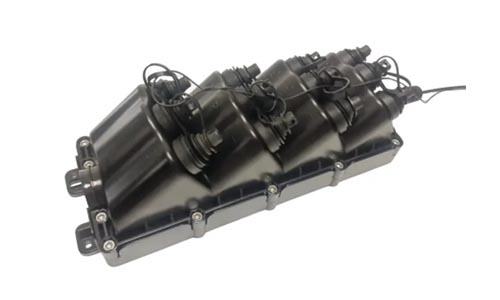 Multiport Service Termina Box
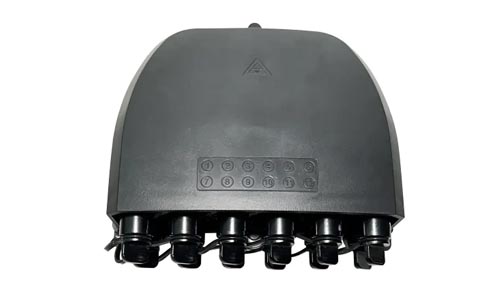 Fiber Optical Terminal Box
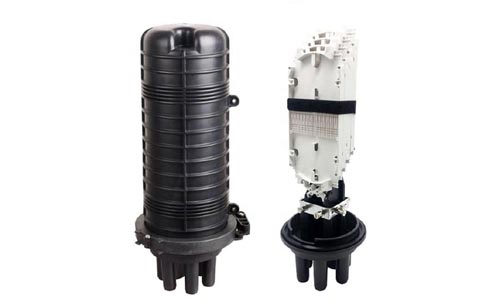 Fiber Optic Splice Closure
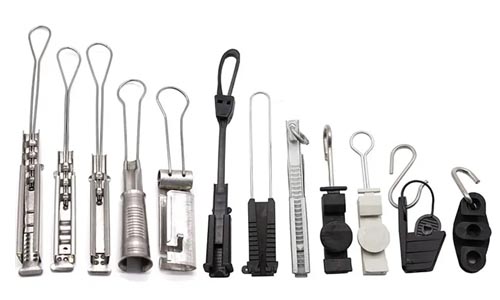 Fiber Optic Clamps
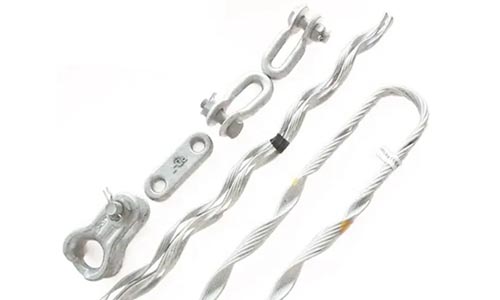 Fiber Optic Cable Fittings
 ADSS Fiber Cable
 ASU Fiber Cable
 OPGW Fiber Cable
 FTTH Fiber Cable
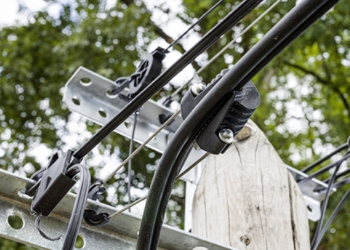 Figure 8 Fiber Cable
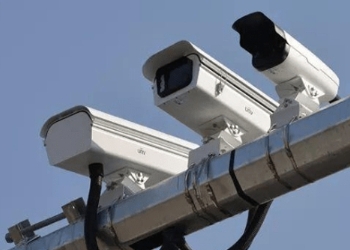 Photoelectric Composite Fiber Cable
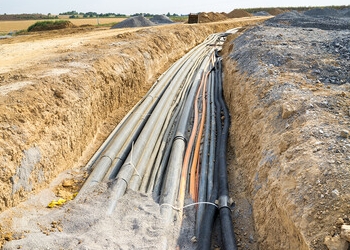 Underground & Pipeline Fiber Cable
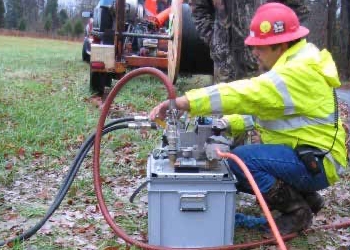 Air-Blown Micro Fiber Cable
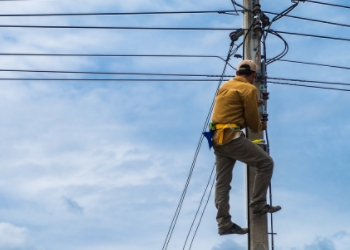 Aerial Fiber Cable
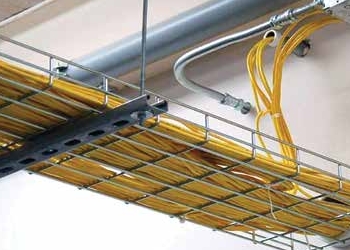 Indoor Fiber Cable
 Fiber Optical Terminal Box
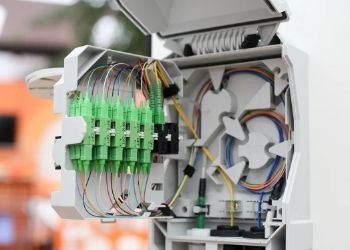 Fiber Optic Distribution Box
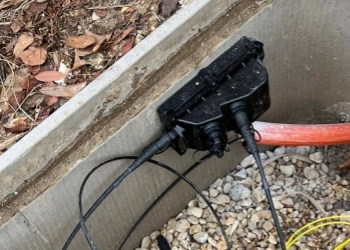 Multiport Service Termina Box
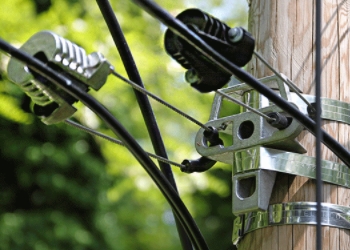 Fiber Optic Clamps
 About Us
 Our Team
 History
 R&D Strength
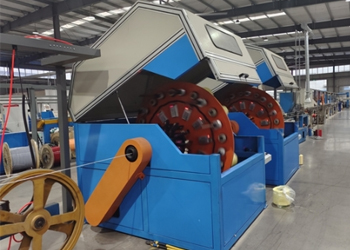 Production Base
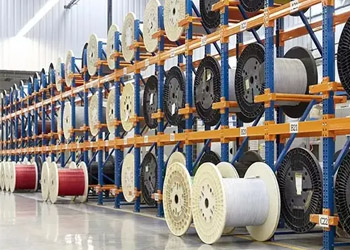 Warehouse & Logistics
 Quality
 FAQs
FAQsWhat is The Best Optical Cable?
Contact for Free Quotation & Sample, According to your needs, customize for you.
inquiry nowWhat is The Best Optical Cable?
When you shop for the best optical cable you look for premium materials, quality connectors and rugged jackets that guarantee a dependable performance for audio, video and data transfer.
Certified standards and proper compatibility help stave off problems with device integration, so always seek out cables that fulfill trusted performance standards.
Single-mode cables are excellent for long-distance, high-bandwidth applications, whereas multi-mode cables are a great fit for short-range, budget-friendly setups like home theaters and local area networks.
By matching the cable to your application—home entertainment, data centers, long haul networks—you get the best performance and value.
Spending a little extra on flexible, quality cables and professional installation saves you thousands in hidden costs and maintenance down the road.
Real-world user feedback and long-term performance testing give you crucial perspective, assisting you in choosing optical cables that endure daily use and stay future-proof as technology evolves.
Best optical cable typically means a cable that delivers crisp audio, lasts a long time, and is compatible with most devices. Optical cables, or TOSLINK cables, transmit digital audio signals in light, which eliminates any electrical interference and maintains a pure sound. Pro tip! Good brands (AudioQuest, KabelDirekt) often use sturdy jackets and gold-plated plugs to assist with long life and better sound. A lot of people report that cables with snug, secure plugs prevent signal dropouts, while heavier-gauge cables tend to survive longer when bent or flexed. To select the best one for you, consider how long you need it to be, and if the plugs are compatible with your equipment. Next, the body will provide takeaways to choose an optical cable that suits your arrangement.

What Defines the Best Optical Cable?
What really defines the best optical cable is what’s on the inside, how it interfaces and how it holds up out there in the wild. There’s even the issue of adhering to standards that ensure it’ll connect with the equipment you already own. Certain things count a lot more than you’d expect. A few stand-outs for cable performance are:
-
Core made from solid acrylic or glass strands
-
Precision cladding and proprietary conductor designs
-
Gold-plated or well-made connectors
-
Flexible, thick, and abrasion-resistant jackets
-
Certified for toslink and other global audio/video standards
1. Core Composition
Solid acrylic conductors typically provide superior signal flow than fiber bundles, reducing loss and maintaining sonics clean. Certain cables utilize proprietary glass or high-tech wire blends, providing benefits in both speed and clarity. For instance, proprietary glass blends may run high-res audio better than vintage plastic. Core design is important, as well. When the light path inside is pure and concentrated, information travels quick and with lower interference.
Though not every cable has the same core. Less expensive ones can use plastic that scrambles the signal, but premium cables use glass or acrylic that allows light to travel with minimal dispersion. That makes a difference if you’re an aficionado for sharp audio or sharp images. Others add additional shaping to the core, which can help extract even more detail from digital soundtracks.
2. Signal Integrity
Shielding internal to an optical cable blocks external noise, which preserves the purity of the audio. Optical cable length is important. Go beyond 10 meters, and you’ll begin to lose some sound detail. Precision cladding around the core can assist, directing the signal so it doesn’t leak out or absorb junk from other electronics.
Design tweaks—like tighter conductor alignment—can alter how a cable sounds, as well. Others hear a ‘brighter’ or ‘cleaner’ tone with well-constructed cables, even with subtle differences.
3. Connector Quality
A tight connector fit prevents the signal from dropping out when you rearrange stuff. Gold-plated tips enhance the connection for increased durability and performance. The shell surrounding the connector, be it metal or plastic, secures it all in place.
Various connectors—toslink or mini optical—are better suited for specific devices. A good cable allows you to switch between your soundbar, TV, or console without hassle.
4. Jacket Durability
PVC jackets flex easy, so setup is less of a pain. Jackets that are on the thick side tend to last longer, particularly if you move cables frequently or run them in high-traffic areas. If you live some place damp or hot, seek out jackets that claim to be moisture or heat-proof. Abrasion resistance is essential if the cable may be stepped on or dragged.
5. Certified Standards
Trade accreditations indicate a cable adheres to standards for sound and picture. It’ll therefore work with more gear, and you can count on the specs. Toslink standard is important if you want full surround sound. Without these marks, you can end up with a cable that cuts out or won’t work right with your setup.
Understand Cable Modes
Selecting the optimal optical cable for you is about understanding how cable modes influence what a cable is capable of. Their two primary types, single-mode and multi-mode, each excel in their respective realms. Their distinctions are more than just appearances—they affect distance, capacity, and cost.
Single-Mode
Single mode cables have a small 8-9 micrometer core. This narrow route allows light to travel in a single direction, reducing signal loss and increasing transmission distance. Single-mode is the norm in telecom, internet backbones and big business. It clears signals over 10+ km, sometimes even 40+ km. Enterprises deploy OS1 and OS2 single-mode cables to stay ahead of increasing speeds and extended city or campus links.
| Feature | Single-Mode | Multi-Mode |
|---|---|---|
| Core Size | 8-9 μm | 50/62.5 μm |
| Max Distance | >10 km | <2 km |
| Bandwidth | High | Medium |
| Typical Use | Telecom, Data Center | Local Networks, Home |
| Cost | Higher | Lower |
It’s more expensive to install single-mode. Cables and connectors cost more, and you require laser-based transceivers. When you have to have high-bandwidth over long distances, single-mode cables are worth the investment.
Multi-Mode
Multi-mode is designed for short-distance tasks. Its core is thicker—typically 50 or 62.5 micrometers thick—so it can transport numerous light modes simultaneously. This makes it an excellent choice for data rooms, local networks, and home theaters, where runs seldom exceed 500 meters.
It’s great for school buildings and offices or big houses. It’s possible to configure OM3 or OM4 multi-mode fiber for rapid data rates on the same site. It’s the default for SWDM — shortwave WDM, which gets more data into that short distance.
Multi-mode cables are limited. The light bounces around, so on long runs, signals blur and bandwidth drops. For high-traffic networks that have to go the distance, single-mode is the better choice.
Multi-mode triumphs on price. The cables are less expensive, and you can utilize less expensive LED-based electronics. For most it’s just right for small funds and small connections.
Match Cable to Application
Ultimately, selecting the ideal optical cable boils down to understanding your requirements, aligning technical specifications, and ensuring the cable complements both your device and its environment. The right cable can enhance audio, preserve signal strength and endure over time.
-
To select the perfect optical cable, begin with the usage. Home theaters, data centers, and long-haul networks all require different specs. Consider bandwidth, connector type, cable length, and the amount of movement a cable will experience. Certain cables, like Toslink, have been designed for digital audio. Fiber-optic cables perform best for quick data transfer and longer distances. The connector is important, as well—certain connectors resist corrosion better and maintain a stronger signal.
-
The key is matching the cable to your device. The wrong cable could equal signal loss, or hiss, or even no sound at all. Always check your gear’s manual prior to purchasing.
-
Home theaters require crisp-sounding, short runs of quality cable. Data centers emphasize bandwidth and uptime, networks require cables that stand up over kilometers. Each requires a different cable.
-
Matching cable to application. As some receivers and players only accept particular connectors. If your gear uses Toslink, then stay with Toslink cables. For pro audio, balanced cables are more effective at filtering interference, particularly in environments with heavy electrical equipment.
Home Theaters
Short runs are the best for home theaters. Cables such as Toslink output digital audio between receivers, soundbars, and players. They eliminate hum and noise in ancient analog cables. Produced with rugged materials, a good cable will endure and retain purity of tone.
Long cables can lose signal. For most setups, sub 5-meter cables shun dropouts. High-end cables employ superior insulation and connectors to enhance signal quality. If you want a “wow” sound, don’t skimp on build—cheap cables break, good ones last.
Data Centers
-
Fiber-optic cables transmit data quickly with minimal loss.
-
Bandwidth needs are huge—robust cables keep up with demand.
-
Reliable cables mean fewer outages and better uptime.
-
Fiber cables reduce latency, essential for rapid data centers.
Long-Haul Networks
Long haul networks require single-mode fiber, which can transmit signals great distances with very little loss. These cables are more expensive but extend across vast areas, thereby becoming the trunk of contemporary internet. Beefy jackets and water resistance count for outdoor installs. Expensive initial price tag worth it for less repairs and upgrades.
Flexibility, Durability, and Compatibility
Flexible, tough cables are optimal for locations where you move equipment frequently, such as on stage. The right connector keeps that signal clean and fights rust. Construction and the materials inside really do matter—quality ones hold up better.
The Hidden Costs of Installation
Optical cable installation is more than just purchasing the cable and plugging it in. The real cost is usually found in the gloss of hidden expenses that emerge over time. These charges can surprise anyone, regardless of the scope of the project.
-
Repair fees for cables destroyed by tight bends or lousy routing.
-
Increased labor if the cable is difficult to install or reroute
-
Lost time and money from system downtime during maintenance
-
Early cable replacement due to wear or environmental stress
-
Extra costs for hiring skilled installers
-
Edge: Performance hit from signal drop if cables aren’t managed properly
Flexibility
Flexible cable can save a ton of work in corners or strangely-shaped rooms. If you install a cable behind a wall or around a curve stiff cables may not conform. Which results in broken jackets, bent fibers or even failed installs. Cables with flexible PVC jackets are far easier to snake through small openings and behind furniture. It’s like threading a soft rope instead of pushing a hard stick through a maze.
For environments such as server rooms where cables snakes behind racks or inside walls, flexibility eases the job and reduces breakage. Rigid cables can crack or kink, costing you additional repairs and lost time. The great optical cable of all time, for most of us, is the one that was flexible. Flexible cables tend to extend the life of your system and maintain the integrity of the signal, as they’re less prone to damage during installation.
Maintenance
Maintaining optical cables shouldn’t be an afterthought. Dust, heat and moisture can erode even the most durable cable. Cleaning connectors and inspection for bends or cracks on a regular basis help prevent signal loss before it begins. Omitting this can appear to be time-efficient, but later you’ll pay for new cables or slow connections.
A healthy regimen—such as monthly tune-ups and using the correct tools to clean—helps cables function for an extended lifespan. UV rays or rain in outside set ups can cut into the jackets quickly, so weather proofing is important. Overlooking minor issues costs you a lot more, because abandoned cables wear out faster and must be replaced more frequently.
Labor
Labor costs are based on how complicated the floor plan is. Handing cables through finished walls or ceilings requires more craftsmanship and time than stretching them along in trays. While DIY-ing it feels cheaper, screw-ups can result in expensive rework or weak signals.
Bringing in a pro pays for big jobs or when the system is mission-critical. Trained hands know the proper bend radius and can identify weak points before trouble begins. DIY is fine for small configurations, but for a massive network, professional work actually saves you money down the road.
Long-Term Value
Cheap cables look like a deal but don’t last as long. Spending on quality cables and professional install eliminates issues and saves money over time.
As good cables require less repairs, remain robust and maintain data clean.
Paying more up front stops headaches later.
You get peace of mind and less downtime.
Beyond the Spec Sheet
Manufacturer specs don’t often tell the whole story. What appears perfect in a brochure can pan out completely differently in a home theater, hectic office or server room. Real-world usage, real-buyer input and how cables fare over time are just as important as figures on a sheet.
Real-World Stress
Stress can reveal vulnerabilities that specifications overlook. Heat, bending, and dust all factor in. Take, for instance, cables under floors in offices — they contend with foot traffic and chair wheels. Installations in hot or cold climates could experience signal degradation due to temperature swings.
Polarity counts, as well. If the light’s not pointed in the right direction, data can’t pass. Certain cables, such as singlemode fiber, support extreme distances and speeds, but are more expensive and require meticulous deployment. For instance, a warehouse deploying OM4 fiber under constant vibration outlasted OM1 or OM2, which died within a year.
Performance Over Time
Cables aren’t immortal. Over years, even good cables can degrade—light loss grows, sound or data gets fuzzy. LEDs on the old multimode cables may reduce transmission speed or limit how far the signals can travel. Materials matter: glass cores tend to last longer than plastic ones. High end cables, which are more expensive, utilize superior coatings and durable jackets, so they maintain performance even after years. Spending extra up front can translate into less headaches and higher quality audio or data down the line.
User Feedback
User reviews assist to detect genuine issues. It’s typical to come across comments about extended wait times—one couple of purchasers were in line four weeks to take delivery. Plenty of users highlight the difference between conductive and non-conductive cables, opting for one based on their configuration. Concerns about brittle jackets or weak connectors surface often in feedback, indicating what brands endure. Audiophile forums and tech communities are a good place to look for candid guidance and pointers, particularly regarding OM3 or OM4 or with cables using SWDM4 for high-speed requirements.
Practical Choices
Fiber cables are small and lightweight, so they’re easy to fit in tight racks or crowded enclosures. This increases airflow and aids in cooling. Choosing between OM1, OM2, OM3, OM4, and OM5 comes down to your speed and distance requirements. SWDM4 cables allow you to reach 40G or 100G over legacy infrastructure without new cabling.
Future-Proof Your Connection
Optical cables have traveled since they began bridging sound systems and TVs. Staying ahead of the curve means knowing what keeps these cables handy as tech continues to advance. A best-in-class optical cable distinguishes itself by standing up to new equipment, not just getting by with present-day devices. Look first for cables designed to support high data rates. Choosing a cable labeled for up to 192 kHz sample rates or higher, for instance, ensures it’ll keep pace with next-gen audio without dropout or lag. Good fiber in the solution cable makes a difference. The higher the grade of fiber, the less signal lost in transit, which translates to more robust audio or more vivid imagery, even if you run wires from room to room.
Bandwidth is not just a buzzword–it’s what makes or breaks your setup as things evolve. Streaming gets crisper, games get more lifelike and soundtracks add more texture every year. A cable that supports wider bandwidth saves you from having to replace it whenever you upgrade. Seek out ones that stand by their specs, such as top brands that test cables for loss and jitter. They may be slightly more expensive, but consider it a bargain for safety of mind. In a multi-user/smart device home, it’s even more important to select a cable that will not bottleneck your system.
Cable tech itself is getting smarter, too. Newer cables utilize superior sheathing to ward off bends and breaks, and some even feature gold-plated tips to prevent rust—no more pampering. These aren’t just rugged metal faces, they maintain the integrity of the cable’s signal as you exchange equipment or reconfigure your rig. It’s like having a bridge that continues to hold up regardless of what’s rolling over it.
Flexibility completes a future-proof choice. A few cables have adapters that work for both classic and newer ports, so you’re not stranded when you switch your gear. If you bounce between home office, living room, or gaming desk, this type of flexibility is a time and hassle saver.
Conclusion
It’s more than spec chasing that leads you to the best optical cable. Great cables do all of that and sound fantastic! Glass, plastic, long runs, tight bends–each route appears distinct. Some guys need a cable for speedy home connection. Some wire entire office floors. You can’t avoid hidden costs, from twists in hallways to special tools to run lines neat. Choosing a cable that suits today but provides space for tomorrow sounds wise. Real world, real world experience, real world installs prove that some planning saves a lot of headaches down the line. That being said, stick with what works, and check what others use in the same setups. Want to step up your setup? Post your questions or trade tips with the gang below.
Frequently Asked Questions
What makes an optical cable the best choice?
Best optical cable provide high speed data transfer, minimal signal attenuation and robust reliability. It’s compatible with your device and certified. Always read user reviews and specs before purchasing.
How do I choose between single-mode and multi-mode optical cables?
Go with single-mode for long distance and high speed requirements, such as data centers. Choose multi-mode for shorter distances, like office networks. Which mode is correct depends on your application and budget.
Are all optical cables compatible with any device?
No, not all optical cables will fit every device. Verify connector types and compatibility with your gear. That if you use the wrong cable it’ll be connection or performance limiting.
What hidden costs should I consider when installing optical cables?
Think about connector, adapter, and professional installation costs. Ongoing maintenance and upgrades can drive up costs. Being prepared keeps you from being surprised and keeps you in budget.
How important are the specifications on a cable's data sheet?
Specs are important, but real-world experience can vary. Instead, look for third-party certifications and user feedback. Nothing beats testing in your own setup to confirm quality.
Can optical cables support future technology upgrades?
Good quality optical cables can sometimes support faster speeds and newer technologies. Selecting cables with higher bandwidth and certification safeguards your investment as the tech landscape shifts.
Do longer optical cables affect signal quality?
Yes, longer cables add more loss. Single-mode cables cope with long distances better than multi-mode. For best performance, always choose the appropriate type and length.