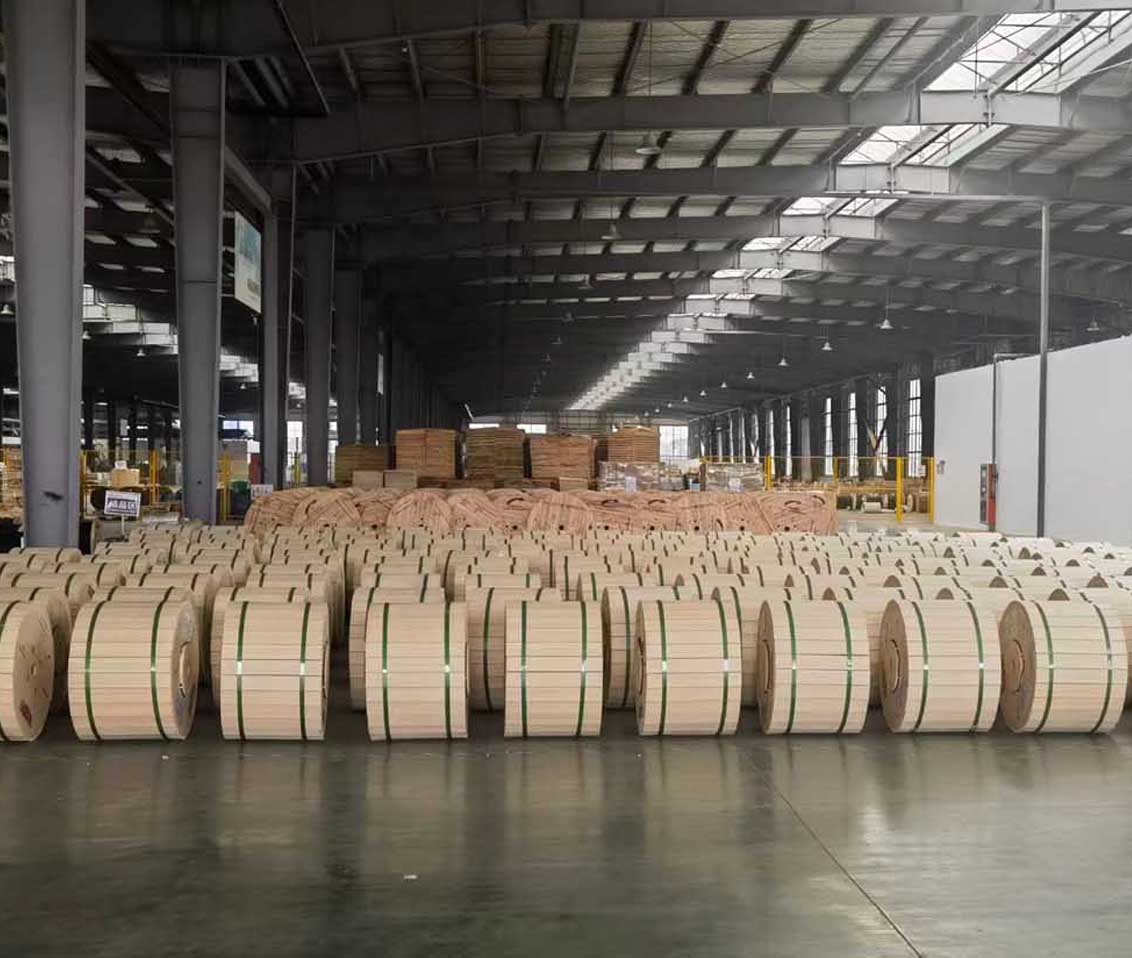
 Optical Fiber
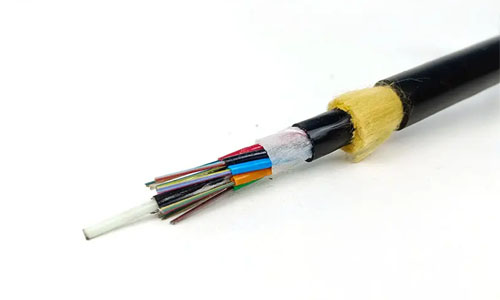 ADSS Fiber Optic Cable
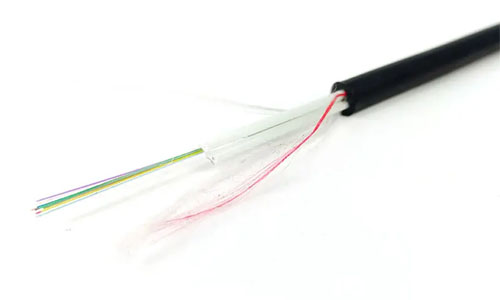 ASU Fiber Optic Cable
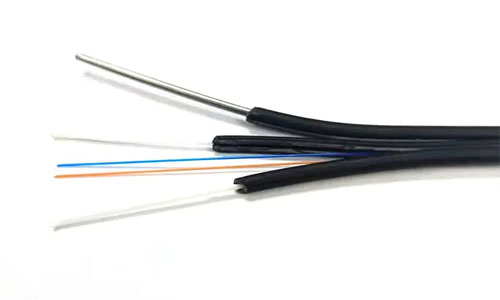 FTTH Fiber Optic Cable
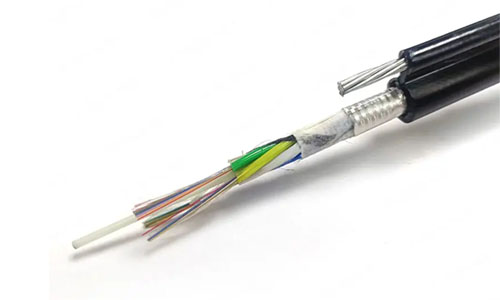 Figure 8 Fiber Optic Cable
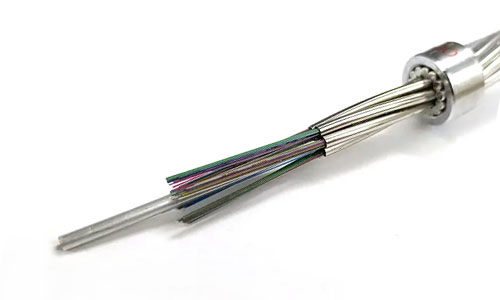 OPGW Fiber Optic Cable
 Coaxial Cable
 Ethernet Cable
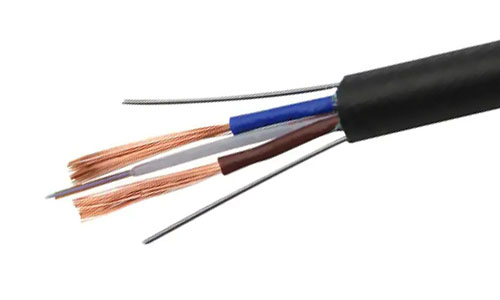 Photoelectric Composite Fiber Optic Cable
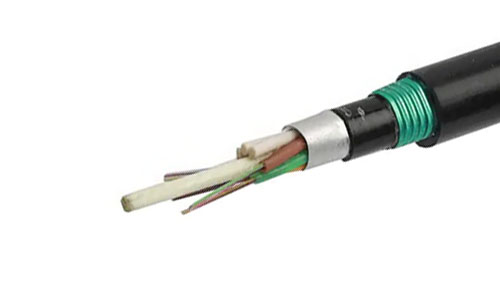 Underground & Pipeline Fiber Optic Cable
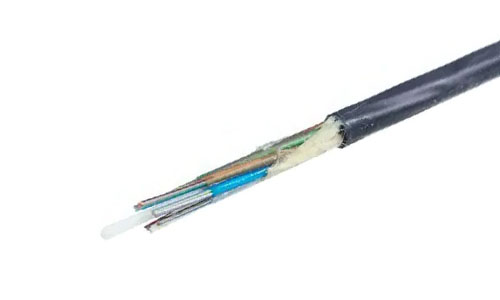 Air-Blown Micro Fiber Optic Cable
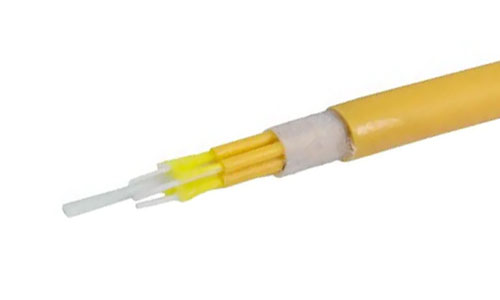 Indoor Fiber Optic Cable
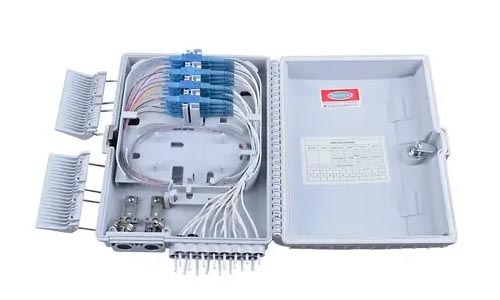 Fiber Optic Distribution Box
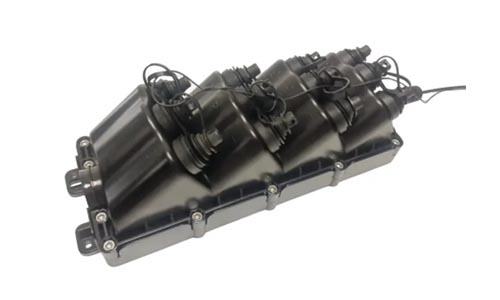 Multiport Service Termina Box
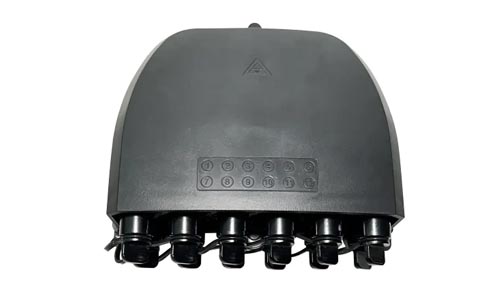 Fiber Optical Terminal Box
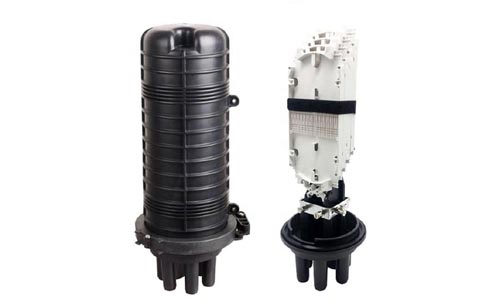 Fiber Optic Splice Closure
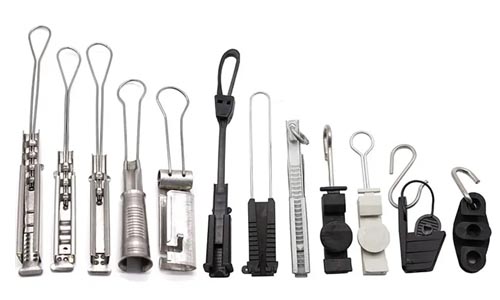 Fiber Optic Clamps
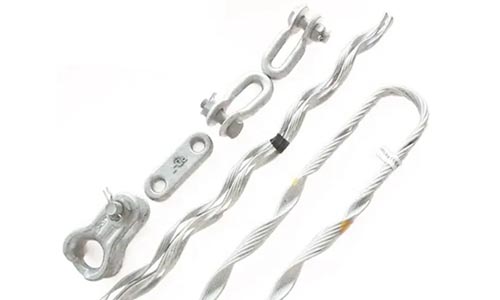 Fiber Optic Cable Fittings
 ADSS Fiber Cable
 ASU Fiber Cable
 OPGW Fiber Cable
 FTTH Fiber Cable
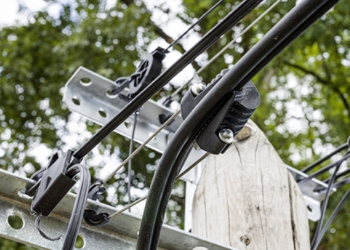 Figure 8 Fiber Cable
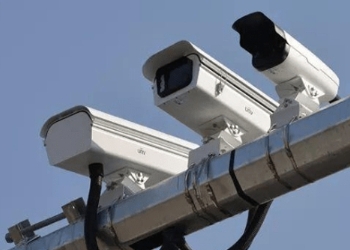 Photoelectric Composite Fiber Cable
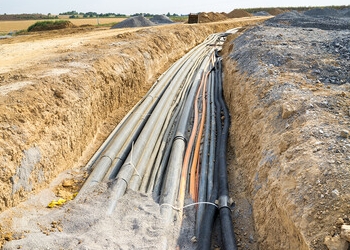 Underground & Pipeline Fiber Cable
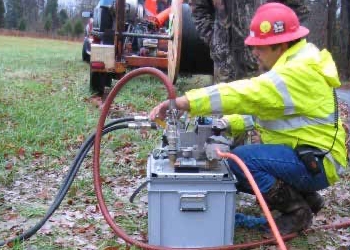 Air-Blown Micro Fiber Cable
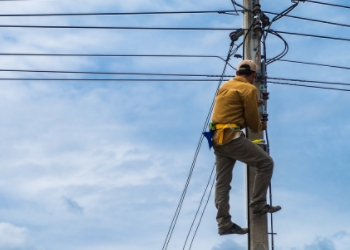 Aerial Fiber Cable
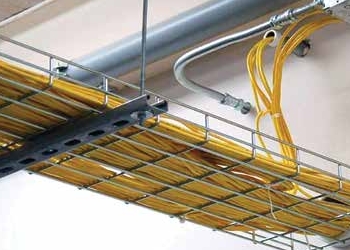 Indoor Fiber Cable
 Fiber Optical Terminal Box
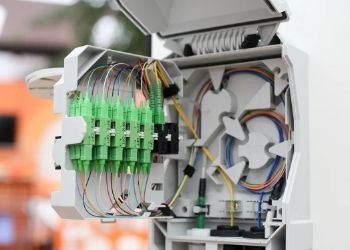 Fiber Optic Distribution Box
 Multiport Service Termina Box
 Fiber Optic Clamps
 About Us
 Our Team
 History
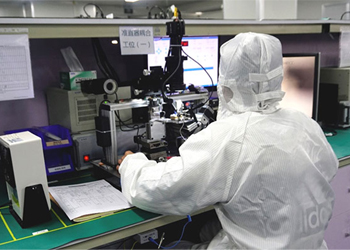 R&D Strength
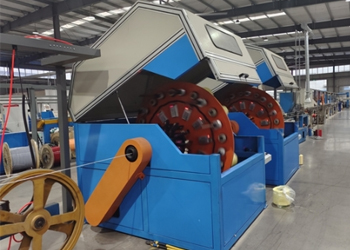 Production Base
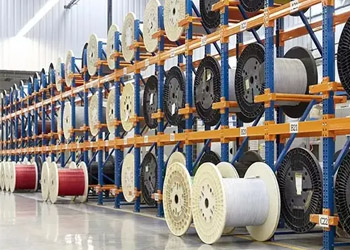 Warehouse & Logistics
 Quality
 FAQs
FAQsWhat is Polymer Optical Fiber (POF)?
Contact for Free Quotation & Sample, According to your needs, customize for you.
inquiry nowWhat is Polymer Optical Fiber (POF)?
Unlike traditional glass optical fibers, polymer optical fiber (POF) transmits light signals through plastics such as PMMA. This technology provides a nimble, cost-effective solution compared to conventional glass fibers.
POF features an exceptional strength and flexibility. This flexibility allows for easier installation in tight or complex environments often seen in American homes, vehicles, and businesses.
POF compared to glass fibers is easier to work with as well as safer to install. Its durability means it’s less prone to break, saving time and labor costs.
With its eco-friendly materials and recyclable design, POF helps promote greener practices and minimizes waste during installation.
That makes POF ideal for short-range data transmission. It is particularly great in noisy environments, such as home networks, automotive, and medical devices!
Look for a lot more faster, more reliable, and creative uses all over the United States in the years to come!
What is polymer optical fiber (POF)? It usually carries information by flashing data as beams of light. POF is more flexible and simpler to install than glass fiber.
This, alongside its lower price, makes it an excellent choice for short-distance connections within residential buildings, vehicles, and even some LANs. It is impervious to tight bends and rough spots, bending rather than breaking when threatened.
It’s very effective in applications with high levels of traffic or vibration. POF is much lighter than glass and is energy safe for applications where a break might create hazards.
Getting POF on the road In the U.S., automotive applications have emerged as an important segment for POF, as they minimize RF noise and weight. The following section outlines why POF is unique in practical applications and why it is rapidly becoming the preferred choice.

What Exactly Is POF?
Polymer optical fiber (POF) is a fiber optic cable that uses plastic rather than glass as the medium. At its heart, it employs polymethyl methacrylate (PMMA), a clear, acrylic plastic with a refractive index of 1.49. POF is a very unique light-transmitting medium. It allows data to zip through easily by ricocheting light along its plastic cable rather than a fragile glass one!
This fiber made of plastic, not glass, is used extensively in today’s telecommunication networks. It enables everything from data networks to automobiles and smart cities, due to its versatility and ruggedness for everyday applications.
1. The Core Idea: Light's Plastic Path
To understand POF, you need to start with its basic structure, its core, typically 1mm thick, which serves as the highway for light messages. This section of the fiber is what protects that signal and helps it travel great distances without losing its potency.
It employs internal reflections to direct the light from source to destination. The refractive index of the core is very important. It enables light to reflect around every curve in the fiber, keeping it from spilling out, even as the cable bends and flexes.
2. Inside POF: Materials and Makeup
POF is built from three main layers: the PMMA core, a fluorinated polymer cladding, and an outer jacket. Each layer has a specific purpose. The core transmits light, the cladding helps to retain that light, and the jacket protects it all from harm.
PMMA provides POF with both transparency and flexibility, while the refractive index of the cladding keeps the signal in line.
3. Key Traits: Flexibility and Strength
POF is widely recognized for its flexibility and strength. As a result, it is able to bend and flex around sharp curves without snapping—something glass fiber cannot do.
This specialized design allows for easy installation in homes, cars or smart devices where space is limited.
4. How POF Transmits Light Signals
POF cables employ total internal reflection to prevent light from escaping. Thanks to its large core, light can still travel when the fiber bends.
POF’s signal deteriorates much more quickly than glass. Unlike fiber, it is most effective over shorter distances—no more than 70 meters (or up to 150 meters with the proper equipment).
5. Different POF Types Available
Different POF types available include multimode POF, which is best suited for consumer data and sensor applications. For more demanding applications, single-mode POF is superior, and special variants are developed for automotive or extreme conditions.
Common types include:
-
Standard step-index POF: General data and lighting
-
Graded-index POF: Better signal quality, more speed
-
Special automotive POF: Tough and vibration-proof
POF vs. Glass: The Showdown
When people discuss fiber optics, the traditional glass fiber usually dominates the discussion. Polymer optical fiber, or POF, has been quietly but confidently establishing its reputation in the market. It’s really great for short-range, more flexible applications! To understand where each truly shines, take a look at their composition and what each is best suited for. In addition, think about where they miss the mark.
Glass Fibers: The Old Guard
Glass fibers have still been the default choice for large telecom infrastructure projects. They’re designed for distance, transmitting data over miles with minimal degradation. Like high-speed internet wires running through metropolitan areas or between nations.
They have a very small core—only 8-10μm for single-mode and up to 100μm for multimode. These fibers not only process extreme amounts of data but endure the hottest extremes, from the coldest nights in the Atlas mountains to the furnace-hot days of the Sahara.
Their stiff construction also makes them prone to breakage and prompts challenging user installation. Even if they can provide the cable, the cost runs exorbitantly high. Installation work further increases the cost, particularly in areas with challenging climate or topography.
POF's Edge: Key Differences
POF flips the script with a wide, soft core—around 150-2000μm—rendering it bendy and quick to fit. It’s relatively easy to work with, as it is produced from plastics such as PMMA, making it lightweight and easy to manipulate, while being non-toxic.
People can easily trim and lay it down in the field, requiring no special equipment. Unlike glass, it doesn’t stand up to extreme heat. It’s less expensive and more secure than wiring up a house, auto, or coffee shop down the street!
Performance Face-Off: Bandwidth and Distance
Glass takes the cake on range and bandwidth—imagine cross-country races. POF is most effective in tighter areas, where line runs remain brief and turns are tight. Attenuation, or signal loss, decreases with POF over longer distances. For a living room, it’s plenty.
| Type | Bandwidth (MHz) | Max Distance (m) | Attenuation (dB/km) |
|---|---|---|---|
| Glass | 10,000+ | 10,000+ | <0.3 |
| POF | 100-1,000 | 50-100 | 100+ |
When POF Shines Brighter?
When POF shines brightest in areas where glass can’t bend – sharp edges, residential listening rooms, or areas with a lot of EMI – POF takes the cake. It’s equally the go-to choice in automobiles, for ambient lighting or information displays.
Since there aren’t any glass shards, it’s safer to have around children or sensitive equipment.
Why Choose Polymer Optical Fiber?
Polymer optical fiber (POF) is rapidly gaining interest across a variety of industries including telecom, automotive, specialty lighting and home networking. Businesses and engineers choose POF for its combination of speed, durability, and cost effectiveness.
Marrakech is a stunning city in which new technology collides with ancient infrastructure. That’s where POF comes in, answering the demand for high-speed, high-bandwidth data.
Unbeatable Flexibility for Tight Spaces
Unbeatable flexibility for tight spaces POF can bend and turn in ways glass fiber simply cannot. In addition, its core diameter is larger, and its modulus of elasticity is considerably less—roughly one-tenth that of quartz fiber.
It makes it easy to weave through narrow bends in historic riads or new business centers. You can even knit POF into garments for wearables, which is convenient for fashion-forward makers and smart fabric developers.
Rapid bends and fast routing lead to fewer headaches, fewer splices, and reduced labor expenses.
Easier, Cheaper Installation Wins
POF is easy to install. Cutting and splicing require no specialized tooling or craftsmanship—only ordinary scissors and a steady hand.
Compared to glass fiber, you will not have to hire a professional or rent expensive equipment. That helps small businesses and residences avoid paying big installation costs and brings high-speed data within reach for many more.
Built Tough: Resisting Wear and Tear
Built Tough Resisting Wear and Tear POF shrugs off knocks, humidity, and even tough abuse. Whether in summertime humid Marrakech or crowded souk stalls, POF continues to perform.
Industries such as transportation and decorative outdoor lighting use it because of its durability and ruggedness.
Greener Light: POF's Eco-Friendly Side
Production of POF requires less energy and generates less waste. It’s easier to recycle than glass, and its thicker core leaves less waste in cuts.
POF further conserves energy through compatibility with low-cost, low-energy, and highly visible light sources.
Safety First: No Spark Risk
If broken, POF won’t break into dangerous shards. It’s safe to touch as it doesn’t carry electrical current, meaning no spark risk.
It’s deployed in hospitals, schools and residences where safety is a top priority.
POF in Action: Real-World Uses
Polymer optical fiber, or POF, has begun to appear more and more in various applications these days. Its popularity is largely due to its user-friendly interface. It’s really flexible and mission driven! As a result, POF has become an important component in technology—from providing faster networks in homes to ensuring factories work efficiently. Its market continues to expand rapidly, illustrating its ability to evolve with emerging needs.
Lighting Up American Homes
POF is an ideal solution for high-bandwidth in‐home networking and data sharing between devices. It’s a huge advantage in getting Gigabit speeds directly into homes, ensuring that streaming content and smart home devices operate seamlessly without any delay.
It connects all of the smart thermostats, smart cameras, and smart speakers you might have, ensuring each room has a reliable connection. Devices such as gaming consoles, smart TVs, and routers benefit from POF’s high-speed, high-quality connections. Its slim, bendy build allows for plug-and-play style installation in both new homes and retrofits.
Powering U.S. Automotive Tech
The bottom line: Cars require massive amounts of data transmitted quickly and securely. POF makes it easy by simply linking sensors to control units. This integration allows backup cameras and lane departure safety alerts to work as intended.
It eliminates signal issues and resists heat and vibrations experienced in vehicles. Today’s vehicles implement POF to interconnect a wide variety of features including infotainment, advanced driver assistance systems, and HVAC.
Advancing Medical Device Innovation
Patients, doctors, nurses, and other caregivers engage with important gear that relies on an uninterrupted data stream. POF ensures safety and precision in devices such as pH meters, oxygen and CO2 monitors.
Its shielding withstands the rough and tumble of daily hospital use, and its plastic build ensures patient safety.
Industrial Automation's Flexible Friend
POF shines in factories, where it connects machines and sensors for quick exchanges between robots and controls. It’s small enough to squeeze into the most cramped environments, and it doesn’t even blink at dust, oil, or high temperatures.
Installers appreciate that it can be wired up fast with various types of connectors. These applications range from robotic arms performing dangerous tasks to conveyor belts automating assembly lines and safety shut-off mechanisms.
Unique Niches: Where POF Excels
POF really excels in applications where glass fiber would shatter or be economically impractical. It’s achieving success in automotive sensors, precision-smart farming, and even digital art exhibits.
Emerging technologies such as smart textiles and light-based sensors employ POF for specialized applications in health, safety, and design.
Making POF: From Pellets to Light
Making polymer optical fiber (POF) come to life takes a combination of ingenious science and specialized equipment. You have to do rigorous due diligence at each stage. It all starts with top-quality pellets—typically poly(methyl methacrylate) or PMMA, forming the core’s foundation.
Generally composed of fluorinated polymers, the cladding surrounds or envelops the core, forming the majority of the fiber. Each piece is selected for its role in shaping and directing light with the utmost efficiency.
The POF Creation Journey
The adventure begins with melting and blending the pellets, ensuring purity and consistency. It all starts with a preform, roughly 50mm thick. It goes on to an extensive drawing process that reduces it down to a strand no thicker than a human hair.
Processes change depending on the requirements—extrusion, surface gel polymerization, centrifuging, even photochemical magic. As for the rest, the best companies—such as Mitsubishi Rayon and Asahi Kasei—are way out front. They employ industrial machines they’ve modified for each layer and adjust the fiber’s internal profile.
Precision isn’t merely a luxury—it’s critical. Even minor missteps can drastically change the performance of the fiber in terms of how well the fiber guides light.
How Making Affects Performance?
Making POF for the first time at scale cannot be understated. Quality of PMMA directly affects the number of signal drops. Through doping, diffusion, and layering, fibers are produced that carry data with very little fade.
Along with improving the ability to detect heat and pressure changes, microstructured POF, such as photonic crystal fibers, go even further to break the limits for specialized applications.
Cost Factors in POF Production
Moving the needle on raw material prices is essential. Larger plants receive the more favorable bids, lowering the cost for purchasers. There are some brands that make economical, yet durable POF that is ideal for residential networks or automotive sensors.
Finding POF: Sourcing in the USA
On the domestic side, you can source POF from companies like OFS Optics, FiberFin, and Industrial Fiber Optics. When sourcing, prioritize transparency in specifications and a consistent supply chain.
-
OFS Optics
-
FiberFin
-
Industrial Fiber Optics
-
Toray Industries
Future of POF: Bright Innovations
POF innovation is happening quickly, with fresh concepts continuing to revolutionize how we harness light to transmit data. As technology continues to advance, POF is quickly becoming more than a solution for basic lighting or low-speed data needs. Research teams are pushing what this fiber can do, reaching speeds and uses that seemed far off a few years ago.
Next-Gen POF: What's New?
POF materials have come a long way since the old staples. With perfluorinated fibers such as CYTOP, loss is considerably lower at critical telecom windows, making them ideal for long runs. Cutting through the modal blur, new designs are making it possible for data to travel faster and clearer.
To address this issue, graded-index (GI) POFs are currently being developed, with a configuration that better maintains the integrity of transmitted signals. In fact, some manufacturers develop proprietary blends specifically for their better thermal strength. This uniquely prepares cables to withstand hot spots—ideal for urban areas such as Marrakech, where temperatures can reach extreme levels.
New next-generation POF products are capable of sending beyond 1 Gbps! They do this through clever techniques such as discrete multitone (DMT) modulation, which was theoretical only a few years ago.
Pushing POF's Performance Limits
Teams are pushing the limits of POF’s performance. One major aim is to push the limits of POF’s performance and resiliency to high-heat and stressful environments. Another is to reduce loss at longer wavelengths.
There are some hurdles to overcome, including determining concrete baselines for connections of 100 Mbps and above. Every victory—even using DMT to increase speeds—creates exciting possibilities! The ambition is for POF to be the material of choice for these frequently desired “last-hundred-meter” connections in complex urban grids.
Tomorrow's POF Applications
Hopefully, POF will continue to appear in new places in the near future. Telecom may have been the first – booming 20 years ago, but the smart sensing fields are becoming popular.
For instance, implementing POF in dissolved CO2 meters aids in monitoring urban air quality or detecting crop stress. Its user-friendly nature and affordability make it appealing for use in smart homes, vehicles, and even home-based medical diagnostics.
Integrating POF: Smart Design Tips
Bringing POF into new builds works best with a few tips:
-
Choose an appropriate fiber type based on your distance needs and speed requirements.
-
Keep bends smooth to avoid light loss.
-
Use clean, tight connectors.
-
Consider your local climate and thermal requirements (hot summers or cold nights).
-
Plan for future upgrades with modular layouts.
Conclusion
Polymer optical fiber is all about simplicity and robustness. It doesn’t care much about bumps, tight bends, or wild temps. People in the US use POF for all sorts, including home audio connections, automotive lighting, and consumer electronics. That stuff is cheaper than glass fiber and totally suitable for short runs. No complicated equipment or technical expertise required to install, too. POF really excels in practical locations—imagine auto garages, water-logged basements, or retrofitted legacy office structures—when a flexible cable is more advantageous than rigid glass. With new tools emerging on a regular basis, POF has gotten better and continues to improve. Interested in finding out if POF is suitable for your upcoming project? Test it, trade tales, and put it through its paces in your universe.
Frequently Asked Questions
What is polymer optical fiber (POF)?
Polymer optical fiber (POF) is an optical fiber that uses plastic rather than glass. When it comes to transmitting light and data, POF is a great solution—especially for shorter distances.
How does POF differ from glass optical fiber?
POF is lighter, more flexible, easier to install, and less expensive than glass fiber. It has a higher signal loss and is more suited for shorter distances.
Where is POF commonly used?
Where is POF widely deployed POF is widely deployed in residential, automotive, and industrial networks. It’s ideal for high-speed internet, audio/video connections, and automotive lighting.
Is POF safe for use in American homes?
Is POF safe for use in American homes. Additionally, it doesn’t conduct electricity, so it’s safer for home networks and entertainment systems in the U.S.
What are the main benefits of POF?
POF is lightweight, inexpensive, bendable, and shatterproof. It’s ideal for work with rapid deployment, or limited access areas.
Can I install POF myself?
Can I install POF myself? …you can certainly do it yourself without any special tools or advanced skills.
What's the future of POF technology?
As POF technology continues to develop, we’re already seeing it being deployed in smart homes and automotive technology. This ensures that innovations are increasingly aimed at higher speeds, improved durability, and increased adoption in the U.S.