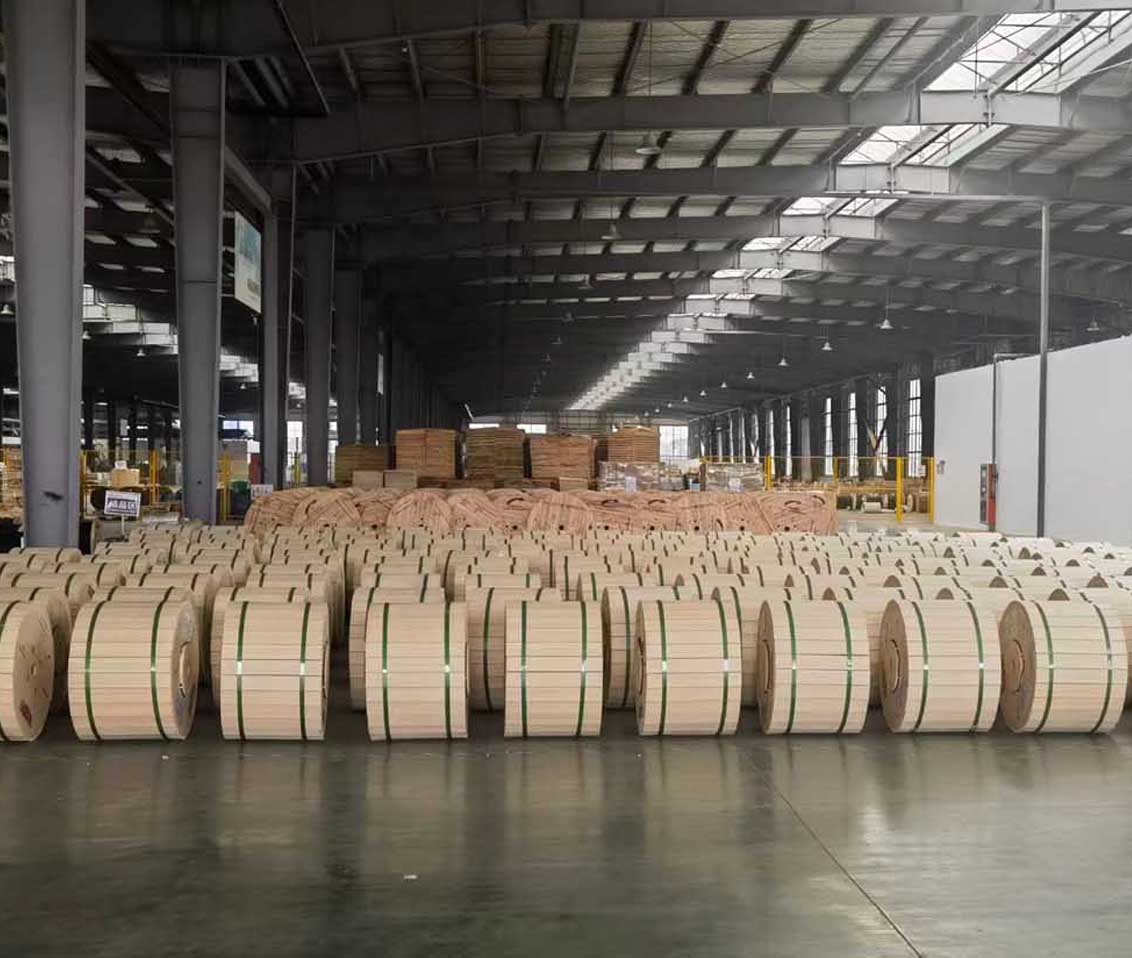
 Optical Fiber
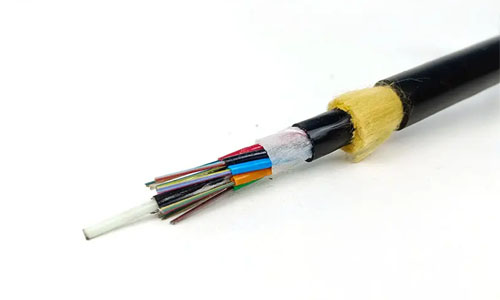 ADSS Fiber Optic Cable
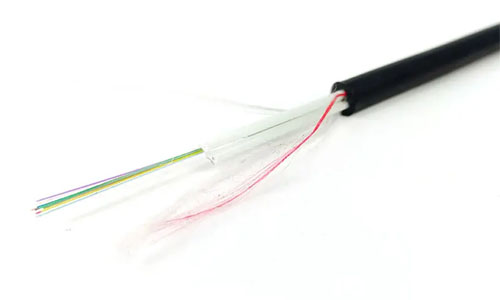 ASU Fiber Optic Cable
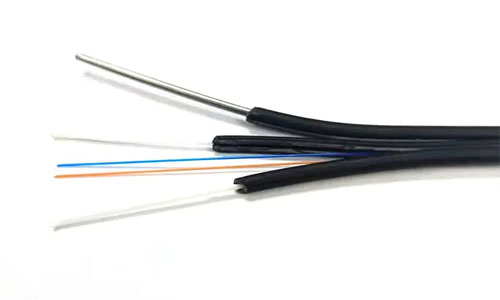 FTTH Fiber Optic Cable
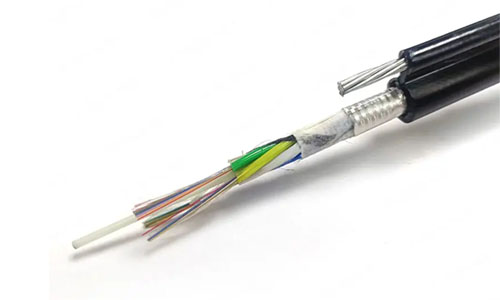 Figure 8 Fiber Optic Cable
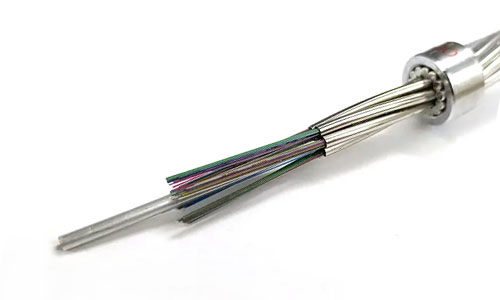 OPGW Fiber Optic Cable
 Coaxial Cable
 Ethernet Cable
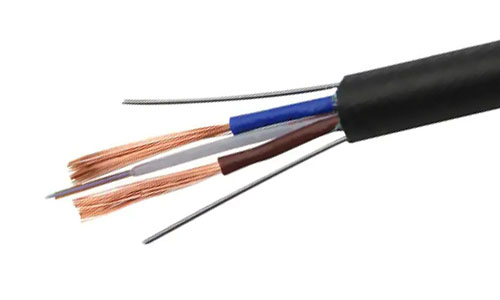 Photoelectric Composite Fiber Optic Cable
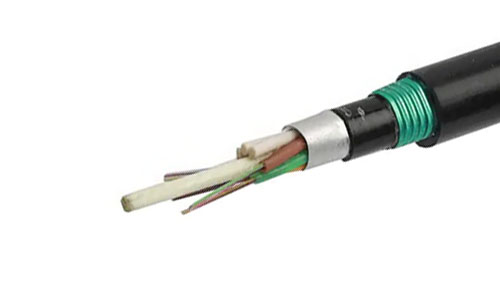 Underground & Pipeline Fiber Optic Cable
 Air-Blown Micro Fiber Optic Cable
 Indoor Fiber Optic Cable
 Fiber Optic Distribution Box
 Multiport Service Termina Box
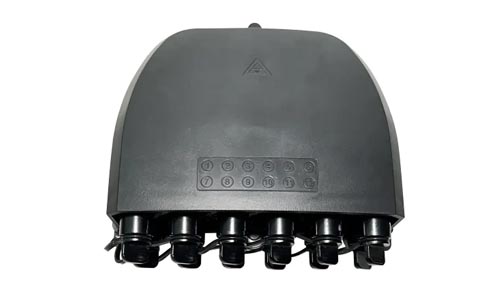 Fiber Optical Terminal Box
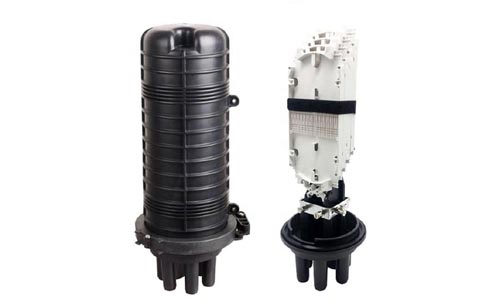 Fiber Optic Splice Closure
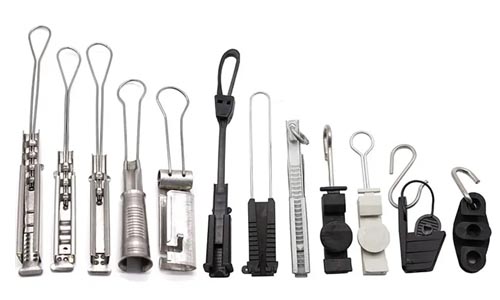 Fiber Optic Clamps
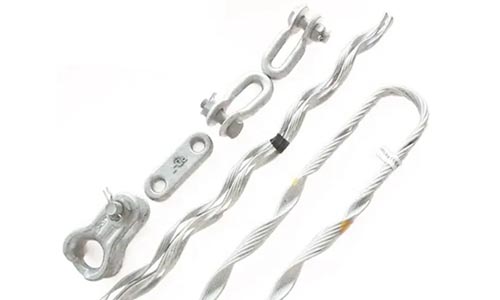 Fiber Optic Cable Fittings
 ADSS Fiber Cable
 ASU Fiber Cable
 OPGW Fiber Cable
 FTTH Fiber Cable
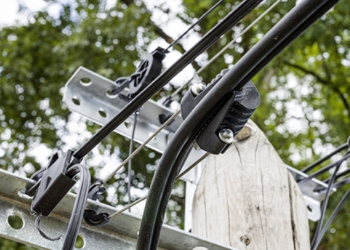 Figure 8 Fiber Cable
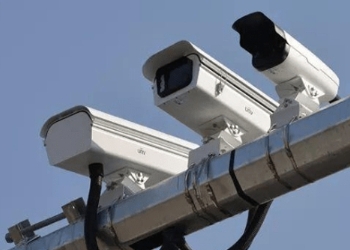 Photoelectric Composite Fiber Cable
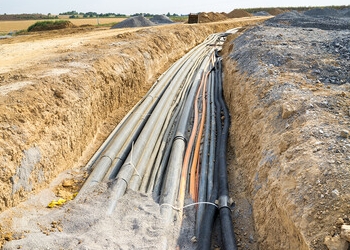 Underground & Pipeline Fiber Cable
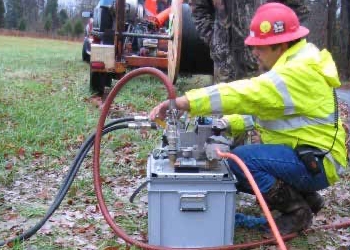 Air-Blown Micro Fiber Cable
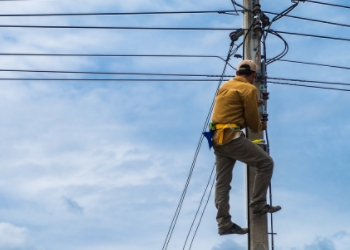 Aerial Fiber Cable
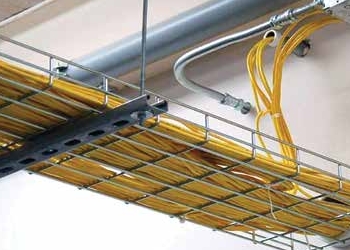 Indoor Fiber Cable
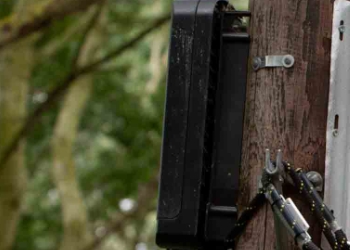 Fiber Optical Terminal Box
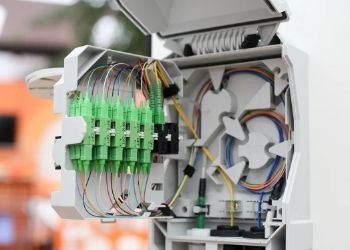 Fiber Optic Distribution Box
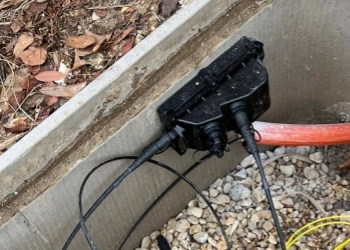 Multiport Service Termina Box
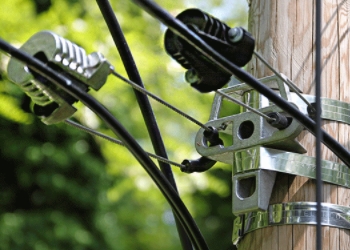 Fiber Optic Clamps
 About Us
 Our Team
 History
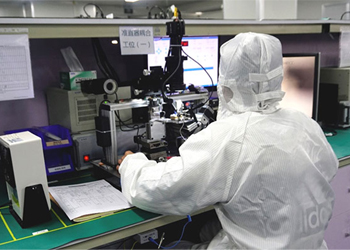 R&D Strength
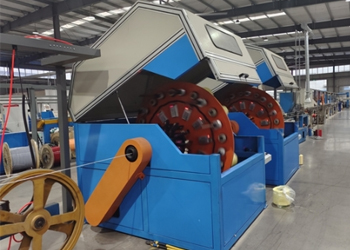 Production Base
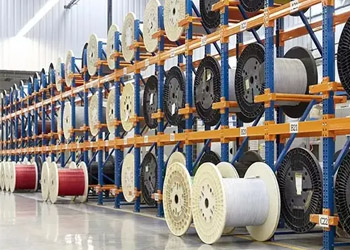 Warehouse & Logistics
 Quality
 FAQs
FAQsWhat is Indoor Fiber Optic Cable?
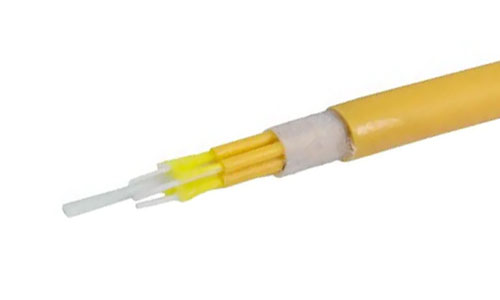
Indoor fiber optic cable is a type of cable specifically designed for use within buildings or enclosed spaces. It's used to transmit data using light signals. Unlike outdoor fiber optic cables, which are built to withstand environmental elements, indoor cables are typically lighter and more flexible. They're designed for easy installation through conduits, ceilings, or floors within a building.
These cables consist of a core made of glass or plastic fibers surrounded by a protective cladding and jacket. The core is where the light signals travel, bouncing off the walls of the core due to internal reflection. This design allows for high-speed and high-capacity data transmission over long distances without signal degradation.
Indoor fiber optic cables are commonly used in telecommunications networks, local area networks (LANs), data centers, and other indoor applications where high-speed data transmission is required.
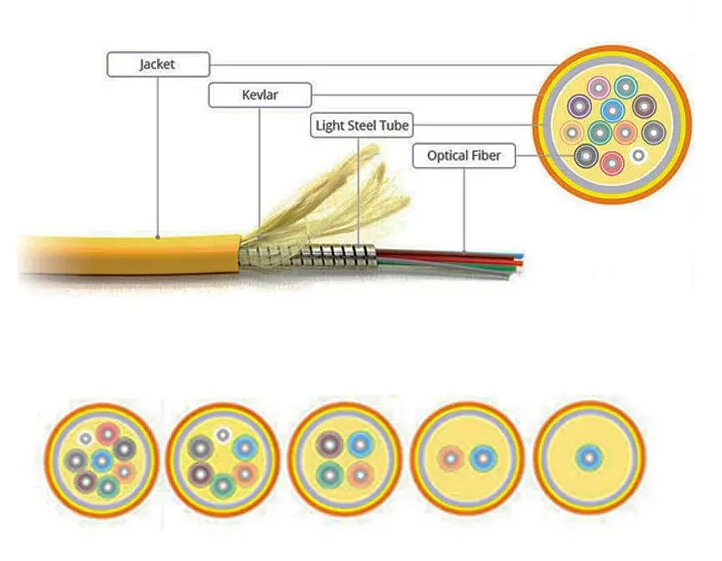
Indoor Fiber Optic Cable Types
There are several types of indoor fiber optic cables, each designed for specific applications and environments. Here are some common types:
Tight-Buffered Cable: In this type of cable, each fiber is tightly buffered with a layer of protective material, such as plastic. Tight-buffered cables are rugged and suitable for indoor applications where the cable may be handled frequently or installed in tight spaces.
Loose-Tube Cable: Loose-tube cables have individual optical fibers loosely enclosed in protective tubes. These tubes provide additional protection against moisture and mechanical stress, making them suitable for outdoor use as well. However, they can also be used indoors, especially in environments where there might be a risk of moisture or physical damage.
Ribbon Cable: Ribbon cables consist of multiple fibers arranged in flat ribbons. This design makes ribbon cables compact and space-efficient, ideal for high-density installations such as data centers. They're often used in indoor environments where a large number of connections need to be made in a limited space.
Distribution Cable: Distribution cables are designed for short indoor runs, typically within buildings or data centers. They contain a relatively small number of fibers, usually up to a few dozen, and are suitable for point-to-point connections or intra-building backbone installations.
Breakout Cable: Breakout cables consist of several tight-buffered fibers bundled together within a single jacket. Each fiber in the bundle has its own protective buffer, which makes breakout cables durable and easy to terminate. They're commonly used for short indoor runs and for connecting individual devices or equipment.
Hybrid Cable: Hybrid cables contain both optical fibers and copper conductors within the same jacket. They're used in environments where both fiber optic and electrical connections are required, such as in networking equipment or surveillance systems.
These are just a few examples of indoor fiber optic cable types, each tailored to meet specific requirements in terms of flexibility, protection, and installation environment. The choice of cable type depends on factors such as the application, the number of fibers needed, and the installation environment.