 Optical Fiber
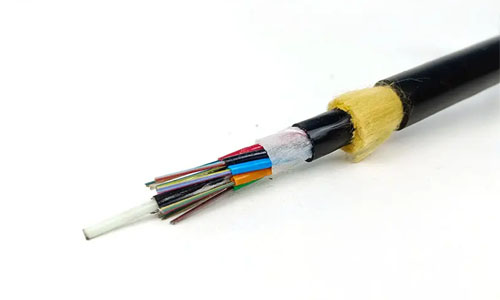 ADSS Fiber Optic Cable
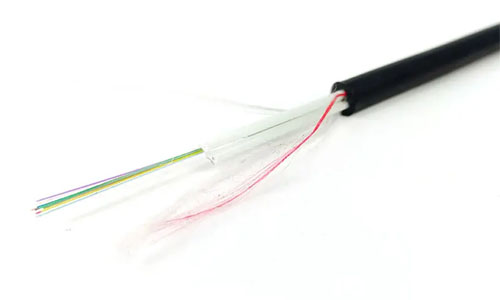 ASU Fiber Optic Cable
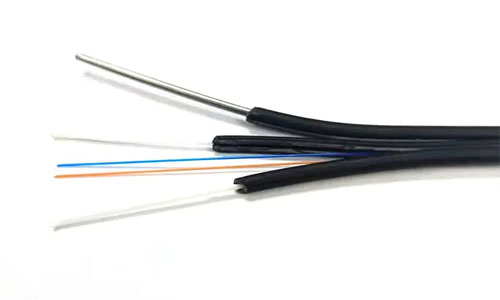 FTTH Fiber Optic Cable
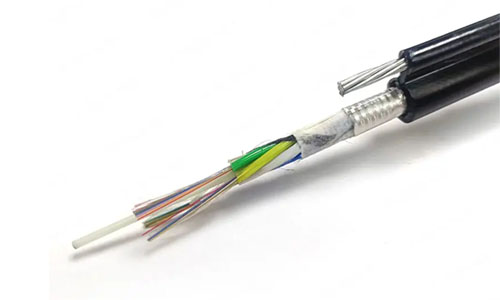 Figure 8 Fiber Optic Cable
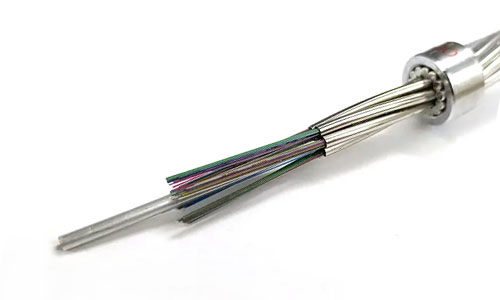 OPGW Fiber Optic Cable
 Coaxial Cable
 Ethernet Cable
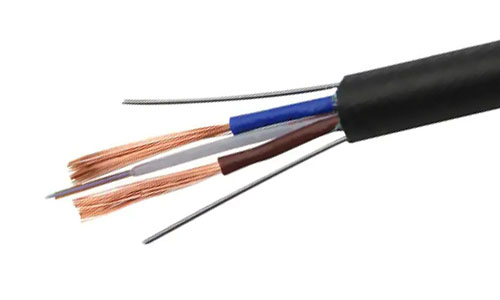 Photoelectric Composite Fiber Optic Cable
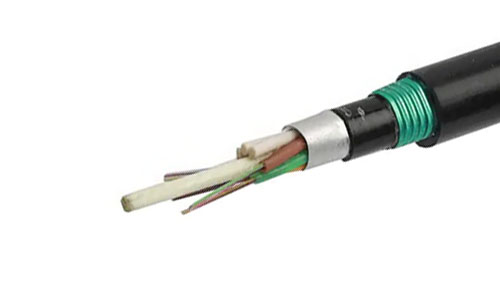 Underground & Pipeline Fiber Optic Cable
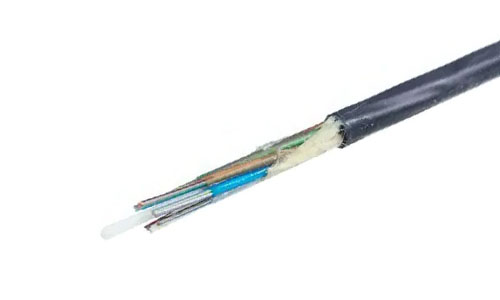 Air-Blown Micro Fiber Optic Cable
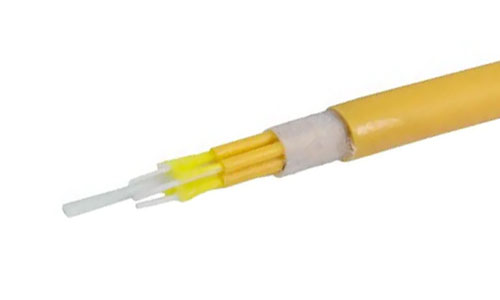 Indoor Fiber Optic Cable
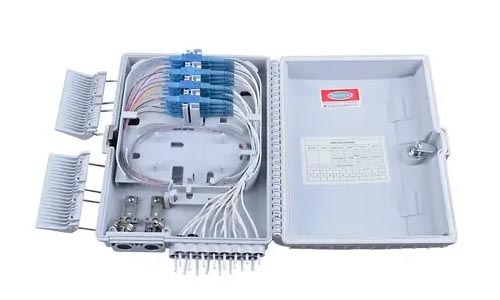 Fiber Optic Distribution Box
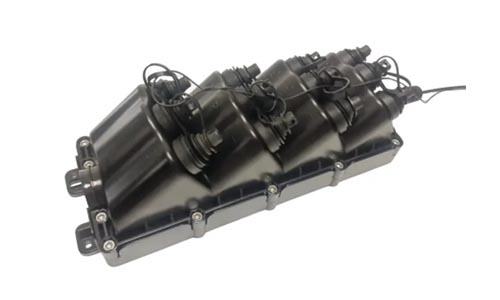 Multiport Service Termina Box
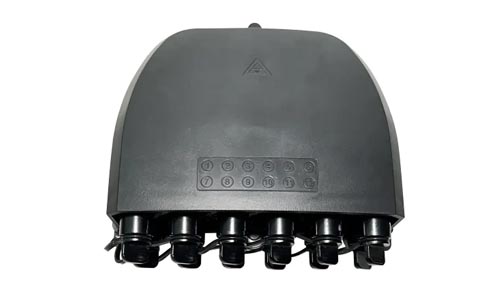 Fiber Optical Terminal Box
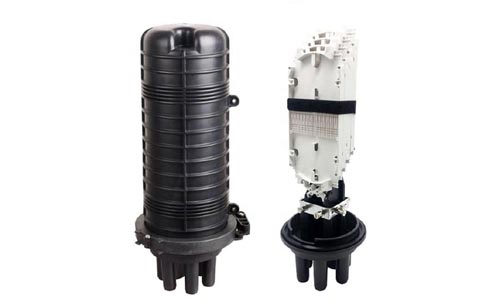 Fiber Optic Splice Closure
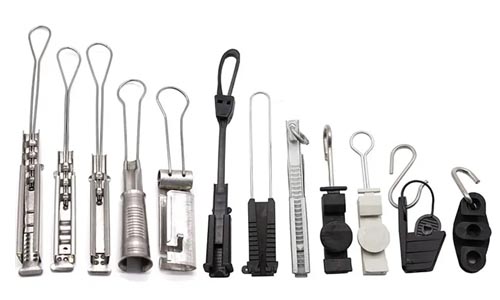 Fiber Optic Clamps
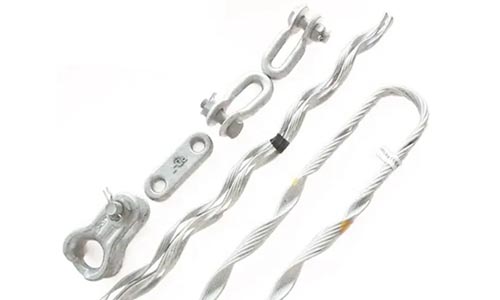 Fiber Optic Cable Fittings
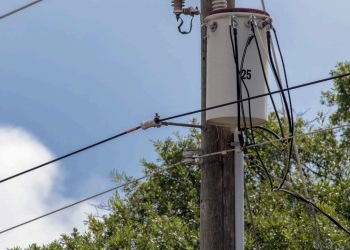 ADSS Fiber Cable
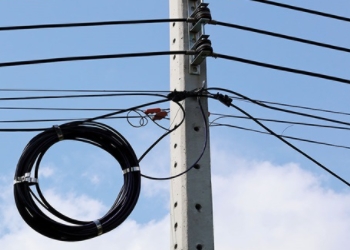 ASU Fiber Cable
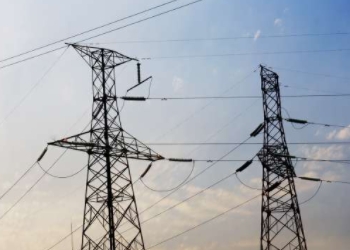 OPGW Fiber Cable
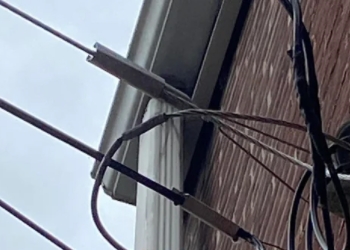 FTTH Fiber Cable
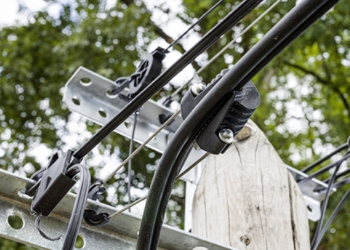 Figure 8 Fiber Cable
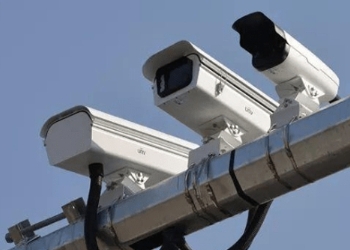 Photoelectric Composite Fiber Cable
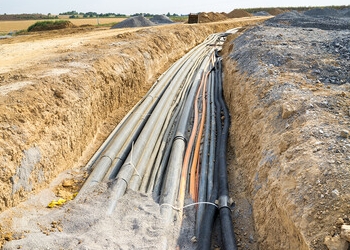 Underground & Pipeline Fiber Cable
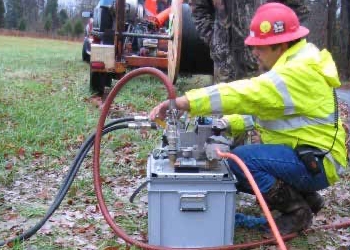 Air-Blown Micro Fiber Cable
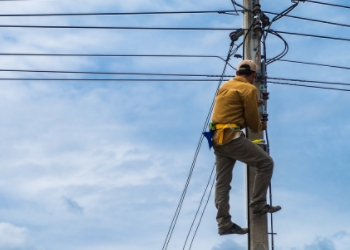 Aerial Fiber Cable
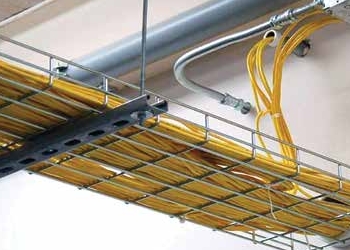 Indoor Fiber Cable
 Fiber Optical Terminal Box
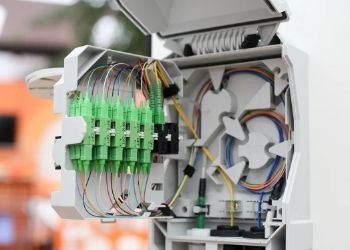 Fiber Optic Distribution Box
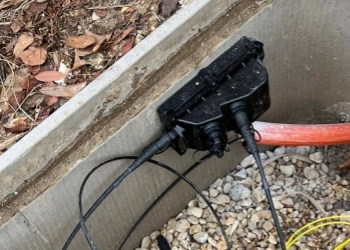 Multiport Service Termina Box
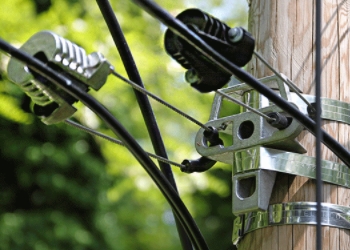 Fiber Optic Clamps
 About Us
 Our Team
 History
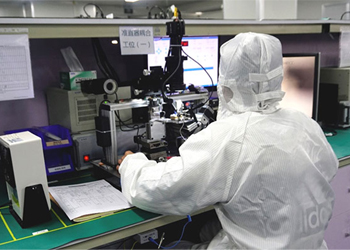 R&D Strength
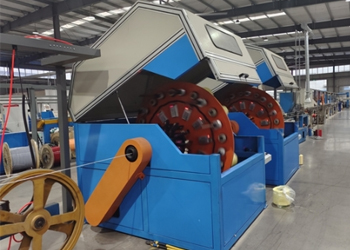 Production Base
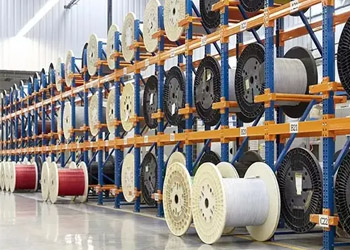 Warehouse & Logistics
 Quality
 FAQs
FAQsWhat is GYTA Fiber Optic Cable?
Contact for Free Quotation & Sample, According to your needs, customize for you.
inquiry nowWhat is GYTA Fiber Optic Cable?
GYTA fiber optic cable has a rugged, robust construction. That’s what makes it such a premier fiber optic cable for outside plant communications throughout the greater US!
The cable consists of metal core, aluminum cable armor, and waterproofing compounds. These features armor it against the worst of American weather, moisture, and even rodent damage for worry-free, long-term performance.
GYTA is available with single-mode or multi-mode fibers, as well as a range of fiber counts. That kind of versatility helps power everything from long-haul networks to efforts to bring more broadband to rural communities.
Pulling GYTA cables requires meticulous route preparation and the appropriate protective equipment. Testing every connection carefully is critical to ensure the most dependable, high-speed data transmission possible.
Flexible, scalable and futureproofed for tomorrow GYTA meets all major US telecom standards, making it a savvy, long-term investment for public and private network infrastructure alike.
GYTA enables smart utility grids, university networks, and helps close our nation’s digital divide. It is that it provides the durability and reliability that 21st century America needs and expects.
GYTA fiber optic cable is outdoor rated and performs well in lengthy runs. It is typically deployed underground or over poles. It has a loose tube construction filled with a water-blocking gel.
Plus, it has a thick metal tape sheath over the core. That big metal tape is what makes it sturdy and protects it from rodents and moisture. Because most GYTA cables contain several dozen fibers, they’re perfect for large-scale projects such as interconnecting metropolitan areas or rural broadband deployments.
In the U.S., ordinary Americans depend upon GYTA cables as backbone lines and for rural broadband projects. These cables are widely recognized for their longevity and strength against extreme weather.
The following chapter goes deeper into how GYTA cables operate in real-world deployments. It unpacks how these cables are uniquely suited to addressing American needs.

What is GYTA Fiber Cable?
Overall, GYTA fiber optic cable is an excellent option for any outdoor communication applications.
The GYTA Fiber Cable Features
This cable has a rugged construction. It may sometimes be on a pole, underground, or in an innerduct! GYTA is unique in that it can contain both single-mode and multi-mode fibers within the same loose tube. All of this is protected by a rugged aluminum-polyethylene sheath.
Understanding the components
Each part of the cable plays a central role. The metal core and waterproof layers work together to keep the data flowing, even in stormy conditions!
1. Defining GYTA: The Basics
Compared to other loose tube cables, GYTA cables have a stranded loose tube design. This allows the optical fibers, each thinner than 0.01 inches, to lay inside of tubes that are constructed of high-strength plastic.
These tubes, filled with a gel-like waterproof compound, coil around a thick steel support core. As such, GYTA is a critical component in today’s cutting-edge networks, ensuring the integrity of signals transmitted across long-haul distances remain clear and stable.
The standard construction includes semi-tight buffer tubes for the fibers. It has a central steel wire for additional strength and a thick PE sheath on the outside. Due to these additional capabilities, GYTA is the popular choice for dependable outdoor data connections.
2. GYTA's Layered Construction
The GYTA cable’s layers begin with loose tubes and waterproof gel, then transition into a dense, round profile. This construction protects the fibers from both excessive bending and crushing pressures.
An additional layer of aluminum-plastic-tape serves to keep moisture out and protects the fibers. Compared to standard indoor cables, GYTA uses more protective layers:
| Layer | GYTA Cable | Standard Indoor Cable |
|---|---|---|
| Central Strength Core | Steel wire | Fiberglass rod |
| Loose Tube | Yes | No |
| Waterproof Filling | Full core | Partial or none |
| Aluminum Sheath | Yes | No |
| PE Outer Sheath | Thick | Thin |
3. Key GYTA Performance Specs
GYTA cables are available in sizes containing as few as 2 fibers up to 108 fibers. The cable diameter varies between approximately 0.4 and 0.8 inches, depending on configuration, accommodating a variety of install requirements.
High tensile strength, sometimes exceeding 2,200 pounds, enables GYTA to withstand high pulls during installations or installation conditions in harsh climates. High crush ratings safeguard cores against extreme loads.
The minimum bend radius (mbr) is typically 10x the cable diameter. This allows signals to stay powerful, even when passing through narrow channels.
4. Unique GYTA Design Benefits
GYTA’s rugged construction truly excels in outdoor environments. The complete cable core filling and moisture-resistant barriers prevent water from penetrating.
High modulus plastic in the tubes supplies even more muscle, resisting high heats, frigid cold, and UV rays. Its high-density PE sheath not only serves as an effective UV barrier, but protects the cable year after year, whether it’s buried or strung in the air.
Why GYTA Rules US Networks?
GYTA fiber optic cable truly rules US telecom markets and for all the good reasons. It combines sturdy construct, ingenious design, and depend on that’s customized to the arduous calls for of American networks. It’s durable and well-engineered to perform perfectly regardless of the conditions.
From the scorching deserts of Arizona to the stormy shores of Virginia, it soars in any environment.
Tough for Diverse US Weather
GYTA’s loose tube design, filled with gel, prevents moisture from entering the cable and protects the fibers from temperature extremes. Its aluminum-polyethylene sheath protects it against rust and damage, making it a perfect option for outdoor use.
In snowy states like Michigan, these cables continue to perform when others would short out from ice or moisture. In the dry, arid Southwest, they protect against blowing grit and sand. That ruggedness translates into fewer service interruptions and less man-hours repairing lines, even in hurricane or flood-impacted areas.
Smart US Network Investment
For businesses, GYTA is a lucrative investment. Its durable, robust cable body and user-friendly design improve installation efficiency and minimize the need for recabling down the line.
The longer you neglect them, the cheaper it becomes to maintain them. They provide superior performance in direct burial, aerial, or duct installations. Data centers and telecom hubs trust GYTA for its consistent speed and robust signal.
This powerful combination increases network reach and speed, providing users with the most advanced services anywhere!
Meets Key US Telecom Standards
GYTA cables are designed to be compliant with all applicable US telecom codes. They’re required to allow for safety, moisture prevention, and long-distance data transmission.
Meeting these key US telecom standards translates into fewer outages and much greater public trust in the network.
-
National Electrical Code (NEC)
-
Telcordia GR-20
-
ANSI/TIA-568
-
UL Listed
Powering America's Digital Growth
GYTA fuels America’s digital expansion in large metropolitan areas and small, rural communities alike. Schools, hospitals, and small businesses are able to connect to fast, reliable broadband because of its extensive reach.
It’s undergirding the demand for universally good, universally fast internet and universally available next-gen services across the country.
GYTA's Built-In Protections
GYTA fiber optic cables come equipped with intelligent features to safeguard the fibers. They provide reliable transmission of data, even in harsh outdoor environments! These built-in protections are what allow the cable to last longer. In addition, they minimize the cost and frequency of repair, a major victory for all who oversee networked spaces outdoors.
Loose Tubes: Stress-Free Fibers
Loose Tubes: Stress-Free Fibers Inside GYTA cables, glass fibers are housed in loose tubes of the same tough plastic. This configuration reduces the pressure on the fibers, allowing them to shift slightly without breaking.
On install, the loose tube design allows the cable to bend and twist while still protecting the fibers. This is critical when you’re blowing cable through narrow ducts or burying it in underground, stony soil. With less chance of snapping, you receive fewer signal migraines in the future.
| Feature | Loose Tube (GYTA) | Tight Buffer |
|---|---|---|
| Fiber movement | High | Low |
| Flexibility | Very good | Fair |
| Breakage risk | Low | Moderate |
| Outdoor use | Excellent | Limited |
Aluminum Armor: Vital Shield
Vital shield GYTA cables employ a layer of aluminum armor to deter external threats. This shield performs brilliantly against crush, impact, and keeps gnawing little devils such as mice from chewing through.
This aluminum armor helps shield the cable, no matter its environment, be it underground ducts or extreme urban canyons. It remains safe, even when laid shallow or dragged across.
Keeping Damaging Moisture Out
To keep out water, GYTA cables employ a dense filling compound in the tubes and a complete cable core fill. The PE sheath and PSP construction provide increased protection against damaging moisture such as rain and wet ground.
This double-whammy prevents moisture from getting in, which helps to protect the fiber and enables it to run fast and clear. Once water penetrates, signals can start losing power or losing connection altogether—which is never a good thing in any network.
Resisting Rodents and Pests
Rodents and insects are a serious danger, particularly in country or city fringe locations. GYTA’s built-in protections prevent rodents and pests from chewing through as well.
Excellent pest resistance protects both time and money, reducing service calls to repair issues. To avoid this, for additional protection, select locations for cables that are not easily reachable by wildlife. Inspect frequently to catch any signs of chewing early.
Smart GYTA Cable Installation
Installing GYTA fiber optic cable requires an artful touch and a good game plan. These multichannel cables make for smart outdoor plant extensions in the U.S.—overhead lines, underground through ducts or directly into the ground. Their sturdy construction and waterproof protection ensure they are shielded from damaging UV rays and inclement weather.
Installing these cables is more than just pulling wire. You have to plan in advance, respect the process, prepare properly, and always double check your work!
Plan Your Cable Route Wisely
Picking the ideal route right off the bat can save you a lot of time and energy. Create paths that avoid obstacles like large boulders, acute angles, and areas of significant equipment use. Planning your cable route will not only ensure longer life for your cable, but better performance as well.
While its loose tube design makes it easy to lay out, you’ll want to take some intelligent precautions to prevent bends and crushing! Here’s what to keep in mind:
-
Avoid areas with digging or future construction.
-
Steer clear of high-heat or UV-heavy spots.
-
Plan your cable entry and exit points in a way that makes the cable run easy to spot.
-
Use cable printing and marking for tracking.
Essential GYTA Installation How-Tos
First, begin pulling the cable in a smooth and controlled manner, utilizing a tool suitable to the type and weight of cable being installed. Don’t kink it, don’t let it get wet, and lay it out flat. Pay attention to the creator’s advice—no short cuts.
Label the cable at uniform intervals with size and type. Be careful not to crush or tug excessively as this can destroy the fibers.
Verify Your Connection Integrity
Testing is the name of the game. Test every single fiber with an OTDR and light source. Check for cuts or breaks. Verify your connection integrity. Be sure all connections are waterproof and watertight.
Checklist:
-
Inspect for physical damage.
-
Test for signal loss.
-
Confirm proper labeling.
Safety First: US Installation Tips
Wear cut resistant gloves and safety glasses. Make sure to use lifting tools that are appropriate for the job. Never pull or turn the cable sharply. Avoid crushing or bending fibers sharply enough to create breaks or cuts that could injure fingers.
-
Always use protective gear.
-
Watch for buried power lines.
-
Keep work area dry and clean.
-
Store cables on reels until use.
Top GYTA Cable Applications
GYTA fiber optic cables are known for their versatility in outdoor applications. They are perfect in harsh environments—overhead, or below grade. These cables show up almost everywhere: highways, power plants, rural broadband, even right under our feet in city streets.
With a design that readily complies with industry-leading standards such as YD/T 901-2001 and IEC 60794-1, GYTA’s durable construction provides confidence on even the most demanding long-term projects. No wonder every industry—enterprise telecom, education—turn to GYTA. It installs easily, protects critical connectivity, and withstands sun, rain, and soil pressure with ease!
US Long-Haul Network Core
In the US, long-haul networks require rugged cables that perform under pressure. GYTA will help to make that a reality. It’s the backbone of the internet, moving massive swathes of data across thousands of miles while maintaining integrity.
Plus its waterproof and UV-proof jacket helps it endure intense heat, storms, and frigid conditions. In tests, GYTA minimizes data loss to less than 0.22 dB per mile, making it an ideal choice for coast-to-coast networks. It isn’t uncommon to find these cables deployed aerially on poles or buried in ducts, helping to continue to provide strength to America’s backbone.
Bridging America's Digital Divide
GYTA cable has an important role in helping connect rural and remote communities. In both Nebraska and West Virginia, community broadband projects are using GYTA to great effect. They use fiber along the highways and cross bridges to the rivers to strengthen connectivity.
The increase in local internet speeds benefits local schools, healthcare clinics, rural co-ops, and local stores. Moving forward, over 35% of all new rural builds in 2023 so far have utilized GYTA, aiding in bridging the digital divide for millions.
Reliable Industrial & Utility Links
Reliable Industrial & Utility Links Industrial, and utility applications require cables that can withstand harsh job environments. That’s where GYTA comes in. It withstands corrosive environments found in power plants, oil fields, and water treatment facilities.
Whether facing a backhoe’s blade, high humidity, or extreme temperatures, the cable’s armored core resists them all. In Texas, one of the state’s largest utilities deployed GYTA for a 50-mile upgrade, experiencing reduced outages and repair costs.
Campus and Backbone Networks
On large educational campuses and corporate business parks, GYTA interconnects multiple buildings and data centers. It powers through heavy data loads without a hitch.
California schools deployed GYTA for new campus and backbone networks, ensuring classrooms and labs can remain connected during inclement weather. Maintenance teams might have an easier time accessing and repairing, particularly in duct networks.
GYTA Compared: Making Choices
Choosing the appropriate fiber optic cable is extremely important if you need seamless data transmission and robust network connections. GYTA, a stranded loose tube cable, is known for its high-strength protective features and deployment in outside plant environments. It doesn’t have to be that way.
Understanding each cable's characteristics—such as GYTA, GYTS, or non-metallic—allows you to choose the cable that meets your application requirements.
GYTA vs. GYTS: Key Differences
Although GYTA and GYTS cables may seem similar at first glance, there are important differences. GYTA’s aluminum tape armoring prevents moisture ingress and provides the cable with additional strength as well.
GYTS, conversely, employs steel tape, imparting greater crush and rodent resistance. GYTA is particularly well-suited in humid, sub-aqueous, or direct-buried environments where water intrusion presents a major threat.
GYTS is a great option in locations that require added physical deterrents, such as locations struggling with rodent infestation.
| Feature | GYTA (Aluminum) | GYTS (Steel) |
|---|---|---|
| Armor Type | Aluminum Tape | Steel Tape |
| Moisture Block | Good | Good |
| Rodent Proof | Fair | Strong |
| Weight | Lighter | Heavier |
| Cost | Lower | Higher |
Pros—GYTA: Lighter, cheaper, good for moisture-prone sites. Cons—GYTA: Not as rodent-proof.
Pros—GYTS: More rugged, rodent-resistant. Cons—GYTS: Heavier, costs more.
When to Choose GYTA Cable?
GYTA is especially suited for outdoor applications—imagine long aerial spans between structures or across agricultural land. Its aluminum armor shields against moisture, so it’s perfect for underground or damp areas.
Look at core count: a 2-core is perfect for linking just two sites, while a 12-core handles big networks like campus backbones. Take into account climate, terrain, and whether pests are an issue before purchasing.
Considering Non-Metallic Alternatives
Non-metallic cables, such as GYFTY, are free of metallic armor. They’re ideal just exactly where you need not have any interference from power lines or lightning.
These cables are lighter, easier to run overhead, and weaker than GYTA or GYTS. Compare strength, price, and long-term risk of electrical hazards.
| Cable Type | Armor | Best Use | Price/ft (avg) |
|---|---|---|---|
| GYTA | Aluminum | Wet, buried, long runs | $0.30–$0.80 |
| GYFTY | None | Overhead, no metal | $0.40–$0.90 |
Conclusion
GYTA fiber optic cable provides reliable and consistent connectivity to all. Whether in dense metropolitan grids or rural township layouts, it is a guarantee of robust connections. Rain, snow, or dust—GYTA handles it all with poise, no fuss, no muss. Imagine a rural hospital that requires real-time information or a farm team monitoring irrigation pumps. GYTA goes to work, hard-nosed and reliable, no gimmicks. You get real gains: less fuss, more uptime, lower bills. So, if you’re looking to get your network to do the heavy lifting that you’re doing, take a hard look at GYTA. Have questions or want to trade tales of cable victories or woes? Have a question or comment that’s not public. Email us here. Looking forward to continuing the conversation.
Frequently Asked Questions
What is a GYTA fiber optic cable?
A GYTA cable is an outdoor, loose tube, steel tape armored cable. Designed for both strength and water resistance, it has become the preferred solution for direct-buried and duct installations in U.S. Networks.
Why is GYTA cable preferred for American outdoor networks?
GYTA cables are highly resistant to moisture, rodents and other harsh outdoor conditions that can threaten a network. Their armored design not only ensures the fiberglass core is protected. That’s why we believe GYTA cable is the best choice for American outdoor networks that demand dependable, long-distance communication infrastructure.
How does GYTA cable protect against water and damage?
GYTA cables incorporate both water-blocking materials and steel tape armor that work together to protect the cable from water intrusion and damage. This design protects the fibers and the integrity of network connections, even in the harshest environments.
Can GYTA fiber optic cable handle extreme U.S. weather?
Indeed, GYTA cables are designed to endure extreme temperature changes, downpours, and soil displacement typical of many U.S. Environments. Their robust design stands up to the rigors of extreme environments, providing dependable performance 365 days a year.
What are the main uses of GYTA fiber cable?
Typically, GYTA cables are used for outdoor trunk lines, direct-buried installations, and inter-building connections. They are used extensively in telecom, internet, and data center networks across the U.S.
How is GYTA cable installed?
Installers either go with a direct burial method or a conduit install. GYTA’s armored protection means you can safely install GYTA underground or along outdoor pathways. This configuration reduces the chance of cable failure both during install and post-install.
How does GYTA compare with other armored fiber cables?
GYTA provides the best overall solution in terms of cost, protection, and performance. When weighed against other armored cables, it is frequently much lighter and more installation friendly. Additionally, it offers high moisture and rodent proofing, making it suited for outdoor deployment throughout the U.S.