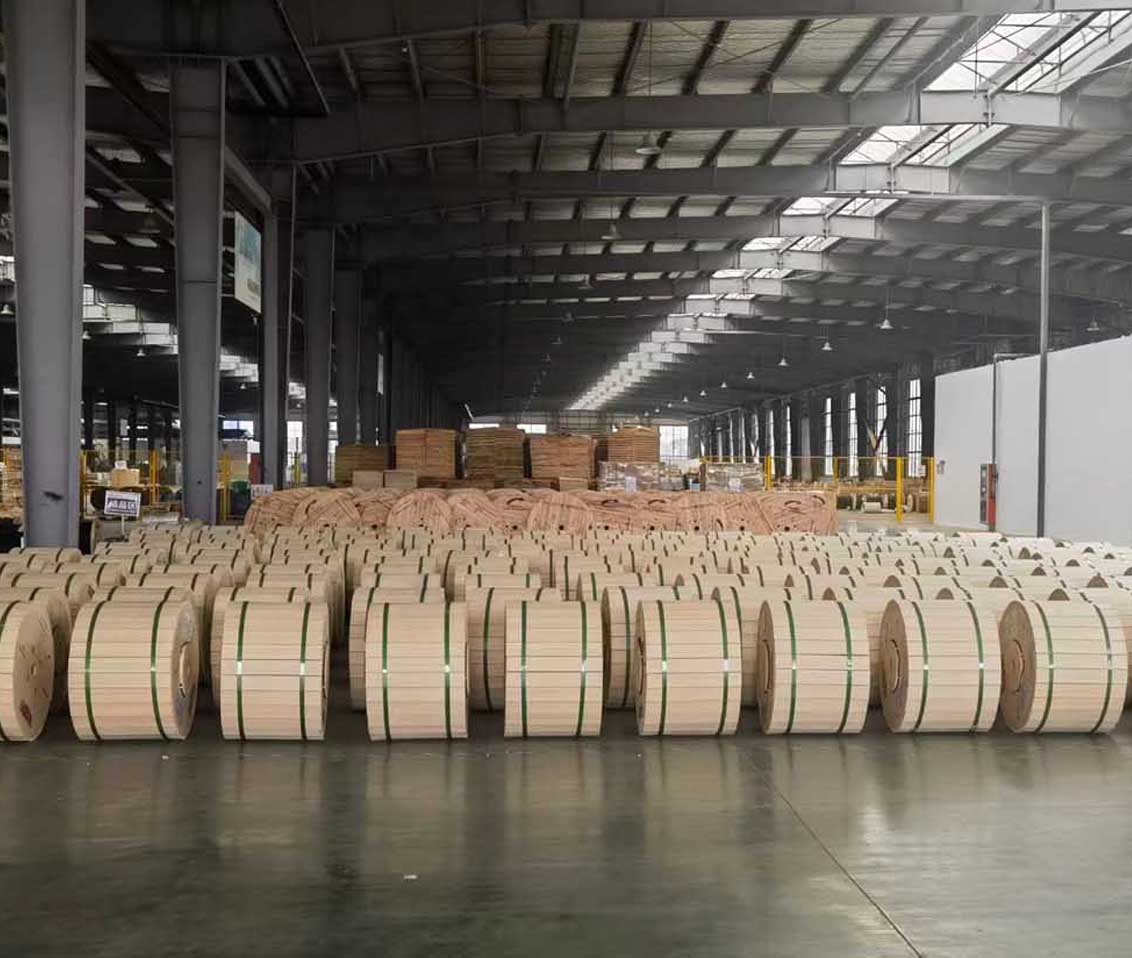
 Optical Fiber
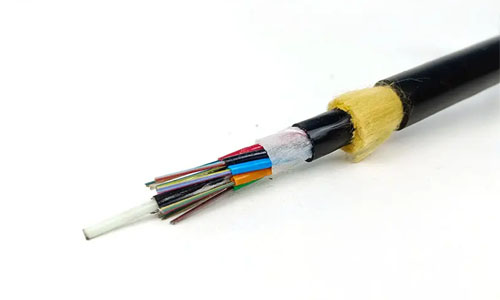 ADSS Fiber Optic Cable
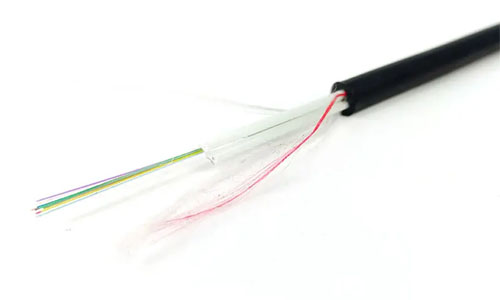 ASU Fiber Optic Cable
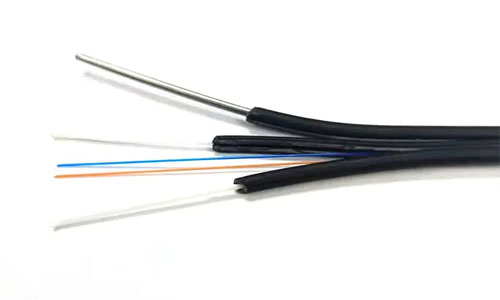 FTTH Fiber Optic Cable
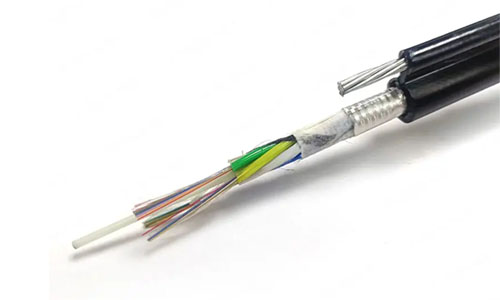 Figure 8 Fiber Optic Cable
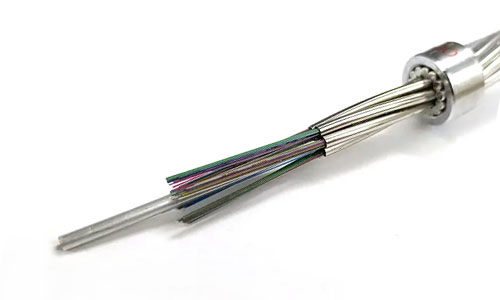 OPGW Fiber Optic Cable
 Coaxial Cable
 Ethernet Cable
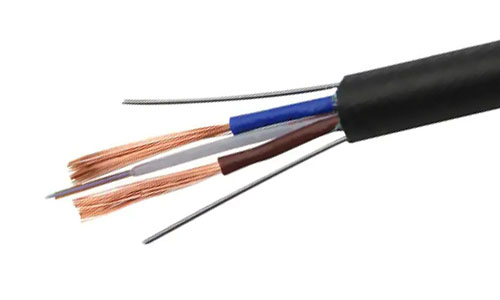 Photoelectric Composite Fiber Optic Cable
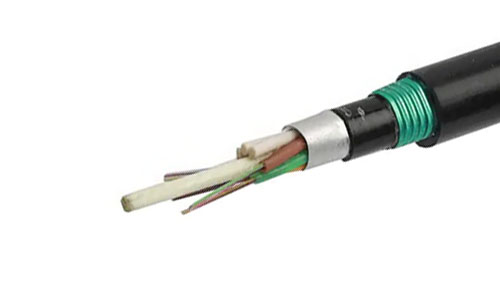 Underground & Pipeline Fiber Optic Cable
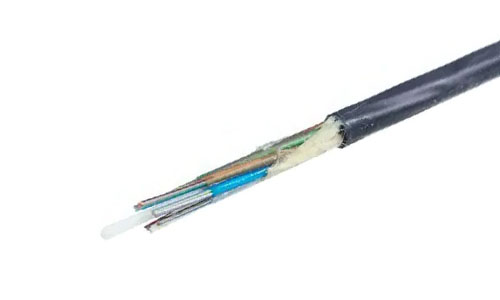 Air-Blown Micro Fiber Optic Cable
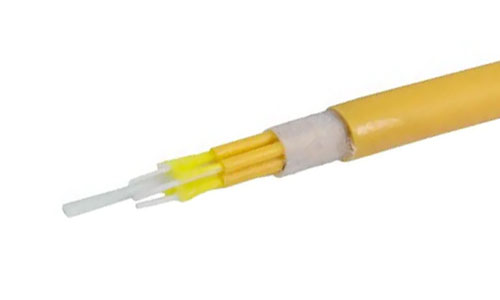 Indoor Fiber Optic Cable
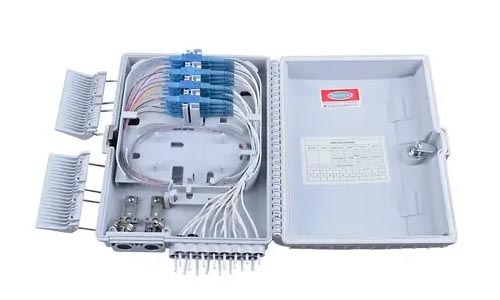 Fiber Optic Distribution Box
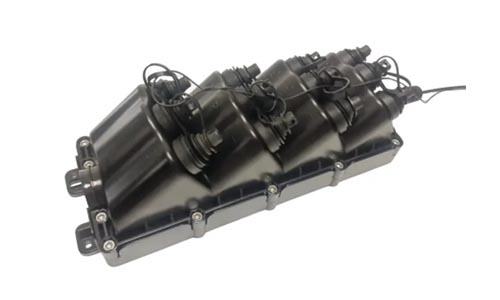 Multiport Service Termina Box
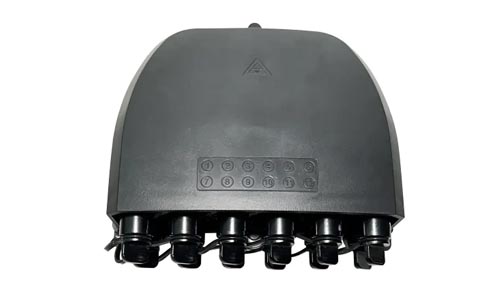 Fiber Optical Terminal Box
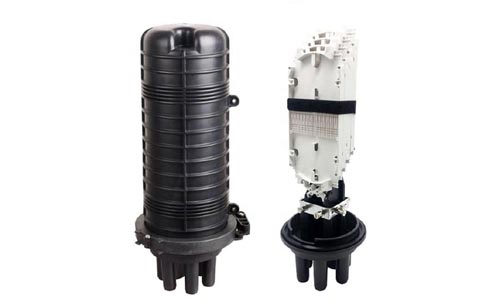 Fiber Optic Splice Closure
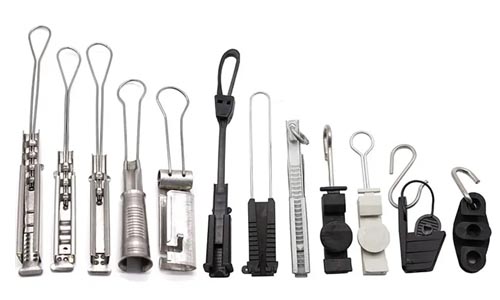 Fiber Optic Clamps
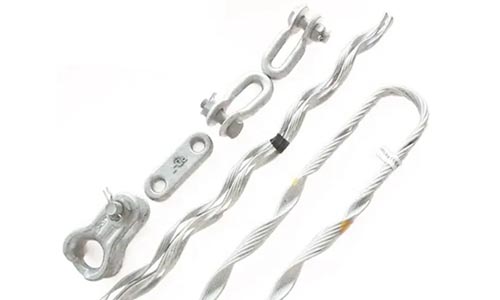 Fiber Optic Cable Fittings
 ADSS Fiber Cable
 ASU Fiber Cable
 OPGW Fiber Cable
 FTTH Fiber Cable
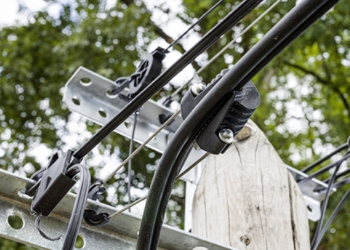 Figure 8 Fiber Cable
 Photoelectric Composite Fiber Cable
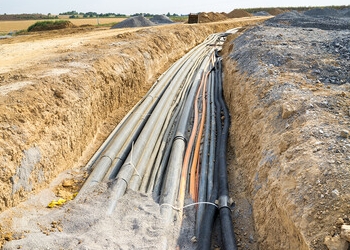 Underground & Pipeline Fiber Cable
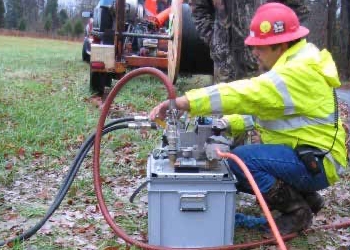 Air-Blown Micro Fiber Cable
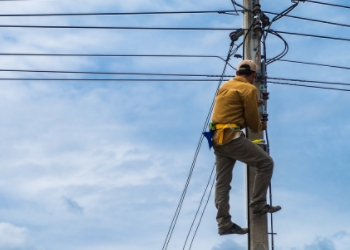 Aerial Fiber Cable
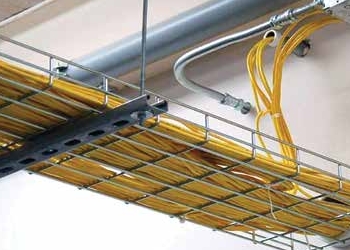 Indoor Fiber Cable
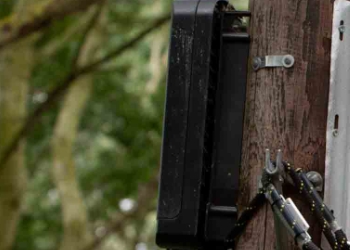 Fiber Optical Terminal Box
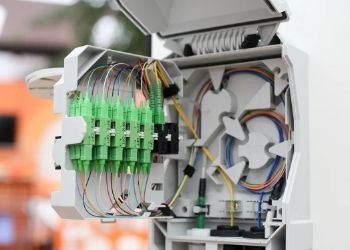 Fiber Optic Distribution Box
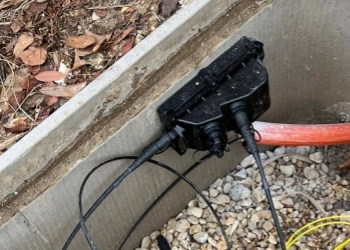 Multiport Service Termina Box
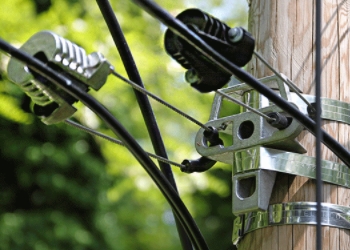 Fiber Optic Clamps
 About Us
 Our Team
 History
 R&D Strength
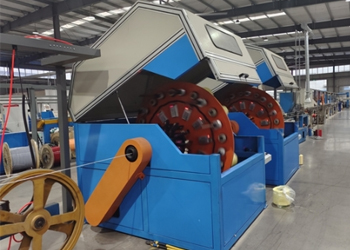 Production Base
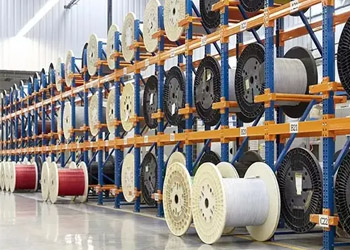 Warehouse & Logistics
 Quality
 FAQs
FAQsWhat is Fiber Termination Box?
Contact for Free Quotation & Sample, According to your needs, customize for you.
inquiry nowWhat is Fiber Termination Box?
A fiber termination box acts as the main entry point for your fiber optic network, keeping delicate cables protected and connections organized for smooth, reliable internet in your home or business.
Well-installed fiber termination boxes increase your internet speed and reduce downtime from service interruptions. They regulate signals well and protect connections from dirt, destruction, and severe weather prevalent in numerous US areas.
Selecting the appropriate size and style of enclosure is important to your application. Indoor or outdoor, getting the right fit means they’ll be able to stand up to the conditions of whatever climate you’re in, from sweltering summers to bitter winters.
Durable materials and intelligent design features—including clear, consistent labeling and modular components—streamline maintenance. This kind of approach will ensure your network is resilient for decades to come!
Routine inspection and cleaning are important, too. Proper cable management is an easy and effective form of preventative maintenance that applies to your fiber termination box, too!
Fiber networks are growing quickly throughout the United States. By making the move to a future-ready fiber termination box, you’ll stay ahead of expanding technology demands and easily connect to larger networks.
What is fiber termination box? It contains and shields fiber optic cables where they terminate or branch. Our fiber termination box is found in homes and offices all over the United States, and in every network room. They work to make sure these connections are safe and neat.
Many boxes are designed to provide dust and dirt protection. Second, they aid in cable management, keeping vital wires from becoming tangled or snapped. Most people rely on adapters or couplers to connect cables together. This allows for fast and easy line fixes and line adaptations!
Many of these boxes have locks for additional security, a nice feature to have in urban environments. To maximize network uptime, choosing the appropriate box based on the environment and cable counts is crucial. The detailed section goes into how these operate under actual implementations.

What is Fiber Termination Box?
A fiber termination box is a vital component in any fiber optic network. People in Morocco consider these boxes a must-have to keep cables organized and secured in a safe and clean environment. This is particularly important for anyone involved with FTTX and FTTH.
The box provides terminal access to fiber optic cables, connecting various equipment and facilitating a seamless data transfer. Compared to traditional terminal boxes, fiber termination boxes offer improved durability, customizable configurations, and enhanced reliability. They keep homes and businesses in Marrakech connected, using fiber for voice, data, and TV services.
1. Your Fiber's Front Door
Consider the fiber termination box your fiber optic lines’ front door. It protects sensitive fibers from impacts, dirt and water ingress. The historic core of Marrakech is a mix of historic residences and modern structures.
These boxes shield fiber from the city’s blowing dust and intense sunlight. This design gives in-house tech teams ease of access to the cables. This increased ease of access saves them both time and hassle.
2. Inside the Termination Box
Inside, we found a very organized arrangement—splice trays, rubber grommets, and adapters. This allows for each individual fiber strand to have a distinct pathway, greatly reducing both tangles and cross-connects.
The double-page layout prevents the fusion and terminal ends from meeting. This translates to a reduced risk of cross-talk and an easier upgrade path.
3. Protecting Delicate Connections
Outdoor models are equipped with waterproof seals and industrial-strength locks for added security. Durable plastic body and rubber caps provide IP67 protection against rain and sand.
This prevents unnecessary signal loss and helps maintain a reliable network.
4. Bridging to Your Devices
The box connects the fiber to your router, TV, or smartphone. With the proper connectors, you get less speed drops and fewer annoying glitches.
The install ensures that residential and commercial users can connect as many devices as they need without hassle.
5. Its Role in the Network
A wide variety of fiber termination boxes help signals bridge the gap from the street to your home or business. They work hard to split and route signals, helping to provide fast and steady data flow for all users.

Why You Need One?
A fiber termination box is not simply a storage box for fiber cables. It’s an unsung hero in any fiber optic deployment, maintaining clean, organized, safe environments and helping to keep everyone connected. Hosted in an established global tech center or emerging innovation metropolis such as Marrakech!
A quality fiber termination box protects your network and makes management simple and efficient.
Boosting Your Internet Speed
To maintain strong signal strength, a fiber termination box allows to maintain high signal strength by providing each fiber its own secure home. This translates to reduced signal loss, quicker speeds, and less congestion.
When you configure the box properly, it stops signals from interfering with each other or becoming faint. With this configuration you’ll make the most of your bandwidth!
Quality connectors are essential. Quality boxes should utilize quality, robust, clean connectors and splicing points to ensure data flows quickly from point to point. In places where lots of users rely on steady internet, like offices or shared apartments, this can mean smoother video calls, faster downloads, and less waiting around.
Securing Reliable Connectivity
Reliable, high-quality internet is no longer a nice-to-have, but a need-to-have. Fiber termination boxes are key to maintaining strong, stable connections because they protect fiber cables from dust, heat, and other mischief.
When you have a rugged enclosure, your connectivity remains operational even when storms hit hard. This is particularly the case in Marrakech, where extreme summer heat and seasonal dust storms can disrupt outdoor cabling.
Consistent inspections reduce the risk of unexpected failures. A well-designed box can help identify little issues before they become big ones!
Organizing Your Fiber Setup
Having a clearly organized workspace will simplify your process. Organizing your fiber setup is crucial. Fiber termination boxes help you maintain an organized structure of cables so you don’t find yourself tangled or lost.
This allows error correction to be completed at increased speed, delivering a professional and clean appearance in retail, hospitality or any high-traffic environment.
When each cable has a home of its own, upgrades and relocations are more easily accomplished, bringing less downtime and anxiety for all involved.
Types of Fiber Boxes
Fiber termination boxes are available in multiple styles, each suitable for a specific application. The primary divide is between indoor and outdoor boxes. Some of them mount directly onto the wall, and some slide into racks.
You’ll notice boxes grouped by their method of cable termination. They are divided into splice, patch, and distribution, and by the number of fibers they can accommodate. Choices are available from tiny 4-fiber enclosures to large enclosure-style fiber boxes with 96 or more terminations.
Material makes a difference, as well—plastic is lightweight and inexpensive, while metal is sturdy and durable. Choosing the proper box enables you to maintain the integrity and appearance of your fiber lines.
Indoor Boxes: Neat & Tidy
Indoor boxes come designed for neat, simple installations in residences and business settings. These fiber boxes have a low-profile, compact design that sits flush against a wall or under a desk.
Maintenance is very easy as you can access the inside of the box with minimal effort. They protect and conceal important cables, ensuring spaces are tidy and organized.
You’ll find these in apartment buildings, coworking office spaces—and even in some retail outlets. A port range of four to 24 ports meets the needs from small to midsized.
Outdoor Boxes: Weatherproof
Outdoor boxes are built for the elements—rain, dirt, sun. Their shells, usually a metal or thick plastic, are extremely water resistant, protecting the moisture sensitive fibers inside.
Quality outdoor boxes are tough enough to stand up to the sun, wind, and even the occasional storm. They are the mission-critical default for networks on crowded urban avenues or frontier electric distribution corridors.
Heavy-duty seals and locks allow them to hold up through the test of time—even in high-vandalism areas. These can commonly be found in telecom central office, hubs, and on utility poles.
Sizing for Your US Space
Choose a fiber box that fits your area. Little houses require little boxes and large commercial spaces might require rack-mount units with hundreds of ports.
Getting the right sizing saves on installation time and not having a tangle of extra cable looks great. Be sure to double check your wall or rack space prior to purchasing.
One simple step today will spare you a great deal of time and hassle in the future.
Design and Material Insights
Fiber termination boxes are designed with purpose, both aesthetically and practically. At their core, you’ll discover a hard shell and a heavy-duty internal frame. In addition, there is a sacrificial fiber disc and protective caps for the fiber terminations.
The shell itself could be polycarbonate, stainless steel, or ABS plastic. Each material option offers a unique take on strength, weight, and weather durability. It turns out the interior is equally impressive. You’ll be amazed at the creative solutions to packing down fibers.
Discover how to manage them, whether you’re working with an 8-port mini-structured cabling box or a large 96-port enterprise solution! These designs virtually eliminate errors. Their design incorporates preventive measures that provide protection during rapid transitions or routine operations.
Durability Against US Climates
Designers understand that weather here in the US can be unpredictable. Fiber termination boxes are typically sealed against the elements – rain, dust, or heat. Materials like UV-resistant plastic or coated metals help stop cracking and corrosion, especially in places like Arizona or Florida where sun or storms hit hard.
Testing under rigorous standards ensures boxes will withstand extreme conditions whether it’s snow storms or heat waves. For outdoor installations—like FTTX networks—installers select enclosures that are suited for the installation environment. In fact, they still actively choose more weatherproofing, locks, etc., for far more than just peace of mind.
Materials for Signal Purity
Materials for Signal Purity Signal quality is a serious business. It is really important that high-grade plastics or metals are used. Not only do they reduce interference, but they protect fiber splices from jolts or moisture.
The core diameters—50 or 62.5 microns for multi-mode, 9 microns for single-mode—require delicate treatment. Internally, protective fiber trays and foam pads keep it under control to ensure clean connections. This durability is especially important for large, hectic networks.
Smart Design for Maintenance
Smart design goes a long way in making life easier. Wall-mounted patch panels in the standard 19-inch rack size, easy-open covers, and clear labeling equate to less frustration during routine inspections and maintenance.
Modular components allow technicians to replace entire sections or new ports without having to re-engineer the entire device. This helps both small office IT and large data center managers perform upgrades and maintenance quickly.

Getting Your Fiber Hooked Up
Getting your fiber internet hooked up at home is a pretty thrilling process! Commonly known as “Fiber to the Home” (FTTH) or “Fiber to the Premises” (FTTP), the process starts well before any fiber is laid. All that takes good planning.
Your first step is to find out whether a competitive fiber provider currently serves your community. Once that’s settled, the hard work begins. A trained and qualified technician will visit to identify the optimal location for the termination enclosure. Getting the right location up front saves a lot of headaches in terms of service and ultimately, future upgrades.
The Installation Process Explained
The steps go like this: The tech preps the cable, strips the jacket, trims back the Kevlar, and then strips the inner coating. Then, they either use a mechanical or fusion splice to join the cables together.
With mechanical splicing, the end of each fiber is aligned so that the light can run through, and with fusion splicing, they’re melted together. Next, they mount the box, secure all cables, and make sure everything fits tightly.
There’s no way around it—if you want a clean, reliable job, you need to follow manufacturer guidelines. If cutting corners or skipping steps happens, that can result in slow speeds or outages. It’s worth rewarding those that get it right the first time!
Fiber Optic Safety Tips
When you work with fiber, you work with very small, very sharp strands. Protective eyewear and gloves are definitely needed. Always dispose of cut-up scraps in an appropriate container.
Don’t bend cables excessively—they will break or not work. Avoid jerky, quick actions and maintain an organized work area.
Long-Term Care for Your Box
Simple things like checking regularly for loose wires or dust can go a long way. Dust the inside of the box, organize cables, and make a note of all repairs made.
These simple actions will help ensure a fast and reliable connection for years to come.
FTBs in the Grand Scheme
It may seem like an FTB is just a simple termination box, but their significance for the world of fiber optic networks has a much larger impact. Even more importantly, they sit at the center of the action, functioning as a reliable hub where countless optical fibers converge.
The internet has transitioned from a luxury to a necessity of everyday life. These boxes are still largely the same but now power high-speed streaming and cloud storage! FTBs take a variety of forms.
Wall-mounted, perfect for cramped spaces. Rack-mounted, ready for the data center. Outdoor, built to withstand the most extreme weather extremes! Each type answers a unique need, but their main job stays the same: keep connections safe, sorted, and easy to manage.
Connecting to the Wider Network
As an FTB, they act as a bridge, connecting residential or commercial buildings to larger systems—citywide, statewide, national or international. They are critical in helping to connect the local fiber lines into wider backbones, ensuring that data can move seamlessly across long distances.
Since they interconnect a diverse array of wires and equipment, they need to mix with as much different network technology as they can. Because of their flexibility, you can begin with as few as a dozen ports—maybe 12, maybe 24. Each additional one is simple to add as your network grows!
This means making it big is less of a pain in the neck.
Future-Proofing Your US Home
For those looking for a quick, dependable solution today and tomorrow, FTBs provide a solid return on investment. Today’s boxes can absorb increasing bandwidth demands with ease.
This will make it affordable to add additional devices in the future or upgrade to faster, higher-quality service down the line! Unlike many, these FTBs have added features that enhance network performance and reduce service interruptions.
Staying on top of emerging tech means your system won’t be outdated in just a few years.
Innovations Shaping FTB Tech
Fortunately, new trends are making these boxes smarter and tougher. Stronger materials and slicker designs reduce wear and tear.
Some FTBs even include smart tech that aids in identifying and addressing problems quickly. These improvements translate into faster performance and reduced downtime to users.
Conclusion
Fiber termination boxes keep the connection stable. Unlike other fiber termination boxes, they allow you to do more than just organize your fiber cables. In the States, people are used to seeing these boxes everywhere. You’ll find them in commercial offices, residential homes, and in some cases even mounted on poles along city streets. You may have one in your own garage, exactly where your fiber internet comes in. They vary widely in size and form, from robust outdoor enclosures to sleek indoor boxes that occupy little more real estate than a light switch would allow. These boxes allow techs to troubleshoot issues quickly. They save on clutter. They prevent your signal from getting fuzzy. Looking to keep your network operating seamlessly? Don’t overlook the importance of a quality FTTx termination. Have design questions or want to see some samples? Get in touch and find out what works best for your space.
Frequently Asked Questions
What is a fiber termination box?
What is a fiber termination box Mostly, it prevents fibers from tangling and being cut.
Why should I use a fiber termination box?
It protects the fiber from damage, minimizes signal loss, and helps maintain a clean installation. This further prevents the chance of intermittent internet connection and allows for more durable connections over time.
What types of fiber termination boxes exist?
What types of fiber termination boxes are available Each style is suited for certain installation requirements and settings.
What materials are commonly used for fiber boxes?
What materials are fiber boxes usually constructed with? Most fiber termination boxes are constructed with plastic or metal, or a combination of both. These materials provide durability and protection from the elements and impact.
Where is a fiber termination box installed?
It’s typically mounted at the point of entry into a structure or within a building’s telecom room. This centralized hub allows for quick and effective adjustment of fiber connections.
Can I install a fiber termination box myself?
This is why professional installation is highly recommended. Proper butting and better yet splicing of fiber optic cables is not an amateur task.
How does a fiber termination box fit into my home network?
It serves as the nerve center for all fiber optic runs, delivering the fastest and most reliable network possible to every corner of your home.