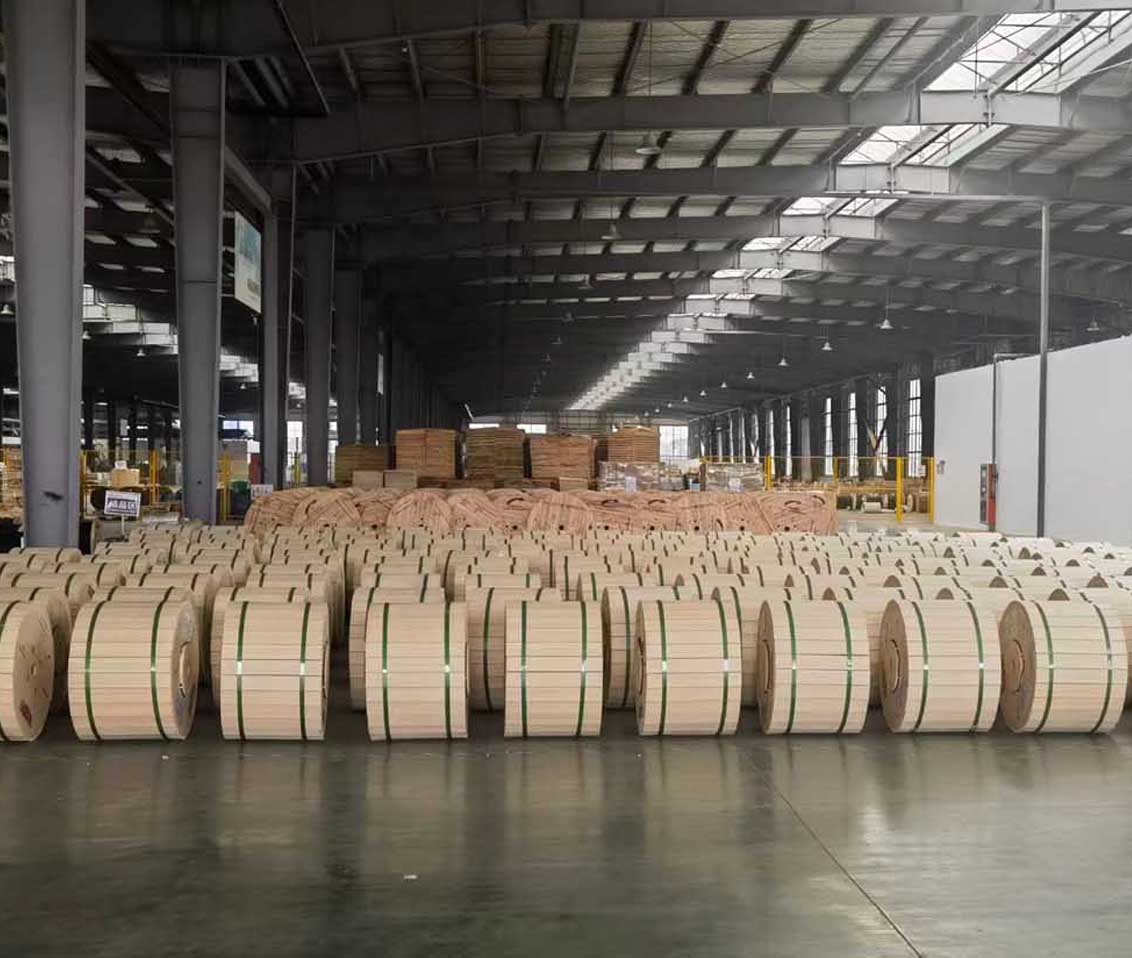
 Optical Fiber
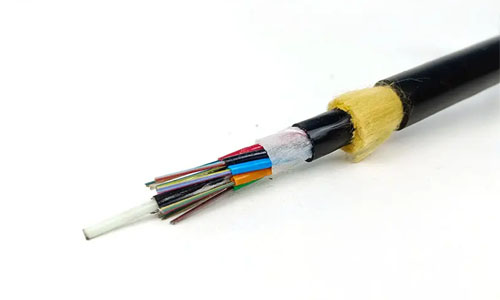 ADSS Fiber Optic Cable
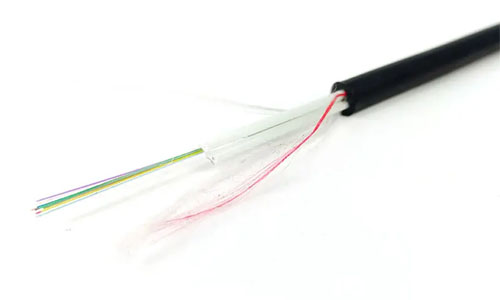 ASU Fiber Optic Cable
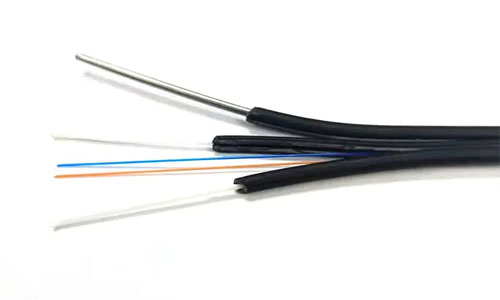 FTTH Fiber Optic Cable
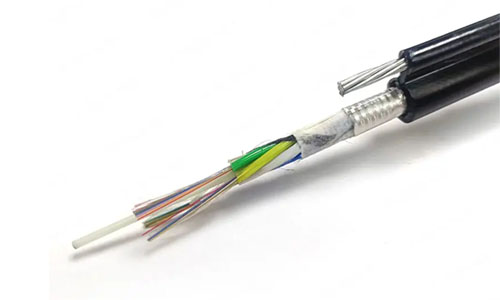 Figure 8 Fiber Optic Cable
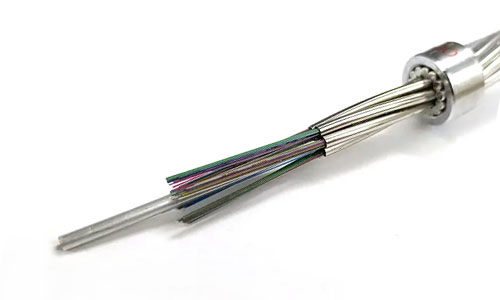 OPGW Fiber Optic Cable
 Coaxial Cable
 Ethernet Cable
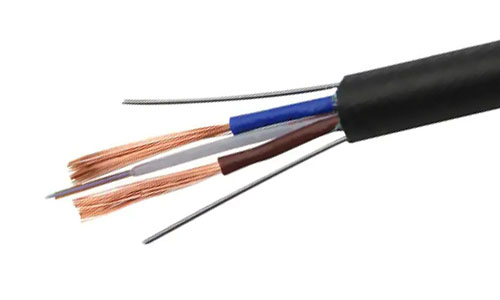 Photoelectric Composite Fiber Optic Cable
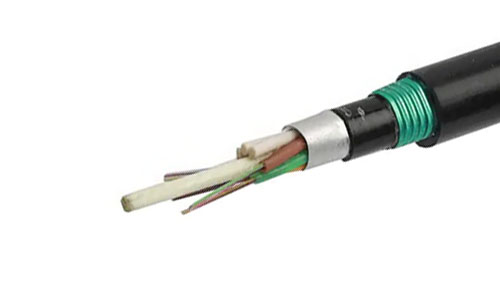 Underground & Pipeline Fiber Optic Cable
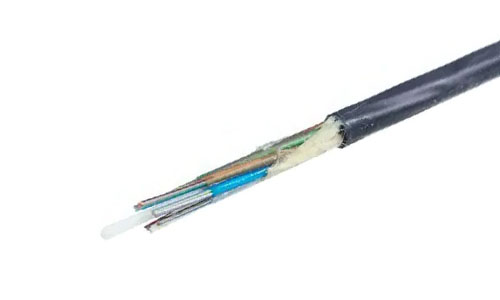 Air-Blown Micro Fiber Optic Cable
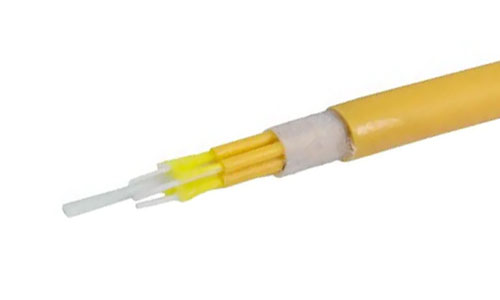 Indoor Fiber Optic Cable
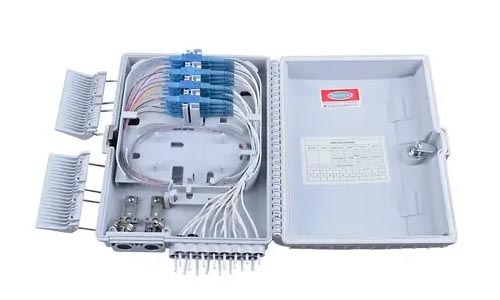 Fiber Optic Distribution Box
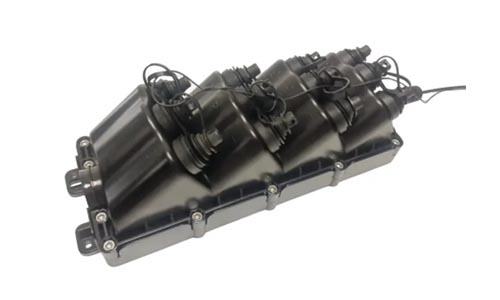 Multiport Service Termina Box
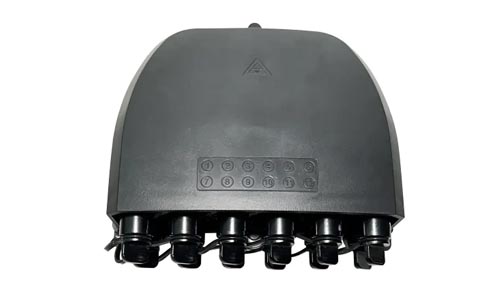 Fiber Optical Terminal Box
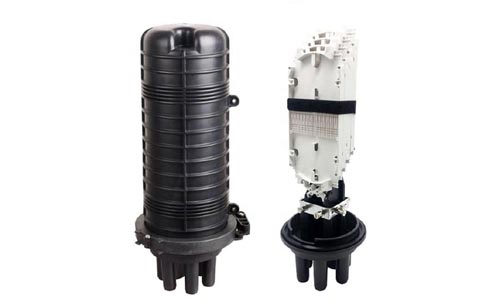 Fiber Optic Splice Closure
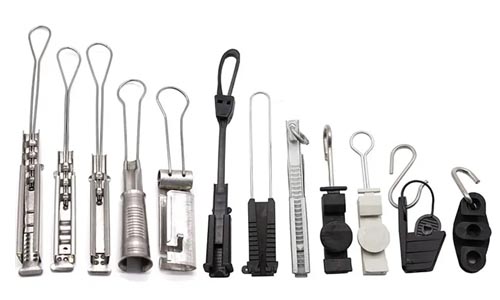 Fiber Optic Clamps
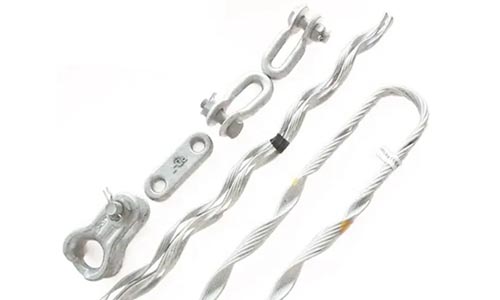 Fiber Optic Cable Fittings
 ADSS Fiber Cable
 ASU Fiber Cable
 OPGW Fiber Cable
 FTTH Fiber Cable
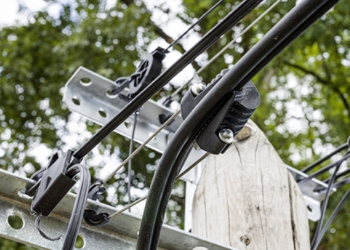 Figure 8 Fiber Cable
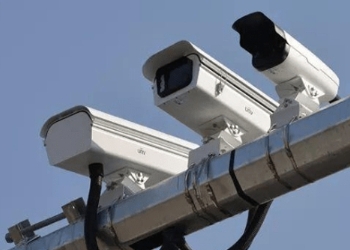 Photoelectric Composite Fiber Cable
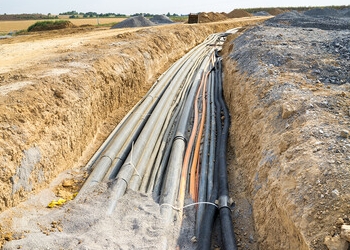 Underground & Pipeline Fiber Cable
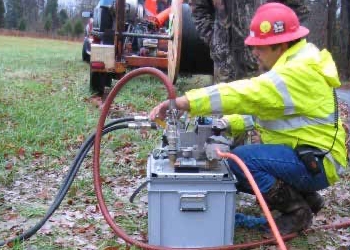 Air-Blown Micro Fiber Cable
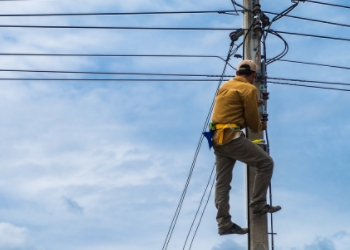 Aerial Fiber Cable
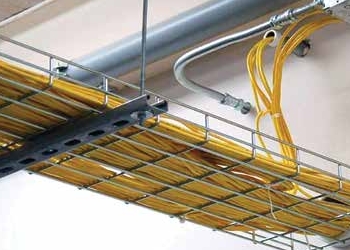 Indoor Fiber Cable
 Fiber Optical Terminal Box
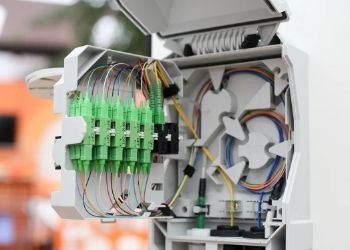 Fiber Optic Distribution Box
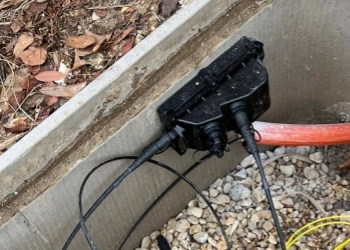 Multiport Service Termina Box
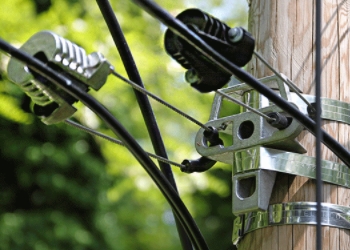 Fiber Optic Clamps
 About Us
 Our Team
 History
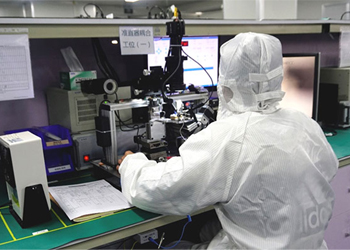 R&D Strength
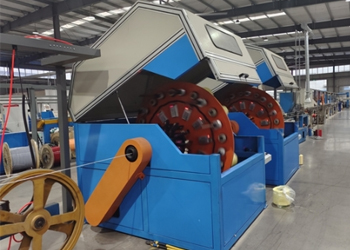 Production Base
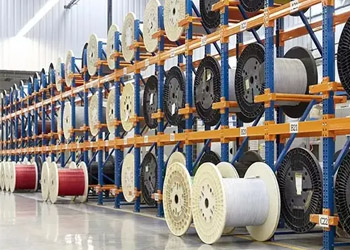 Warehouse & Logistics
 Quality
 FAQs
FAQsWhat is Fiber Drop Cables?
Contact for Free Quotation & Sample, According to your needs, customize for you.
inquiry nowWhat is Fiber Drop Cables?
-
Drop cables are that crucial last mile that connects devices to networks, and they’re a critical part of any stable, reliable internet infrastructure in homes, offices and industries.
-
Knowing how drop cables are made — conductors, insulation, jackets — can set you up for success in the field, where your cables have to stay strong and reliable through whatever life throws at them.
-
Selecting the appropriate drop cable – aerial, duct, buried or indoor drop – is essential in addressing certain installation and performance requirements.
-
Correct installation procedures — such as adequate site preparation, soft handling and secure connections — can go a long way toward extending the service life of drop cables.
-
Routine inspections and preventative maintenance can detect problems before they arise, defend against the elements and preserve robust, reliable network performance.
-
Moving forward with technology, drop cables will be there bridging communities and enterprises, enabling quicker and more consistent broadband connectivity around the world.

A drop cable is a fiber optic or coaxial cable that connects the service line to an individual residence or business. Drop cables are instrumental in bringing high-speed internet, TV or phone lines right off the street to a building. These cables, which are typically thin, flexible and robust, are designed to withstand bending, outdoor weather, and corners. Many feature additional shielding to prevent signal attenuation and maintain rapid data transmission. With a drop cable, that means less disruptions and a reliable connection for your everyday digital needs. With more individuals requiring speedy and reliable internet, drop cables have become a staple in new installations. The following sections detail categories, applications, and advice for installation.
What is a Drop Cable?
A fiber optic cable is the final, yet crucial, segment of a fiber optic network link. It extends the wire between the network’s main line and your home, office, or any terminal device. For instance, drop cables in Ethernet LANs join your computer or router to the network, typically via wall plates or outlet ports. They are essential for consistent, speedy, and dependable broadband connectivity, ensuring devices can transmit and receive data with minimal issues.
1. The Final Link
Drop cables are the last stretch of the network chain. They hook up the NIC in your computer to the wall plate or outlet, allowing your computer to communicate with the rest of the network. This final stage is essential for maintaining strong signal and reliable connection across multiple devices—the laptops, smart TVs, etc.
Totally, when you stream a movie or make a video call, drop cables keep that flow smooth. They assist data travel fast and with minimal loss, which is why every solid network runs on them. Without a strong drop cable, even the best network arrangement will seem sluggish or inconsistent.
2. Core Components
Within a drop cable you’ll discover a copper-plated steel center conductor, enveloped in a foamed dielectric. Then there’s a shield–usually a foil layer of aluminum and a braid–for eliminating outside noise. The entire assembly is encased in a rugged plastic jacket.
Connectors such as RJ45 are utilized at the terminations for connection to equipment. The cable’s core construction determines both the speed and distance signals can be carried, which is important in terms of speed and quality. Protective layers aren’t simply for aesthetics — they maintain optimal cable functionality, especially when the drop is routed through difficult locations such as beneath floors or on exterior walls.
3. Key Distinctions
Drop cables are different from feeder cables, which run longer distances and heavier loads. Drop cables are designed for that last mile, with a combination of durable yet flexible materials. Certain types include support messengers or flooding compounds to keep water out, and others can transmit data and power, like strung phone wire pairs.
Understanding these differences assists you choose the appropriate cable for the task—whether you’re wiring an entire office or a single room.
4. Strength Members
Strength members are essential for optical fiber drop cables, providing the backbone needed to ensure durability. They prevent fiber optic cables from stretching or snapping during pulls and bends, which is crucial for maintaining the integrity of the optical signal transmission. Most of these cables employ steel or fiberglass, offering strength without rigidity for easy routing.
Durability is particularly important for configurations that deliver optical fibers through the wall or underground, especially in outdoor applications. Quality fiber optic cables with robust protective sheaths ensure that cables work longer and withstand various environmental factors. This careful cable structure design helps maintain performance and reduces the risk of fiber breakage, enhancing overall broadband connectivity.
The use of specialized equipment, such as a fusion splicer, during installation minimizes splice loss and ensures a continuous fiber connection. Proper handling and installation of optical cables are crucial to avoid excessive signal loss, especially in communication lines. By focusing on effective duct installation and employing mechanical splicing methods, service providers can enhance the reliability of their fiber optic systems.
In addition, choosing the right type fibers and ensuring easy cable management with flat drop fiber optic cable can significantly improve the efficiency of installations. With these considerations, the performance of fiber optic networks can be optimized, leading to better service delivery for ISPs and end-users alike.
5. Jacket Materials
Drop cables utilize jackets in materials such as PVC or LSZH. Jackets protect from sun, moisture and heat – essential for outdoor or tough indoor locations. Certain jackets make cables more bendy, so they’re easier to pull around corners.
The jacket protects individuals, achieving fire and chemical resistance ratings.
Drop Cable Variations
Drop cable variations, including fiber optic cables and optical fiber drop cables, exist, each designed to suit a particular task and location. Choosing the correct variety can equal fewer headaches down the road and a more robust system. Special characteristics, such as the thickness of the cable or protective coatings, enable them to withstand harsh weather, urban environments, or cramped indoor spaces. All of those materials and the way they’re constructed mean a lot—copper-plated steel, foamed dielectric, aluminum shielding, plastic jackets—they’re working in concert to keep your optical signal transmission clean and steady.
Aerial
Aerial drop cables, such as fiber optic cables, dangle between poles, spanning overhead from tap to home. Their primary advantage is convenient accessibility for repairs or upgrades—no digging, just a ladder or lift. Most employ a heavy-duty messenger wire to assist in supporting their weight, with a construction resilient enough for rain, sun, and wind. Its plastic jacket, aluminum layers, and flooding compound on the inside hold water out and prevent corrosion. Proper support is key, as without the correct span—generally up to 80 meters—the cable can sag or snap. While aerial drops, excellent for quick repairs and remote rural locations, require frequent inspections to ensure they aren’t ravaged by weather or birds.
Duct
Duct drop cables, often referred to as fiber optic cables, work underground, coursing through plastic or metal conduits. They’re crushing and moisture resistant, thanks to the foamed dielectric and additional shielding. In cities and suburbs, duct runs protect the cables from cars and digging, ensuring reliable optical signal transmission. Installation involves threading the cable through a duct, frequently with a messenger for pull strength. Sharp bends can ruin the cable or degrade the signal, so care is required. Ducts assist with future swaps — just pull out the old and slide in the new.
Buried
Buried drop cables – they’s go straight in the ground, no ducts. They’re constructed thick, with additional armor and water-blocking layers to combat soil, rock and pests.
| Protective Measure | Why It Matters |
|---|---|
| Thick jacket | Stops water, dirt, and chewing pests |
| Flooding compound | Blocks water from moving inside cable |
| Armor layer | Protects against crushing and cuts |
How deep you bury matters — a shallow cable can get cut by tools or freeze, so local codes often say at least 45–60 cm deep. Buried cables are tidy, with no wires overhead, but repairs may involve digging.
Indoor
Indoor drop cables, specifically designed as fiber optic cables, are thin and flexible, making them ideal for corners and walls indoors. They easily route through cramped spaces without bulging, allowing them to tuck nicely behind bookcases and sofas. With fire safety in mind, these optical fiber drop cables feature low-smoke, flame-resistant jackets. Ultimately, drop cables connect home outlets to devices or the main line, often utilizing size 59 cable for lighter weight.
Real-World Applications
Drop cables, particularly fiber optic cables, serve a significant role in connecting houses, offices, and industrial sites to larger networks. Constructed with a tough copper-plated steel core, multiple layers of aluminum, and a plastic shell, they are ideal for a wide array of work, from urban apartments to active plants. Their design allows for flexibility to accommodate various requirements, optimize for speeds, and withstand harsh environments.
Residential
Drop cables bring the signal from the line down to the home, delivering it to your laptop or smart TV. Almost all homes run size 6 cable on the outside but inside people use size 59 a lot because it’s thin and easy to conceal. As families consume more devices and streaming, the demand for reliable, high-speed connectivity continues to increase.
Fast wifi isn’t a nice-to-have, it’s essential for work, learning and entertainment. Drop cables enable this, even as homes add smart equipment like thermostats and security cameras. From support messengers or flooding compounds to stop water damage, drop cables perform well in every type of home.
Commercial
In offices, drop cables connect desks, printers and conference rooms. Their rugged construction maintains connections crisp, even with multiple devices. A common configuration goes from the main line to a splitter, then off to various outlets, so each person receives a consistent signal.
Productivity relies on frictionless, rapid connections. Cleaning up those cables not only looks good, it reduces downtime. With duplex and paired cables, companies can push data, phone and even power all at once.
Industrial
Factories require cables that take a licking and keep on ticking. Drop cables power machines and connect sensors in hard places—hot, cold or wet. Their shielded construction prevents signal bleed and maintains operation, even in the presence of potent electromagnetic fields.
Automation and process control all depend on these strong cables, designed to be durable. With flooding compound and thicker jackets, they survive better than wires. That translates to less downtime, improved safety and increased productivity for industries.
Telecommunications Infrastructure
Drop cables, particularly optical fiber drop cables, serve as the backbone of today’s networks, delivering blazing-fast broadband connectivity to residences and offices. Using size 6 cables for outside runs aids new tech and higher frequencies. Issues such as connector incompatibility can arise, but with thoughtful cable structure design, they keep networks robust.
Installation Best Practices
When you install fiber optic cables the right way, it helps you to avoid excessive signal loss, cable damage, or additional expenses. Thoughtful installation best practices for optical fiber drop cables can take you a long way.
-
Route plan and site check BEFORE you touch a cable.
-
Take measurements in meters to avoid excess cable or ugly spaghetti loops.
-
Install with the appropriate tools and connectors to ensure clean, tight terminations.
-
Avoid sharp bends, pulling too hard, or squeezing cables.
-
Hang cables off the ground, dry and out of the sunshine before use.
-
Use weather-resistant materials and seal outdoor joints tight.
-
Check connections now and then, especially after rough weather.
Site Preparation
A smart install begins prior to that initial cable roll-out. Walk the site and check for power lines, trees or pipes that might interfere. Measuring the run with tape or laser saves time and leaves no one holding slack cable at the end. Remove rock or debris from the path and mark the route with chalk, flags or string. In addition, if you’re working in a high-traffic location, flagging the path protects passersby as well.
Preparing the site results in fewer surprises, less backtracking and a quicker, neater installation job. A good prepped area protects the cable from sharp edges, water or foot traffic.
Handling Tips
Drop cables appear rugged but will kink or snap if over-bent. Never force them around sharp corners or pull them when they’re caught. Even a minor nick in the jacket can allow water in or compromise the core. Always pick up cable reels from both sides and stand them up.
Keep cables in a cool, dry, shaded location on racks or pallets. Don’t stack heavy stuff over them. With gentle treatment, cables remain robust and extend their lifespan.
Connection Integrity
Any tie is a weak tie if it’s not done right. Utilize nice tight fitting connectors that seal out dust. Always double-check them both before you’re done. Loose or dirty connectors could cause signal drops or outages weeks down the line.
Periodic inspections help identify issues sooner. Good terminations translate to less callbacks and better performance.
Weatherproofing
Cables require special attention when they are outside. Utilize rubber boots or gel-filled enclosures to prevent water intrusion. UV-rated jackets block sun damage. Wrap and seal every exposed joint—don’t cheat.
Seal tight, storm-check ‘em and replace any damaged for extended cable life.
Maintaining Performance
Maintaining fiber optic cables, such as optical fiber drop cables, is more than just laying them down. It requires a combination of nurture, discipline, and proactive vigilance. Small little steps, small steps, small steps – but done often – make a HUGE HUGE difference for enduring, consistent relationships.
-
Check cables often for wear, frays, or exposed wires.
-
duster – clean connectors and ends with a lint-free wipe and isopropyl alcohol.
-
Employ correct techniques and the proper tools to prevent pinching or kinks.
-
Pick cables made for your local weather and setting.
-
Tighten and test all cable ends and connections.
-
CALL A PRO FOR BIG OR ODD ISSUES YOU CAN’T FIX YOURSELF
-
Swap out dated connectors and tech that could bottleneck your network.
Routine Inspection
Inspect fiber optic cables every now and then, not simply when issues arise. Catch small problems—such as a wear spot where the cable rubs or a strand of optical fiber peeking out—before they escalate into larger issues. If you notice fraying or a worn patch, you can repair it before it disrupts your signal.
Deep checks keep your fiber optic network humming. A brief stroll down your cable line, flashlight in hand, will reveal where it’s slipped loose or accumulated grime. These quick checks help you avoid surprise outages and often take only minutes. Regularly wiping connectors and ends reduces the chance of excessive signal loss from dirt or grit.
Damage Diagnosis
If you notice slowness or intermittent drops, your cable could be the culprit. Loose connections are a number one cause of weak links. Watch out for plugs that wobble or don’t fit snug, and inspect for cracks in the cable cover. If you see a chewed or bent patch – red flag.
Testing tools are nice. Little testers can indicate whether the cable is functioning properly. These will detect breaks within the cable you can’t view. Easy repairs — such as securing a loose plug or replacing a defective segment — make for minimal downtime.
Environmental Factors
Drop cables actually live out in the world, so rain, sun and dust are relevant. So can high heat or bitter cold — they can make covers crack or wires snap. Humid air means moisture seeping in and that’s bad for fiber cables.
Choose cables designed for your environment. In damp locations, seek out water-proofing. In hot or cold spots, select cables that won’t crack when the weather swings. Protection, such as basic covers or elevated cable trays, protects against sun and dust.
The Future of Connectivity
Drop cables are evolving rapidly, driven by new demands and improved technology. They’re the front line delivering fiber optic cables directly to residences and businesses. As everyone demands quicker web access anywhere, drop cables assist in bridging that need. Cities and rural towns both rely on them to provide high-speed connections for work, school, and play. Over the next few years, the fiber optic network and 5G mix will matter more. Smart cities utilize sensors, lights, and cameras which require robust, reliable connections. Edge computing, where data gets processed near where it originates, requires both fiber and wireless. Drop cables ensure these new technologies run without bottlenecks.
Drop cables transport more than just internet. They assist with things such as drones, remote surgery, and self-driving cars. That’s because the fifth wave of wireless, known as 5G, requires these cables to function properly. By providing higher speeds and less lag, 5G unlocks new possibilities for gadgets and apps that hadn’t been possible up to this point. Drop cables back up these networks, ensuring data travels quickly and securely. As an increasing number of homes and businesses require significant amounts of data, the importance of fiber optic systems expands. They manage streaming, video calls, and cloud apps simultaneously.
Drop cables are changing in the way they are constructed. Makers employ more robust, lightweight materials that are resistant to heat, cold and rain. A few new drop cables are more flexible, so they can snake their way into tight home or urban spaces. They’re really focused on safety. Fiber cables are difficult to tap, therefore they maintain the privacy of the data. For individuals and organizations concerned with privacy, that translates into peace of mind.
Demand for drop cables won’t abate. More money is being invested in networks. For instance, $65.8 billion goes to broadband in the U.S., a lot of it for closing the urban/rural divide. Big projects like this require a whole lot of skill — 10’s of thousands more workers in the next few years. Training and cooperation among companies, governments, and towns will dictate the speed at which these networks expand.
Conclusion
Drop cables take up a large role in connecting residences and offices to high speed networks. From fast setups in urban apartments to reliable connections in corporate suites, drop cables assist with keeping humans on the web and in touch. All types fit a different need—some withstand inclement weather, some work best indoors. Proper maintenance is the key to all our performance. As emerging technologies expand, drop cables will continue evolving to satisfy new demands. Spotted in bustling cities, roadside diners, and even remote ranches, they keep individuals connected to what counts. So to maximize a network’s potential, choose the proper cable and inspect it from time to time. Got a drop cable story/tip. Tell us what works for you.
Frequently Asked Questions
What is a drop cable used for?
A drop cable, specifically an optical fiber drop cable, connects the service line to a building or home, providing broadband connectivity for internet, phone, or television signals to subscribers.
What types of drop cables are available?
Copper, coaxial, and fiber optic drop cables are essential for high-speed internet. Fiber optic cables are gaining popularity for their superior optical signal transmission compared to legacy copper networks.
Are drop cables weather-resistant?
Many outdoor-rated fiber optic cables feature jackets designed to protect against moisture, UV rays, and temperature variations.
How do I maintain drop cable performance?
Avoid sharp bends, moisture, and heavy loads on optical fiber cables. Routinely check for damage and swap out cables if the optical signal transmission weakens.
Can I install a drop cable myself?
Even the most elementary optical fiber cable installations can be done with proper equipment and directions. Professional installation of fiber optic cables is always going to be safer, compliant, and best performing.
How long does a drop cable last?
When properly installed and maintained, fiber optic drop cables are known to last 10–20 years — depending on the quality fiber and environmental factors.
What is the future of drop cables?
Drop cables, especially optical fiber cables, are going to keep getting more data speed and more resistant to damage as fiber optic technology continues to develop worldwide.