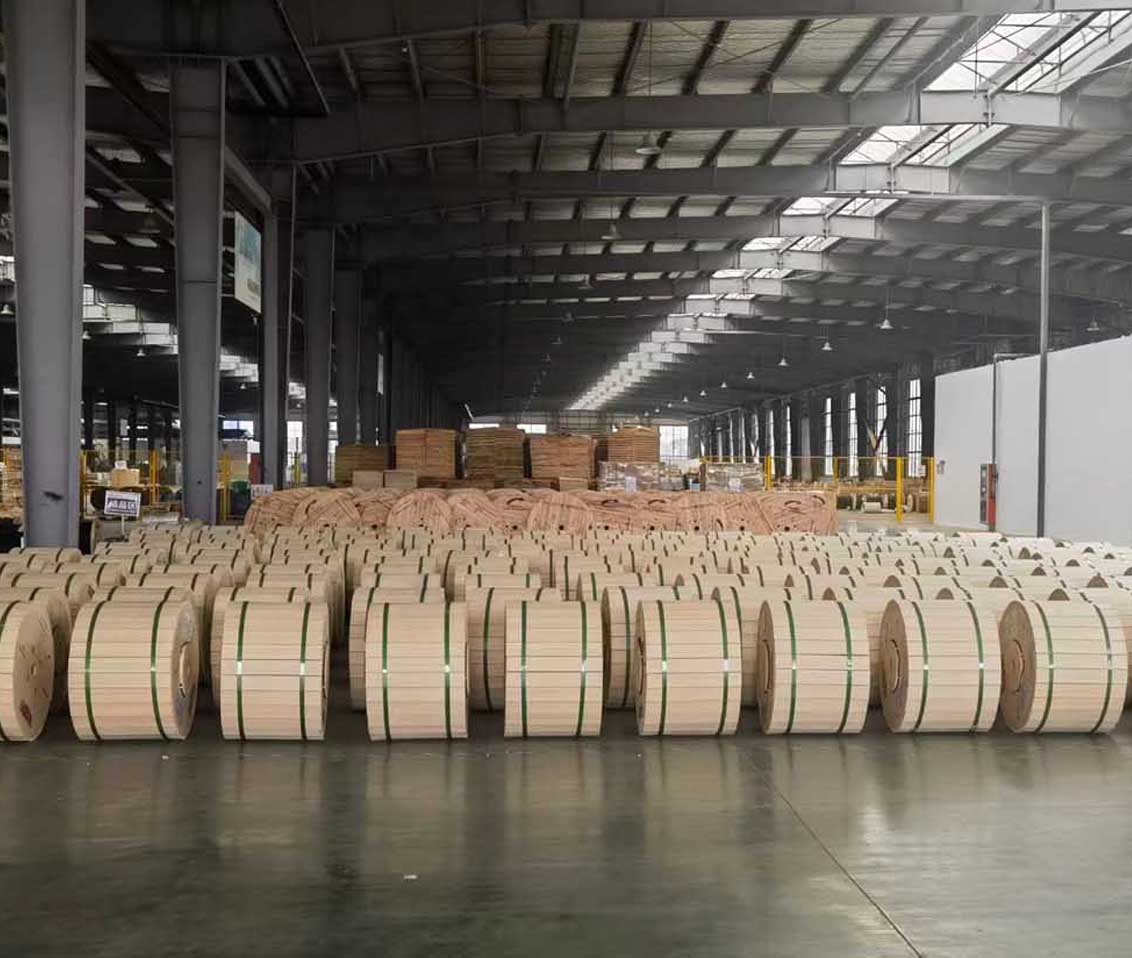
 Optical Fiber
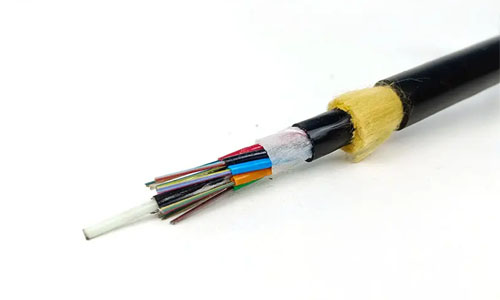 ADSS Fiber Optic Cable
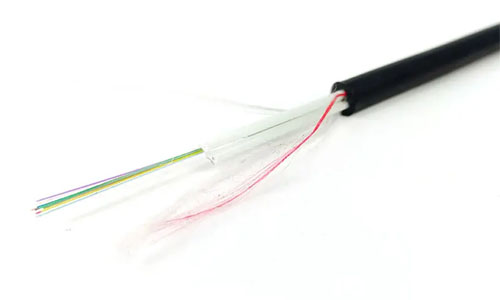 ASU Fiber Optic Cable
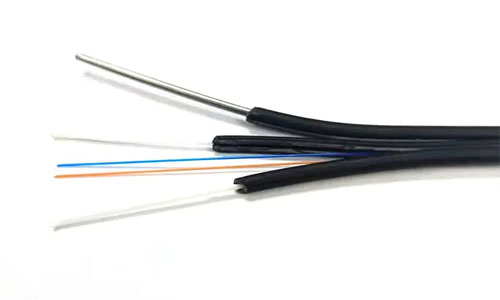 FTTH Fiber Optic Cable
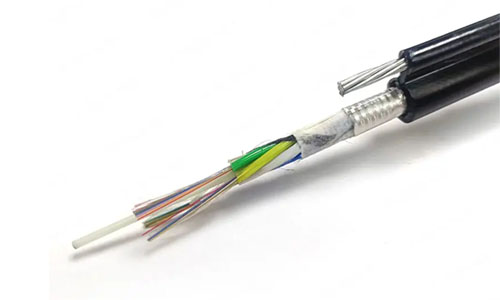 Figure 8 Fiber Optic Cable
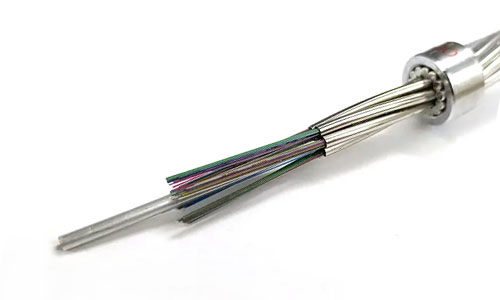 OPGW Fiber Optic Cable
 Coaxial Cable
 Ethernet Cable
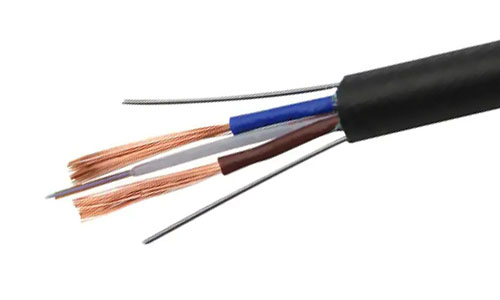 Photoelectric Composite Fiber Optic Cable
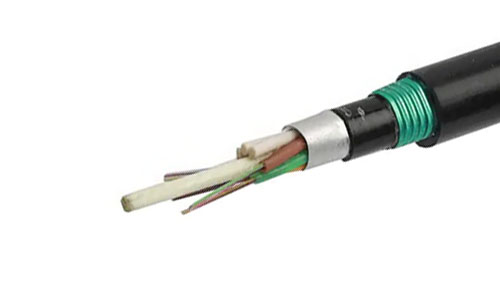 Underground & Pipeline Fiber Optic Cable
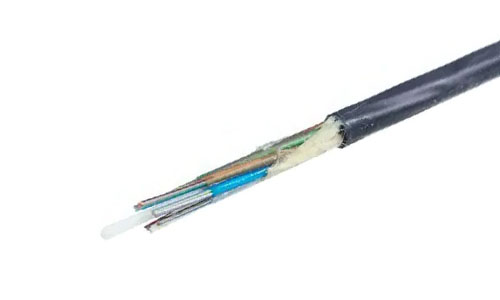 Air-Blown Micro Fiber Optic Cable
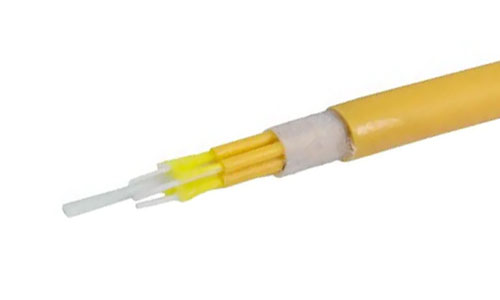 Indoor Fiber Optic Cable
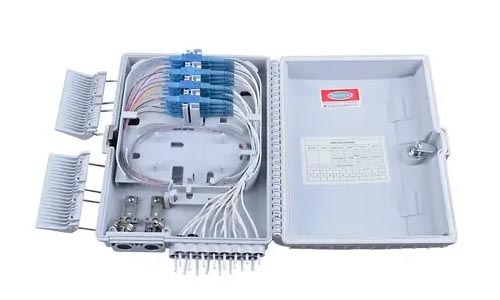 Fiber Optic Distribution Box
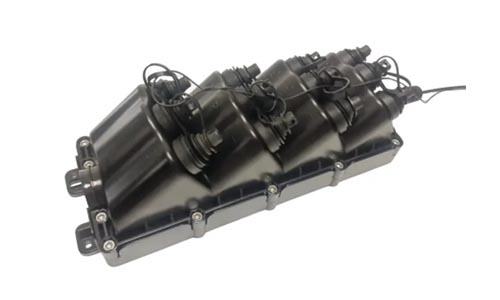 Multiport Service Termina Box
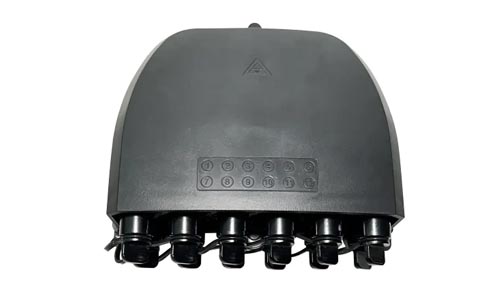 Fiber Optical Terminal Box
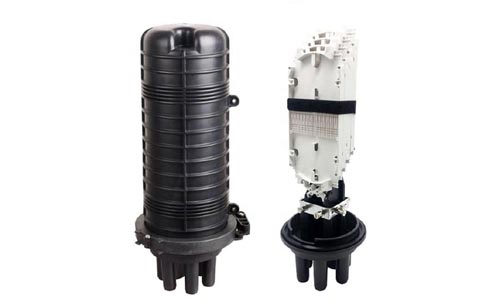 Fiber Optic Splice Closure
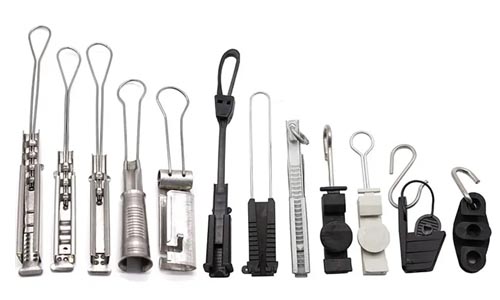 Fiber Optic Clamps
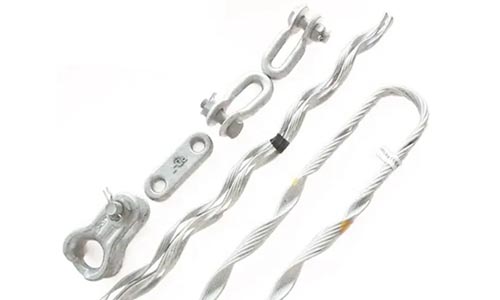 Fiber Optic Cable Fittings
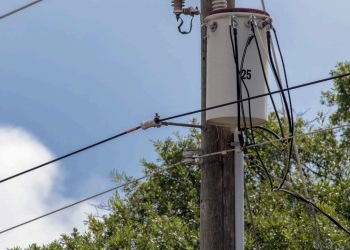 ADSS Fiber Cable
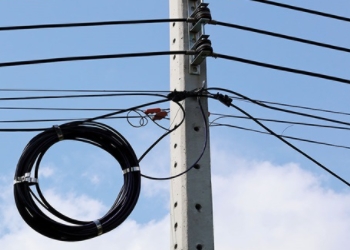 ASU Fiber Cable
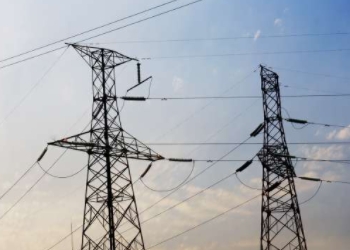 OPGW Fiber Cable
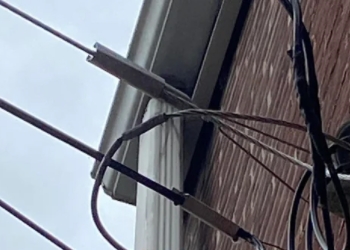 FTTH Fiber Cable
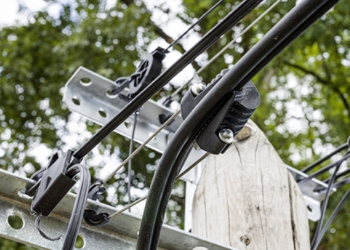 Figure 8 Fiber Cable
 Photoelectric Composite Fiber Cable
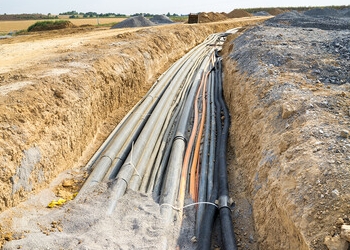 Underground & Pipeline Fiber Cable
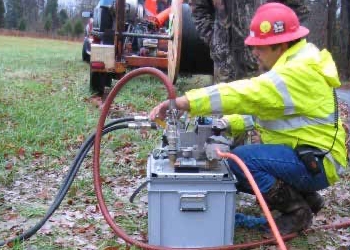 Air-Blown Micro Fiber Cable
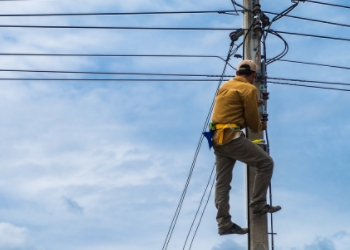 Aerial Fiber Cable
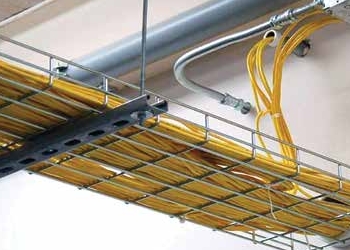 Indoor Fiber Cable
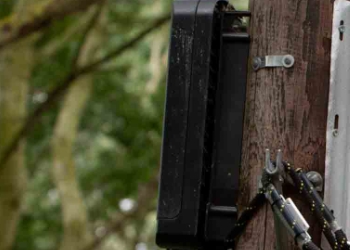 Fiber Optical Terminal Box
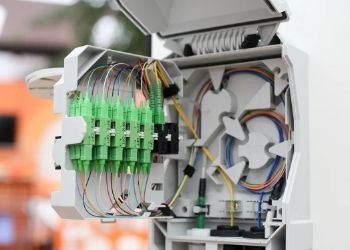 Fiber Optic Distribution Box
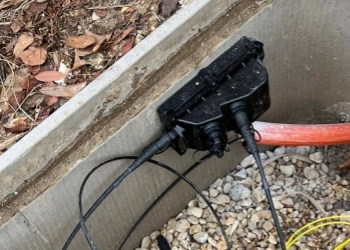 Multiport Service Termina Box
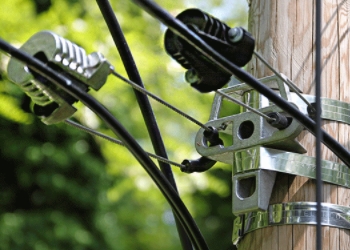 Fiber Optic Clamps
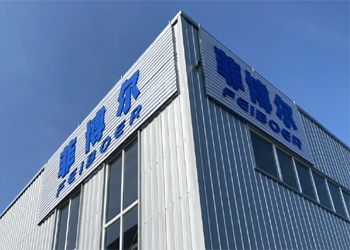 About Us
 Our Team
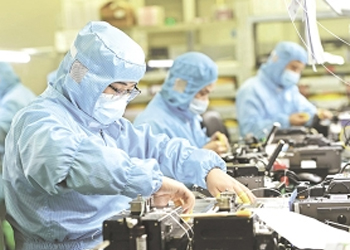 History
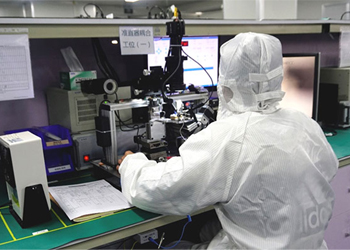 R&D Strength
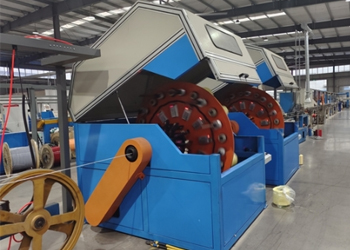 Production Base
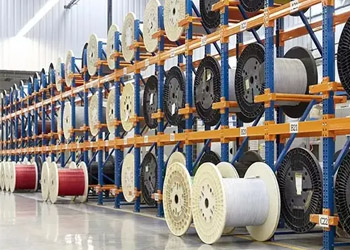 Warehouse & Logistics
 Quality
 FAQs
FAQsWhat is Cat 6 Cable used for?
Contact us for more sample, According to your needs, customize for you.
inquiry nowWhat is Cat 6 Cable used for?
Cat 6 cable is used primarily for Ethernet networking applications. It is commonly deployed in various settings such as:
Commercial and Office Environments: Cat 6 cables are often used in office buildings, businesses, and other commercial settings to connect computers, printers, servers, and other networked devices to local area networks (LANs). They provide reliable high-speed connections for data transfer and internet access.
Residential Networking: Many modern homes utilize Cat 6 cables to create wired networks for connecting computers, gaming consoles, smart TVs, streaming devices, and other electronics to home networks. This ensures fast and stable internet connections throughout the house.
Data Centers: Cat 6 cables may be used within data centers to interconnect networking equipment, servers, storage devices, and other infrastructure components. Their high bandwidth and performance capabilities are beneficial for handling large volumes of data in data center environments.
Educational Institutions: Schools, colleges, and universities often deploy Cat 6 cabling to support their network infrastructure, facilitating internet access, online learning platforms, research activities, and administrative functions.
Industrial Applications: In industrial environments, Cat 6 cables may be used for networking industrial automation systems, machinery, sensors, and control devices. They provide reliable communication links for monitoring and controlling various processes.
Telecommunications: Cat 6 cables are utilized by telecommunications companies for deploying high-speed broadband connections to homes and businesses. They serve as the backbone for delivering internet, voice, and video services to end-users.
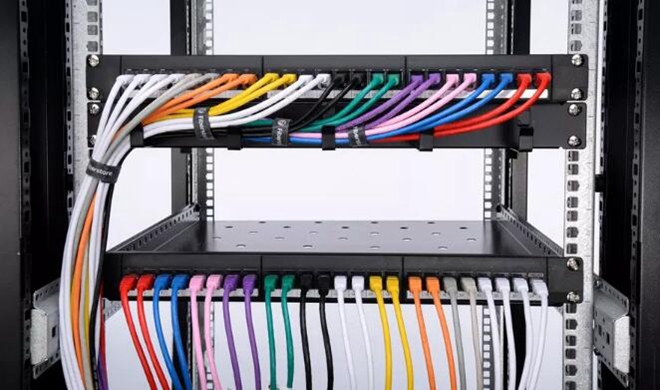
Overall, Cat 6 cables are versatile and widely used for a range of networking applications where high-speed data transmission, reliability, and performance are essential. They offer significant improvements over older cable standards, making them suitable for modern networking requirements.