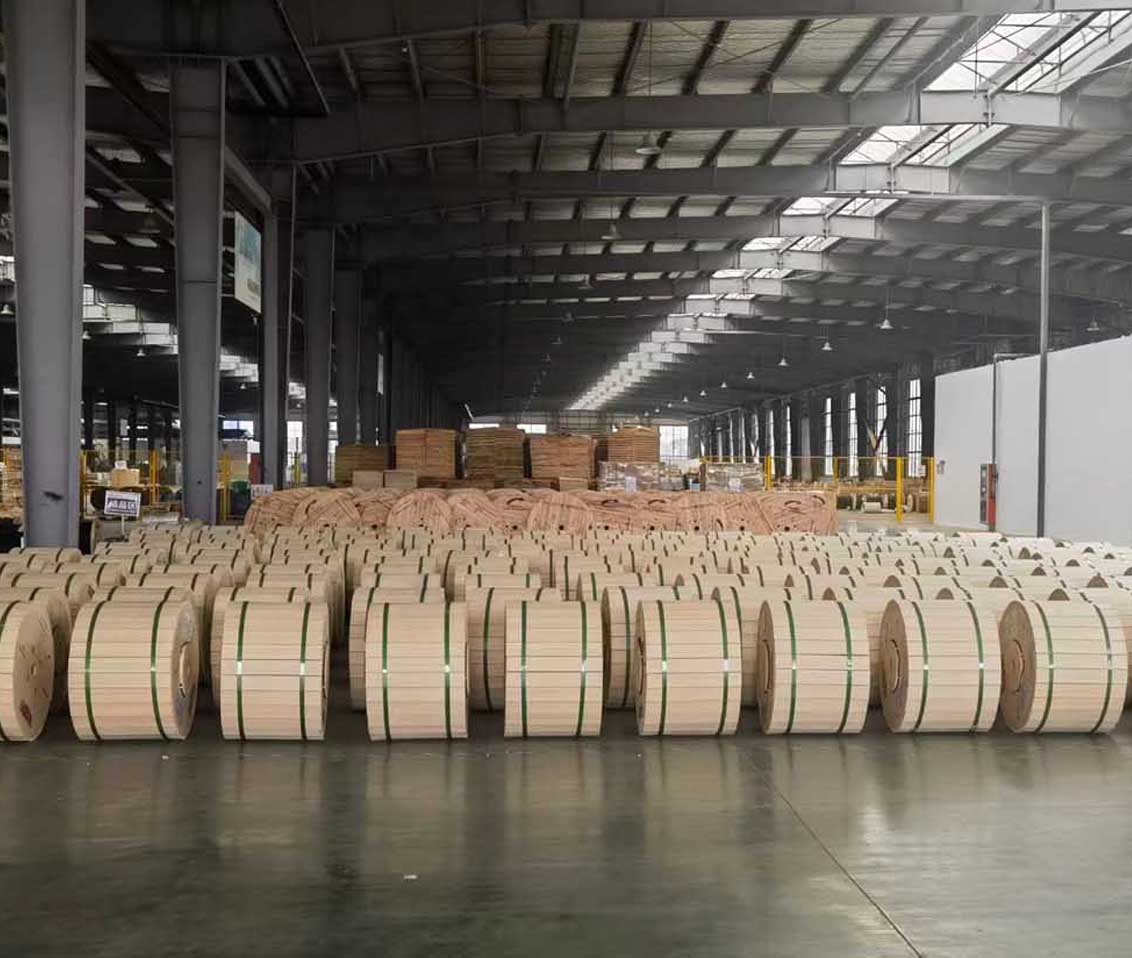
 Optical Fiber
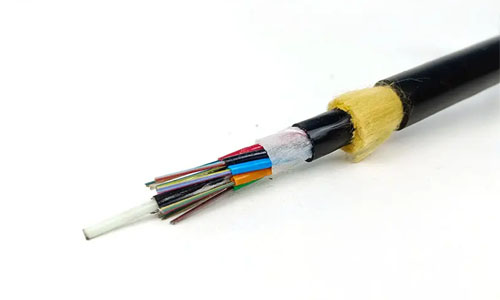 ADSS Fiber Optic Cable
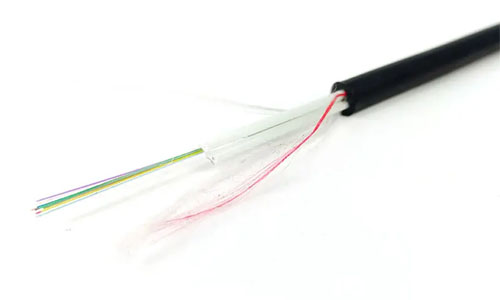 ASU Fiber Optic Cable
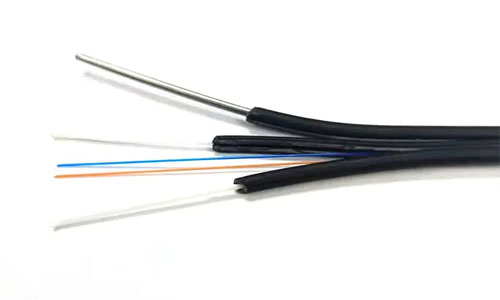 FTTH Fiber Optic Cable
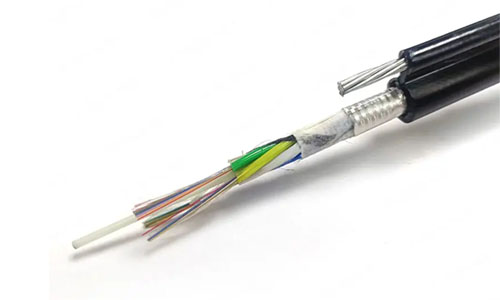 Figure 8 Fiber Optic Cable
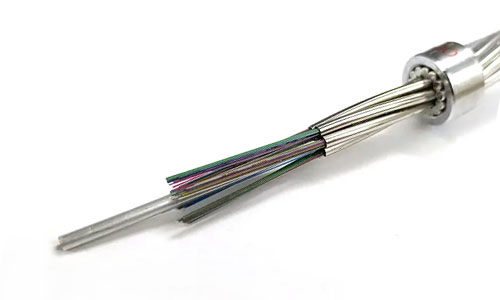 OPGW Fiber Optic Cable
 Coaxial Cable
 Ethernet Cable
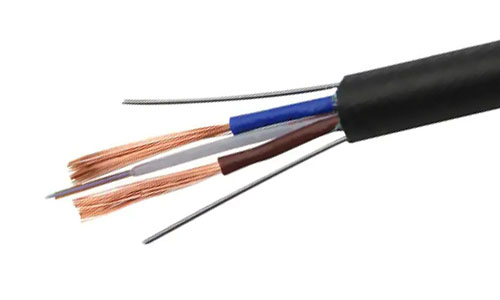 Photoelectric Composite Fiber Optic Cable
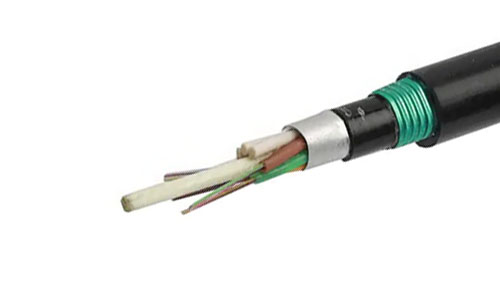 Underground & Pipeline Fiber Optic Cable
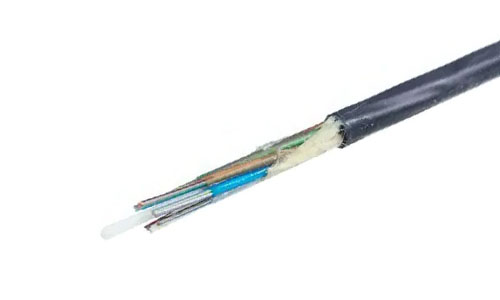 Air-Blown Micro Fiber Optic Cable
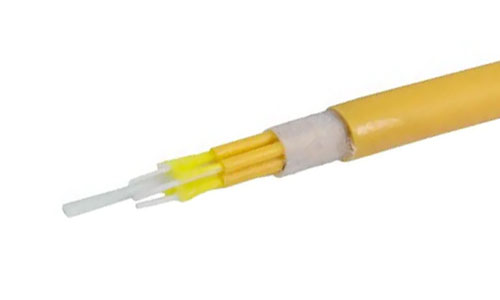 Indoor Fiber Optic Cable
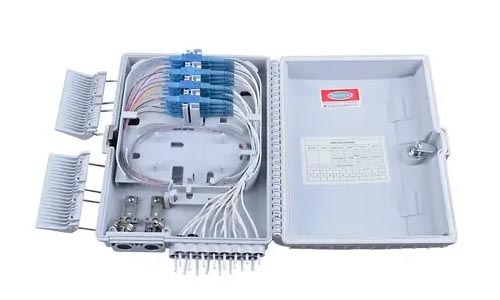 Fiber Optic Distribution Box
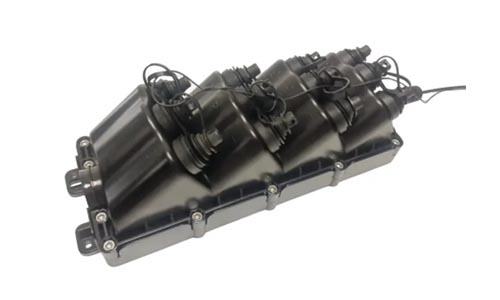 Multiport Service Termina Box
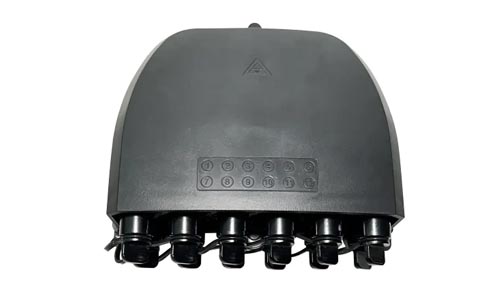 Fiber Optical Terminal Box
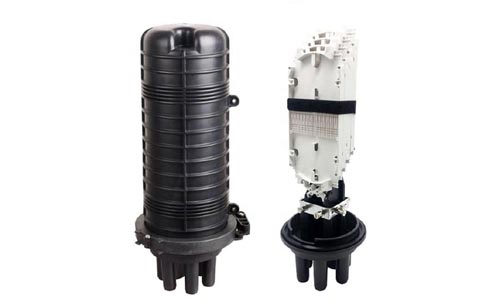 Fiber Optic Splice Closure
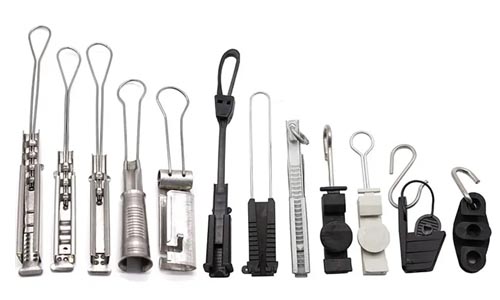 Fiber Optic Clamps
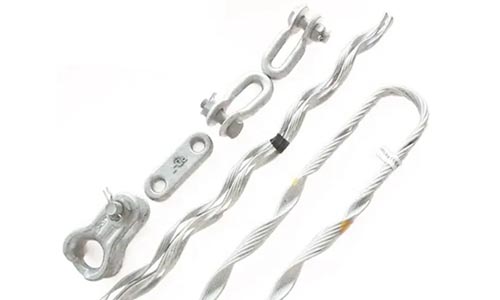 Fiber Optic Cable Fittings
 ADSS Fiber Cable
 ASU Fiber Cable
 OPGW Fiber Cable
 FTTH Fiber Cable
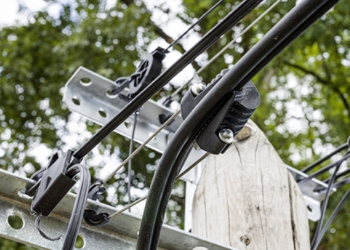 Figure 8 Fiber Cable
 Photoelectric Composite Fiber Cable
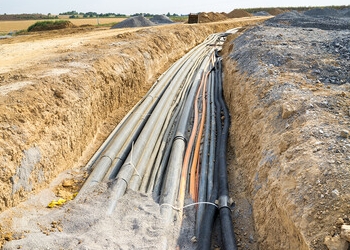 Underground & Pipeline Fiber Cable
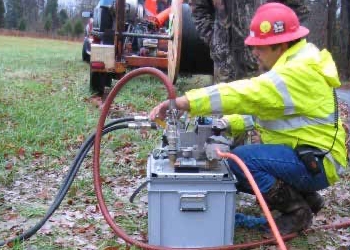 Air-Blown Micro Fiber Cable
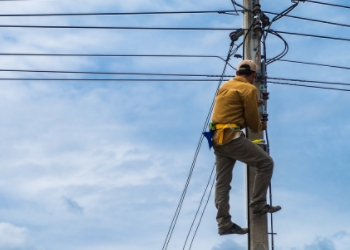 Aerial Fiber Cable
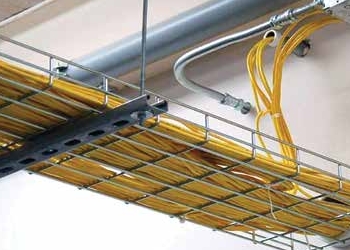 Indoor Fiber Cable
 Fiber Optical Terminal Box
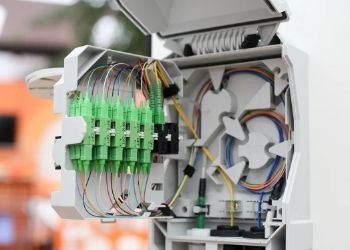 Fiber Optic Distribution Box
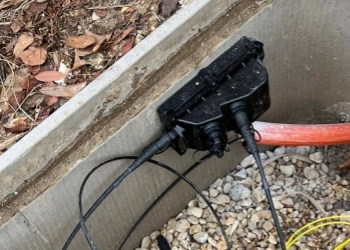 Multiport Service Termina Box
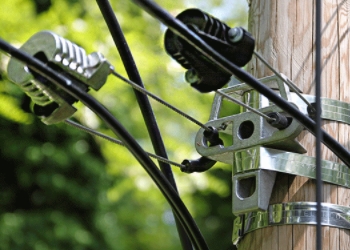 Fiber Optic Clamps
 About Us
 Our Team
 History
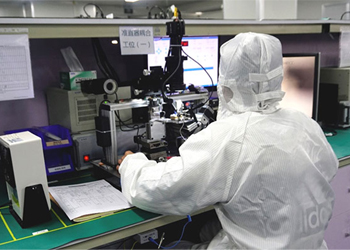 R&D Strength
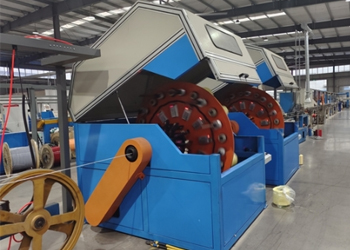 Production Base
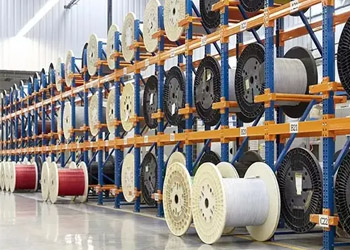 Warehouse & Logistics
 Quality
 FAQs
FAQsWhat is an Optical Network Unit (ONU)?
Contact for Free Quotation & Sample, According to your needs, customize for you.
inquiry nowWhat is an Optical Network Unit (ONU)?
An optical network unit(ONU)is the end point within fiber-optic networks. It translates the light signals from fiber cables into data signals that can be used at home or business.
In the United States, ONUs are popping up all over the place! They’re popping up in dense urban high-rises and sprawling country homes, expanding access to high-quality broadband. Each ONU connects to the core network through an optical line terminal.
This configuration provides ultra-fast broadband data, television, and voice services to end customers. Millions of Americans can’t even appreciate how fast their downloads and video calls are, made possible by these tiny cubes.
More people than ever before are demanding high-speed internet access for telecommuting and entertainment. ONUs are critical to creating wider, more robust internet access! The following section explains how ONUs function and why they are important.

What Is an Optical Network Unit?
An optical network unit, or ONU, is the central point of fiber optic internet. It’s the essential piece that connects you to the lightning-fast world of fiber optics! Because it connects with the real, tangible needs of homes and businesses.
The ONU is responsible for converting light signals that are sent over fiber optic cables. It translates them into electric signals that our everyday devices—such as laptops and smart TVs—can recognize. You’re likely to see ONUs at the access network point. They typically reside in a bulky cabinet or small metal box, at the point where fiber collides with a cluster of residences or businesses.
This is particularly the case in architectures such as Fiber to the Node (FTTN). In this model, it’s the conduit for that final few feet to your home. The terms ONU (from IEEE) and ONT (from ITU-T) are used interchangeably.
1. ONU: The Fiber Optic Translator
Consider the ONU the fiber optic translator. It takes the light-based signals shooting through glass fibers and converts them into electric signals that your devices can comprehend. Inside is a photonic receiver, processor, and potentially WiFi and routing functions if it’s a Home Gateway Unit (HGU).
These elements combine with clever signal processing and modulation wizardry to ensure seamless data flow without any hiccups. An HGU even comes with integrated WiFi, NAT, DHCP, making it a natural component of smart home readiness.
2. Its Key Job in Your Network
The biggest role of the ONU is not surprising—it’s handling all the data flowing in and out. It manages traffic, figuring out which device should get what, and distributes the bandwidth evenly among them. This ensures that everyone can enjoy their shows, their games and their work video calls without interruption.
ONUs likewise communicate in the opposite direction to the provider to allow for remote system diagnostics and updates.
3. Why Your Internet Needs It?
Without an ONU, fiber internet would never be able to reach your smartphone or laptop. The ONU allows all the internet to flow freely and quickly, even at peak times when many users are connected. It’s the backbone that makes super speed internet seamless—whether you’re streaming a movie or having a virtual business meeting.
4. ONU's Place in FTTx Setups
ONUs really come into their own when used in FTTx networks, such as Fiber to the Home (FTTH). They are easily customizable and compatible with other network elements, making large-scale fiber deployments feasible.
Plus, as demand increases and more subscribers join the network, ONUs scale effortlessly.

ONU vs. Other Network Boxes
We know that walking through a tangle of network technicalities can be daunting. In cities such as Marrakech, rapid technological advancement meets historic culture at every turn, so separating the various “boxes” that connect fiber to the home is not so simple.
ONUs, ONTs, OLTs, and routers all have their part to play, but each piece of equipment serves a unique purpose. Understanding what makes them different prepares people and companies to design networks that actually function. This method stops all users from having to wonder what’s causing the WiFi to get sluggish.
ONU or ONT: What's on Your Wall?
ONU or ONT: What’s on Your Wall? Both ONU (Optical Network Unit) and ONT (Optical Network Terminal) make the connection between your house or business and fiber.
The names come from different standards—ONU for IEEE and ONT for ITU-T. In practice, they’re really pretty similar, but you’ll see ONTs more commonly deployed in some networks. Inside a traditional riad, or inside a modern office block, that little box by the door might have a few different uses.
It’s very provider dependent. ONUs are used in networks such as FTTH (Fiber to the Home) or FTTN (Fiber to the Node). In these architectures, a single piece of equipment can be shared by dozens of homes or rooms. Your decision among them determines how rapid and simple your internet experience will be, like with smart home devices or crowded hotels.
ONU vs. OLT: Different Roles
While ONUs sit physically near users, OLTs (Optical Line Terminals) reside at the center—typically, within an operator’s facility. OLTs control the network, sending signals over the fiber, and ONUs split these signals out to individual users.
In a PON (Passive Optical Network) found across Morocco, ONUs and OLTs work as a team: the OLT manages, and the ONU links the last mile, often up to 20 km away.
Is an ONU Your Router Too?
An ONU isn’t necessarily a router. Some ONUs have integrated WiFi (such as HGUs—Home Gateway Units), which can make them ideal for residences requiring robust, easy-to-use configurations.
When an ONU is not a router, then you need a separate box. Merging the two saves space and power and is easier to manage remotely with tools like OAM.
ONUs fall short of the best smart routers when it comes to smart features or handling large, complex networks.
Types of ONUs Explained Simply
Optical Network Units (ONUs) are the final destination before high-speed broadband connects to residential and commercial locations. Their primary function is to receive the data over fiber-optic cables and distribute it to the end user. Choosing the right ONU is important, as each type excels in various applications and environments.
Home User ONUs: SFU & HGU
Home User ONUs: SFU & HGU are the most common options for residential homes. SFUs are the simplest—they directly connect a single user’s home to the fiber network, with few additional features beyond Ethernet ports.
HGUs, on the other hand, are designed for the smart home of the future. They squeeze in features such as WiFi, NAT, and DHCP. This lets you connect phones, laptops, smart TVs, and other devices directly without the need for additional equipment!
HGUs assist with remote management, made possible through OAM, so service providers can monitor and troubleshoot from far away. Installation of an SFU is fairly straightforward—plug it in, and you’re set.
HGUs do need a little more installation. Their monolithic form factor makes them the default option for residences brimming with internet-connected devices.
Business & Building ONUs
When it comes to office towers, apartment blocks, or shops, the stakes are much higher. ONUs like these are made for a high number of concurrent users. They carry higher amounts of data, provide more robust connections, and allow you to expand as your business needs expand.
Other ONUs seamlessly integrate into enterprise network racks, instantly providing service and powering dozens or hundreds of devices. They facilitate complex network configurations and high-grade security.
High bandwidth is important to keep things running efficiently—even under peak demand. Reliable ONUs are critical for businesses, where downtime can equate to lost work or income.
Why ONUs & PONs Rock?
Optical Network Units (ONUs) and Passive Optical Networks (PONs) radically improve how people get online. They deliver lightning-quick, reliable, and economical connections to residences and enterprises. Around Marrakech and other fast-growing cities, these tools let people enjoy smooth streaming, online work, and smart tech with little fuss.
Here’s where these systems truly excel.
Superfast, Smooth Connections
ONUs pack a punch on speed. On fiber lines, people receive at least 1 Gbps, many have access to 10 Gbps, and the best installations exceed 40 Gbps downstream. That translates to streaming, gaming, or participating in large video conferences without a jump.
ONUs reduce latency, as well. Data flows quickly and efficiently to meet the demands of all users—even in dense commercial districts or urban small residential communities. People operating coffee shops in the Medina area are experiencing a lot less call drop.
Residents in tech hubs like Gueliz enjoy almost instant page load speeds. Whether it’s a family streaming video or a business transmitting large files, ONUs help ensure content continues to flow quickly and easily.
Saving Money with Fiber
PONs installations are significantly cheaper than traditional copper or point-to-point fiber installations, particularly over large geographic areas. Sheltering in place with less active equipment reduces energy costs and creates a cooler environment—benefitting the household budget and the environment alike.
Businesses save on maintenance, wear and tear associated with in-land travel. As time goes on, fiber installations require less maintenance and serve more subscribers. Local restaurants, shops and hotels appreciate that ONUs allow them to stay in touch without going over budget.
Ready for Future Internet
ONUs are designed to expand with technology. They accommodate new applications, they enable smart home devices, and they provide the connectivity for an Internet of Things.
With the emergence of IoT and smart cities, having a solid network is imperative. Getting ready for the next big thing is absolutely key to that! Investing in ONUs gets you ready for 5G and future innovations!
Taking this step will help make sure your network is one step ahead of the progress curve.
ONU: Past, Present, and Future
Optical Network Units, or ONUs as they are more commonly known, have experienced a true metamorphosis from their early inception. In the 1990s, prohibitive equipment costs ensured optical access would remain out of reach for the masses. Customers incurred costs of nearly $5000 each!
As businesses and consumers alike clamored for faster connections, the rest of the world started going online. The aging copper lines just weren’t up to the task. Optical fiber has an extraordinary capacity and longevity—more than 25 years.
More recently, it’s begun to appear as the smartest gamble on the future. Passive Optical Networks (PON) allow service to be shared between dozens of subscribers across one fiber line. This innovative technology is ideal for fast-paced metropolitan cities and expanding municipalities and commercial enterprises.
These networks certainly have range limitations. They typically max out at 10-20 km, but for most municipal configurations, that’s plenty.
How ONUs Got Smarter?
Modern ONUs aren’t just speedy—they’re intelligent. Recent chips and software have made them much more efficient, reducing lag and maintaining clear connections. Some ONUs even leverage artificial intelligence to detect issues proactively, before end-users experience them.
These innovations give network operators the ability to troubleshoot problems faster and ensure things operate more seamlessly. People at home and in their offices today experience less noise and interruption, and more dependable performance.
ONUs for 5G, IoT, Cloud
ONUs are essential for enabling new technologies such as 5G, smart devices, and cloud-based services. They process massive volumes of data and enable everything from mobile devices to IoT in smart factories.
ONUs in data centers, particularly where cloud applications and video streaming are concerned, help keep information moving at lightning speed. As networks continue to expand and evolve, ONUs will be essential in ensuring residential customers and enterprises alike receive the necessary capacity and speed.
Greener and More Efficient ONUs
What it comes down to is this – energy use is really important. New ONUs consume significantly less power, assisting in the nationwide effort to reduce telecom carbon footprints.
Fewer wasteful parts and smarter sleep modes contribute to this efficiency. Waste means more than wasted materials—it’s wasted savings for all of us. These greener, more efficient ONUs aren’t just good for our bottom line—they’re good for the environment as well.
Overcoming Vendor Lock-in Issues
Lock-in is a huge pain point. Many networks find themselves locked into a single vendor’s equipment, drastically reducing options. The impact of more open standards and more flexible ONUs is significant.
It is far easier to switch vendors or mix different brands together. As a result, users get both better prices and greater flexibility to switch as their requirements evolve.
Choosing and Managing Your ONU
Choosing an ONU might seem like a simple matter of selecting a box that connects to fiber. The right ONU will be one that matches the proper speed, size and future needs of your network. In cities such as Marrakech, networks link together a vibrant tapestry of historic and contemporary structures.
It’s important to ensure your ONU is compatible with the correct fiber type—single-mode vs. Multi-mode. Service providers are usually helpful on how to use the tools, but understanding what you should be looking for puts the power in your hands.
Picking the Right ONU Unit
When looking for an ONU, focus on these features:
-
Type of fiber connection supported
-
Power use and operating temperature range
-
Support for remote management (OAM)
-
Compatibility with your network gear
-
Carrier-neutral or carrier-specific support
Bandwidth requirements influence what you choose. For homes with a lot of streaming, gaming or smart home devices, HGUs with embedded WiFi and routing are a good fit. For less complex scenarios, SFUs can be sufficient.
If you plan on expanding, choose an ONU that can easily scale, so you don’t have to replace equipment in the near future. User reviews and ratings can go a long way in identifying ONUs that have proved durable over time, particularly in arid or high-heat environments.
Keeping Your ONU Safe Online
Secure your ONU. Locking down your ONU will help protect your network. Create unique passwords and update them regularly.
Update firmware regularly—outdated firmware is one of the main vulnerabilities hackers use. Configure firewalls and restrict login access. All our service providers really get into security, pushing updates and setting up best practices.
Smart Tools for ONU Health
Reliable tools make it easy to keep tabs on your ONU:
-
Network monitoring apps
-
Performance analytics dashboards
-
Automated alert systems
Preventative maintenance, including routine inspections and software updates, makes your ONU more durable and increases its lifespan. Analytics can help identify where speeds begin to decline or a major outage begins.
Users have claimed these smart tools reduce downtime and speed up repair and maintenance.
How Standards Shape ONUs?
How Standards Influence ONUs ONUs require industry standards so that various brand components can play nicely with each other. Adhering to global telecom regulations ensures networks operate efficiently and modernization is less complicated.
As standards evolve, ONUs receive updated capabilities to comply. This helps ensure your network is prepared for future opportunities.
Conclusion
Optical network units deliver high speed and reliable connections directly to residences and medium enterprises. People in the States are crazy about these boxes! They support streaming shows, powering smart devices, and staying connected with friends across the country. Choosing the correct ONU will result in less congestion and headaches with equipment. Consider the area available, fill needs today, and plan for needs next year. As the public perception of fiber has increased, ONUs have continued to perform under pressure without breaking a sweat. Seen your neighbor removing old, clunky cable lines for shiny new fiber? We’re told about crisp video conferencing and lag-free gaming. Looking to do more with your internet? Get smarter with your optical network unit. Contact your local repair shop or talk with your provider to get specific advice that works best for your situation.
Optical Network Units (ONUs) are essential for translating fiber optic signals into data your devices can use, making high-speed internet possible in homes and businesses.
ONUs perform a lot of the heavy lifting in fiber optic networks. They orchestrate data traffic, prioritize bandwidth, and aggregate thousands of user devices to service providers.
Choosing the right ONU can improve your internet experience, support streaming and gaming, and future-proof your network for new technologies like smart home devices and 5G.
Home and business ONUs are often equipped with different capabilities. By choosing a right-sized model to meet your application needs—from a single-family residential address to a large, multi-building campus or office—you can protect performance and reliability.
By routinely updating and securing your ONU, you can prevent cyber threats from interfering with your network and connection.
No question, investing in energy efficient and standards compliant ONUs is cost saving in the long run. Plus, this selection helps to create a cleaner, more eco-friendly network for all of us!
Frequently Asked Questions
What does an Optical Network Unit (ONU) do?
What does an Optical Network Unit (ONU) do? It serves as a signal translator between fiber and copper infrastructure, enabling the delivery of high-speed internet and TV service.
How is an ONU different from a modem?
An ONU connects to fiber-optic networks, while a modem connects to cable or DSL connections. ONUs are only required for fiber internet, not cable internet.
Are all ONUs the same?
Are all ONUs the same? Some go to single-family homes, some to businesses or multi-tenant buildings. Each one offers varying speeds and capacities, as well as a variety of features.
Is an ONU required for fiber internet in the US?
Is an ONU really necessary for fiber internet in the United States? It’s one of the most important links in the chain that connects your devices to blazing fast fiber lines.
Can I install an ONU myself?
Most providers prefer professional installation. That said, some ONUs are relatively straightforward to install, provided you pay attention and follow the instructions from your provider.
How does an ONU improve my internet speed?
An ONU provides reliable high speed, high quality fiber connections. An ONU is a key component of fiber optic networks, providing gigabit speeds, low lag and reliable service when compared to legacy networks built using copper.
What should I consider when choosing an ONU?
Make sure you compare compatibility with your service provider, supported speeds, and future upgrade options. Talk with your provider about their recommendations to be sure you get the right fit.