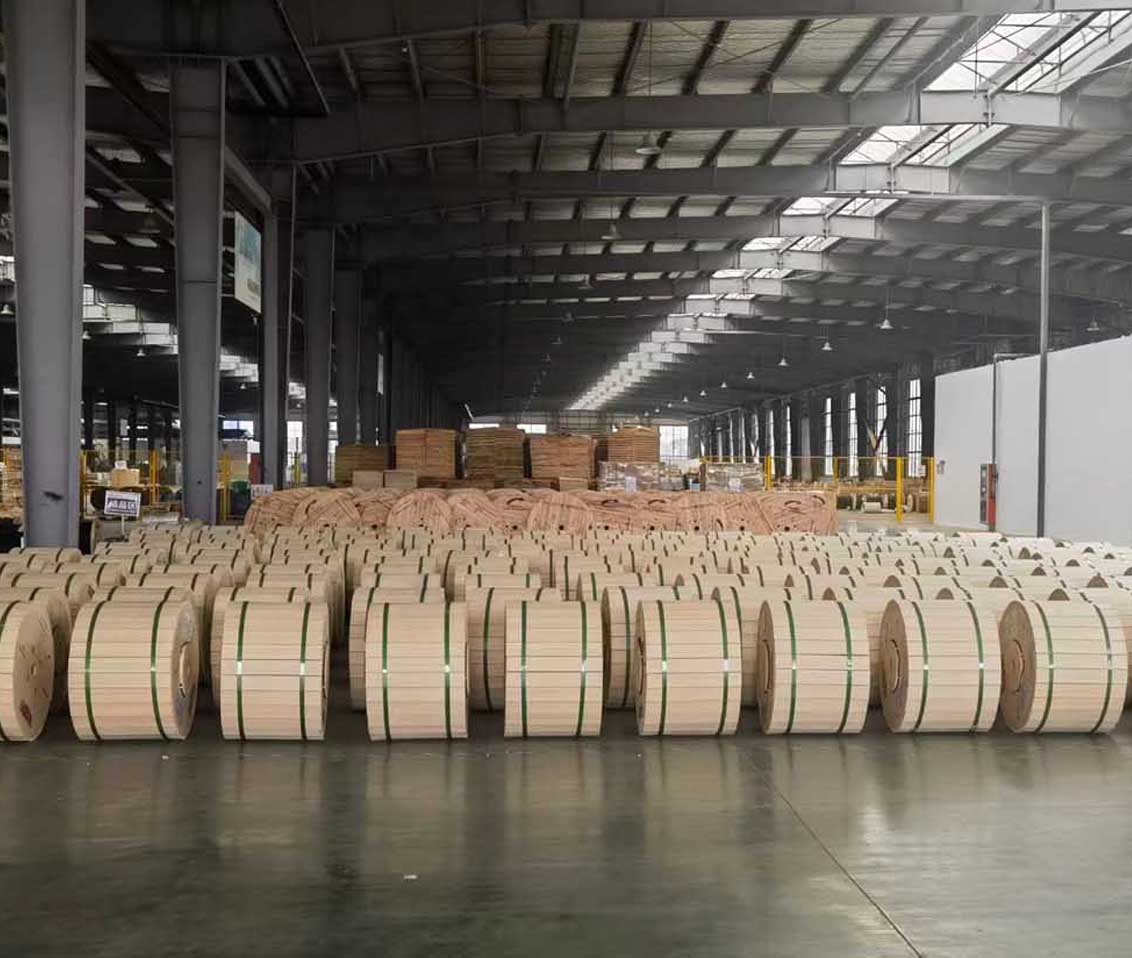
 Optical Fiber
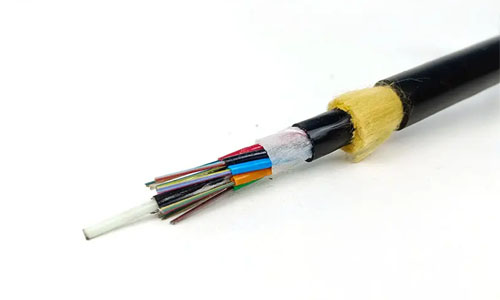 ADSS Fiber Optic Cable
 ASU Fiber Optic Cable
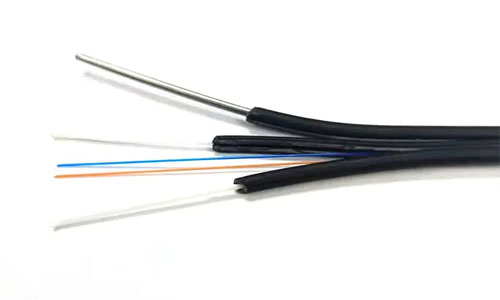 FTTH Fiber Optic Cable
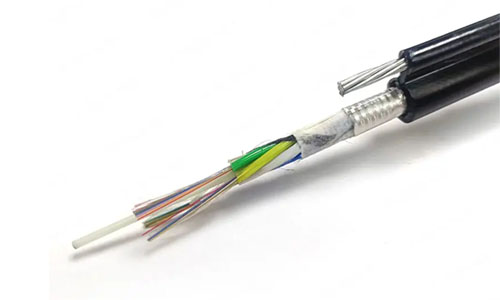 Figure 8 Fiber Optic Cable
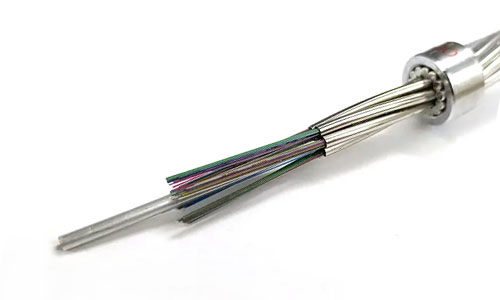 OPGW Fiber Optic Cable
 Coaxial Cable
 Ethernet Cable
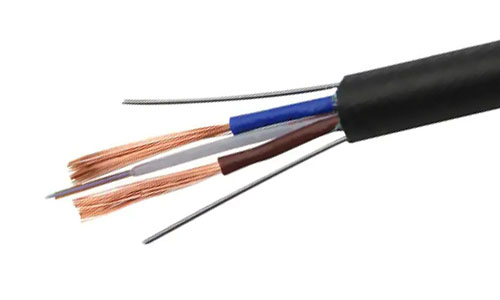 Photoelectric Composite Fiber Optic Cable
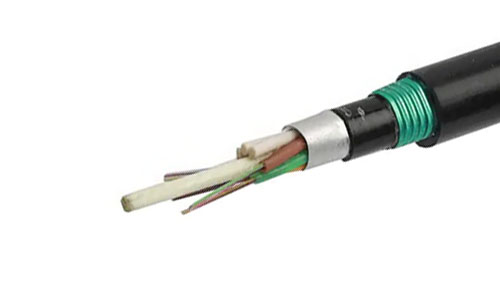 Underground & Pipeline Fiber Optic Cable
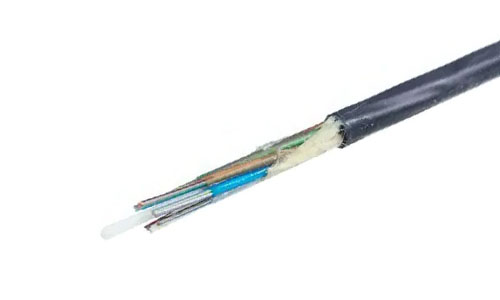 Air-Blown Micro Fiber Optic Cable
 Indoor Fiber Optic Cable
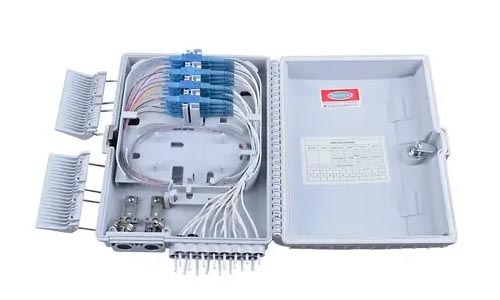 Fiber Optic Distribution Box
 Multiport Service Termina Box
 Fiber Optical Terminal Box
 Fiber Optic Splice Closure
 Fiber Optic Clamps
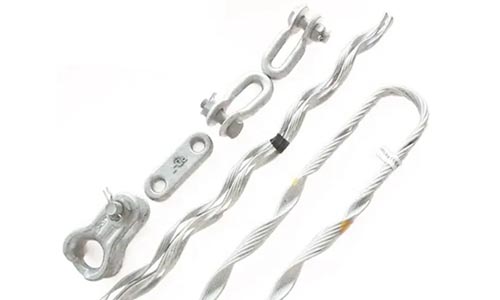 Fiber Optic Cable Fittings
 ADSS Fiber Cable
 ASU Fiber Cable
 OPGW Fiber Cable
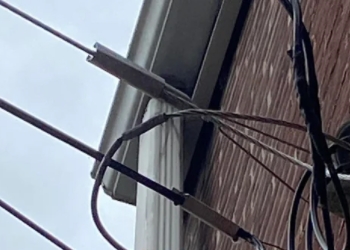 FTTH Fiber Cable
 Figure 8 Fiber Cable
 Photoelectric Composite Fiber Cable
 Underground & Pipeline Fiber Cable
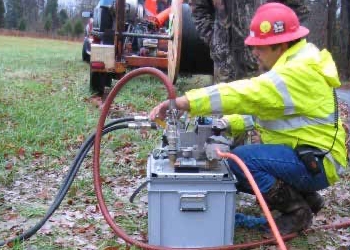 Air-Blown Micro Fiber Cable
 Aerial Fiber Cable
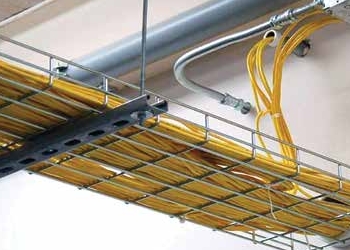 Indoor Fiber Cable
 Fiber Optical Terminal Box
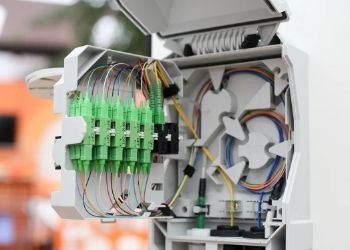 Fiber Optic Distribution Box
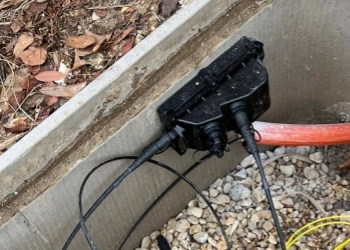 Multiport Service Termina Box
 Fiber Optic Clamps
 About Us
 Our Team
 History
 R&D Strength
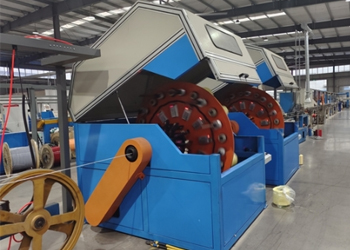 Production Base
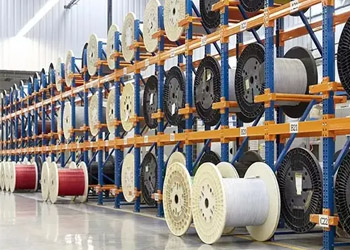 Warehouse & Logistics
 Quality
 FAQs
FAQsWhat is an Optical Line Terminal (OLT)?
An optical line terminal (OLT) is the central source of a passive optical network and is used to convert, coordinate, and manage the optical signals between the service provider and the users. OLT functions as the heart of the network, directing traffic and ensuring seamless delivery of internet, television, and telephony services via fiber optic connections to residences and enterprises. These units inhabit the service provider’s central office and connect to numerous subscribers via splitters and ONUs. With OLTs, providers can bring high-speed internet to entire communities with reliable, quick connections. Across the globe, cities rely on OLTs to bolster burgeoning demands for digital services. For those who are curious about how their fiber internet functions, knowing what the OLT is clarifies a lot about the network’s architecture.

What is an Optical Line Terminal?
The Optical Line Terminal (OLT) serves as the endpoint hardware device of a fiber optic network, connecting the internet service provider’s backbone network to numerous subscribers through multiple ONTs or ONUs. With the capacity to accommodate various PON technologies like GPON, EPON, and XGS-PON, OLTs ensure efficient network management and adaptability for diverse fiber broadband services, controlling data traffic to provide users with robust, fast, and secure connections.
-
OLTs transmit downstream data to ONTs or ONUs and receive upstream data from them.
-
They multiplex and demultiplex signals on shared fiber lines.
-
Each OLT port can connect to many ONTs or ONUs through a splitter. Common split ratios are 1 to 64 or 1 to 128.
-
Uplink and downlink speeds vary by model, ranging from 1.25 Gbps to 10 Gbps or more.
-
OLTs support different types of services, including internet, VoIP, multimedia, and more.
-
Designed for scalability, OLTs enable providers to increase and introduce new services as demand increases.
1. The Network's Core
The OLT is the heart of any PON, serving as the central point binding everything together. It ensures signals flow seamlessly from the backbone network to each ONT or ONU connected in residences and offices. The OLT is responsible for maintaining the entire network stable by managing data flow, preventing bottlenecks and outages.
Each OLT contains many boards and ports, allowing it to accommodate hundreds or even thousands of subscribers simultaneously. In this way, it keeps the network robust and adaptable regardless of the number of subscribers or data consumption.
2. The Traffic Director
OLT’s are traffic cops, determining how to divide bandwidth and route data. They transmit downstream to users and backhaul upstream to the main network. This technique, known as multiplexing, allows multiple subscribers to utilize the same fiber without congestion.
They can prioritize traffic by type, for instance, ensuring voice calls or video get priority when required. This makes calls crisp and videos seamless, even in traffic. They’re the unsung heroes that prevent your internet from crawling.
3. The Service Gateway
As a service gateway, the OLT is the door that swings wide open to internet, phone, and video services to homes and businesses. It connects to the provider’s core network, enabling users to seamlessly access high-speed internet, VoIP, and streaming content. The OLT’s design enables providers, from small to large, to deliver reliable high-speed connectivity to each and every subscriber.
For instance, most OLTs can be highly upgradable, so carriers can plug in new services as they develop. From tiny startups to national carriers, the OLT is what helps them stay ahead of soaring demand for broadband and new apps.
4. The Management Hub
The OLT is the hub for network management. From here, operators can monitor, modify, and repair the network in real time. The OLT provides complete control over each ONT or ONU, allowing you to easily identify issues and resolve them before they escalate.
It supports remote monitoring and modifications, so techs don’t have to roll out every time there is a hiccup. Such a centralized configuration saves cycles and prevents major outages. A smart OLT means network health is monitored closely and scaling the network is a lot less of a hassle.
How an OLT Operates
OLT stands for Optical Line Terminal, which is the central device in an FTTH network. It resides at the service provider’s central office and links via optical fiber to multiple user endpoints, called ONTs or ONUs. It’s the OLT’s primary role to convert, multiplex and transmit data from the backbone to each household and receive data. This requires intelligent equipment and scheduling, as well as precise protocols for device communication.
A typical OLT works through these steps:
-
The control board, or switch, directs and controls data to connect the OLT to the broader internet with uplink cards, usually with high-speed interfaces such as 10G or 100G Ethernet.
-
The transceiver converts digital signals into light, typically at 1490nm for data transmission. This light passes through fiber to a passive splitter.
-
OLT How an OLT Works The splitter splits light to up to 64 or 128 ONUs depending on split ratio and configuration.
-
ONUs at residences receive the signal and transmit back their own data on a different light wavelength, such as 1310nm, to prevent interference.
-
The OLT collects data from all of the ONUs, organizes it and forwards it to the internet.
Clear protocols like OMCI make it so OLTs and ONUs from different brands can interoperate. An OLT controls both downstream and upstream traffic, so all users receive quality service.
Downstream Traffic
Downstream traffic, which is everything the optical line termination (OLT) transmits to subscribers, includes activities like streaming video, web surfing, or large downloads. The OLT can transmit various channels simultaneously, effectively addressing multiple homes at a time. Video services, for instance, require rapid, consistent transport, so the OLT features prioritize each user’s requirements accordingly with minimal latency. How well the OLT manages this traffic determines how fast your downloads are and how smooth your streaming might be.
Upstream Traffic
Upstream traffic moves from each user’s optical network unit (ONU) to the optical line termination (OLT). Each ONU utilizes its own wavelength, ensuring nothing is mixed, allowing the OLT to distinguish each user effectively. All of these signals must be sorted by the OLT to prevent clashing, which is crucial for bandwidth applications like VoIP and video calls that require low latency. The OLT guarantees no lag, ensuring calls are crisp and immediate.
Bandwidth Allocation
The OLT, or optical line termination, allocates bandwidth according to user requests. If one home is streaming a movie while another is just checking email, the OLT divides the speed to ensure fair access for all users. Newer OLT devices can dynamically adjust this split on the fly, adapting to peak demand and maintaining an efficient network management system. This capability allows the optical network to remain consistent and speedy, ensuring that no one is left waiting even as needs change.
OLT Standards and Types
Optical line terminals (OLTs) adhere to various pon standards that determine network functionality, speed capabilities, and compatibility with other equipment. The primary standards include GPON, EPON, XG-PON, XGS-PON, and Combo PON, which manage data speeds, connection types, and scalability in unique ways. When choosing the optimal OLT device, it is essential to consider the number of users to be supported, the most suitable speed, and the degree of scalability required for the fiber broadband infrastructure. Compatibility with other network gear is crucial, as standards inform what works together and ensure smooth operation.
-
GPON: 2.5 Gbps down and 1.25 Gbps up, wide global use
-
EPON: 1 Gbps down/up, simple and cost-effective
-
XG-PON offers 10 Gbps download speeds and 2.5 Gbps upload speeds, making it high-speed for growing needs.
-
XGS-PON offers 10 Gbps download and 10 Gbps upload speeds, making it best for heavy traffic.
-
Combo PON supports both GPON and XG(S)-PON and allows for easy upgrades.
PON Standards
These protocols define the standards for OLT communication in fiber networks. These standards define how OLTs interface to multiple subscribers via a single fiber strand, enabling carriers to reach residences, offices, or even large campus environments. GPON’s strength is its high downstream rate of 2.5 Gbps and an upstream rate of 1.25 Gbps, which has made it the preferred choice for most new deployments. EPON, meanwhile, offers symmetrical speeds of 1 Gbps and has a reputation for easier installation and lower cost, making it a good fit where budgets are limited or demand is consistent but not overwhelming. OLT standards and types fix XG-PON and XGS-PON take it further with speeds of 10 Gbps, which are ideal in urban or other locations where many people require speed at the same time. Combo PON adds a layer of flexibility, allowing a single OLT to support both legacy and new standards, so upgrades do not require a complete rip and replace.
OLT standards and types They let operators include additional subscribers or increase rates without having to upgrade the entire network. They enable devices from different makers to interoperate, provided all parties abide by the standards.
Hardware Configurations
OLTs, or Optical Line Termination devices, come in various form factors tailored for different networking needs. Box-type OLTs are ultra-compact and ideal for small communities or tight spaces, while chassis-type OLTs are larger and designed to accommodate additional cards and modules, making them suitable for expansive fiber broadband networks. Some OLT equipment utilizes a single power supply for simplicity, whereas others employ dual power systems for backup in case of failures.
Modular OLTs offer the flexibility to start small and scale according to network demands. With the ability to add new modules for additional users or increased bandwidth applications, initial costs remain low while allowing for future expansion. This adaptability is crucial for service providers looking to optimize their infrastructure.
Choosing the right optical network terminals depends on the installation environment. Rural areas might only need a box-type OLT, but urban settings often require chassis types with multiple pon ports and backup power options. These design choices significantly influence uptime, speed, and the overall ease of repair or network expansion.
The OLT's Critical Role
The optical line terminal, or OLT device, is the beating heart of a fiber optic network. It connects the internet’s lightning-fast backbone to neighborhood homes, businesses, and campuses, ensuring that all receive their equitable portion of bandwidth. Without the OLT, it’s nearly unfeasible to regulate who receives which speed or to maintain an optimal network operation. The OLT divides, organizes, and safeguards all the data coming and going, much like an efficient network management system for information. Here’s a checklist of what the OLT features, with a bit of detail for each point.
-
Ensures order by policing data traffic so that no one user can clog the whole system.
-
Divides bandwidth according to user need, employing intelligent technology so that all receive equitable speeds.
-
Secures information and protects identities as it travels over the fiber.
-
Manages numerous ONUs (the boxes on the user side) from a single OLT, potentially hundreds.
-
Prioritizes traffic, such as 4K video or phone calls, so these remain crisp and clear.
-
Runs PLOAM and OMCI, allowing ONUs from various vendors to interoperate as long as they comply with the same standards.
-
OLT's Role
Enabling FTTH
Okay, first FTTH is Fiber to the Home, where fiber optic cables go directly to the home. OLT is what makes this work. They allow ISPs to deliver high-powered, squeaky-clean signals directly to homes, bypassing the slow bits of copper.
With an OLT at work, speed is constant and downtime is infrequent. Visualize a community in which all of the residents stream HD movies, play online, and telecommute without latency! That’s thanks to OLT, which organizes all that traffic, maintaining it fresh and general. It aids in scaling out fiber networks, getting more homes within reach as demand increases.
Powering Businesses
Businesses depend on OLTs for robust, high-speed connectivity. The OLT’s important function is that it manages massive concurrency and maintains data integrity.
As companies grow, OLTs grow, scaling with more lines and more bandwidth. This enables companies to scale with additional users or sites seamlessly. Dependable fiber makes teams operate optimally, reduces downtime, and maintains efficiency.
Supporting Smart Cities
Intelligent cities leverage technology to operate more efficiently and provide better services to citizens. OLTs assist by connecting intelligent sensors, cameras, and other equipment throughout the city. In the case of an OLT, all these devices communicate quickly and exchange data instantaneously.
City leaders leverage this data to address issues, conserve energy or enhance traffic. Things like free park Wi-Fi or rapid emergency notifications rely on the OLT’s reliable connections. Great OLTs enable smart cities to be on top of things and keep people secure.
Connecting Campuses
On campus and college campuses, OLTs connect numerous buildings and labs. Students and faculty require fast, reliable connectivity for lectures, streaming, and academic pursuits. It’s the OLT that makes this happen by connecting every room and device.
In large campuses, the OLT links thousands of users and enables them to share files or collaborate in real time. Trusted fiber accelerates education and empowers educators and students to squeeze more out of every day.
Securing the Fiber Network
Security in fiber networks isn’t only about securing hardware; it’s about ensuring every byte of data remains confidential and secure. Optical line terminals (OLTs) are right at the center of this optic broadband infrastructure. They don’t simply transmit information; they determine who can access it, what is transmitted, and how it is kept secure. OLTs administer massive passive optical networks where a single on-signal is divided and distributed to dozens, even hundreds of users, which means robust security isn’t just a nice-to-have; it’s a must.
Authentication
Authentication is verifying who’s attempting to connect. At the OLT, this is completed prior to any data beginning to flow. The OLT authenticates every ONT or ONU, often by searching for a distinctive serial number, password, or LOID. If you fail the test, no entry.
This matters because one OLT port can handle links for up to 128 ONUs. It needs to know who’s who, distinguishing between the genuine devices and imposters. Hard passwords and unique IDs help keep the intruders at bay. OLTs manage numerous authentications simultaneously, which can be tricky and ensures the network is secure for all.
Encryption
Encryption is what secures your data in transit. The OLT scrambles traffic between itself and each ONU, so if someone taps the fiber, all they see is nonsense data. This is particularly important when the passive splitter transmits the principal signal to multiple users.
Various techniques such as GPON Serial Number or PLOAM password ensure that the data is confidential. Encryption isn’t just for privacy; it’s to ensure that no one tampers with the data en route to you. On your congested networks particularly with confidential info, this is a deal breaker.
Access Control
Access control is the ability to define policies regarding who can do what on the network. OLT’s effectively allocate and verify permissions, ensuring users can only access their own data. They collaborate with various controls to maintain ease and security.
Just authorized equipment receives access, and the OLT ensures that no single user can bog down or hijack the entire network. This is especially critical in large deployments where ONUs from multiple vendors must interoperate without issues.
Future of OLT Technology
Our internet habits evolve quickly, with more of us demanding blazing speeds and seamless service for 4K streaming and 5G. Optical line terminals (OLTs) are crucial in fiber broadband networks, and their future hinges on their ability to keep pace with emerging network demands. Our OLT devices must become faster, smarter, and more flexible to manage these shifts effectively.
| Trend | Potential Impact |
|---|---|
| Higher speeds | Gigabit+ broadband, real-time streaming, 5G backhaul |
| Increased density | More users per OLT, better urban network use |
| Network virtualization | Flexible, programmable networks, lower costs |
| AI integration | Smarter management, predictive maintenance, fewer outages |
| Green technology | Lower energy use, eco-friendly networks |
Higher Speeds
The demand for speedy downloads and uploads drives OLT vendors to increase speeds. With new standards like XG-PON and XGS-PON, OLT devices can manage multi-gigabit connections, ensuring fiber keeps pace with ravenous apps, from video chats to cloud games. With Combo PON OLTs capable of running multiple standards at once, internet service providers can address both existing and future demands within a single device. Super fast OLTs are the secret of next-gen broadband everywhere.
Increased Density
Higher density implies that every OLT device serves more homes or offices, which is crucial in urban areas where space and resources are scarce. Today’s OLTs, equipped with advanced optical network terminals, cram more ports into a smaller box, meaning one piece of gear now serves entire neighborhoods. This optimizes costs and every fiber strand, ensuring that high-density OLTs support efficient network management for booming towns and major metros.
Network Virtualization
Network virtualization allows OLT devices to behave as multiple devices simultaneously. With SDN and NFV, network operators can assemble services in software, not hardware, enhancing the efficiency of fiber broadband deployments. This leads to faster upgrades and better resource utilization. They now have the ability to tune networks for each customer or app, which is great for smart cities and IoT. Virtual OLTs give network teams increased control and flexibility.
AI Integration
AI in OLT devices is huge. AI can detect issues before they wreak havoc in optical networks. It can assist in troubleshooting and tuning fiber broadband networks without human assistance. Predictive maintenance means fewer outages, making AI-enabled OLTs essential for efficient network management as user demands evolve.
Conclusion
OLTs sit at the center of high-speed fiber networks. They steer traffic, maintain connections, and support future technology. From urban centers to rural communities, OLTs enable us to remain connected, productive, and engaged. Every advance offers faster speeds and more reliable connections. For instance, a bustling office can operate seamless video calls, while a household can stream series and engage in gaming simultaneously. OLTs assist in protecting networks from harmful strikes. As new tools roll out, OLTs will stay in step. To stay up, people can read tech news, consult with network experts, or review guides. True advancement is made in inch-long increments, so continue to inquire, educate, and collaborate with people who are passionate about robust, secure connections.
Frequently Asked Questions
What is an Optical Line Terminal (OLT)?
The optical line terminal (OLT) manages the onward data flow from an internet service provider to multiple end users through fiber optic services.
How does an OLT work in a fiber network?
An optical line terminal, or OLT device, translates electrical to optical signals and routes data for subscribers through efficient network management. It takes optical signals from users and re-converts them to electrical signals for processing.
What are the main standards for OLTs?
The major OLT standards, including GPON and EPON, dictate how data is transmitted over optical networks.
Why is the OLT important in fiber networks?
The OLT device is crucial as it manages and distributes data traffic, ensuring high-speed data transmission within fiber broadband networks while maintaining network stability.
How does an OLT help secure the network?
An OLT device can support encryption and access controls, which are essential features that safeguard user data in the optical network.
What types of OLTs exist?
Modular and standalone OLT devices exist, with modular OLTs being expandable by adding cards, while standalone OLTs are fixed-unit systems designed for smaller optical networks.
What is the future of OLT technology?
Looking ahead, OLT devices are poised to become faster, more secure, and more adaptable to next-generation optical networks. These innovations will enhance data delivery and user experience in fiber broadband.