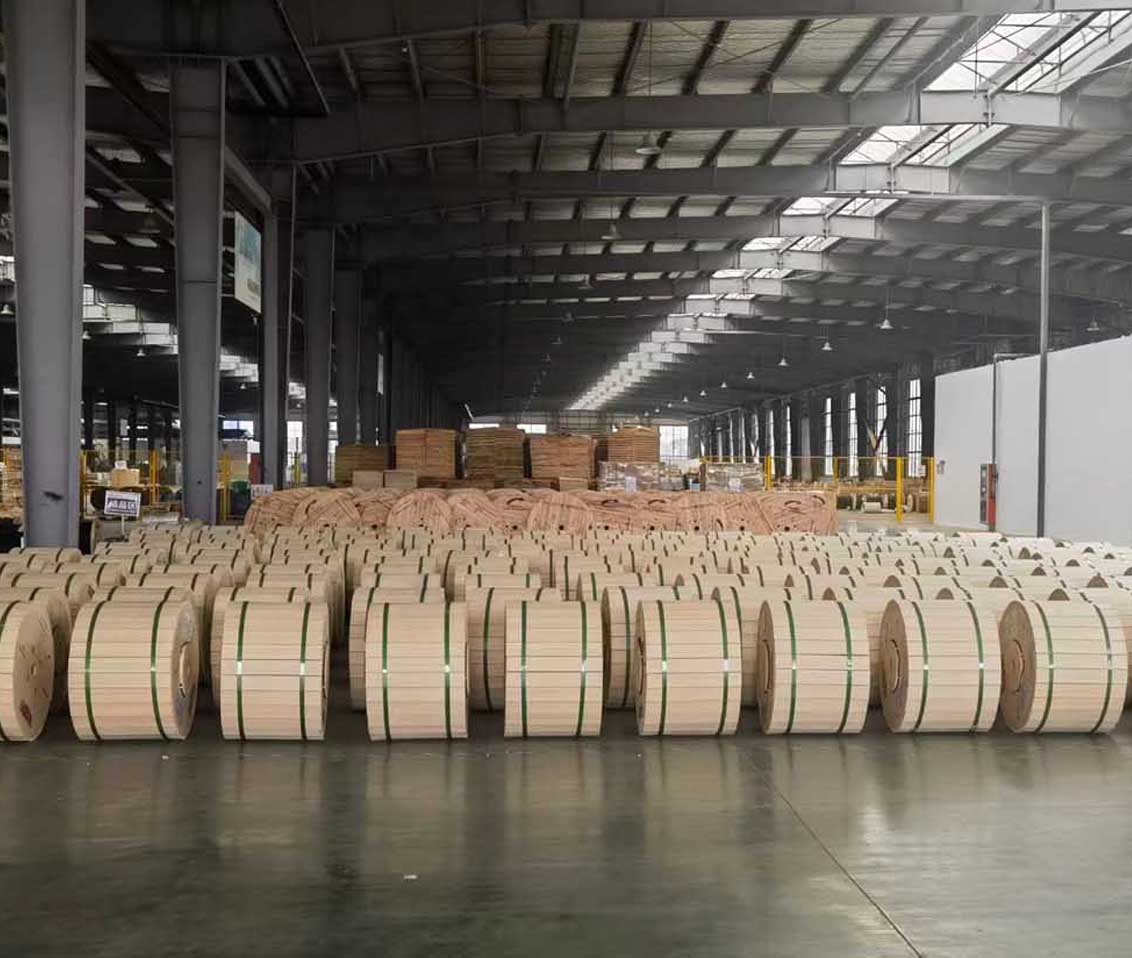
 Optical Fiber
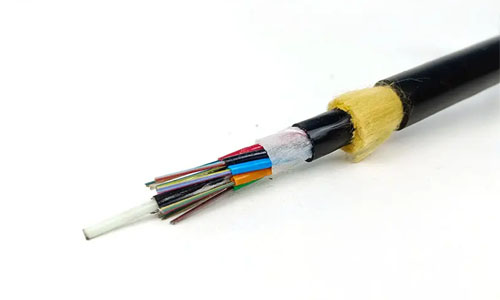 ADSS Fiber Optic Cable
 ASU Fiber Optic Cable
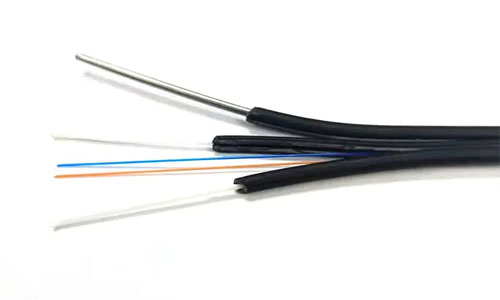 FTTH Fiber Optic Cable
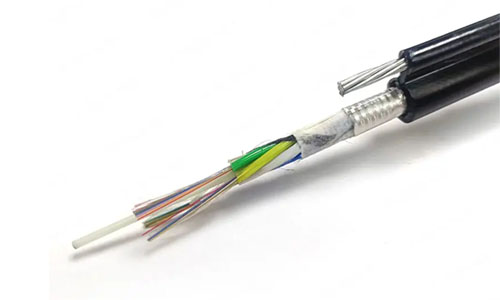 Figure 8 Fiber Optic Cable
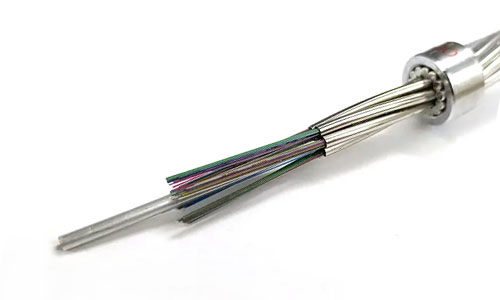 OPGW Fiber Optic Cable
 Coaxial Cable
 Ethernet Cable
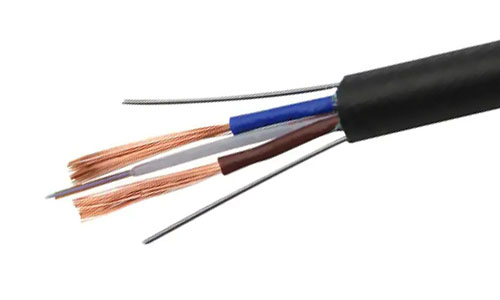 Photoelectric Composite Fiber Optic Cable
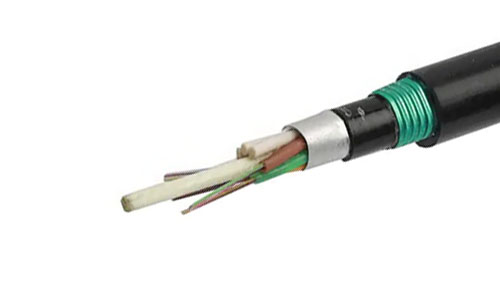 Underground & Pipeline Fiber Optic Cable
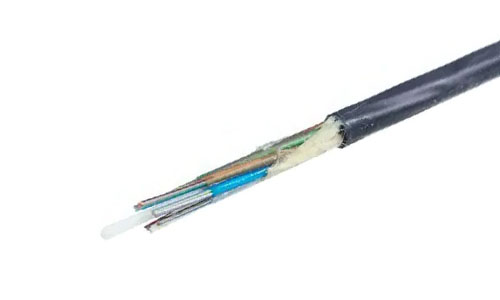 Air-Blown Micro Fiber Optic Cable
 Indoor Fiber Optic Cable
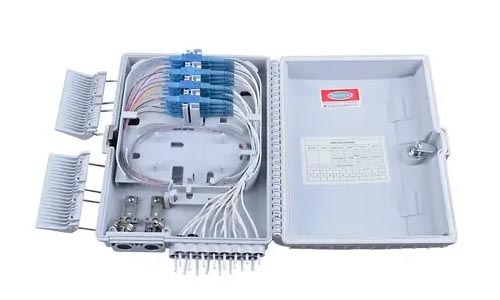 Fiber Optic Distribution Box
 Multiport Service Termina Box
 Fiber Optical Terminal Box
 Fiber Optic Splice Closure
 Fiber Optic Clamps
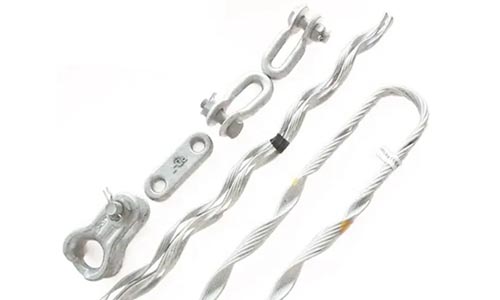 Fiber Optic Cable Fittings
 ADSS Fiber Cable
 ASU Fiber Cable
 OPGW Fiber Cable
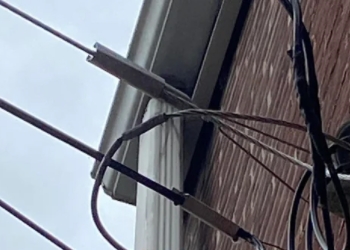 FTTH Fiber Cable
 Figure 8 Fiber Cable
 Photoelectric Composite Fiber Cable
 Underground & Pipeline Fiber Cable
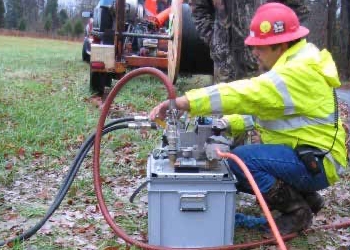 Air-Blown Micro Fiber Cable
 Aerial Fiber Cable
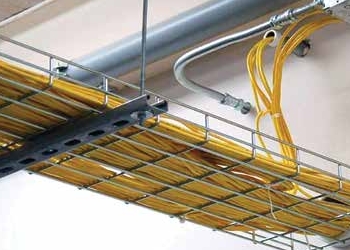 Indoor Fiber Cable
 Fiber Optical Terminal Box
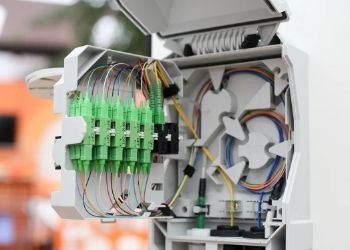 Fiber Optic Distribution Box
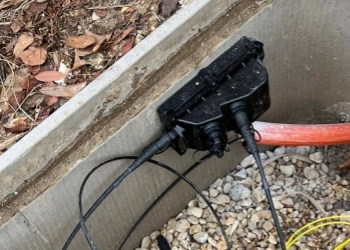 Multiport Service Termina Box
 Fiber Optic Clamps
 About Us
 Our Team
 History
 R&D Strength
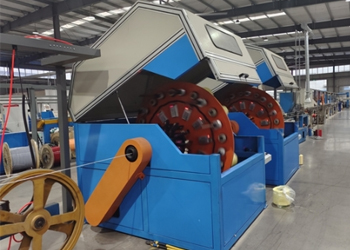 Production Base
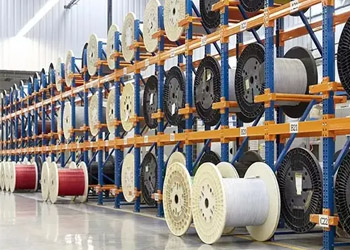 Warehouse & Logistics
 Quality
 FAQs
FAQsWhat is an Optical Line Terminal (OLT)?
OLT stands for optical line terminal and is the central piece of equipment in a fiber-optic communication system that transmits data to and receives data from user endpoints located remotely. OLTs sit at the service provider’s end and interface with multiple ONUs or ONTs in homes or businesses. These devices assist in traffic management, bandwidth control, and keeping data flowing quickly and smoothly. Consumers encounter OLTs most in fiber-to-the-home (FTTH) networks, where ultra-reliable, blazing-fast internet is essential. OLTs simplify the service provider’s job of managing a large number of users simultaneously. To understand how OLTs interact with other components of the network and why they’re important, the following section takes a detailed look at their primary functions and configuration.

What is an Optical Line Terminal?
An optical line terminal (OLT) is the central component of a passive optical network (PON) that plays a vital role in providing fiber optic services. Located at the carrier’s central office, it links the carrier’s network to thousands of subscribers by transmitting information via fiber optic lines. The OLT converts the electrical signals from the internet service provider into optical signals that can be transmitted over long distances through fiber lines. As a crucial component, it serves as the connection between the internet’s backbone and every fiber-connected home or business, supporting various PON technologies, including GPON and 10G-PON to ensure efficient network management.
1. The Network Core
The OLT, or Optical Line Termination device, is akin to the brain of the PON networks. It controls the data traffic and keeps things humming, acting like a smart switchboard that sends signals out to dozens or even hundreds of users through optical splitters, sometimes with split ratios as big as 1 to 128. Residing at the central office, it connects the internet backbone to all local connections, ensuring efficient network management for everyone involved.
It serves as the hub that manages all of the information flowing in and out, guaranteeing that each user receives their fair allotment of bandwidth applications without sacrificing quality. The OLT maintains network equilibrium, monitors latency, and provides interoperability among various components, consolidating ONUs, ONTs, and optical network terminals to keep everyone linked in.
2. The Traffic Manager
The OLT acts as a traffic controller for data, directing flows to ensure nothing becomes congested or dropped. Each OLT processes thousands of traffic flows simultaneously, routing enormous volumes of data without congestion. It separates bandwidth by user demand, preventing any one single user from hogging the entire network.
It prioritizes certain types of traffic, such as 4K video or phone calls, ensuring these services remain swift and crisp. While you’re binging a flick or catching up with a friend on the phone, the OLT is working behind the scenes to keep things moving along smoothly.
3. The Service Gateway
The OLT isn’t just a connection. It’s the key that unlocks the world of internet, TV, and more. It pipes broadband, IPTV, and even phone lines to each end user, controlling the traffic so they all receive what they require. OLTs communicate with ONTs located in each home or office, ensuring that the appropriate service is delivered to the correct location.
It supports multiple service types simultaneously, enabling users to watch TV, browse the internet, and make phone calls. The OLT stays consistent, so you can rely on your connection when it matters.
4. The Central Command
The OLT is the central boss of the network. It verifies all connections and monitors network health, detecting issues early. By communicating with network management systems, it assists in repairing problems quickly and maintaining things.
Redundancy is built in with backup power and control boards. If something breaks, the network is up. As fiber networks expand and evolve, OLTs come prepared with support for next-gen speeds and services, making sure upgrades go down without a hitch.
How an OLT Operates
At the center of a fiber optic network sits an Optical Line Terminal (OLT) device. Serving as the central hub, it connects internet service providers (ISPs) to hundreds of homes or offices. The OLT divides the primary fiber signal and sends it out to dozens or hundreds of users via a passive optical splitter. With the split ratio and system configuration, this device can connect to 64 or 128 Optical Network Units (ONUs)/Optical Network Terminals (ONTs) on each port. Uplink cards inside the OLT hook the local network up to the broader internet, utilizing high-capacity connections such as 10G or 100G Ethernet. The OLT’s control board ensures efficient network management, keeping data flowing, managing routing, and ensuring all connections remain healthy and secure. It supports multiple PON technologies, with GPON, EPON, and XGS-PON being notable examples. Many OLTs also feature backup power or additional control boards to maintain networks in case of failure.
Signal Conversion
The OLT device receives data as electrical signals and converts them to light signals for transmission over a fiber optic network. This conversion occurs in the OLT’s transceiver, which transmits downstream on a specific wavelength, typically around 1490 nanometers. By turning electric signals into light, the system prevents lagging or confusion of data, which is crucial for bandwidth allocation during bandwidth-heavy activities like video services. If the signal isn’t adjusted precisely, the network can throttle or lose information. The OLT technology minimizes signal loss through fault-tolerant hardware and error detection to ensure data integrity reaches each end user.
Downstream Broadcast
Downstream broadcast implies that the OLT device broadcasts data out to users by dividing the light signal through a passive optical splitter, allowing one fiber to be shared across numerous residential or office spaces. The OLT technology recognizes each optical network unit and serves multiple channels simultaneously, efficiently managing bandwidth allocation to ensure that power users, such as streaming households or busy offices, receive adequate speed internet. The OLT monitors quality, ensuring all users enjoy seamless video, quick loading web pages, and clear phone calls.
Upstream Coordination
Upstream data returns from users to the OLT device, where each optical network unit (ONU) transmits at a separate wavelength, typically near 1310 nanometers, to prevent signal intermingling. Your OLT system sifts through these signals, ensuring each user’s data arrives at the appropriate destination. It syncs the timing so messages don’t collide, keeping the fiber optic network humming nicely, even with many users online simultaneously. The OLT’s controls monitor for faults and correct them quickly, maintaining efficient network management and keeping us all connected.
OLT Architectures
OLT architectures, a crucial component of fiber optic networks, define how these networks are designed and operated. They alter the transportation of signals between an internet service provider’s equipment and the fiber optic lines to residences and offices, ensuring efficient network management and scalability.
Chassis-Based
Chassis-based OLTs function similarly to a mainframe, featuring slots for multiple boards that can accommodate various PON ports. These ports connect to numerous optical network units (ONUs), with configurations often reaching a port split ratio of 1 to 64 or even 1 to 128. This design supports a range of PON standards, including GPON, XGS-PON, and Combo PON, which can operate concurrently within a single chassis. The flexibility allows for the addition or swapping of boards as network demands evolve or new technologies emerge. Maintenance is straightforward, as individual boards can be replaced without shutting down the entire fiber optic network.
These OLTs are more suitable for large deployments where you need to provision new subscribers or services frequently. A lot of the chassis models have dual power and control boards for redundancy. This results in less downtime for critical sites like hospitals or big business parks. They handle many tasks: encrypting traffic, running PLOAM, and letting different ONUs work together, even from different makers if they use OMCI.
Pizza-Box
-
Advantages: * Lower cost for small to medium deployments.
-
Easy to install and operate.
-
Occupies less rack space.
-
Nice for rapid deployments.
-
-
Limitations: * Less scalable than chassis-based systems.
-
Fewer ports, less flexibility.
-
Limited mixed PON standards support.
-
Pizza-box OLTs are like home routers—plug-and-play, self-contained mini-monoliths. They are great for smaller installations or locations where you don’t anticipate tremendous growth. Deployment is fast. However, as your fiber optic network expands, you may quickly outgrow this type since it’s more challenging to add additional optical network terminals or migrate to a new PON standard.
Virtualized
Virtualized OLTs are a more recent concept in the realm of fiber optic networking. They run as software on commodity hardware instead of proprietary equipment, allowing operators to modify services or increase capacity without replacing equipment. This flexibility is particularly beneficial for networks with rapidly evolving demands, such as smart cities or campuses. By utilizing off-the-shelf servers, hardware costs significantly decrease.
With virtual OLTs, upgrades are largely software driven, enabling features such as automated management that leads to reduced human overhead and mistakes. This technology assists with energy savings and space efficiency, as multiple virtual OLTs can operate on a single server rack, enhancing the overall optic broadband infrastructure.
| Architecture | Advantages | Disadvantages |
|---|---|---|
| Chassis-Based | Scalable, redundant, flexible, easy upgrades | Higher cost, uses more space |
| Pizza-Box | Cheap, easy to set up, compact | Not scalable, less flexible |
| Virtualized | Flexible, cost-saving, quick upgrades | Needs strong IT, newer tech |
The selection of OLT architecture impacts scalability, cost, and operational simplicity of a network. Choosing the appropriate one involves considering present requirements, anticipated expansion, and the degree of mission-critical service necessary to meet the needs of various service providers.
Common Deployment Environments
OLTs are like the soul of fiber optic networks, transmitting information to dozens, even hundreds, of end-users via optical fibers. The deployment of an OLT device, how you configure it, and the management of optical cables all matter for optimal network performance. Decisions regarding OLT deployment are influenced by the region’s climate, customer demand, and the type of optic services offered.
Residential Broadband
In neighborhoods, fiber optic services are the secret to blazing home internet, with OLTs routing data via fiber lines directly to individual homes. This setup enables families to watch movies, attend virtual classes, or play games together with minimal latency. Most OLTs deployed in these regions are chassis-type, which allows internet service providers to insert additional slots as more homes come online. This plug-compatible design facilitates the expansion of the fiber optic network without major architectural modifications. For smaller communities, a box-type OLT is easy to deploy and matches lower subscriber counts.
OLT technology is not only about speed; it also assists in maintaining a strong signal even during peak hours. By controlling data traffic, OLTs ensure online games don’t lag and videos don’t buffer. Properly engineered OLT configuration means that as more users get online, it doesn’t slow down, keeping the network humming and reducing outages.
Business Connectivity
For companies, it is more than access to the web; it is OLT. It’s what allows businesses to conduct video conferences with team members across time zones, host cloud applications, and make crystal-clear VoIP calls. Most service providers select OLTs that are interoperable with third-party ONUs, allowing them to combine vendors to suit their unique deployment. Speed and stability are vital, as a brief outage can signify lost deals or missed deadlines.
Certain businesses require tailored deployments, additional security, backup power, or even OLTs hidden in street side cabinets. Dual power supplies and climate controls are common, particularly where reliability is a must. OLTs can be deployed in FTTH or FTTB designs, depending on whether the fiber terminates at the building or extends to each desk.
Mobile Backhaul
Mobile backhaul connects cell towers to the broader internet, and OLTs have a starring role here. They process massive bursts of data when we all pull out our phones simultaneously. These OLTs have to get data moving quickly and keep latency (delays) as low as possible so that texts, voice calls, and apps feel instantaneous.
Outdoor deployments are common in this setting. OLTs require weatherproof cases, robust fiber management, and excellent airflow to remain cool. High-capacity OLTs allow mobile networks to scale as users multiply and crave additional data. Compatibility with other ONUs is critical because mobile networks tend to mix and match equipment from various vendors.
The Overlooked OLT Responsibilities
OLTs, or optical line termination devices, are the brains behind high-speed fiber optic networks. Their real scale often flies under the radar. Far from just pushing bits, OLT technology manages bandwidth allocation and ensures efficient network management, helping keep networks speedy, secure, and dependable for millions worldwide.
-
Allowing redundancy for critical networks with dual power and control boards.
-
Transform electrical signals from provider equipment to fiber optic signals.
-
Supporting multiple PON standards, such as GPON, EPON, XG(S)-PON, and Combo PON.
-
Process upstream frames for slot management and maintenance cells
-
Encrypt user traffic to keep ONT data private
-
Handle optical split ratios, linking tens or hundreds of ONUs for each port.
-
Support ONUs from multiple vendors using standard OMCI.
-
Provide high-bandwidth services such as 4K video and VoIP seamlessly.
Network Security
Security is baked into OLTs from the floor up. They encrypt traffic so one ONT can’t snoop another’s data with GPON Serial Number, PLOAM password, or LOID ID and password. That’s more than a locked door; it’s a complete security system. OLTs monitor what devices join and handle security, ensuring only authorized equipment communicates with the system.
Access is very tightly controlled. Every device has to demonstrate itself prior to participation. OLT uses OMCI protocols to ensure ONUs comply with the rules, regardless of supplier. Encryption is critical at every stage. Data can transit the network without danger of leaks or snooping. OLT observes traffic in real-time, identifying suspicious behavior quickly. This keeps threats at bay and keeps service up.
Power Efficiency
Modern OLTs save power day and night. Sleep modes and dynamic power scaling allow the hardware to dial back its energy draw when fewer users are connected online. This tight control saves providers money and reduces the carbon footprint.
Effective energy management isn’t only about being frugal. It extends the life of networks and makes fiber access a more environmentally friendly option. OLT can shift power depending on the number of devices connected, and OLTs can shift power. Many providers today will even consider power ratings when selecting new OLTs, aware that every watt saved is helpful.
Advanced Diagnostics
This is where OLT diagnostics come in. They act as a health check for the network. These tools monitor signal quality, detect errors, and notify teams to issues before users even realize it. Real-time scanning ensures that problems are addressed quickly, maintaining seamless service.
These systems can summon to screen detailed logs or reports, providing network operators with definitive feedback on what is humming along and what requires assistance. Strong diagnostics translate to fewer outages and happier customers.
Selecting the Right OLT
Choosing the optimal OLT goes beyond simply choosing the quickest box on the display. Your decision determines how well a network withstands expansion, evolving demands, and new technology. OLTs are the soul of today’s fiber networks, so choosing the right one is about being forward-thinking and focusing on the specifics that count.
-
Scalability: Choose an OLT with enough ports and bandwidth for your current subscriber count and your five-year growth plan. Scalable OLTs can support more users, more devices, and more intense data traffic. Choose the right OLT. Aside from capacity, look for modular chassis designs. These allow you to add line cards or swap out hardware as demand increases, so you don’t have to replace the entire OLT. This type of arrangement keeps your future investments low while allowing your network to evolve as you introduce new users or deploy high-speed applications. For instance, a modular OLT can allow a small regional provider to begin with only a few hundred customers and then scale up to thousands with no downtime.
-
Interoperability: OLTs should work well with different ONUs and network setups. If your network will deploy gear from multiple vendors, verify compatibility. Combo PON OLTs are a godsend here. They support both GPON and XGS-PON, so you can blend speeds and migrate users on the fly. It’s not just operators who want good interoperability; it’s what equipment suppliers want. See the table for quick reference:
| PON Standard | Typical OLT Speed (Down/Up) | Device Compatibility |
|---|---|---|
| EPON | 1.25 Gbps / | |
| 1.25 Gbps | Most EPON ONUs |
| GPON | 2.5G/1.25G | GPON ONUs |
| XG-PON | 10 Gbps and 2.5 Gbps | XG-PON ONUs
| XGS-PON | 10 Gbps / 10 Gbps | XGS-PON/Combo ONUs | Combo PON | GPON plus XGS-PON | GPON, XGS-PON, Combo ONUs |
-
Management: OLTs need simple, strong management tools. Seek intuitive web dashboards or CLI access that allows you to keep tabs on ports, review logs, and identify issues quickly. Automate routine work, such as customer onboarding, firmware updates, and setting service profiles for various bandwidth packages, to reduce time and minimize mistakes. Good management features include fiber break or power failure alerts, which help keep downtime low and customers happy. In congested networks, intelligent cable routing and proper marking reduce mistakes and accelerate repairs.
Conclusion
To summarize, the OLT is the lifeblood of fiber networks. It hums day and night, sends your data at breakneck speed and makes life seamless for internet surfers, streamers and callers. You encounter OLTs in urban, suburban and remote locations. Every setup demands a slightly different approach, from equipment selection to maintenance. Selecting the right match makes networks perform and endure. Whether on bustling city blocks or quiet country lanes, the OLT maintains the world connected. Looking to maximize your fiber arrangement? Dig deeper into your OLT options and discover how the right one can transform your entire network.
Frequently Asked Questions
What is an Optical Line Terminal (OLT)?
An optical line terminal (OLT) is a crucial component that controls data flow between the internet service provider and end users in a passive optical network (PON).
How does an OLT work in a fiber network?
The OLT device converts regular data signals into optical signals, transmitting them through fiber optic lines to multiple subscribers, enabling high-speed internet and various optic services.
Where are OLTs commonly deployed?
ISPs install OLT devices within their fiber optic networks to facilitate broadband deployments in urban, suburban, and rural areas, often located in data centers or central offices.
What are the main functions of an OLT?
The OLT device manages bandwidth allocation, controls signal integrity, and ensures network security, supporting multiple users for reliable fiber networks.
How do I choose the right OLT for my network?
Choose an OLT device based on network scale, supported clients, interoperability with current infrastructure, and target bandwidth applications for efficient network management.
Are OLTs compatible with all types of optical networks?
No, OLT devices are designed for specific network standards like GPON or EPON, so always verify compatibility with your fiber optic network's technology before purchasing!
What is the difference between an OLT and an ONU?
An OLT device, crucial for efficient network management, resides at the service provider’s end and controls the optical network, while an ONU, or optical network unit, is located at the user’s premises to receive the data.