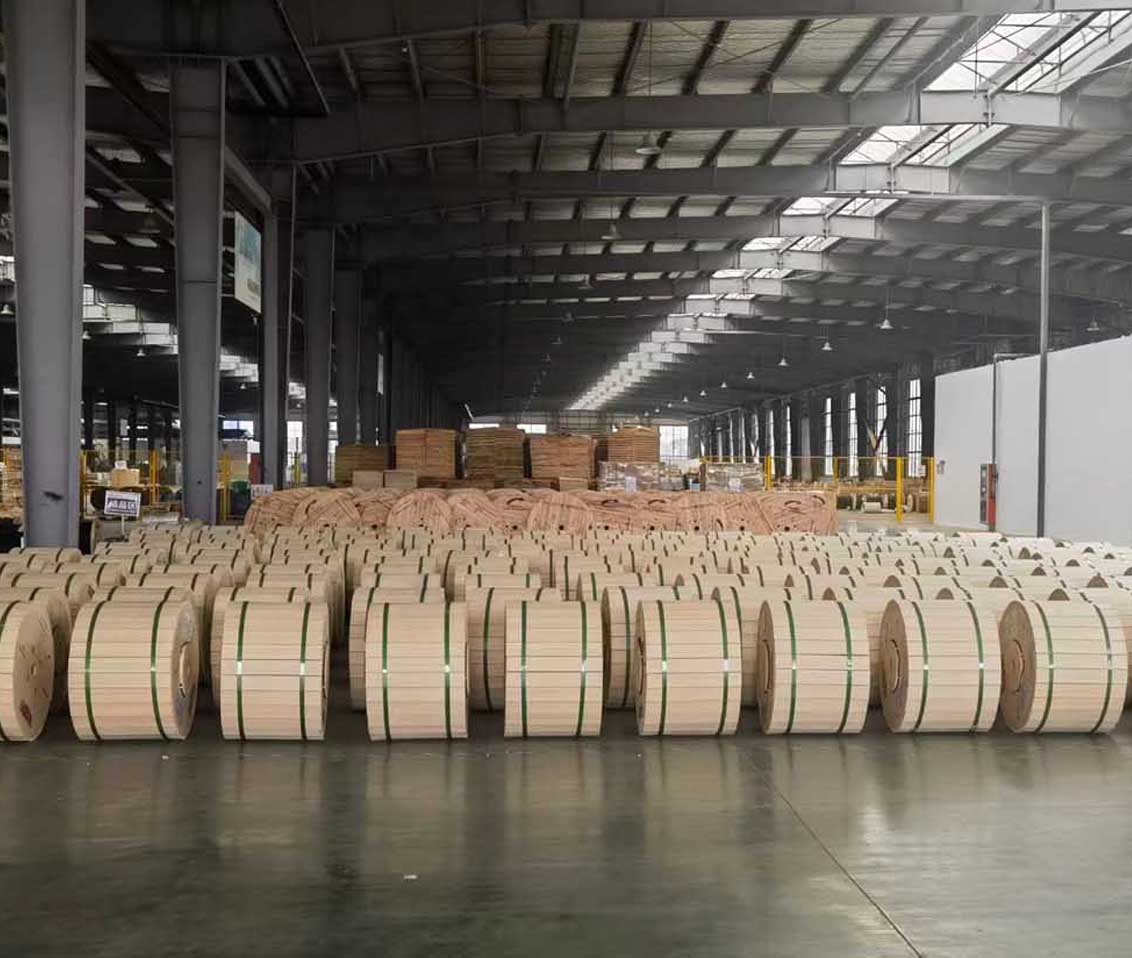
 Optical Fiber
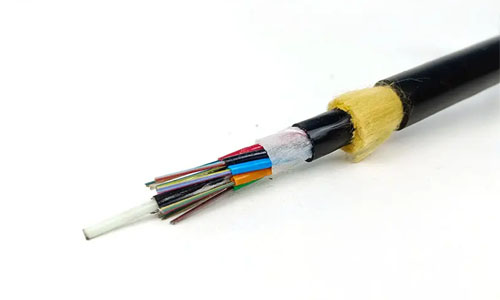 ADSS Fiber Optic Cable
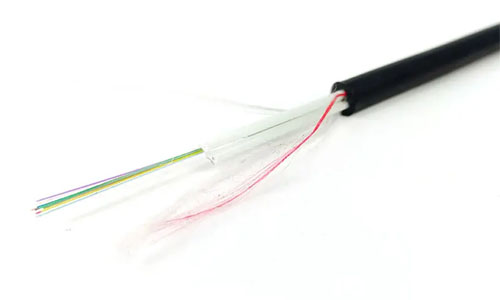 ASU Fiber Optic Cable
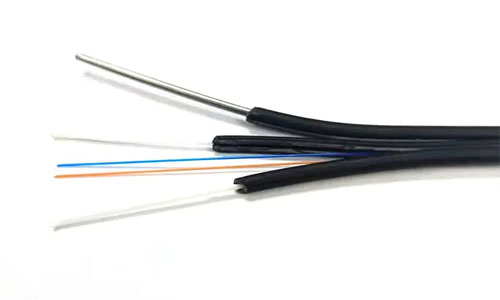 FTTH Fiber Optic Cable
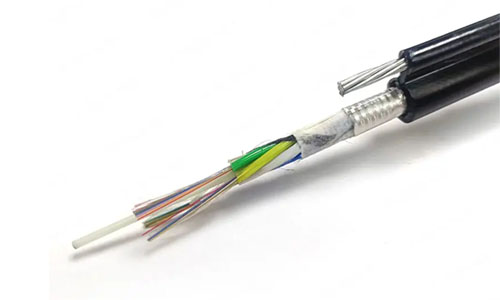 Figure 8 Fiber Optic Cable
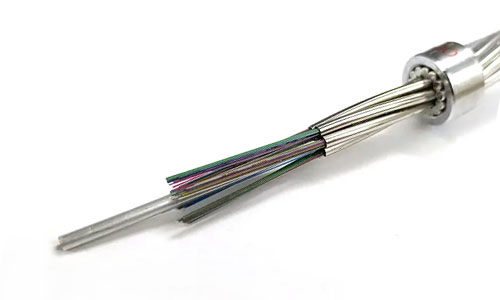 OPGW Fiber Optic Cable
 Coaxial Cable
 Ethernet Cable
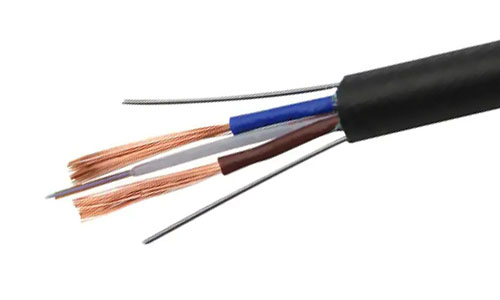 Photoelectric Composite Fiber Optic Cable
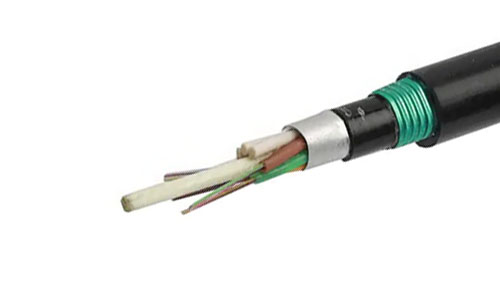 Underground & Pipeline Fiber Optic Cable
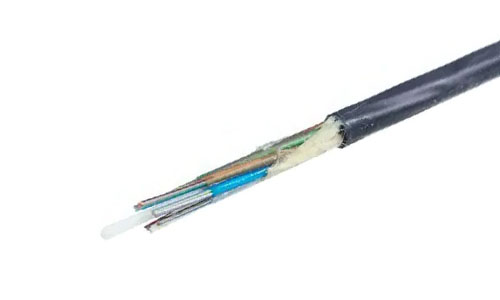 Air-Blown Micro Fiber Optic Cable
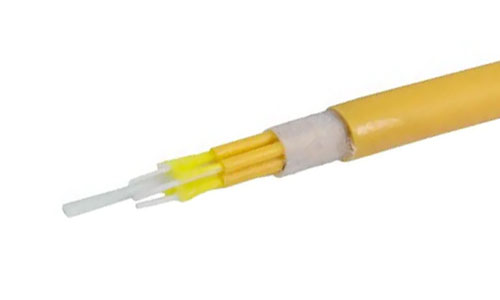 Indoor Fiber Optic Cable
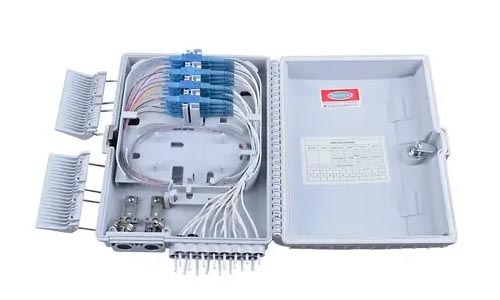 Fiber Optic Distribution Box
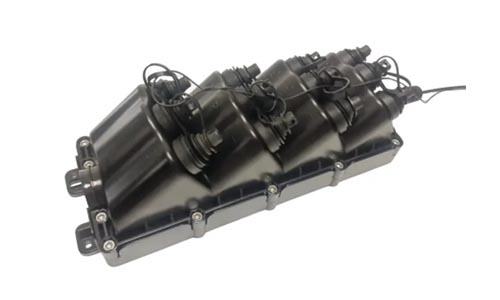 Multiport Service Termina Box
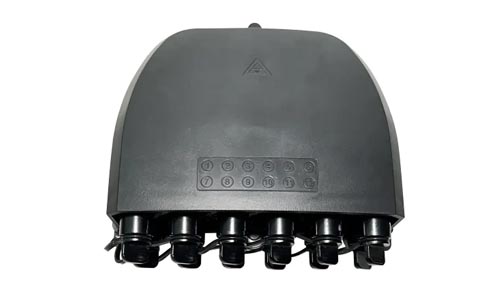 Fiber Optical Terminal Box
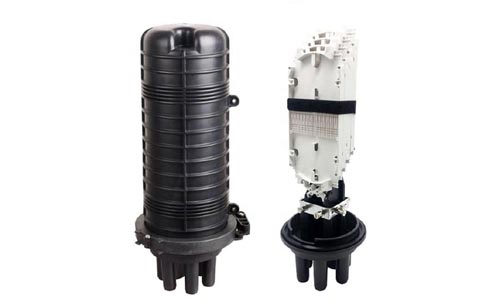 Fiber Optic Splice Closure
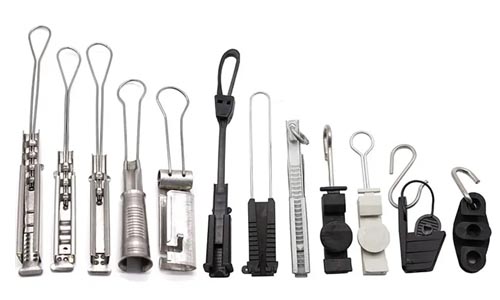 Fiber Optic Clamps
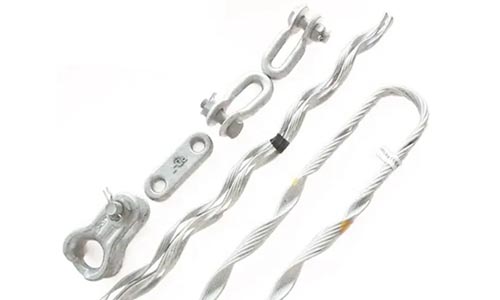 Fiber Optic Cable Fittings
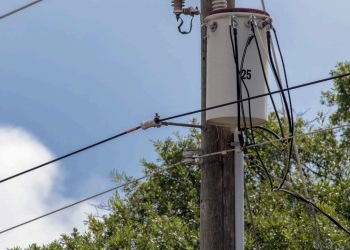 ADSS Fiber Cable
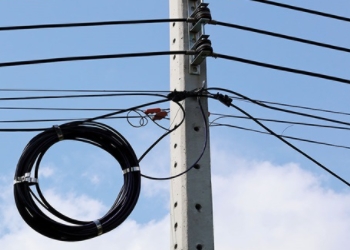 ASU Fiber Cable
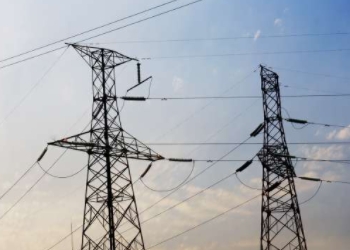 OPGW Fiber Cable
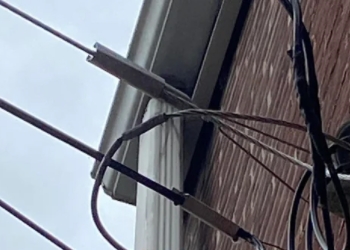 FTTH Fiber Cable
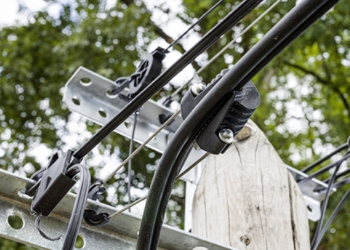 Figure 8 Fiber Cable
 Photoelectric Composite Fiber Cable
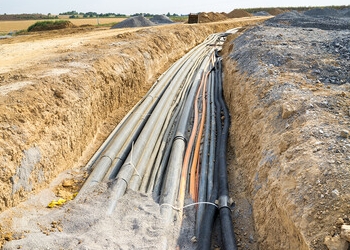 Underground & Pipeline Fiber Cable
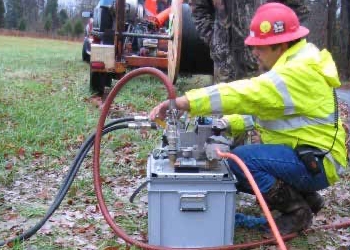 Air-Blown Micro Fiber Cable
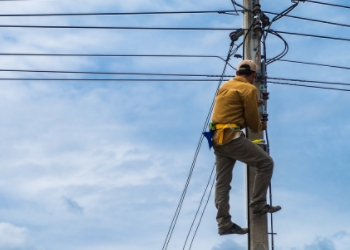 Aerial Fiber Cable
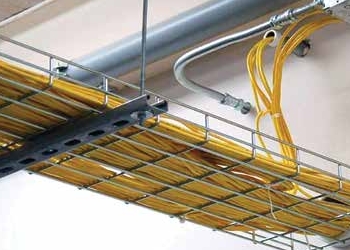 Indoor Fiber Cable
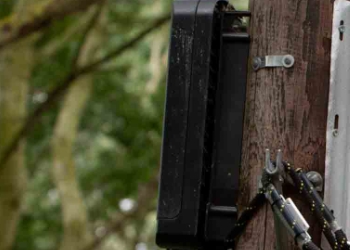 Fiber Optical Terminal Box
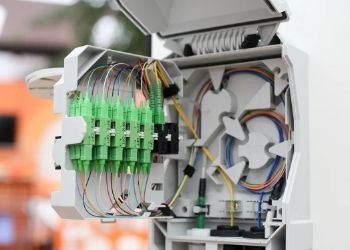 Fiber Optic Distribution Box
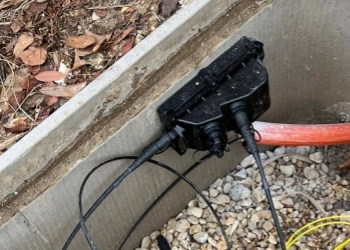 Multiport Service Termina Box
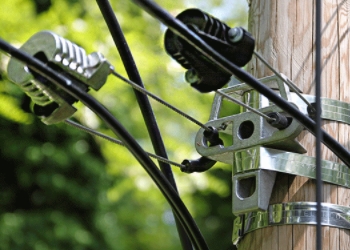 Fiber Optic Clamps
 About Us
 Our Team
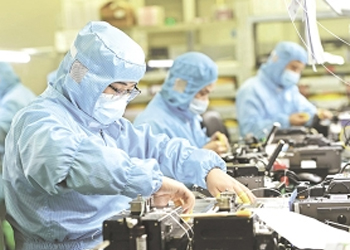 History
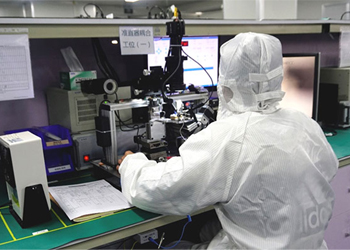 R&D Strength
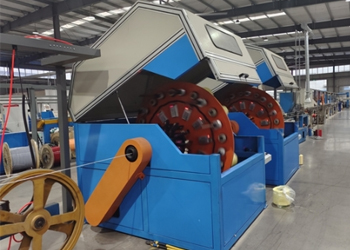 Production Base
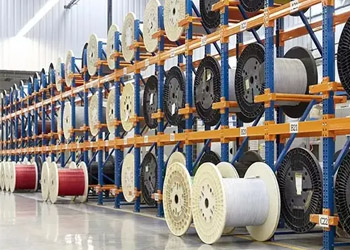 Warehouse & Logistics
 Quality
 FAQs
FAQsWhat is a Fiber Optic Patch Cord?
A fiber optic patch cord is a fiber optic cable that is terminated with connectors on either end. They utilize these cords to connect equipment such as switches, routers, and patch panels for rapid data transfer. They’re available in a few types, such as single-mode or multi-mode, depending on the network requirements. Length and connector style vary, making it a breeze to select the perfect fit for any arrangement. These cords help keep network signals pure and stable, which counts in environments like data centers and offices. Understanding the fundamentals of fiber optic patch cords simplifies selection, installation, and utilization. Our comprehensive guide breaks down how they work and how to pick the right one for you.

What is a Fiber Optic Patch Cord?
So what’s a fiber optic patch cord? It utilizes thin glass or plastic fibers to transmit data as light, not as an electric signal. On either end, a connector allows you to snap it in place hassle-free, assisting in interconnecting devices such as switches, routers, or servers. They’re found any time and anywhere requiring high-speed, reliable information, such as telecommunications centers, web hosting servers, or corporate networks. Their primary responsibility is to maintain networks running smoothly and fast, ensuring that data reaches its destination.
1. Core Components
The core is the soul of a patch cord. This small core, typically glass or plastic in some cases, is what really transports the light signals. Around this is a coating, known as cladding, which bounces light back into the core to prevent it from escaping. Around that, aramid yarns sit. These fibers, often called Kevlar, provide the cord’s strength, allowing it to bend and stretch without snapping. On the outside, a protective jacket keeps dust, water, and nicks from damaging the precious core inside. These layers work together. The core keeps the message moving, the coating stops light loss, the aramid yarns guard against stretch and pull, and the jacket takes the hits from the outside world.
2. Primary Function
Patch cords connect network gear, linking one device to another and helping data leap from point to point. They’re the unsung heroes in vast data centers, ensuring that every device communicates. Consider the cables that run from a network switch to a patch panel or from a router directly to a firewall. The patch cord’s consistent quality is what makes today’s telecommunications so efficient and dependable, particularly in mission critical systems where downtime or latency is not an option.
3. Light Transmission
Through a patch cord, information races past as flashes of light. Since the core is transparent and pristine, signals remain crisp and potent even for great distances, sometimes kilometers at a time. The way the cord is built means light doesn’t scatter much, so there’s barely any loss, just 0.2 to 0.35 decibels per kilometer, which is tiny. Unlike copper wires, fiber optic patch cords aren’t jumbled by electromagnetic noise, so information remains pure. That’s why they’re the choice for long-haul, high-speed connections.
4. Key Specifications
Just your average fiber optic patch cord, with a core diameter of 125 microns, roughly the width of a hair. Single-mode fibers have even tinier cores, whereas multimode ones are in the 50 to 62.5 micrometer range. These sizes aren’t just there for show; a smaller core results in less signal spread, which is perfect for longer distances. The appropriate specifications ensure that a patch cord aligns with the equipment it connects, so information can travel quickly and accurately. Varying specs assist users in selecting the appropriate cord for their network speed, distance, or environment.

Explore Fiber Optic Patch Cord Types
There are a few different types of fiber optic patch cords, each specific for a different job within a fiber network. It depends on how distant you want to send data, how fast, and what devices you wish to connect. Choosing the right type counts for network uptime and speed. It’s wise to consider distance, application, and connector type before you purchase.
Single-Mode
Single-mode patch cords shine with their thin core, approximately 9 microns, allowing light to propagate directly over extended distances. You can’t miss them; the majority are yellow, with blue connectors. You’ll find single-mode cables connecting metro- or backbone-type city-wide or long-distance networks. They are chosen for their low loss and stable signal, even over kilometers. OS1 and OS2 are the typical fiber types for these cords. These are a staple in telecom where each inch of bandwidth and reach matters.
Multimode
Multimode patch cords have a bigger core of 50 or 62.5 microns, so they pass more light but only over shorter distances. You’ll commonly find them in orange or grey, with SC, ST, or LC connectors, and even MPO for high-density links. They’re good for short runs, such as within office buildings or data centers, because their signal diminishes more quickly. OM1 and OM2 perform fundamental duties, whereas OM3, OM4, and OM5 support higher speeds over short connections. Duplex cables, with two fibers, are typical for two-way lines in these configurations.
Connector Variations
Patch cords use various connectors. FC, with its screw fit, is good for labs. SC snaps in fast and is popular in telecom and datacom. ST, twist lock, populates older deployments. LC is petite and nests in packed racks, making it a favorite among dense networks. Choosing the right connector impacts whether your equipment will communicate. Some provide less signal loss, such as LC’s 0.2 dB, whereas SC is about 0.5 dB. The structure of each connector helps to prevent dust and maintain a stable connection, which is crucial for dependable networks.
Performance Metrics That Matter
Performance metrics that matter Performance metrics help you select the proper fiber optic patch cord and maintain your network. Knowing these numbers means you sidestep slowdowns, weak signals, or expensive downtime. These metrics, such as insertion loss, return loss, and durability, demonstrate a patch cord’s real-world effectiveness. Check them out before you purchase or install patch cords, as they significantly affect network dependability, performance, and ongoing costs.
Insertion Loss
Insertion loss refers to the loss of signal strength as it passes through a fiber optic patch cord. Lower insertion loss is better since less signal is lost along the way. Excessive insertion loss can bog down your network and spike errors, resulting in subpar performance and additional troubleshooting.
The industry standards are that for most single mode patch cords, insertion loss should be less than 0.3 dB and multimode usually less than 0.5 dB. Take, for instance, a big data center where a slight bump in insertion loss over hundreds of connections can add up to serious issues. Always refer to the manufacturer’s specs and seek out patch cords with close tolerances.
That’s where quality connectors come in a big way. Dirty or poorly polished endfaces increase insertion loss, so maintaining clean connectors is a requirement. Endface cleanliness is frequently tested with 3D surface inspection, which identifies scratches or dirt that could interfere with the signal.
Return Loss
Return loss tells you how much of the signal reflects back toward the source. High return loss is good because less signal reflected translates to fewer transmission errors and better data integrity. Low return loss can cause interference and slow data speeds.
As a point of reference, a return loss of above 55 dB is very good for single mode connections and above 35 dB is typical for multimode. Patch cords that have a bad return loss can be problematic, particularly in high-speed networks or with long haul runs as far as 100 km with single mode fiber. Always check return loss when you select patch cords and never mix cables with different return loss ratings because it degrades network performance.
Return loss relates closely to endface cleanliness. Even a tiny speck of dust can cause a signal reflection large enough to fail industry standards.
Durability
Durability refers to how a patch cord withstands twisting, pulling, or constant handling. Quality patch cords employ strong materials like aramid yarns which prevent breaks or kinks.
A ruggedized patch cord will be around longer and require fewer repairs. This reduces replacement expenses and maintains strong connectivity in your network. In environments where cables are frequently shifted, such as server rooms or telecom closets, rugged construction is a must. Patch cords that don’t respect durability can burn out and create surprise downtime.
Good cable management assists. Just like keeping patch cords neat and tangle free, it saves them from damage and keeps performance optimal. It doesn’t matter if you’re talking about single-strand patch cords or thousands of strands.
Fiber Versus Copper Cords
Fiber optic patch cords and copper cords both connect network devices, but their distinctions define the infrastructure of today’s communication. Fiber uses light to transmit data, while copper uses electricity. This single change affects everything: speed, distance, interference, and cost. The battle between them determines the speed and reliability of the flow of information, from home offices to massive data centers.
Speed
Fiber cords transmit data at speeds that copper can’t approach. Fiber’s maximum speed is 60 terabits per second, while copper’s is 10 gigabits per second. The distinction is giant if you consider streaming HD flicks, real-time online gaming, or handling massive company data. Fast speeds translate to lag-free, smooth calls and fast downloads. For smart device homes or offices with dozens of users, fiber’s speed keeps it all running at its best. Fiber powers the blazing-fast internet services we depend on for work and play in the real world.
Distance
Copper cords are only effective for short distances, typically less than 100 meters before the signal becomes degraded. Fiber can extend for kilometers and maintain a powerful, crisp signal. This long reach counts in campuses, city networks, or large office buildings when devices are distant. Many hospitals, universities, and data centers prefer fiber for its capacity to connect far-off rooms, buildings, or even towns without signal degradation. That makes fiber the obvious option for networks that must span great distances.
Immunity
Fiber cords don’t conduct electricity either, so they are immune from electromagnetic interference. Copper cords catch interference from other wires nearby, or motors, or even lightning, which ruins signals. In environments with high volumes of electronics or heavy machinery, fiber keeps data streaming clear and strong. This is why fiber is relied upon for mission-critical communication systems, such as emergency services or banking networks, where even a tiny lapse can cause major issues.
Cost
Copper is still less expensive to purchase and install initially. Fiber optic cords are more expensive initially, but prices have fallen dramatically in recent years. Over time, fiber saves money because it requires less maintenance, lasts up to 50 years, and does not have as many issues as copper, which may need to be replaced every 5 to 10 years. In heavily used, high-performance networks, fiber's reliability and lower maintenance cost make it truly cost-effective.
| Feature | Fiber Optic Cord | Copper Cord |
|---|---|---|
| Max Speed | 60 Tbps | 10 Gbps |
| Max Distance | Several kilometers | < 100 meters |
| Weight per 1000 ft | 4 pounds | 39 pounds |
| Lifespan | Up to 50 years | 5-10 years |
| EMI Immunity | Yes | No |
| Security | High | Moderate |
| Initial Cost | Higher | Lower |
| Long-term Maintenance | Lower | Higher |
Proper Handling and Maintenance
Fiber optic patch cords are delicate instruments, and the way they’re handled and maintained impacts not only their longevity but their performance in a network. Proper handling and maintenance isn’t just technical—it’s the lifeblood of any reliable, fast connection. Easy errors like bending too much or dust on a connector result in signal loss and even a complete breakdown. Good care and maintenance practices, such as cleaning and storing with care, go a long way in helping patch cords last and networks perform. Regular inspections and maintenance may be less expensive and keep networks reliable, with fewer crashes or bottlenecks.
Cleaning Connectors
Clean connectors are the beginning of any great fiber optic connection. Even minuscule particles of dirt or dust can obscure light, resulting in signal loss or data corruption. Check the MTP/MPO connector endface under a microscope before cleaning. A fiber optic cleaning pen is a magic wand created for this work. Lint-free wipes moistened with isopropyl alcohol work well. If it’s loose dust, just blow it away with compressed air before you wipe.
Never touch connector tips with bare hands or tissue paper. These deposit more issues than they fix. Taking care of your ferrule and endface is essential. Using the wrong cleaning method, such as rough cloths or household cleaners, can scratch the endface. After cleaning, always double-check the connector to ensure there’s nothing left on it before plugging it back in. Miss this step and it could all be for naught. Don’t skimp.
Bending Radius
Fiber optic patch cords utilize glass fibers that may snap or lose tensile strength if subjected to a tight bend. Proper handling and maintenance involves always checking the minimum bend radius for your patch cord. This number changes with the thickness of the cord and is usually listed on the label or manual. Excessive flexing can create microfractures that compromise the integrity of the signal and result in dropped connections.
• Avoid bending patch cords tighter than the recommended radius. • Don’t bend at sharp angles or pinch against cabinet doors or cable trays. • Install by directing cords loosely; don’t jam them in. • Wrap cords loosely, with wide loops rather than tight ties.
Storage Practices
Proper storage protects fiber patch cords from kinks and sharp bends. About: Care and Maintenance Always coil cords in large, relaxed loops, well above the minimum bend radius. A single kink can reduce performance or snap the fibers within. Avoid pinching cords under furniture or heavy equipment.
Labeling each cord comes in handy when networks get bigger and tangled. Tag or color-code by length or usage. Neat racks or trays maintain separation of cords so they are simpler to locate and less apt to knot.
• Keep cords in a clean, dry place, away from dust and sunlight. • Coil cords loosely, never tightly. • Utilize racks or trays to separate cords. • Tape and label each cord for quick identification.
Future-Proof Your Network
Nowadays, network demands evolve quickly. It’s not simply more speed. It’s about future-proofing your network. Fiber optic patch cords are at the heart of this strategy, dictating how networks future-proof, evolve, and scale.
Scalability
Fiber networks can extend as you extend. Begin with just a few connections, then add more as your team, workload, or technology grows. Data centers count on this, powering not just 1 Gbps but up to 400 Gbps and beyond. The cables you select now may well support you for years, if not decades, without having to tear it all out and begin anew.
Planning for growth is key at the start. If you figure you’ll want more bandwidth, fiber means you can easily ramp speeds or add connections without a fuss. For instance, swapping in a higher-rated patch cord or increasing the number of strands is far easier than installing new copper. Such adaptability lets organizations grow with less frequent restructuring.
Scalability stands for backing up new technology. As your devices and apps require more data, fiber guarantees you’re prepared. It’s not only about managing this morning’s videos or cloud apps, what comes next is important. Future-proofing your network planning saves time, money and headaches down the road.
Emerging Tech
Emerging technologies continuously alter what networks have to support. Consider 5G, IoT, or even basic remote work. All this puts additional requirements on cables. Fiber patch cords are now smarter with better shielding, more durable connectors, and easier installation. LC, SC, and MTRJ connectors, for instance, future-proof networks to new devices and standards.
Fiber’s future-proof power is that it can support high data rates, so it’s prepared for whatever new devices pop up. Trends like smart factories or health care monitoring heap on additional data. If you’re not monitoring these shifts, your legacy cables could bring everything to a crawl. Don’t get stuck with gear that can’t make the pace.
Long-Term Value
Fiber optic patch cords are durable, require minimal maintenance, and are less expensive to operate in the long run. Their rugged construction translates to less downtime, and if deployed properly, they last for years even in bustling data centers or enterprise environments.
The initial investment can appear steep, but the return is tangible. Premium patch cords save you downtime, accelerate repairs, and allow you to future-proof your network. Consider your requirements, not merely in the present, but five or ten years down the line. The right patch cord today translates to less stress tomorrow.
Conclusion
Fiber optic patch cords create speedy, crisp connections in networks. These cords transmit information with minimal loss. These connectors are everywhere — in data centers, bustling corporate offices, or families with high demands. Each kind matches a task, such as single-mode cords for long distances or multi-mode for short jumps. Basic maintenance keeps cords strong, such as swiping lint or not flexing too hard. Fiber provides that sharp edge over copper by carrying more information faster. Networks grow fast and a good patch cord keeps you ready for new tech. Desire a sleek, reliable connection? Choose the appropriate cord, test it regularly, and be prepared for what’s ahead. Test drive the perfect patch cord for your environment.
Frequently Asked Questions
What is a fiber optic patch cord?
Fiber optic patch cord. They are used to connect network devices to transfer data quickly and reliably using light signals.
How do fiber optic patch cords differ from copper cords?
Fiber optic cords use light to carry information, enabling faster speeds and less signal loss than copper cables which use electrical signals.
What are the main types of fiber optic patch cords?
Single-mode and multi-mode patch cords. Single-mode is for long distance and multi-mode is used for shorter distances in buildings.
Why is proper handling of fiber optic patch cords important?
Handling it right avoids damage, signal loss, and reduced network performance. Never kink or strain the cables.
How can I maintain fiber optic patch cords?
Clean connectors often and hang cables. Don’t bend them tight and keep them clean from dust and moisture for years of service.
Are fiber optic patch cords future-proof for networks?
Fiber optic patch cords handle high speeds and bandwidth to grow with your data needs and next generation networks.
What performance metrics should I consider when choosing a fiber optic patch cord?
Verify insertion loss, return loss, and connector type. These elements impact data quality, speed, and general network dependability.