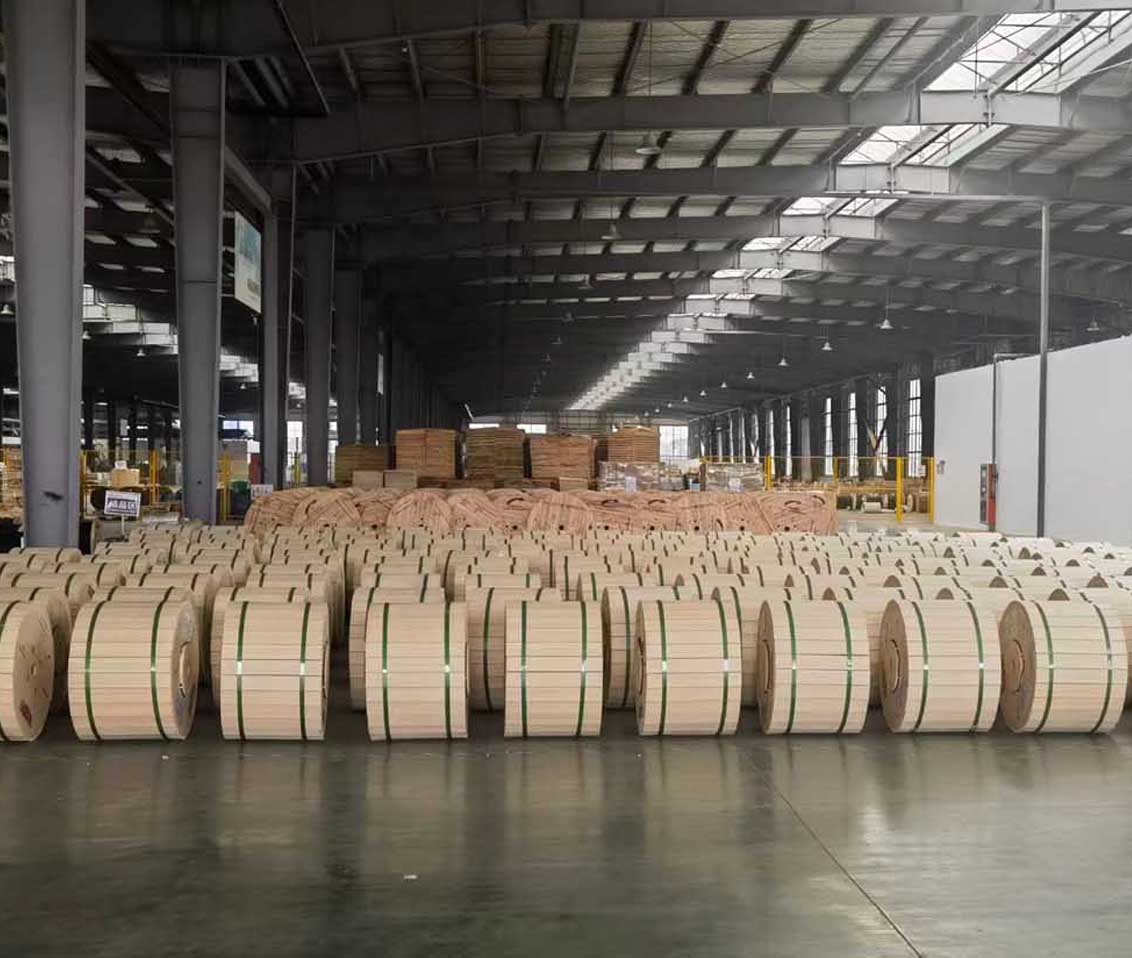
 Optical Fiber
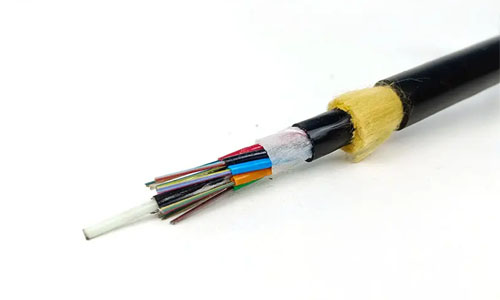 ADSS Fiber Optic Cable
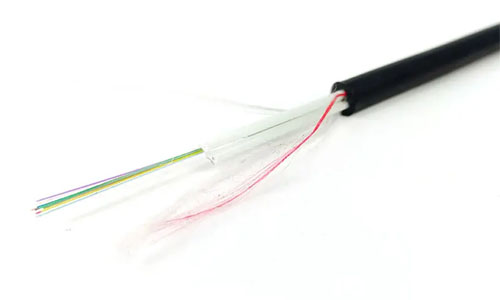 ASU Fiber Optic Cable
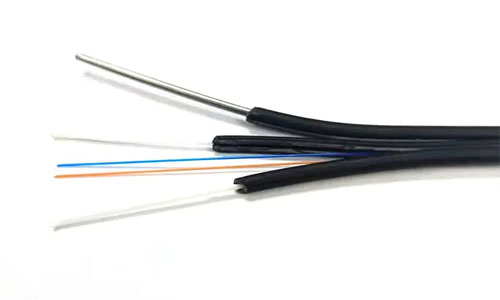 FTTH Fiber Optic Cable
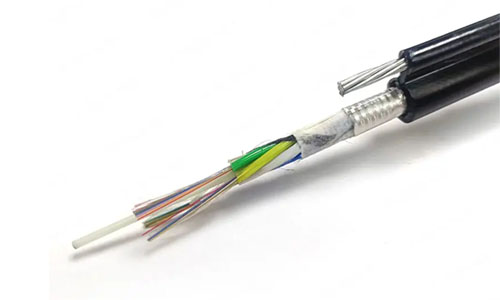 Figure 8 Fiber Optic Cable
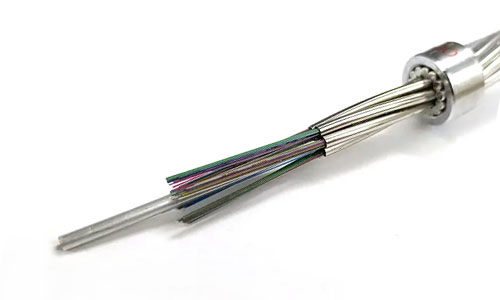 OPGW Fiber Optic Cable
 Coaxial Cable
 Ethernet Cable
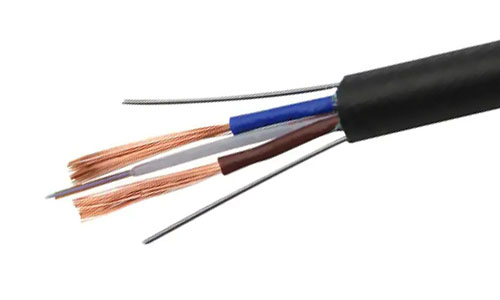 Photoelectric Composite Fiber Optic Cable
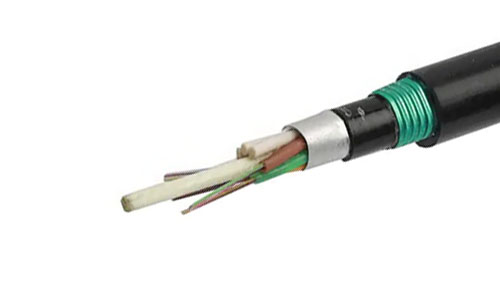 Underground & Pipeline Fiber Optic Cable
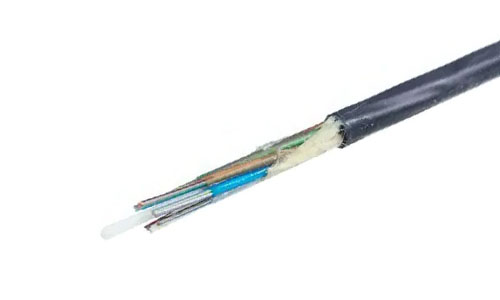 Air-Blown Micro Fiber Optic Cable
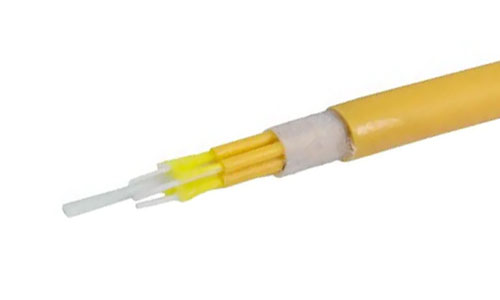 Indoor Fiber Optic Cable
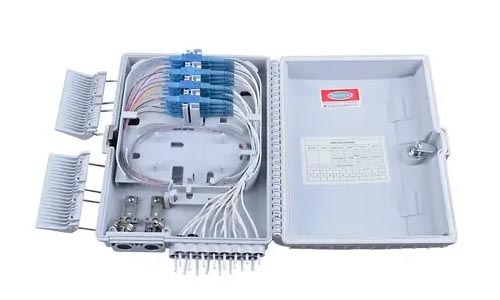 Fiber Optic Distribution Box
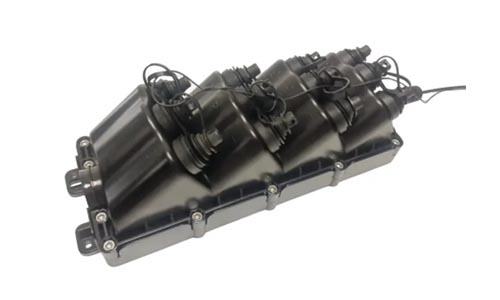 Multiport Service Termina Box
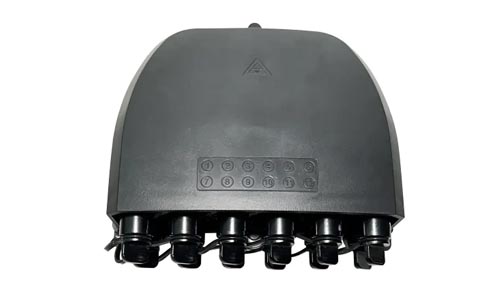 Fiber Optical Terminal Box
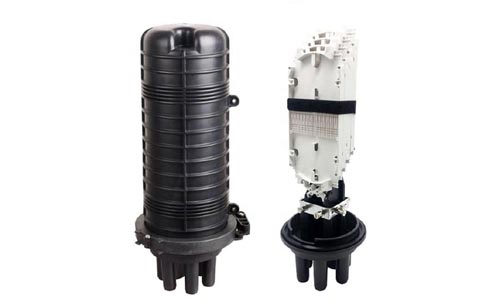 Fiber Optic Splice Closure
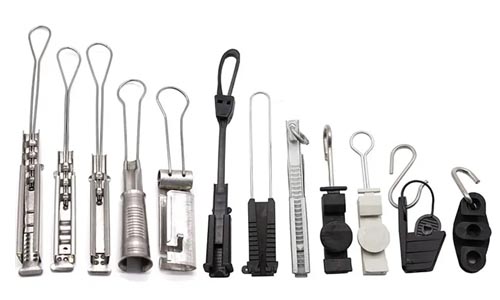 Fiber Optic Clamps
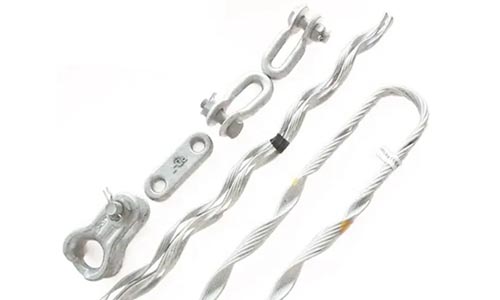 Fiber Optic Cable Fittings
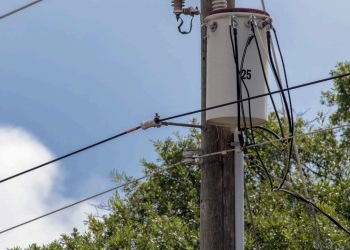 ADSS Fiber Cable
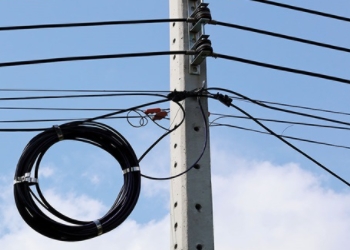 ASU Fiber Cable
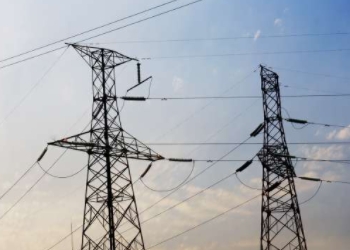 OPGW Fiber Cable
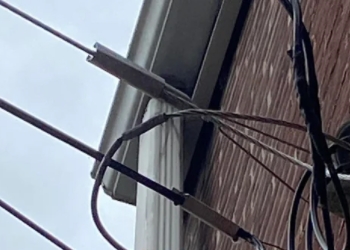 FTTH Fiber Cable
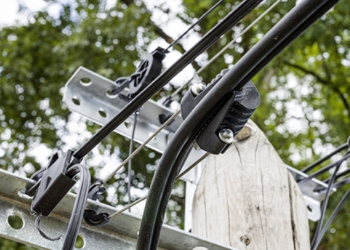 Figure 8 Fiber Cable
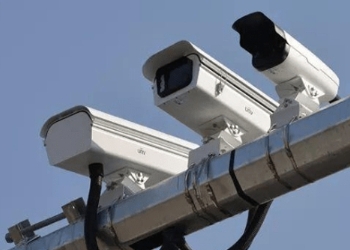 Photoelectric Composite Fiber Cable
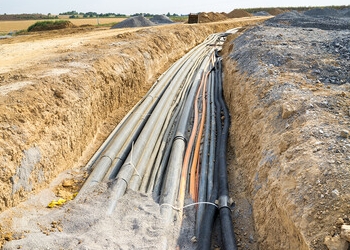 Underground & Pipeline Fiber Cable
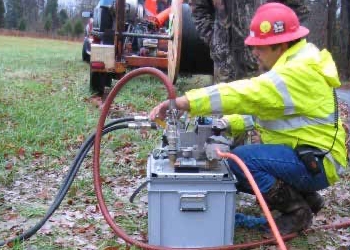 Air-Blown Micro Fiber Cable
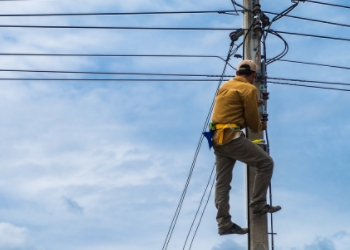 Aerial Fiber Cable
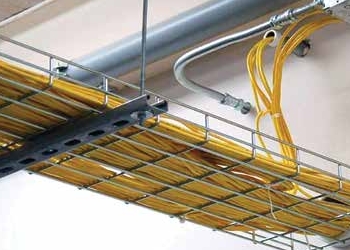 Indoor Fiber Cable
 Fiber Optical Terminal Box
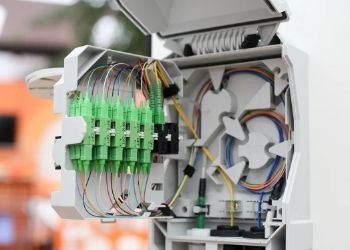 Fiber Optic Distribution Box
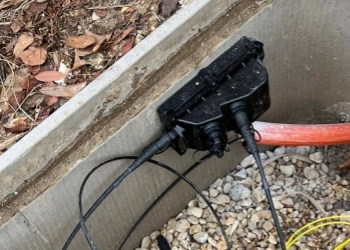 Multiport Service Termina Box
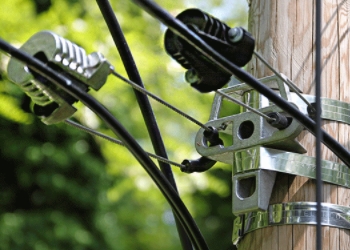 Fiber Optic Clamps
 About Us
 Our Team
 History
 R&D Strength
 Production Base
 Warehouse & Logistics
 Quality
 FAQs
FAQsWhat Does the IP68 Waterproof Rating Mean for Your Devices?
Contact for Free Quotation & Sample, According to your needs, customize for you.
inquiry nowWhat Does the IP68 Waterproof Rating Mean for Your Devices?
-
Knowing Fiber Termination Box IP ratings means choosing gadgets that align with your lifestyle & environment, allowing you to have peace of mind wherever you are!
-
IP68 is the highest rating, meaning complete dust protection and resistance to longterm immersion in water, although you still want to find out what those limits are for each individual brand.
-
Not all IP ratings are equal. By comparing IP67, IP68, IPX8, and IP69 ratings, you can be sure to pick a device that has the dust protection, water resistance, or both, that you need.
-
Marketing buzzwords and fuzzy definitions can be deceiving, so be sure to check the product specifications and warranty information before buying.
-
Even if your device has an IP68 rating, it’s not invulnerable—saltwater, temperature fluctuations, chemicals and abrasion can do a number on it.
-
Cleaning regularly, gentle handling and manufacturer recommended maintenance will keep your device running strong and its protective capabilities intact.
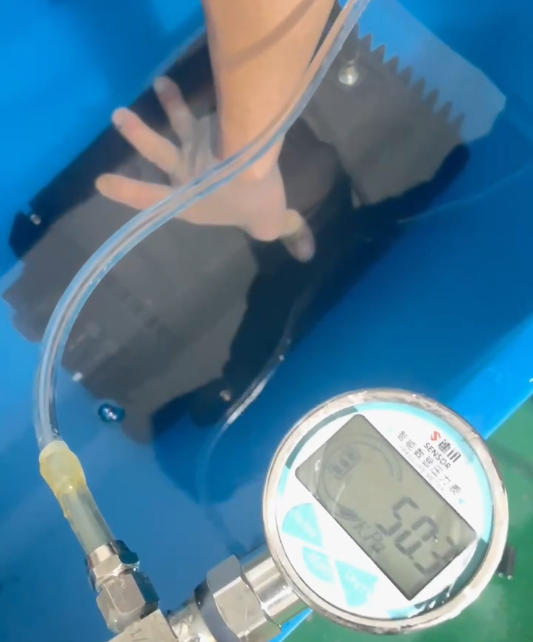
An ip68 waterproof rating allows a device to be completely immersed in water as deep as 1.5 meters for as long as 30 minutes without damage. A lot of phones, smartwatches, and earbuds use this rating these days, meaning they’re safe to use in the rain or even the shower. This rating is among the highest available in the gadget world, providing reassurance for the outdoor adventurers and wet workshop warriors. It keeps the dust out as well, so your device remains in better than new condition for longer. Hikers, swimmers and beach-lovers alike swear by IP68 that allows them to keep their tech close — worry-free. Check out what this rating means and when it’s your most important.
What Are IP Ratings?
IP ratings indicate a device’s resistance to dust and water. They count for anyone who uses electronics, from phones to outdoor cameras. Knowing IP ratings assists individuals in selecting equipment that aligns with their requirements, such as opting for a waterproof watch for swimming or a dustproof speaker for hiking. They have the same rating system across the globe, so you understand what you’re getting regardless of where in the world you purchase your device.
The Standard
IP means International Protection rating. It’s a standard established by international organizations to ensure that everyone speaks the same language when discussing product sealing effectiveness.
This rating isn’t limited to phones or tablets. You’ll find it on stuff like outdoor lights, security cameras, or even medical equipment. If you’ve ever pondered how your garden light manages to endure a downpour, it’s probably due to its IP rating. Farmers, engineers and adventurers depend on this standard to select equipment that won’t break down in extreme environments.
First Digit
The first number of the IP code concerns staying out solid matter, such as dust or sand.
-
0 – No protection at all; dust gets in easily.
-
1 – Keeps out large solid objects, like a hand.
-
2 – Stops fingers or similar objects.
-
3 – Protects against tools and thick wires.
-
4 – Keeps out most wires, screws, and small tools.
-
5 – Dust protected; a little dust may enter, but not enough to interfere with satisfactory operation.
-
6 – Totally dust-tight; not a grain gets in.
A “6” here, as in IP68, means you don’t have to sweat dust wrecking your gear. That’s why toughness begins with this number.
Second Digit
The second digit indicates the level of water resistance.
-
0 – No water protection at all.
-
1 – Protected from dripping water.
-
2 – Protected against dripping water when tilted up to 15°.
-
3 – Protected from spraying water.
-
4 – Shields against splashing water.
-
5 – Handles water jets from any direction.
-
6 – Safe from strong water jets.
-
7 – Can be temporarily submerged up to 1m for 30 minutes.
-
8 – Survives submersion deeper than 1 meter, as with most IP68 rated devices
-
IP69 – Resists powerful high-temperature water jets, essential to industries requiring sterilization.
For swimmers, laborers or strugglers with a sudden downpour, the second number digit equals peace of mind.
Why IP Ratings Matter
A robust IP rating assists consumers choose the appropriate product for their lifestyle.
They’re useful for everyone, from city dwellers to hikers.
Yet, even a stellar rating isn’t a magic shield—nothing is 100%.
Decoding the IP68 Rating
IP68 is an international standard code for stating the degree of protection an electronic device provides from dust and water. Both numbers matter: “6” means the device is fully dust-tight, the max rating for solid protection, while “8” means the device can handle being under water, deeper than one meter, for a long time. This rating guides buyers on what to anticipate, but it’s still wise to scrutinize the details because every brand can establish its own test parameters.
1. Total Dust Protection
IP68 devices keep out 100 percent of dust. No grains, no specks—nothing comes in. This is the top dust protection for electronics.
Dust kills devices too – it helps devices last longer. Dust can clog parts, slow things down or even cause devices to overheat. In our homes, at work, or while we move, dust is abundant and that rating means a lot. If you reside or work in dusty, sandy or windy locations – or if you frequently use your device outdoors − dust protection signifies less hassle and less maintenance.
2. Continuous Immersion
IP68 is more than splash-proof. These phones can be fully submerged, not just for a couple of minutes but at minimum, thirty minutes at depths beyond one meter. The “8” number distinguishes it from IP67, which is just one meter for thirty minutes.
If you bring your phone to the pool, use equipment in the downpour or operate around lakes and rivers, this rating means security. It’s good for devices that could be spilled on or have to operate when damp. Still, peep the specs—some devices deal with even deeper water, but not all.
IP68 isn’t a free pass for salt water or jetting water under high pressure, though. Water can still sneak in under extreme circumstances, so it behooves you to consult the fine print.
3. Testing Criteria
Earning the IP68 badge requires rugged testing. Devices go to labs, dived in 1+ meter water for at least half an hour, and then inspected for leaks or damage. International organizations such as IEC establish these standards so consumers worldwide can believe the outcomes.
So manufacturers have to demonstrate their devices can withstand these tests. It keeps brands honest and provides users legitimate assurance their equipment can survive rugged conditions.
4. Pressure vs. Depth
Depth and pressure are not equivalent. A device rated for 1.5 meters for thirty minutes would encounter less pressure than one rated at 3 meters. The deeper you go, the more stress on seals and components.
Pressure is what really counts if you intend to take your device deep, like swimming or snorkeling.
If you don’t know the pressure limit, you may push your device too far.
Exceeding the rated depth or pressure can permit water ingress.
IP68 vs. Other Ratings
Ip ratings indicate a device’s ability to resist dust and water. They assist users in choosing the appropriate device based on their environment. Understanding the distinction between these ratings helps consumers buy a product that better matches their actual requirements, not just the biggest number on the packaging.
-
Some need dustproofing for deserts or construction sites.
-
Others just want water resistance for those poolside adventures, those rainy days, or those underwater shots.
-
High-pressure cleaning in food factories requires more than just waterproofing.
-
A rating that suits your life makes it last and perform.
IP67
IP67 and IP68 block dust and solid bits but their water resistance differs. IP67 means it could sit in water up to 1 meter deep for 30 mins. IP68 takes it even further — it can remain submerged deeper than 1 meter for an extended period. That additional depth and duration really matter to people who use devices around water – say, swimmers or field researchers.
Opting for IP67 could whittle down costs while continuing to provide sufficient protection for day-to-day existence. If you only encounter rain, spills or quick drops into a sink, IP67 is typically sufficient. That’s fairly standard on most phones and wearables that don’t have to live through such a deep dive.
If you’re frequently near pools, at the beach, or want to shoot underwater photos, IP68 is safer. For the majority of us, IP67 has us covered if they’re not going to diving or submerging devices to hang around.
IPX8
IPX8 is a little different. The ‘X’ stands for no dust protection rating. It’s water-resistant, good for swim headphones or action cams that won’t be used in dusty environments.
If you’re not concerned with sand or dirt, IPX8 can do just fine, especially for swimmers or moustachioed folks who enjoy spending time underwater with their phones. There’s a catch: without dust sealing, a beach trip or a windy day in the park might still harm the device. Unlike IP68, IPX8 won’t keep out dust, so it’s best for clean, wet environments. It’s wise to understand these limits prior to purchase.
IP69
IP69 is notable because it blocks dust and withstands strong, hot water jets. This isn’t for swimming, it’s for cleanup. Factories, farms and hospitals frequently rely on IP69-rated gear to resist steam, jets and aggressive cleaning.
IP68 is great for immersion, but if you have to wash things down with high-pressure hoses, IP69 is the way to go. Food makers, medical labs or anyone who hose downs equipment often go for IP69 to keep things safe and sterile.
The Manufacturer's Variable
The manufacturer’s variable in IP68 waterproof ratings. The second number in the IP code, which indicates how well something resists water, is subjected to tests and regulations determined by every manufacturer. For IP68, it should take care of full dunks, but depth and duration are determined by the brand. Companies choose the IP rating desired, then a third party tests the product to that standard. This implies that even with the identical IP68 label, two devices may not manage water similarly. Don’t forget to look at the fine print about what each product can actually do.
Vague Definitions
Some brands say “waterproof,” “splash-proof” or “weather resistant” in ads. These are pretty-sounding terms but don’t reveal a lot about what the device can actually handle. Certain manufacturers label as “waterproof” for items that function in rain or minor splashes, which can easily deceive purchasers.
Brands that speak clearly still matter. For instance, is a watch functional after a swim in a pool, or just post a hand washing? Consumers must seek specific information—such as the depth and duration of water immersion. Ask for clear numbers: “Can this phone stay in two meters of water for 30 minutes?” Don’t accept simply ‘waterproof’. Here are the details.
Marketing Impact
A lot of manufacturers flog the IP68 badge intensely. They’d be able to advertise with phones fell in lakes or worn in the shower. This can lead purchasers to believe these products can do it all, that’s not necessarily the case.
When brands exaggerate, credibility can collapse. Users may believe their smartphone is protected, yet discover once it’s submerged, that it’s not insured for liquid harm. Clever shoppers look at the specifications, not the hype. It’s useful to check reviews, look up the test limits, and see what the brand actually guarantees.
Warranty Implications
Warranties aren’t created equal for IP68 products. Some limit water damage coverage to stringent guidelines. Others may not cover it.
It’s clever to be aware of what’s protected. I mean, if you drop your phone in salt water, will the warranty come to your rescue? Brands might argue misuse voids coverage. Always check the warranty!
Careful reading saves trouble.
Real-World IP68 Limitations
IP68 sounds robust, but it doesn’t mean a device is impervious to all water or dust danger. The rating relies on lab tests—real life is messier. Understanding what IP68 actually protects against — and what it doesn’t — can prevent expensive blunders.
Water Type
| Water Type | Effect on IP68 Device | Risk Level |
|---|---|---|
| Freshwater | Usually safe, as tested | Low |
| Saltwater | Can corrode metal parts | High |
| Chlorinated | May weaken seals | Moderate |
| Soap/Detergent | Can break down gaskets | High |
Saltwater is brutal. It corrodes metal, wrecking ports and connectors. Even a brief dunk in the ocean can deposit salt that deteriorates seals, causing them to leak afterward. Be sure to rinse with fresh water if you’ve been around salt or chemicals. IP68 devices aren’t designed for soapy baths or pools either–chlorine and soap can compromise the seals. Just keep your devices away from anything other than plain, clean water.
Temperature Shock
IP68 testing doesn’t test for rapid temperature changes. Taking a device from a hot car to cold water, or vice versa, can cause seals to flex or crack, allowing water to enter. Fast cooling or heating causes parts to expand or contract too quickly. This stress can break the waterproof layer. Avoiding saunas, freezers, or hot tubs with your device around helps sidestep this risk.
Even extreme weather or traveling between climates can damage the long term life of the device. Excess heat, cold or alternating between the two, deteriorates waterproofing quicker. Staying mindful of where you use your device and letting it acclimate lets it last.
Chemical Exposure
Household cleaners, insect sprays, sunscreen, and certain lotions can degrade plastics and rubber. If these touch seams or gaskets, they break the waterproof seal. If you work with chemicals or use your device around harsh detergents, you’re smart to keep it wrapped.
Even pool water or some drinks can have enough chemical cocktail to do long-term harm. A basic case or rinse off post-exposure can keep trouble at bay.
Wear and Tear
Everyday use, which involves opening ports, dropping the device or simply stuffing it in a bag. This can gradually erode the seals that resist water and dust. Just checking for cracked plastics of loose covers can spot trouble early.
Some prudence—such as drying the device before plugging cables in, or avoiding button presses under water—can still do a lot. They thrive when you treat them tenderly, not like they’re unbreakable.
Maintaining Your IP68 Device
Taking care of your IP68 device is about more than blindly relying on the label. These devices are designed to keep dust and water out, but they still require proper maintenance to operate optimally. It’s a myth that IP68 stands for “indestructible.” No, it’s not. The rating signifies that the device is dust-tight and protected against temporary immersion in water, typically up to 1.5 meters in depth for 30 minutes. Be sure to check your device’s specs, as the depth and time can vary.
A simple checklist helps keep things clear:
-
And if you do, clean it often. Even tiny specks of dirt or sand can enter the seals and create leaks. Just give it a wipe with a soft, damp cloth. If you frequent salty or dusty locations, give your device a rinse, and dry immediately with clean, fresh water. Saltwater can corrode metal components and degrade seals.
-
Don’t keep the device in water any longer than necessary. The IP68 tag means it can take water, but not for hours. Extended immersion increases the potential of water ingress that could be undetected initially.
-
Avoid sustained contact with water, avoid salt water, sudsy products, and abrasive materials. A shower, sauna or car wash jet could push past the seals. The rating doesn’t account for these scenarios.
-
Inspect for cracks or gaps in the case. Even a tiny crack will allow water or dust to enter. If you notice wear or damage, have it repaired before relying on it in challenging locations.
-
Read and heed the maker’s guide. Every brand will likely have its tips like replacing seals or safe cleaners. Disregard these tips and you’ll either void the warranty or diminish the device’s protections.
Maintaining your IP68 devices isn’t difficult, but it does require some consideration. With just a few gentle strides—washing, inspecting and consulting the guide—your device can continue functioning in diverse environments, from arid dunes to wet boulevards.
Conclusion
IP68 sounds awesome on the box, but real life is full of twists and turns. A phone with this rating can lounge in deep water for a quick time and hold back the dust, but drops or extended soaks can still scar your day. Sand at the beach, soap in the shower, or cracks from a tumble can all mess with that seal. Brands boast IP68, but the fine print always counts. Hikers, swimmers and outdoor workers enjoy the added security, but there’s nothing that compares to a little TLC. For any gadget, read the manufacturers, keep it clean and choose the appropriate equipment for your world. Wanna make your device last? Respect it!
Frequently Asked Questions
What does IP68 waterproof rating mean?
IP68 means it’s dust-tight and can be submerged deeper than 1 meter, typically 1.5 meters for 30 minutes. Consult the manufacturer’s specs for precise info.
Can I swim with an IP68 rated device?
No, most makers don’t suggest swimming with IP68 devices. The rating includes short-term, managed submersion, not high-pressure or extended submersion such as when swimming.
How is IP68 different from IP67?
IP68 is water resistant than IP67. IP67 guards against immersion to 1 meter for 30 minutes, but IP68 dives further, typically as far as 1.5 or beyond, depending on the maker.
Does IP68 rating guarantee waterproof protection in all situations?
No, IP68 protection relies on fresh water and regulated environments. Devices can be harmed by salt water, soap, and high pressure. Actual usage may vary.
Will my IP68 device stay waterproof forever?
No, seals and protections deteriorate. Drops, scratches or aging can affect water resistance. Maintain your device and adhere to care guidelines.
What should I do if my IP68 device gets wet?
Dry with a soft cloth and don’t charge until fully dry. If salt water or other than fresh water, rinse with clean water first.
Are all IP68 ratings the same for every device?
Nah, makers can do tests differently. Just be sure to always consult the product manual for specific depth/duration limitations before attempting to avoid unintended damage.