 Optical Fiber
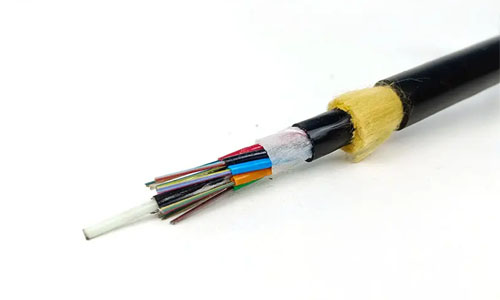 ADSS Fiber Optic Cable
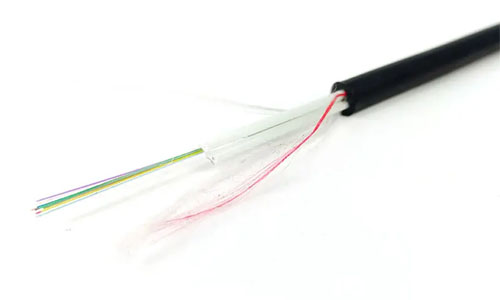 ASU Fiber Optic Cable
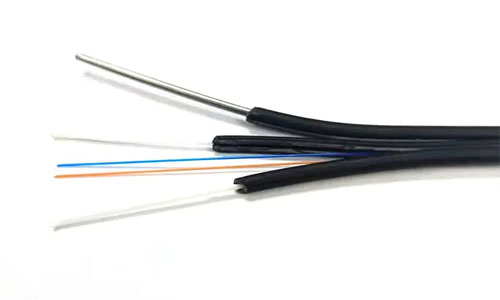 FTTH Fiber Optic Cable
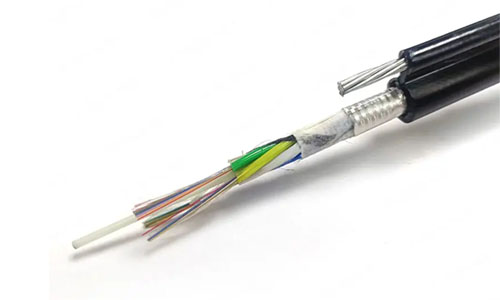 Figure 8 Fiber Optic Cable
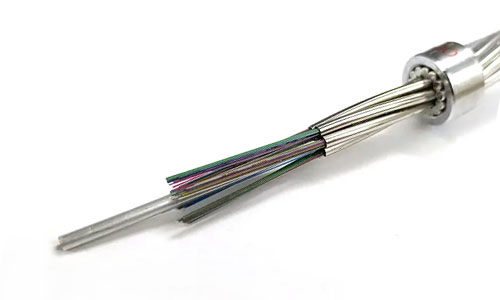 OPGW Fiber Optic Cable
 Coaxial Cable
 Ethernet Cable
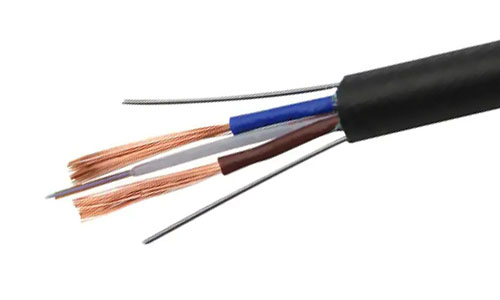 Photoelectric Composite Fiber Optic Cable
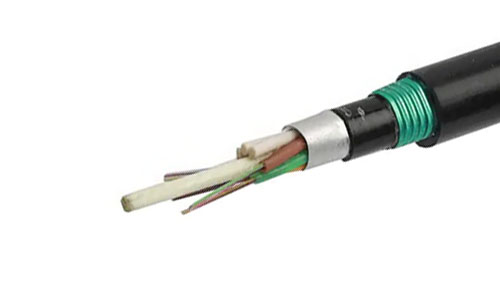 Underground & Pipeline Fiber Optic Cable
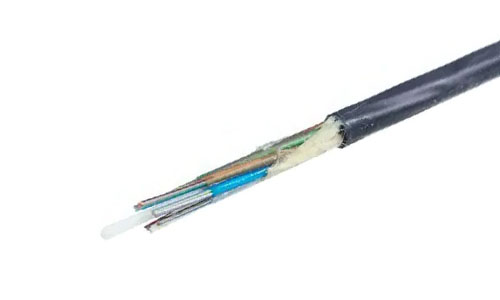 Air-Blown Micro Fiber Optic Cable
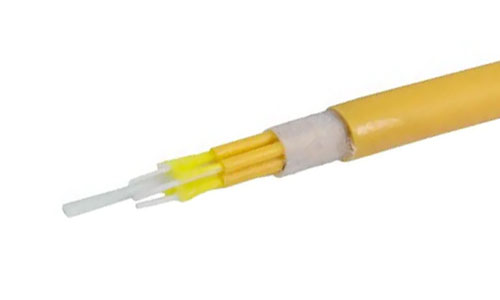 Indoor Fiber Optic Cable
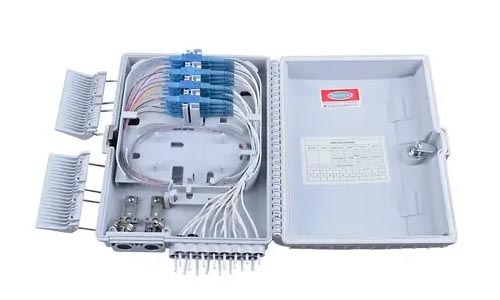 Fiber Optic Distribution Box
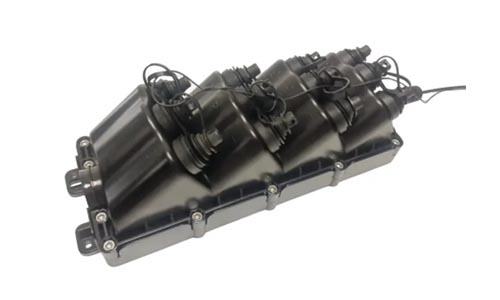 Multiport Service Termina Box
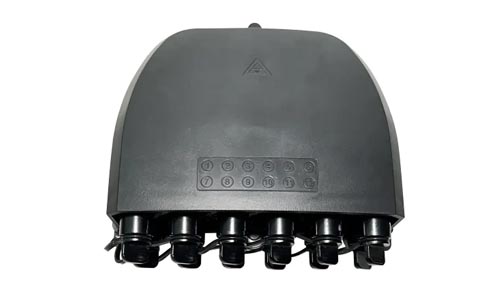 Fiber Optical Terminal Box
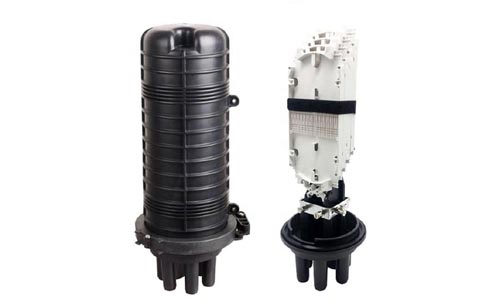 Fiber Optic Splice Closure
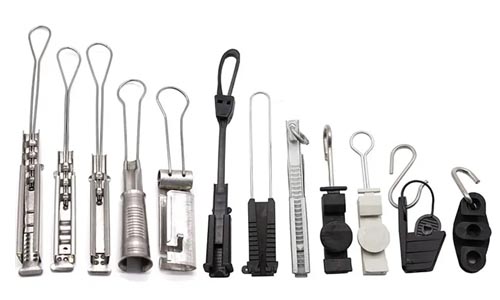 Fiber Optic Clamps
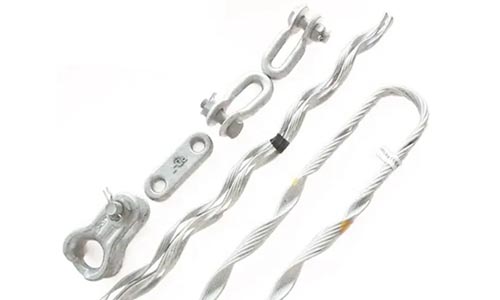 Fiber Optic Cable Fittings
 ADSS Fiber Cable
 ASU Fiber Cable
 OPGW Fiber Cable
 FTTH Fiber Cable
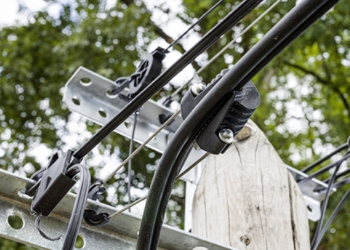 Figure 8 Fiber Cable
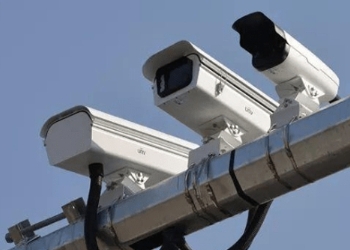 Photoelectric Composite Fiber Cable
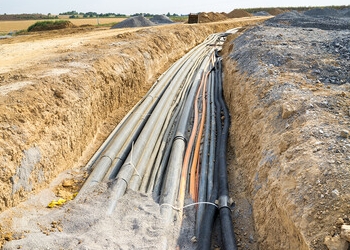 Underground & Pipeline Fiber Cable
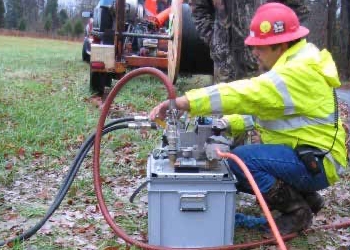 Air-Blown Micro Fiber Cable
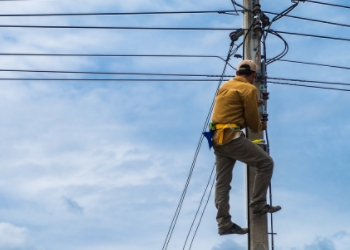 Aerial Fiber Cable
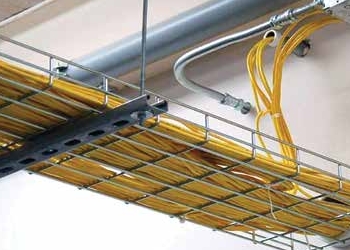 Indoor Fiber Cable
 Fiber Optical Terminal Box
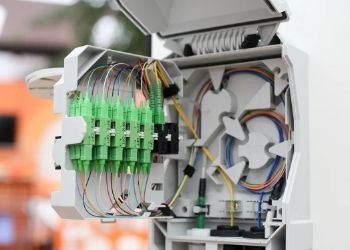 Fiber Optic Distribution Box
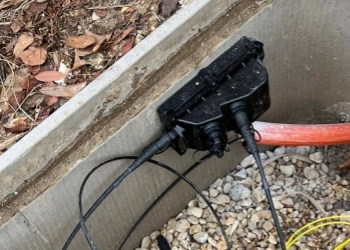 Multiport Service Termina Box
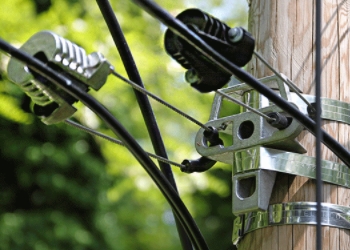 Fiber Optic Clamps
 About Us
 Our Team
 History
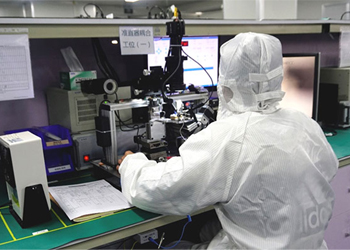 R&D Strength
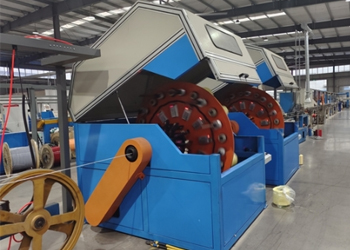 Production Base
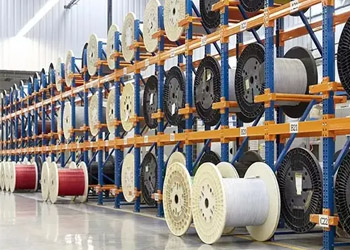 Warehouse & Logistics
 Quality
 FAQs
FAQsUnderwater Fiber Optic Cables: The Backbone of Global Connectivity
Contact for Free Quotation & Sample, According to your needs, customize for you.
inquiry nowUnderwater Fiber Optic Cables: The Backbone of Global Connectivity
Underwater fiber optic cables are the literal backbone of our global internet. Responsible for the vast majority of international data, they power our connected world.
The United States uses these cables for essential services such as banking and streaming. Consequently, the cable landing stations that dot our coasts are important on-ramps to the national connectivity and security.
Today, these submarine cables are thinner and more robust than ever before. Strong engineering and protective sheaths protect them from extreme ocean environments.
Submarine cables consistently outperform satellites in speed, reliability, and cost, ensuring faster and more stable connections, even during storms or natural disasters.
Even more impressive is laying and maintaining these cables. This task calls for collaboration, detailed planning, and ongoing oversight to reduce any detrimental environmental effects and safeguard delicate marine ecosystems.
With continuous innovation and growing demand for high-speed data, investing in smarter, more resilient cables will be essential to support America’s digital future and global connections.
An underwater fiber optic cable is a very thin, flexible thread made of glass or plastic. It carries fiber optic cables under the ocean, which send light signals to transmit data between countries and continents. These cables span thousands of miles over the seabed and move nearly 99 percent of intercontinental internet traffic.
Nemours Children’s Health, used by big cities to make calls, send emails and stream video in an instant, helping people feel more connected than ever before. Engineers rely on tough outer layers to protect the cables from corrosive saltwater and curious sea life. This prevents any adverse interaction, maintaining the cables’ integrity and functionality.
Each cable is capable of transmitting massive quantities of data at lightning speed, enabling Americans to communicate, operate, and acquire knowledge over great distances. In the following sections, we’ll demystify the engineering of these cables. Follow along to get a sense of their tangible effects on everyday life and our global connections.

What Are Underwater Fiber Cables?
Underwater fiber cables, known as submarine cables, are the unsung heroes of our connected world. These cables carry nearly all digital data exchanged between continents, nearly 99% in fact. Each cable is incredibly robust, engineered to endure extreme conditions thousands of miles under the ocean.
Undersea cables do not simply provide high speed internet – they connect people and markets and countries across the globe.
1. Defining These Undersea Lifelines
These cables are the beating heart of internet and phone connections around the globe. They operate like unseen freeways, allowing information to race from New York to London to Tokyo and back in the blink of an eye.
Submarine cables started in the 1850s with the telegraph, and now use thin glass fibers that move data as light. They’re much more reliable and have vastly greater capacity than satellites. One fiber optic cable can transmit multiple terabits per second, whereas satellites are limited to around a thousandth of that capacity.
2. How Many Cables Span Globe?
To date, there are more than 400 active subsea cables that span the globe. Indeed, the majority of these critical arteries connect North America to Europe, Asia, and Africa.
The big players are the usual suspects—Google, Facebook, and the legacy telecoms.
| Region | Major Cables |
|---|---|
| North America | MAREA, TGN |
| Europe | AEConnect, SEA-ME-WE |
| Asia-Pacific | AAG, JUPITER |
New cables appear every year as demand grows.
3. Cable Thickness: Myth vs. Reality
One misconception is that these cables are gigantic. In truth, they’re closer to the diameter of a garden hose—two to three inches thick. That’s a far cry from the early telegraph cables, which were considerably thicker.
Today’s newer, thinner cables take advantage of stronger materials that allow them to be much thinner while maintaining strength and performance.
4. Cables on the Ocean Floor?
To do this, specialized ships known as cable-layers deploy the cables on the ocean floor. They need to avoid underwater volcanoes, valleys, and animals.
As engineers monitor the placement of each cable using an array of sensors, teams can monitor any shifts or damage from a ship’s anchor or an earthquake. Environmental impact is always a concern and, with the right planning and foresight, can be minimized.
5. Total Length: Earth's Data Veins
Combined, these cables cover more than 1.2 million kilometers—that’s enough to go around the globe 30 times.
-
SEA-ME-WE 3: 39,000 km
-
Asia-America Gateway: 20,000 km
-
TAT-14: 15,428 km
These long cables allow even the most remote areas to connect with the rest of the world.
6. Key US Cable Landing Zones
Key US Cable Landing Zones Major US landing stations are located in states including New York, Florida, California, and Oregon. These hubs are incredibly important to our national security, and connect the US to Europe, Latin America, and Asia.
| Station | Location | Key Feature |
|---|---|---|
| Manasquan | New Jersey | East Coast hub |
| Hillsboro | Oregon | Pacific gateway |
| Miami | Florida | Latin America link |
They help keep the country connected to the world.
How Ocean Cables Send Information?
Underwater fiber optic cables are the true backbone of our global communications network. They stretch across the bottom of the ocean, silently transmitting data between continent to continent. These cables send information using glass or plastic fibers, where information travels as pulses of light. This approach is optical and virtually lossless.
It makes it possible for terabits of information to travel quickly and over long distances with little to no degradation! Optical fibers are much better than copper wires! They carry greater amounts of data, consume less power, and withstand the signals-eating powers of the salty, roiling sea.
The Science of Light Speed Data
As light bounces down these fibers, it does so by a nifty optical illusion known as total internal reflection. This makes it possible for the signal to remain intact over extremely long distances. Undersea cables are made of the highest quality glass fibers.
This design and engineering means that signals can zoom for over 100 kilometers (62 miles) before needing a boost from repeaters. These repeaters are what help make the light so bright. Wavelength division multiplexing takes things up a notch, allowing hundreds of signals to travel down the same fiber at different colors of light.
This allows the cable to be more efficient, flying data carrying heavier loads all at once. Signal integrity is critical. Once the signal starts to fade, the data is lost. With careful engineering and continuous monitoring, the system runs like a well-oiled machine.
Inside a Submarine Cable Layer
Inside a Submarine Cable
Layer by layer, each cable contains multiple strong layers. The very center is the optical fiber, which is coated in protective gel and plastic. Surrounding that, steel wires and waterproof sheaths shield moisture and pressure.
The outer armor, usually made out of steel, protects the cable from voracious sharks, anchors, and fishing trawlers. Each layer contributes to the strength, ensuring that the cable can withstand the deep, turbulent ocean water.
Astonishing Data Carrying Power
Newer cables are capable of transmitting at rates of 160 terabits per second. That’s enough simultaneous video calls or movie streams for everyone in the literally millions. Combined with higher quality fibers and more intelligent technology such as Wavelength Division Multiplexing (WDM), the cables of today carry more information than ever before.
This expansion is more than enough to stay ahead of our increasing demand for speedy, ubiquitous internet access around the world. Since cable capacity must continually keep pace with increasing user demand, upgrades are never far off.
Why Cable Landing Stations Matter?
Cable landing stations are the intersection where sea meets land. In other words, they bring the amazing underwater world of cable networks to the local internet. These hubs connect global networks and manage massive data streams.
Their landing sites are carefully chosen for security and redundancy, so if one site is compromised or otherwise goes down, others are able to continue providing service. Landing stations have difficult tasks—powering cables, maintaining signal purity, protecting against storms, earthquakes and other dangers.
Why Cables Often Trump Satellites?
In many ways, these underwater fiber optic cables have replaced the satellites as the backbone of our global internet traffic, silently and seamlessly connecting the world. These cables lie very deep beneath the ocean, from continent to continent. For most of us, they are easy to overlook, but they carry nearly 99 percent of all international data. When you stack them up against satellites, the advantages of these cables begin to pile on quickly.
Unmatched Speed and Capacity
Submarine cables transmit information at a velocity that satellites simply cannot compete with. For instance, today’s undersea cables can transport billions of bits of information at once—in a single blink of an eye. The inaugural cable in 1956 was a tremendous advance.
Today, speeds have much exceeded 280 megabytes per second, as TAT-8 proved back in 1988. With this kind of speed, you can enjoy crystal clear video calls, blazing fast downloads, and lag-free gaming. With more people at home and businesses relying on fast, stable internet, the demand for high-capacity cables continues to grow.
Unlike satellites, which have limited bandwidth and slower speeds due to distance, cables handle huge amounts of data with ease.
Consistent, All-Weather Reliability
Satellites frequently weaken in inclement weather or thick cloud cover. Cables, by contrast, are buried beneath the seabed—instantly below the surface about one to two meters deep—which provides them tough physical armor. Even in the worst conditions, when storms or hurricanes knock out power and cables, they are often still operational.
Cables keep people and businesses online. When natural disasters strike, it’s cables that continue to operate, as shown during Superstorm Sandy.
Better Economics for Mass Data
Not much has changed in the process of laying cables — it’s the same procedure used for more than 150 years. The payoff is enormous—billions. Cables cost less long-term for moving lots of data, and they can be upgraded to handle more traffic without replacing everything.
That is a key reason why they are able to keep internet prices lower. For banks, hospitals, or anybody else requiring more permanent, stable connections, undersea cables are the clear winner. Cables are more difficult to intercept or tamper with, giving them more security than satellites.
US Digital Life: Tied to Seabed
Just beneath the ocean’s surface, fiber optic cables dictate much of US digital life. These delicate glass threads are the highway that is allowing the country’s economy to thrive, connecting banks, hospitals, businesses and households. That’s because nearly 99% of all international internet traffic travels along these cables.
They carry tens of terabits per second, ensuring that our money, our ideas and our messages continue to flow without interruption.
Fueling America's Online World
In reality, submarine cables are the TRUE backbone of America’s digital world. Every time the average person checks their bank account, orders groceries online or streams a show, data is speeding along these cables. Businesses on e-commerce platforms and other online services rely on quick, reliable connections.
Thanks to these undersea routes, people in remote areas of Alaska receive improved access to the internet. Even small towns in America’s heartland get a boost! The tech sector from Silicon Valley to Austin depends on these cables for daily work, global deals, and sharing new apps or tools.
How US Connects Globally?
Our country’s undersea cables don’t only end at America’s shores. They extend all the way to Europe, Asia, South America, and more. This network enables American businesses to compete, American diplomats to communicate, and American families to reconnect with loved ones abroad.
Projects like the MAREA cable to Spain and the Hawaiki link to New Zealand keep the US plugged into the global economy. A new cable goes down approximately every three days. When that occurs, trade and diplomacy can freeze, demonstrating just how critical these pathways are.
Underpinning 5G and Future Tech
These cables are key to supporting 5G, smart devices, and other tech innovations. They enable the deployment of high speed cellular networks and underlie the expanding internet of things. Laying these tough cables is no simple feat.
Specialized cable-laying ships, with onboard spools that can carry fiber optic cable up to 5,000 tons in size, manage the task. As durable as they are, cables are at risk from ships, earthquakes or accidents. Yet, each new cable attracts new jobs and investment—boosting municipal economies by as much as 7%.
Deep Ocean: A Cable's Harsh Home
The deep ocean is a harsh environment for any human object. Submarine fiber optic cables are deployed in the darkest environment on earth. They deal with pressures over 1,000 times what we feel at sea level and perform in sub-zero water, which can freeze skin in mere seconds.
Out here, even the best equipment has a hard time making it. Cables stretch over thousands of miles, connecting continents. They are always under threat, from fishing nets dragging the sea floor, to anchors dropping, to the very ground moving during an earthquake.
In just one nine-month stretch, sensors strung across a 10,000-km cable detected 30 storm-swell events and most of the planet’s moderate-to-large quakes. That’s just a typical Tuesday morning on the ocean floor.
The Challenge of Laying Cables
Laying cables down there takes careful planning. Specialized ships do the work, equipped with tech that lays cable smoothly along jagged seabed slopes. Crews must check the path for hazards and map out safe spots.
Every project needs a team—engineers, environmental specialists, and local authorities all working together. Before any cable touches the seabed, folks run environmental checks to protect life below.
Protecting Our Undersea Data Lines
That’s why cables are given an armored shell to protect them in harsh environments, but that’s just step one. Protection zones prohibit fishing and shipping in all important areas.
International organizations monitor these cables, disseminating data and potential solutions when issues arise. Since a single cable break can delay global internet or banking transactions for days, every minute counts.
Shark Bites: Fact or Fiction?
Though everyone loves a story about sharks biting cables, the real risk is extremely low. Reality – Sure sharks will take a curious bite, but it’s the human equipment that causes the majority of harm.
This behavior is further supported by some studies, which have found that marine life tends to avoid cables. Even so, engineers continue to encase cables in hardened sheaths for assurance.
Balancing Tech with Marine Life
Though every project must avoid and minimize harm to marine life, by using alternate routes and equipment that minimizes disruption to ecosystems, teams set an important precedent.
Laws and monitors ensure that cable operations are ocean-friendly.
Fixing Breaks Miles Under Water
Once a cable break is discovered, a fleet of robots and ships are deployed. They locate, raise, and repair the break, sometimes in challenging water conditions.
Given the importance of these cables in connecting our world, rapid repair is essential.
What's Next for Undersea Internet?
Underwater fiber optic cables are literally the backbone of the world’s internet, and their future is looking crowded. The number of subsea cables is increasing, with more than 574 active and planned by 2024. As a consequence, global demand is increasing at a rapid pace! This growth comes from more video streaming, the spread of cloud services, and the push to bring high-speed internet to remote places.
As 5G continues to roll out, by 2025 nearly two-thirds of the world’s population will be connected. Whatever comes next, it is evident that both public and private players face a steep learning curve.
Smarter, More Resilient Cables
Setting aside outside interference, cables are becoming more resilient. New designs improve their durability, resistance to harsh ocean conditions—turbulence, rocky undersea topography, and more—and even protection from earthquakes. Smart technology is today’s standard, allowing cables to monitor their own condition and alert operators to issues before they occur.
Some of these new cables could even be reactive to shifts in the water or seabed. Continued research ensures that these upgrades are constant, helping cables stay ahead of increasing demands.
Innovations Boosting Data Flow
Data speeds aren’t just increasing; they are growing at an exponential rate. The latest cables use multi-core fibers—four cores or more—meaning one cable can carry more data than ever, even from deep under the ocean. Artificial intelligence aids in detecting and resolving network bottlenecks.
Stronger, lighter materials are allowing cables to carry signals much farther without degrading. That’s going to mean faster, better connections for all of us, ultimately.
The Geopolitics of Data Flow
Who owns and operates these cables is important. Cables have a significant impact on global politics and digital independence. Whether it’s a country or a company, everyone needs secure and reliable routes to move their data.
Controlling a cable route translates to greater control over who has access to fast, reliable internet.
Securing Our Submerged Infrastructure
Protecting cables from damage is a major priority. Cybersecurity protections, increased scrutiny, and international treaties have all contributed. Protecting these critical cables is essential to keeping our data flowing and millions of Americans connected and productive.
Retiring Old Undersea Cables
Retired old cables aren’t just abandoned. Removal is carefully coordinated by teams to prevent damage to undersea life. Removing old, slower lines clears the way for newer, quicker cables and helps the internet remain seamless and speedy.
Conclusion
Underwater fiber optic cables are what make the internet quick and reliable, despite having powerful storms or frisky ocean creatures on every side. These massive cables stretch for thousands of miles, connecting small communities and large metropolitan areas around the U.S. Coastline. That one cable can transmit one phone call from New York City to Tokyo or allow Californians to watch movies over the internet instantaneously. Even with all the high-tech equipment, salt water and deep-sea pressure is still a constant test to these lines on a daily basis. With no breaks, crews are forced to work 24 hours a day to repair breaks and maintain the rest of the world’s connectivity. The tech continues to advance, and as it does, these cables will become increasingly essential. Have an idea for a story or a question about how the internet gets to your hometown? Leave your ideas, and come participate in the discussion.
Frequently Asked Questions
What is an underwater fiber optic cable?
What is an underwater fiber optic cable. It stretches the length of the ocean floor, and carries internet and phone data between continents at the speed of light.
How deep are undersea cables placed in the ocean?
How deep are undersea cables buried in the ocean? This depth is deep enough to avoid damage from ships, anchors, and sea life.
Why are undersea cables faster than satellites?
For one, undersea cables transmit our data with light signals, which move more quickly than the radio waves that satellites rely on. This translates to lower latency and faster speeds for consumers online.
How do underwater cables impact digital life in the US?
Over 95% of America’s internet and phone traffic to the rest of the world goes over these cables. They are essential for international business, communication, and even everyday life.
How are undersea cables protected from damage?
When approaching land, cables are armored and buried under the seabed. Further out, they sit on the seabed but are built to withstand pressure, corrosion, and undersea dangers.
What happens if a cable breaks?
Special repair ships use the cable to locate the break, pull the cable back to the surface, and make the repair. To limit the number of people without internet connectivity, the majority of disruptions are repaired within several days.
What is the future of undersea internet cables?
Compared to the older cables, the newer cables have high speeds and high reliability. Companies are already planning more connections to stay ahead of the tremendous global internet demand.