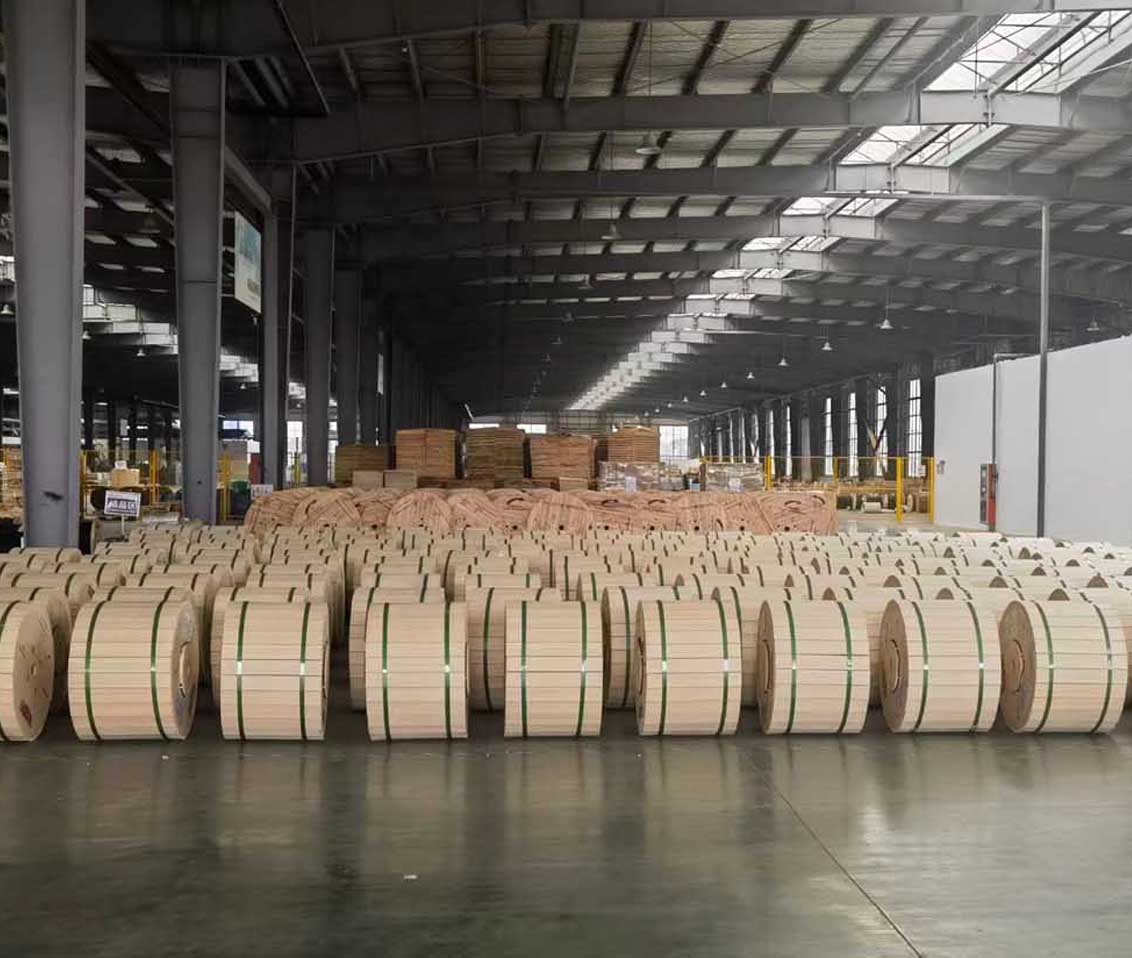
 Optical Fiber
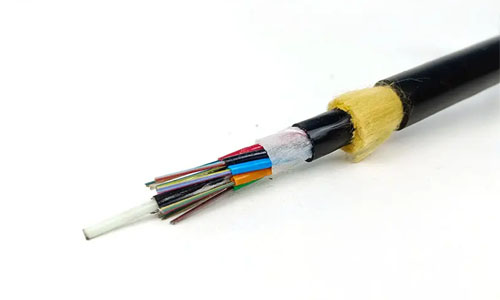 ADSS Fiber Optic Cable
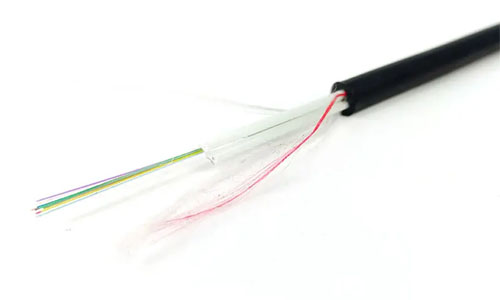 ASU Fiber Optic Cable
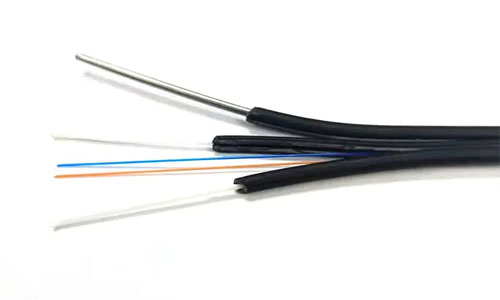 FTTH Fiber Optic Cable
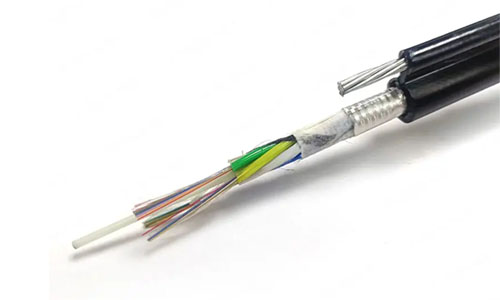 Figure 8 Fiber Optic Cable
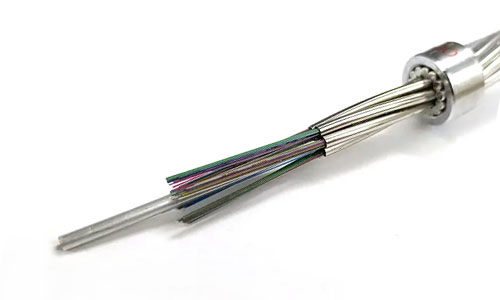 OPGW Fiber Optic Cable
 Coaxial Cable
 Ethernet Cable
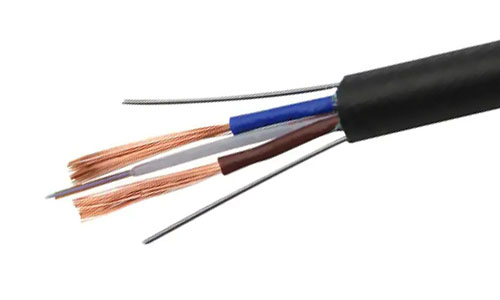 Photoelectric Composite Fiber Optic Cable
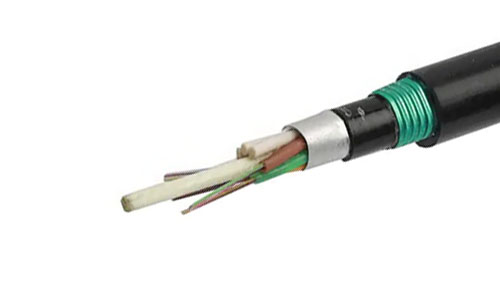 Underground & Pipeline Fiber Optic Cable
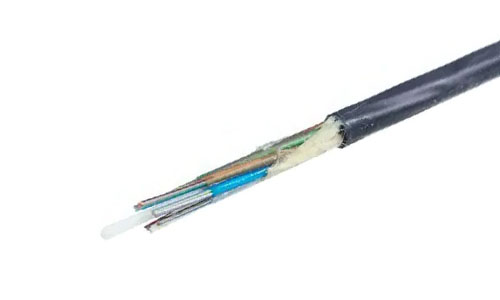 Air-Blown Micro Fiber Optic Cable
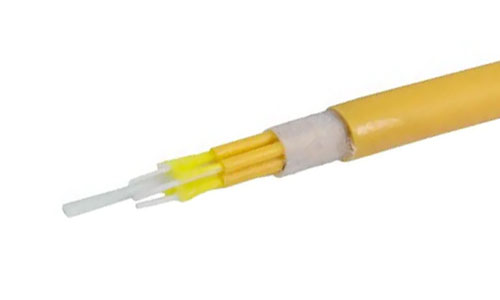 Indoor Fiber Optic Cable
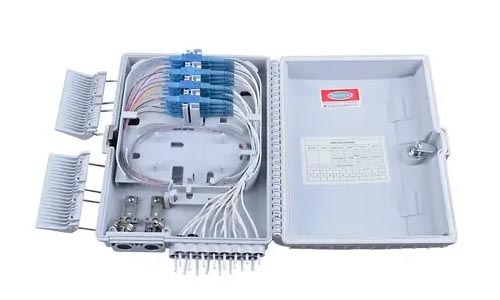 Fiber Optic Distribution Box
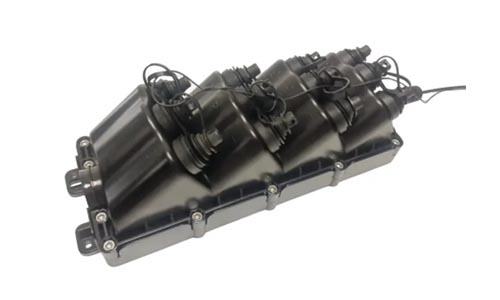 Multiport Service Termina Box
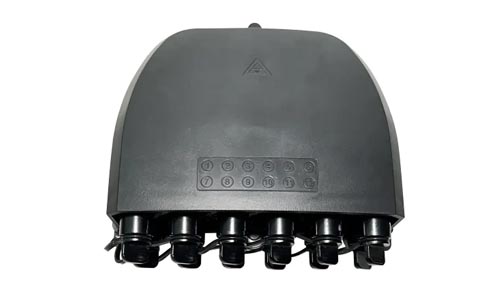 Fiber Optical Terminal Box
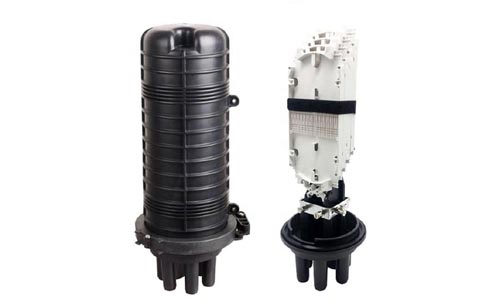 Fiber Optic Splice Closure
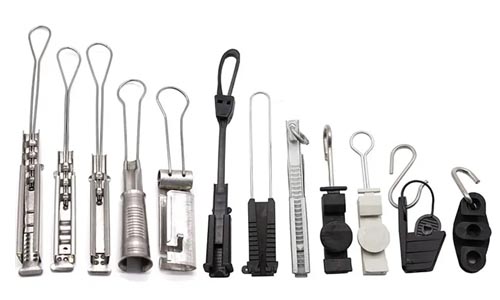 Fiber Optic Clamps
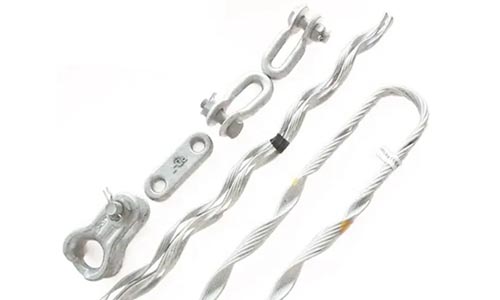 Fiber Optic Cable Fittings
 ADSS Fiber Cable
 ASU Fiber Cable
 OPGW Fiber Cable
 FTTH Fiber Cable
 Figure 8 Fiber Cable
 Photoelectric Composite Fiber Cable
 Underground & Pipeline Fiber Cable
 Air-Blown Micro Fiber Cable
 Aerial Fiber Cable
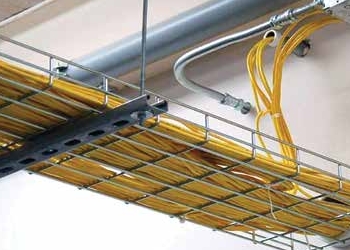 Indoor Fiber Cable
 Fiber Optical Terminal Box
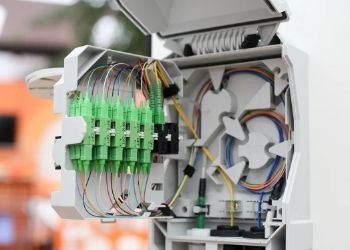 Fiber Optic Distribution Box
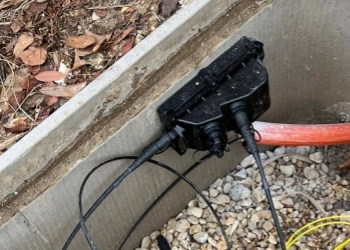 Multiport Service Termina Box
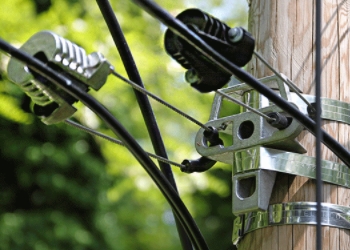 Fiber Optic Clamps
 About Us
 Our Team
 History
 R&D Strength
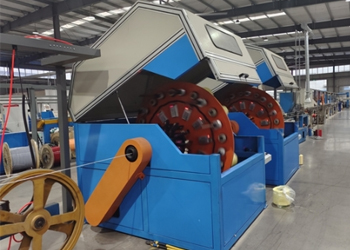 Production Base
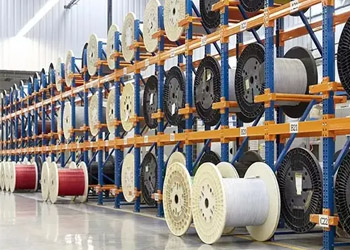 Warehouse & Logistics
 Quality
 FAQs
FAQsUnderstanding the Differences Between SEP 10G SR, LR, LRM, ER, and ZR Transceivers
Contact for Free Quotation & Sample, According to your needs, customize for you.
inquiry nowUnderstanding the Differences Between SFP 10G SR, LR, LRM, ER, and ZR Transceivers
SFP 10G modules—SR, LR, LRM, ER, and ZR—vary in the distance their data can be transmitted. Each type has differing fiber requirements as well, which are needed to ensure performance.
SFP 10G SR fits short links, often used in offices or data centers, with reach up to about 300 feet. LR can reach even further, nearly 6 miles, making it ideal for larger networks.
LRM works on legacy fiber too, but over shorter distances. ER extends even further, up to 25 miles, and ZR is optimal for long hauls up to 50 miles.
Each has a unique niche, paired application, budget, and implementation. Understanding these types enables people to choose the proper type for their network. The detailed section below explains each one in-depth.

What Are 10G SFP+ Modules?
10G SFP+ modules are the unsung heroes, the little cogs that help make a big network machined hum along perfectly. They are small form-factor pluggable transceivers, designed for fast data transfer tasks, supporting connections of up to 10 Gb/s.
10G SFP+ modules are a vital part of today’s networks. Supporting all the latest Gigabit Ethernet standards, they help data centers and large, active businesses keep pace with the competition. Their flexibility gives network people the power to fit the appropriate module to the task required.
Whether their needs are short hops or long hauls, they can pick SR, LR, ER, ZR or LRM.
Tiny Giants: SFP+ Explained
While these small modules may appear harmless, similar to a thumb drive, they pack quite a wallop. Their small footprint allows them to easily be used in dense network racks, allowing teams to plug and unplug them as requirements change.
You can find them in switches, routers, and firewalls throughout Marrakech’s governmental, educational, and data centers. They’re compatible with any cable type—multimode, single-mode fiber, or even twinax.
This flexibility allows you to transmit data a couple meters or extend that range to 80 kilometers with no loss of quality. They’re not just smart, they’re tough—operating in conditions ranging from below freezing to the searing heat of a Marrakech summer.
Why 10G Ethernet Persists?
Demand for 10G Ethernet continues to be robust, particularly in data centers where low latency and high availability are paramount. As opposed to legacy environments, 10G offers decreased latency along with increased capacity and scalability.
It helps to meet the demand for cloud, streaming and big data, ensuring networks aren’t an impediment to anyone. Which is why you find 10G network extensions everywhere, from the newest startups to the oldest city infrastructure.
Their Role in Modern Networks
Connecting the world, SFP+ modules connect every aspect of network, from the tiniest remote offices to the largest metropolitan networks. They enhance acceleration and minimize lags, ensuring operational teams achieve fast and fluid processes.
Their plug-and-play style makes 10G SFP+ modules ideal for local and extensive configurations. It’s delivering network pros the efficiency and speed they need to ensure everything keeps running seamlessly, regardless of complexity.

Meet the 10G SFP+ Family
The 10G SFP+ family introduces a complete line of fiber modules that cater to every varying requirement in network architectures. These modules—SR, LRM, LR, ER, and ZR—each thrive under varying circumstances, based on how far and how fast data needs to move. Their commonality lies in their speed of 10 Gbps and the use of the familiar LC connector.
1. SFP+ SR: Short Haul Hero
SFP+ SR is the default option for short runs inside crowded data centers. Designed for multimode fiber, it supports distances of 300 meters or less. This is ideal when racks are placed close together, such as in a server room in downtown Marrakech.
It’s easy, fast to deploy, and cost efficient for dense environments.
2. SFP+ LRM: Old Fiber Friend
SFP+ LRM comes to the rescue for legacy campuses with established multimode fiber deployments. It goes up to 220m, playing nice with legacy deployments. This module gives network teams the ability to breathe new life into legacy cables.
They can accomplish this without opening up walls, a considerable boon for historic or densely spaced urban structures.
3. SFP+ LR: The Go-To Standard
SFP+ LR is the workhorse for longer metro area links. It manages single-mode fiber and extends connections beyond 10 kilometers. That makes it a preferred choice for connecting campuses on different city blocks, or sprawling new technology parks.
4. SFP+ ER: Reaching Further Out
Silicon SFP+ ER extends the range up to 40 kilometers. It’s optimal for interconnecting distant corporate facilities or interconnecting distant data network points beyond the metropolitan area.
It has protection features that maintain signal integrity over miles of flat, open terrain.
5. SFP+ ZR: Extreme Distance Champ
SFP+ ZR pushes the envelope even further, going up to 80 kilometers. It keeps data moving between distant towns or across wide rural areas, which helps businesses in Morocco bridge big gaps.
Core Tech: What Sets Them Apart?
Selecting the right SFP+ module—SR, LR, LRM, ER, or ZR—requires an understanding of what differentiates each one under the hood. These distinctions affect your network’s performance, but they impact its reliability in real-world conditions on the ground, such as those found in the city of Marrakech, where climate and infrastructure may change from block to block.
Here’s a look at the major elements that count.
Light Colors: Wavelength Matters
The wavelength that each module operates at is not an arbitrary number. SFP-10G-SR SFP operates on 850nm wavelength, ideal for short hops using multimode fiber. LR and LRM then leap to 1310nm, elongating the distance even more.
ER and ZR extend out to 1550nm, optimized for longures. On the ground here in Morocco, networks need to accommodate flying past historic buildings and large, expansive city blocks. Choosing the optimal wavelength guarantees maximum coverage with no signal fade!
The longer the wavelength, the further your signal can go—imagine 80km with ZR compared to only 300m with SR.
Fiber Types: MMF vs. SMF
Modules & Fibers – A Perfect Match. MMF, with its thicker core (62.5 microns) and multi-beam tech, is great for short, dense setups—like inside a data center. SMF, which as you can see by the one straight line, covers much longer distances with a core that is significantly thinner (50 microns).
For the more difficult installations of Marrakech’s ancient medina, the right fiber meant fewer headaches. LRM modules readily accommodate legacy and current MMF. They can often need a mode conditioning patch cable to stay in spec.
How Far Can They Go?
| Module | Max Distance | Fiber Type |
|---|---|---|
| SR | 300m | MMF |
| LRM | 220m | MMF |
| LR | 10km | SMF |
| ER | 40km | SMF |
| ZR | 80km | SMF |
Real-world range will vary based on fiber quality, temperature (commercial to industrial ranges) and even city dust or heat. Finally, customize the module to your network’s actual state and needs.
Optical Power: The Secret Sauce
Optical power is the secret sauce that makes it all work seamlessly. As you may expect, too much will fry your receiver—usually a 5-dB attenuator will do the trick. Each module manages power a little differently to stay within safety standards, so consult specifications for each module before use.
Signal Quality and Integrity
Fewer headaches from bad data. Clean signal = clean data. Fiber type, module wavelength, and temperature fluctuations in Marrakech all contribute. Each module is designed with robust features to ensure an always strong, clear signal, even amidst crowded, hi-density environments.
Smart Selection: Pick Your Player
Selecting the right SFP+ module is not as simple as a drop-in replacement. After all, it literally dictates how your network expands and functions on a daily basis! As in many cities such as Marrakech—where economic opportunity collides with cultural preservation—each of these networks has its own turns and spins.
Choosing the appropriate selection module involves prioritizing genuine needs, the landscape you’re operating within, and what’s ahead.
Match Module to Your Distance
-
SFP-10G-SR: Up to 300 meters on OM3 multimode fiber
-
SFP-10G-LRM: Around 200 meters with a modal bandwidth of 500 MHz·km
-
SFP-10G-LR: 2 to 10 kilometers on single-mode fiber
-
SFP-10G-ER: Up to 40 kilometers on standard single-mode fiber
-
SFP-10G-ZR: Up to 80 kilometers on standard single-mode fiber
Consider your current office configuration, or if you’re connecting university campuses across town. Improperly paired modules can lead to lost bandwidth, wasted dollars, or broken connections.
Check Your Existing Fiber Plant
Go smart and safe first—begin with what’s under the dirt. There are differences in fiber production. Not all fiber is created equal.
Either some established lines are incompatible with newly developed modules, or they don’t have the proper reach. Inspect for bends, breaks or how most links you have. Running this type of AJP check prevents major headaches down the line.
Balancing Cost and Performance
Costs can quickly add up, particularly in large scale retrofits. Short-range modules such as SR are generally less costly, while ZR and ER offer greater range at a higher cost.
Consider the total cost—not just the devices—installation, maintenance, and future replacements.
Vendor Lock-in? A Word of Caution
Other brands lock you into their modules, reducing options even more. Using multiple vendors widens the playing field and can help keep costs down.
Always leave room for modules that are friendly to their neighbors.
Thinking About Future Needs
The thing is, networks spread quickly. Choosing modules with room to scale ensures that you’ll avoid a complete do-over in a year.
Seek out performance standards that allow for retrofits and repairs and won’t box you in.
Performance & Practical Realities
When you deploy an entire fiber network, you really stress test any SFP+ module. Whether its SR, LR, LRM, ER or ZR, its performance in real-world use is what really counts. Back in the field, distance, fiber type, temperature, and even power bills come into play. They’re just as important as what’s listed on the spec sheet!
In Marrakech and other hot weather conditions, these factors can compound to have an even greater effect.
Power Drain: A Real Concern
Every SFP+ module consumes power, but not all of them approach it in the same manner. SR and LRM modules power savings on power are more pronounced. ER and ZR modules require additional power to drive the signal over longer distances.
If you load a rack with long-range modules, the power cost increases quickly. For small offices or those in power hot-spots, selecting low-power modules helps reduce costs and excess heat. Basic things such as disabling ports that aren’t in use or selecting the most appropriate model to fit the job requirements can make a big difference.
Latency: When Milliseconds Count
It’s not just bandwidth that determines network speed. Latency—those little lags—affect the perceived speed experience. SR and LR modules, as employed for short- and mid-range hops, contribute to low latency.
As signals go further, as in the case with ER and ZR modules, latency can start to stack up. For a pace of life that includes trading floors or local gaming cafes in the medina, getting the module selection right is critical.
Mixing Brands: Interoperability Tips
Mixing brands, though an all too frequent occurrence, doesn’t go over so well. Other modules are not compatible with each other, leading to frustration, and even more so. Make sure you consult compatibility lists and, where possible, test mixed setups in advance of going live.
When avoiding interoperability isn’t possible, default to matched pairs or purchase from vendors that provide strong support.
Temperature: Keeping Modules Cool
Operating temperature could be a larger factor, particularly in regions where summer days are long and intense. Extreme heat both accelerates the aging process of the modules and increases the occurrence of unpredictable failures.
Ensure that the network equipment is housed in cool, shaded environments—fans and air conditioning make a difference. Consider higher rated modules if you cannot mitigate high temperatures.
Lifespan and Reliability Factors
Typical SFP+ modules have a lifespan of five to seven years in normal usage. Dust, heat, and power surges in crowded urban cores can take that lifespan down abruptly. Preparing fiber ends, maintaining cool operating temperatures, and inserting the correct attenuators—example, a 5-dB pad for powerful signals—preserves this common equipment.
Through regular monitoring and replacing aging modules before they reach end of life, the network is able to maintain a consistent and reliable performance.
Where Each 10G Module Shines?
Understanding where each SFP+ 10G module excels helps make an overall network design go a whole lot easier. When each one is selected appropriately for the job, the result can be faster speeds, less frustration, and less money down the drain!
Here’s where each 10G module shines, in today’s environments—from crowded data centers to remote metropolitan connections.
Inside Data Centers (SR/LR)
SR (Short Range) and LR (Long Range) modules are the workhorses of data centers. SR shines in short runs, like data center server rows and switch stacks. It is well suited for applications with distances up to 300m on OM3, 400m on OM4 multimode fiber.
This makes SR a favorite for connecting racks or cross-connecting floors in a row or secluded environment. LR takes over for longer SFP+ single-mode links, with a reach of up to 10km. This feature is ideal for large, spread out data centers with remote server pods.
LRM provides a solution for legacy multimode installations. It extends reach to over 220 meters, particularly in spaces where legacy fiber with 500 MHz km modal bandwidth is deployed.
Campus Backbones (LR/ER)
Campus backbones (LR/ER) dominate on a college or corporate campus. LR is the workhorse for 2-10 km building-to-building connections. No other 10G module excels in this range.
When the distance goes all the way out to 40 km, ER takes over. It prevents signal degradation, allowing labs, libraries, and offices to stay connected and in sync. Both are incredibly important for high-capacity, long-haul stable backbone links.
City-Wide Networks (ER/ZR)
City-Wide Networks (ER/ZR) utilize ER to reach up to 40 km, connecting data centers, hospitals, or municipal buildings on the other side of town. ZR takes us even farther out to 80 km.
This operational flexibility translates to a very compelling use case for metro networks or even large municipalities looking for reliable, high-capacity data paths.
The ZR Edge: Ultra Long Haul
The ZR Edge: Ultra Long Haul is where ZR modules really shine. With range extending to 80 km, they’re ideal for telco operators or local/regional ISPs connecting distant locations.
Less repeaters are needed with this ultra-long-distance coverage, increasing the reliability in the more challenging networks.
Conclusion
Selecting SFP+ 10G modules—SR, LR, LRM, ER, and ZR—can be daunting as if choosing the best tool for the task. Each one rises to the occasion for a unique need. Some are designed for short runs within a server room, while others take on crazy long-haul links between campuses or even across a city. SR’s superior performance makes it an ideal solution for high-density applications. While LR and LRM reach long for medium-range, ER and ZR fill in those large, in-between spaces. I recently saw a crew in Dallas use ZR to connect two buildings on opposite sides of a highway—easy peasy. It’s always worth it to select the proper module for your cable, run, and installation, or you’ll face issues. Have a winning story to tell, or looking for help telling a story about your own network-building adventure. Leave your queries or trade your own stories in the comments below. In short, the process requires significant improvement. Let’s figure it out together.
Frequently Asked Questions
What is the main difference between SFP+ 10G SR, LR, LRM, ER, and ZR modules?
The key difference between them is the range each can support. SR stands for short-range, LR for long-range, LRM for long-range multimode, ER for extra-long and ZR ultra-long distances.
Can I use a 10G SFP+ SR module for long-distance fiber links?
SR modules have a maximum distance of around 300 feet, so no, they’re not suitable for long distances. For longer runs, choose LR, ER, or ZR modules.
Which 10G SFP+ module is best for use in large U.S. data centers?
LR and ER modules are the ones with the highest utilization in large U.S. Data centers. They have been widely adopted because they support longer distances and work well with widely deployed, common U.S. Fiber infrastructure.
Are all 10G SFP+ modules compatible with any network switch?
Not quite. Refer to your switch’s compatibility matrix. There are brands that only allow their own SFP+ modules to be used.
What type of fiber cable do I need for SFP+ 10G LR modules?
You’ll require single-mode fiber (SMF) for LR modules. This type is ideal for long runs, the most prevalent in U.S. Enterprise networks.
Can I mix SFP+ 10G LRM with SR or LR modules?
Can I mix SFP+ 10G LRM with SR or LR modules? Just as there are many types of SFP+ modules, there are many types of SFP+ modules. Err on the side of caution and always match modules at both ends.
Do ZR modules need special installation in the U.S.?
Yes, ZR modules need special fiber and signal conditioning. They are utilized for extreme long-haul links, such as between cities or indeed throughout states.