 Optical Fiber
 ADSS Fiber Optic Cable
 ASU Fiber Optic Cable
 FTTH Fiber Optic Cable
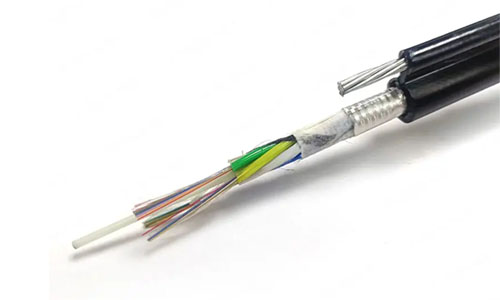 Figure 8 Fiber Optic Cable
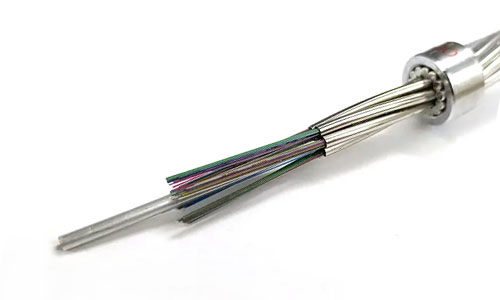 OPGW Fiber Optic Cable
 Coaxial Cable
 Ethernet Cable
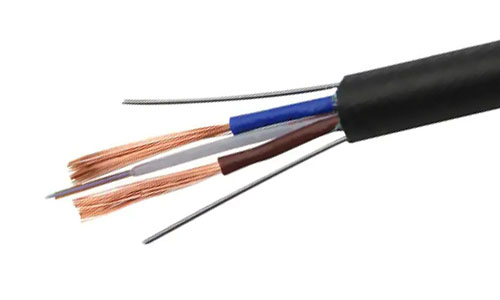 Photoelectric Composite Fiber Optic Cable
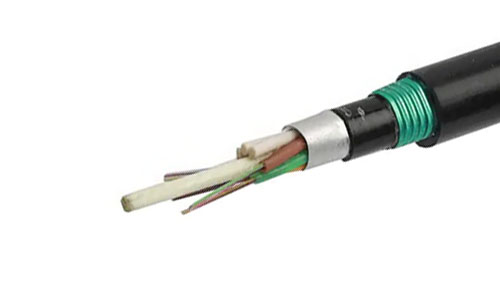 Underground & Pipeline Fiber Optic Cable
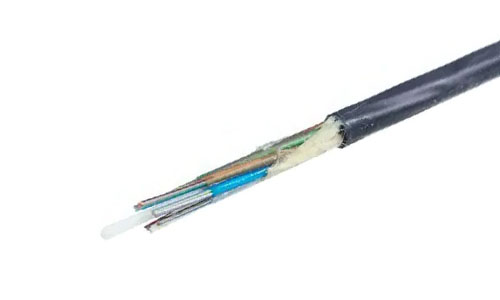 Air-Blown Micro Fiber Optic Cable
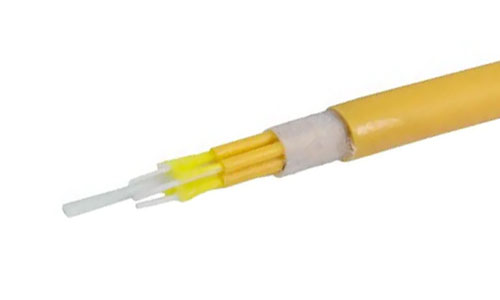 Indoor Fiber Optic Cable
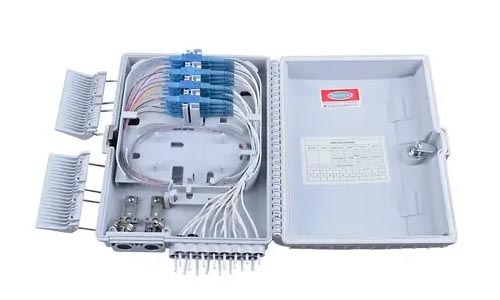 Fiber Optic Distribution Box
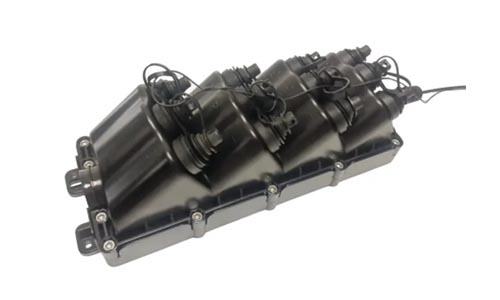 Multiport Service Termina Box
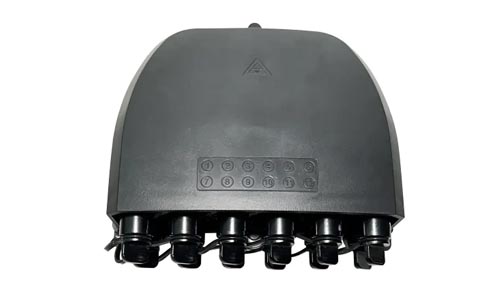 Fiber Optical Terminal Box
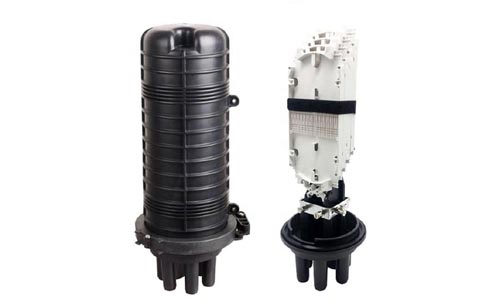 Fiber Optic Splice Closure
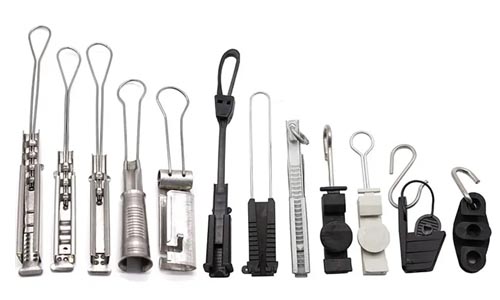 Fiber Optic Clamps
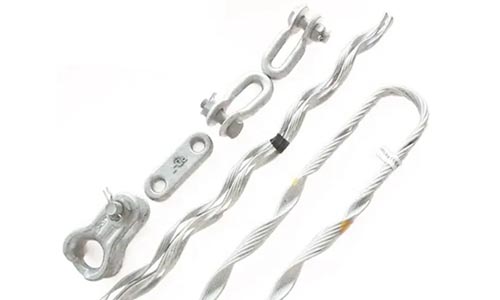 Fiber Optic Cable Fittings
 ADSS Fiber Cable
 ASU Fiber Cable
 OPGW Fiber Cable
 FTTH Fiber Cable
 Figure 8 Fiber Cable
 Photoelectric Composite Fiber Cable
 Underground & Pipeline Fiber Cable
 Air-Blown Micro Fiber Cable
 Aerial Fiber Cable
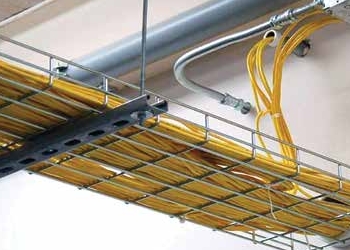 Indoor Fiber Cable
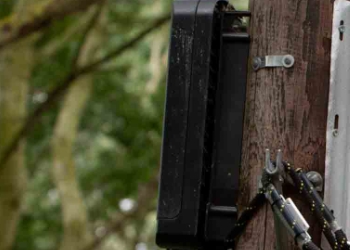 Fiber Optical Terminal Box
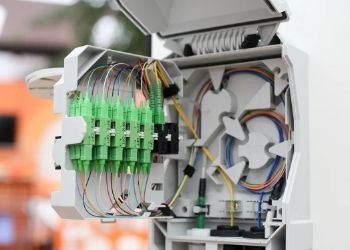 Fiber Optic Distribution Box
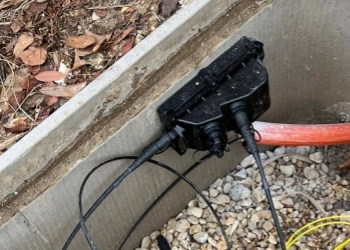 Multiport Service Termina Box
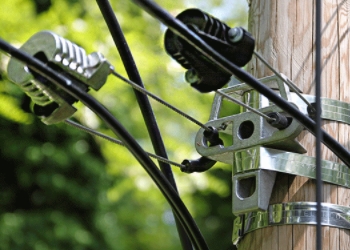 Fiber Optic Clamps
 About Us
 Our Team
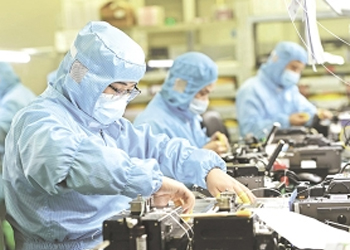 History
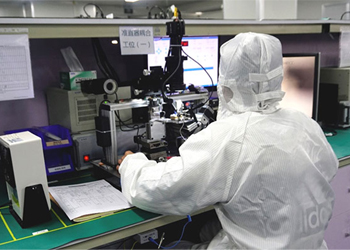 R&D Strength
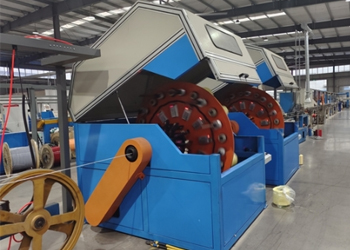 Production Base
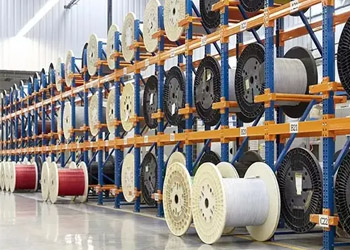 Warehouse & Logistics
 Quality
 FAQs
FAQsUnderstanding FTTH (Fiber to the Home) Technology
Contact for Free Quotation & Sample, According to your needs, customize for you.
inquiry nowUnderstanding FTTH (Fiber to the Home) Technology
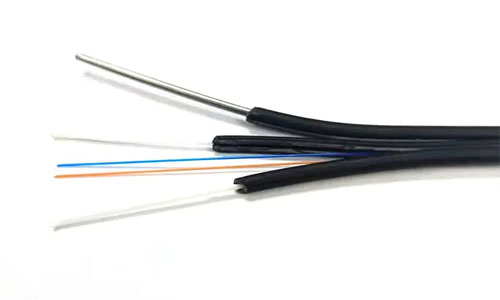
An FTTH cable provides the fastest broadband service directly to a home or small business. It’s called “fiber to the home” after all, because it’s meant to go fast. Americans of every walk of life depend on FTTH cables to receive reliable, high-speed connectivity.
Unlike the legacy copper wires, these cables utilize much thinner glass fibers that transmit data at the speed of light. FTTH cable installations equip whole communities to top quality stream, work, and connect in the aggregate. From a busy urban center to a sleepy bedroom community, they remove bottlenecks.
Today, many ISPs operate FTTH lines to new builds and even retrofitted into existing homes, creating an agile deployment of upgrades. In our following posts, we’ll explore what FTTH cables do. Plus, learn where to find them and what home installations will be like.

What Exactly is FTTH?
Fiber To The Home, or FTTH, is the kind of tech shift that actually alters the landscape. In other words, it delivers high-speed internet directly to homes via the most advanced technology available today—optical fiber. FTTH takes away the slow lanes of copper wires.
It delivers each residence a quick, reliable connection that handles all their internet, television and voice needs. The outcome? Speed and reliability that extends well beyond what the majority of legacy systems are able to maintain.
Defining Fiber To The Home
With FTTH, very thin glass fiber cables extend from the central office all the way to your home. The fiber drop cable is what connects your home directly to the network. On the customer’s side, your optical network terminal converts light signals coming through the fiber optic line into data your router can use.
FTTH, or Fiber To The Home, extends fiber optic cables all the way into one’s home. This is in contrast to FTTB and FTTN, which only reach to the building or a local cabinet. That direct path translates to less lag and no additional copper between you and the internet.
Why It Beats Older Connections?
In contrast, legacy internet such as DSL or coax use copper wire for their connections. Copper loses more signal strength the further away it is—fiber doesn’t have that problem. With FTTH, you can expect full-speed service at every point in between, whether you’re located downtown or in a bustling suburb.
Especially when compared to other technologies, FTTH connections are readily scalable to 1 Gbps or faster. That’s the kind of power you need to stream in 4K, video conference, play multiplayer games and back up files to the cloud—all simultaneously, without buffering!
My Take: It's Non-Negotiable Now
Today, families require so much more from their internet. With smart TVs, security cameras, and smart speakers on every block, FTTH handles it all without breaking a sweat.
It’s the bedrock of smart homes and all the devices we interact with daily. FTTH isn’t just nice to have—it’s non-negotiable.

How FTTH Delivers Internet?
Fiber to the Home (FTTH) delivers high-speed internet directly to your home through incredibly thin strands of glass or plastic—fiber optic cables. These cables transmit data using signals made of light, rather than electricity. This helps ensure that internet speeds remain consistently high, no matter how far they need to travel.
Yet in cities like Marrakech, the need for reliable internet is more pressing than ever. FTTH is answering the call with the strongest, most resilient network in place to deliver it. Here’s a look at just how this new fiber-fast connection works. It delivers the magic of cinema straight from the cultural capital of the world directly into your home.
1. The Journey of Light Signals
All data is transmitted over fiber optic cables in the form of light. At the other end, FTTH specific devices convert the light signals back into electrical signals that your devices can use. Waves of light signals travel through the center of a fiber cable, spanning continents and oceans.
They go nearly the speed of light because glass transmits light with very little interference. This capability is what allows FTTH to deliver speeds up to 1Gbps and beyond. It all begins with a laser or LED. When your provider is trying to send you data, their servers convert the information into light.
Think of the emergency strobe signal from a flashlight. It’s happening at speeds that are millions of times faster than your eye can see! The fiber optic cable then transmits this light. Connectors are used to splice lengths of fiber to one another, maintaining the integrity of the signal.
At the same time, optical splitters split the light, making it so that many homes can share one main cable. These passive optical splitters work with zero power input. They do this by efficiently splitting a single light path into multiple paths, which helps the network stay simple and less costly.
2. Core Network to Your Street
The core network is the backbone. Several large bundles of fiber optic cables—known as fiber trunks—carry data between cities and across the country. From there, the network fans out to much smaller nodes—these are usually referred to as central offices or local exchanges.
In Marrakech, these hubs are strategically located to serve a number of neighborhoods without spreading the fiber too thin. Once the signal arrives at a local hub, the signal breaks down into smaller bundles. These bundles make their way below the streets in conduits or above the streets on utility poles.
Underground cabling protects the fibers from the elements and other hazards. Aerial lines provide quicker installation in urban, congested environments. Together, these two approaches allow providers to bring internet as close as possible to every home, ensuring the last mile is indeed a true “last mile.
3. The Final Connection: Optical Network Terminal (ONT)
Once the fiber finally gets to your home, it connects to a small device called the Optical Network Terminal, or ONT. This device is your window into your internet service. This box converts the light signal received from outside.
It then translates that signal into the kind of everyday electrical signal that your devices and equipment need in order to function. The ONT is usually located near the point where the fiber comes into your home. You may see it in a common area or by the building’s front door.
From the ONT, Ethernet cable goes to your Wi-Fi router or directly to your computer. To ensure FTTH operates at maximum capacity, the ONT needs to be properly configured. Proper placement and minimal fiber splicing result in fewer issues and higher speeds.
In Marrakech, experienced technicians oversee each step. They help make sure that each home’s ONT is ready for the most demanding use, from multiple simultaneous HD streams to video calls.
4. Understanding the Key Hardware
So is the rest of the hardware In FTTH, many different parts all work together. The fiber cable itself is the most obvious. It’s thin—about the width of a human hair—but strong, thanks to coatings like plastic or Kevlar that guard against bending, heat, and bumps.
Splitters, as we discussed above, branch a single signal out to serve entire blocks or apartment buildings. The ONT is the gatekeeper between the light-based world of fiber and the wired networks inside your home. It interconnects to the wireless networks, allowing for seamless communication.
The truth is, FTTH is complicated. Quality cables and connectors ensure that light remains clear and strong, while inferior parts can lag behind or fail to perform outright. Fiber technology is making new leaps every day.
This means new ONTs and splitters can handle more data while mitigating added signal drop, making future upgrades easier.
5. Comparing FTTH vs. Other "Fiber"
| Technology | Speed | Reliability | Installation Complexity |
|---|---|---|---|
| FTTH | Up to 1Gbps+ | Very High | Moderate |
| FTTB | Up to 1Gbps | High | Moderate |
| FTTN | 100Mbps-1Gbps | Moderate | Low |
| FTTC | 100Mbps-1Gbps | Moderate | Low |
One of the big differentiators with FTTH is that it really does deliver fiber all the way to the home, not just the building or street. That’s because you’re not sharing with neighbors, so you’re still experiencing the same super-fast, super-steady speeds that everyone else on the line is getting.
Other configurations, like FTTB (Fiber to the Building) or FTTN (Fiber to the Node), employ copper or coaxial cables for the last link. This can dramatically reduce the speed of internet service.
Opting for FTTH provides a smart, future-proof solution for both providers and users. It’s future-proof, able to accommodate emerging technologies and increasing data demands with minimal upgrades.
6. Why Direct Fiber Matters Most?
Direct fiber lines, like with FTTH, provide your own open, unobstructed connection to the internet. No more waiting, no more traffic jams and consistent speeds around the clock. Since there are no legacy copper wires involved, delays (latency) are reduced.
Since your connection isn’t shared, heavy use in one home won’t drag down speeds for everyone else. This is critical for households who work, learn, and engage in recreational activities online concurrently.
Real Benefits for US Homes
Connecting every resident with fiber to the home (FTTH) is improving how Americans access the internet — amenities that are increasingly vital in today’s world. It’s more than just faster trips, it’s all the ways in which everyday life is made easier, smoother and dare I say, smarter.
Here’s a closer look at what sets FTTH apart for American homes.
Blazing Fast Internet Speeds
FTTH delivers speeds that usually exceed a gigabit, so it’s much faster than copper wires. That translates to smoother 4K streaming, lag-free gaming, and no hiccups during large video conferences. Families can attend virtual meetings, stream movies, and download files simultaneously without interruption.
Enjoy blazing fast internet speeds, up to 100x faster than your current legacy copper lines! Welcome to the end of page loading and video buffering. It’s a huge boon for people telecommuting as well as children requiring a reliable connection for remote learning.
Rock-Solid Connection Reliability
Fiber optics are much less prone to signal loss, just a 3% reduction every 100 meters, as opposed to copper’s 90%. This reliability reduces service disruptions and maintains quality of life, even in storms. Fiber is amazing just for its strength!
With a maximum pull of 200 pounds, it remains intact and reliable even in storm and construction conditions.
Handling Many Devices Easily
Every home today has a tower of devices—phones, computers, smart TVs, and others. FTTH can accommodate all of them at the same time with no loss of speed. Smart homes and broadband needs High bandwidth is critically important for smart homes.
Fiber can easily meet this demand, letting you turn on lights, locks, and thermostats in an instant.
Future-Proofing Your Home Network
Compared to their copper counterparts, which typically have a lifespan of around 15 years, fiber cables can last up to 50 years. They’re future-proof, prepared for whatever new innovations arrive. Singlemode fiber can easily carry data over 25 mile spans.
This future-proofing ability helps make sure our homes are equipped for the distance.
Boosting Home Value Potential
Homes with FTTH experience a tangible increase in value. Today’s buyers not only want fast, reliable internet, but most buyers now view fiber as a required amenity.
It’s a no-brainer, easy win for sellers and a logical decision for any buyer looking to future-proof their new home.
FTTH Network Design Basics
We can see how designing a smart FTTH network begins with these basic concepts. At its core, the network consists of an optical distribution network (ODN) that connects the central office directly to each home. This ODN often uses passive optical splitters, like 1xN splitters, to split and send the light signal to many houses at once.
Currently, the majority of networks built are in the point-to-multipoint (PON) configuration since they work well in environments with high density of homes. In less dense areas, a fiber to the home point to point (P2P) network can be more cost effective. The best option usually comes down to how many people reside within the neighborhood. It further depends on how wide the roads are.
Scalability is like the third rail. A carefully designed network will be able to accommodate future growth, be it an influx of new users or a need for increased speeds. It’s a good idea to plan in advance for the number of splitters. Plan for all forms of splicing, both fusion and mechanical, and map out your cable runs.
Fusion splicing, which uses an electric arc to melt fibers together at about 1600°C for robust, low-loss links, is the norm. Mechanical splicing, more prevalent abroad, is faster but introduces more loss.
The configuration of the network, or its topology, is one of the most consequential factors that determines the network’s performance. Each daisy-chaining, cabinet-based, or distributed splitting configuration comes with its pros and cons. For one, with distributed splitting requiring fewer splices and less material, builds are faster.
Regardless of the configuration, you need to examine your optical loss budget very seriously. This means testing for loss of light through the fiber, splices, connectors and splitters.
Comprehensive planning involves choosing the best spots for central offices, hubs, and drop cables. This includes working with local jurisdictions to obtain all the required permits.
Understanding "Fiber to the X"
Fiber to the X, or FTTx, is a term used to describe networks that use fiber optic cables. These cables provide internet straight from a central hub to homes, buildings, or city blocks. We’ve got all sorts of flavors in stock!
So FTTH, or Fiber to the Home, is literally that, the cable runs all the way to your front door. FTTB—Fiber to the Building. In this configuration, the fiber line reaches the basement or utility room, and an additional cable finishes the connectivity to the rest of the building.
FTTN, or Fiber to the Node, brings high-speed fiber optics only to a street cabinet. After that point, standard copper wires finish the job transporting the signal to your house. Why does it matter? Where the fiber stops matters because it determines how fast and robust your connection can be.
Importance of Different Types
Why these different types are significant in practice. Everybody wants FTTH. There’s no copper bottlenecks with it, just 100% fiber providing you comically fast speeds up to 1 Gbit/s and getting you ready for the future tech that’s coming your way.
FTTB and FTTN are appropriate in areas where existing wiring or the building configuration of multiple-dwelling units make it difficult to string new cables. They cannot always provide enough to meet the demands of streaming, work-from-home, or smart technology.
Fiber networks now pop up everywhere, from city blocks in Casablanca to remote offices in the Atlas foothills, because folks want solid, future-proof internet.
Different Types of Fiber Deployment
-
FTTH (Fiber to the Home): Fiber directly serves each home. Ideal for maximum speed and stability.
-
FTTB (Fiber to the Building): Fiber only goes as far as the building. The cabling inside the building takes care of everything else.
-
FTTN (Fiber to the Node): Fiber only goes as far as a local box, then copper lines run into homes.
-
FTTC (Fiber to the Curb): Fiber only gets to the curb, then it’s copper for the rest of the way.
Of these options, FTTH provides the highest quality, fastest, and most reliable service. Advantages and drawbacks FTTB and FTTC are optimal when you can’t physically trench new lines across the board, but speed decreases with the distance from the fiber.
While FTTN may be prevalent in the nation’s older neighborhoods, it’s the slowest of the bunch.
Why FTTH is the Gold Standard?
Why FTTH is the Gold Standard FTTH delivers all fiber directly to your home. Experience reliable high speeds ideal for streaming, remote work, and connecting all of your smart home devices.
Though more expensive to install, it is less costly in the long run and accommodates large increases as technology advances. In Morocco, FTTH lines help to ensure that families and businesses have the digital tools they need. They position them for the future.
Bringing Fiber Optics Home
Bringing fiber optics directly into homes is much more involved than simply running a new cable. It’s a complex, iterative process defined by local ordinances, technical requirements and the unique configuration of each parcel.
In many places like Marrakech, getting right-of-way access for fiber means working with city planners and local engineers, which can slow things down. Cost used to be the thing that prevented many neighborhoods from receiving fiber.
Approaches including micro-trenching cut through those last-mile obstacles quickly and efficiently. They shine in dense urban environments where tearing up half the streets of a city may be impossible.
Typical Installation Process Overview
-
Site assessment and planning
-
Securing right-of-way and local approvals
-
Laying the fiber using micro-trenching or similar methods
-
Setting up the optical distribution network (ODN) with splitters
-
Installing fiber to the home’s entry point
-
Placing and testing the in-home terminal and equipment
-
Final connection and performance check
Installers are required to adhere to rigid local code. Having to wait on signoffs from municipal engineers or civic association leaders is routine.
Smart teams engage with residents at each stage. They provide information on what’s going on, when crews will be on the ground, and how long the work will take.
What to Expect During Setup?
Considering the full process—from on-site preparation through final speed test—most FTTH installs, especially in mature networks, are completed within a couple days. Homeowners may see installation crews excavating or pulling fiber along the road.
We understand that occasionally a little dust or noise is unavoidable. Moving the installation inside will require some decisions about placement of routers and providing space for new equipment to be installed.
Obstructed walkways and difficult access slows down the job.
Maintaining Your Fiber Connection
Maintaining your new fiber optics connection can be easy and straightforward if you routinely inspect and clean cables and equipment.
Replacing outdated routers or installing regular firmware updates ensures the speeds promised stay constant. Your service provider usually takes care of repairs, so they may find issues before you even notice them.
Challenges in US FTTH Rollout
Deploying Fiber-to-the-Home (FTTH) nationwide holds great potential, but the reality is fraught with challenges. The goal should be obvious—get the most homes connected to reliable, fast internet as quickly as possible. In practice, it turns challenging fast. Geography, income levels, and yes, even red tape can delay deployments or raise costs. These hurdles are very significant.
As a result, more than 30 million Americans still don’t have broadband where they live, and the digital divide looms large.
Bridging the Urban-Rural Divide
Dense populations and easier returns for providers means urban areas are often the first to see FTTH deployed. Rural America is another matter. Sparse neighborhoods and lower incomes make it impossible for companies to recoup costs with the anticipated return on investment.
This gap isn’t just a fairness issue, it’s not just about equity, it’s about speed. Without specific investments in their communities, these small towns are increasingly being left behind. Bridging the Urban-Rural Divide would improve educational, employment, and healthcare opportunities for millions of Americans.
With fiber hitting Main Street, everyone in town gets a boost.
Installation Costs and Hurdles
Laying fiber isn’t cheap. Providers have to contend with high upfront costs for equipment and labor, and homeowners are at risk of having install fees add up. In one instance, rural builds are as much as 7% less expensive.
Shock of shocks, 10% more folks are signing up than predicted, but the vast majority of places still end up being costly. Permit problems and waiting on cables have led to months of delays. When suppliers can only meet 53% of demand, it gets a lot harder.
Reducing these costs will require collaboration, innovation, and perhaps a bit of subsidy from the public purse.
Navigating Local Regulations
We all know that red tape is a significant barrier. Each city or county may have special regulations on where you can trench or hang lines. Obtaining all the necessary permits can involve a lot of hoops, often over hundreds of different websites.
That makes the whole process slower for everyone. For service providers, a close collaboration with local officials is necessary to ensure that projects are able to continue moving forward. When the telecom and local government sides are in agreement, deployer rollout speeds increase and regulator headaches decrease.
The Future is Fiber Optic
Fiber optic cables are revolutionizing and defining the next evolution of telecommunications. Each passing day, the call for more speed, more strength in our networks grows louder. This increase is fueled by everyone streaming, working, and connecting more through smart devices.
Fiber optic networks aren’t just a smart response to today’s demand, they are an investment in the future. Their nearly unlimited bandwidth makes them ready for whatever’s next. Across the U.S., investments in fiber are picking up speed, with both public and private sectors seeing fiber as the backbone of tomorrow’s digital life.
Supporting Smart Homes and IoT
Smart Homes FTTH is the only way to support smart homes and IoT. With everything from thermostats to fridges going online these days, homes require a robust, high-speed connection.
Fiber to the home provides such a lift, ensuring that all your smart home devices can operate smoothly without a hitch. Whether it’s security cameras sending real-time footage or voice assistants executing daily schedules, fiber’s consistent bandwidth helps all of this function seamlessly.
As more people install devices, FTTH continues to push forward, allowing automation and remote control to operate in real time.
Enabling Next-Gen Entertainment
Whether you’re streaming in 4K or diving into the latest VR games, today’s entertainment requires more data—fiber is more than equipped to tackle it. Say goodbye to buffering when you’re streaming the big game or family movie night.
Low lag is critical for today’s gamers, and with the lowest possible response time, fiber allows for level online play between competitors. As shows and games continue to get sharper, larger, fiber guarantees that everyone has the best seat in the house every night.
Trends Shaping FTTH Advancement
Markets are volatile, innovation has accelerated and technology continues to evolve rapidly. More folks are demanding those big, steady pipes.
Demand for fiber has shifted in favor of fiber, and emerging technologies require high-speed connections. Fiber helps cities become more efficient and intelligent, linking everything from traffic cameras to public schools.
Being future-ready means doubling down on investments in fiber, staying ahead of demand and in line with consumer expectations.
Sustainability in Fiber Networks
Fiber cables are future-proof, have a much longer lifespan and are significantly more energy efficient than legacy copper lines.
With every fiber network built and operated, energy consumption is reduced, and waste is minimized. That translates to a smaller carbon footprint and greener cities, too—making fiber not just good for business, but good for the planet.
Conclusion
People from all walks of life in every corner of the country need reliable, high-speed broadband. FTTH cable to the rescue. All the way to the front door, it’s all pure fiber. You enjoy ultra-high speeds, ultra-low lag, and ultra-smooth streaming—even when everyone in the family is connected at the same time. Goodbye slow-downs during primetime or jittery zooms with Grandma. FTTH future-proofs your home against emerging technology, whether it’s a smart TV or a busy household with remote workers and distance learners. Saw a neighbor get fiber last year—he said his kids stopped griping about “lag” and his work calls sound sharp. Fiber really does change the game. Looking to leave outdated copper infrastructure behind? See what else is going on around your region. If FTTH is not an option, inquire about deployment timelines. Your fast, reliable internet awaits just around the corner. Don’t miss your chance to get in the fast lane with the web.
Frequently Asked Questions
What is FTTH cable?
What is FTTH cable? FTTH means “Fiber to the Home.” It connects homes and businesses directly with fiber optic cables, the fastest way to deliver high-speed internet. This change provides significantly faster speeds and increased reliability when compared with outdated copper cables.
How does FTTH improve internet speed?
FTTH is based on using light signals through fiber optics, which enables transfer of data at much higher rates. That translates to faster downloads, smoother HD and 4K streaming, and improved connectivity for all your smart home devices.
Is FTTH available everywhere in the United States?
Is FTTH available everywhere in the United States? Urban and suburban areas are more likely to have access, while rural regions might face limited coverage due to high installation costs.
What are the main benefits of FTTH for US households?
We know that FTTH delivers faster, more reliable internet with less lag time. It enables smart home devices, 4K streaming and remote work far more easily than outdated cable or DSL service.
What is the difference between FTTH and other “Fiber to the X” solutions?
FTTH is the best solution, as it extends fiber all the way to your home. Other solutions, such as FTTN (Fiber to the Node), deploy fiber across a portion of the connection. They make the jump to copper cables, which can significantly hamper internet speeds.
What challenges does FTTH face in the United States?
The biggest hurdles are the high cost for installations, complicated permitting, and availability of specialized labor. Rural and remote communities are particularly difficult to serve.
Is FTTH a future-proof investment for my home?
Yes. Is FTTH a future-proof investment for my home? As an added bonus, it’s ready for future upgrades, which makes it a smart investment for long-term high-performance.