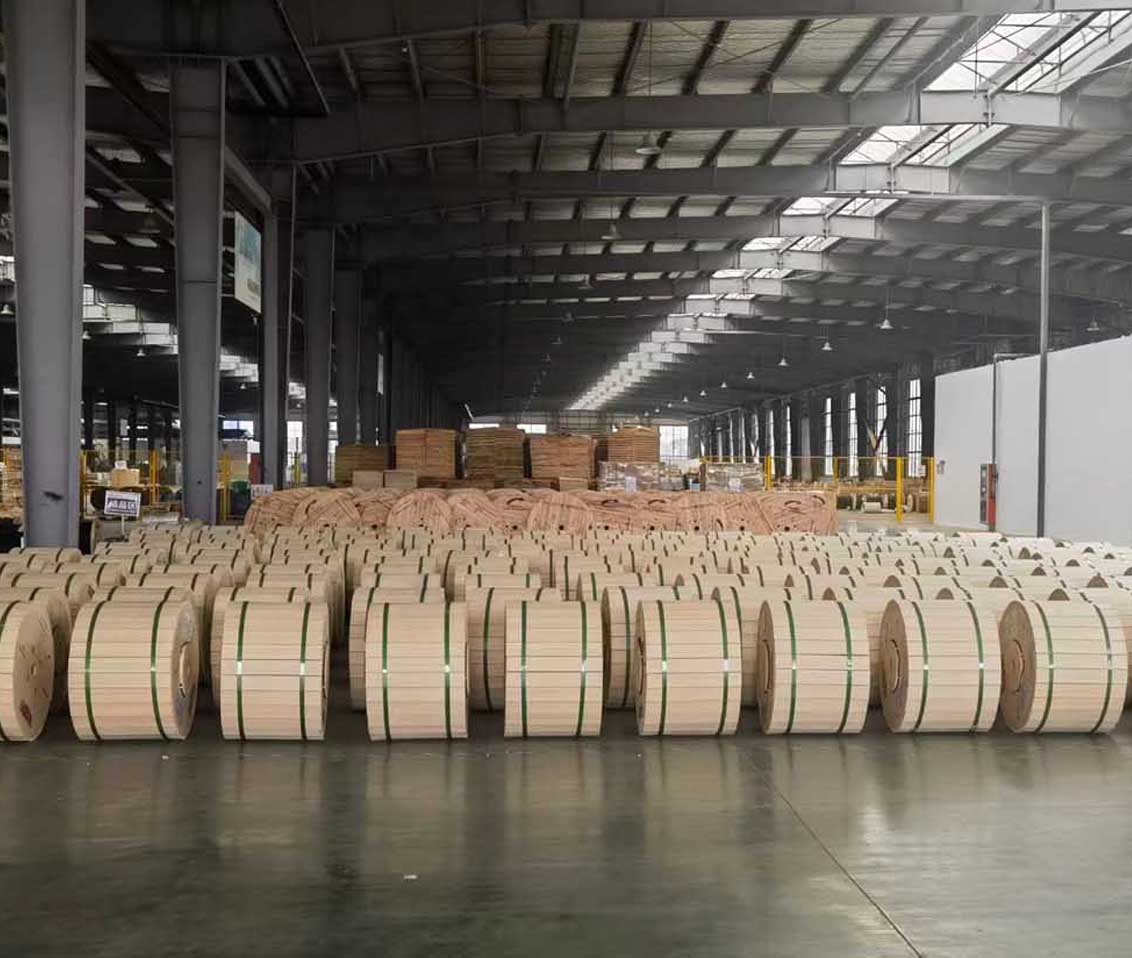
 Optical Fiber
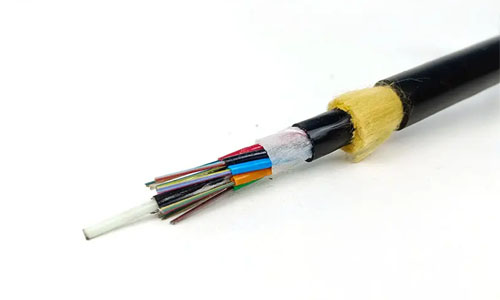 ADSS Fiber Optic Cable
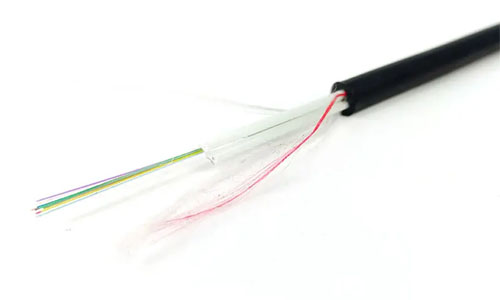 ASU Fiber Optic Cable
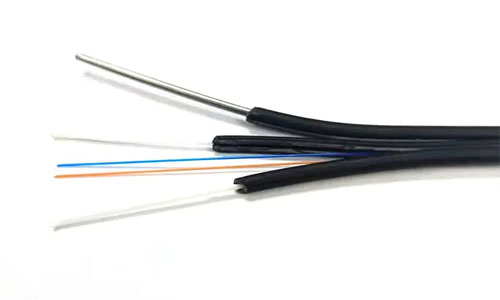 FTTH Fiber Optic Cable
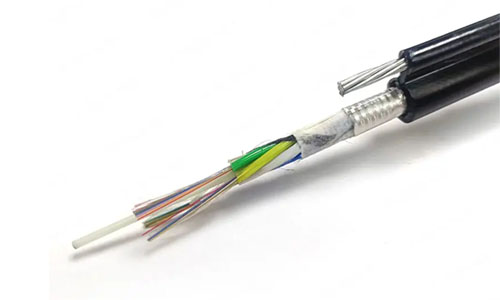 Figure 8 Fiber Optic Cable
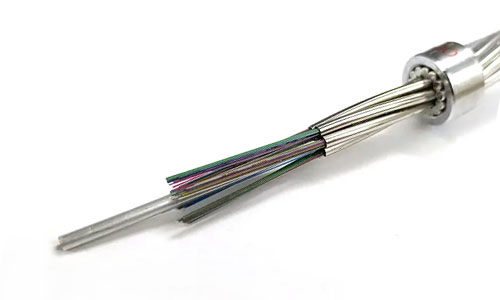 OPGW Fiber Optic Cable
 Coaxial Cable
 Ethernet Cable
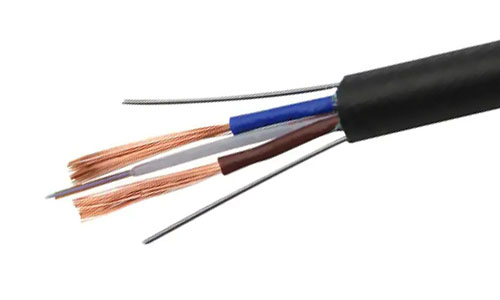 Photoelectric Composite Fiber Optic Cable
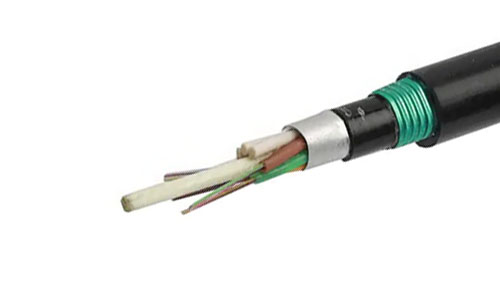 Underground & Pipeline Fiber Optic Cable
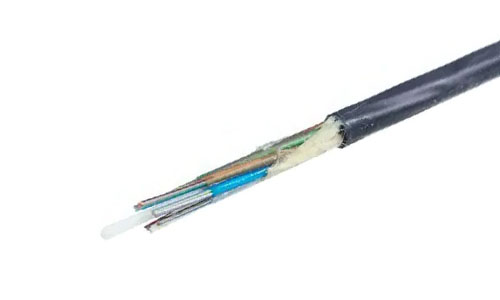 Air-Blown Micro Fiber Optic Cable
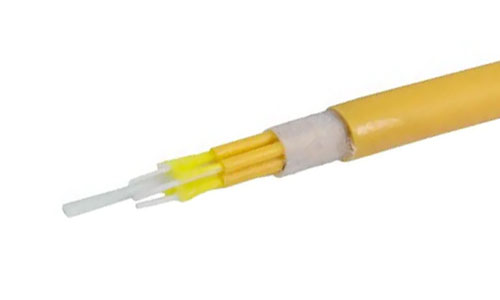 Indoor Fiber Optic Cable
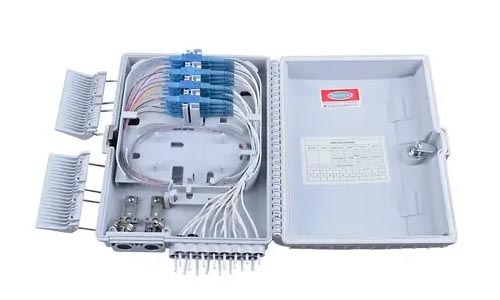 Fiber Optic Distribution Box
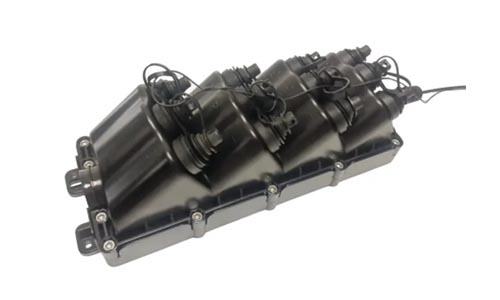 Multiport Service Termina Box
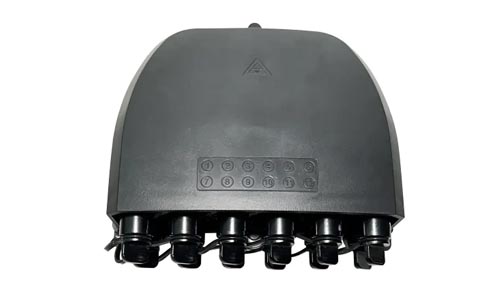 Fiber Optical Terminal Box
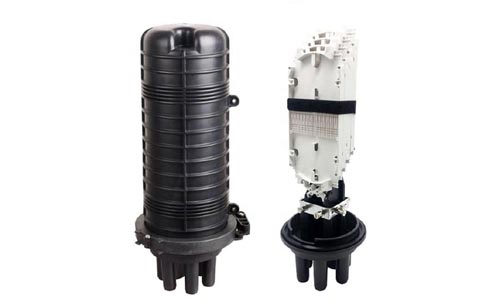 Fiber Optic Splice Closure
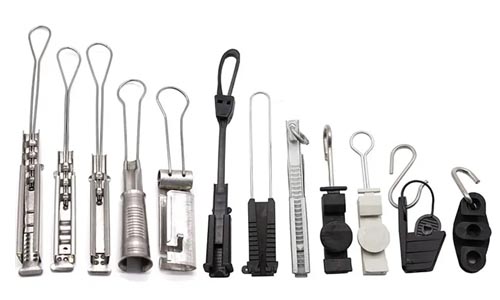 Fiber Optic Clamps
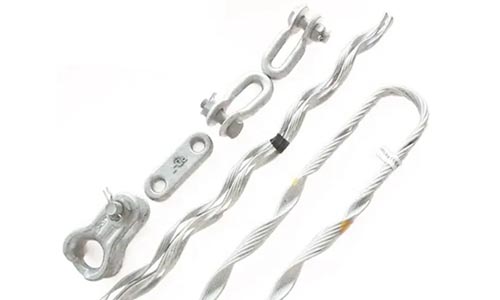 Fiber Optic Cable Fittings
 ADSS Fiber Cable
 ASU Fiber Cable
 OPGW Fiber Cable
 FTTH Fiber Cable
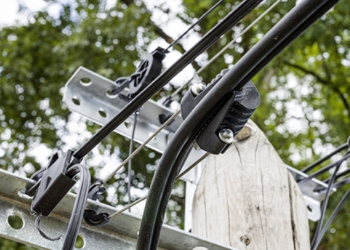 Figure 8 Fiber Cable
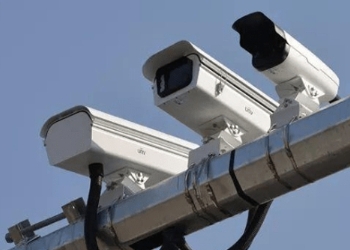 Photoelectric Composite Fiber Cable
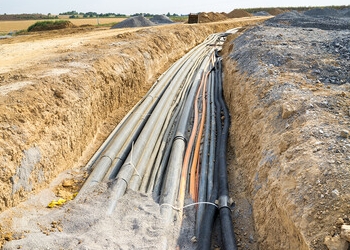 Underground & Pipeline Fiber Cable
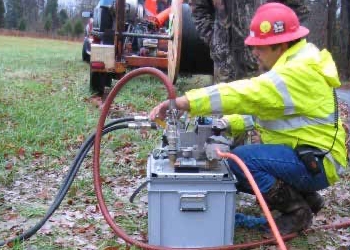 Air-Blown Micro Fiber Cable
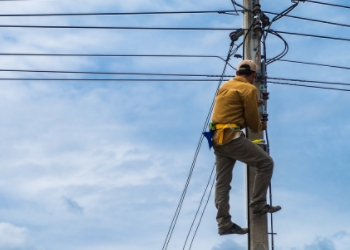 Aerial Fiber Cable
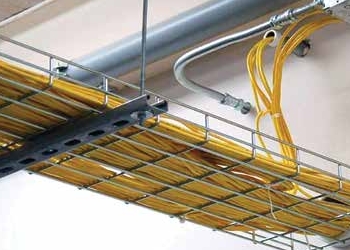 Indoor Fiber Cable
 Fiber Optical Terminal Box
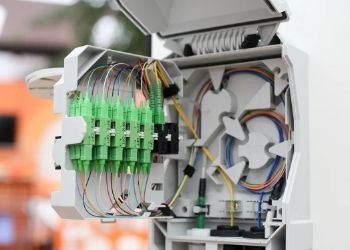 Fiber Optic Distribution Box
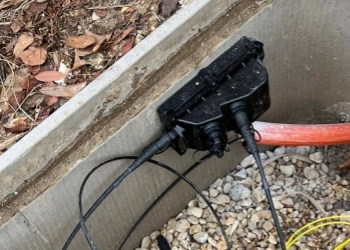 Multiport Service Termina Box
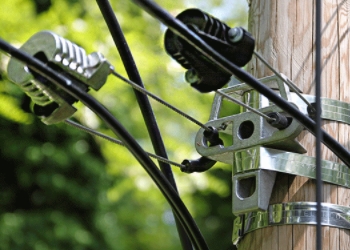 Fiber Optic Clamps
 About Us
 Our Team
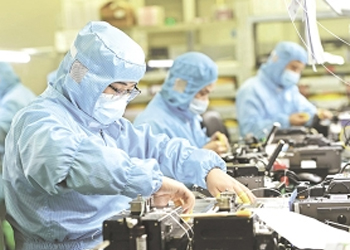 History
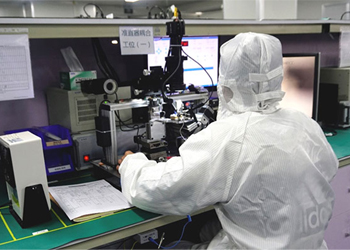 R&D Strength
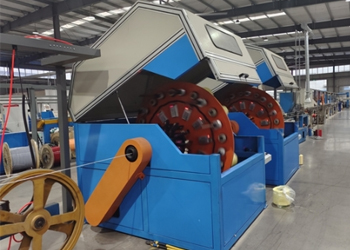 Production Base
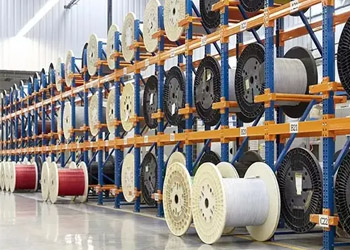 Warehouse & Logistics
 Quality
 FAQs
FAQsUnderstanding Fiber Optic Technology: Components and Applications
Contact for Free Quotation & Sample, According to your needs, customize for you.
inquiry nowUnderstanding Fiber Optic Technology: Components and Applications
-
Fiber optic employs light to send information along tiny threads of glass or plastic, providing speedy and dependable communication over vast expanses.
-
The composition of fiber optics, notably the contrast between single and multi-mode, affects their efficacy and use-cases.
-
Fiber optics have obvious benefits compared to copper wires, such as greater bandwidth, less signal attenuation, and immunity to EMP interference.
-
Fiber optics radically change industries like telecommunications, healthcare, smart cities, and the military by providing quicker, more protected, and more effective data transfer.
-
To effectively deploy fiber optic networks and internet, there must be strategic planning, expert installation and infrastructure/regulatory navigation — especially in varying environments.
-
Keeping up with fiber optic innovations can position you to capitalize on new possibilities in blazing-fast connections and cutting-edge solutions.

Fiber optic is a cable that transmits data as pulses of light over glass or plastic threads. It travels signals far faster and over much greater distances than ancient copper lines. Several ISPs are already offering fiber optic for quicker, more reliable speeds at home and work. The cables are slender yet durable, sometimes no wider than a strand of hair. They don’t get interference from power lines or weather, so they remain stable almost anywhere. Fiber optic is now embedded in a lot of stuff, such as streaming videos, video calls, and cloud storage. To illustrate how fiber optic works and why it’s important, the following sections explain the fundamentals and practical applications.
What Is Fiber Optic Technology?
Fiber optics transmits information as brief pulses of light along strands of glass or plastic fibers, making it an essential component in various fiber optic projects. It transmits many times more data than traditional copper wires and at greater speeds, thanks to the optical fibers' ability to utilize total internal reflection. While most fiber optic cables employ glass, plastic fibers are convenient for short runs and more nimble work. Each fiber consists of a small core, cladding, and a rugged protective jacket that cooperate to protect and guide the light.
1. Core Principle
Fiber optics works because of total internal reflection. If light enters the fiber at the proper angle, it reflects off the core-cladding interface rather than leaking out. This maintains the integrity of the signal over long distances.
The magic happens because the core has a higher refractive index than the cladding. That contrast captures the light within, steering it with few losses. Data races as coded light waves, allowing us to transmit films, calls and documents globally in moments.
2. Cable Anatomy
A fiber optic cable has three main parts: the core, cladding, and jacket. The core is the medium in which the light pulses along—occasionally as tiny as 8 micrometers. The cladding, typically 125 microns wide, embraces the core and holds light captive with its lower refractive index. The jacket, approximately 400 micrometers, protects it all from dings and water.
Glass fibers, which are stiffer, are better for long hauls, while plastic fibers bend more and fit tight spaces. Both have a role, depending on velocity and mileage.
3. Light Transmission
Light is transmitted through these fibers in the form of infrared beams. Lasers or LEDs transmit the light down the core. The chosen wavelength can affect the distance and speed of the data—shorter or longer waves suit different requirements.
Other fibers employ exotic materials such as germanium dioxide or chalcogenides for improved performance in specialized tasks. Minimizing attenuation is important, otherwise the signal will fade before it reaches.
4. System Components
Fiber optic systems require transmitters, such as lasers, and receivers that convert light signals back into data, along with optical fiber connectors to join cables. Optical amplifiers enhance the optical signal for long distances, while splitters and multiplexers enable a single fiber optic project to combine or separate signals.
5. Signal Integrity
Because of signal integrity, that data remains pristine and robust. Issues like microbending, dirt, or bad splices can damage optical fibers. High-quality components and meticulous installation of fiber optic cables maintain the integrity of the signal, even at distances extending several kilometers.
Fiber Versus Copper Wires
Fiber and copper wires are the foundation of how humans transmit information and communicate across the globe. There’s a time and place for both, but their mechanisms and advantages vary greatly. Fiber uses light to transmit information and copper wires transmit electrical impulses. Both have their advantages and disadvantages which count when choosing one for a task.
Advantages and limitations:
-
Fiber optic cables:. . * Carry more data at once (higher bandwidth).* Lose less signal over long distances (low attenuation) * Have a long life, sometimes 50 years. * Don’t rust or degrade as quickly as copper. * Indifferent to noise from other wires (no EMI). * Much lighter (4 lbs / 300 m). * Hardier, can withstand up to 90 kilograms of pull. * Excellent at transmitting data over long distances (beyond 100 meters). * Can go as fast as 800 Gbps, possibly 1.6 Tbps soon. * Fade only around 3% per 100 meters
-
Copper wires:. . * Easy to work with for small, short-range jobs (under 100 meters). * Cheaper up front and many places still have them. * Thick—roughly 18 kg per 300 m. * Short life span—most last about 5 years before rust creeps in. * Weak—only 11 kg of pull strength. * Lose upwards of 90% of the signal beyond 100 meters. * Can extend to speeds as high as 10 Gbps, but only for a short distance. * Pick up noise from other electronics (EMI), which can screw up the signal.
Fiber is beginning to sprout up all over the place, taking copper’s place in new IP networks, phone lines and cable TV. In rapid-growth cities entire neighborhoods are flipping to fiber. Telecom firms are doing this because fiber can deliver more data more distance and requires less maintenance. Even rural locations are migrating to fiber to achieve faster, clearer connectivity. It’s not just faster, it’s longer-lasting and lighter cables, too, so installation is simpler.
Navigating Fiber Optic Types
It matters for speed, reach, and reliability in fiber optic projects. Fiber optic cable, particularly the single-mode and multi-mode types, has different core sizes and applications, impacting the optical signal's distance and speed. Additionally, the flexibility of these optical cables is crucial for installation in various locations.
Single-Mode
Single-mode fiber employs an extremely thin core, just 8 to 9 micrometers in diameter. It’s this tiny size that allows the light to travel straight down the fiber, so there’s less signal loss. This is why single-mode cables are the go-to for long-distance jobs—like cross-country internet links or huge data centers.
Since single-mode prevents light from bouncing, you receive pure signals with minimal distortion. Nearly all phone and internet companies use single-mode for backbone networks, connecting cities or even countries. In data centers, it assists connecting equipment located at a distance.
Multi-Mode
Multi-mode fiber is known for its bigger core—either 50 or 62.5 micrometers. This larger route allows multiple light rays to pass simultaneously, which makes it ideal for short-distance installations. It’s typical in office buildings or campus networks.
The most common ones are OM1, OM2, OM3, OM4 and OM5. Each have varying speed and distance constraints. For instance, OM3 and OM4 (aqua jackets) support faster speeds over longer distances than OM1 and OM2 (orange jackets). A 50/125 cable provides nearly three times the bandwidth of a 62.5 cable.
Cable Jackets
Cable jackets protect fibers from dirt, moisture and bumps. They are available in PVC or LSZH, which is suitable for indoors, outdoors or in some cases wherever there are fire regulations. The jacket color can identify the fiber type for you, such as aqua for OM3 or violet for OM4.
A hard jacket extends cable life, but it can make it stiffer. When dealing with tight spaces, bend-insensitive cables are a wise choice. Heed bend radius numbers to prevent pinching fibers during installation.
Performance Metrics
-
Bandwidth: Shows how much data the cable can carry.
-
Attenuation: Tells you how much signal is lost over distance.
-
Distance: How far the signal can go before it needs a boost.
-
Modal Dispersion: How much the light spreads inside the cable.
-
Cable Count: The number of fibers in the cable (“12 Fiber, 8 x 50/125, 4 x SM”).
Testing these numbers during setup catches problems early! Walled gardens might be safer, but sticking to standards helps networks function optimally.
Real-World Fiber Optic Applications
Fiber optic cables, integral to modern technologies, utilize optical fibers to transport massive data across long distances. Their ability to withstand hostile environments and facilitate real-time communication has expanded their use beyond the original fiber optic project applications.
-
High-speed internet and telecommunication networks
-
Medical imaging and diagnostics
-
Smart city infrastructure and public safety
-
Military communication and surveillance
-
Undersea data transmission
-
Industrial sensing and monitoring
-
Photonic-crystal fiber technologies
Telecommunications
Fiber optic cables mold current telecom networks. They enable high-speed web, crystal-clear phone calls and seamless video streaming to be transmitted across continents and oceans.
Fiber’s superpower is speed and reliability. Just one fiber can transmit data at 100 Mbit/s or even 1 Gbit/s — far beyond what ordinary copper wires can handle. They lose very little signal–3% per 100 meters–compared to 90% for copper. This translates to less repeaters and lower costs over long distances. Fiber optics can operate in harsh weather and are less prone to external interference.
| Project Name | Region | Description |
|---|---|---|
| SEA-ME-WE 5 | Global (Asia-EU) | Undersea cable linking 17 countries |
| Google’s Equiano Cable | Africa/Europe | Connects Portugal to South Africa |
| National Broadband Network | Australia | Nationwide fiber rollout |
Smart Cities
Fiber optics assist smart towns in connecting sensors, cameras and IoT gadgets. This simplifies traffic control, air quality monitoring and street safety.
Real time data from fiber-connected devices allows city leaders to identify issues immediately. Public transit can reroute, emergency services receive early warning and energy consumption can be monitored. In other words, fiber keeps cities humming for all of us.
Fiber’s speed means even big data loads from thousands of sensors get to control centers in seconds. Which makes smart city tech more robust.
Medical Field
Fiber optics revolutionized medicine by rendering it non-invasive. As far back as the 1930s, physicians peered down bundles of optical fibers to peer inside the body. The first practical fiber optic gastroscope was patented in 1956. Today, flexible fiber scopes allow doctors to inspect organs with only a minuscule incision.
Fiber cables dispatch light into the body, so that surgeons or diagnosticians can clearly see inside. They energize accurate sensors that monitor things such as temperature or pressure within a patient. New fiber-based devices continue to shrink, making treatments more gentle.
Military Use
Fiber optics assist armies in maintaining data secure and fast. They connect command posts, vehicles and reconnaissance equipment.
Signals over fiber cables are difficult to tap and cannot be jammed by radio waves. This keeps communications secure. Fiber sensors capture minute variations in sound or motion, aiding in threat detection.
Fiber powers elite equipment too—NV, drone interfaces, live maps all need quick, safe connections. In combat, this could translate into speedier decisions and increased security.
The Deployment Challenge
Deploying fiber optic projects anywhere presents a unique blend of challenges that require both determination and expertise. Weird, right? Urban sites tend to hum with congested sidewalks, spaghetti wiring, and insane schedules. You’ve got digging crews threading their way through traffic, leaping underground pipes, or stumbling over and taking out somebody’s power. In urban areas, a clever trick is to lay fiber optic cable along water lines or in abandoned conduit. This allows us to skip some digging and keeps costs in check. Repurposing old poles is a bonus, particularly convenient for local utilities or co-ops who already possess them. These measures accelerate work and reduce clutter.
The countryside presents its own roadblocks. Vast open land stretches translate into more fiber connections for fewer subscribers, so prices go through the roof. For most providers, it’s hard to make the numbers add up. Here in the U.S., deploying fiber to every last rural nook and cranny could top out at $61 billion. That’s a lot to request, which is why subsidies and innovative financing are so important. Public-private partnerships, regional teamwork, and local governments rolling up their sleeves — it all makes a real difference.
From urban avenues to rural byways, skilled labor is perpetually sought. Every project requires fiber hands, cable-laying plow operators, and the ability to troubleshoot on the go. Currently, they report, we require 28,000 additional broadband builders and 30,000 new techs to fulfill demand. Training and hiring are just as critical as the cables themselves.
The world pitches its own surprises. For fording rivers or lakes? Some teams have gotten innovative, converting dredging ships into enormous plows to bury cable on the bottom of the sea. In places with a lot of wildlife, fiber requires additional protection — thick jackets — to prevent animals from gnawing through the lines. Every location presents its own challenge, so solutions have to fit what’s on the ground.
Rules and permits can bog things down too. Each trench or pole change out typically requires approval by local authorities. Navigating red tape requires foresight and persistence, yet it remains essential for maintaining project momentum.
The Future of Light Speed
Fiber optic technology is going to define the data world for decades. With data traffic having the potential to increase by a factor of 1,000 in the next 20–30 years, there’s tremendous demand for fiber optic cables that can be faster and more stable. Fiber optic lines now routinely ferry vast amounts of data with minimal attenuation across continents. In the future, these cables will probably carry even more, courtesy of new and improved tech in fiber optic projects.
One intriguing trend is photonic crystal fibers. These fibers employ patterned glass to steer light in novel ways. They can transmit with less attenuation and more directionality, resulting in increased speed and efficiency. This is a major advancement for transmitting large data such as streaming, video conferencing, or cloud activity. Another change is in how we divide light into colors, called coherent wavelength-division multiplexing, or WDM. This allows a single optical fiber to transmit multiple signals simultaneously, each on its own color, maximizing every strand. As this improves, networks will be capable of carrying more and more traffic without installing additional wiring.
Fiber optic tech is key for future broadband. Wireless alternatives such as 5G and WiGig are quick, but they have boundaries. Walls and buildings obstruct these signals and velocity falls with distance. Fiber doesn’t have these problems. Once it’s in the ground, it works for decades with less maintenance. It’s expensive to install, but over time, it’s cheaper than wireless, especially as demand for data continues to grow.
New concepts are coming rapidly. Silicon photonics is assisting in increasing the capacity per fiber. It’s a method for making tiny chips that play not only with electrons, but with light as well. These chips could do to networks what the PC chip did to computers – make them smaller, faster and cheaper. Quantum networks, built on fiber lines, might someday transport data in ways that are more secure and nothing like what we use today.
Fiber can also play nice with other tech to supercharge results. Take, for example, employing fiber as a backbone for wireless networks combines the best of both worlds. Although new technologies and concepts emerge, fiber optic will remain central to global data transmission and storage.
Conclusion
Fiber optic tech is speedy and transparent. Glass strands transmit light signals that can travel long distances with virtually no delay. Cities expand and schools and hospitals exchange patient data at blazing speed. Fiber trumps copper for speed and endures at long range. Work, chat, stream—fiber makes it buttery. Though builders still have rough roads and expense ahead, fresh tools and expertise maintain the momentum. A few towns deploy fiber for smart lights and street cameras. It expands its arms every year, the world comes nearer. To stay sharp, peek at local projects or question your network provider about fiber. Keep wondering as to how light will guide the next wave.
Frequently Asked Questions
What is fiber optic technology?
Fiber optic technology utilizes fine strands of glass or plastic, known as optical fibers, to transmit information in pulses of light, enabling quick and dependable communication over great distances with minimal data degradation.
How is fiber optic different from copper wires?
Fiber optic cables, utilizing optical fibers, send data as light, providing higher speeds and more bandwidth over longer distances without loss of signal compared to copper wires.
What are the main types of fiber optic cables?
There are two main types of optical fibers: single-mode and multi-mode. Single-mode fiber cables transmit light signals over long distances, while multi-mode cables, with their wider cores, are suited for shorter ranges.
Where is fiber optic technology commonly used?
Fiber optics, such as optical fiber cables, play a crucial role in internet infrastructure, telecommunications, medical imaging, and industrial automation, enabling high-speed operations.
What challenges are faced during fiber optic deployment?
Deployment of fiber optic projects is expensive and slow, requiring meticulous installation and skilled artisans to navigate tough topographies or pre-existing systems.
Is fiber optic technology future-proof?
Fiber optics, while often used in the context of fiber internet speeds or connectivity, are future-ready networks. As demand for speed continues to accelerate, optical fibers provide a long-term underpinning for future technologies.
Are fiber optic cables environmentally friendly?
Fiber optic cables, made from abundant materials like glass, consume less energy than copper wires, making them a superior choice for optic projects due to their increased longevity and efficiency.