 Optical Fiber
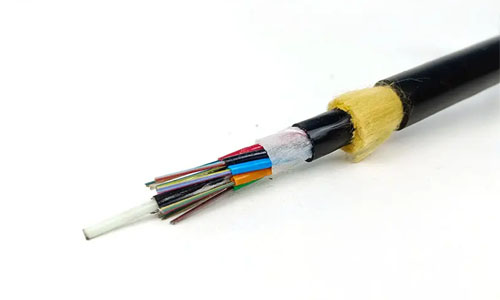 ADSS Fiber Optic Cable
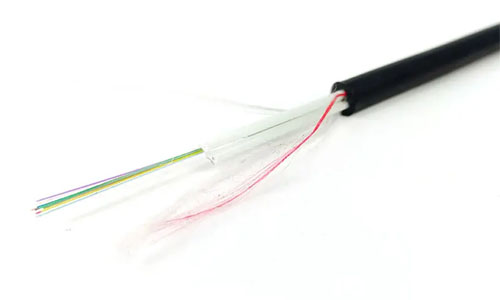 ASU Fiber Optic Cable
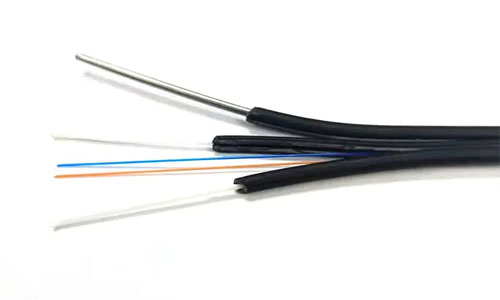 FTTH Fiber Optic Cable
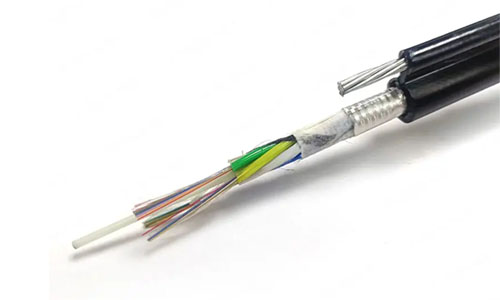 Figure 8 Fiber Optic Cable
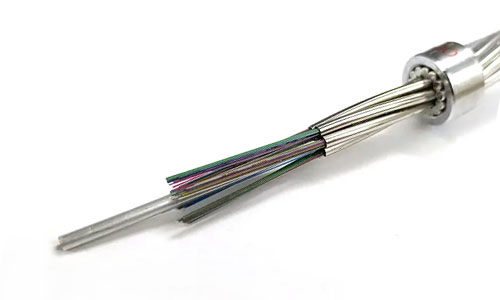 OPGW Fiber Optic Cable
 Coaxial Cable
 Ethernet Cable
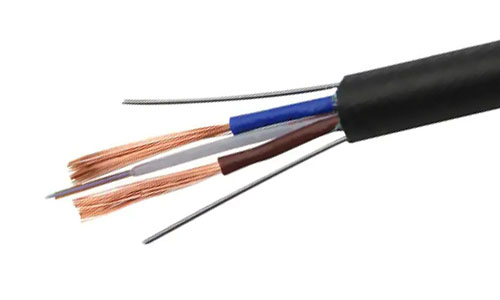 Photoelectric Composite Fiber Optic Cable
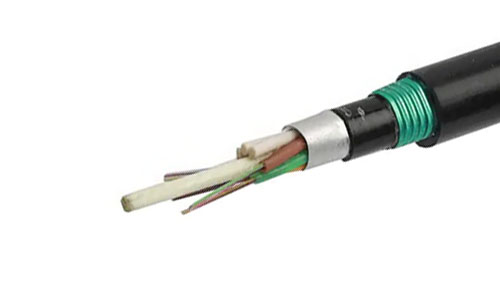 Underground & Pipeline Fiber Optic Cable
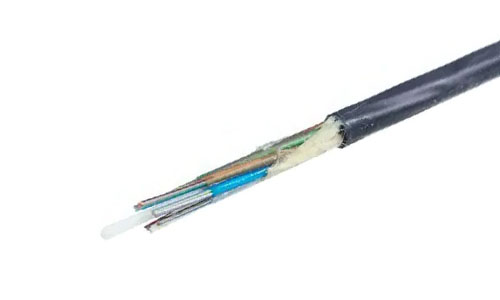 Air-Blown Micro Fiber Optic Cable
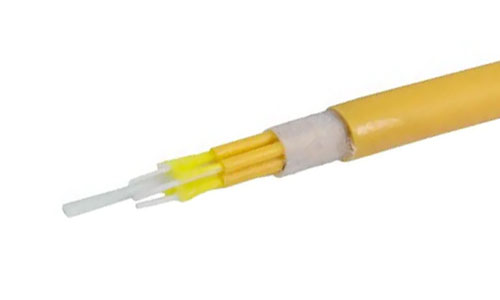 Indoor Fiber Optic Cable
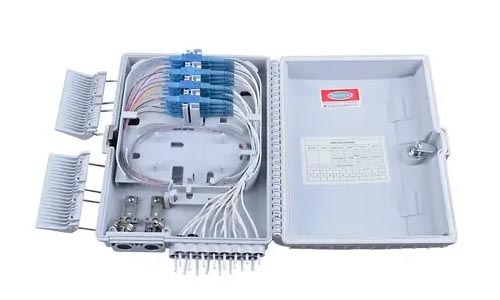 Fiber Optic Distribution Box
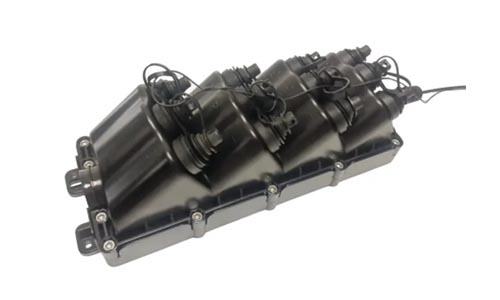 Multiport Service Termina Box
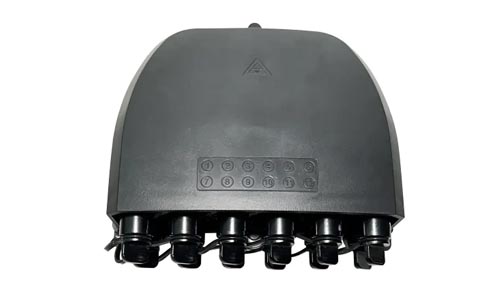 Fiber Optical Terminal Box
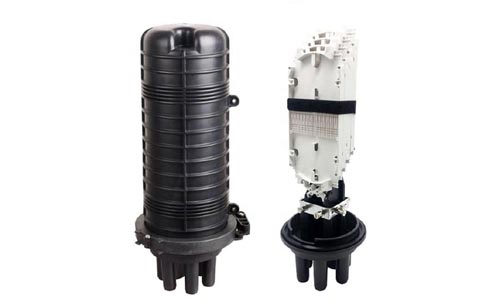 Fiber Optic Splice Closure
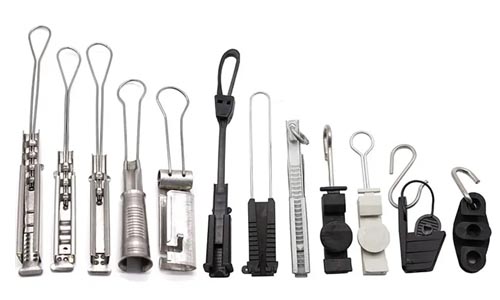 Fiber Optic Clamps
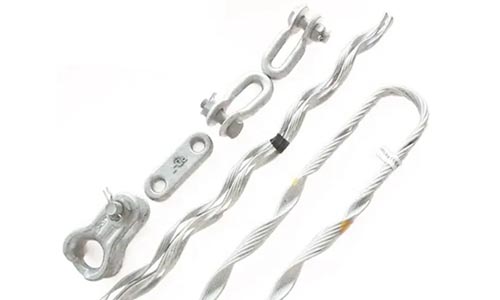 Fiber Optic Cable Fittings
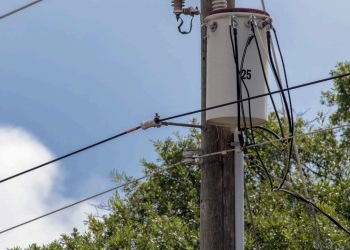 ADSS Fiber Cable
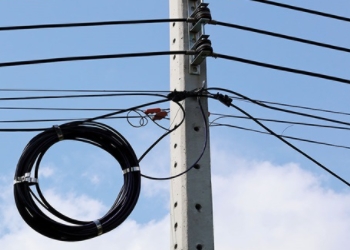 ASU Fiber Cable
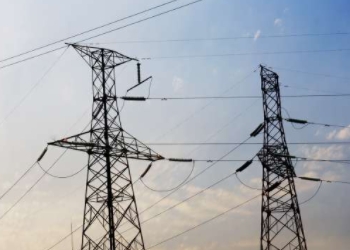 OPGW Fiber Cable
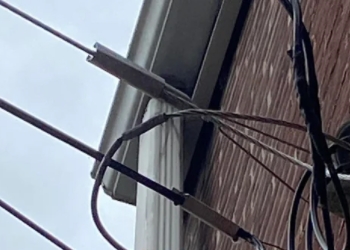 FTTH Fiber Cable
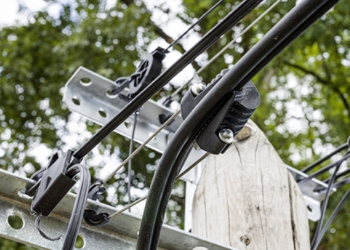 Figure 8 Fiber Cable
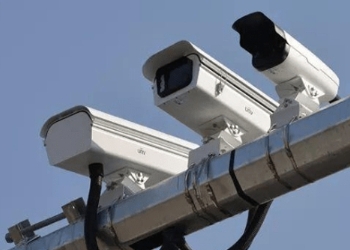 Photoelectric Composite Fiber Cable
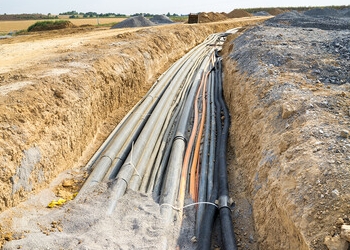 Underground & Pipeline Fiber Cable
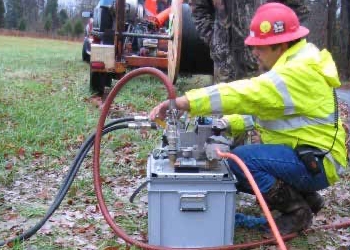 Air-Blown Micro Fiber Cable
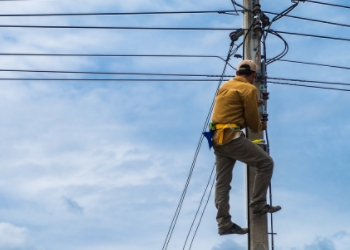 Aerial Fiber Cable
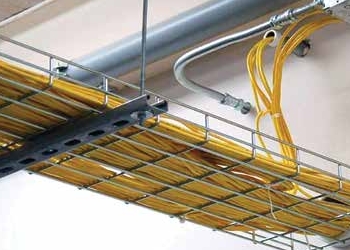 Indoor Fiber Cable
 Fiber Optical Terminal Box
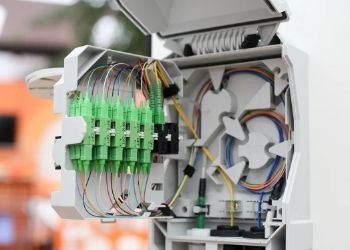 Fiber Optic Distribution Box
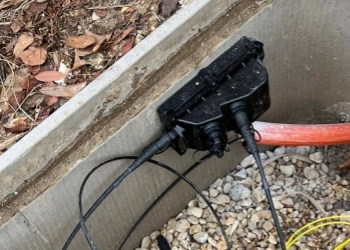 Multiport Service Termina Box
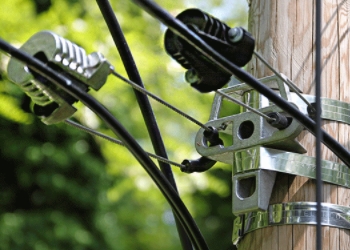 Fiber Optic Clamps
 About Us
 Our Team
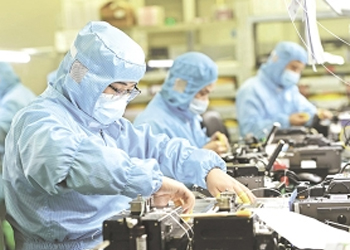 History
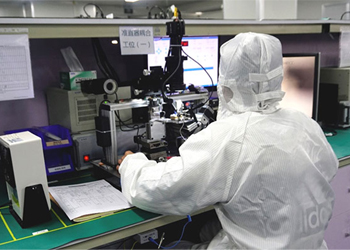 R&D Strength
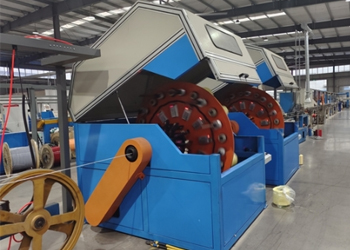 Production Base
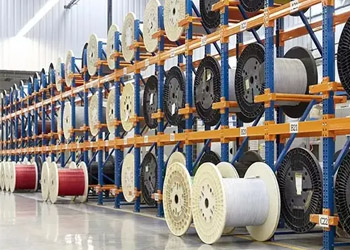 Warehouse & Logistics
 Quality
 FAQs
FAQsTop 10 Fiber Optic Cable Manufacturers in China
Contact for Free Quotation & Sample, According to your needs, customize for you.
inquiry nowTop 10 Fiber Optic Cable Manufacturers in China
China’s fiber optic industry is on top of the world. A large market potential, supportive government policies, and a network of industry suppliers and academic researchers create a perfect storm of conditions for growth and innovation.
Manufacturers with the best quality and certifications. They are committed to a consistent and ongoing investment in research and development, delivering innovative and dependable fiber optic solutions to markets worldwide.
Evaluating fiber optic cable manufacturers involves looking at international quality standards, certifications, innovation, customization capabilities, and after-sales support to ensure products meet diverse needs.
Chinese fiber optic products are attractive for their low cost, quick production speed, and additional services provided. Put quality and long-term reliability ahead of initial price in your purchasing decisions.
Factors such as 5G, the Internet of Things, and smart city initiatives will all play a part in determining the future of fiber optics in China. These advancements are accelerating demand for more complex, high-performance fiber solutions around the globe.
Manufacturers and clients alike will find the most success through developing deep relationships and keeping the end customer in mind. Collaboration and communication are key in this rapidly changing industry.
Our top 10 fiber optic cable manufacturers in China provide consistent quality and a broad array of products. For one, they have an excellent export track record. These companies are at the forefront developing safe, high-speed cables to carry telecom, data centers, and future smart home technology.
Most have already received international certifications, proving they are internationally recognized for high-quality products with excellent safety and rapidity. Their factories are highly automated with constant monitoring to ensure a consistent product at competitive pricing.
Each one of these fiber optics brands on the list has its own distinct advantage such as quick custom orders or robust after-sales support. Readers will discover true names, vital information, and unvarnished explanations for why each producer receives rated.
The following, in order, provides a deeper dive into what sets these 10 apart from a crowded, booming field.

Why China Dominates Fiber?
China's fiber optic cable industry stands out because of its size, strong state support, tightly connected ecosystem, and leading-edge technology. These factors in conjunction create a perfect storm for China’s continued dominance in the world of fiber production and innovation.
Market Scale
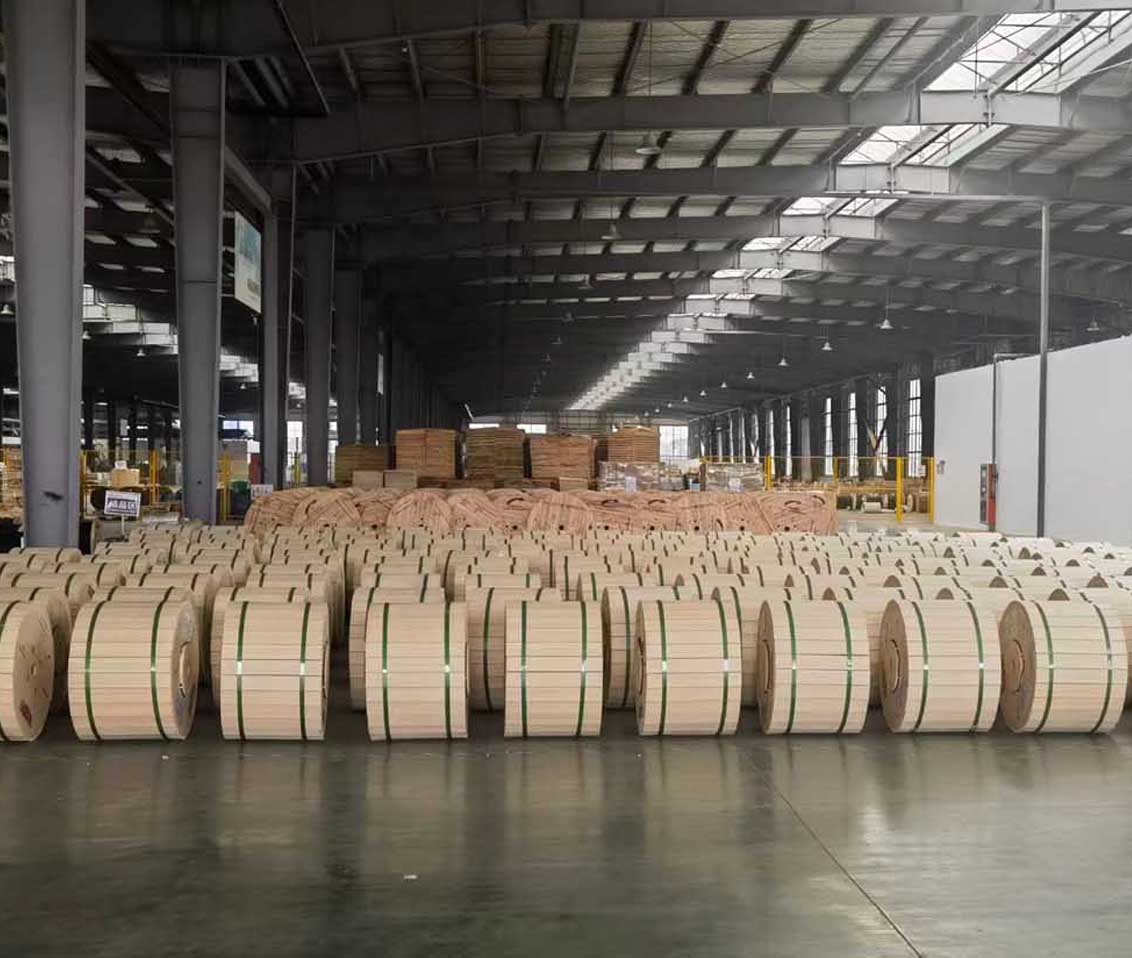
Today China manufactures more than 50 million core kilometers of optical fiber annually. This incredible production is supported by its enormous factories and a deep supply chain. This allows them to quickly fulfill orders, whether those cables are intended for American cities, private companies, or even other countries.
Main industries driving demand include telecom, energy, transportation, data centers, and urban development.
Telecom: China’s big telecom firms roll out fiber to millions of new users every year. Energy: Power grids and smart meters need stable, fast fiber links. Transportation: Railways, subways, and highways use fiber for signals and safety. Data centers: As cloud use grows, so does the need for high-speed fiber. Urban development: Smart cities and new homes want fast, reliable internet.
China is the only country that exports substantial amounts of fiber cables to 100+ countries, establishing them as a preferred global supplier. This huge market enables companies to undercut competition on price. It allows them to pursue more innovative concepts, distributing costs and risks across hundreds of purchasers.
State Support
These long-term plans adopted by the government place the fiber industry as a national priority. Their policies address the need for faster networks, improved internet access for small, rural towns, and additional funding for research. Tax incentives and direct assistance through grants and other means benefit small and large companies alike.
They’re able to purchase better equipment, attract talent, and create new manufacturing facilities. By controlling the production of certain inputs, state-owned firms establish industry standards and lead the market, ensuring that it remains orderly.
The government partners with private companies to pilot new technology. From smart cities to 5G communication networks, this accelerates commercialization from the lab to real-world application.
Ecosystem
China’s fiber ecosystem is very much based on the tight connections between material suppliers, cable manufacturers, and research laboratories. Engineers and skilled workers similarly circulate among manufacturing firms, spreading new ideas, new designs, and new skills.
Firms still tend to operate in tight clusters, so suppliers and clients are right around the corner. This ensures costs remain low and supply chains stay seamless. Training programs and a dedicated research pipeline with local universities and incubators continue to feed the skilled workforce.
These connections accelerate upgrades, reduce redundancy, waste and environmental impact, and improve connectivity with better cables.
Strategic Position
Asia’s biggest nation is well-positioned to send sub-sea cables quickly to any area of the globe. Ports and highways are well built. Exports reach every continent.
As a result, China has become a global center for fiber optic technology.
Essential Evaluation Metrics
When evaluating the best fiber optic cable manufacturers in China, international buyers should look for a few key evaluation metrics. These metrics are essential to making informed and wise choices. Choosing wisely results in easier, faster data, less heartburn, and cables that go the distance.
The main points to compare include:
-
Insertion loss (dB)
-
Attenuation (dB/km)
-
Bandwidth (Hz)
-
Signal-to-noise ratio (SNR)
-
Return loss (dB)
-
Polarization mode dispersion (PMD)
-
Core diameter (e.g., 8.3 μm, 10 μm, 62.5 μm)
-
These products comply with IEC 61034, IEC 60754-2, ITU-T G.652.D
Quality Standards
Quality standards determine how each cable will perform. Cables need to meet or exceed standards for insertion loss, attenuation, and return loss. For instance, lower insertion loss equals less signal power lost, an important factor for large hyperscale data centers.
International benchmarks, such as IEC 60754-2, hold the line for safety and performance. Cables that pass these standards perform effectively in extreme or delicate environments. Rigorous independent testing—measuring signal-to-noise, PMD and bandwidth—reveals the difference—the maker sweats the small stuff.
Following these guidelines builds credibility. Buyers have the confidence of knowing exactly what they’re getting, and this fosters years-long relationships.
Certifications
Certifications such as ISO 9001 or ISO/TS 16949 support a company’s assertion of quality practices. ISO9001 indicates the producer’s procedure is kept in sharp, consistent focus.
These IEC standards, like IEC 61034, ensure the cables’ safety and performance under rigorous global standards. These badges help buyers have the confidence to select the most appropriate supplier.
When a manufacturer possesses these certifications, it is an indicator that they have a commitment to quality and are adhering to international standards. Certification extends access to additional markets as well, as many buyers demand them.
Innovation Capacity
Being out in front requires the constant creation of new innovations. Firms that invest time—and money—into innovation deploy cables with less attenuation, more bandwidth, and less PMD.
In recognition of this, some cable makers have begun to provide cables with higher SNR, for purer signals. Some of them offer core diameters that are more appropriate for high-speed networks.
By continually demanding more, they enable their clients to stay ahead of growing data requirements.
Customization
Custom cables are a big deal. Clients from big telecoms to the individual homeowners need cables for every type of endeavor—undersea, metropolitan area grids, or residential networks.
Top makers listen and tweak cable specs: maybe a rare core size, special sheathing, or even custom-cut lengths. One of the critical components to success in the factory is flexibility.
One case: a large hospital needed low-smoke, zero-halogen cables, and the maker delivered fast.
After-Sales Support
After-Sales support matters. Just like with shipbuilders, competent makers don’t disappear once shipping occurs. They provide assistance with onboarding, quick responses to issues, and comprehensive run books.
After-sales support makes a big difference—troubleshooting installation issues or providing upgrade assistance. This support fosters confidence and encourages repeat business from clients.
China's Top Fiber Optic Makers

China’s fiber optic cable industry developed quickly, largely driven by technological advancements and an emphasis on quality. These makers have deep connections in their local markets and significant influence on the world stage. They show the heights that can be achieved when skill, scale, and vision are combined.
Some have been established for decades, some since the mid-1980s, and today operate massive factories with tens of thousands of employees. Their cables, transceivers, and copper solutions reach around the world. They are designed to withstand stringent standards such as IEC 61034 and IEC 60754-2. Some even deploy 60 million kilometers of fiber per month.
Here’s a snapshot of where each leading producer is excelling.
| Manufacturer | Market Reach | Strengths | Unique Offerings |
|---|---|---|---|
| ZTT Group | Global | Wide range, quality control, innovation | Major project contributions |
| Hengtong Group | Worldwide | High-tech, eco-friendly focus | Green manufacturing investments |
| FiberHome | International | R&D, telecom solutions, smart city focus | Tech for broadband and IoT |
| Tongding | Domestic/Export | Full solutions, strong QC, steady growth | Passive components |
| YOFC | Global | Large scale, tech-driven | Advanced fiber R&D |
| Fujikura (China) | International | Premium quality, innovation | Data transmission upgrades |
| Trent Technologies | Domestic/Export | Custom builds, client service | Flexible design |
| Shanghai Sanjiang | Emerging Markets | Diverse products, QA focus | Telecom infrastructure |
| FEIBOER | Global | High performance, sustainability | Optical communication advances |
| Baosheng Group | Domestic/Export | High-density fiber, industrial innovation | Application variety |
1. ZTT Group
ZTT Group is the largest fiber optic supplier and manufacturer of fiber optic cable, passive components and telecom copper wire. Their product line includes everything from core lines to advanced specialty accessories. ZTT’s dedication to premium quality and continuous R&D ensures their cables not only exceed industry standards, but lead the pack in technology advancements and features.
They’ve developed a network of collaborators across more than 100 countries. Collectively, they are deploying the largest telecom builds from Europe to South America. Their fiber optic staff—over 30,000 strong—manages ZTT’s progress strong and steady.
2. Hengtong Group
Hengtong Group, which manufactures products including high-grade fiber optic products, invests heavily in smart factories. For speedy, future-ready production, they utilize cutting-edge technology for agility and innovation, placing sustainability at the very heart of their practices.
Hengtong not only sells extensively in China but has established extensive projects in Russia, Europe and Latin America. Their commitment to sustainable production is evident in their waste reduction and energy efficient processes.
3. FiberHome Technologies Group
FiberHome places a huge emphasis on R&D, investing significantly in new fiber designs and smart network technologies. Their catalog includes telecom cables, broadband, and IoT-ready solutions. FiberHome’s influence is global, partnering with major telecom companies, and aiding in smart city development.
Their research teams help shape modern broadband access, especially in growing cities. FiberHome’s partnerships with global telecom operators help them stay at the front of the industry, always adapting to new market needs.
4. Tongding Interconnection Information Co., Ltd.
Tongding focuses on full-service fiber optic solutions. They are unique both for their passive components and for their quest for innovation. Rigorous quality controls, personal service, and attention to every customer have clients coming back.
Tongding’s growth is reflected in their increasing market share and recent technology introductions.
5. YOFC (Yangtze Optical Fibre and Cable Company)
As one of the three largest in China, YOFC has large plants and highly developed advanced manufacturing plants, and efficient fiber R&D. They export to all continents and establish research connections across the globe.
6. Fujikura (China) Co., Ltd.
Fujikura’s reputation is linked to premium cable performance. Their products increase network data speeds and reliability. Along with their partners around the world, they continue to innovate to advance network performance.
7. Trent Technologies
Trent is recognized for its specialty, custom fiber solutions—they are constantly modifying designs per order. Their small team focuses on customer service, allowing them to expand their footprint both domestically and internationally.
8. Shanghai Sanjiang Cable Co., Ltd.
Sanjiang provides an extensive range of fiber optics and emphasizes stringent quality control. They introduce innovative technologies and defend the telecom infrastructure from bad actors with robust, proven cables.
9. FEIBOER
FEIBOER’s competitive pressure FEIBOER Cable lobbies for ever higher-performance cables and greener production. Their links to global partners, especially through management and technical exchanges, help them provide leadership in next-generation optical technology.
10. Baosheng Group
Baosheng has a particular emphasis on high-density fiber for aerospace, rail, telecom and other industries. They continue to push the envelope with innovative designs and reliable service both here and overseas.
The Quality-Cost Equation

Balancing quality and cost is a key consideration in fiber optic cable manufacturing. Performance is king for buyers, but so is the budget. The table below breaks down important quality and cost factors:
| Factor | Quality Impact | Cost Impact |
|---|---|---|
| Raw Materials | High-grade glass boosts signal | Premium inputs cost more |
| Production Tech | Precision cuts loss, raises QC | Advanced lines raise expenses |
| Skilled Labor | Fewer flaws, better QA | Higher wages, training needed |
| Testing & Standards | Guarantees reliability | Adds steps, costs rise |
| Scale of Output | Consistent output, less waste | Lowers per-unit price |
| Value-Added Services | Customization, fast support | Raises price, adds value |
Competitive pricing is the engine of a lot of transactions. Chinese manufacturers are able to underprice competitors by purchasing material in large order quantities, operating high-speed machinery, and building large facilities.
When producers find ways to save money, they’re able to sell cables at prices that make international buyers pay attention. If prices fall below a certain point, quality is likely to suffer. For many homebuyers, they welcome the opportunity to pay a bit more upfront to avoid dealing with extensive repair costs down the road.
Manufacturing speed and technology shifted to allow for higher production rates with less quality assurance failures. With automation able to check for flaws more efficiently, fewer defective cables will get past quality control checks.
As factories begin to scale up, they tend to drive their machines and workforce to maximize productivity. In that case, each individual meter of cable is cheaper to produce. Experience ensures that the right quality is built in—issues are caught early, maintaining high quality while increasing speed.
Manufacturing Edge
We’ve heard the rhetoric—China’s factories are big, China’s factories are fast. Large orders are filled very quickly. Most operate with the help of robots and smart production lines that minimize mistakes and maximize production.
These wise systems are proving to save more waste and keep costs low. When one person is in charge of a clever smart line, an entire shift goes better, with reduced downtime. Scale matters—large production runs lead to lower costs per cable—which explains why Chinese products are hard to beat on price around the globe.
The role of skilled hands is still important. Training ensures that workers are able to identify defects quickly, reducing scrap and maintaining high quality standards. China now has a tremendous advantage in the global market due to that same combination of innovation and observation.
This powerful combination means competitive prices, but dependable quality.
Global Standards
Fiber optic cables need to comply with rigorous international standards. International standards, such as those set by ISO and IEC, dictate how durable, safe, and dependable cables need to be. Complying with these rules isn’t just about going on to pass tests—this is how Chinese brands can start building their trust overseas.
European or American buyers won’t touch you without these certifications in place, and they’re written into the agreements before buyers sign deal sheets. Ensuring that cables successfully get through all tests can delay manufacturing and increase expenses.
In the long run, it saves money. The quality-cost equation High standards lead to less return and higher ratings. When a company successfully establishes quality, it rises to the top—even in the most saturated markets.
Custom Solutions
-
Bespoke industry—telecom, medical labs, energy—requires bespoke cables. One may desire super thin lines to fit into narrower areas, while another might request cables that can withstand extreme conditions or cables that can flex without snapping.
-
Production is done with advanced tools and software, allowing the manufacturers to custom fit cables to every application. This technology allows them to alter color, length, or strength rapidly, without having to manufacture an entirely new line each instance.
-
This is why listening is so important. Factories that have ongoing conversations with customers on each specification—speed, signal degradation, exterior jacket—have the best first-time quality.
-
Custom jobs are a great way to keep customers satisfied. When a cable is perfect, customers remain faithful, and returns fall. While these custom solutions may be more expensive up front, the return on investment is lasting credibility.
Future of Chinese Fiber Optics
China’s fiber optic industry is at a crossroads. High-speed internet, smart cities, and digital trade all increase the demand for advanced fiber technology. Both urban and non-urban communities are experiencing new fiber optic cables being installed.
China’s fiber optics tale isn’t just about wires. It’s about the incredible people, remarkable ideas, and an unmatched determination to connect the world.
Market Trends
Today, Chinese fiber optic manufacturers continue to pursue the next higher order race for speed and connectivity. The ever-increasing demand for high-speed web connections, coupled with the emerging trend of cloud computing, influence what products are manufactured next.
Smart cities need rapid, reliable data. Fiber optics provide the solution to that demand. In regions that are home to some of the largest populations of Americans living, working, and commuting, high-speed connectivity isn’t an aspiration—it’s an imperative.
This push not only alters the strategy that cable manufacturers take to develop cables, but the value-added capabilities they prioritize. New designs today focus on reducing lag and increasing data per second, such as space division multiplexing or hollow-core fibers. What goes on in China’s cities today can establish trends that go on to have profound effects around the globe.
R&D Investment
The money you invest in research sets the tone for the entire industry. In China, telecom and fiber optic companies are investing heavily on innovation. This type of innovation is more than a matter of catch up, it’s a matter of getting ahead.
Leading companies including the likes of YOFC and FiberHome lead by example. Their fabrication labs develop technology that enables data to move faster, farther, and at lower cost. These efforts aren’t strictly beneficial to sales, either. They help to raise the bar for all.
Smart R&D will result in stronger, faster cables that can meet the demands of our next technology revolution. When that research results in intelligent, easy-to-implement solutions, it benefits users globally — not just in China.
5G and IoT
Fiber optics are indeed the backbone of 5G. Without them, there’s no seamless, high-speed connection for innovations from self-driving cars to smart homes. As 5G continues to roll out, cities and towns are looking for new lines to be laid quickly.
It’s the same story with IoT, as more devices get connected each and every day. Chinese manufacturers and suppliers view this as a significant opportunity. They manufacture cables for everything from urban traffic lights to agricultural sensors.
The more things that connect, the larger the demand for robust, low-latency fiber becomes. Growth here seems very solid as 5G and IoT continue to roll out everywhere.
Global Challenges
Trade rules can block progress. Rivals in other countries mean tough markets. Supply chain limits slow things down.
Winning means staying quick and open to change.
Value of Strategic Partnerships
Strategic partnerships have driven the fiber optic cable industry in China. They do this by helping companies expand their product portfolios, penetrate new markets, and ensure ongoing innovation. Through collaboration, businesses can pool their knowledge, resources, and in some cases their risks.
This collaboration is crucial for leading in a rapidly evolving and highly competitive space.
Engineering Expertise
Second, a network of skilled engineers and technical experts should be at the heart of every successful fiber optic manufacturer. They don’t just solve problems—they proactively spark new ideas and develop trusted products.
Perhaps most importantly, many of the leading Chinese manufacturers heavily invest in continuous education and training, ensuring their workforce is always equipped with the latest tools and processes. This orientation to expansion ensures that clients receive products that meet the needs of the real world, rather than meeting a set of specifications on a drawing.
A recent joint development project where a manufacturer and a global telecom collaborative developed a new generation of cables for Arctic conditions is one example. Collectively, their engineers quality tested materials, exchanged ideas and expertise, and ultimately developed a solution that passed the test.
These types of partnerships are invaluable to the end product. They establish credibility and trust between the creator and the customer.
Long-Term Reliability
Long-term reliability is what distinguishes exceptional fiber optic products from mediocre ones. To ensure cables are produced to successfully last and perform over a long period of time, manufacturers employ rigorous testing and use high-grade materials.
This emphasis on long-term reliability reduces the need for maintenance and ensures networks are more reliable. Today’s customers increasingly value long warranties and unambiguous service commitments.
Not only do these provide long-term reliability peace-of-mind, they serve to illustrate a company’s confidence in its own products. When a manufacturer commits to their cables for ten years and beyond, it creates lasting relationships with purchasers.
In the end, this trust matures into brand loyalty that fosters repeat business.
Beyond Specifications
There’s more to choosing a fiber optic partner than technical specifications. Factors such as customer service, post-sale assistance and actual turnaround times are huge factors. Almost all buyers appreciate a responsive team that understands their needs and makes necessary changes.
A little personal service goes a long way toward turning a one-time customer into a lifetime partner. When you know what your client is looking for and are readily available to guide them through, it results in more successful projects and satisfied clients.
Collaborative Growth
Collaborative growth is perhaps the most favorable byproduct of a valuable partnership. When they collaborate, businesses combine what they’ve learned and their areas of expertise.
This sometimes produces novel concepts or even entirely new inventions that neither entity could have developed independently. Healthy partnerships develop with honest conversation, defined objectives, and a measure of compromise.
One example: a Chinese cable maker and a European broadband provider worked side by side to build a faster network, using each other's insights to speed up the project and keep costs down.
Conclusion
China continues to dominate in fiber optic cable. It does this by pairing cutting-edge technology with intelligent cost strategies and a commitment to building lasting relationships with customers. China’s best manufacturers demonstrate true craftsmanship, from precision glass manufacturing to competitive price points. Each company is unique in its combination of coverage, customer service, and installation speed. One global builder switched to a Chinese supplier and cut costs by 20% in one year while keeping speed and uptime. Teams that choose the right partner experience fast wins and less friction. The future is definitely looking bright, with continued growth and new technology just around the corner. For teams set to boost their network or up their game, now is a smart time to look at China’s best and see what fits.
Frequently Asked Questions
Why is China a leading producer of fiber optic cables?
These include advanced manufacturing technology, strong supply chains, and large-scale production. These reasons lead to China being one of the top producers of fiber optic cables in the world.
What should I consider when choosing a Chinese fiber optic cable manufacturer?
Look out for quality certificates, product capacity, cost, experience in exporting, and after-sales service. These considerations are key for making sure products are reliable and deterrent of any cooperative hiccups.
Are Chinese fiber optic cables reliable?
Yes. Most of the Chinese manufacturers we work with are ISO, IEC, RoHS and REACH certified. Top manufacturers manufacture premium products that are used and relied upon around the globe.
How do Chinese fiber optic cable prices compare globally?
Chinese fiber optic cable prices are more competitive primarily because Chinese manufacturers produce more efficiently and pay their laborers less. As a result, Chinese suppliers are extremely competitive in the international marketplace.
Can I request custom fiber optic cable solutions from Chinese manufacturers?
Yes. Almost all of the best Chinese manufacturers will provide fiber optic cable customization to address unique technical or project needs. They have the ability to manufacture cables according to your custom requirements.
What are the benefits of partnering with a Chinese fiber optic cable producer?
These partnerships can lead to significant cost savings, access to new and advanced technology, and flexible production. Chinese manufacturers tend to provide robust export assistance and quick turnaround times.
How is the future of China’s fiber optic industry shaping up?
China is still pouring money into their r&d. That’s how China is able to constantly innovate and produce better-quality products, which helps keep China leading in the fiber optic industry.