 Optical Fiber
 ADSS Fiber Optic Cable
 ASU Fiber Optic Cable
 FTTH Fiber Optic Cable
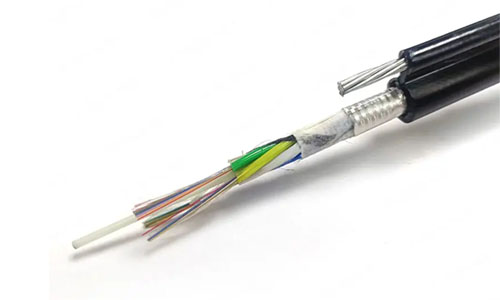 Figure 8 Fiber Optic Cable
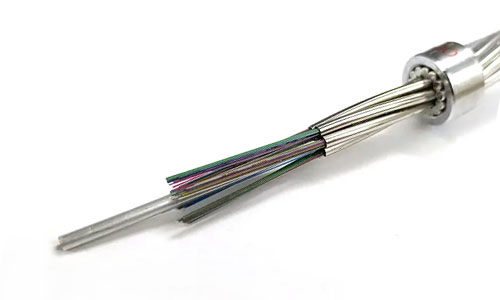 OPGW Fiber Optic Cable
 Coaxial Cable
 Ethernet Cable
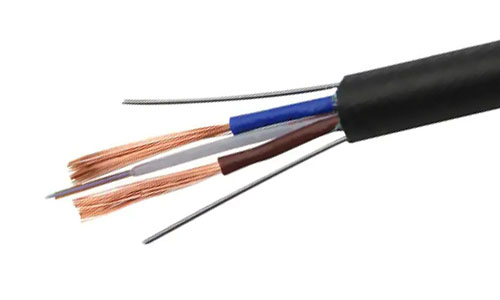 Photoelectric Composite Fiber Optic Cable
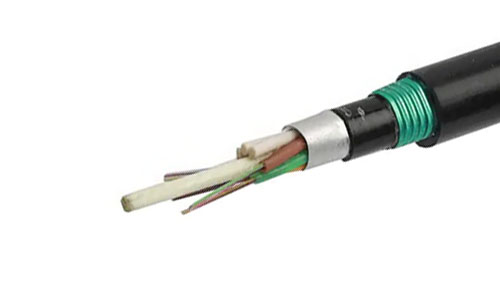 Underground & Pipeline Fiber Optic Cable
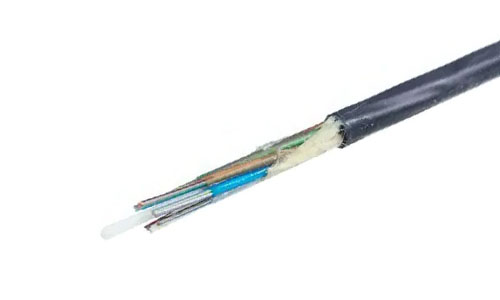 Air-Blown Micro Fiber Optic Cable
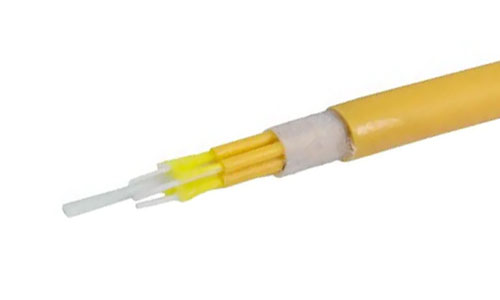 Indoor Fiber Optic Cable
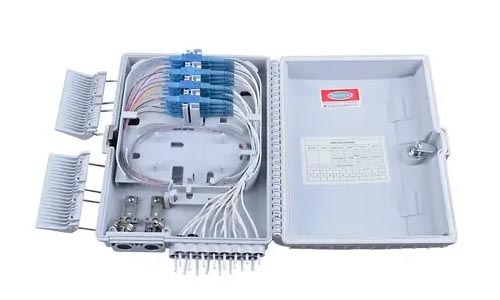 Fiber Optic Distribution Box
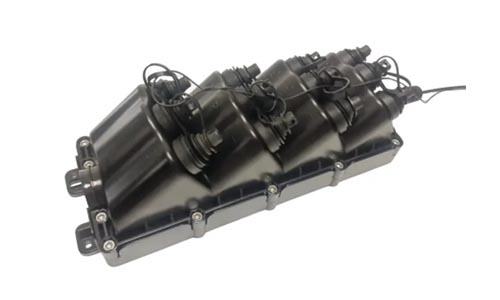 Multiport Service Termina Box
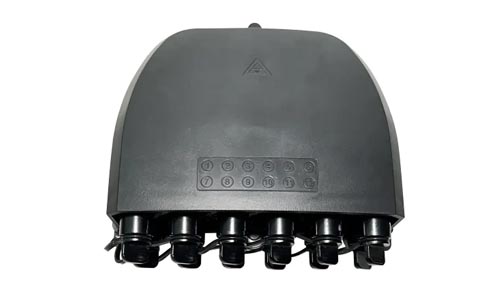 Fiber Optical Terminal Box
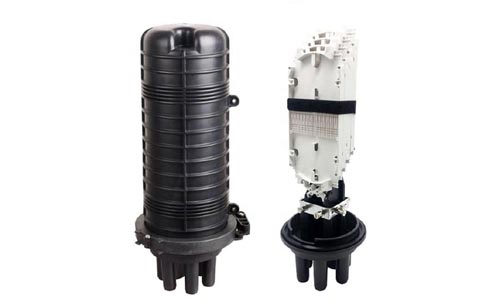 Fiber Optic Splice Closure
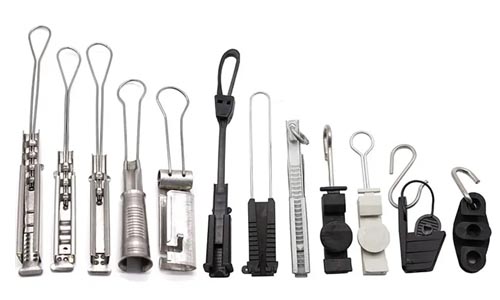 Fiber Optic Clamps
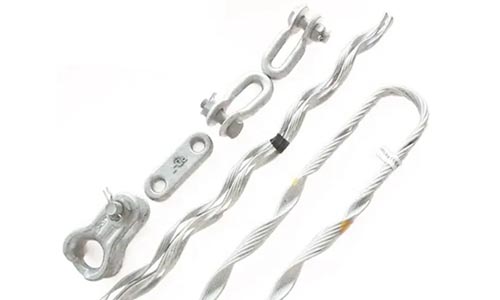 Fiber Optic Cable Fittings
 ADSS Fiber Cable
 ASU Fiber Cable
 OPGW Fiber Cable
 FTTH Fiber Cable
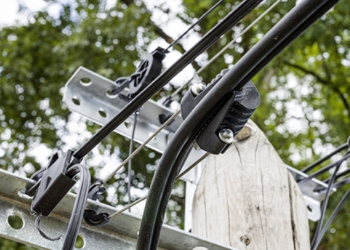 Figure 8 Fiber Cable
 Photoelectric Composite Fiber Cable
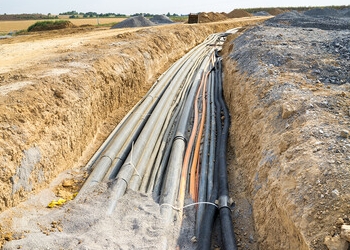 Underground & Pipeline Fiber Cable
 Air-Blown Micro Fiber Cable
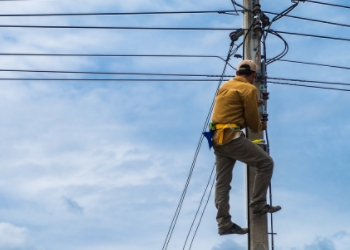 Aerial Fiber Cable
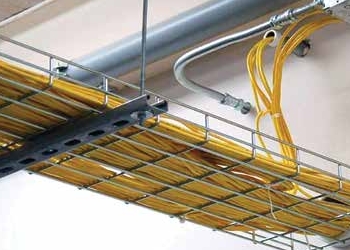 Indoor Fiber Cable
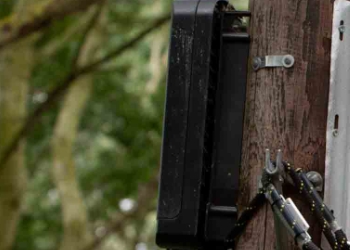 Fiber Optical Terminal Box
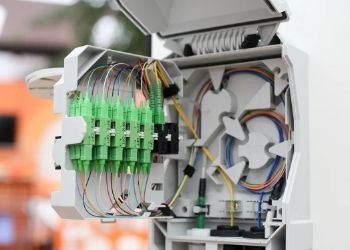 Fiber Optic Distribution Box
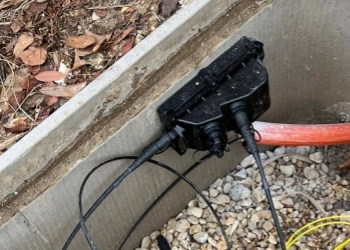 Multiport Service Termina Box
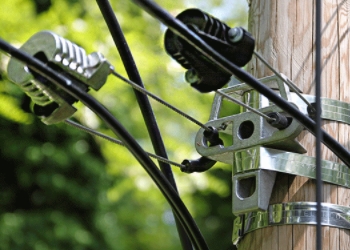 Fiber Optic Clamps
 About Us
 Our Team
 History
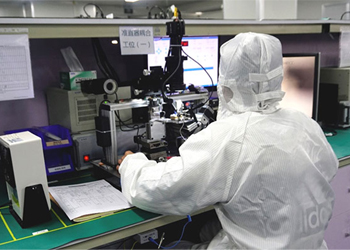 R&D Strength
 Production Base
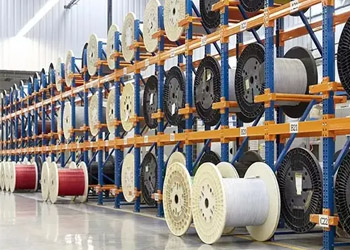 Warehouse & Logistics
 Quality
 FAQs
FAQsThe Difference Between SC APC and SC UPC
Contact for Free Quotation & Sample, According to your needs, customize for you.
inquiry nowThe Difference Between SC APC and SC UPC
The main difference between SC APC and SC UPC connectors comes from the way their fiber ends are shaped and polished. SC APC connectors have an angled end face, shown below. This design greatly minimizes both signal loss and back reflection, making them suitable for high-speed data or long cable runs.
On the other hand, SC UPC connectors have a flat end face. They do well in typical network work, especially where low back reflection isn’t the key consideration. Selecting the best connector can help drive better performance across your network.
It affects the price and the difficulty of the installation! Being aware of these little things helps you decide which one is right for your rig. After that, our post explains why connector type is an important consideration and demystifies some commonly used fiber optic vocabulary.

What Are SC Connectors?
SC connectors, or standard connectors, are a staple of fiber network connections. You see them in environments such as telecom operator’s offices, data centers including tech hubs and the local network deployments around Morocco.
SC connectors are easily recognizable because SC connectors include a unique push-pull latching mechanism. Further, they come with a sturdy 2.5mm ferrule that’s built for a strong connection that won’t easily be knocked loose. That’s why network techs rely on SC connectors for creating robust, enduring connections, particularly in environments where superior performance is essential.
They only support one mode of light, so single-mode fiber is where they really shine. This design feature reduces modal dispersion. It provides a deterministic performance and power advantage by keeping data signals clean and strong over long runs—imagine those connections running between cities or even across campus networks.
With insertion loss usually under 0.2 dB, SC connectors contribute to signal drop being as low as possible. You can find them in simplex (one fiber, one direction) or duplex (two fibers, both ways) setups, fitting everything from basic internet lines to high-speed backbone connections.
"SC" Demystified: A Closer Look
The “SC” in SC connector stands for Standard Connector. Its design, including a square body and square snap-in latch, allows for easy plugging and unplugging.
This connector style really exploded on the scene in the late 1980s. It soon became the default option for telecom and data-related work. Even today, SC connectors are very popular for both 1310 nm and 1550 nm wavelengths.
You can find them in fiber networks across Morocco and around the world.
Ferrule Polish: The Key Factor
Ferrule Polish—The Key to Performance The ferrule’s polish is what truly distinguishes performance. Here’s why: a well-polished ferrule stops light from scattering, which keeps the signal clear.
Common polish types include:
-
PC (Physical Contact): Curved end face, low signal loss
-
UPC (Ultra Physical Contact): More precise, even less loss
-
APC (Angled Physical Contact): Angled end face for best performance
Proper polish makes the connector last longer, by minimizing contact point wear.
PC Polish: The Early Standard
PC Polish – The Early Standard Physical Contact (PC) polish was the first major advancement in connector technology. With its slightly curved shape, it allows fibers to better make contact with one another providing lower signal loss than FLAT polishes.
Even this reduction in PC polish can’t match the even lower loss of newer techniques such as UPC or APC. Unfortunately, many legacy systems in Morocco and around the world still employ PC polish.
Today it’s rarer, primarily being seen in legacy telecom infrastructure. Since then, the transition to UPC and APC polishes has played a critical role in increasing speed and reliability in all lanes.

Spotlight on SC UPC Connectors
SC UPC connectors have a great future in the fiber optics ecosystem. These connectors have a non-tapered, straight polish. This offset receptacle design results in flat fiber end faces, delivering a precise and reliable connection.
Often, you’ll find them designated in sky blue. This provides an easy at-a-glance method to distinguish them from APC connectors, which are green. Their primary function is to maintain data flow speed and transparency across networks. This is particularly important in the places where reliability of connection is the most important, such as local area networks (LANs) deployed in and around Marrakech.
You will quickly encounter SC UPCs in many patch panels and networking equipment. They are especially selected for their low insertion loss. This significantly reduces the amount of signal that gets lost as data moves along the line.
Their intuitive, push-pull design makes them incredibly easy to use. Plus, you can interchange cables without any hassle – even in a high-density office or data center! Truthfully, many people in the telecom and IT industries prefer them for everyday use because they’re dependable and ubiquitous.
UPC: Understanding Ultra Physical Contact
Ultra Physical Contact (UPC) connectors are so named because of the flat, very highly polished ends. This design reduces the air gap between two fibers, reducing signal loss. UPC connectors are recognized for their high return loss.
While they don’t achieve the same level of performance as APC types, they are ideally suited in environments where minimal signal rebound isn’t a critical issue. You’ll find them in use in corporate office, education, and traditional telecom environments.
UPC Connector Build and Features
UPC connectors are constructed with rugged plastics and zirconia ceramic ferrule. The straight polish finish helps prevent them from being too difficult to align, allowing them to pop into place with minimal hassle.
That’s super convenient for field teams who require high-quality, reliable links in a hurry run and gun style patch panels, equipment racks, etc.
UPC Performance: What It Means
UPC connectors provide a very high level of performance consistency, with return loss values typically -50 dB or better. Their insertion loss remains consistently low, rivalling APC connectors in singlemode applications.
They keep our networks operating at scale, without major traffic jams or sudden stops.
Common Uses for SC UPC
You might encounter SC UPC connectors in LANs, enterprise grade MTEs, and telecom rooms. In patch panels they’re favorites due to their clean fit and simple, user-friendly operation.
Industries using SC UPC connectors:
-
IT service providers
-
Educational institutions
-
Data centers
-
Healthcare networks
-
Financial firms
Their constant connections play an important role in ensuring that local networks remain quick and dependable.

Deep Dive: SC APC Connectors
SC APC connectors are perhaps the most famous in the realm of fiber optics, recognizable by their green color and angled polish. They are the key to high-performance networks, particularly in applications where every bit of signal counts. This 8° angle at the ferrule end causes any reflected light to be directed out into the cladding.
This stops the light from reflecting back into the source. This design reduces loss and maintains signal integrity. For those of us who grew up in long-haul telecom or high-speed data, these connectors are ubiquitous.
APC: Angled Physical Contact Explained
APC connectors have a slightly angled end that is not flat. This subtle tilt creates a massive improvement. Light that reflects back doesn’t go directly to the light source. Instead, it is thrown under the bus.
It is for this reason that APC connectors have a return loss of at least -60dB. That’s pretty good performance, especially when compared to standard PC or UPC types! The magic lies in the alignment—APC connectors have to strike that angle perfectly, or the connection begins to degrade.
The payoff is high-quality, consistent signal transmission with lower noise and crosstalk.
APC Connector's Unique Design
Take a look at an SC APC and you’ll immediately notice the green plastic housing and the angled ferrule. The technique combines the strength of hard ceramic and extensive finishing artistry.
These features provide the connector with a secure fit and minimal loss. The design offers high strength under impact while maintaining a stable connection even after repeated use. Frequent, thorough cleanings every few months are enough to maintain optimal performance.
APC Performance: The Clear Edge
In return loss, APC connectors have the clear edge over PC connectors, along with lower insertion loss. When the job requires the most precise signals—as is often the case with telecom, CATV, or data centers—APC is the obvious choice.
This design helps prevent signals from becoming muddy and helps data continue to travel at high speeds.
Prime Scenarios for SC APC
SC APC connectors shine in places where speed and distance matter:
-
Telecom carriers
-
Data centers
-
CATV systems
-
FTTH (fiber to the home)
-
High-end broadcast
They deliver on the demanding requirements of nextgen telecom and keep networks flowing at maximum bandwidth.
SC APC vs. SC UPC: The Showdown
SC UPC and SC APC connectors side by side. Their actual differences are key, especially when you value fast networks and clear signals. Choosing the correct one can dramatically improve the performance of your system.
This holds particularly true in fiber-rich areas such as North Africa, where broadband infrastructure is quickly proliferating!
| Feature | SC APC | SC UPC |
|---|---|---|
| End-Face Polish | 8-degree angle | No angle (flat) |
| Return Loss | ≥ -60dB | ≥ -50dB |
| Insertion Loss | Comparable (modern) | Comparable |
| Color | Green | Blue |
| Use Case | FTTX, video, WDM | Data, telecom |
| Cost | Higher | Lower |
1. End-Face Polish: The Defining Angle
The polish on the connector tip determines how the signals are reflected back, or continue traveling down the line. SC APC connectors receive an 8-degree end-face polish angle, while SC UPC remain flat.
That angle on APC prevents any light from reflecting directly back. Reduced reflection equals more stable service, particularly for video and data. Quality polish work is important too, because even a small imperfection can result in a substantial performance penalty.
2. Return Loss: APC's Superiority
Return loss is a measure of how much signal reflects back. SC APC’s angled end provides a return loss of -60dB or better.
SC UPC, with its flat face, gets roughly -50dB. Having less reflected signals increases the clarity of both audio and video. That’s why APC is perfect for FTTX and analog equipment!
3. Insertion Loss: Is It Different?
Insertion loss, or signal drop at the connector, is now comparable for both types due to advances in polish tools. Though both can provide low loss, pay extra attention for long runs—each inch of loss counts.
4. Color Coding: A Visual Guide
Nothing makes choosing the correct connector easier than color. Green = APC, blue = UPC. That first-impression look prevents errors from getting through.
-
Green: SC APC
-
Blue: SC UPC
5. Mating Connectors: A Critical Warning
Use opposing APC and UPC together at your own peril. The substantial angle difference can shear fibers, creating cracks and chips, and signals simply will not transmit properly.
Don’t mix green with blue, and blue with green, and always inspect a connector twice before going into a collection mode.
Making Your Best SC Choice
When deciding between SC APC and SC UPC connectors, think critically about the requirements of your network. Additionally, consider your budget and plans for future expansion. Both kinds utilize the same standard SC chassis.
The key difference—the polish—angled for APC and flat for UPC—is what makes all the difference in their performance. So, always verify that your existing ports are compatible with the connector you select, because mismatched connectors result in signal loss.
Pick SC UPC For These Needs
SC UPC connectors perform excellently in LANs and other environments where budget is the top priority. Developed with their patented, flat, ultra-smooth polish to maintain low insertion loss, they are compatible with both single-mode and multimode fiber.
Tight projects on a budget frequently depend on UPC for fast execution. This includes the provision of campus networks and basic office wiring, all at an equitable price. UPC is an excellent option for situations where you often change out equipment. Their shine holds up to the highest standard even after countless connections.
Opt For SC APC When...
SC APC connectors excel in precision applications. This angled tip helps to reduce return loss, which reduces the likelihood of signal distortion. Telecom, cable TV, and data centers frequently look to APC for this purpose.
When you require a rock-solid connection—such as in long-haul links or delicate laboratory environments—APC is the smart choice. Industries where even a millisecond of signal bounce is intolerable, like medical imaging or broadcast, rely on APC.
Cost Comparison: UPC vs. APC
UPC connectors are generally cheaper up front. APC—with its angled polish and tighter manufacturing specifications—is pricier, but provides a superior return on signal.
Here’s a quick look:
| Connector | Upfront Cost | Typical Use | Long-Term Value |
|---|---|---|---|
| SC UPC | Lower | LAN, offices | Good for upgrades |
| SC APC | Higher | Telecom, labs | Best for growth |
Balancing cost with network needs pays off later.
Future-Proof Your Network Setup
The reality is networks evolve quickly. Choose SC connectors that conform to TIA standards to facilitate future upgrades. Since both UPC and APC types support duplex or simplex layouts, you can future-proof your installation.
If you’re looking more down the road at needing more bandwidth or the latest technology, APC is usually the winner. Keep an eye on trends—such as the rollout of 5G or cloud architectures—and make sure your connector is aligned to where you’re headed.
Expert Takes & Practical Tips
Navigating the fiber optic connector selection process can indeed be like walking through a labyrinth. Terms SC APC and SC UPC only add to the confusion! Industry experts often emphasize that even though these connectors may look the same and be the same size, they each do a different job.
For example, SC APC connectors have an 8-degree zenith angle end face. This slight angle reduces the risk of signal bouncing back, or reflection. That’s why you’ll sometimes see SC APC in broadband networks. It sends a loud, unequivocal message when it’s needed most!
SC UPC connectors have a flat, APC polished end face. They’re great for quick and dirty data connections, where future-proofing is less of a concern. Experts caution against seizing just any connector that comes along. Swapping APC for UPC—or vice versa—can result in degraded performance, wasted funds, and difficult to troubleshoot issues.
It’s common sense to verify the specs—especially the insertion loss and return loss—before you connect anything. Matching connector type to cable and job requirements makes a big difference. When it comes to keeping things running smooth, regular cleaning is key. Even the tiniest piece of dust can ruin a fiber link.
A lot of people in the field have basic things like lint-free wipes and isopropyl alcohol readily available. If you suspect something’s not working, do some troubleshooting first, but check the connector faces for dirt, scratches, or other damage first. Replacing a defective connector though tends to be much faster than searching for a problem in a different location.
In fiber work, learning is a continual process. There are new connector types available, such as LC or FC, frequently introduced, and with them come new tricks and hazards. Keeping on top of continuing education and researching can go a long way in avoiding expensive mistakes and keeping transportation networks running smoothly.
Busting Common Connector Myths
Many people assume SC APC and SC UPC are the same thing. That’s just false. The sharp angle on the APC allows it to absorb and redirect signal bounce, a key feature for certain configurations and installations. Getting them confused can be damaging for both speed and stability.
One more myth, that all connectors work with all cables – once more, wrong. So when you connect, be sure to check – it pays. Don’t fall for these myths or risk being benched. Getting the story right is crucial.
Real-World Impact: My View
I had been the production lead on a large scale immersive video project in Marrakech. The original crew had improperly used SC UPC connectors. The video would start and then continually cut out—which is a lethal indication of bad return loss.
Replacing them with SC APC connectors solved the issue immediately. With the right connectors, project delivery was miracle enough. The project finished well ahead of time. Choosing the right type isn’t just academic—it literally creates or crushes actual projects.
The Future of SC Connectors
Fiber tech is moving at warp speed. New polishing techniques and harder materials are further streamlining connector production and improving durability while increasing user-friendliness. SC connectors are about to take on some slimmer profiles and smarter designs.
These upgrades will increase their ability to operate in pedestrian-friendly environments with improved traffic speeds! As cities like Marrakech rapidly develop, the demand for more reliable, faster, ubiquitous fiber accelerates these transitions.
Avoiding Costly Mismatch Woes
Plugging an APC into a UPC port can lead to serious consequences such as poor signal quality or complete destruction of your equipment. To avoid this, do a second check of connector labels before proceeding.
Most techs will tag cables and have a basic chart with them. Some careful training and pre-planning before plugging in will save valuable time and taxpayer money in the long run.
Conclusion
SC APC SC UPC Both SC APC and SC UPC connectors shine in the fiber world, but each has a specific role to play. SC UPC maintains low loss, well suited for short links and runs indoors. The SC APC especially shines in applications with long cable lengths and high speeds. It minimizes signal bounce which makes it ideal for the intricate TV and big network environments. Selecting the appropriate one the first time maximizes productivity and helps maintain the workflow. People in the United States encounter each, from work skyscrapers to personal devices. Understand what you need, stay true to what works, and you’ll get the job done as it should be. Have a serious real-world fiber hangnail or just want to discuss possibilities? Post your own tale of woe or wonderment in the comments below—let’s trade some scuttlebutt and save each other some headaches.
Frequently Asked Questions
What does SC stand for in fiber connectors?
SC means Subscriber Connector. As one of the most commonly used fiber optic connector styles, SC connectors are appreciated for their easy-to-use push-pull design, robust performance, and dependability.
How do SC APC and SC UPC connectors differ in appearance?
Appearance wise, SC APC connectors have a green housing and an angled tip. SC UPC connectors, on the other hand, feature a blue housing with a flat tip. The simple color coding makes it easy to quickly distinguish the type.
Which connector, SC APC or SC UPC, has less signal loss?
Which connector, SC APC or SC UPC, has lower signal loss, or lower insertion loss. This is due to the fact that their angled end minimizes light reflection in the connector.
When should I use SC APC connectors?
When should I use SC APC connectors? For broadband, CATV, and long-haul fiber connections. Their low back reflection, known as return loss, has made them perfect for use in sensitive data or video signals.
Are SC APC and SC UPC connectors interchangeable?
Are SC APC and SC UPC connectors interchangeable? Connecting them together will lead to bad connections and increased signal loss. TIP Make sure to use the same type of connector on both ends.
Why are SC UPC connectors common in home networks?
Why are SC UPC connectors so common in home networks? Low cost, simple installation and proven performance of short distance links make them the default!
Can I use SC APC connectors outdoors in Morocco?
SC APC connectors work well outdoors under the weather in Morocco. They stand up to dust and moisture, providing a dependable solution for community broadband and telecom networks.