 Optical Fiber
 ADSS Fiber Optic Cable
 ASU Fiber Optic Cable
 FTTH Fiber Optic Cable
 Figure 8 Fiber Optic Cable
 OPGW Fiber Optic Cable
 Coaxial Cable
 Ethernet Cable
 Photoelectric Composite Fiber Optic Cable
 Underground & Pipeline Fiber Optic Cable
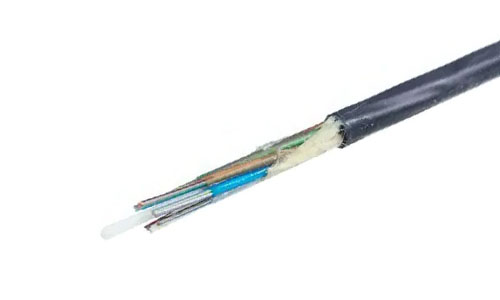 Air-Blown Micro Fiber Optic Cable
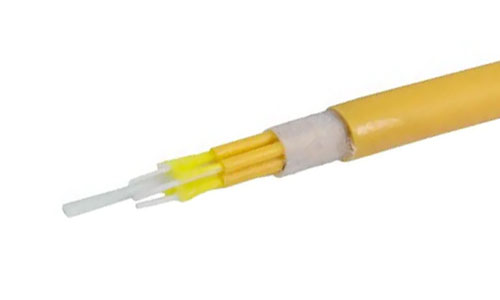 Indoor Fiber Optic Cable
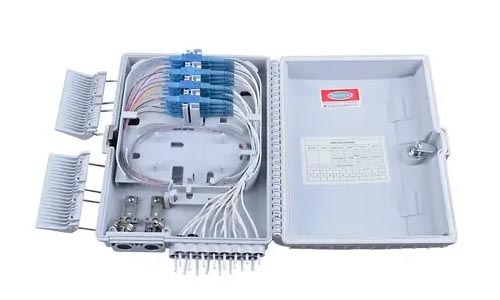 Fiber Optic Distribution Box
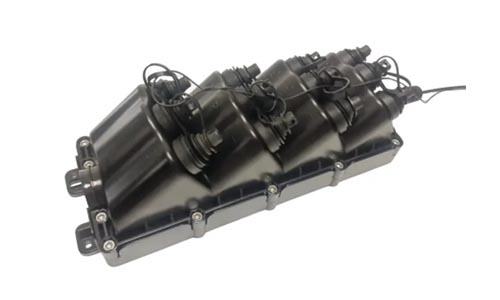 Multiport Service Termina Box
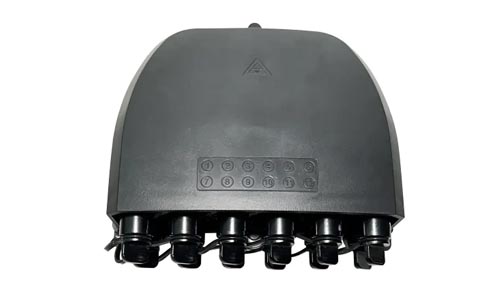 Fiber Optical Terminal Box
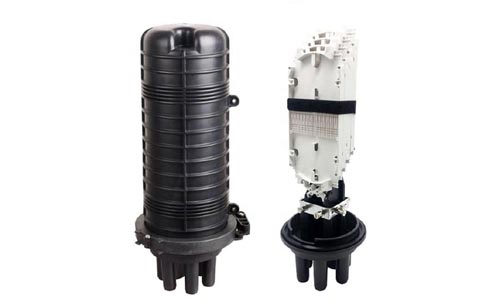 Fiber Optic Splice Closure
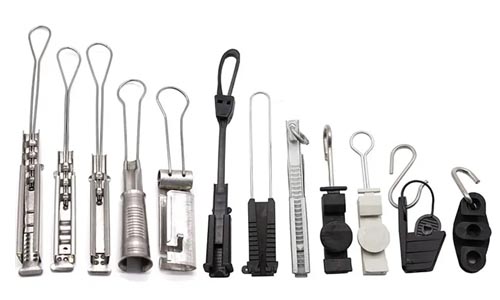 Fiber Optic Clamps
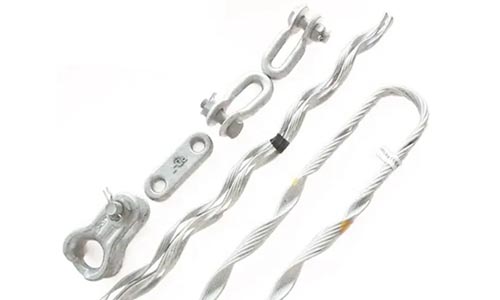 Fiber Optic Cable Fittings
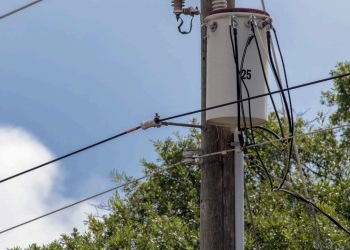 ADSS Fiber Cable
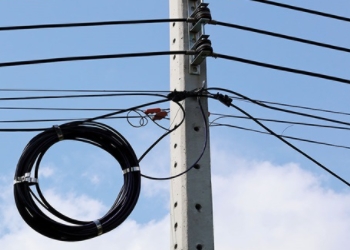 ASU Fiber Cable
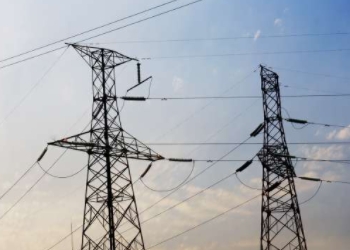 OPGW Fiber Cable
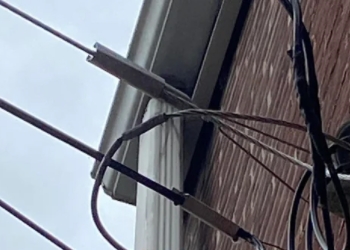 FTTH Fiber Cable
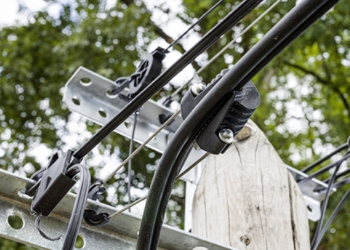 Figure 8 Fiber Cable
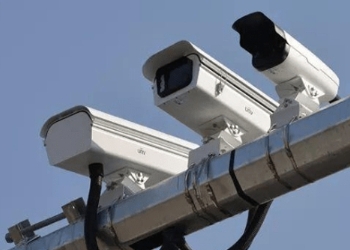 Photoelectric Composite Fiber Cable
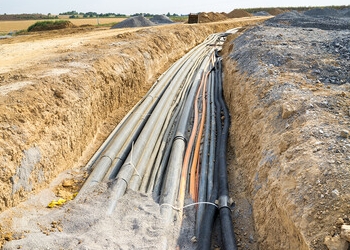 Underground & Pipeline Fiber Cable
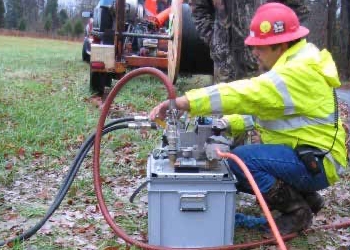 Air-Blown Micro Fiber Cable
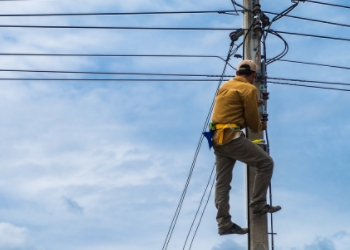 Aerial Fiber Cable
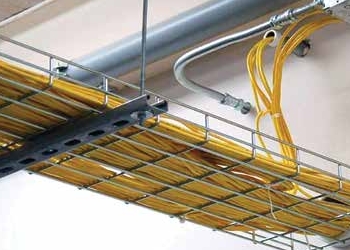 Indoor Fiber Cable
 Fiber Optical Terminal Box
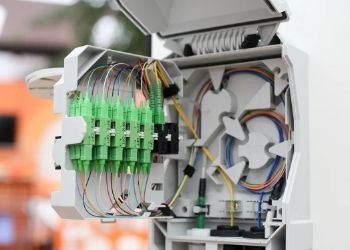 Fiber Optic Distribution Box
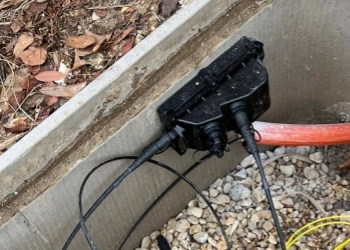 Multiport Service Termina Box
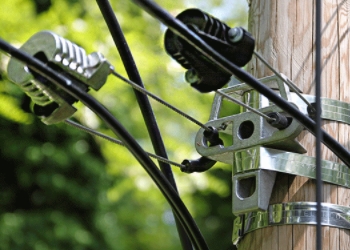 Fiber Optic Clamps
 About Us
 Our Team
 History
 R&D Strength
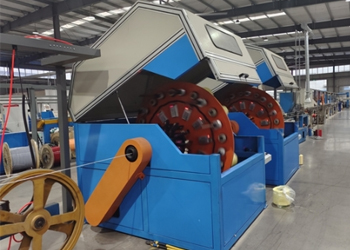 Production Base
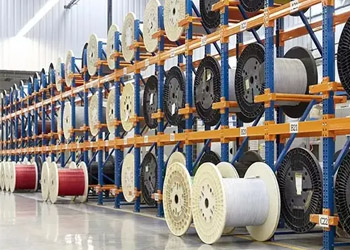 Warehouse & Logistics
 Quality
 FAQs
FAQsThe Difference Between OPGW And ADSS Cable?
inquiry nowThe Difference Between OPGW And ADSS Cable?
Common power aerial fiber optic cable include ADSS cable and OPGW. Today we will talk about the difference between them: ADSS VS OPGW.
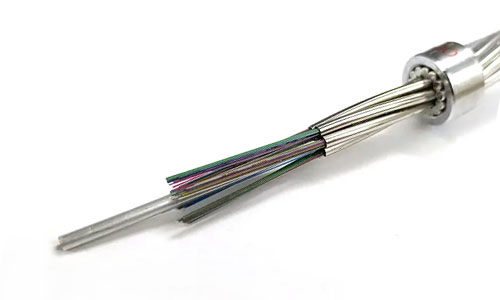
OPGW stands for Optical Ground Wire, That's used in power transmission lines. It's a cable that serves a dual purpose, like carrying fiber optics for communication and also functioning as a ground wire. That makes sense because power lines need grounding for protection against lightning and such. So OPGW probably combines the grounding function with the data transmission capability.
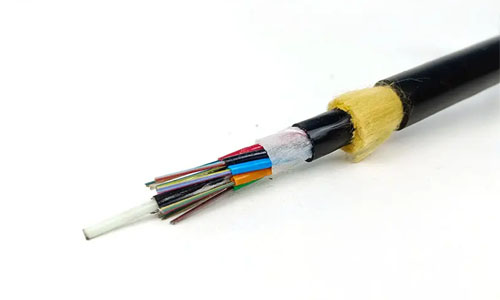
ADSS is another acronym. ADSS stands for All-Dielectric Self-Supporting. All-dielectric means it doesn't have any metal components, so it's non-conductive. Self-supporting suggests that it doesn't need external support structures; it can hold its own weight. So ADSS cables are likely used for communication as well, but they're installed separately from power lines. Maybe they're used in places where you can't attach them to power lines, like along roads or separate poles.
Now, to break down the differences. Let's start with structure. OPGW has optical fibers inside a protective casing, which is surrounded by conductive materials like aluminum or steel. This allows it to act as a ground wire. ADSS, being all-dielectric, would have fibers in a dielectric material, maybe with aramid yarns for strength, and no metallic parts. So structurally, OPGW has metal, ADSS doesn't.

Installation:
OPGW is installed on the top of transmission towers, replacing the traditional static wire (ground wire). Since it's part of the power line infrastructure, it's integrated into high-voltage environments. ADSS, on the other hand, is installed separately. It might be on telephone poles, along existing structures, but not on the power lines themselves. It doesn't need to be part of the electrical system, so it's safer to handle in non-high voltage areas.
Applications:
OPGW is used in high-voltage transmission lines where both grounding and communication are needed. It's part of the power grid's infrastructure. ADSS is used in distribution lines, maybe lower voltage scenarios, or where you can't install on power lines. It's for standalone communication networks, perhaps in urban areas or along roads where separate poles are used.
Electrical properties:
OPGW is conductive and part of the electrical system, so it has to handle high voltages and currents, including fault currents. ADSS is non-conductive, so it's immune to electrical interference and doesn't pose a risk of conducting electricity. That makes it safer in certain environments.
Mechanical strength:
Both need to be strong. OPGW has the metal layers providing strength and protection. ADSS relies on dielectric materials and maybe Kevlar for tensile strength. Since ADSS is self-supporting, it must be designed to handle its own weight without sagging, even over long spans. OPGW, being part of the power line, is designed to withstand the same environmental stresses as the power conductors, like wind, ice, and temperature changes.
Environmental factors:
OPGW is installed in the same harsh environments as power lines, so it's built to be robust against lightning, high voltages, and mechanical stress. ADSS might be used in less extreme environments, but still needs to be weather-resistant. Since it's all-dielectric, it doesn't have to worry about galvanic corrosion or conducting lightning, but it does need to resist UV radiation and physical damage.
Cost and maintenance:
OPGW might be more cost-effective when building new power lines or upgrading existing ones because it serves dual purposes. However, installation might require power line expertise and downtime. ADSS could be cheaper in situations where you don't have to modify existing power infrastructure, just add new cables on separate poles. Maintenance for OPGW would involve dealing with the power grid, which can be complex, while ADSS might be simpler since it's separate.
Other considerations:
ADSS might have issues with dry band arcing if installed near high-voltage lines, because even though it's non-conductive, induced voltages could cause problems. OPGW is already part of the electrical system, so it's designed to handle those issues. Span lengths could differ too. OPGW is used in the long spans typical of high-voltage towers, while ADSS might have different span capabilities based on its design.
Wait, I should verify if ADSS is indeed used on distribution lines. I think distribution lines are lower voltage, like the ones that bring power to homes, so maybe ADSS is used there because the environment is less demanding. OPGW is definitely for high-voltage transmission.
Also, voltage isolation: ADSS doesn't conduct electricity, so it can be installed near power lines without risk, but OPGW is part of the power line's grounding system. So ADSS is better for avoiding electromagnetic interference.
In terms of installation time, OPGW might require the power line to be de-energized or worked on by specialized crews, whereas ADSS can be installed by telecom crews without touching the power infrastructure.
So putting it all together, the main differences are in their construction (metallic vs. non-metallic), installation location (integrated with power lines vs. separate), electrical properties (conductive vs. non-conductive), and application environments (high-voltage transmission vs. lower voltage or separate communication networks).

OPGW (Optical Ground Wire) vs. ADSS (All-Dielectric Self-Supporting) Cables: Key Differences
-
Structure and Composition:
-
OPGW: Combines optical fibers with conductive materials (aluminum, steel) in a layered structure. Serves as a ground wire and communication cable.
-
ADSS: Fully non-metallic (dielectric), using materials like aramid yarn for strength. No conductive elements, designed for communication only.
-
-
Installation Environment:
-
OPGW: Installed on high-voltage transmission towers, replacing traditional static wires. Integrated into the power grid's infrastructure.
-
ADSS: Deployed on separate structures (e.g., telephone poles, distribution lines) without needing power line attachment. Suitable for urban areas or routes away from high-voltage lines.
-
-
Electrical Properties:
-
OPGW: Conductive, designed to handle lightning strikes, fault currents, and high voltages. Part of the electrical grounding system.
-
ADSS: Non-conductive, immune to electromagnetic interference. Safe near power lines but must avoid dry band arcing in high-voltage proximity.
-
-
Applications:
-
OPGW: Ideal for new/upgraded high-voltage transmission lines requiring dual grounding and data functions.
-
ADSS: Used in lower-voltage distribution networks, standalone telecom networks, or where power line attachment is impractical.
-
-
Mechanical and Environmental Considerations:
-
OPGW: Built to endure extreme environmental stresses (ice, wind, lightning) typical of transmission lines.
-
ADSS: Relies on dielectric strength and UV-resistant coatings. Self-supporting over long spans but less suited for harsh electrical environments.
-
-
Cost and Maintenance:
-
OPGW: Cost-effective when bundled with power infrastructure projects. Requires specialized installation and grid downtime.
-
ADSS: Lower installation cost in separate setups. Simpler maintenance due to isolation from power systems.
-
-
Span and Safety:
-
OPGW: Matches long spans of transmission towers. Safe integration into electrical systems.
-
ADSS: Flexible span lengths; avoids electrical risks but needs careful placement near high-voltage areas.
-
Summary: OPGW integrates communication and grounding within high-voltage grids, while ADSS offers a non-conductive, standalone solution for telecom, often in less demanding environments. The choice depends on electrical requirements, installation context, and infrastructure needs.