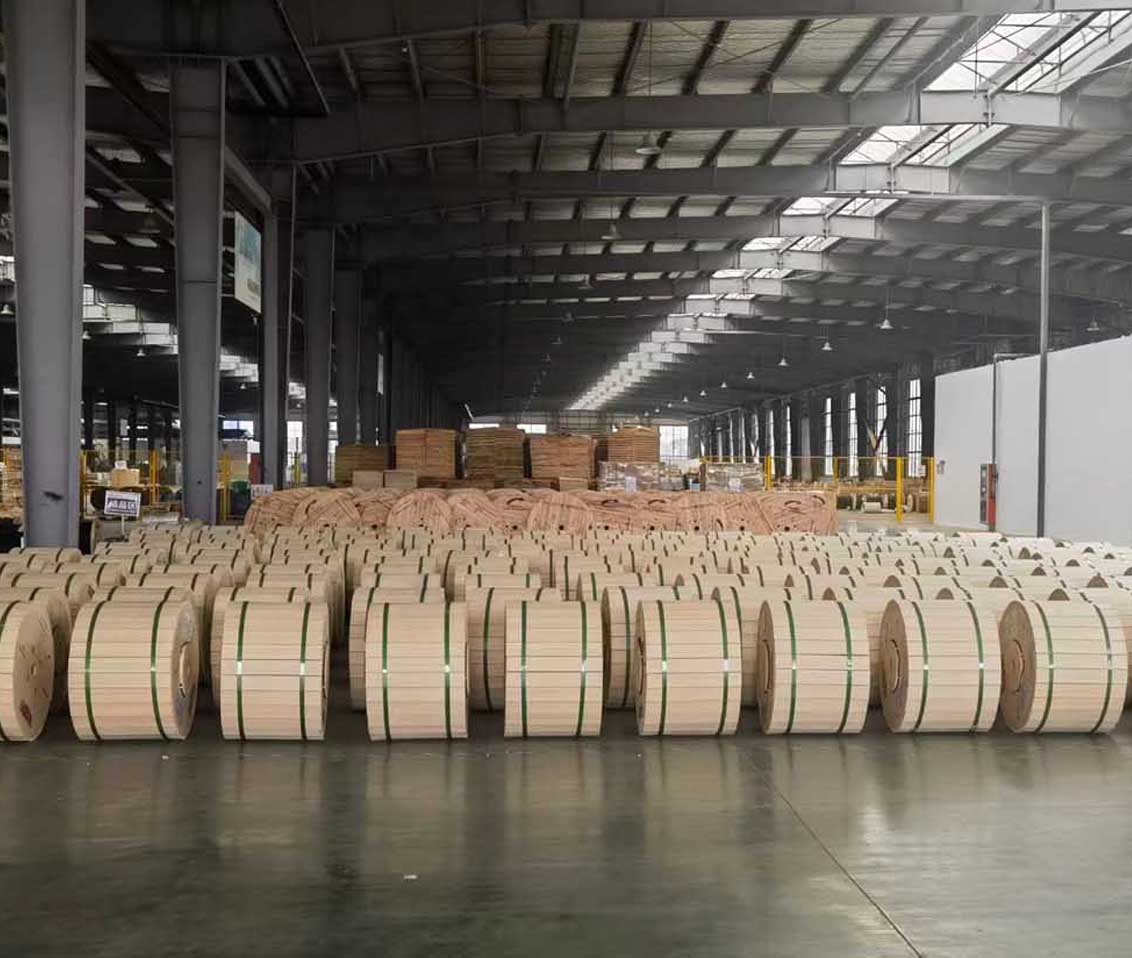
 Optical Fiber
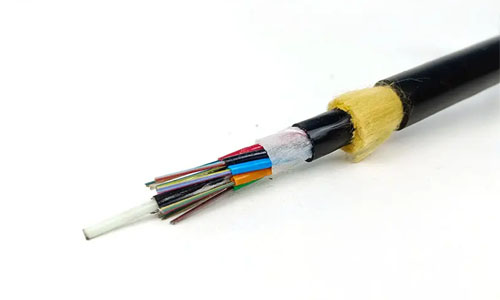 ADSS Fiber Optic Cable
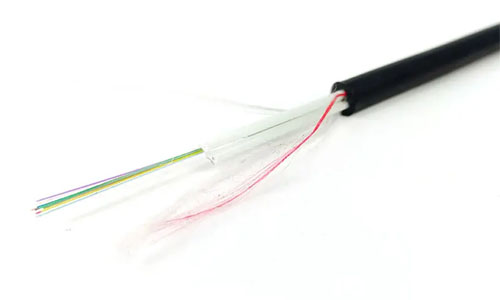 ASU Fiber Optic Cable
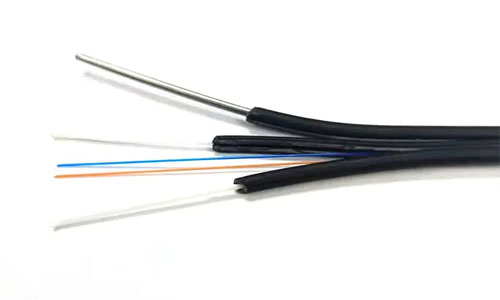 FTTH Fiber Optic Cable
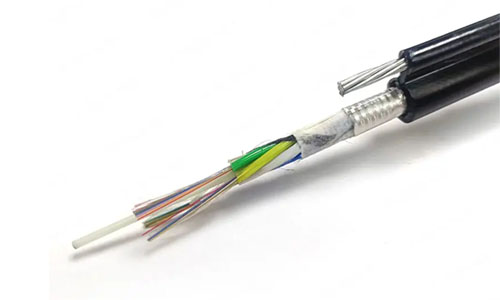 Figure 8 Fiber Optic Cable
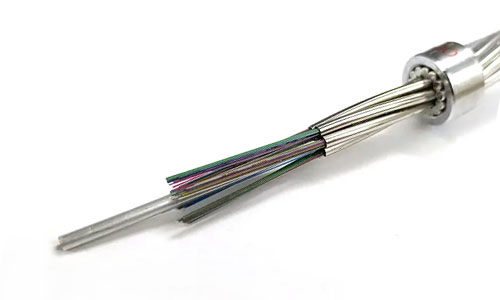 OPGW Fiber Optic Cable
 Coaxial Cable
 Ethernet Cable
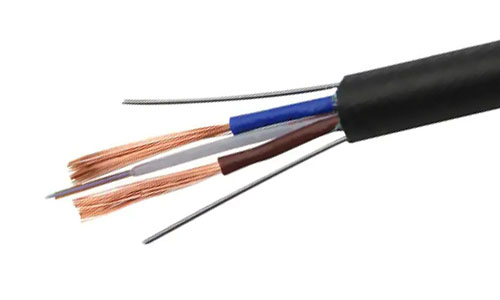 Photoelectric Composite Fiber Optic Cable
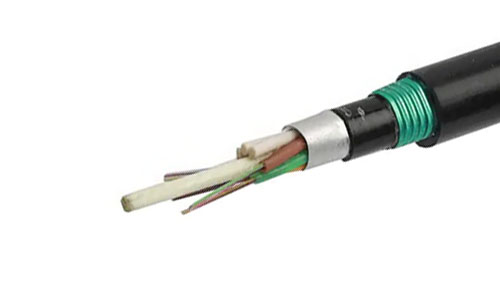 Underground & Pipeline Fiber Optic Cable
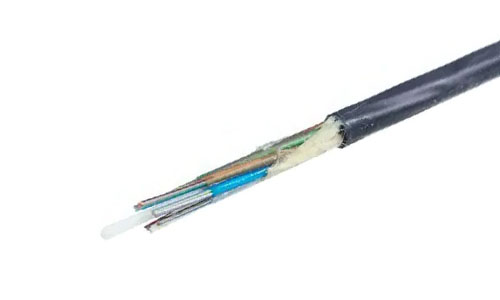 Air-Blown Micro Fiber Optic Cable
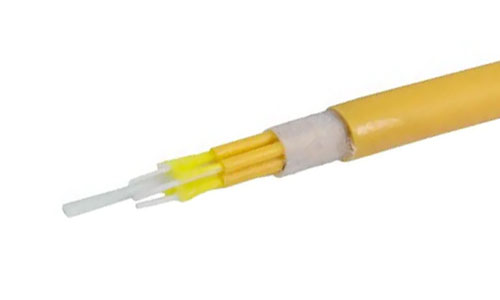 Indoor Fiber Optic Cable
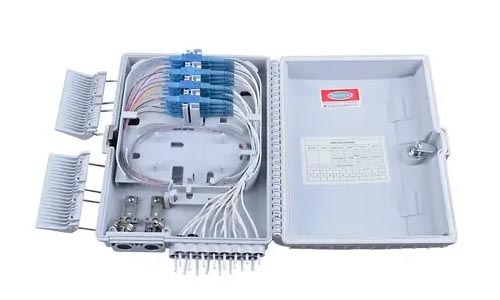 Fiber Optic Distribution Box
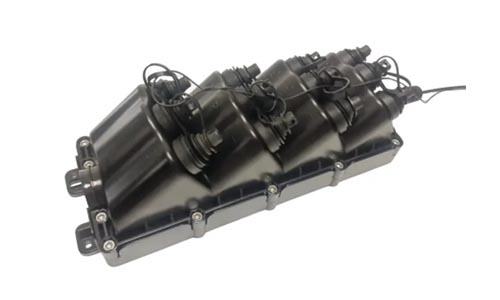 Multiport Service Termina Box
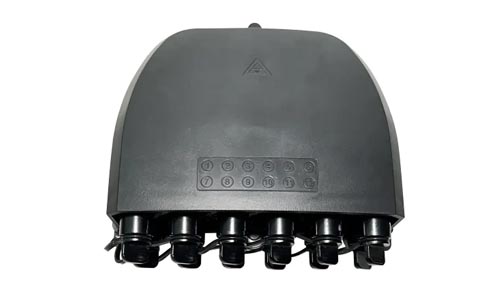 Fiber Optical Terminal Box
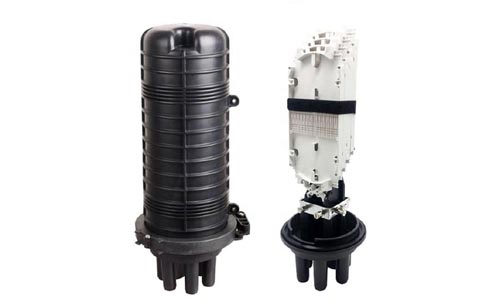 Fiber Optic Splice Closure
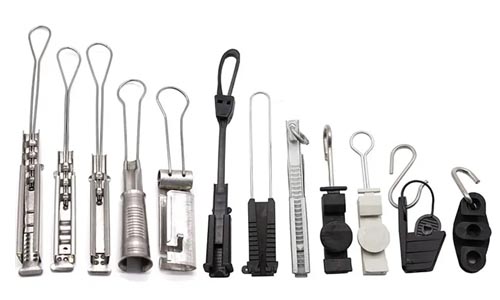 Fiber Optic Clamps
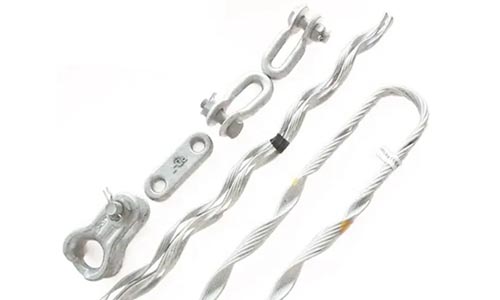 Fiber Optic Cable Fittings
 ADSS Fiber Cable
 ASU Fiber Cable
 OPGW Fiber Cable
 FTTH Fiber Cable
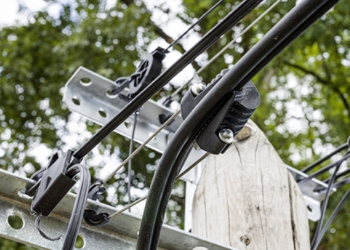 Figure 8 Fiber Cable
 Photoelectric Composite Fiber Cable
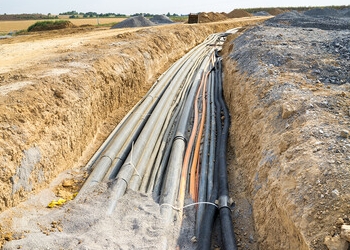 Underground & Pipeline Fiber Cable
 Air-Blown Micro Fiber Cable
 Aerial Fiber Cable
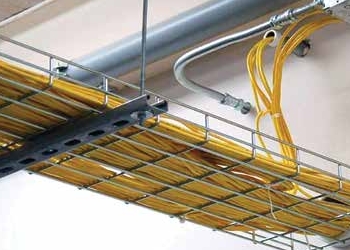 Indoor Fiber Cable
 Fiber Optical Terminal Box
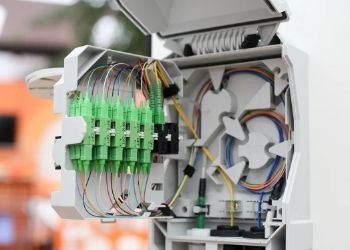 Fiber Optic Distribution Box
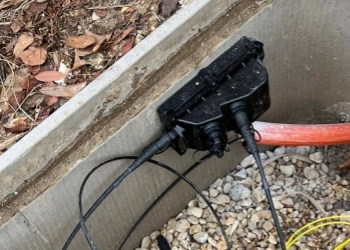 Multiport Service Termina Box
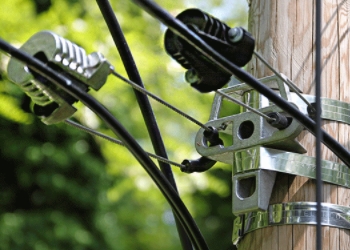 Fiber Optic Clamps
 About Us
 Our Team
 History
 R&D Strength
 Production Base
 Warehouse & Logistics
 Quality
 FAQs
FAQsThe Difference between OM1, OM2, OM3, OM4 and OM5 Multimode Fiber
Contact us for more sample,According to your needs, customize for you
inquiry nowThe Difference between OM1, OM2, OM3, OM4 and OM5 Multimode Fiber
OM1, OM2, OM3, OM4, and OM5 are different types of multimode fiber-optic cables, each with varying characteristics primarily related to bandwidth and transmission distance. Here's a breakdown of the key differences:

OM1 (Optical Multimode 1):
OM1 fiber has a core diameter of 62.5 micrometers.
It supports Gigabit Ethernet at lengths up to 275 meters and 10 Gigabit Ethernet at lengths up to 33 meters.
OM1 fiber is typically used in shorter-distance applications within buildings or data centers.
OM2 (Optical Multimode 2):
OM2 fiber also has a core diameter of 62.5 micrometers.
It offers slightly better performance than OM1, supporting Gigabit Ethernet at lengths up to 550 meters and 10 Gigabit Ethernet at lengths up to 82 meters.
OM2 fiber is commonly used in similar applications as OM1 but can support longer distances.
OM3 (Optical Multimode 3):
OM3 fiber has a smaller core diameter of 50 micrometers.
It supports 10 Gigabit Ethernet at lengths up to 300 meters and 40/100 Gigabit Ethernet at lengths up to 100 meters.
OM3 fiber is optimized for use with VCSEL (Vertical Cavity Surface Emitting Laser) sources.

OM4 (Optical Multimode 4):
OM4 fiber also has a core diameter of 50 micrometers.
It provides higher performance than OM3, supporting 10 Gigabit Ethernet at lengths up to 550 meters and 40/100 Gigabit Ethernet at lengths up to 150 meters.
OM4 fiber is backward compatible with OM3 fiber and shares the same VCSEL-based transmission technology.
OM5 (Optical Multimode 5):
OM5 is the newest addition to the OM fiber family.
It also has a core diameter of 50 micrometers.
OM5 fiber supports wavelength division multiplexing (WDM) which allows multiple signals to be transmitted simultaneously over different wavelengths.
It is designed to support higher bandwidth over longer distances, particularly in data center interconnects.

In summary, while all of these fiber types are multimode fibers used in short to medium-distance applications, they differ in core diameter, bandwidth, and supported transmission distances. OM1 and OM2 are older standards with larger core diameters, while OM3, OM4, and OM5 offer higher bandwidth and support for faster Ethernet standards with smaller core diameters.