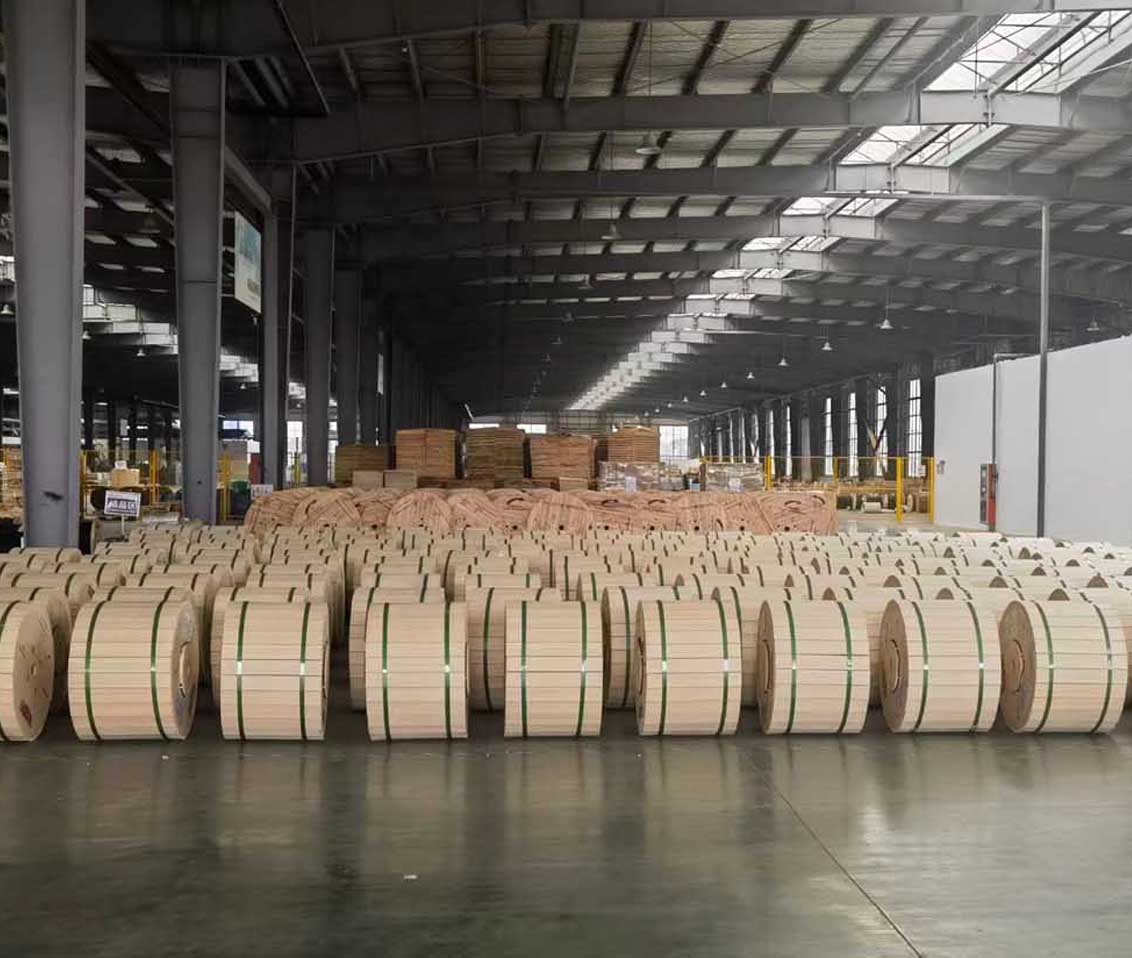
 Optical Fiber
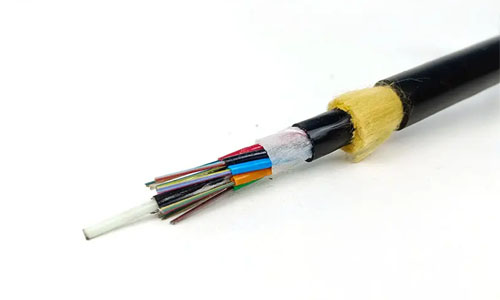 ADSS Fiber Optic Cable
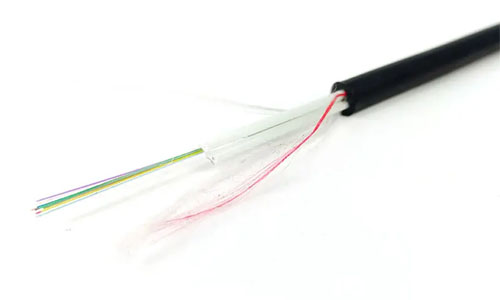 ASU Fiber Optic Cable
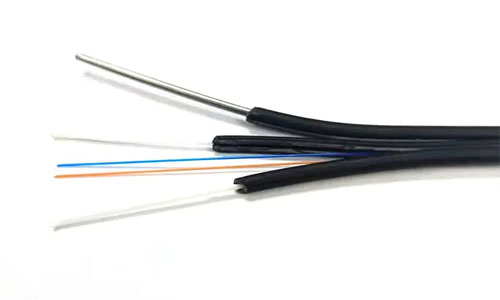 FTTH Fiber Optic Cable
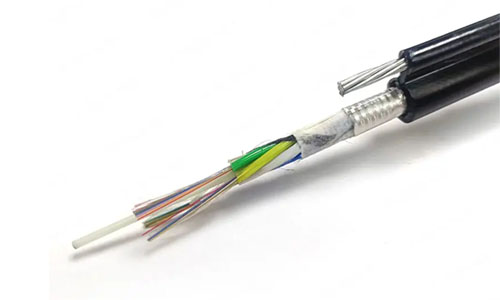 Figure 8 Fiber Optic Cable
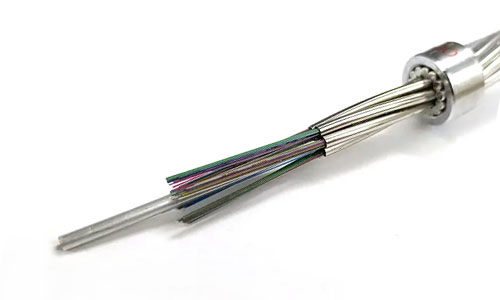 OPGW Fiber Optic Cable
 Coaxial Cable
 Ethernet Cable
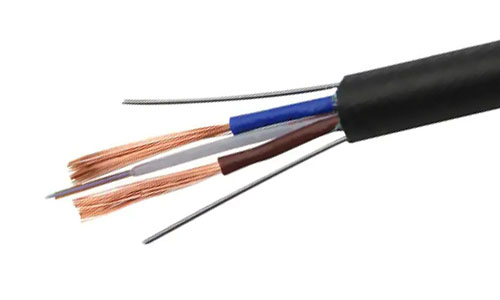 Photoelectric Composite Fiber Optic Cable
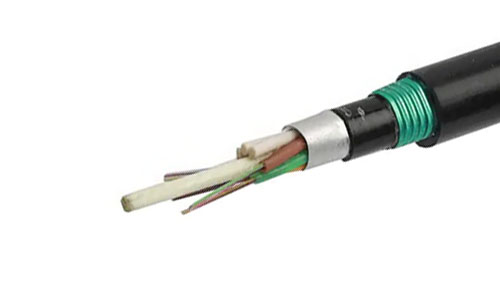 Underground & Pipeline Fiber Optic Cable
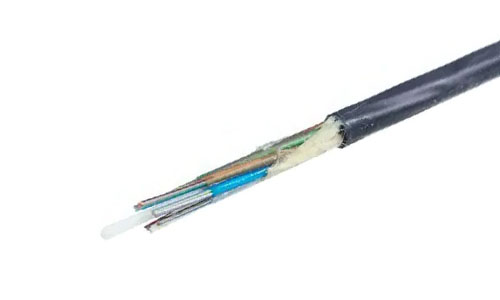 Air-Blown Micro Fiber Optic Cable
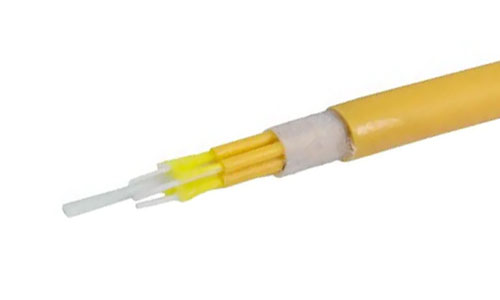 Indoor Fiber Optic Cable
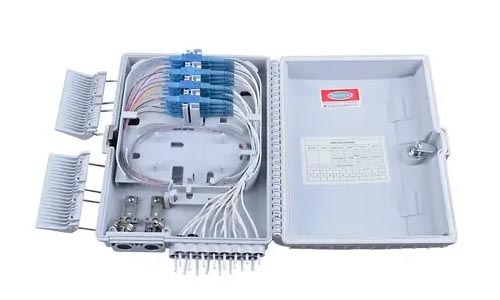 Fiber Optic Distribution Box
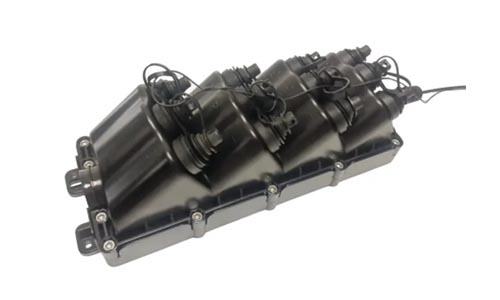 Multiport Service Termina Box
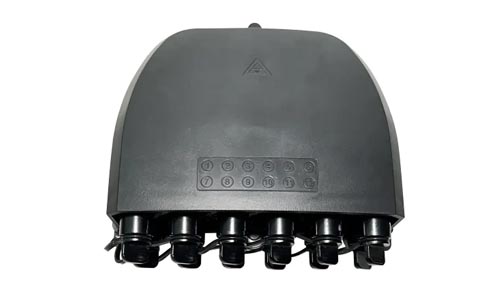 Fiber Optical Terminal Box
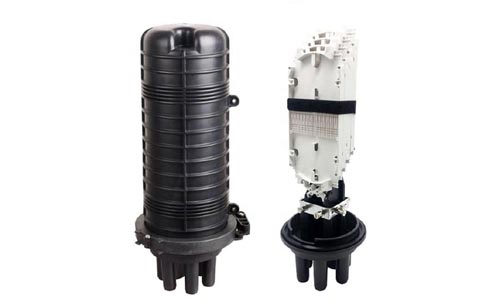 Fiber Optic Splice Closure
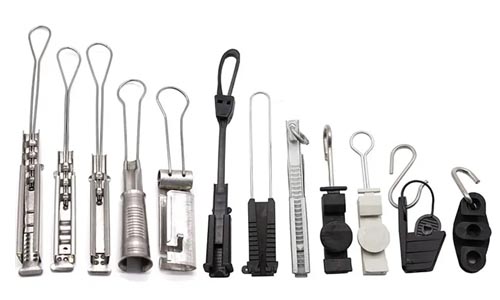 Fiber Optic Clamps
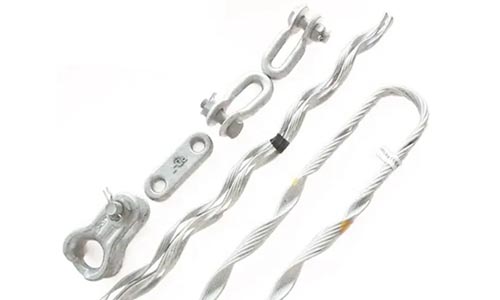 Fiber Optic Cable Fittings
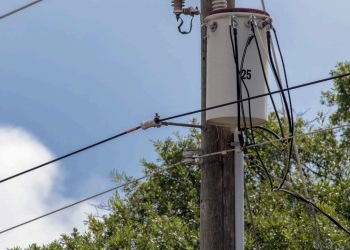 ADSS Fiber Cable
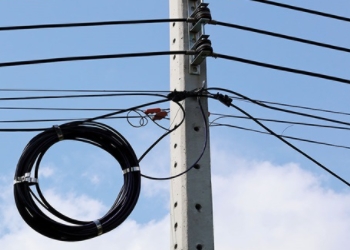 ASU Fiber Cable
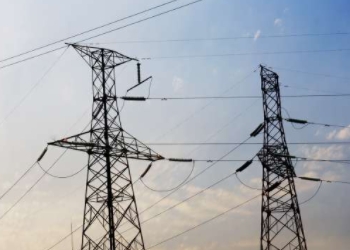 OPGW Fiber Cable
 FTTH Fiber Cable
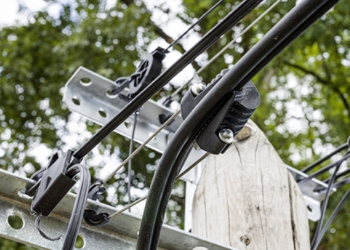 Figure 8 Fiber Cable
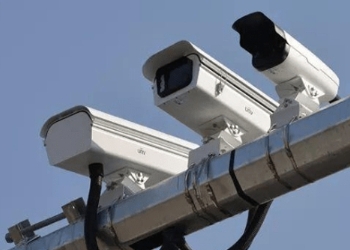 Photoelectric Composite Fiber Cable
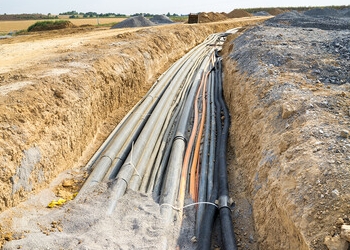 Underground & Pipeline Fiber Cable
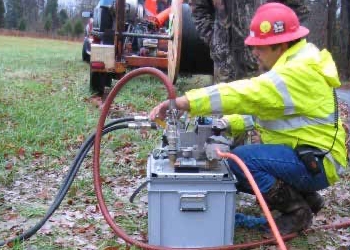 Air-Blown Micro Fiber Cable
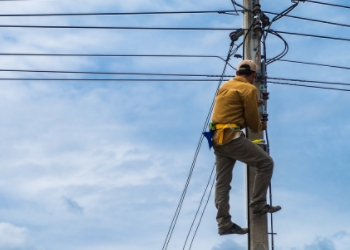 Aerial Fiber Cable
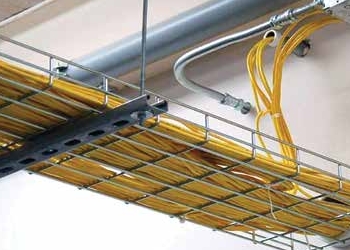 Indoor Fiber Cable
 Fiber Optical Terminal Box
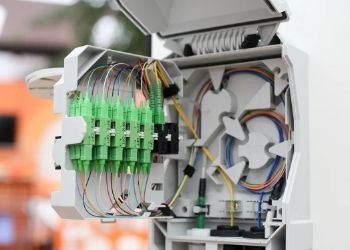 Fiber Optic Distribution Box
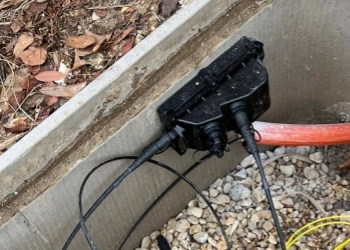 Multiport Service Termina Box
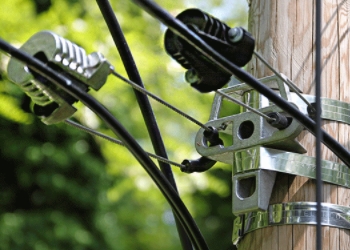 Fiber Optic Clamps
 About Us
 Our Team
 History
 R&D Strength
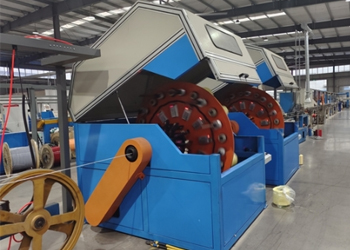 Production Base
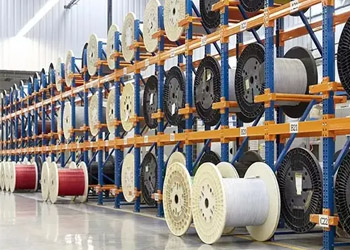 Warehouse & Logistics
 Quality
 FAQs
FAQsThe Difference between Fiber Optic Cable and LAN Cable
Fiber optic cables and LAN (Local Area Network) cables serve similar purposes in connecting devices within a network, but they differ in their technology and the medium through which they transmit data:

Transmission Medium:
Fiber Optic Cable: Utilizes thin strands of glass or plastic (fibers) to transmit data using light pulses. These cables can carry data over long distances with minimal signal loss and are not susceptible to electromagnetic interference.
LAN Cable (Twisted Pair): Typically refers to Ethernet cables, which use twisted pairs of copper wires to transmit electrical signals. These cables are commonly used for shorter distances within a building or local area network.
Speed and Bandwidth:
Fiber Optic Cable: Generally offers higher data transmission speeds and greater bandwidth compared to LAN cables. Fiber optics can support speeds ranging from hundreds of Mbps to multiple Gbps.
LAN Cable (Twisted Pair): While LAN cables have evolved to support higher speeds with advancements like Cat 5e, Cat 6, Cat 6a, and Cat 7 cables, they typically have lower speeds and bandwidth compared to fiber optics, especially over longer distances.
Distance:
Fiber Optic Cable: Can transmit data over much longer distances without signal degradation. Fiber optic cables are commonly used for long-distance connections, such as those between cities or countries.
LAN Cable (Twisted Pair): Suited for shorter distances, typically within a building or a campus environment. Ethernet cables have distance limitations, and signal quality can degrade over longer distances.
Interference:
Fiber Optic Cable: Immune to electromagnetic interference (EMI) and radio-frequency interference (RFI), making them suitable for environments with high electrical noise.
LAN Cable (Twisted Pair): Susceptible to EMI and RFI, which can degrade signal quality and affect network performance, especially in environments with a lot of electrical equipment.
Cost:
Fiber Optic Cable: Historically more expensive to install and maintain compared to LAN cables, primarily due to the cost of the materials and specialized equipment required for termination and splicing.
LAN Cable (Twisted Pair): Generally more cost-effective for shorter distances and simpler network setups. The cost of Ethernet cables and associated networking equipment is relatively lower compared to fiber optics.
In summary, while both fiber optic cables and LAN cables serve the purpose of connecting devices within a network, they differ in terms of transmission medium, speed, distance, susceptibility to interference, and cost. The choice between the two depends on factors such as the required speed, distance, budget, and environmental conditions.