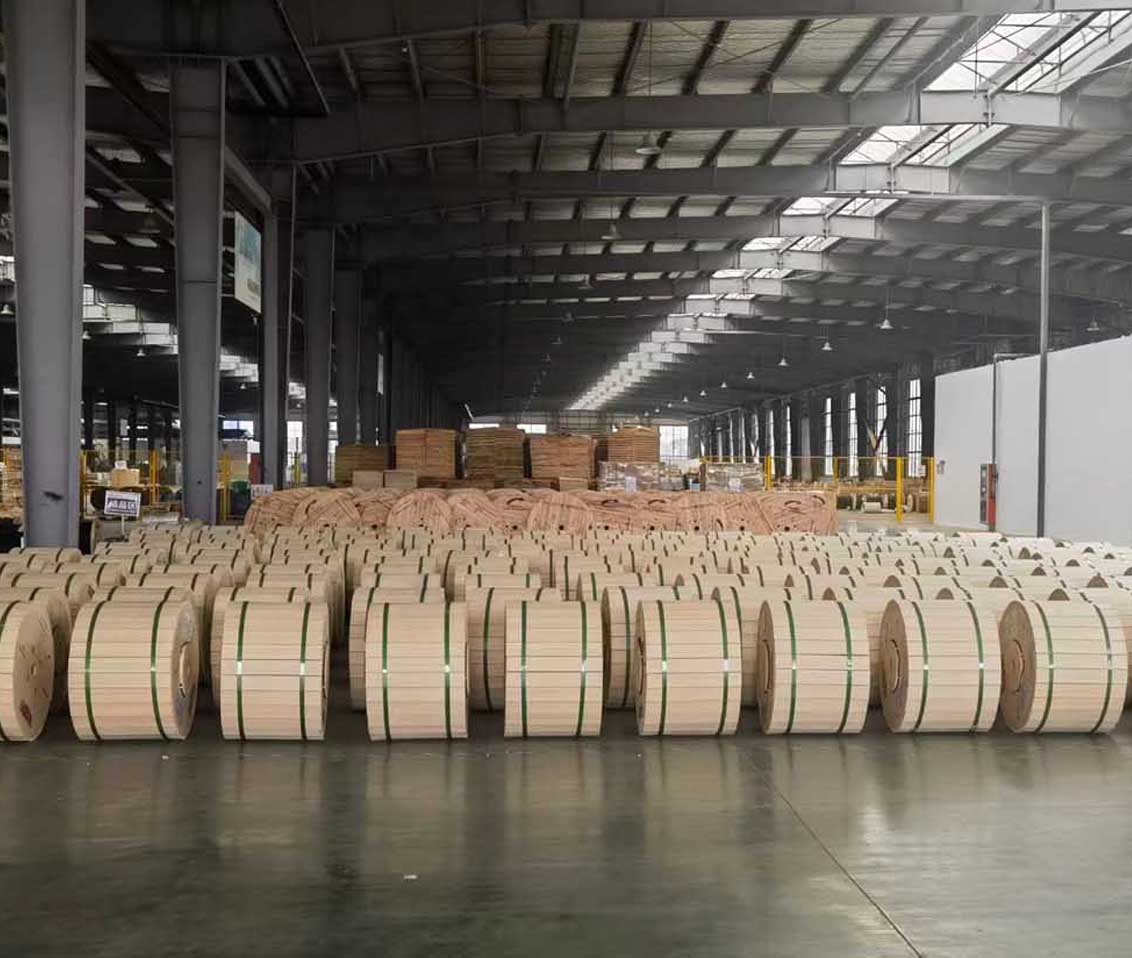
 Optical Fiber
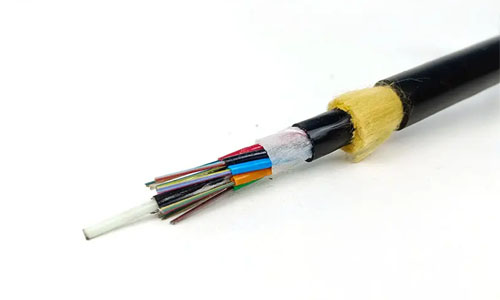 ADSS Fiber Optic Cable
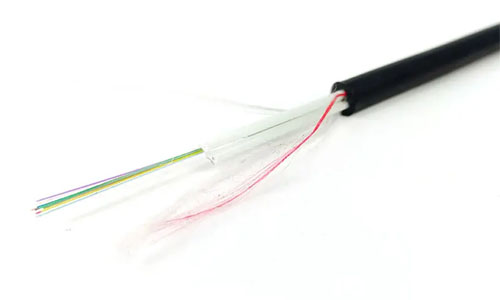 ASU Fiber Optic Cable
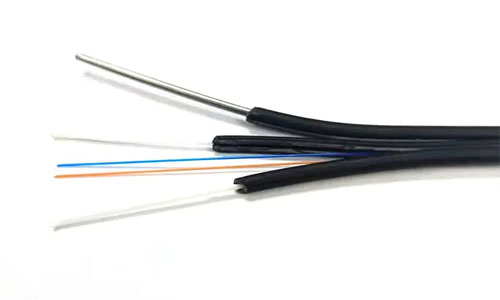 FTTH Fiber Optic Cable
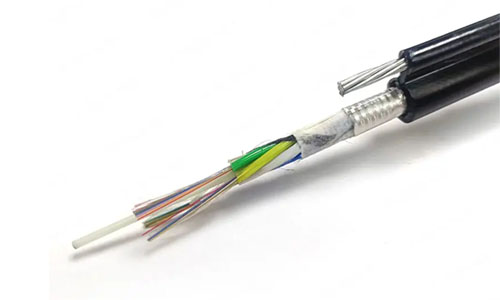 Figure 8 Fiber Optic Cable
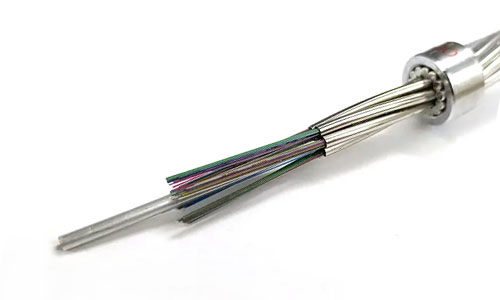 OPGW Fiber Optic Cable
 Coaxial Cable
 Ethernet Cable
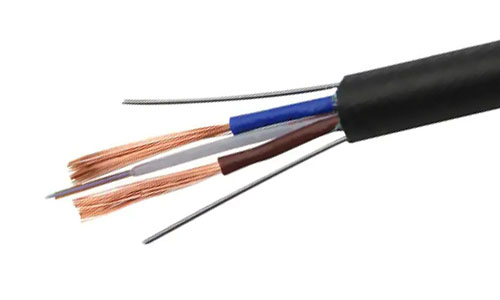 Photoelectric Composite Fiber Optic Cable
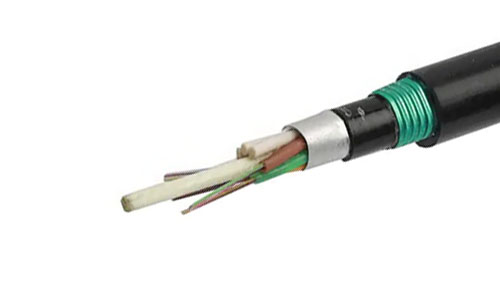 Underground & Pipeline Fiber Optic Cable
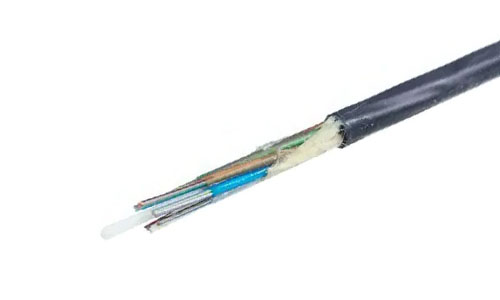 Air-Blown Micro Fiber Optic Cable
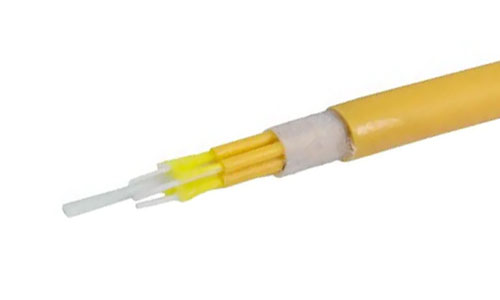 Indoor Fiber Optic Cable
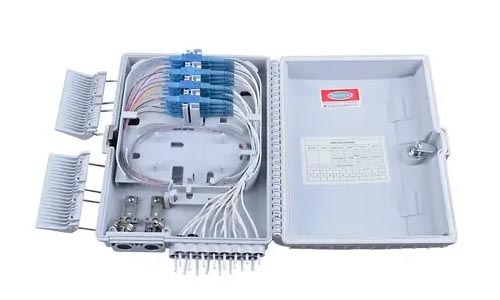 Fiber Optic Distribution Box
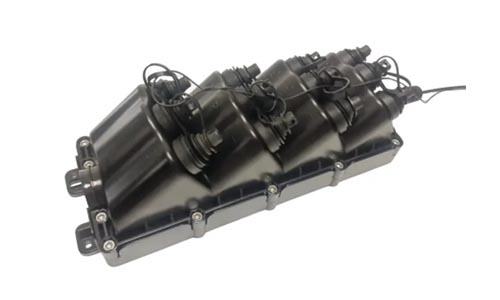 Multiport Service Termina Box
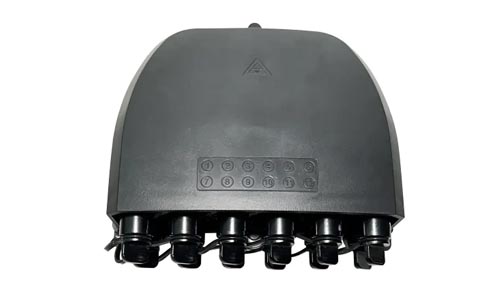 Fiber Optical Terminal Box
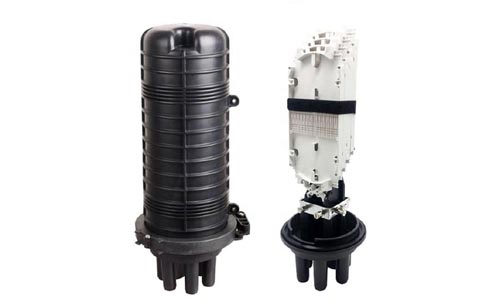 Fiber Optic Splice Closure
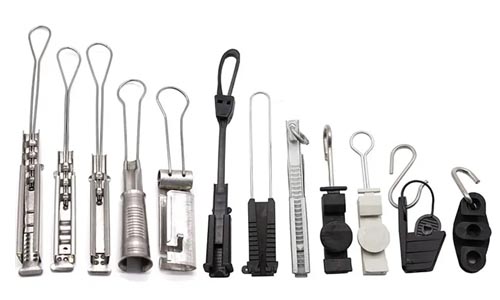 Fiber Optic Clamps
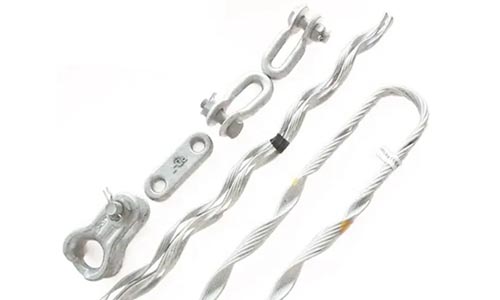 Fiber Optic Cable Fittings
 ADSS Fiber Cable
 ASU Fiber Cable
 OPGW Fiber Cable
 FTTH Fiber Cable
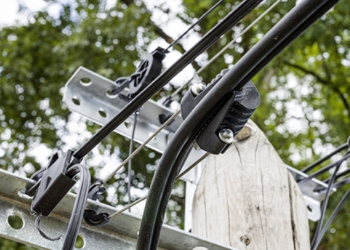 Figure 8 Fiber Cable
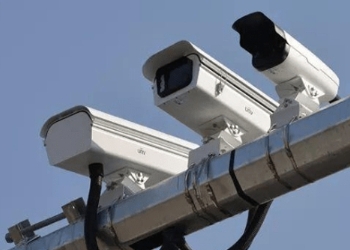 Photoelectric Composite Fiber Cable
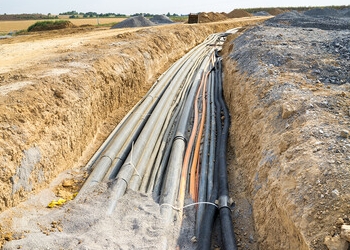 Underground & Pipeline Fiber Cable
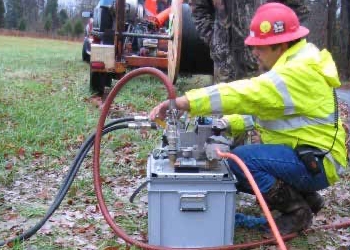 Air-Blown Micro Fiber Cable
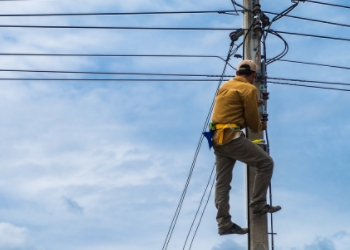 Aerial Fiber Cable
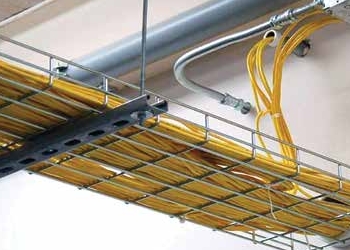 Indoor Fiber Cable
 Fiber Optical Terminal Box
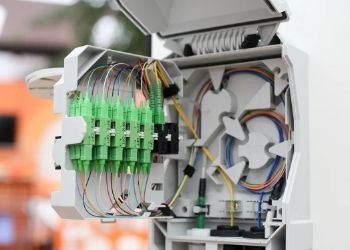 Fiber Optic Distribution Box
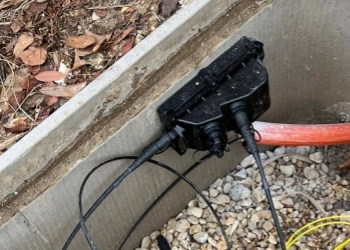 Multiport Service Termina Box
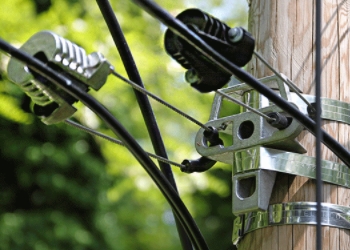 Fiber Optic Clamps
 About Us
 Our Team
 History
 R&D Strength
 Production Base
 Warehouse & Logistics
 Quality
 FAQs
FAQsThe Difference Between Cat5, Cat5e, Cat6, and Cat6a Ethernet Cables
Cat5, Cat5e, Cat6, and Cat6a are all types of ethernet cables used to network devices. Cat5 supports speeds up to 100 Mbps and is good for basic home setups. Cat5e cranks that up to 1 Gbps and reduces cross-talk, making it dependable for the vast majority of home and small office requirements. Cat6 supports higher speeds up to 10 Gbps over brief distances, making it a great match for workplaces or streaming. Cat6a takes it up a notch, delivering reliable 10 Gbps over longer distances, which fits larger areas or future-proofing. They all satisfy various speed, distance, and use requirements. The next section explains when to choose each.

Which Ethernet Cable Is Right?
To select the appropriate Ethernet cable, such as a cat6 ethernet cable, you must consider the demands of your current network and potential future requirements. Not every cable suits every task; for instance, cat5e cables work great for light duty, while cat6 cabling outshines in heavy-use offices or gaming rigs. The trick is to fit gigabit ethernet speeds, distance, and reliability to your situation.
1. The Obsolete Standard
Cat5 cables are the backbone of many small networks, but they frequently fall short in performance. They max out at 100 Mbps and 100 MHz, making them inadequate for today’s gigabit networks or bustling households. While a few legacy systems may still operate on Cat5, most users now require higher speeds, leading to capped performance. If you’re constructing a new network, bypassing Cat5 in favor of a cat6 ethernet cable or higher is a wise choice. Upgrading to a quality cable like Cat5e or Cat6 ensures less bottlenecks and greater reliability.
2. The Modern Baseline
Cat5e is where most people begin these days. It’s your home and office minimum, good for up to 1 Gbps at frequencies up to 250 MHz. Cat5e cables do a great job combating interference, so you get more stable connections, even in congested areas. They’re great for streaming, surfing, and video calls. For most people, Cat5e offers the perfect balance of cost and capability, delivering dependable gigabit speeds at a very affordable price.
Cat5e cables are abundant and simple to install, which makes them the go-to for quick upgrades or new configurations.
3. The Performance Sweet Spot
Cat6 ethernet cables shine if you crave more speed and less lag. With thicker copper wires, usually 23 AWG, a cat6 ethernet cable supports up to 10 Gbps for runs as far as 33.5 meters and even beyond if interference stays low. This makes cat6 cabling a good choice for gaming, 4K streaming, and multi-device offices that require a speedy and reliable connection. Many users find that cat6 delivers great performance at a reasonable price, making it a favorite among those who want the extra headroom without the extra cost.
4. The Future-Proof Option
Cat6a is the next step up, designed for big ambitions and big rooms. It maintains 10 Gbps rates up to 100 meters and supports higher frequencies, making it suitable for server rooms, office centers, or anyone anticipating additional devices and faster internet in the future. Cat6a is more expensive and less flexible to install. The investment can pay off in saved money and headaches down the line if you’re future-proofing for network upgrades or simply want robust, reliable speeds throughout.
| Category | Max Speed | Max Distance | Frequency | Price | Pros | Cons |
|---|---|---|---|---|---|---|
| Cat5 | 100 Mbps | 100 m | 100 MHz | Low | Cheap, easy to find | Obsolete, slow |
| Cat5e | 1 Gbps | 100 m | 250 MHz | Low | Reliable, reduced interference | Not future-proof |
| Cat6 | 10 Gbps* | 33.5-50 m | 250 MHz | Moderate | Fast, good for streaming/gaming | Shorter max distance |
| Cat6a | 10 Gbps | 100 m | 500 MHz | Higher | Future-proof, high stability | Costly, bulky |
Cat6 supports 10 Gbps, but only to 33.5 meters. For the full 100 m, you need Cat6a or higher.
Unpacking Cable Specifications
Ethernet cables may appear similar, but delve deeper and you'll find a complex landscape shaped by four main features: speed, bandwidth, shielding, and cable category. The category, which includes options like Cat5e, Cat6, and Cat6a, significantly influences performance over longer distances of up to 100 meters. Understanding these differences is crucial for selecting the right cat6 ethernet cable, ensuring optimal data transfer speeds and network performance. Trust me, these details save you money, time, and headaches when you configure a network at home or in a bustling office.
| Cable Type | Max Speed | Max Bandwidth | Typical Use | Shielding Available | Twists/Inch | Max Distance |
|---|---|---|---|---|---|---|
| Cat5e | 1 Gbps | 100 MHz | Home/Office | Yes/No | 4-5 | 100 m |
| Cat6 | 1–10 Gbps | 250 MHz | Office/Data | Yes/No | 5+ | 100 m (10Gb up to 55 m) |
| Cat6a | 10 Gbps | 500 MHz | High-Density | Yes | 5+ | 100 m |
Speed vs. Bandwidth
Speed is how fast data moves, bandwidth is how much can move at once. A cable’s bandwidth, measured in megahertz, plays a huge role in how many devices can access the network without buffering or lagging. If you intend to stream videos or move large files, higher bandwidth is more important than peak speed.
Imagine a busy airport runway. Speed is how fast one plane can take off, and bandwidth is how many runways there are. If lots of people are on your network, bandwidth keeps the juices flowing. For one desktop, Cat5e suffices. For a small business with tons of video calls and big files, Cat6 or Cat6a is a better fit.
Shielding Matters
Shielding blocks external noise, such as EMI, from disrupting your connection. There are two main types: conductor shielding protects each twisted pair and cable shielding wraps all pairs together. Unshielded cables perform well in silent environments, such as typical residences. In a factory or busy office, shielded cables prevent interference and preserve your signal.
Shielded cables are especially fantastic when power lines run adjacently to data lines or when multiple cables bunch up near each other. For offices in high-rise buildings or data centers, opt for shielded varieties.
Solid vs. Stranded
Solid cables employ one solid wire per conductor, which makes them stiff but powerful for extensive, permanent runs, say within walls or ceilings. Stranded cables utilize lots of little wires, so they’re flexible and easy to maneuver. You’d want stranded in patch cords or other locations where the cable flexes a lot.
For permanent installs, solid is best. For desks, temporary setups or cable-hopping, stranded is the ticket. Be sure to find out if your room requires general, riser, or plenum-rated cables to comply with safety and local regulations.
Real-World Cable Scenarios
Ethernet cables, such as cat6 ethernet cables and cat5e cables, have multiple variations, and selecting the right one depends on where you use them, how far they go, and the gigabit ethernet speeds you desire. Every setup at home, office, or data center has different network requirements. By matching the cable type to your real-world scenario, you will achieve optimal data transfer speeds and fewer headaches.
For Home Use
Most homes do well with Cat5e or Cat6 Ethernet cables. Cat5e supports data transfer speeds of up to 1 Gbps for 100 meters, which is more than sufficient for streaming, surfing, and even casual gaming. On the other hand, Cat6 can reach gigabit ethernet speeds of 1 Gbps but can occasionally manage 10 Gbps over shorter distances, specifically around 55 meters. It's important to consider the real-world scenarios for your cabling system. If your router is across the house from your office, ensure all cable runs remain under 100 meters to avoid slowdowns.
A quality cable can significantly enhance your experience when streaming HD video or gaming online. Cheaper cables or long, tangled runs can lead to drops or lag. To improve your network infrastructure, utilize clips or sleeves to keep cables organized and tangle-free, which not only looks better but also prolongs the life of your Cat6 cabling.
For Online Gaming
Smooth gaming requires low latency and strong, fast speeds. Cat6 or Cat6a cables reduce lag and packet loss, particularly for multiplayer games. Cat6 can support 10 Gbps up to 55 meters. Cat6a is the best choice for the full 10 Gbps at the full run of 100 meters. The right cable keeps your ping low and keeps you in the game.
In the real world, cable quality counts. Less expensive cables are not necessarily shielded well and can cause interference and choppy gameplay. Network settings assist—configure your router to prioritize gaming traffic and keep your cables separate from power cords to minimize noise.
For Office Networks
Most offices are still on Cat5e cabling and that usually works great for day-to-day activities. As teams get larger and apps more data-hungry, Cat6 is a more secure choice. Cat6 handles 1 Gbps to 100 meters and having more bandwidth, it accommodates video calls and file sharing with fewer glitches.
Safe connections keep the work flowing. Tangled or loose cables can create outages and make troubleshooting difficult. Real-World Cable Scenarios keep things neat and easy to trace with cable trays or ducts.
For Data Centers
Data centers require speed and reliability. Cat6a is our favorite here as it minimizes crosstalk and maintains blazing speeds of up to 10Gbps at 100 meters. This is crucial for massive data transfers and server loads.
Robust, neat cable infrastructure staves off downtime. I label all routes with upstream and destination names and color code everything so upgrades or repairs are rapid. Cat6a is for long-term growth, future proofing, and is ready for faster gear as needs shift.
The Future-Proofing Fallacy
The future-proofing fallacy leads zealous buyers to invest in the latest and fastest ethernet cables—Cat6 ethernet cables, Cat6a, or beyond—thinking that this will preserve their networks for the next several decades. This myth suggests that any tech, once purchased, will remain useful forever, requiring hardly any adaptation. Change is fast-paced, and what appears to be a wise purchase at the moment often ends up being a missed investment when expectations evolve or next-generation devices leapfrog existing infrastructure. Experts are quick to note that future-proofing is rooted in what we understand today, not tomorrow. In reality, it’s uncommon that any cat6 cable, no matter how futuristic, will suffice for all future tech purposes.
Overspending on Speed
Too many buyers succumb to the ‘future-proofing’ fallacy — that more speed equals more value. They purchase Cat6a or greater, believing they’re “set for life.” The vast majority of home networks and small offices never tap even half the bandwidth these cables provide. Take, for example, streaming films, virtual meetings, and everyday surfing; they seldom require more than what Cat5e or Cat6 can support. The big numbers on the box, 10 gigabits per second for example, sound tempting, but in practical use, these speeds are largely unattainable without costly networking equipment. To concentrate on top-end cables is to risk overpaying for capabilities you just won’t use.
Common pitfalls of overspending on cables:
-
Much more for speed that today's devices cannot even use.
-
Ignoring the limits of existing routers and switches
-
Choosing cables too thick or stiff for easy installation
-
Missing out on better value from mid-range cables
Marketing, of course, feeds the impulse to get the newest. It’s wiser to tailor the cable to your needs, not to the hoopla.
The Bottleneck Problem
A speedy cable is only as speedy as your slowest link. If your router, switch, or even your internet plan is slower than your cable, you’ve bottlenecked. Connecting a Cat6a cable to a generic router won’t increase speed if the router supports just 1 Gbps. Pairing cable specs with your devices keeps the entire system humming.
Always think long term. Push your existing gear, test device caps, and determine if the cable’s speed really brings value. Retrofitting only one component without auditing the network in total is a waste of time and money.
A Pragmatic Approach
It pays to inquire what you actually require prior to purchase. For most, Cat5e or Cat6 will stick around for years, delivering both robust speed and stable performance. Dependable cables are more important than blazing speed to most users.
Take stock of your present pace, consider your online activities, and decide if your network requires an upgrade. If you’re going to be upgrading your other devices soon, select a cable to suit those future plans, and don’t shell out for speed wasting now. Modular arrangements in which you can swap out cables or devices as necessary, for example, sidestep large, dangerous investments. This time, you keep your network fluid and sidestep the jolt of rapid redundancy.
Installation Best Practices
Ethernet cable installation best practices for network speed and stability focus on optimizing your cabling system for high bandwidth performance. A handful of installation best practices keep things humming, whether you opt for Cat5, Cat5e, Cat6, or the more advanced Cat6a cable. By following some simple manufacturer guidelines, you can ensure that your cables not only last longer but also deliver gigabit ethernet speeds as promised. Consolidating cables at a single point, referred to as Node Zero, helps make changes down the road easier. Take your measurements in metric and verify every cable before you proceed.
Cable Length Limits
Every Ethernet cable, including the cat6 ethernet cable, has a limited distance it can cover. Cat5 and Cat5e max out at 100 meters, while Cat6 can push gigabit ethernet speeds of 10 Gbps up to 55 meters before performance drops off. In contrast, Cat6a can maintain high speeds over 100 meters. Longer runs can lead to weaker signals, increased errors, and slower networks. For optimal installation practices, measure cable paths before you begin; don’t guess—use a tape measure, especially in large offices or homes. In spacious areas, design for short runs and utilize switches to keep everything within the limits. Avoid sharp bends or kinks to ensure efficient data transfer and minimize signal degradation.
Avoiding Interference
Cables near electrical wires, fluorescent lights, or large machinery can induce interference, which impedes data flow and results in random dropouts. Best Practices: Always run cat6 ethernet cables away from power lines, particularly inside wall cavities. If you have to intersect, keep it at a ninety-degree angle. Shielded cables are great for bustling environments, such as factories, or where there are many antennas and motors operating. Utilize shielded keystone jacks and ground the patch panel to reduce EMI. Clip cables overhead or nestle them along paths with minimal electrical interference. Two network outlets on the other side of the wall from power sockets keep things neat and practical.
Proper Termination
How cables end is as important as how they begin, especially when considering the quality of your cat6 ethernet cables. Poor terminations create weak links, which makes the entire network less dependable. Stick with T568A or T568B standards, which specify color order for each wire inside the cable. If you’re going to install it, use matching connectors—good ones, not the cheapest you can find. Don’t untwist wires too far back and never leave loose wires lying around. When setting up your network infrastructure, ensure you use the right patch panel for your cable. If you use shielded cable, ensure the shield links to ground. Carefully verify each step. Small errors tend to cause big headaches.
My Final Recommendation
Choosing the appropriate Ethernet cable may seem trivial, but it influences how optimally your network functions today and in the future. The primary varieties — Cat5, Cat5e, Cat6, and Cat6a — each provide something slightly different. While Cat5 is about two years away from being obsolete and is good for nothing but light work tasks, the Cat5e ethernet cable is superior, supporting 1 Gbps speeds and reducing crosstalk. This results in a purer, more reliable signal for casual surfing or streaming at a small residence or workplace. Cat6 takes things up a notch, supporting even faster speeds and tighter standards. It is great for those homes and offices that need a little extra muscle, like small groups that swap large files using cat6 cabling.
Cat6a deserves a special mention. It’s the pick people go to when they want to “future proof” their setup. With Cat6a, you get up to 10 Gbps speeds for cables as long as 100 meters and a hefty 500 MHz bandwidth, which is double that of Cat6. This indicates that it can manage generous device loads and aggressive data consumption. Think homes loaded with smart gadgets or offices seeking to expand. Cat6a is around 40-50% thicker and heavier than Cat6, thus occupying more space and being difficult to run behind walls or in congested racks. For a tiny office with only a few heads, Cat6a could be overkill. If you want to ensure your space for whatever’s next—more devices, video calls, or even newer tech—Cat6a provides peace of mind for gigabit networks.
When considering your decision, consider how many devices you have, how quickly your network needs to be, and how much room you have for cables. If you’re wiring a big office, an expanding home, or you simply want to avoid tearing out cables in five years, Cat6a is a safe bet. For basic requirements or cramped quarters, Cat6 or Cat5e can still get it done, providing a suitable ethernet category cable for your needs.
Conclusion
Ethernet cable selection seems straightforward, but genuine requirements influence the decision. Cat5 is fine for old gear or short runs, while Cat5e brings consistent speed to 1 gig. Cat6 ramps up for busier areas like office tasks or gaming. Cat6a handles the heavy lifting, such as media studios or data rooms, with robust shielding for reduced interference. Don’t run after the biggest label if your gear or space is not suited. I’ve seen people waste money on cable that languishes because their router is gigabit max. Plan for the room, equipment and what’s next. Got a wired tale or tip? Leave it in the comments or exchange tips with peers here. Let’s continue to learn from one another.
Frequently Asked Questions
What is the main difference between Cat5, Cat5e, Cat6, and Cat6a cables?
Cat5 is older and slower, while cat5e cables lessen interference for improved speeds. Cat6 ethernet cables support even more, taking this up a notch with capabilities of up to 10 Gbps over extended stretches.
Which Ethernet cable is best for home internet use?
Cat5e cables are sufficient for the majority of home applications, supporting data transfer speeds up to 1 gbps. However, for future-proofing and higher gigabit ethernet speeds, using a cat6 ethernet cable is a better choice.
Can I use a Cat6 cable with older devices?
Yes, Cat6 ethernet cables are backwards compatible, allowing you to use Cat6 with Cat5 or Cat5e devices without any issues.
Does cable length affect Ethernet speed?
Indeed, cable length can impact gigabit ethernet speeds and performance. For best results, use cat6 cables under 100 meters, as longer cables may slow down performance or make it less reliable.
Are Cat6a cables necessary for home networks?
Cat6a cabling is overkill for most homes, as it is best suited for heavy data use in environments like offices or data centers. Typically, Cat5e or Cat6 ethernet cables are sufficient for home networks.
How can I tell which Ethernet cable I have?
Look at the printing on the cable jacket; it will be marked Cat5, Cat5e, Cat6, or Cat6 ethernet cables. If not, check the manufacturer’s literature for more details.
Can I mix different types of Ethernet cables in one network?
Sure, you can mix cable types like cat5e and cat6 ethernet cables, but for optimal performance and gigabit ethernet speeds, stick with the same type.