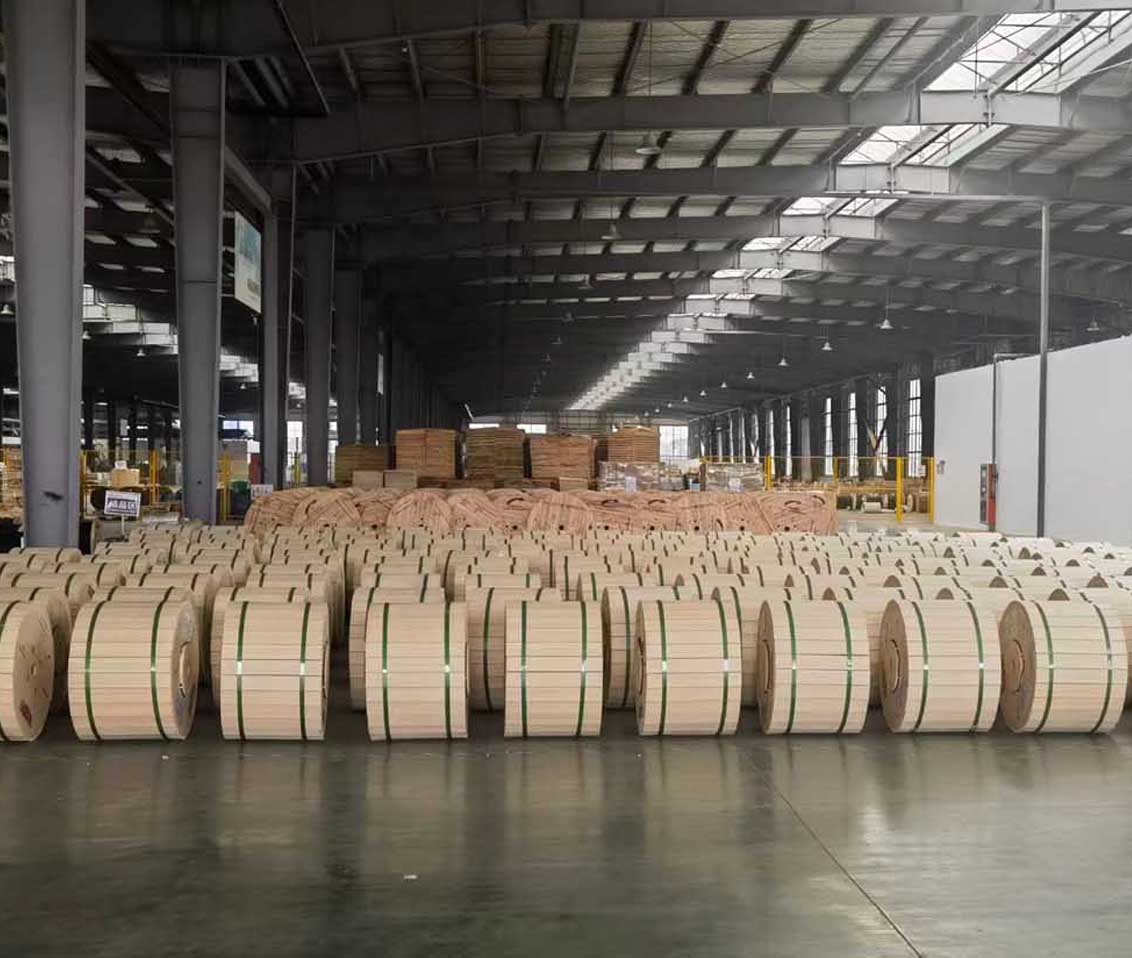
 Optical Fiber
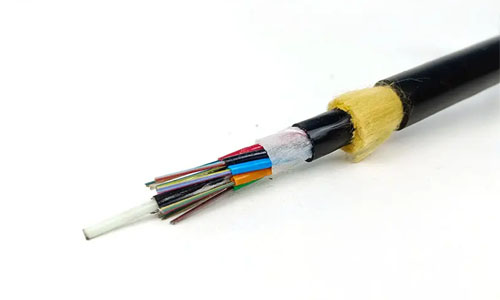 ADSS Fiber Optic Cable
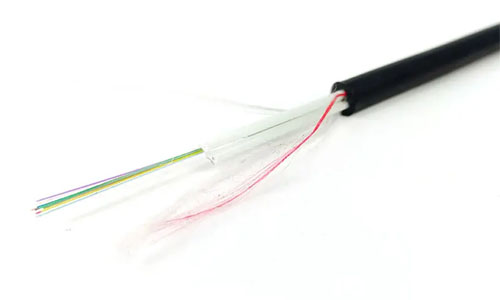 ASU Fiber Optic Cable
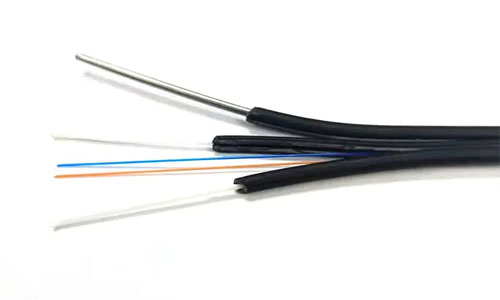 FTTH Fiber Optic Cable
 Figure 8 Fiber Optic Cable
 OPGW Fiber Optic Cable
 Coaxial Cable
 Ethernet Cable
 Photoelectric Composite Fiber Optic Cable
 Underground & Pipeline Fiber Optic Cable
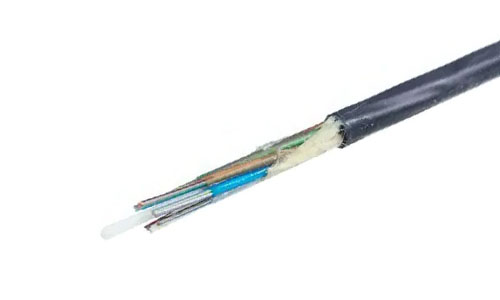 Air-Blown Micro Fiber Optic Cable
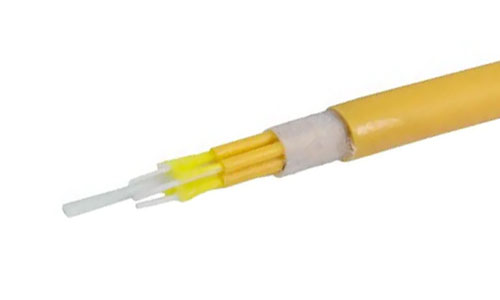 Indoor Fiber Optic Cable
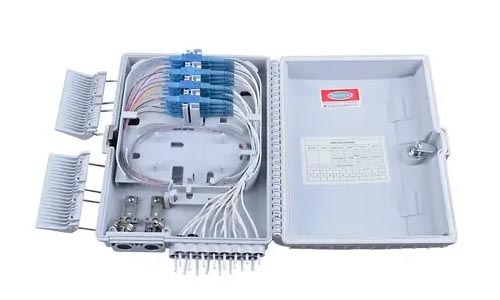 Fiber Optic Distribution Box
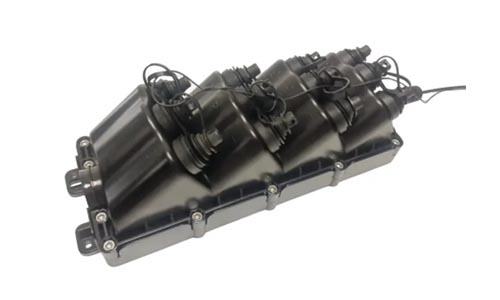 Multiport Service Termina Box
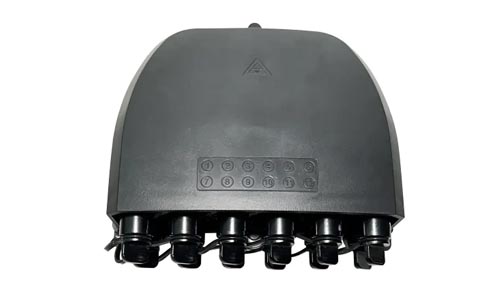 Fiber Optical Terminal Box
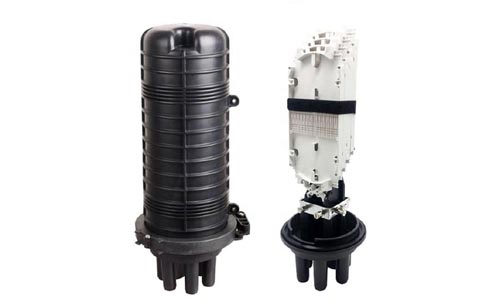 Fiber Optic Splice Closure
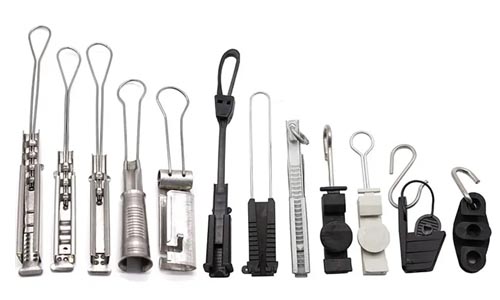 Fiber Optic Clamps
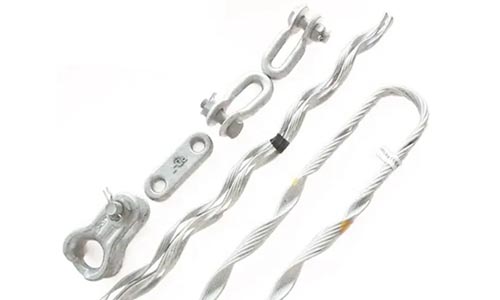 Fiber Optic Cable Fittings
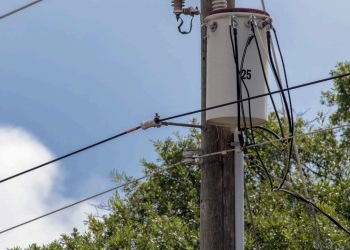 ADSS Fiber Cable
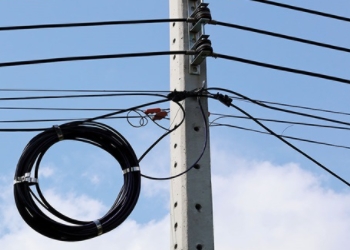 ASU Fiber Cable
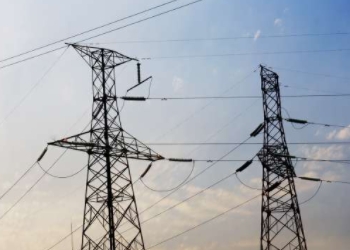 OPGW Fiber Cable
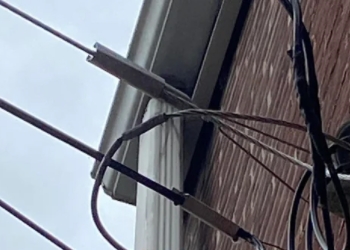 FTTH Fiber Cable
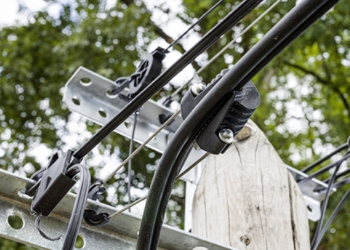 Figure 8 Fiber Cable
 Photoelectric Composite Fiber Cable
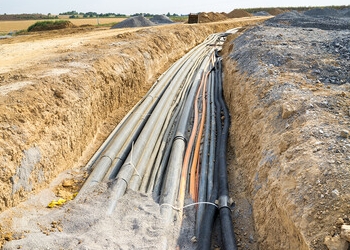 Underground & Pipeline Fiber Cable
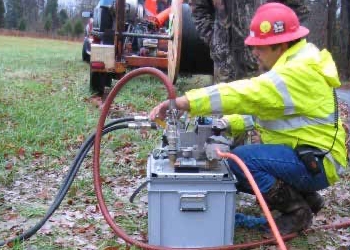 Air-Blown Micro Fiber Cable
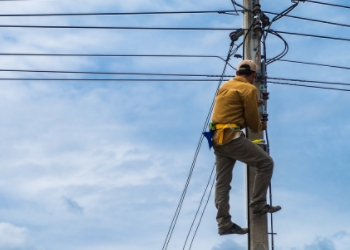 Aerial Fiber Cable
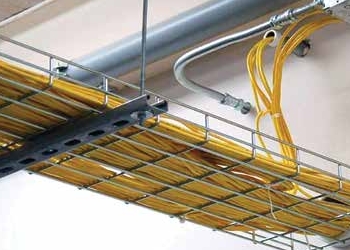 Indoor Fiber Cable
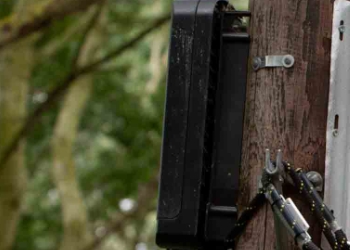 Fiber Optical Terminal Box
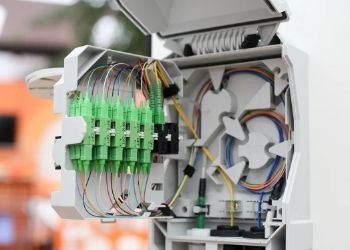 Fiber Optic Distribution Box
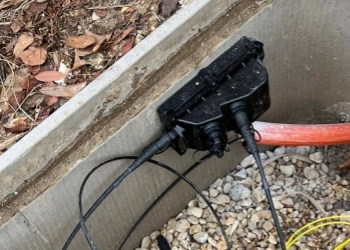 Multiport Service Termina Box
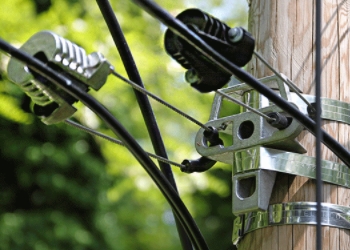 Fiber Optic Clamps
 About Us
 Our Team
 History
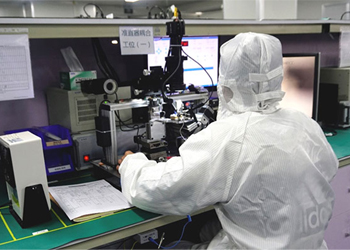 R&D Strength
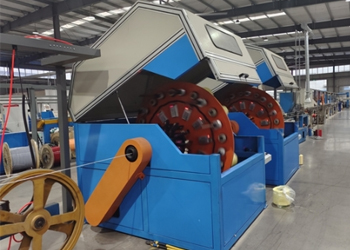 Production Base
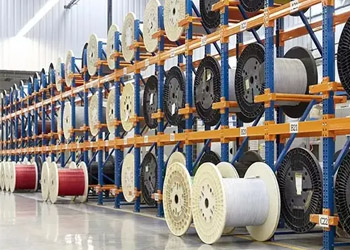 Warehouse & Logistics
 Quality
 FAQs
FAQsThe difference between ADSS vs OPGW
ADSS (All-Dielectric Self-Supporting) and OPGW (Optical Ground Wire) are two types of fiber optic cables used in overhead transmission lines, each with its own characteristics and advantages:
ADSS (All-Dielectric Self-Supporting):
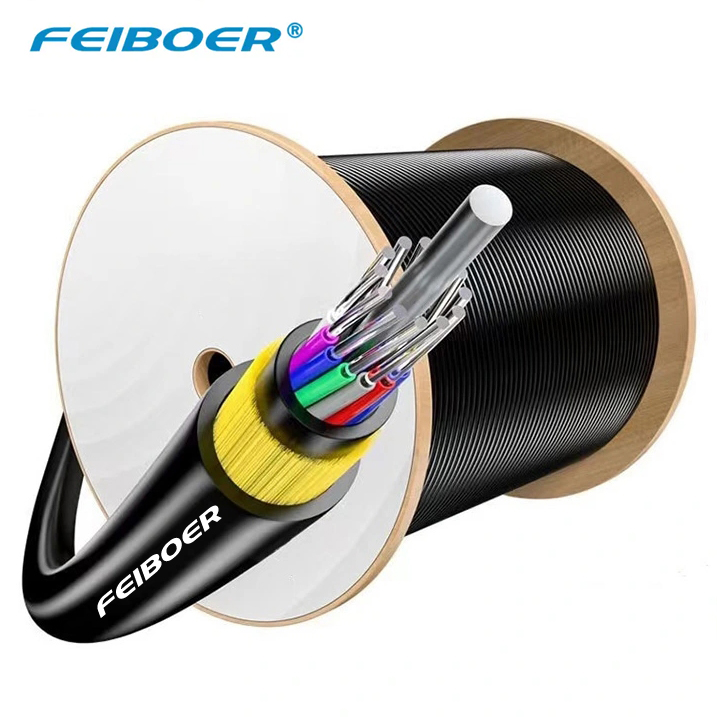
ADSS cables are designed to be installed on existing overhead transmission lines without the need for additional support structures (such as messenger wires or metallic strength members).
They are made entirely of dielectric materials, usually fiberglass or aramid yarns, which provide both electrical insulation and mechanical strength.
ADSS cables are lightweight, easy to install, and resistant to electrical interference, making them suitable for long-span installations and areas prone to high electromagnetic interference.
They are commonly used in areas with moderate to high levels of ice loading, as they have low sag characteristics and can withstand harsh environmental conditions.
OPGW (Optical Ground Wire):
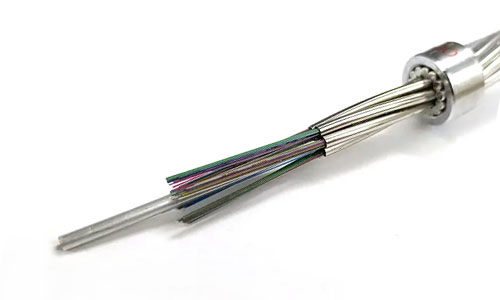
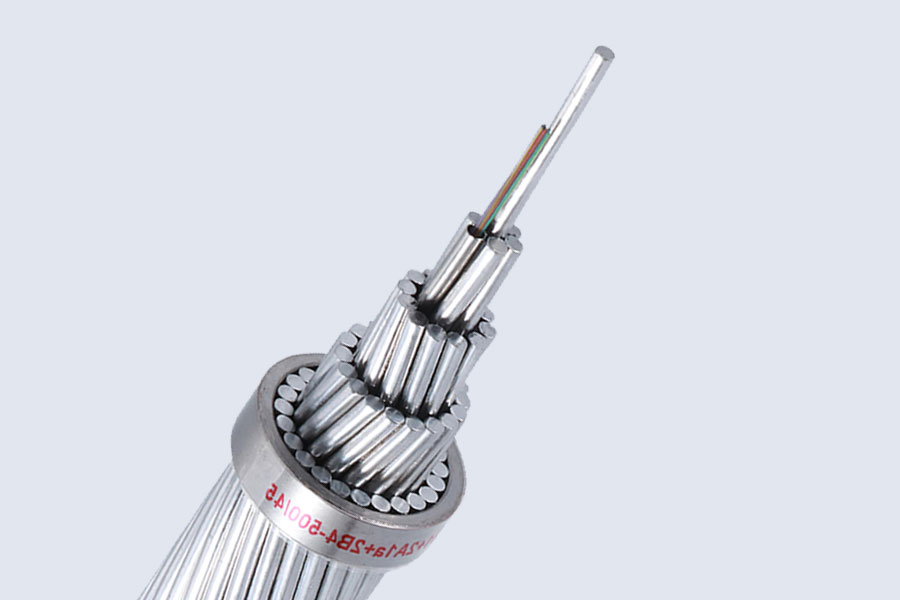
OPGW cables are constructed with optical fibers embedded within the core of a conventional ground wire used in overhead transmission lines.
The metallic strength member of the OPGW provides both electrical conductivity and mechanical support for the cable, while the optical fibers inside the core transmit data signals.
OPGW cables offer a combination of electrical grounding and data transmission capabilities, making them suitable for applications where both functions are required, such as power utility communication networks.
They provide high bandwidth capacity and are often used in critical infrastructure projects where reliable communication is essential, such as in smart grid systems and high-voltage transmission lines.
In summary, ADSS cables are self-supporting, dielectric fiber optic cables suitable for installation on existing overhead transmission lines, while OPGW cables integrate optical fibers into the core of conventional ground wires, providing both electrical grounding and data transmission capabilities. The choice between ADSS and OPGW depends on factors such as installation requirements, environmental conditions, and the specific needs of the application.