 Optical Fiber
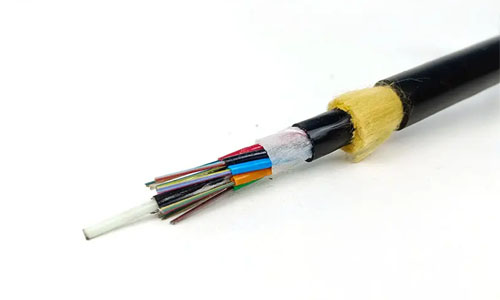 ADSS Fiber Optic Cable
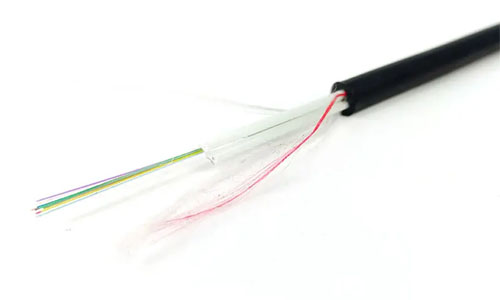 ASU Fiber Optic Cable
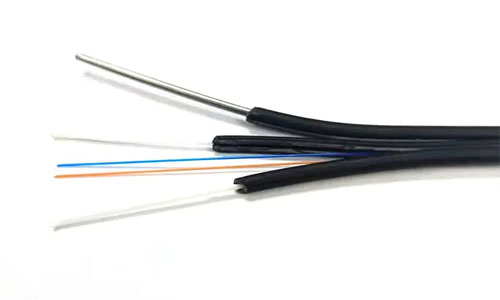 FTTH Fiber Optic Cable
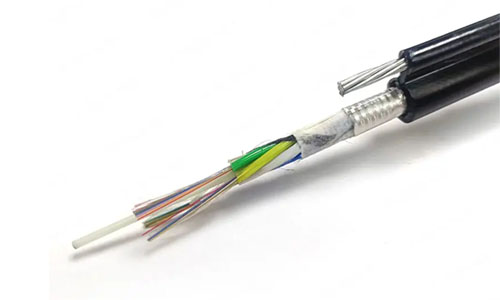 Figure 8 Fiber Optic Cable
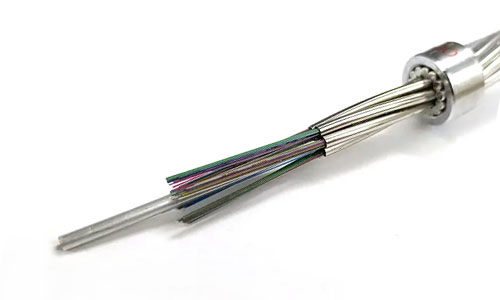 OPGW Fiber Optic Cable
 Coaxial Cable
 Ethernet Cable
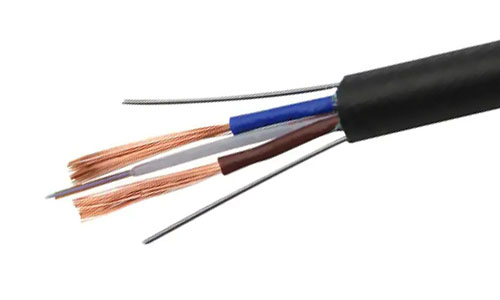 Photoelectric Composite Fiber Optic Cable
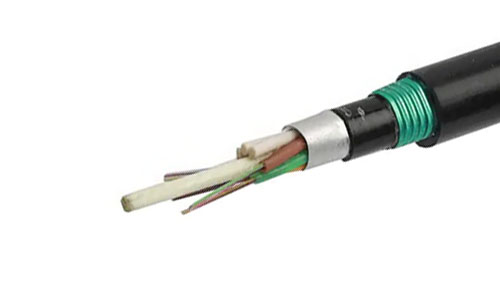 Underground & Pipeline Fiber Optic Cable
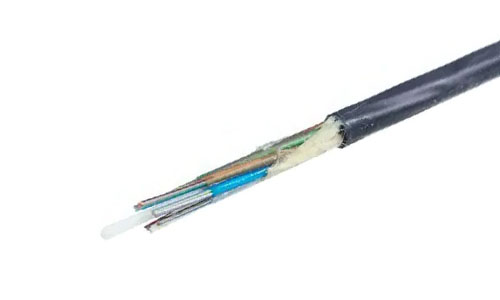 Air-Blown Micro Fiber Optic Cable
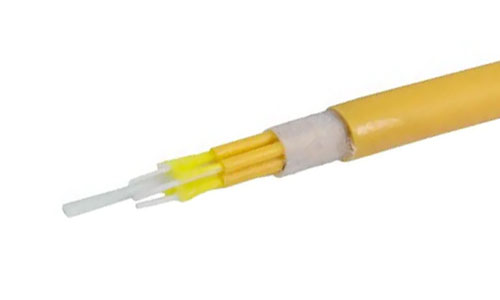 Indoor Fiber Optic Cable
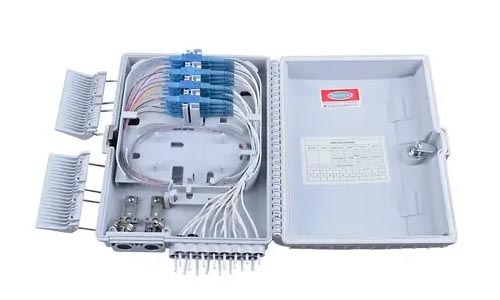 Fiber Optic Distribution Box
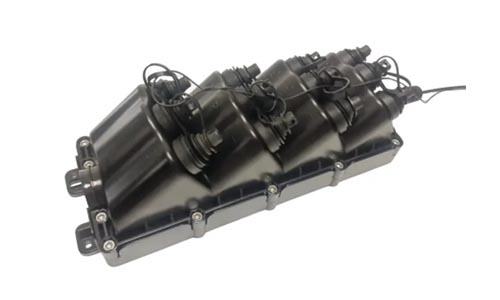 Multiport Service Termina Box
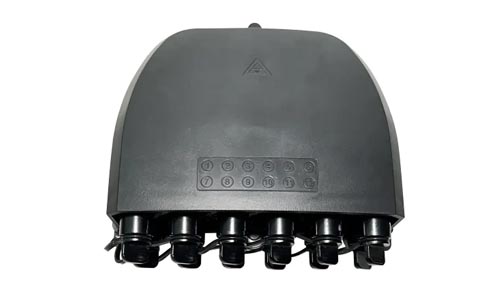 Fiber Optical Terminal Box
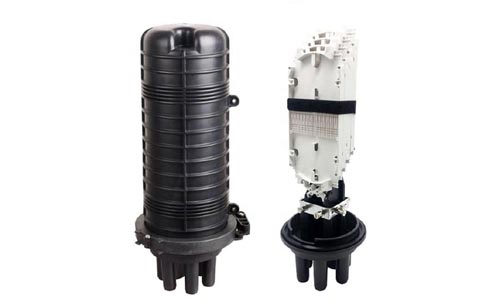 Fiber Optic Splice Closure
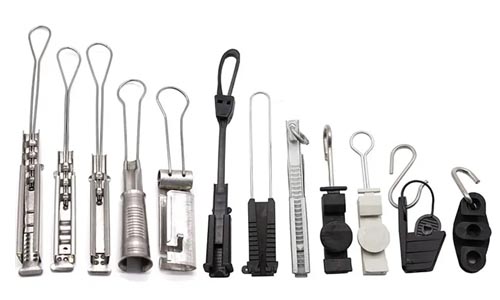 Fiber Optic Clamps
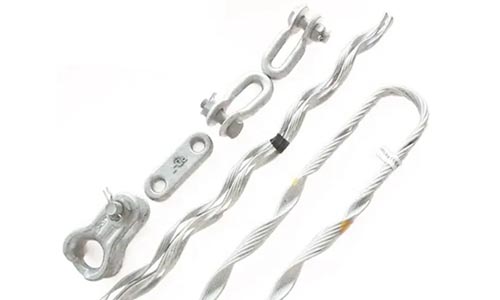 Fiber Optic Cable Fittings
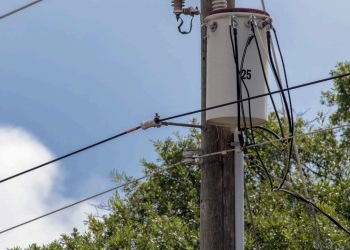 ADSS Fiber Cable
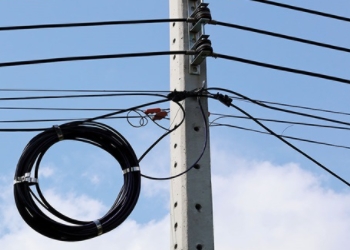 ASU Fiber Cable
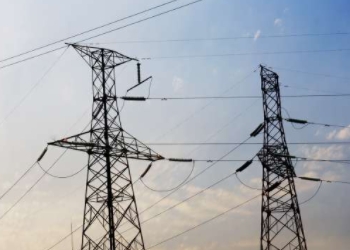 OPGW Fiber Cable
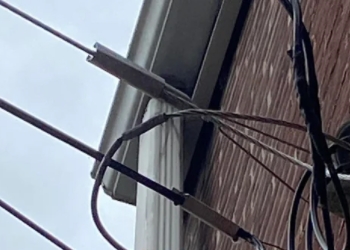 FTTH Fiber Cable
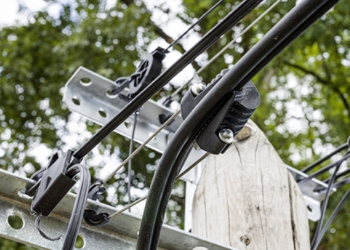 Figure 8 Fiber Cable
 Photoelectric Composite Fiber Cable
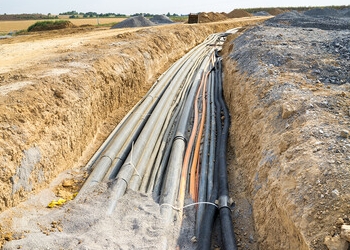 Underground & Pipeline Fiber Cable
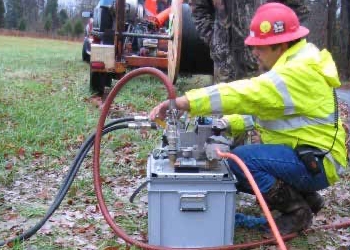 Air-Blown Micro Fiber Cable
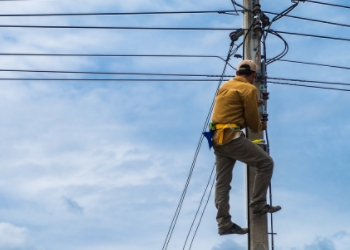 Aerial Fiber Cable
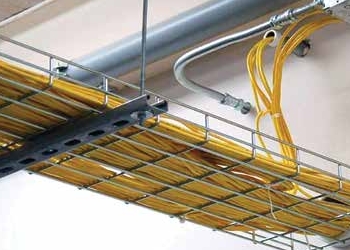 Indoor Fiber Cable
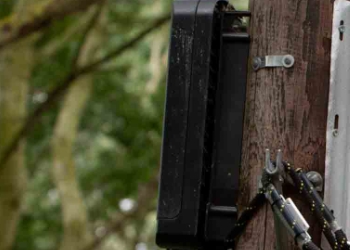 Fiber Optical Terminal Box
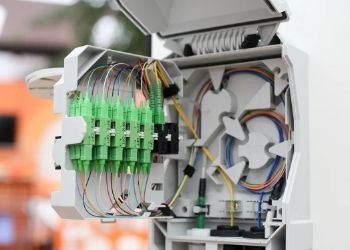 Fiber Optic Distribution Box
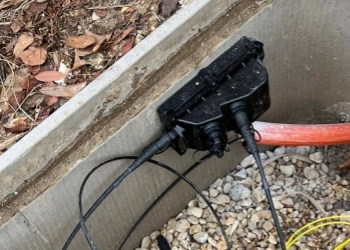 Multiport Service Termina Box
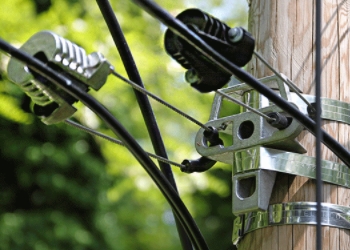 Fiber Optic Clamps
 About Us
 Our Team
 History
 R&D Strength
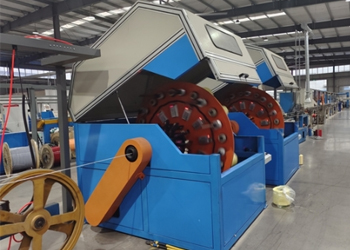 Production Base
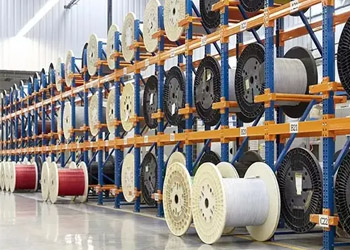 Warehouse & Logistics
 Quality
 FAQs
FAQsSteel Banding, Steel Strapping, Steel Banding Applications
Contact for Free Quotation & Sample, According to your needs, customize for you.
inquiry nowSteel Banding, Steel Strapping, Steel Banding Applications
Steel banding is a very durable, flat metal strip utilized to strap down heavy products for storage or shipping. Whether in warehouses, factories, or even small shops, steel banding keeps loads secure and stable while on the move. Its primary task is to bind together bulky items, such as lumber, pipes, or mechanical components, into a neat, compact package. With high break strength and long life, steel banding is excellent for tasks where plastic or fabric straps fail. A lot of workers opt for steel banding for projects that require a bit more attention, such as shipping items abroad or transporting sharp loads. Being informed about when and why to use steel banding can assist in saving time, reduce costs and prevent products from damage. The following section will discuss how to choose and apply it effectively.

What is Steel Banding?
Steel banding is a durable, versatile banding material used to secure, strap or bind materials. Think of it as a rugged steel belt – holding everything together during transport, transit or warehousing. A lot of people refer to it as “steel banding strap.” It comes in various widths and gauges, such as 12.7 mm (1/2″) or 19 mm (3/4″). Its robustness and dependability make steel banding a preferred choice for demanding applications in shipping, construction, and manufacturing. Unlike polyester strapping, steel banding is renowned for its higher pressure and larger load capacity.
| Type | Features | Benefits | Common Uses |
|---|---|---|---|
| Regular Duty Steel | Plain carbon steel, painted/waxed finish | Good strength, cost-effective | General bundling, pallets |
| High Tensile Steel | Higher carbon alloy, heat-treated | Higher break strength | Heavy machinery, steel coils |
| Stainless Steel | Corrosion resistant, various grades | Long life, resists rust | Food, chemical, marine |
1. Material Composition
Steel banding is made of plain steel or stainless steel. Stainless steel–think Type 304 or 316–fends off rust, so it sticks around longer outside or in soggy areas. Alloys have a big part. They add other stuff like chromium or nickel that hardens the steel and increases its tensile strength.
Different materials for different jobs. Mild steel is fine for dry storage, but for field work or high-moisture areas, stainless steel is the choice. The alloy selection impacts not only strength, but chemical or rain resistance of the band. A Type 316 band is going to last through a salty dock far better than the plain steel.
2. Manufacturing Process
It begins by selecting the appropriate steel, which is then rolled into thin strips. These strips are then slit to width—typically 12.7 mm (1/2″), 15.9 mm (5/8″) or 19 mm (3/4″). Paint and wax the surface to help keep the bands from sticking and to make them easier to use. Each step has workers and machines inspecting for defects, ensuring each coil adheres to quality specifications.
Accuracy is everything. If a band’s too thin, it’ll snap or slip under load. Good QC helps skirt this. How the steel is rolled, treated and finished affects how strong and flexible the band is.
3. Core Properties
Steel banding is tough, rigid and durable. It’s able to hold the weight and maintains stacks of lumber or bricks or big crates from moving around. Its break strength—the force it takes to snap the band—is most important when hauling heavy gear.
It resists moisture and chemicals, particularly if you choose the appropriate alloy or finish. That’s why you find steel banding in shipping yards, factories and even wet, salty locations.
4. Common Types
Regular duty and high-tensile steel strapping are the most popular. Stainless steel banding straps emerge where rust or chemicals are a concern. Each type has its own job: regular duty for simple bundling, high-tensile for big machines, and stainless for harsh spots.
Choosing the appropriate band ensures things hold up and function optimally. Steel banding sizes range so you can strap everything from tiny packages to giant girders.
Versatility-you can pretty much use steel banding for whatever shape or size bundle you have.
5. Surface Finishes
Steel banding is available with galvanized, painted or waxed finishes. Steel bands are galvanized, get a zinc coat which helps resist rust. Painted bands are great indoors. Waxed bands slide easier through tools.
Choosing the perfect finish pairs the band with its work. Wet or outdoor work require something rustproof. Inside, painted or waxed bands work fine.
The proper finish can cause steel bands to last a lot longer.
Why Choose Steel Banding?
Steel banding is best when you require rugged and reliable means to secure. It’s available in a variety of widths and gauges, so it suits tons of applications — from bundling lumber on pallets to securing large metal tubing and even in some of the harshest possible outdoor conditions. Steel banding unlike plastic or polyester straps, steel banding gives you real strength. It’s crafted from steel alloys such as 304 or 316 stainless steel and can battle rust, even if left out in the rain or in close proximity to chemicals.
On a lot of work sites—shipping yards, factories or warehouses—steel banding is the ‘weapon of choice’ to keep bundles secure. It can handle the rough stuff without breaking or stretching. If you’ve ever encountered a load of bricks or heavy timber on a truck – chances are STEEL banding is what holds it all together. In these pinch points, plastic straps can snap or fray, but steel stands its ground. Thicker bands = more muscle, so you can choose the appropriate size for the task, be it a light bundle or something that weighs tons.
Steel banding is a wise investment for the future, too. Initially, it may be more expensive than plastic, but it’s worth it. It doesn’t break down quick and shrugs off rust so you don’t have to replace it as much. Less waste = less money over time. In areas where outdoor banding is necessary or where the weather is severe—cold, heat, rain, salt air—steel, particularly Type 316, holds its own. Polyester or plastic simply cannot compare to that sort of grit.
You receive reliable, secure bundling with steel banding. It won’t come loose with jolts or rough treatment. This makes it awesome for shipping, construction, and even storage. So, be it cables, crates, or pipes, steel banding is the steady hand that holds it all together.
Industrial Applications
Steel banding is an industry standard due to its strength, reliability and capacity to secure loads during transit and storage. Stainless steel banding, particularly 304 and 316 grades, is relied on for its rust resistance and ruggedness in challenging environments. Available in varying thicknesses—from 0.4 mm to 1 mm—users can select what suits their needs best, whether for additional strength or standard hold.
Construction
-
Skyscraper construction projects utilize steel banding to lash together rebar bundles and marshal scaffolding.
-
A large bridge construction uses steel bands to secure metal beams, so that the transition from factory to site is safer.
-
Precast concrete sections get strapped for safe hoisting and transport, preventing slabs from shuffling.
-
Roadwork employs steel strapping to secure pipes and guardrails until they’re prepared to be installed.
Steel strapping aids in maintaining construction loads firm on trucks and cranes. This prevents products from sliding or becoming damaged, reducing hazard to employees and saving money on lost inventory. In fastening, steel bands keep things tightly connected, whether they’re securing formwork or ensuring timber remains in contact during curing.
Logistics
Steel banding is a logistics necessity, primarily for strapping together boxes or crates, or even oddly shaped products so they ship as one. It facilitates stacking and reduces wasted shipping container space.
Steel strapping reduces shipping costs. Compressed products means less trips and less risk of things breaking or shifting. Steel bands assist with tracking, too—packaged goods are simpler to tally and organize upon arrival. Brawny bands prevent products from bursting open on jostling rides.
Steel banding guards against theft and tampering as well, as bands clearly indicate when someone has attempted to cut them.
Manufacturing
Factories employ steel banding daily–to bind finished goods, raw materials or equipment. On quick lines, employees depend on steel bands to secure boxes or components, facilitating speedier packing.
Robust steel strapping results in less line breaks and less risk of product damage. This goes a long way to keeping quality high and waste low, particularly when transporting heavy objects such as coils, engines or metal sheets.
Industrial applications such as the automotive, appliance and electronics industries typically use Type 201 bands for economical strong hold, with 304 or 316 utilized where rust or harsh chemicals are an issue.
Metalworking
Steel banding is essential in workshops that form or shape metal. Bands hold blades or rods together, for safety and organization.
It makes transporting completed components more secure—especially when they’re bulky or oddly shaped. Steel strapping holds custom parts together until they’re ready to ship.
Thicker bands come into play when strength is required above all, such as for hefty metal rolls or to secure the shipment of custom machine parts.
Proper Handling and Safety
We all know that steel banding is used in so many different places, from shipping to building sites. It’s great for keeping heavy loads secured, but it’s dangerous if you don’t handle it correctly. These are some great reasons to get proper training and learn exactly how to use it.
As you store and move steel bands, a checklist keeps it safe and simple. Hang bands on flat dry ground away from water to prevent rust. Store them in their original coils or boxes if you are able. Be certain bands don’t become twisted or bent, as bends can lead to weak spots. For transporting them, use carts or trolleys–don’t drop or drag them, which prevents damage and maintains the integrity of the band.
Proper handling and safety is a must with steel strapping—edges are sharp and can slice skin quickly. Always use cut-stopping gloves, as well as eye protection. For your feet, steel-toes are smart. When cutting straps, begin with the one furthest from you. This reduces the risk of the strap recoiling and injuring you. If there are multiple straps on a load, cut them all this way. It’s a little thing, but it can prevent a big accident.
Training is crucial. They should know how to properly handle the right tools, such as tensioners and cutters, in order to maintain control over the banding. Teach new team members to inspect gear for wear or damage. Teach everyone what to do if a strap snaps. Fatigue impairs reaction time and contributes to slips, so schedule work shifts to provide sufficient rest. If employees work with compressed bundles, such as cotton or burlap bales, take it easy—these can pop open when the strap is severed.
Steel strapping remains a smart option for numerous applications, despite new materials on the market. It endures, grips and doesn’t really strain in under duress. The trick is to treat it properly, to respect steps, and to always avoid shortcuts. Basic practices—such as storing bands properly, wearing gloves and safely cutting straps—are incredibly impactful.
Installation and Tools
Steel banding installation requires more than just strong hands. It requires proper tools, techniques and thoughtful planning. Using the right tools makes the task not only safer but significantly easier, particularly when strapping heavy loads or dealing with sophisticated systems. Various applications demand various types of tools—manual, cordless, or pneumatic. Errors such as utilizing an improper tool or neglecting calibration can translate to time lost or a feeble grip. Expert installers understand that a bit of prep, from tool upkeep to selecting an appropriate band type, rings rewards in dependability and security.
Tensioners
Tensioners pull steel straps tight so nothing slips or shifts. If you’ve ever seen a guy strap together large pipes or strap down freight crates, you’ve witnessed tensioners in action. There are two main types: manual tensioners, great for lighter jobs or when there’s no power, and pneumatic tensioners, which use air pressure for faster, high-volume work. Cordless tensioners come in handy in tight spots or at remote sites, as well.
Selecting the appropriate tensioner is based on your steel straps width and thickness. Employing a too-weak or too-strong tool risks breakage or loose bands. Best practice is to pair the tool to your strap, verify calibration, and apply slow, steady tugs. Hurrying kinks or tears the steel and unbalanced pressure results in weak places.
Sealers
Sealers clamp/crimp the ends of the band so it stays in place. Some have metal buckles, some even weld the steel ends together for an even stronger seal. Weld seals are typical in heavy industry, buckles fit lighter or adjustable loads.
Choosing a quality sealer is important – cheap sealers can slough, and reset your efforts. Ideally, use tools appropriate to your strap type and size and inspect for wear. Certain applications require sealers with custom attachments to accommodate custom straps or clamps.
Cutters
Special cutters are required for clean, safe cuts. An improper tool will leave jagged edges or bend the strap making it difficult to close. With manual cutters for light work and heavy-duty models for thicker steel.
Keep cutters sharp and clean, storing them somewhere dry. Dull blades need extra pressure, which can skid and cut you. Always cut away from yourself and wear gloves against cuts.
The Unseen Lifecycle
Steel banding has a lifecycle that begins with raw steel and finishes with recycling or disposal. All of these stages in this lifecycle influence not just how the product functions but how much it impacts the environment for better or worse.
Quality Standards
| Compliance Requirement | Impact on Steel Strapping | Example Use |
|---|---|---|
| ISO 9001 Certification | Ensures production consistency | Export packaging |
| ASTM Standards | Sets strength/durability levels | Heavy machinery |
| CE Marking | Verifies health/safety compliance | Construction |
Meeting these standards makes steel strapping reliable. It’s not only red tape—standards prevent breakage, rust and other hazards. For example, ASTM-compliant straps assist companies in steering clear of expensive cargo damage. Qualities such as ISO allow buyers to verify if steel banding will survive hard-line assignments, like overseas cargo or automotive part binding.
Maintenance
-
Inspect bands for rust, cracks, or deformation before use
-
Keep steel bands in dry, clean areas to prevent rust.
-
Replace damaged bands right away to avoid failure
-
Grease hinges and contact points in damp or salty environments
-
Train staff on safe handling and tensioning tools
Daily tenderness keeps steel bands humming longer. One brief inspection prior to use can save a lot of trouble — and lost merchandise. If bands linger in humid air, rust can strike quickly. Rectifying these minor issues immediately prevents major issues. Without maintenance, bands break or degrade, resulting in injury or lost shipments.
Sustainability
The steel industry’s model is cyclical. Scrap from used steel bands is gathered, melted down and converted into new steel. That is less waste and more savings. Post-consumer steel is always recyclable—no matter how many times it’s recycled. Factories these days incorporate more recycled steel, occasionally substituting waste steel perforated materials for up to 20% of virgin components.
Perforation, like punching holes in steel strips for cars, alters the metal’s strength but gives it characteristics. As an example, these holes muffle noise–a nifty trick in both automobiles and buildings. Perforated metal panels are ubiquitous, from city soundproof walls to lightweight plane components.
Conclusion
Steel banding is notable for its strength and consistent application in shipping, construction and industrial storage. Big jobs require tools that endure and steel banding gets the job done. On bustling worksites, steel banding secures loads and reduces lost freight. Safe handling counts, so suit up and keep it sharp on the job. With the proper tools, steel banding applies fast and easy. Each roll can take a beating and still hold up, beginning to end. Consider how steel banding could assist in your next project or shipment. Give it a whirl, and watch how much more effortless your day at work becomes. Tell your story, trade tips, and help expand a clever, secure work sphere.
Frequently Asked Questions
What is steel banding?
Steel banding is a process of using steel straps to secure and bundle heavy materials. It gives you rock solid protection for shipping and storage.
Why is steel banding preferred over plastic strapping?
Steel banding is tougher than plastic strapping. It’s perfect for heavy or sharp-edged loads that require additional protection in transit.
What industries use steel banding?
Steel banding is utilized in construction, shipping, manufacturing and warehousing. It assists in securely transporting and stockpiling cumbersome commodities, including steel pipes and timber.
How do you safely handle steel banding?
Be sure to always wear gloves and eye protection. Cut and secure the banding with the appropriate tools. This protects from cuts and snapback.
What tools are needed for steel banding installation?
You will require a tensioner, a sealer and a steel strapping cutter. These tools provide tight, secure application for safe bundling.
How long does steel banding last?
Steel banding can provide year upon year of reliable service when stored dry and with proper usage. Water exposure may lead to rust and weaken it.
Can steel banding be recycled?
Yes, steel banding is recyclable. Please return used bands to a recycling facility.