 Optical Fiber
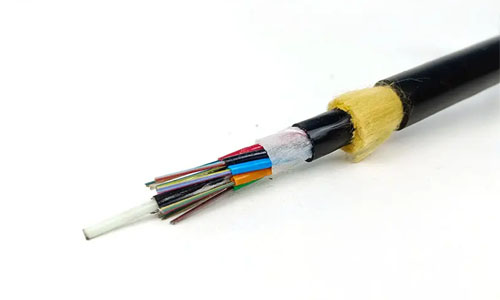 ADSS Fiber Optic Cable
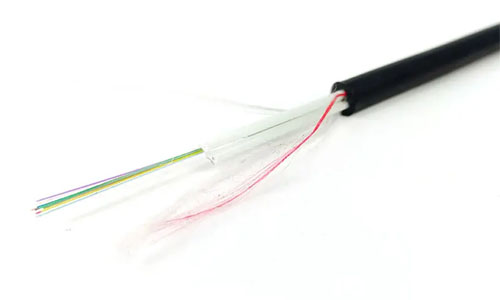 ASU Fiber Optic Cable
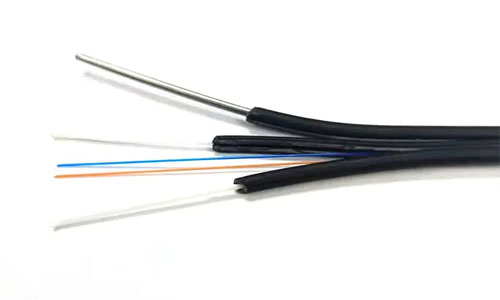 FTTH Fiber Optic Cable
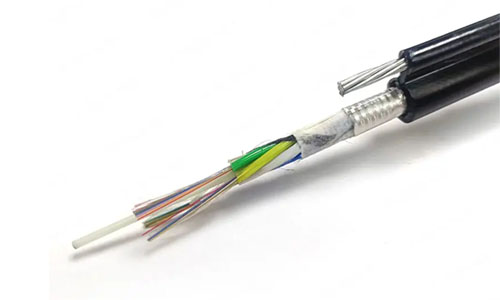 Figure 8 Fiber Optic Cable
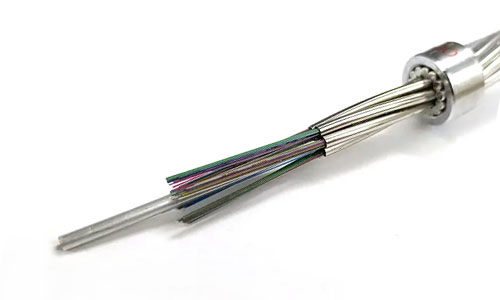 OPGW Fiber Optic Cable
 Coaxial Cable
 Ethernet Cable
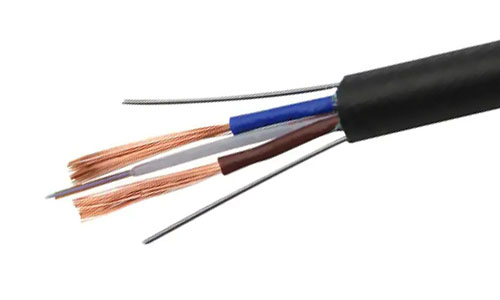 Photoelectric Composite Fiber Optic Cable
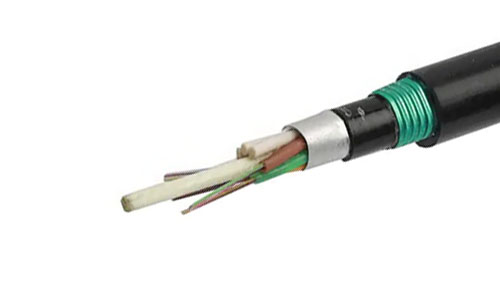 Underground & Pipeline Fiber Optic Cable
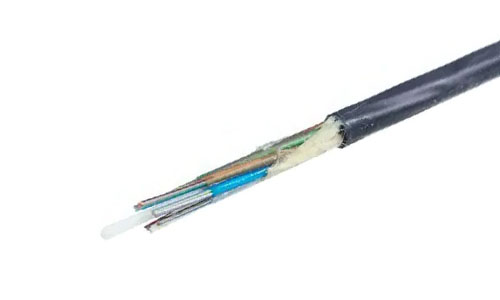 Air-Blown Micro Fiber Optic Cable
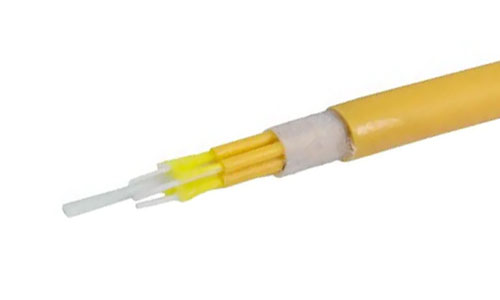 Indoor Fiber Optic Cable
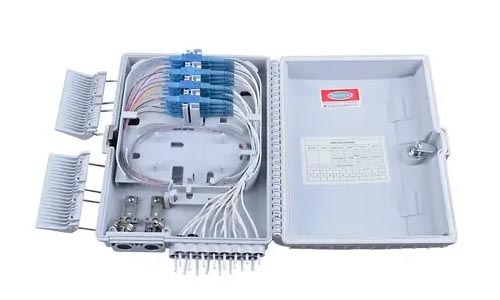 Fiber Optic Distribution Box
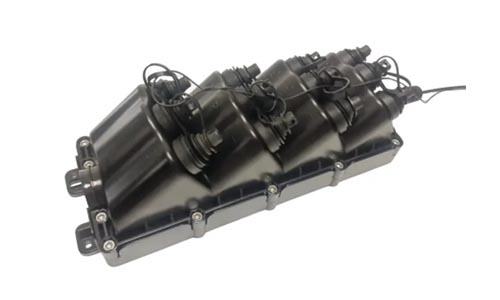 Multiport Service Termina Box
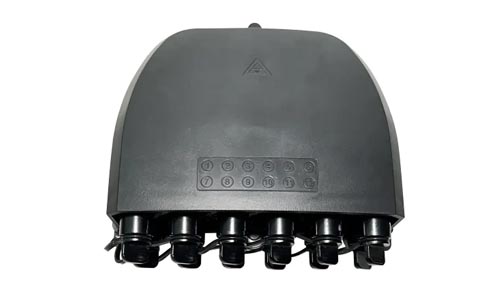 Fiber Optical Terminal Box
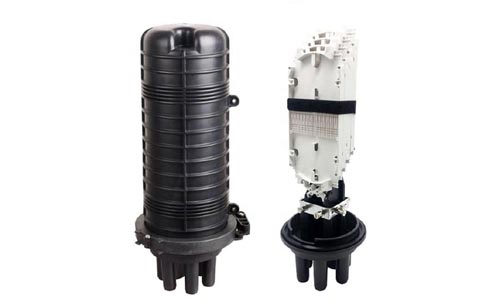 Fiber Optic Splice Closure
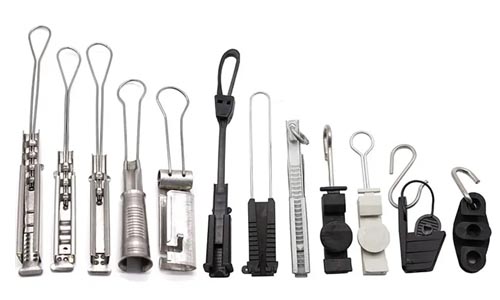 Fiber Optic Clamps
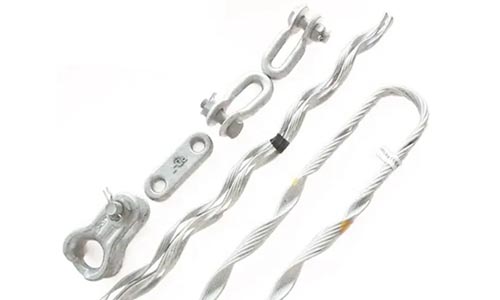 Fiber Optic Cable Fittings
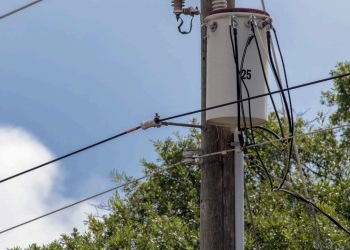 ADSS Fiber Cable
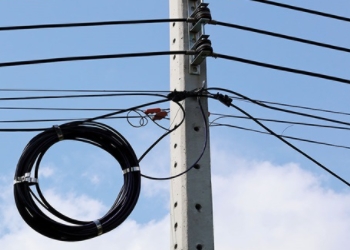 ASU Fiber Cable
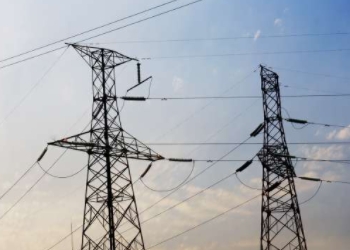 OPGW Fiber Cable
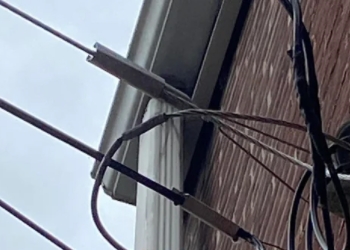 FTTH Fiber Cable
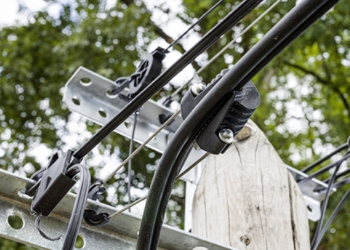 Figure 8 Fiber Cable
 Photoelectric Composite Fiber Cable
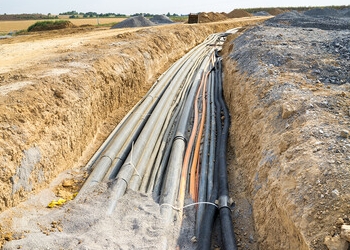 Underground & Pipeline Fiber Cable
 Air-Blown Micro Fiber Cable
 Aerial Fiber Cable
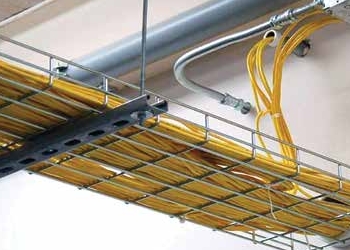 Indoor Fiber Cable
 Fiber Optical Terminal Box
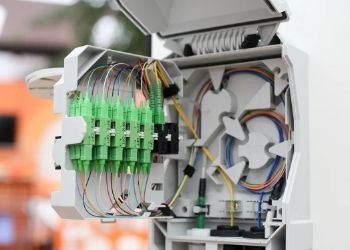 Fiber Optic Distribution Box
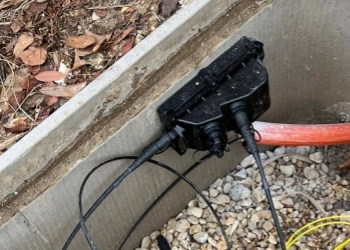 Multiport Service Termina Box
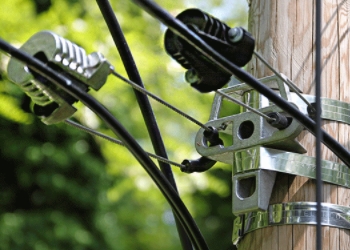 Fiber Optic Clamps
 About Us
 Our Team
 History
 R&D Strength
 Production Base
 Warehouse & Logistics
 Quality
 FAQs
FAQsSingle Mode vs Multimode Fiber: A Comprehensive Guide
Contact for Free Quotation & Sample, According to your needs, customize for you.
inquiry nowSingle Mode vs Multimode Fiber: A Comprehensive Guide
Single mode fiber vs multimode fiber are the two primary types of optical fibers used to transmit data over long and short distances. Single mode fiber utilizes a pretty small core and transmits light directly down the core, making it ideal for long distance communication at high speeds. Multimode fiber has a larger core, propagates light in multiple paths and is suitable for short distance such as within a building or campus. Each has its own advantages, such as price, bandwidth, and distance. To assist you in selecting the appropriate fiber, the following sections present straightforward information, usage comparisons, and cost analyses. The goal is to make the decision straightforward and obvious to everyone.

Single Mode vs. Multimode Fiber
Single mode and multimode fiber optic cables conduct light very differently, influencing their characteristics and ideal applications. The single mode fiber optic cable has a small core around 9 microns, guiding a single mode of light over long distances. In contrast, multimode fiber, with core sizes of 50 or 62.5 microns, can propagate multiple light modes simultaneously. Single mode operates at longer wavelengths, whereas multimode stays with the shorter ones, showcasing their unique strengths for various applications.
-
Single mode: long-haul telecom, data center backbones, metropolitan networks.
-
Multimode: campus networks, building wiring, short-reach server links.
1. Core Diameter
Single mode fiber optic cable’s core is only 9µm, allowing light to travel straight with minimal bounce. This narrow path enhances signal fidelity across great spans, but it demands specialized equipment and meticulous configuration. In contrast, multimode fiber optic cables have a significantly larger core—62.5µm for OM1 and 50µm for OM2, OM3, OM4, and OM5. Both types feature a cladding diameter of 125µm, which protects them and ensures they are consistent to manage. The larger multimode core enables light to bounce in multiple paths, ideal for short distances but can lead to signal smear or modal dispersion over longer stretches.
2. Light Source
Single mode fiber typically accompanies laser light sources. Lasers emit a linear, powerful beam — ideal for long-distance sending. Multimode fiber primarily uses LEDs, which are less expensive and easier to configure but scatter more and operate optimally at shorter distances.
With lasers single mode links go much farther, but the equipment can be more expensive and require technical hands. Multimode’s LEDs slash expenses and ease installation, but they restrict distance and speed. It’s the difference between a budget-breaking nightmare of a headache, and a dream that comes true, for big networks or sprawling campuses.
3. Bandwidth Limit
Single mode fiber almost never strikes a bandwidth ceiling. Its narrow core results in minimal light loss or dispersion, enabling it to meet demand as data loads increase. Multimode fiber suffers more loss and spread, so its bandwidth declines with distance. This is significant in environments such as cloud computing or contemporary data centers where large volumes of information transmit rapidly.
Single mode is the future-proof pick, multimode slots in where short, fast runs are priority.
4. Distance Reach
Single mode easily covers up to 160km, working for huge telecom lines or across city networks. Multimode tops out at around 550 meters at 1Gbps, which is good for in-building wiring.
Distance transforms network planning. Shorter reach more gear and repeaters for multimode, single mode means less stops and smoother signals.
Distance links straight to signal loss.
Long runs? Single mode wins.
5. Overall Cost
Single mode fiber is cheaper to produce, but its transceivers tend to cost more—sometimes as much as five times more. That can accrue, particularly for large scale upgrades or new builds. That said, single mode is worth it for giant or future-proof networks.
The overall cost is about more than just the price of the cable. Consider setup/gear and future needs prior to choosing.
Multimode’s upfront savings are comfortable for tight budgets, but long term growth might skew single mode.

Anatomy of Fiber
Fiber optic cables, including singlemode and multimode fiber optic cable, combine a core, cladding, and protective layers to transport information with light. Understanding the make-up of these fiber types is essential for anyone establishing or maintaining a network that runs hard and fast, as it determines functionality, durability, and optimal location.
Physical Build
Single-mode and multimode fiber optic cables both employ a glass core wrapped in cladding, but the size is where they diverge. The single mode fiber optic cable’s core measures only 8.3 to 10 microns wide—typically 9 μm—while the multimode fiber optic cable’s core is significantly larger at 50 or even 62.5 μm. Both types maintain the cladding at 125 μm, effectively trapping the light within and retaining signal clarity. Protective jackets surround these sections to shield the glass from water, dirt, and impacts that can occur underground or in drop ceilings. Some jackets are rugged for outdoor elements, while others are designed to resist indoor flames.
The construction of fiber optic cabling matters in various ways. Thinner single-mode cores result in less light reflecting and scattering within the core, allowing signals to travel farther before degradation occurs. In contrast, multimode fibers, with their wider cores, can capture more light but may experience signal jumbles during transmission. When selecting fiber types, it’s essential to consider the installation environment—outdoor setups require more rugged, water-safe jackets, while indoor installations might benefit from fire-resistant designs or flexible cables.
Light Propagation
Single-mode fiber holds light to one narrow trail, allowing information to race along with virtually no interference. That’s why signals can traverse great distances — consider cross-country telegraph cables — without fading away or becoming jumbled. Multimode fiber propagates light down multiple pathways simultaneously. Each path, or mode, can wander a different way, so the signal can diffuse and lag as it disperses.
That’s why single-mode is the choice for high-speed, long-haul links. Its core prevents modal dispersion, providing it virtually unlimited bandwidth. Multimode is quicker to deploy for short building runs but can’t outpace single-mode for large-scale data runs. Understanding how light propagates in a fiber enables installers and technicians to optimize speed and signal clarity where they want it.
Choosing Your Fiber
Choosing your fiber optic cabling is all about a few things. Each network has its own requirements, so aligning fiber types to your objectives, such as singlemode fiber optic cable or multimode fiber optic cable, matters!
-
Distance your network needs to cover
-
Bandwidth or data speed needed
-
Budget for fiber and gear
-
Where and how the fiber will be used
-
Need for future growth or upgrades
For Data Centers
Short runs within data centers require multimode fiber. Its larger core (typically 50 to 100 microns) simplifies connections and lowers cost. Multimode deals with top speeds for the likes of server racks and storage connections. It plays nicely with inexpensive light sources like LEDs and VCSELs.
Multimode fiber is brilliant for runs up to 500–600 meters, and it remains cost-friendly even as network data rates increase. For longer interconnects of data halls or buildings, single mode fiber takes over. Single mode is more expensive, primarily because of expensive transceivers, but it’s necessary for campus or city-spanning links. Future-proof your setup by future-proofing for higher speeds or new gear down the road.
For Campuses
Campuses with buildings nearby typically remain multimode fiber. It’s adaptable, supports a convergence of applications (such as data, voice, and video), and can accommodate exploding bandwidth demand as more and more devices join.
Select the appropriate grade for your configuration—OM3, OM4 or OM5 for speeds and runs as long as 2 km! Put all the time think about how your network could expand. Fiber, laid now that can later take faster signals, saves time and money in the future.
For Long Haul
Long-haul networks—city or between towns for example—depend on single mode fiber. Its tiny core diameter holds signals close, extending as far as 40 kilometers with minimal loss. These runs require unique transceivers optimized for range.
Single mode shines for backbone and metro networks, where speed and reliability reign supreme. Costs more up front but saves in terms of fewer repeaters or upgrades down the road. In planning, consider both current requirements and what the net could manage in five or ten years.
The Hidden Costs
Fiber optic deployments, including multimode fiber optic cables and singlemode fiber optic cable, carry more than just an initial sticker cost. Many hidden costs may emerge during the project or even years later, impacting the overall budget significantly.
Transceiver Price
Transceivers are essential for allowing light signals to enter and exit fiber cables. For single-mode fiber, transceivers typically are much more expensive than multimode. That’s due to the fact that single-mode optics require very specific lasers to transmit signals as long as a few kilometers. Though the cable is more expensive, the optics can be your true wallet-buster.
Multimode transceivers are more affordable but operate at shorter distances, typically a few hundred meters. If you opt for higher-grade multimode fibers for additional reach or bandwidth, the transceiver savings can vanish quickly. Selecting compatible optics is key—utilizing the incorrect type can translate into purchasing additional hardware or mode conditioning patch cords, each incurring hidden costs. Planning for long term upgrades, obsolescence and opting for OEM optics can help keep these costs in check.
Installation Skill
Getting fiber systems online is not just a simple matter of plugging in cables. It requires artisan hands. Fiber strands are thin and fragile, so one wrong move can ruin a link or lose signal. Bad installation can equal trouble-shooting headaches, dropped signals and lost time down the road.
Experienced techs understand how to splice, connect, and shield these cables. COUPON): Training costs more, but it pays off in fewer outages and longer cable life. As you budget, it’s wise to include the expense for quality installers, not just the equipment.
Testing Tools
Checklist for testing tools:
-
Optical power meter: measures signal strength, key for both single-mode and multimode.
-
Light source: checks cable continuity.
-
Optical time-domain reflectometer (OTDR): finds faults, estimates cable length.
-
Visual fault locator: spots breaks and bends.
-
Inspection microscope: ensures clean connectors.
Purchasing or renting these tools is not inexpensive. Testing isn’t a once-and-done deal—networks require ongoing testing to remain dependable and high speed. The right tools make it easy to catch issues early, and the expenses can add up, particularly for large-scale or blended-fiber configurations.

Beyond the Basics
Fiber optics isn’t just about single mode vs. multimode fiber optic cable; it’s about understanding how quickly, how far, and how clearly your signal travels. Delving into the technical details of dispersion and multiplexing prepares you to make smarter decisions when designing a new data center or upgrading a campus network infrastructure.
Modal Dispersion
Modal dispersion occurs in multimode fibers because light does not travel in a direct path—it reflects along various paths, or modes, within the fiber’s larger core. These various paths cause light pulses to arrive at slightly different times, which smears out the signal and caps its reach and speed, particularly at higher speeds. To illustrate, OM1 multimode fiber only offers 33 meters at 10G, OM2 just 82 meters — a legit ceiling for aggressive enhancements.
-
Choose premium multimode fibers (OM3, OM4, or OM5) for increased bandwidth and reach.
-
Use signal conditioning modules to clean up pulses.
-
Reserve single mode fiber for high-speed, long distance links.
-
Heartbeat keep cable runs short for older OM1 and OM2 installations.
If you’re doing anything beyond dumb office networking, modal dispersion should find a place on your checklist.
Chromatic Dispersion
Chromatic dispersion rears its head because not all colors (wavelengths) of light travel at the same velocity through glass. On long runs, and particularly in single mode fibre, this results in signal spreading – pulses can bleed together, rendering the data more difficult to decipher at the opposite end. This is a bigger concern as you go faster or farther, think cross-country fiber links.
Single mode fiber’s tiny core (8–10 microns) helps reduce modal dispersion, but chromatic dispersion remains. For long-haul networks, engineers employ dispersion-compensating fibers, which can span beyond 200 kilometers. They employ narrow-wavelength range lasers and electronic compensation equipment to maintain clean signals.
Wavelength Division Multiplexing
Wavelength division multiplexing, or WDM, increases a fiber’s capacity by allowing multiple signals atop distinct wavelengths to propagate along the same multimode fiber optic cable simultaneously. It’s akin to converting a single road into a multilane highway, enabling you to maximize your installed fiber optic cabling, which saves both space and money. This efficiency is crucial in metro or backbone networks where laying additional traditional fiber optic cables isn’t always feasible.
WDM isn’t plug-n-play; selecting the appropriate lasers, amplifiers, and filters that align with the correct wavelengths is critical. This ensures signals do not bleed or get drowned out, allowing for a potential scale-up in bandwidth capabilities if necessary.
Looking Ahead
Mastering these concepts—modal and chromatic dispersion, WDM, and the differences between multimode fiber optic cable and singlemode fiber optic cable—means you’re not just selecting cables, you’re crafting a network that’s speedy, crisp, and poised for what will come.
Future-Proofing Your Network
Future growth is never far from your mind when constructing a network. Nobody wants to tear out cables or swap gear every few years, so planning is a must. Scalability is key—kind of like buying a house with some extra rooms, so you have someplace to grow into. Networks must support more traffic, new devices, and faster speeds moving forward. That’s why selecting fiber optic cables and hardware that won’t become obsolete quickly is essential.
Fiber is a great option for future-proofing your network as it can transmit far more data than copper. Streaming, cloud, and large file transfers all require high bandwidth capabilities. Fiber deals with these without sweating. For large businesses, data centers, or educational institutions, this translates to less concern about bottlenecks further down the road, especially when utilizing singlemode fiber optic cables.
Single-mode fiber works best for longer runs. You find it in city-wide networks, connecting office buildings, or in large data centers with significant spaces between racks. It can send signals anywhere up to 40 kilometers unaided. This is huge if you want a single network to cover a campus or connect remote locations. Here’s the rub, single-mode gear typically has a higher initial price, but in the long run, particularly for longer runs and greater speeds, it frequently pays for itself.
Multimode fiber is kinder to the wallet for short runs—within a building, or even on a floor. It can’t go as far or transmit as much information. Newer variants such as OM5 fiber can assist—with bandwidth supporting up to 28000 MHz/km—but even then, it’s not designed for cross-town connections. Multimode for short hops and simple configurations, single-mode for your big plans.
Planning for higher speeds isn’t just about cables. Choose transceivers and switches that align with your future requirements. Beware of signal loss and attenuation—these damage network speed and induce drops. Employing quality multimode fiber optic cables and proper connectors maintains signal integrity.
Cost will always matter. Multimode is less expensive for short runs, but single-mode becomes more economical as your demands increase. The correct decision saves headaches and money in the long run.
Conclusion
Single mode and multimode fiber both offer genuine advantages. Single mode is great for long reach and rapid speeds. Multimode suits short runs and lower cost requirements. Both types provide obvious advantages for various configurations. Fiber isn’t just tech, it’s how we connect and share. A small office, a big campus or a fast-growing start-up, each location reveals a new spin. Costs, equipment and expansion plans all factor in. Looking forward, fiber matches change step for step. To find your perfect fit, consider your requirements and face the hard questions. Want to learn more or want a little help choosing the right fiber? Get in touch and we’ll talk about what works for you.
Frequently Asked Questions
What is the main difference between single mode and multimode fiber?
Single mode fiber optic cable uses a small core for long-distance, high-speed data transmission, while multimode fiber optic cables, with a larger core, are ideal for shorter distances and cost-effective solutions.
Which fiber type is better for long-distance data transmission?
Single mode fiber optic cable is ideal for long distance communication, supporting much longer distances with virtually less attenuation than traditional multimode fiber optic cables.
Is multimode fiber more affordable than single mode fiber?
True, multimode fiber optic cables and equipment tend to be cheaper, but long-term costs may differ based on your network’s bandwidth capabilities.
Can I upgrade from multimode to single mode fiber easily?
It can get complicated with singlemode fiber optic cables and multimode fiber optic cables using different equipment, so thinking forward prevents expensive upgrades.
Which fiber type is easier to install and maintain?
Multimode fiber optic cable is typically simpler and more cost-effective to deploy, especially for shorter distances.
How do I choose between single mode and multimode fiber for my network?
Consider your distance needs, speed requirements, and budget when choosing between singlemode fiber optic cable for long-haul, high-speed applications and multimode fiber optic cables for shorter, cost-effective deployments.
Is single mode fiber more future-proof than multimode fiber?
Single mode fiber optic cable provides greater scalability for future bandwidth capabilities and distance requirements, making it an excellent option for future-proofing your network.