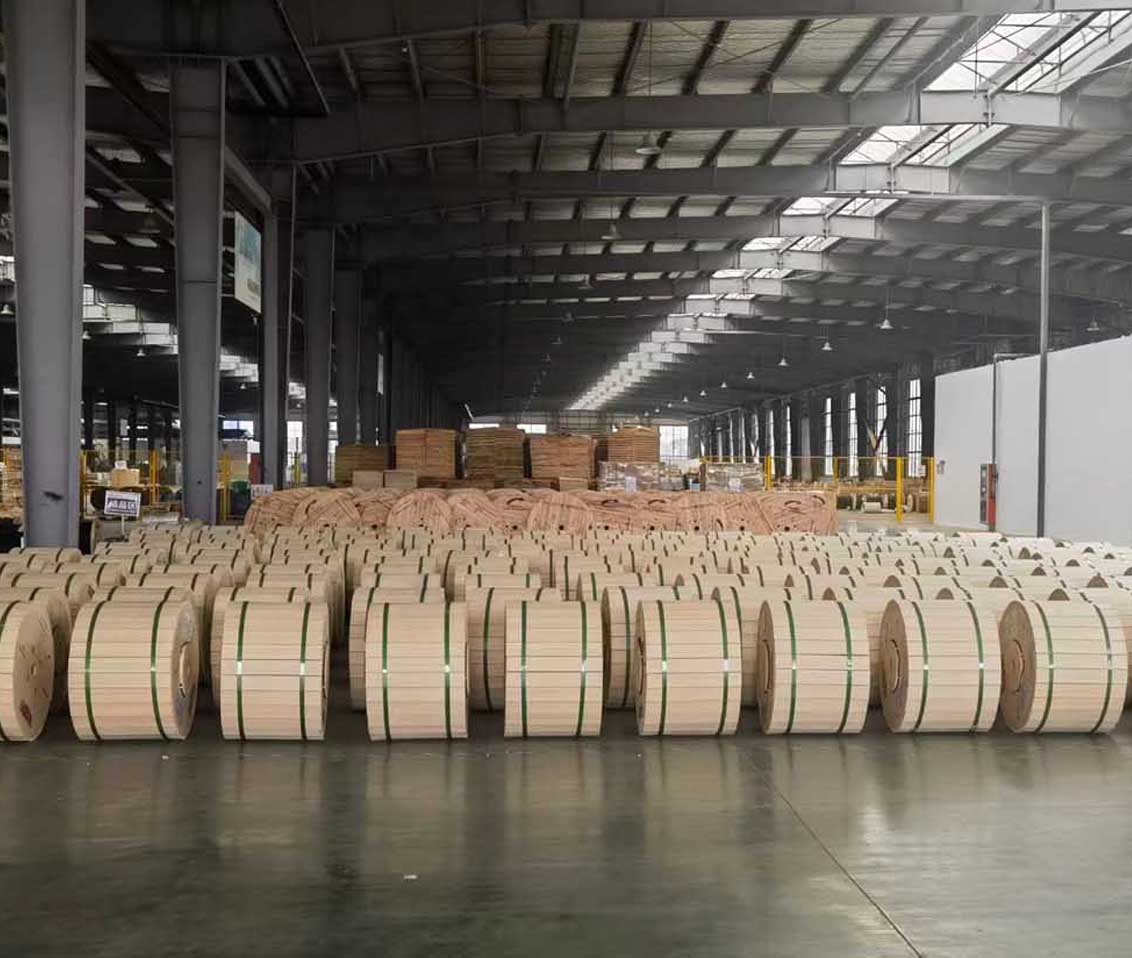
 Optical Fiber
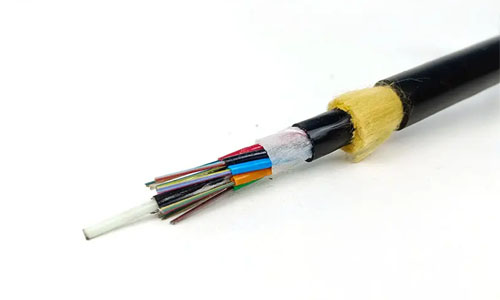 ADSS Fiber Optic Cable
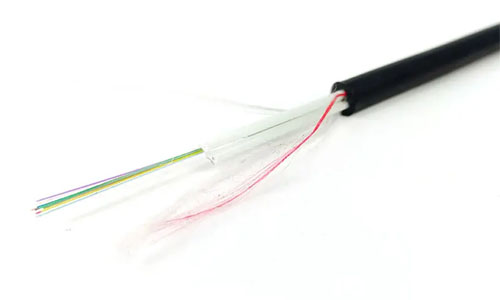 ASU Fiber Optic Cable
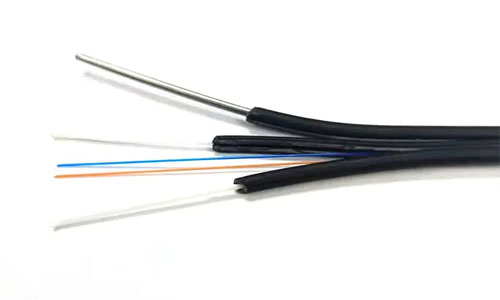 FTTH Fiber Optic Cable
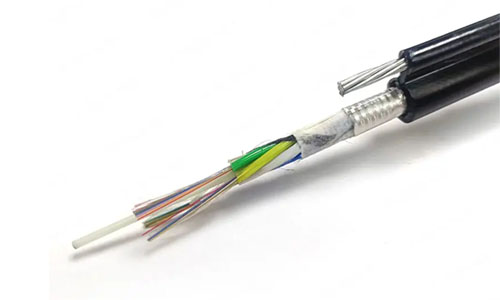 Figure 8 Fiber Optic Cable
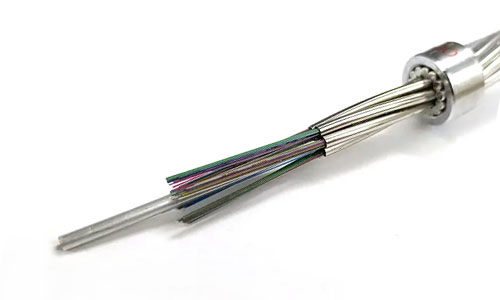 OPGW Fiber Optic Cable
 Coaxial Cable
 Ethernet Cable
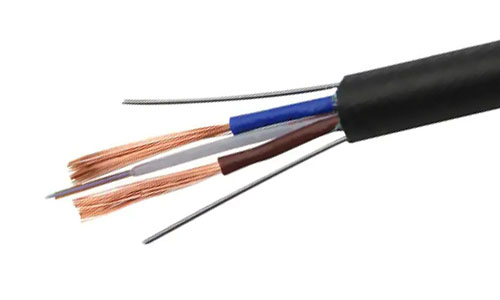 Photoelectric Composite Fiber Optic Cable
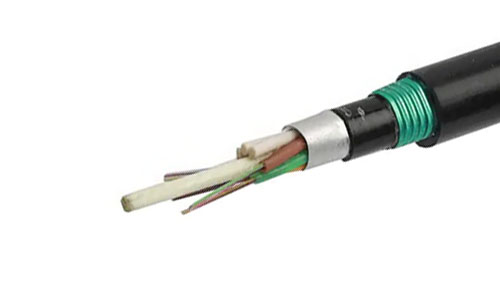 Underground & Pipeline Fiber Optic Cable
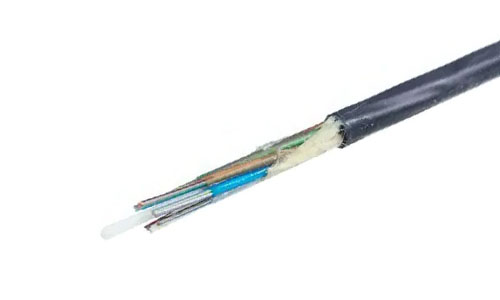 Air-Blown Micro Fiber Optic Cable
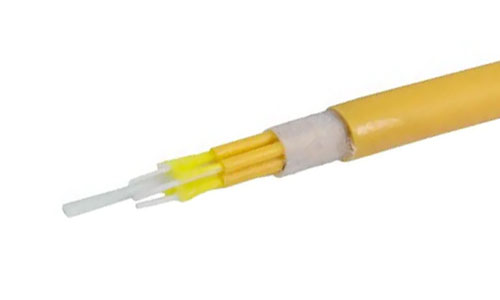 Indoor Fiber Optic Cable
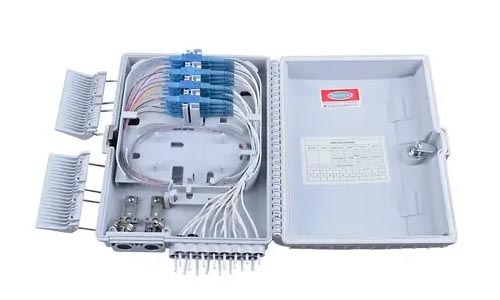 Fiber Optic Distribution Box
 Multiport Service Termina Box
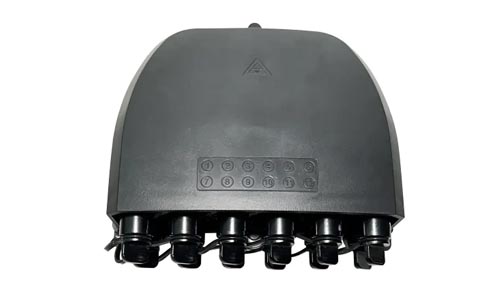 Fiber Optical Terminal Box
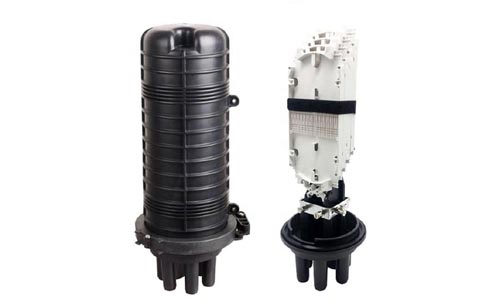 Fiber Optic Splice Closure
 Fiber Optic Clamps
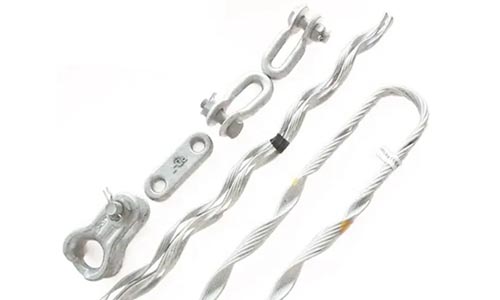 Fiber Optic Cable Fittings
 ADSS Fiber Cable
 ASU Fiber Cable
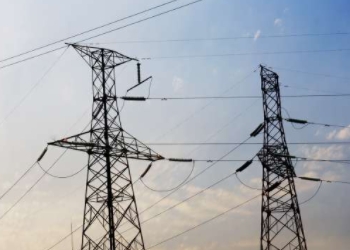 OPGW Fiber Cable
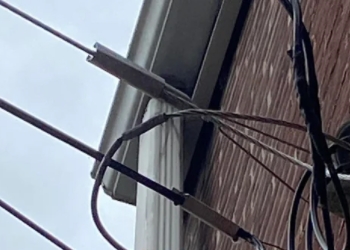 FTTH Fiber Cable
 Figure 8 Fiber Cable
 Photoelectric Composite Fiber Cable
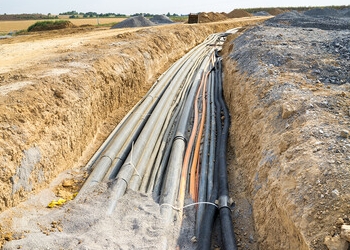 Underground & Pipeline Fiber Cable
 Air-Blown Micro Fiber Cable
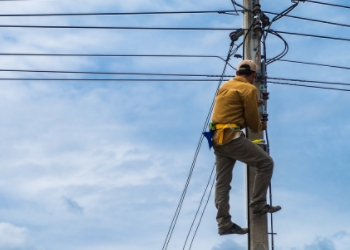 Aerial Fiber Cable
 Indoor Fiber Cable
 Fiber Optical Terminal Box
 Fiber Optic Distribution Box
 Multiport Service Termina Box
 Fiber Optic Clamps
 About Us
 Our Team
 History
 R&D Strength
 Production Base
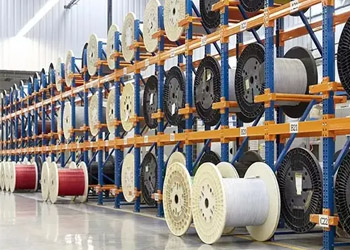 Warehouse & Logistics
 Quality
 FAQs
FAQsSingle mode vs Multimode fiber: A Complete analysis
Contact for Free Quotation & Sample, According to your needs, customize for you.
inquiry nowSingle mode vs Multimode fiber: A Complete analysis
Single mode and multimode fiber are the two most common types of fiber optic cables. Each mode is built for specific tasks in data networks.
Single mode fiber has a very small core. By sending light directly down the length of the fiber, single-mode fiber lets data travel great distances with little loss.
On the other hand, multimode fiber has a thicker core that lets light bounce around more. This design makes it perfect for short links, like on-premises networks in educational institutions or businesses.
In the U.S., each type appears equally in city internet backbone lines, data centers, and commercial office buildings. Here’s what you need to know to tell the difference.
Equally useful is understanding their cost and optimal use environments, steering people toward the one most suitable for them. Here’s how single mode and multimode fiber differ explained simply.
The following sections outline their main differences in layman’s terms.

What Is Fiber Optic Cable?
Fiber optic cable is one of the great game changers in the world of data. It transmits data in the form of light signals through very thin strands of glass or plastic. At the center of each of those cables, there’s a core. That’s only 8 to 10 microns in diameter for single-mode and around 50 microns for multi-mode!
The core itself is then wrapped in a layer of cladding. This layer is what ensures the light signals travel straight and true, even across many miles. Unlike traditional copper wires, fiber optics do not transmit data using electricity. This transition to light provides tremendous advantages—increased speed, capacity, and reliability.
Fiber is finally everywhere, from international internet connections to building-wide enterprise networks. Two main types exist: single-mode, for long hauls like city-to-city links, and multi-mode, for shorter hops within buildings or across campuses.
Light Speed Data Travel
Light travels through fiber optic cables at the speed of light, which is much faster than what copper can provide. Data can fly from point A to point B with almost no stop. Low latency is a wonderful thing, and it provides a clear competitive edge!
Imagine streaming your favorite show in HD or video chatting with someone across the country without experiencing any delay. It’s the power of light speed that enables these networks to remain fast and reliable, even under increasing demand.
Why Fiber Beats Old Copper?
Fiber optic cables can transmit exponentially more data than copper lines. Bandwidth is huge, allowing you to transmit everything from email to terabytes without a second thought. On top of all that, fiber doesn’t lose signal like copper does—even over long stretches.
No concern over crosstalk from other cables or equipment, too. This dependability is what makes fiber a favorite choice for both commercial and residential applications.
Decoding Single Mode Fiber
Single mode fiber lies at the core of today’s networks that transmit our data between cities, countries, and yes—even across continents. Its design focused on simplicity and range. In contrast to multimode fiber, single mode fiber only allows for one light path or “mode” to propagate along its length.
This straightforward design method greatly reduces signal degradation. It’s no surprise that it’s a favorite for long-haul applications such as metro networks, access networks, and backbone infrastructures that maintain connectivity between Morocco’s largest cities such as Casablanca and Marrakech.
Its Tiny Core Explained
The true magic of single mode fiber is found in the very small size of its core. At only 9 microns wide—thinner than a strand of human hair—it allows only a single mode of light to pass. This tiny corridor allows for the light to not bounce around inside, which is key to maintaining data clarity over vast lengths.
With minimal light scatter and almost no modal dispersion, signals can go great distances without losing integrity. Metro rail systems and national telecom grids back here in Morocco frequently rely on this reliability for their distributed backbone connections.
Single Mode: Key Strengths
Single mode fiber really excels where you need high bandwidth, over a long distance. Its ability to move vast amounts of data quickly makes it ideal for high-speed internet, mobile backhaul, and cloud connections. The use of powerful lasers, such as DFB or FP types, ensures precise signal transmission.
This technology helps maintain very low attenuation—no signal fade, even up to several hundred miles! That’s why it’s the backbone for today’s global internet and Morocco’s digital highways.
Single Mode: Points to Consider
However, single mode isn’t without its downsides. The equipment you require—such as optical transceivers—is more expensive, in some cases up to five times multimode. Installing it requires a surgeon’s touch and laser-like precision because the minuscule core doesn’t allow for any slop.
Maintenance becomes challenging in arid or extreme environments, and crews out in this region frequently account for increased maintenance intervals and training.

Decoding Multimode Fiber
Multimode fiber makes up a significant portion of countless community and municipal networks. People choose it for short distances, such as in building intra-LANs or data center interconnect. The multimode fiber core is larger than single mode—typically 50/125 or 62.5/125 micrometers.
This large core means that more than one light signal can be sent through at the same time. Consequently, a greater amount of information can travel at high speeds across shorter locations. You’re most likely to see multimode fiber in environments where equipment is densely packed—such as server closets, office floors, or campus-style buildings.
Its Wider Core Explained
The heart of multimode fiber is its core. At either 50µm or 62.5µm, it’s a whole lot wider than single mode. This wider core allows multiple light signals, or modes, to pass through simultaneously.
The good news about multimode fiber? You can move a whole bunch of data all at the same time. There’s a trade-off: the signals can bump into each other, causing distortion over longer routes. That’s why multimode fiber tends to be the best fit for shorter links, typically 2-5 kilometers or less.
For shorter hops—down to 300 meters at 100Gbps and 600 meters at 10Gbps—multimode provides excellent speed.
Multimode: Key Strengths
Multimode’s lower initial cost and simpler installation endear it to smaller networks. Its large core makes it compatible with less expensive equipment, lowering initial investment costs.
Types such as OM3 and OM4 perform extraordinarily well in laser-based environments, enabling the deployment of faster and faster data rates. Many buildings in Morocco rely on multimode to link floors and wings, using OM1 for basic needs or OM3 for faster links.
Multimode: Points to Consider
The downside to cutting the cord? Multimode just can’t compete with single mode in distance or bandwidth. With greater signal loss, it’s not suitable for long-haul links.
An issue of signal distortion does become a factor if you over exceed it. Long story short, the shorter the connection, the better!
Single Mode vs. Multimode: Head-to-Head
Single mode vs multimode, a quick overview. Both single mode and multimode fibers transmit data using light. Their approaches and best uses differ depending on underlying architecture, signal flow, and other practical factors. When choosing between them, it’s more than just a math equation. In the end, it’s all about what works for the job, the space and the budget.
| Feature | Single Mode Fiber | Multimode Fiber |
|---|---|---|
| Core Diameter | 8–10 μm | 50 or 62.5 μm |
| Cladding Diameter | 125 μm | 125 μm |
| Max Distance | 150–200 km | Up to 5 km |
| Bandwidth | Very high | Moderate to high |
| Modal Dispersion | None | Present |
| Transceiver Cost | Higher (1.5–5x) | Lower |
| Typical Use | Long-haul, metro | Campus, building |
1. Core Design: The Critical Difference
Core design is the major divide. A single mode fiber has an extremely small core, just 8-10 microns. This permits only a single light wave to go directly down the cable, providing a clean and uninterrupted signal.
Multimode’s larger core—50 or 62.5 microns—lets it carry more light simultaneously. Those rays ricochet around, resulting in additional scattering and a bit of blurriness in long runs.
For large data centers or trans-city connections, that thin core can handle the task with significantly less complexity. In a production-oriented office or school environment, multimode’s ease of use, plug and play approach is usually the more attractive option.
2. Signal Path: How Light Travels
Light in single mode fiber travels directly down the center, maintaining a very pure signal over long distances.
In multimode, light travels down all those different paths, which creates modal dispersion —or signals arriving at different times. That’s why single mode can jump long distances between cities, while multimode is ideal for short building-to-building hops.
3. Reach & Speed: Go Far or Go Fast?
Single mode goes kilometers—as long as up to 200 km—with little degradation, so it’s reliable enough for backbone connections and metro area rail systems.
Multimode has great speed as well, but only over short distances, typically less than 5 km. It’s sweet for campus LANs or interconnecting racks in the same room! Speed is important, but so is having the right fit.
4. Data Capacity: The Bandwidth Factor
That’s the reason you’ll find single mode deployed on 100G, 400G, or greater bandwidth sky-high pipes.
Don’t get us wrong—multimode is no slouch! It is compatible with 40G and 100G standards. When it does, modal dispersion keeps it from going as far or as fast.
Bandwidth Applications:
-
Single mode: Metro networks, long-haul, data center backbones
-
Multimode: Office networks, campus LANs, fiber-to-desk
5. Wavelengths: Understanding Light Colors
Single mode uses lasers operating on either 1310 nm or 1550 nm. These provide clear, long-distance signals but require more expensive equipment.
Multimode uses LEDs or VCSELs wavelengths at 850 or 1300 nm—less expensive, but don’t travel as far. Wavelengths: Understanding Light Colors Wavelength selection determines a lot about your budget and layout.
Budgeting Your Fiber Project
Budgeting a fiber project can be an intimidating task, and many pieces need to be sorted out like a jigsaw puzzle. Each decision, whether it’s on fiber cables or equipment, impacts your total cost and return.
Begin with the end in mind. Start by considering not just what your network requires today, but what it will require in the future. Additionally, the type of fiber we’re installing and the total distance play a huge role in determining the final bill. How much data you have to move makes a big difference too!
Upfront Cable & Gear Costs
You may have heard that single-mode fiber is more expensive upfront. The cable on the whole is more expensive, and the same goes for transceivers. That’s due to the fact that single-mode gear is inherently designed for long hauls and large data loads.
Imagine a university campus connecting distant dorms—that’s where single-mode really excels. Multimode fiber is less expensive, particularly the 50/125 type. It’s suitable for interior use, especially for short runs that will extend between rooms in the same building.
Multimode transceivers are cheaper as well, which is attractive to a lot of people establishing smaller networks. When cable length and speed requirements increase, the cost of the entire system increases.
Installation: What to Expect
Regardless of fiber type, proper handling in the field during install is crucial. Single-mode fiber can be more complicated, given its thinner core, which usually requires more adept hands and specialized tools.
Installation equipment will involve cleavers, splicers, testers, etc. Pulling cables through walls or underground has its own set of challenges for both styles. It will involve close quarters, maybe hard corners, and in some cases inclement weather.
Any one or combination of these factors will increase labor cost, particularly if you run into a thorny issue.
Long-Term Upkeep & Value
Single-mode fiber has the advantage of lower long-term upkeep and more room to grow. It’s future-proof if your network has the potential to grow. Investing up front saves more money in the long run.
Neglecting routine inspections and maintenance can result in expensive repairs in the future. With increasing demands on the network, multimode should be hardly an afterthought. If we max it out, we’ll need to replace gear earlier than planned.
Smart Cost-Saving Tips (US Focus)
-
Get gear that matches your needs—don’t overbuy on bandwidth.
-
Bundle materials and labor for better rates.
Where it’s possible, plan cable routes to reduce length and waste. Choose modular hardware for easier future upgrades. Engage local contractors who are familiar with the area’s regulations and landscape.
Set aside a budget for regular maintenance.
Pick Your Perfect Fiber Match
Discovering your perfect fiber optic cable isn’t as simple as just picking one and calling it good—it requires considering what will work best in your environment and situation. Both single mode and multimode fibers have distinct advantages. Your options will vary based on how far you need to transmit data, the amount of bandwidth you need, and your budget.
The core size matters—a single mode fiber has a tiny 9-micron core, best for long hauls, while multimode comes in larger sizes like 50 or 62.5 microns and fits short runs inside a building or campus. Choosing the right fiber match to your actual, day-to-day operational requirements is what stands between easy data movement today and a costly management nightmare tomorrow.
Best Uses for Single Mode
Single mode fiber really shines in long-haul telecom and cross-city internet connections. It’s superior to multimode when it comes to long-distance data transmission. The small core keeps signals tight and low-loss.
As just one example, telecoms in Morocco interconnect cities such as Casablanca and Marrakech with single mode lines. It’s equally the choice for high-speed data centers where bandwidth and speed must not falter. Sure, it could be more expensive upfront. Its very low signal loss and larger capacity are worth it when you need fast, reliable data over long distances.
Ideal Scenarios for Multimode
High-performance multimode fiber is the preferred option in data centers, office LANs, and locations where permanent links remain less than 500 meters. Its larger core allows for less expensive transceivers and cables, which can result in significant savings for deployments in the interior of buildings.
Inside one of the many tech hubs across Marrakech, multimode OM3 or OM4 cables provide high speed networks locally. They do it at a fraction of the cost! For short runs, multimode offers enough bandwidth and keeps costs down, though it can’t keep up with single mode for long links.
Plan for Tomorrow's Needs
It’s just common sense to plan ahead. With data use only increasing, choosing fiber that allows for future expansion is essential. Single mode’s greater bandwidth equals less expensive over time upgrades.
Both fiber types can be installed with future expansion in mind. If you think you might outpace your requirements in the years to come, single mode is indeed the superior option. Flexibility in the deployment, such as leaving additional slack in your cables or using modular connectors, goes a long way when it’s time to expand.
Weather & Wear: Fiber Durability
Durability is important, particularly in the hot, dry climate of Morocco, or in high-foot-traffic urban areas. Both fiber types can endure, but not without the appropriate jackets and coatings to prevent dust, heat, and moisture ingress.
Strenuous outdoor runs need hardy jackets that can endure sun and sand. Conversely, inside cables need to endure footsteps and flexing. Choosing the appropriate protection helps your fiber last longer and reduces expensive repairs.
Conclusion
Single mode fiber excels above all else with long runs, high speeds, and extremely clear signals. That may work for large campuses or city-wide projects, such as deploying lines from one side of a city to another. Multimode fiber still makes sense for short hops, limited budgets, and quick deployment. Consider small business campuses, educational research laboratories, or rapid facility modernization. Both do yeoman’s work, but making the correct choice is based on your requirements, environment, and budget. Watched retro-fit gyms across Texas replace their copper with fiber and improve their Wi-Fi experience literally overnight. Watched large health systems in New York rely on single mode to ensure seamless, uninterrupted information. Review your needs and budget to determine your ideal match. If you do run into issues along the way, be sure to ask for assistance!
Frequently Asked Questions
What is the main difference between single mode and multimode fiber?
Single mode fiber uses a narrow core to transmit data over long distances with minimal signal loss. Multimode has a wider core, more effective for short distance high data rates over shorter links.
Which fiber type is better for long distances in the U.S.?
Single mode fiber is the better option for long distances, usually over 25 miles. This beautiful combination is great for empowering both our U.S. Cities and our American heartland!
Is multimode fiber more affordable than single mode fiber?
Yes, multimode fiber and its related equipment typically cost less, making it a budget-friendly choice for short-distance network projects.
Can I use multimode fiber for my home internet in the U.S.?
Multimode fiber is typically deployed for shorter runs, often within a building. Single mode fiber is the more typical choice with U.S. ISPs for home internet connections.
How do I choose between single mode and multimode fiber?
How to choose between single mode and multimode fiber Determine your distance, speed, and budget. Choose single mode for long distances and future-proofing. Opt for multimode when you need short, high-speed links without the expense.
Do environmental factors in the U.S. affect fiber performance?
Do environmental conditions in the U.S. Affect fiber performance? Choose armored or weather-rated cables for U.S. Outdoor installations.
Is it easy to upgrade from multimode to single mode fiber later?
While upgrading is indeed possible, it usually involves changing out both cables and transceivers. It’s better to plan for multimode-fiber projects to save on upgrade expenditures later.