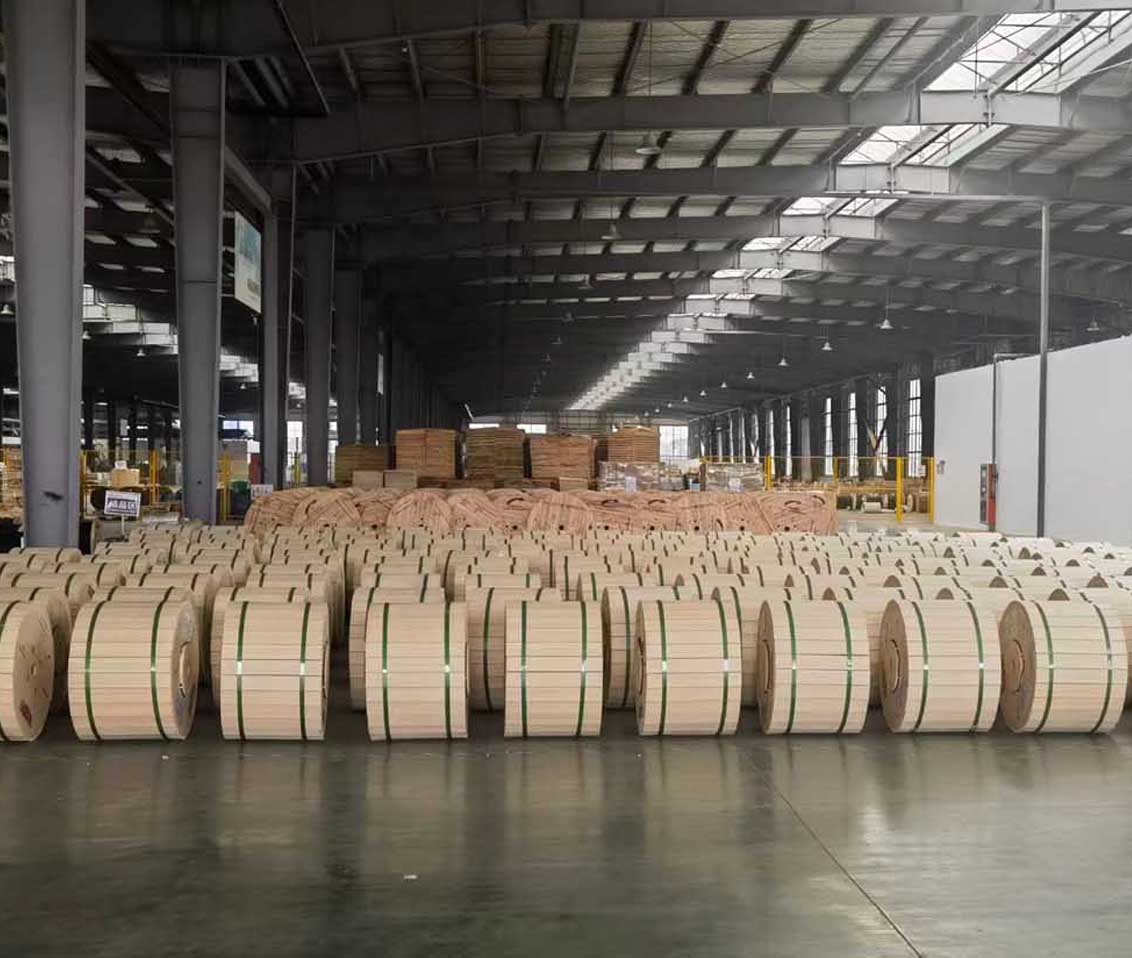
 Optical Fiber
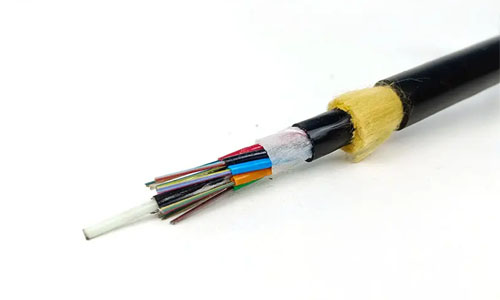 ADSS Fiber Optic Cable
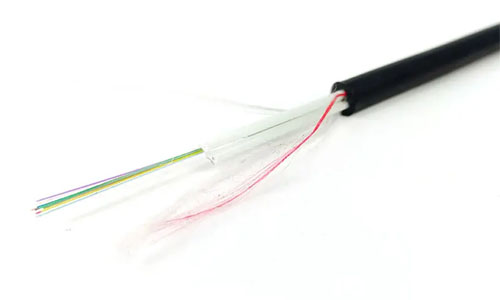 ASU Fiber Optic Cable
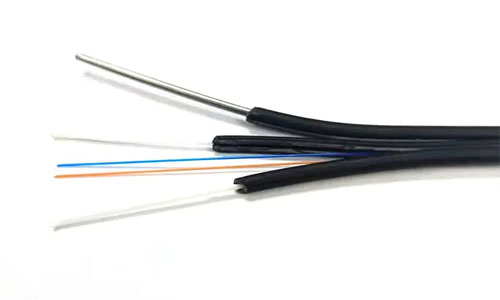 FTTH Fiber Optic Cable
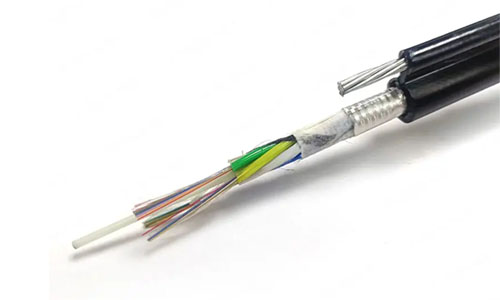 Figure 8 Fiber Optic Cable
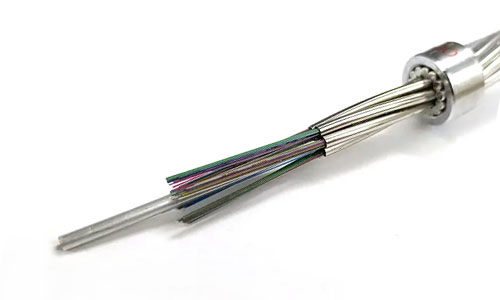 OPGW Fiber Optic Cable
 Coaxial Cable
 Ethernet Cable
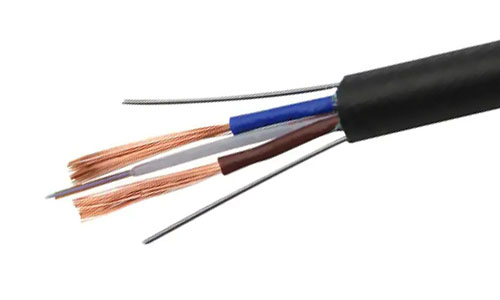 Photoelectric Composite Fiber Optic Cable
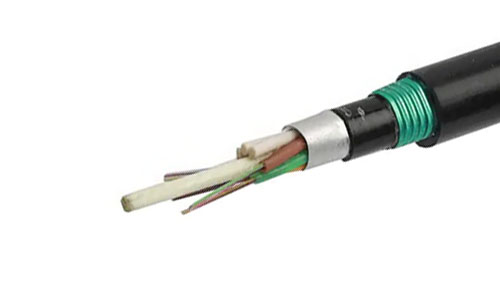 Underground & Pipeline Fiber Optic Cable
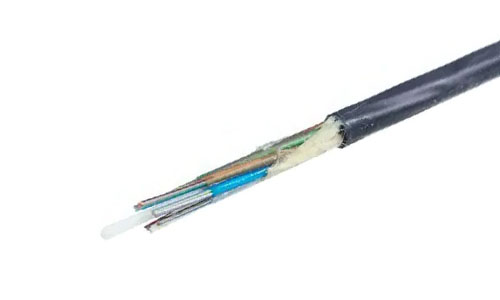 Air-Blown Micro Fiber Optic Cable
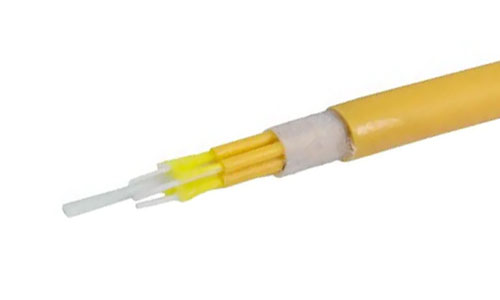 Indoor Fiber Optic Cable
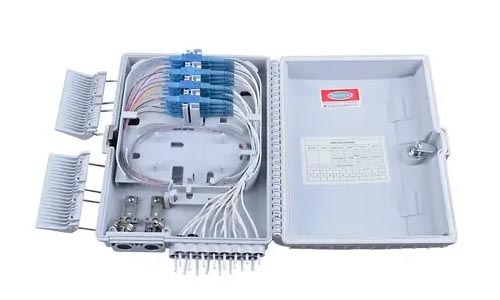 Fiber Optic Distribution Box
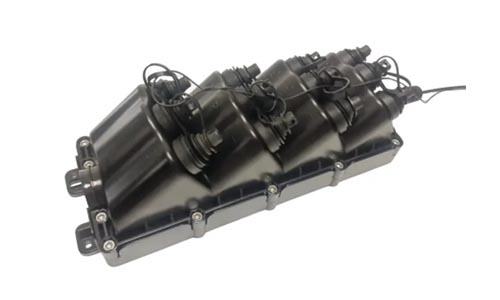 Multiport Service Termina Box
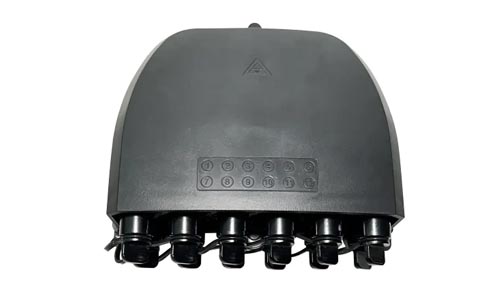 Fiber Optical Terminal Box
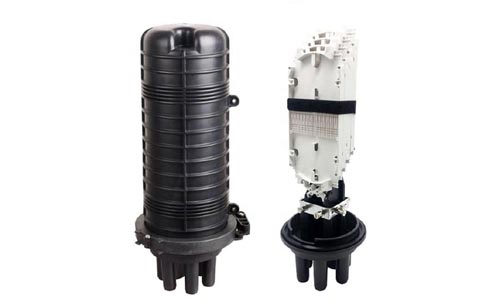 Fiber Optic Splice Closure
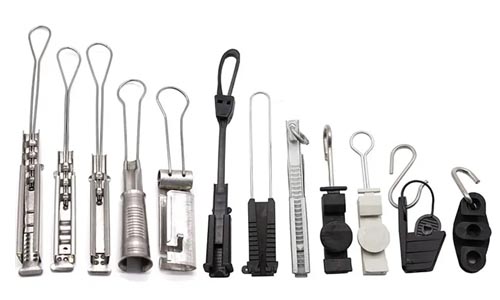 Fiber Optic Clamps
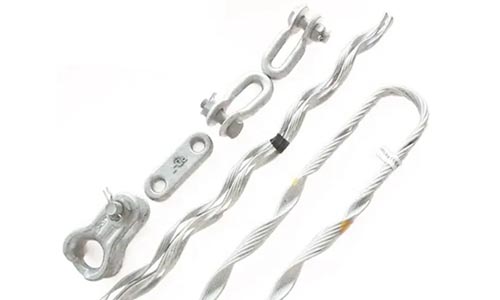 Fiber Optic Cable Fittings
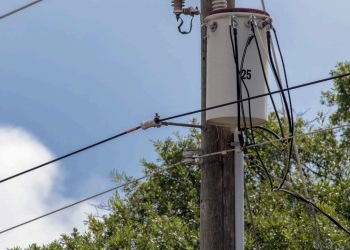 ADSS Fiber Cable
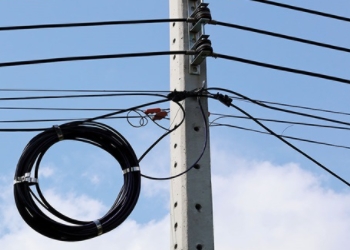 ASU Fiber Cable
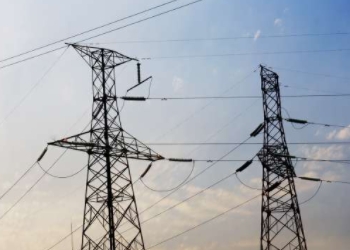 OPGW Fiber Cable
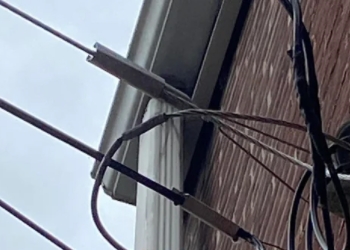 FTTH Fiber Cable
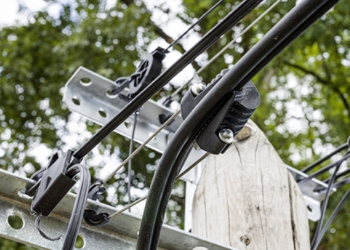 Figure 8 Fiber Cable
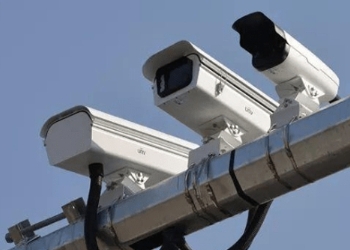 Photoelectric Composite Fiber Cable
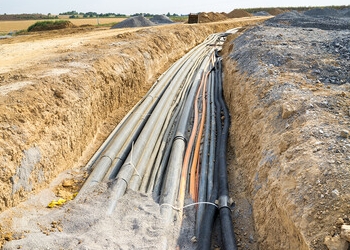 Underground & Pipeline Fiber Cable
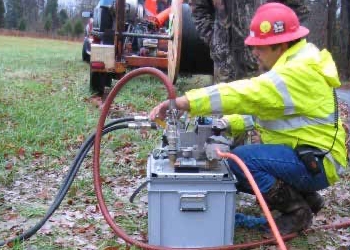 Air-Blown Micro Fiber Cable
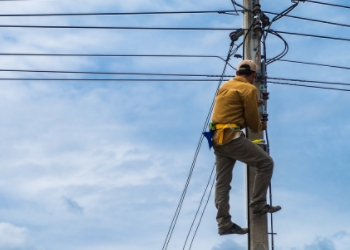 Aerial Fiber Cable
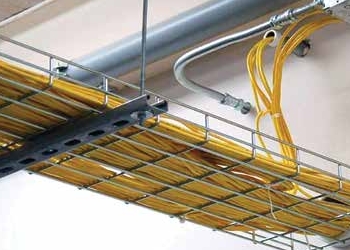 Indoor Fiber Cable
 Fiber Optical Terminal Box
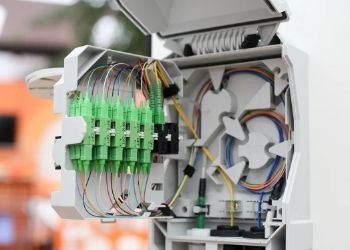 Fiber Optic Distribution Box
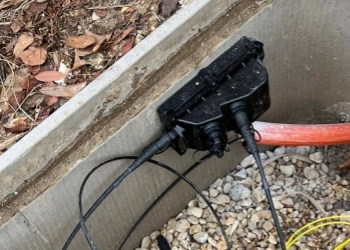 Multiport Service Termina Box
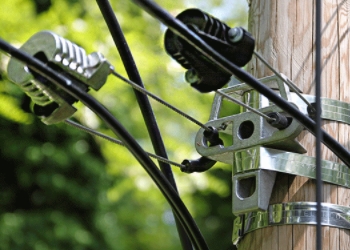 Fiber Optic Clamps
 About Us
 Our Team
 History
 R&D Strength
 Production Base
 Warehouse & Logistics
 Quality
 FAQs
FAQsRG58 vs. RG59 Coax Cable: What You Need to Know
Contact for Free Quotation & Sample, According to your needs, customize for you.
inquiry nowRG58 vs. RG59 Coax Cable: What You Need to Know
RG58 and RG59 coax both have a similar core and shielding, but are intended for different applications, so choose the one that fits your purpose.
RG58, featuring a 50-ohm impedance and a thinner center conductor, is ideal for short-length data transmission and radio communications.
RG59, with its 75-ohm impedance and thicker core, is better suited to transporting video signals over longer distances, which is why it is often used for CCTV and broadcasting.
Shielding and outer jacket quality play a big role in protecting your signal from interference and environmental damage, so always check these features before installation.
Selecting the appropriate cable and connectors for your particular application means stronger signals and less headaches over signal loss or attenuation.
By choosing environmentally-friendly cables and installing them responsibly, you can increase your cable’s life span and decrease its environmental footprint.
RG58 and RG59 coax cables are both types of cables used for transmission but differ in build and best applications. RG58 has a smaller core and is used for short radio and wireless network runs. RG59 has a thicker core, which aids it in carrying video signals across longer distances, commonly for CCTV and TV systems. Most home or small office installations use RG59 for video or security, and tech setups with radio gear usually select RG58. Knowing the difference aids selecting the appropriate cable for crisp, consistent signals and less susceptibility to loss or noise. Next, the post takes a side-by-side look at specs, best uses and tips for easy set-up at home or work.

Shared Coaxial Heritage
Both RG58 and RG59 share a common coaxial heritage, and these quality cables have been around in layers for ages, making them dependable in a lot of jobs. Although they appear similar externally, each is designed for its own particular applications, such as signal integrity in various telecommunications scenarios. They each have a center conductor, insulator, shield, and jacket, allowing them to transmit signals with low loss and noise. Their differences, such as impedance and gauge, are significant in their practical operation.
Core Construction
At the core, both RG58 and RG59 utilize copper for the inner conductor. Copper is a great choice for transmitting signals quickly and with minimal loss. You find this same metal in other coax cables as well, like RG6 and RG11.
Meanwhile, the insulating dielectric surrounding the center conductor maintains signal purity. RG58 and RG59 typically use foam or solid polyethylene for this layer. Your selection here really matters–quality shield really helps the signal go further.
The gauge of the center conductor. RG58 has a 20 AWG (American Wire Gauge) core, whereas RG59 uses a thinner 22 AWG. This slight alteration impacts impedance and how efficiently any individual cable transmits signals, particularly long-distance signals.
How they’re constructed internally affects their strength. A thicker core and quality insulation allows these cables to endure, even when bent or pulled during installation.
Shielding Purpose
Shielding envelopes the insulation, shielding external noise and maintaining signal crispness. Both RG58 and RG59 use braided copper or occasionally foil shields but the density and quality can vary. RG59 frequently comes with superior shielding, which has made it popular for higher frequency applications.
Shielding’s primary function is to exclude interference. This is most important when the cable runs by power lines or in congested buildings. Good shielding keeps signals robust end to end, even over long wires.
The unique construction of the shield, the amount of strands, the braid tension, all manifests itself in real world usage. Superior shielding means clearer TV or quicker internet, particularly in noisy areas.
Outer Jacket
The outer jacket is our initial protection. Both cables utilize materials such as PVC and occasionally polyethylene to protect against moisture and cuts.
-
RG58: PVC jacket, flexible, easy to bend, handles indoor use well.
-
RG59: PVC or polyethylene, tougher for outdoor jobs, resists sun and rain.
-
Both: Markings show size, type, and maker, helping techs pick the right one.
The thicker the jacket, the longer the cable lives. It resists abrasion and maintains cable integrity under foot or when dragged. Markings and jacket color make it easy to identify which cable is which during installation.

Key Distinctions: RG58 vs RG59
RG58 vs RG59 – Both RG58 and RG59 coax cables have established distinct niches in the realm of signal integrity and television transmission. Their distinctions are more than just figures—they influence how these cables integrate into practical configurations, from hectic urban television infrastructures to serene radio laboratories. Understanding these key distinctions makes it easier to make smart decisions for any project, be it at home, at work, or somewhere in between.
| Feature | RG58 | RG59 |
|---|---|---|
| Impedance | 50 ohms | 75 ohms |
| Core Gauge | 20 AWG | 22 AWG |
| Core Size | Thinner | Thicker |
| Frequency Range | Up to 1 GHz | Up to 2 GHz |
| Attenuation | Higher | Lower |
| Typical Use | Radio, Labs | TV, Security |
| Cable Diameter | Thinner | Thicker |
1. Impedance
Impedance lies at the core of how coax cable functions, determining the level of signal integrity for the electrical signal moving through it. RG58 measures 50 ohms while RG59 is 75 ohms. This isn’t just a numbers game—using the correct impedance ensures that signals remain crisp and accurate. In reality, 50-ohm cables like RG58 excel in amateur radio setups, while 75-ohm varieties such as RG59 are ideal for television transmission and broadband internet.
Matching impedance is crucial. If a cable’s impedance doesn’t align with the device, you can expect signal degradation or ghosting. For example, plugging a 50-ohm cable into a TV can cause the picture to flicker or blur. In high-speed network labs, that same mismatch can lead to lost data or dropped signals, impacting overall performance.
2. Conductor Core
The center conductor counts. RG58 has a 20 AWG core, which is slightly thinner than the 22 AWG in RG59. That thicker core in RG59 gives it an advantage for transmitting signals longer distances with less loss. Material matters, as well—both tend to use copper, but better-quality copper equates to purer transmissions.
A nice thick core = less resistance and more good flow. For long runs inside a building, RG59’s thicker core maintains signal loss low. If room is cramped, or flexibility counts, RG58’s leaner center could be the winner.
3. Frequency Range
RG58 is capable of frequencies up to 1 GHz, and RG59 can take it to 2 GHz. This makes RG59 a favorite for high-frequency work–such as digital TV or CCTV cameras. When the job demands sharp video over long cable runs, RG59 fares better and reduces loss.
Set-top boxes, satellite dishes and security systems require cables that can match the speed of high-frequency signals. RG59 suits these requirements more closely, preventing fuzziness and sluggishness.
4. Attenuation Rate
Attenuation is the amount of signal you lose as it passes down the cable. All cables lose signal, but RG58 loses more over the same distance than RG59. With audio and video, that translates to RG58 can make things sound/look weaker on longer runs.
For receiver-distant setups, RG59’s lower attenuation keeps things crisp. Choosing the appropriate cable here signifies the distinction between crisp calls and muffled noise.
5. Physical Size
RG58 is thinner and lighter compared to RG59. This allows it to more easily snake through tight spots or bundle with other cables. Compact size equals additional flexibility in those cramped racks or behind desks.
In large-scale applications, where the cable has to run a long distance or accommodate many signals, the additional weight of thicker RG59 can be justified. Occasionally, when trying to cram a cable into a crowded cabinet thinner is better.

RG58 Application Focus
RG58 coaxial cable shines in a lot of low-frequency and close-proximity arrangements. It has a 50-Ohm impedance that makes it ideal for tasks where signal boosting is important, such as audio and radio work. Its 20 AWG wire interior is thicker than the 22 AWG in RG59, allowing it to carry signals with less loss over shorter distances. You’ll frequently find RG58 deployed indoors as well as outdoors, so it’s a convenient option when wiring conditions shift or cables have to wander between areas.
RG58 is not just for a single application. Its main value shows in these uses:
-
Amateur Radio Stations: Many radio fans love RG58 for its strong signal boost and low signal loss over short distances. It aids in maintaining voice and data signals crisp and clean, essential for crystal-clear radio communications.
-
Networking and Telecommunications: RG58 gets used for short cable runs in network setups, especially for connecting devices like routers, switches, or radio antennas. Its lower impedance matches the requirements of two-way radio and some legacy data applications.
-
Testing and Lab Equipment: In labs, RG58 connects test gear to devices under study. Its consistent signal and power make it a darling of test equipment, where small losses or noise can destroy results.
-
Two-way Radios and Walkie-Talkies: Devices that need clear, strong signals at lower frequencies—think walkie-talkies or CB radios—often rely on RG58. It keeps signals crisp, even in crowded or static-y environments.
-
Low-frequency Audio Systems: When audio needs to travel without much loss, RG58’s 50-Ohm impedance lets it shine. It transmits audio signals for things like PA’s or simple sound arrangements with minimal degradation.
Signal boosters, radio transceivers, antenna splitters, and even certain older CCTV devices can all employ RG58 to transmit clean signals. This cable’s construction allows it to function well in several locations, however, it’s not a universal application. Because of the special impedance and thicker core, you can’t just replace it with RG59 or RG6 without introduction signal loss or mismatch. RG58 best fits where low-frequency and short-run needs meet.
RG59 Application Focus
RG59 coaxial cable is the lifeblood of the signal transmission realm, frequently appearing in places where sharp video and dependable connections reign supreme. With a 75-Ohm impedance, RG59 is suitable for higher frequency applications, making it a good selection for video and broadband internet signals. The cable’s reduced wire gauge—22 AWG—distinguishes it from RG58, which employs a more robust 20 AWG core. This means that RG59 is more video/data-oriented, whereas RG58 is frequently used for amateur radio setups.
-
CCTV and Surveillance Systems: RG59 is employed extensively in CCTV applications. Security camera setups require consistent, high-grade video transmission, and RG59 provides. The cable’s 75-Ohm impedance assists in keeping signal loss low, even over longer runs, such as in large buildings or outdoor campuses. Thanks to RG59’s capability of carrying high-frequency signals, security teams receive crystal clear images with minimal static or fuzz, which can be instrumental during video reviews.
-
Video Signal Transmission: RG59 deals with video signals for home and commercial installations. Its high-frequency performance is why it is popular in cable tv, video distribution panels, and even some home theaters. With RG59, users can run video signal across rooms or floors with no significant loss of picture quality. For instance, hotels and offices sometimes utilize RG59s within their internal video networks to maintain crisp walls of displays.
-
Professional Broadcasting: In broadcast studios, RG59 is used to connect cameras, monitors and control panels. The cable’s construction accommodates the high bandwidth required in professional video feeds. This enables effortless, HD signals from camera to mixer, across one end of a studio to the other. Since RG59 keeps interference down, it’s trusted in environments where every frame counts.
RG59’s power lies in its specificity. It’s not a universal cable. Its proprietary 75-Ohm impedance, thin gauge, and high frequency handling make it a staple for jobs where quality video signal transmission trumps audio or radio. Not interchangeable with RG58, RG6, or RG11 cables – each has its own optimal application.
Beyond the Spec Sheet
The decision between RG58 and RG59 coaxial cable involves more than just basic specs; it encompasses factors like signal integrity, environmental impact, and the use of quality cables, alongside price and availability.
Installation Nuances
Just the slightest steps in installing rg58 or rg59 can alter their performance. Both have a thick, round shape due to layers: core conductor, dielectric, shielding, and outer plastic. The dielectric not only separates the core from the shield, but it helps insulate. Signal loss can occur if the cable is bent too much, or runs near power lines. Interference sneaks in with inadequate shielding or low-quality cable. Don’t forget, cheap coaxial cable can screw up TV or internet reception.
Checklist for Installation:
-
Avoid tight bends—keep curves gentle
-
Don’t run cables near strong electrical sources
-
Use quality connectors matched to cable type
-
Ground cables in outdoor setups
-
Protect from weather and moisture with proper covers
Getting connectors right matters as well. Both ends must be neatly cut, stripped to expose the proper layers and secured with the appropriate connector. BNC and F connectors are typical. Screw this step up and it could mean faint signals or complete failure! If you observe dropouts or fuzzy video, look for loose ends, rusty connectors or crushed cable. Coaxial splitters allow you to feed multiple devices, but each split can degrade signal strength.
Environmental Impact
When you use RG58 or RG59 it changes their footprint. Outdoor runs demand rugged, weatherproof layers. Inside, heat and sweat aren’t as big a concern, but you still want cables that go the distance. RG58 and RG59 both use plastics and metals—most can be recycled, but not everywhere. E-waste cables accumulate, so selecting green designs does a lot. Certain cables now boast recycled plastics or globally compliant safety standards.
For the long-haul, thinking about cable disposal is wise. Cables with less toxic material and simple-to-strip layers equals less waste. Make sure your supplier complies with local environmental regulations, particularly for large-scale projects.
Connector Choice
BNC connectors for RG58 and RG59 are prevalent in data and security applications. F connectors appear more in TV and video installations, conforming to the 75 ohm rating. Choosing the proper connector maintains signal integrity and prevents dropouts.
Certain connectors are simpler to install—crimp types are speedy, but screw-on models allow you to interchange cables frequently. For mission critical data, opt for compression fittings. Match the connector to your cable size and job: RG58 for wireless, RG59 for video.
Budget and Availability
Thicker cables such as RG-11 are costlier and difficult to bend, so most opt for RG58 or RG59 for home and office use. RG59 is a popular cable found everywhere for TV, while RG58 is the choice for wireless equipment due to its superior performance. Prices vary by region, but the important thing is that quality cables are more important than saving a few bucks.
Choosing the Right Cable
Selecting the appropriate coaxial cable, such as RG58 or RG59, involves aligning the cable’s properties to your specific requirements rather than merely grabbing one from the shelf. You want your signal integrity to run strong and clear, whether it’s a home CCTV setup or ham radio in a crowded city. What really matters are the cable impedance, frequency range, core type, shielding, and even the wire gauge. Each of these factors can have a huge impact on your cable’s performance from day to day.
Impedance is a leading factor. RG58 has 50 ohms, making it a go-to for radio, Wi-Fi, and situations where you need to amplify a signal. As for cables, RG59 has 75 ohms, which suits extended video transmissions and television setups, maintaining crisp images even when cables extend past 100 meters. For example, in a CCTV system that runs from the street gate to a distant room, quality RG6 cable maintains your image sharp. If you’re bridging a short connection between a radio and an antenna station, RG58 gets the job done.
Frequency range is another big one. RG58 goes to 1 GHz, so it’s fine for most radio and simple data use. RG59 goes up to 2 GHz, which is better for high-frequency video use, such as modern digital TV or satellite feeds. If you’re configuring a broadcast studio, understanding this distinction is crucial for achieving superior performance.
The cable’s core is important. Stranded cores flex without breaking, ideal for compact areas or motion-heavy rigging. Solid cores transmit signals farther without degradation, so they’re superior if the cable is stationary and spans a long distance. Shielding helps – braid and foil-shielded cables block outside noise, which is a necessity in crowded office buildings or environments with lots of electronics.
Wire gauge isn’t a mere numeric indicator. RG58’s 20 AWG wire is thicker and more robust, with RG59 employing 22 AWG, which is a tad thinner but still robust for its work. When selecting, look for safety certifications such as UL or CE to safeguard the cable adheres to rigorous standards and endures.
In other words, consider what you require — distance, usage, flexibility, and safety — prior to selecting the right cable type for your needs.
Conclusion
Choosing between RG58 and RG59 depends on your specific requirements. RG58 is ideal for radio, data, or lab configurations. RG59 suits home video and security work. They both appear the same, however size and core type distinguish them. Signals, range and price all play a big part. A lot of people interchange these cables by accident, but the appropriate choice just saves you both time and money. Consider your gear, your line distance and what signals you want to transmit. Consult with others who have completed the same work, or browse benchmark reviews for guidance. For goodness sake, pick based on your needs, not specs. Ready to make your cable selection? Go check your configuration and see what works best.
Frequently Asked Questions
What is the main difference between RG58 and RG59 coaxial cables?
RG58, designed for higher frequency signals like radio and data, offers superior performance in amateur radio setups, while RG59, with its thicker core, is more suitable for quality video signal transmission and CCTV use.
Can RG58 and RG59 cables be used interchangeably?
No, you can’t replace either coax cable with the other without signal loss or interference. Ensure you use the right cable type for your device or system to maintain signal integrity.
Which cable is better for CCTV installation: RG58 or RG59?
RG59 is the way to go for CCTV due to its thicker core and lower attenuation, ensuring superior performance in video signal transmissions over longer lengths with minimal signal loss.
Is RG58 suitable for Wi-Fi antennas?
Yes, RG58 cable is often used for Wi-Fi antennas and radio frequency applications, as its structure accommodates signals of higher frequency and ensures minimal signal loss for deployment.
What is the maximum recommended length for RG59 cable?
For video transmission, RG59 coax cable needs to be under 230 meters to prevent significant signal loss, while longer runs may require boosters or different types of quality cables.
Are RG58 and RG59 cables weather-resistant?
For outdoor use, choose quality cables with suitable weatherproofing or jackets to ensure proper impedance and minimal signal loss.
Can I use RG58 or RG59 for digital TV signals?
While RG59 is more prevalent for analog TV, RG6 cable is typically preferred for optimal digital TV performance due to its superior performance and minimal signal loss over longer distances.