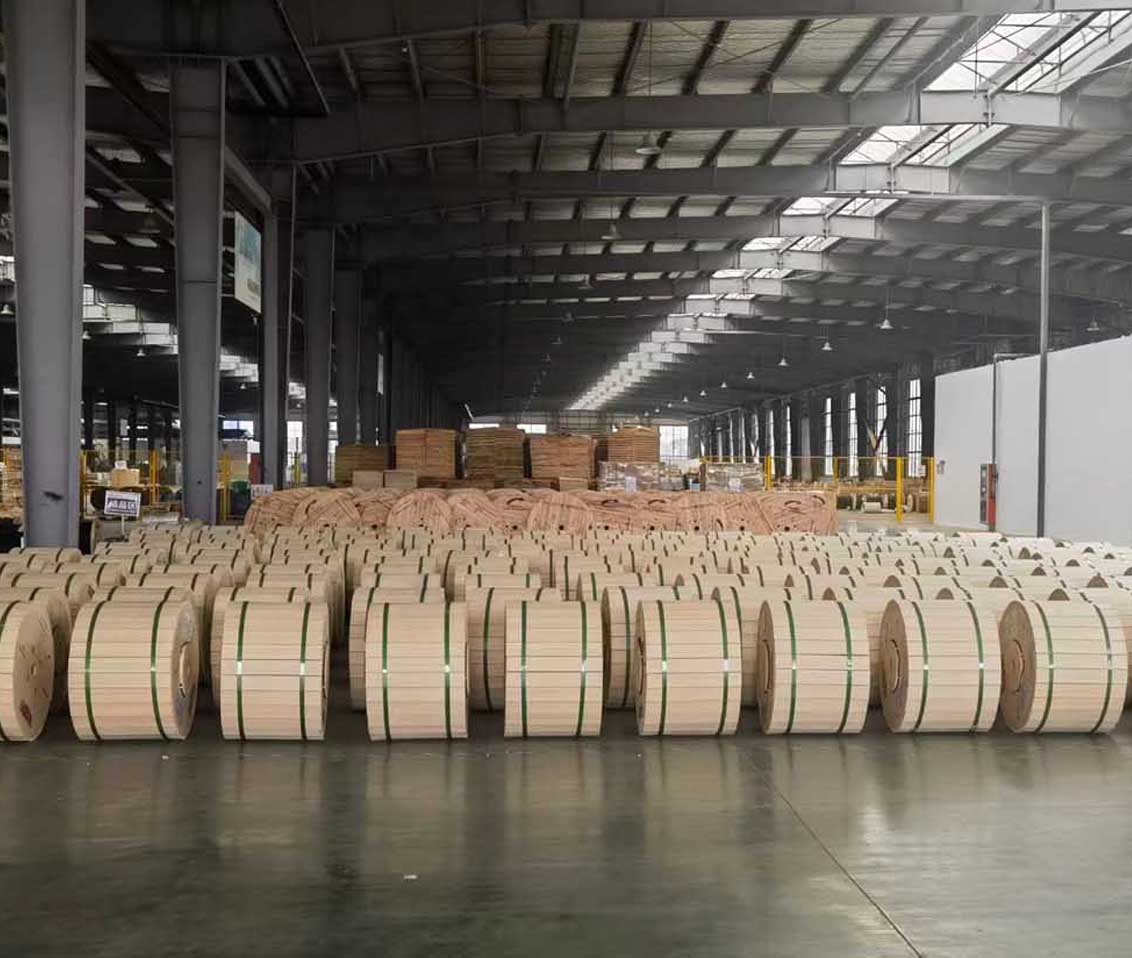
 Optical Fiber
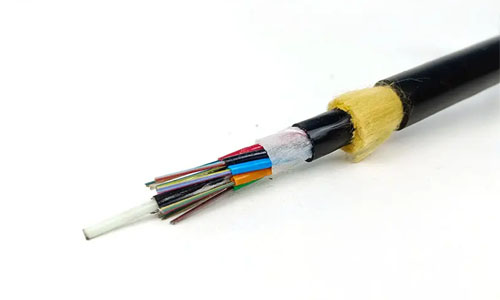 ADSS Fiber Optic Cable
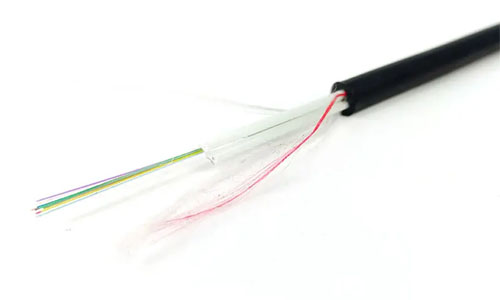 ASU Fiber Optic Cable
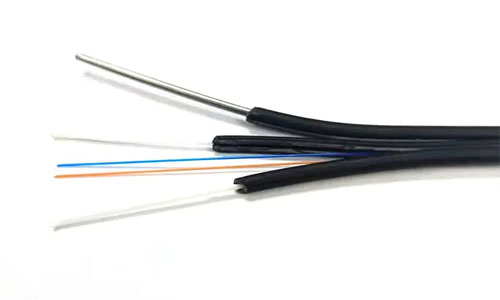 FTTH Fiber Optic Cable
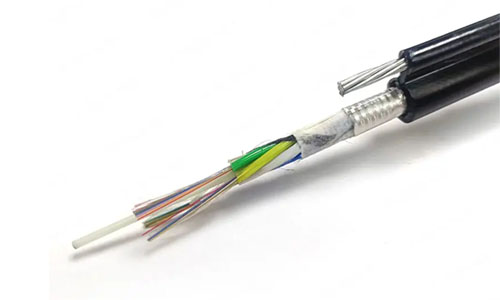 Figure 8 Fiber Optic Cable
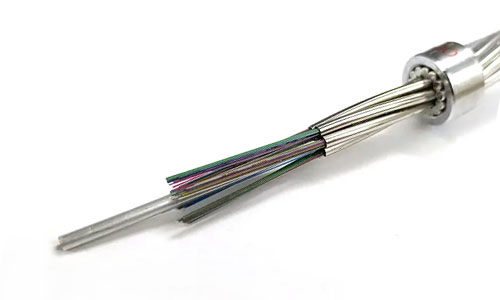 OPGW Fiber Optic Cable
 Coaxial Cable
 Ethernet Cable
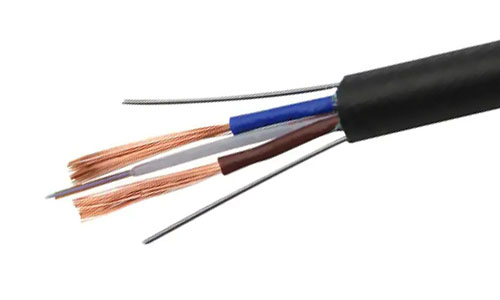 Photoelectric Composite Fiber Optic Cable
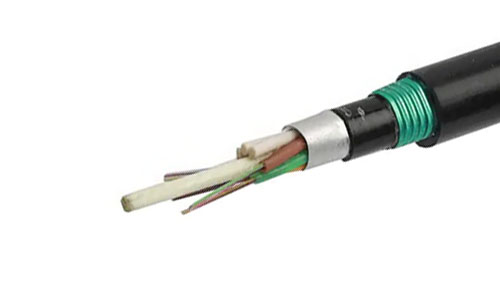 Underground & Pipeline Fiber Optic Cable
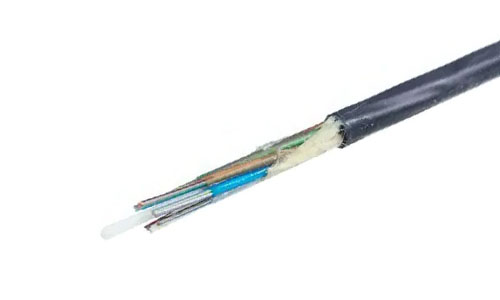 Air-Blown Micro Fiber Optic Cable
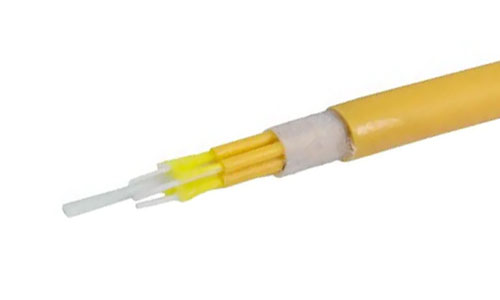 Indoor Fiber Optic Cable
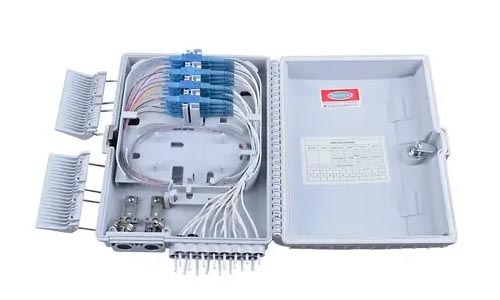 Fiber Optic Distribution Box
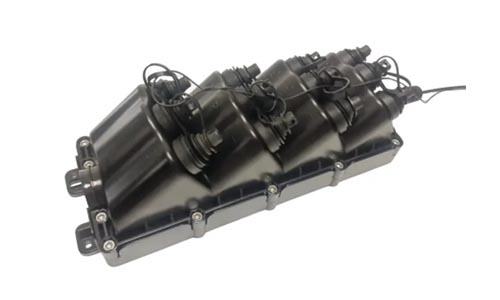 Multiport Service Termina Box
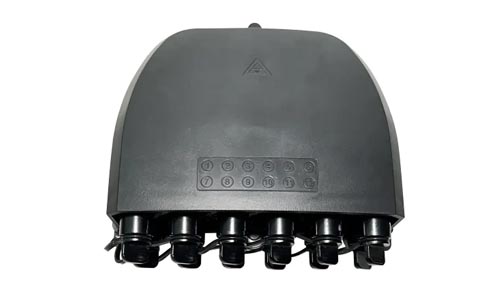 Fiber Optical Terminal Box
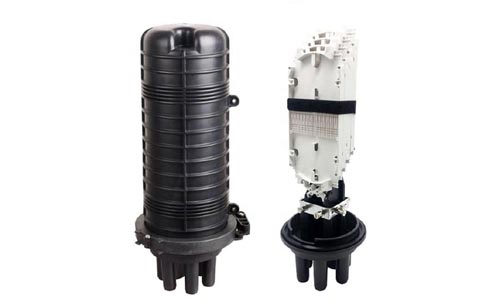 Fiber Optic Splice Closure
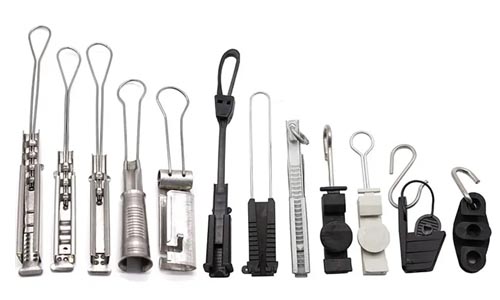 Fiber Optic Clamps
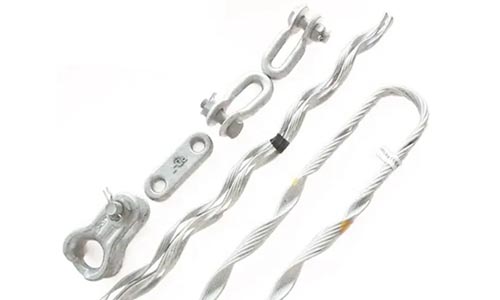 Fiber Optic Cable Fittings
 ADSS Fiber Cable
 ASU Fiber Cable
 OPGW Fiber Cable
 FTTH Fiber Cable
 Figure 8 Fiber Cable
 Photoelectric Composite Fiber Cable
 Underground & Pipeline Fiber Cable
 Air-Blown Micro Fiber Cable
 Aerial Fiber Cable
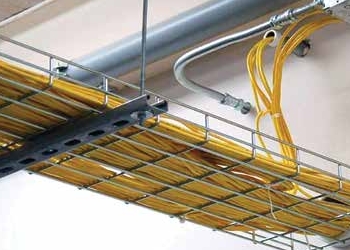 Indoor Fiber Cable
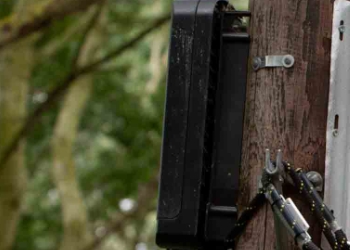 Fiber Optical Terminal Box
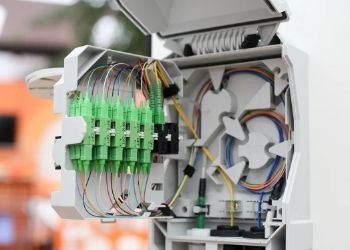 Fiber Optic Distribution Box
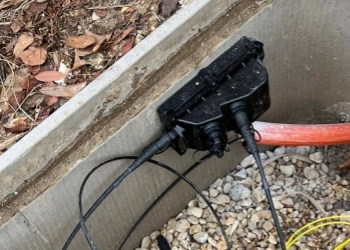 Multiport Service Termina Box
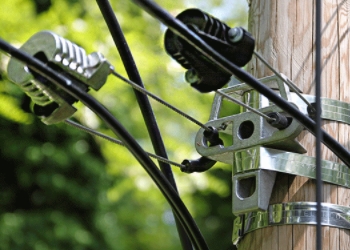 Fiber Optic Clamps
 About Us
 Our Team
 History
 R&D Strength
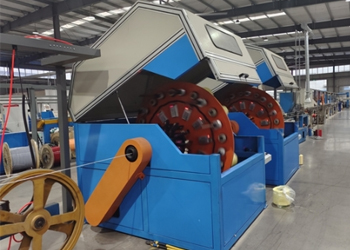 Production Base
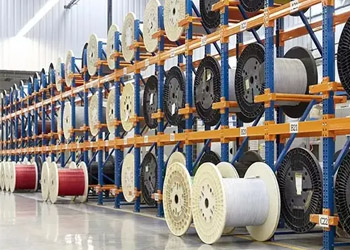 Warehouse & Logistics
 Quality
 FAQs
FAQsPre-Terminated Fiber Optic Cable: Features, Advantages, and Installation Guide
Contact for Free Quotation & Sample, According to your needs, customize for you.
inquiry nowPre-Terminated Fiber Optic Cable: Features, Advantages, and Installation Guide
A pre terminated fiber optic cable is a fiber cable with ready made connectors already attached at both ends for quick deployment. These cables are a time saver during setup, no field splicing or additional equipment is necessary. That’s why so many network teams choose pre terminated fiber optic cable for data centers, office buildings, and telecom sites. Cable boots are factory tested and tips can be trusted to perform with signal quality. Dimensions and lengths suit the majority of jobs, from tiny office environments to immense warehouses. All cables are packaged in a way that eliminates damage during shipping, maintaining clean, safe fiber ends. In the second it discusses varieties, applications, and advice on selecting the proper pre terminated fiber optic cable.

What Are Pre-Terminated Fiber Optic Cables?
Pre-terminated fiber optic cables are cable assemblies with connectors already installed at the manufacturing facility, eliminating the requirement for field termination. These cables consist of one or more optical fibers protected by a hardy outer jacket, typically good for twenty to thirty years with proper use and maintenance. Ranging in length from a few meters to a few kilometers, they accommodate a variety of applications, from splice two buildings underground to easy point-to-point tasks. Pre-terminated cable is available in single-mode and multi-mode varieties and a variety of connectors including LC, SC, ST and MTP/MPO to suit various types of network equipment.
1. Factory-Attached Connectors
Pre-terminated fiber cables utilize connectors applied at the factory. Translation: no onsite connector additions, time savings and reduced errors. Installers receive uniform quality, since every connector is constructed and verified in a controlled environment.
Various connectors, such as LC for high-density jobs, SC for general use and ST for legacy. These options simplify matching the cable to the network equipment. A real advantage is velocity—installers can jack in and get going immediately, which keeps projects moving out the door, smoother and with less bullshit.
2. Custom Lengths
They can be custom made to specific lengths, which is useful for special site requirements. Just-right cables means no extra cable to hide or wrangle.
Accurate measuring is important for quality network performance. Installers don’t have to worry about tangles and can keep runs neat. Custom lengths come to the rescue in areas where spaces are tight or layouts are tricky.
3. Pulling Eyes
A pulling eye may be small, but it’s mighty. It’s secured to the tip of the cable, simplifying tasks like pulling cables through conduits and around bends — without damaging the fibers within.
Pulling eyes are rugged and designed to withstand the tension during installation. They assist in protecting the cable as it’s pulled into position.
4. Performance Reports
Or performance reports – with pre-terminated cables. These reports verify parameters such as insertion loss and return loss, which are important for quality connections. The reports ensure the cables are industry compliant.
Installers and engineers rely on these outcomes, confident the cables will perform as promised. Reports assist in identifying issues prior to cables going live.
5. Breakout Styles
Breakout styles allow users to breakout fibers for easy access. Certain designs facilitate access to individual fibers in dense racks or intricate builds.
Selecting the correct breakout style assists with difficult configurations. For instance, in large data centers, breakouts expedite upgrades and or repairs. It really depends on the site and how you’re going to use your cables.

Why Choose Pre-Terminated Cables?
Pre-terminated cables provide an effective solution to accelerate any project, reduce expenses, and guarantee superior fiber connections for various network configurations. To our world-wide readers in data centers, offices or on industrial sites, these cables eliminate much of the headache of field terminations and provide peace-of-mind with tested performance.
Key advantages of pre-terminated cables:
-
Fast installation, up to 70–80% quicker than field terminations
-
Lower overall costs, reducing installation expenses by nearly half
-
No need for connectors, tool kits, or testers
-
Proven performance, factory-tested and quality assured
-
Fewer skilled workers required for setup
-
Simple plug-and-play process
-
Long lifespan—usually 20–30 years
-
Flexible options with different strand counts
Installation Speed
Pre-terminated cables can reduce install time by a minimum of 50%. Rather than spending hours prepping and terminating cables on location, crews can snake these cables through conduits and simply plug in both ends. They’re plug-and-play – simply connect one end to your equipment and the other to a patch panel. So there’s less standing around and more networks up and ready, which comes in handy when connecting two buildings or deploying a large office.
For large projects, even a small shave in install time aggregates. Pre-terminated cables get you off the job fast — be it a 2-strand run for a single connection or a 24-strand assembly for a data center.
Guaranteed Performance
Pre-termination at the factory provides the reliability. They test every cable before it leaves production, so you know what you’re getting. This rigorous process eliminates any guess work if a fiber performs—each one surpasses established specifications for attenuation and durability.
When the network is mission-critical, say in a hospital or financial center, it’s a comfort knowing you have cables with performance guarantees. Installers know what they’re plugging in is rock solid and ready, no surprises.
Reduced Labor
| Benefit | Pre-Terminated | Traditional Field-Termination |
|---|---|---|
| Labor hours needed | Low | High |
| Skill level needed | Basic | Specialized |
| On-site testing required | No | Yes |
| Total labor cost | Low | High |
Reduced labor is one of the biggest victories. Because install is largely plug and play, the work can be performed by general contractors, eliminating the need for specialized fiber expertise. Which means projects go more smoothly, end sooner and budgets go further. Less hands, less room for error, less downtime.
Lower Total Cost
| Cost Item | Pre-Terminated | Traditional |
|---|---|---|
| Tools/kit purchase | Not needed | Needed |
| Ongoing maintenance | Low | Higher |
| Troubleshooting effort | Minimal | More frequent |
No costly tool kits, extra connectors or testers to purchase. As an added bonus, pre-terminated cables have a longer lifespan—up to 30 years if laid properly and shielded from harm. Less field errors results in less money spent on fixes later. Which is why these cables play well with lean budgets and lean, mean projects that have to prove their worth quickly.
Where Are They Used?
Pre-terminated fiber optic cables are everywhere demand for fast, durable and flexible connectivity exists. They accommodate in-house and remote work, operate for quick or extended sessions, and support ultra-fast information transfers. Below is a look at where these cables make the biggest difference:
-
Data centers—handle dense cabling and quick changes.
-
Telecom networks—keep communication stable and strong.
-
Enterprise LANs—boost speed and make upgrades easy.
-
Temporary setups—offer plug-and-play for short-term needs.
Data Centers
Data centers use pre-terminated fiber cables to ensure things remain fast and smooth. These cables help manage high-density patch panels in tight spaces, ideal for server and switch packed racks. With plug-and-play options, teams deploy massive packages in hours, not days. This velocity is crucial for hubs that must pivot or expand with evolving tech. High-bandwidth uses like 10 GB, 40 GB, or even 100 GB Ethernet run well on OM3 and OM4 cables, which can go 150-plus meters. For even longer runs, single-mode cables can extend to 40 kilometers, connecting remote locations without much signal attenuation.
Telecom Networks
Modern telecom networks require rigid links that can extend across cities or even nations. Pre-terminated cables give these networks the advantage, since they reduce installation time and reduce the chance of errors while installing. With indoor and outdoor rated cables, crews can run fiber through streets, buildings or towers without fretting about restrictions. Pre-terminated assemblies hold up well to weather and rough handling, making them a good choice for outdoor gigs. Their solid construction ensures signals remain unclouded, even across long reaches, assisting in maintaining voice, video and data connectivity.
Speedy installs count. Whether restoring service post outage, or scaling a network quickly, the ability to connect a new line in minutes — not hours — keeps downtime low. That can add up to a lot for congested urban networks or countryside connections.
Enterprise LANs
Within offices and campuses, pre-terminated fiber enhances network performance and maintains organization. These cords allow simplified internetworking – connecting switches, routers and servers without the need for custom splicing or field work. Businesses receive quicker updates, fewer glitches, and reduced opportunity for mistake.
As network requirements evolve, swapping or adding cables is easy. This allows companies to expand or rearrange offices with minimal hassle, saving both time and expense. For short indoor runs, these cables are great, although fire codes restrict them to lengths of about 15 meters.
Temporary Setups
Events, trade shows or pop-up offices tend to require robust, stable connections in a rush. This is where pre-terminated cables excel—they install in a flash and uninstall just as quick with no evidence. They’re used at stadiums and concerts and disaster recovery situations.
No time delay for splicing or testing. The connectors are plug 'n play, so tech teams can count on the connection.
Being flexible is important. One day they’re a conference hall, the next a field tent.
Setups can change by the hour.
How to Select the Right Cable?
Choosing the correct pre-terminated fiber optic cable has your network stable, fast and future ready! Every component of cable — fiber type, connector, strand count, jacket rating — contributes to how your cable performs in the field.
Fiber Type
Fiber cable is available in single-mode and multimode. Single-mode fibers are small in diameter and transmit data over long distances at very high speeds. These are ideal for large networks or inter-building connections. Multimode fibers have larger core diameters—typically 50 or 62.5 microns—and are designed for shorter runs such as within a building or data center. Multimode cables split into categories: OM1, OM2, OM3, and OM4, each giving different speeds and distances. Always match fiber type to your needs. If you want to transfer data across a campus, single-mode is the answer. If you’re wiring a server room, multimode will get the job done.
Selecting the appropriate fiber type keeps your network humming along. If you choose a cable that can’t support your bandwidth or distance, you’ll experience slow speeds and errors. The right match maximizes efficiency and helps you avoid expensive upgrades down the road.
Connector Choice
Connectors such as LC, SC, and MTP/MPO have various applications. LC connectors, for instance, are compact and nestle nicely in confined areas. MTP/MPO connectors carry tens or hundreds of fibers, so they’re used for the kind of high-density links you see in data centers. Make sure the connector you choose is compatible with your equipment or you’ll be in trouble.
Choosing the right connector will shave minutes off your setup. Others connectors pop right in, accelerating installs and reducing errors. Good connectors keep your signal strong, too, which keeps your network stable.
Strand Count
Strand count is how many fibers are inside your cable. More strands = more data or connection splitting as your needs expand. For instance, a 12-strand cable is typical for small configurations, while 24 or even more is used for future-proofing.
If anything, over-estimate - if you select a cable with more strands than you need today, it simply makes upgrades easier down the road. More strands can make the cable harder to install and cost you more, so it’s wise to consider what you need now and what you might soon need.
Jacket Rating
Jacket ratings indicate whether a cable is designed for indoor, outdoor, or special locations such as air ducts. OFNP-rated cables are designed for plenum spaces where fire regulations are stringent. OFNR is for riser spaces, like between floors. Your jacket material matters too–it can make your cable tougher against water, heat or crushing.
Just remember to always check the building rules and your surroundings. The incorrect jacket can result in safety hazards or a cable that degrades too rapidly.
The Hidden Factory Advantage
Pre-terminated fiber optic cables bring a distinct advantage by being manufactured in controlled factory environments. I refer to it as the hidden factory advantage. It accelerates manufacturing and delivery, reduces lead times to only 2-4 working days, and cut installers’ time on site in half. For global projects—particularly large ones—these time and cost savings can be significant.
Precision Polishing
Precision polishing is the core of quality connections. The fiber ends are then polished until smooth and flush, minimizing insertion loss and maintaining signal strength. Each connector is custom molded, so it plays nice with other varieties, be it LC, SC or MPO.
Good polishing translates to less connection issues over time. It extends cable life requiring less maintenance. The cleaner the fiber end, the less dirt or dust will get in and cause trouble, and networks stay reliable.
Controlled Environment
Manufacturing these cables in a controlled environment results in less issues from dust, moisture, or rapid temperature fluctuations. The air’s been filtered and the tools are so precise. This renders defects infrequent and maintains quality.
Consistency is the answer. When all cables are manufactured identically, you can count on it regardless of installation. This contrasts with field-terminated cables, which are susceptible to errors or inclement weather.
Rigorous Testing
Each cable is tested before it leaves the factory. Techs test for signal loss, connector integrity and hard standards such as IEC or TIA. This snag defects before the cables go out to the customer.
Evaluations provide buyers assurance. Trust comes from knowing that the product went through hard checks. It means less surprises at install time, which saves time and money.
Material Consistency
It all begins with the best materials. They have factories that employ the highest quality glass and robust jackets on every batch.
Standard materials ensure that the cables behave identically each time. This steadiness matters for big tasks, when minor adjustments trigger major chaos.
The proper supplies ensure that cords keep humming longer, so systems require less service.
Installation and Care Guide
Pre-terminated fiber optic cables will save time, decrease mistakes and increase uptime. Everything from start to finish matters in how well your cables will perform and their longevity. Proper installation and care make these cables go on for years, even decades, in the right conditions.
Pre-Installation Check
Why a pre-installation check matters – It helps you identify any issues before they become big. Always inspect the cable closely for any cracks, bent fibers or signs the connectors got skewered in shipping. Check off every piece — cables, connectors, pulling eyes, patch panels — before you get going.
Discovering an issue now — such as a nick in the sheath or a missing connector — means you can replace it or repair it before the cable is encased in a conduit. This keeps your project on track and cuts time later. Realizing that you chose the wrong strand count or connector type – LC when you really needed SC, for example – is a lot simpler to remedy at this point.
Proper Pulling
-
Trace the cable pathway first. This keeps pulls nice and short.
-
Pulling eye to protect against pinching or twisting the fibers.
-
SELECT THE CORRECT CONDUIT SIZE Just be sure it’s sized for the cable and has space for wires down the road.
-
Pull evenly and gently. Don’t tug or jerk on the cable.
-
Don’t exceed the tension limits on the manufacturer’s specs.
-
Don’t allow sharp bends or tight corners which can stress the cable.
With the right tools — cable socks, lubricants, etc. — it keeps the cable protected. Tension management is crucial—excess can tug connectors loose, lack can allow cable to catch. Always follow the manufacturer’s guidelines for pulling force and bend radius to maintain the cable in optimal condition.
Connection Care
Keeping fiber connections clean and tight is key for good signals. Dust or hand oil can obstruct light and degrade the network — so wipe fiber ends with a lint-free wipe and the appropriate cleaner. Press connectors into place until you hear a click—this indicates the connection is locked in.
Inspect connections frequently for dust or loose fit, particularly in heavy traffic network rooms. If you notice any issues, disconnect, wipe, and reconnect. Clean connections equal less errors and consistent speeds which is why most high performing networks check and clean their patch panels every few months.
Routine Inspection
Carrying out routine checks extends cables’ life. Examine connectors, cables and junction boxes for wear or damage. Replace anything that looks worn or isn’t working right.
Note what you discover. That way, such fixes can be scheduled before a ‘real’ issue begins. These tips reduce downtime and help maintain your network’s stability.
Conclusion
Pre terminated fiber optic cable keep work moving fast and smooth! They’re a great fit in bustling offices, high-rise towers or anywhere requiring pristine connections on the double. Plug in, try on the fit and done. No fuss with tools or wait forever for fixes. Every cable ships from the factory pre-terminated, so you experience less downtime and fewer mix-ups. A school, hospital or data center can eliminate guesswork and save time. Simple tips walk you through selecting the perfect size and taking great care of it. Punchy and uncomplicated in the beginning. Post your story or pose your next question below. Your successes teach others as well.
Frequently Asked Questions
What is a pre-terminated fiber optic cable?
Pre-terminated fiber optic cables are fiber cables in which connectors have been mounted at the factory. This enables fast simple installation without onsite splicing or connector assembly.
What are the main benefits of using pre-terminated cables?
Pre-terminated cables save installation time, decrease mistakes and guarantee quality connections. They further reduce labor expenses and demand less specialized gear on location.
Where are pre-terminated fiber optic cables commonly used?
These cables are commonly employed in data centers, office buildings, and telecommunication networks. Perfect for any environment that requires fast, reliable and scalable connectivity.
How do I choose the right pre-terminated fiber optic cable?
Think about the cable type – is it single-mode or multi-mode, the length, the connector type and any environmental requirements. Work with a supplier to tailor your project needs!
Can pre-terminated cables be used outdoors?
Yes, a lot of pre-terminated cables are outdoor cables. Look for weather proof jackets, and appropriate UV / moisture ratings.
How should pre-terminated fiber optic cables be installed?
Stick to the manufacturer’s specifications. Do not kink the cables, use strain relief to safeguard the fibers on installation.
Are pre-terminated cables more reliable than field-terminated cables?
Yes, pre-terminated cables are generally more reliable as they are factory tested for performance. This provides uniform quality and minimizes the potential for installation mistakes.