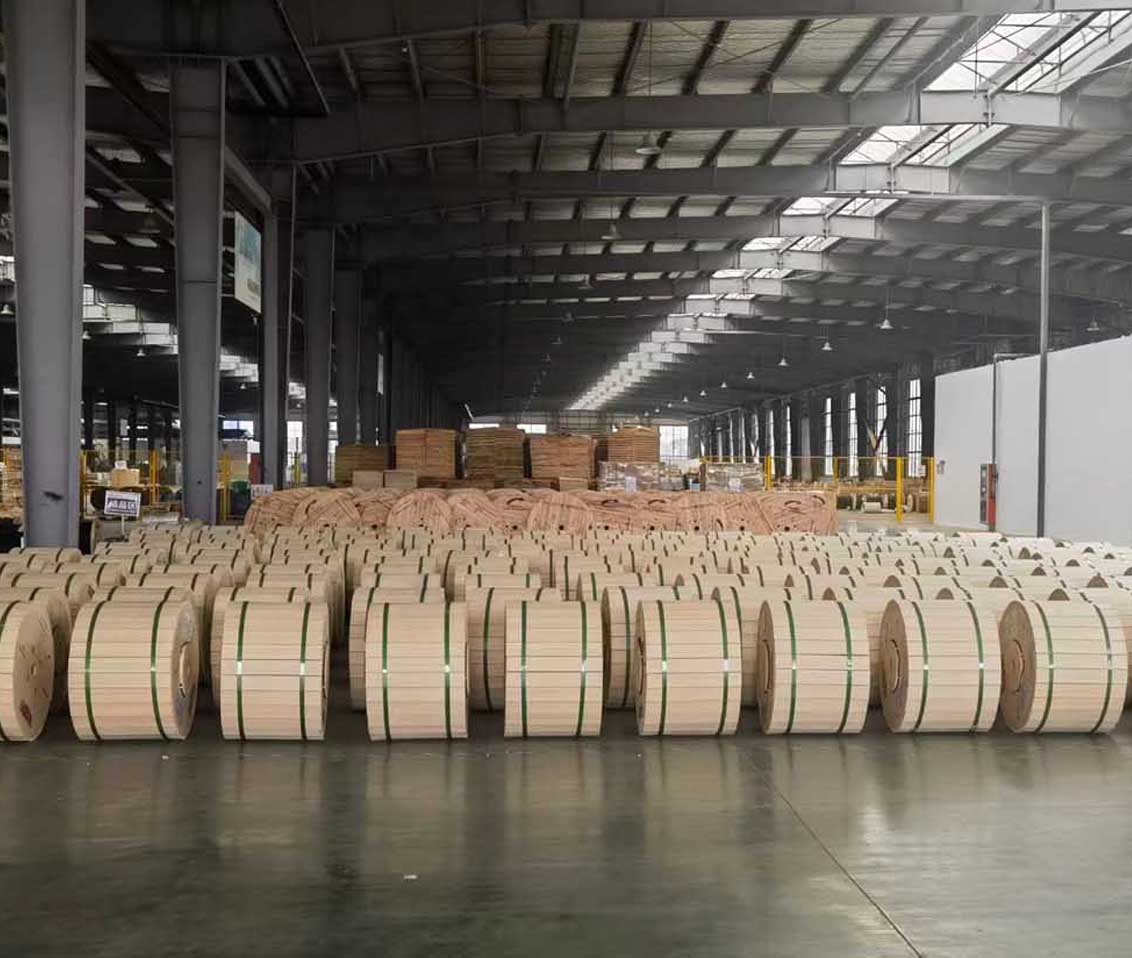
 Optical Fiber
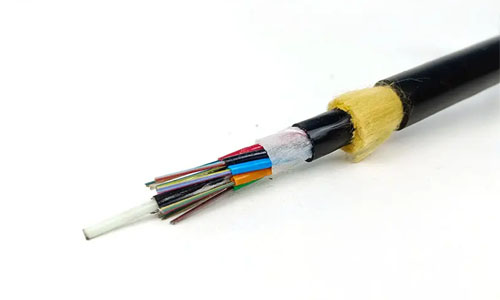 ADSS Fiber Optic Cable
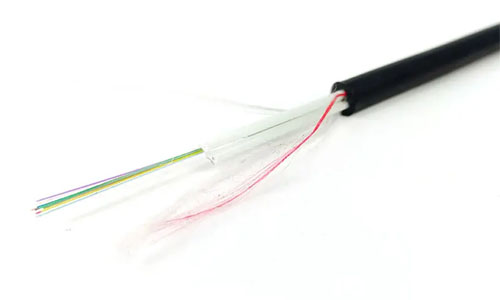 ASU Fiber Optic Cable
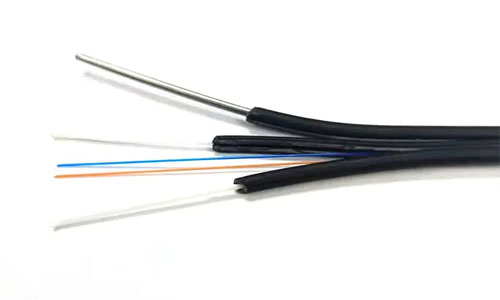 FTTH Fiber Optic Cable
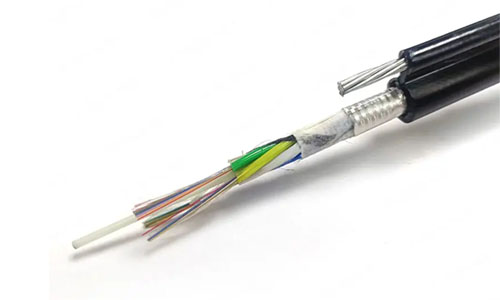 Figure 8 Fiber Optic Cable
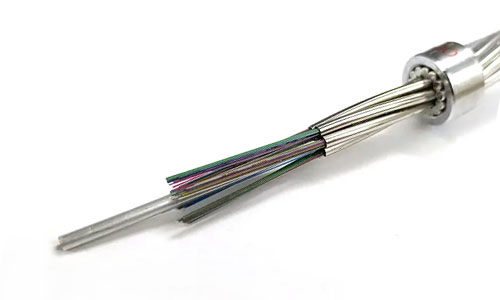 OPGW Fiber Optic Cable
 Coaxial Cable
 Ethernet Cable
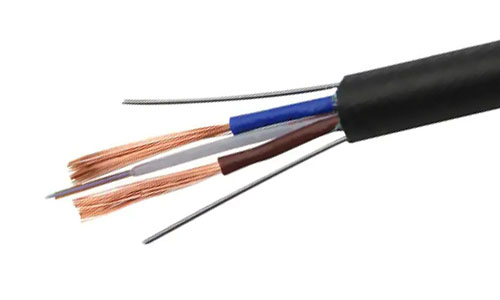 Photoelectric Composite Fiber Optic Cable
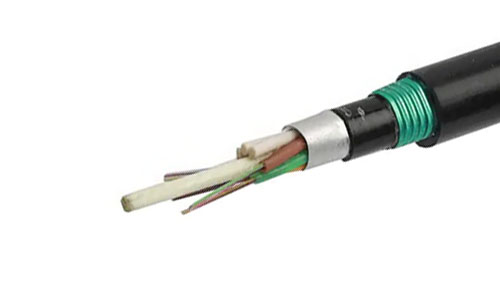 Underground & Pipeline Fiber Optic Cable
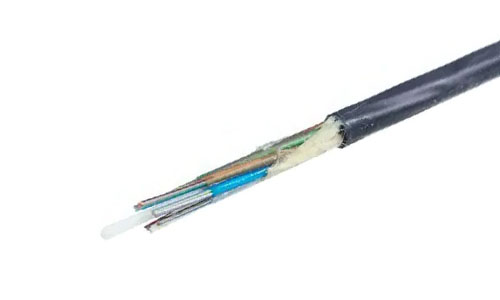 Air-Blown Micro Fiber Optic Cable
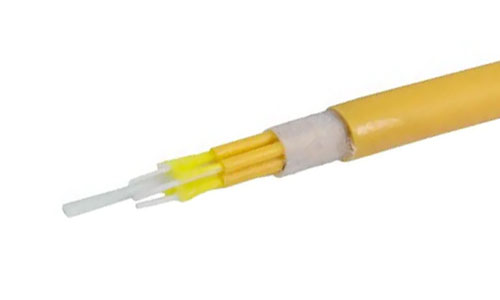 Indoor Fiber Optic Cable
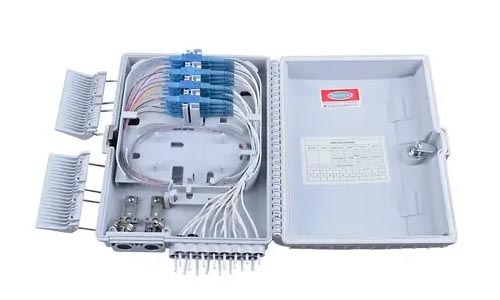 Fiber Optic Distribution Box
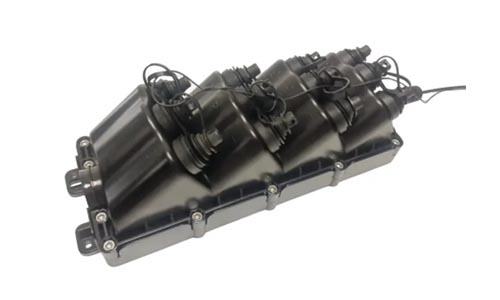 Multiport Service Termina Box
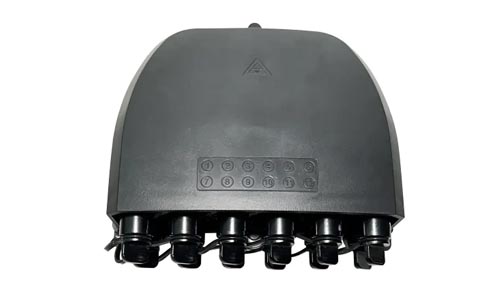 Fiber Optical Terminal Box
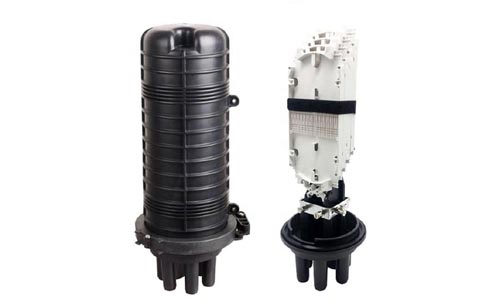 Fiber Optic Splice Closure
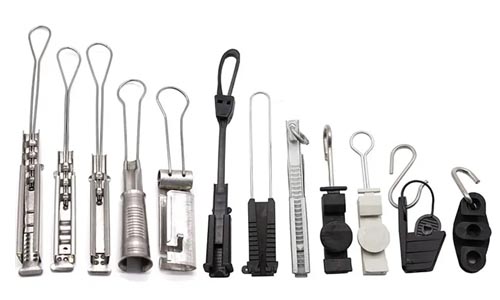 Fiber Optic Clamps
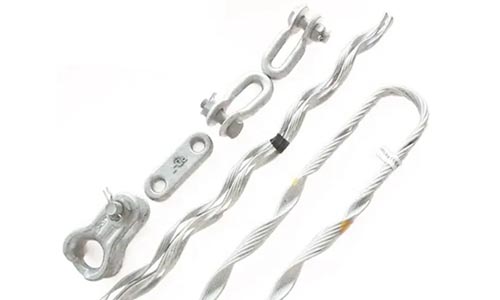 Fiber Optic Cable Fittings
 ADSS Fiber Cable
 ASU Fiber Cable
 OPGW Fiber Cable
 FTTH Fiber Cable
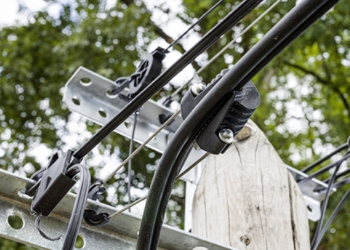 Figure 8 Fiber Cable
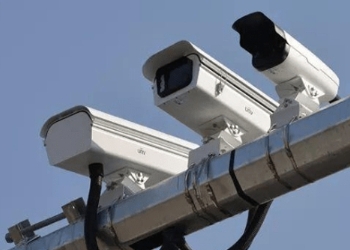 Photoelectric Composite Fiber Cable
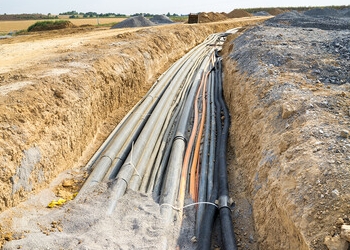 Underground & Pipeline Fiber Cable
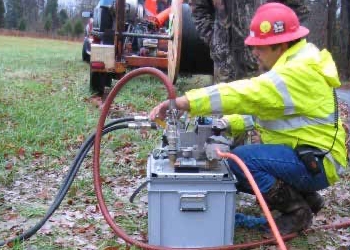 Air-Blown Micro Fiber Cable
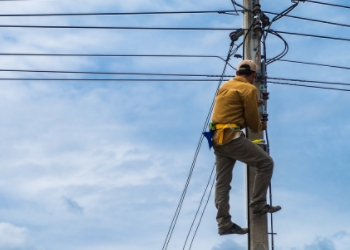 Aerial Fiber Cable
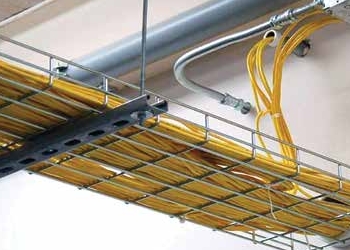 Indoor Fiber Cable
 Fiber Optical Terminal Box
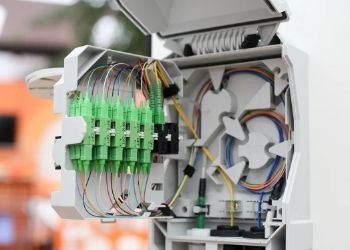 Fiber Optic Distribution Box
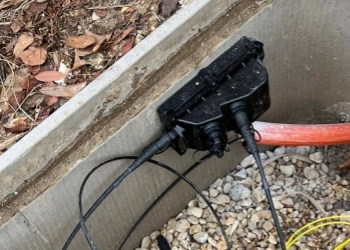 Multiport Service Termina Box
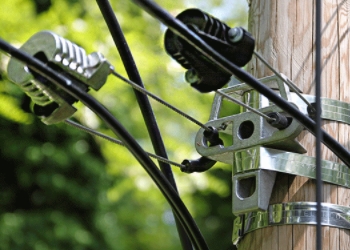 Fiber Optic Clamps
 About Us
 Our Team
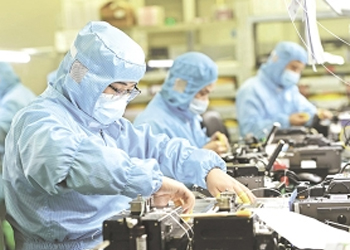 History
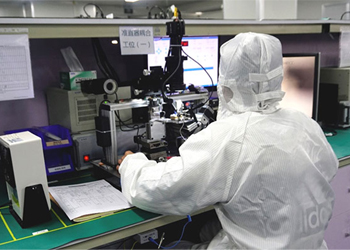 R&D Strength
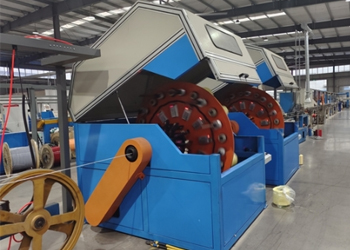 Production Base
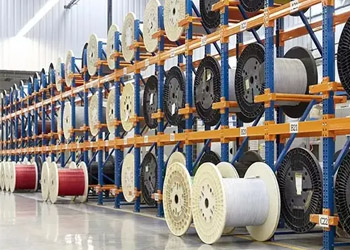 Warehouse & Logistics
 Quality
 FAQs
FAQsPolyvinyl Chloride (PVC) - Properties, Uses, and Environmental Impact
Contact for Free Quotation & Sample, According to your needs, customize for you.
inquiry nowPolyvinyl Chloride (PVC) - Properties, Uses, and Environmental Impact
PVC, or polyvinyl chloride, is a very widely used plastic—from plumbing to clothing. Produced from vinyl chloride, PVC is notable for its durability, light weight and affordability. They utilize it in home floors, window frames and even credit cards. It does not rust, so it endures longer in wet locations. PVC can be made soft or rigid which allows for the numerous applications it has globally. Some manufacturers include additional components to alter its softness or hardness. With its versatility, PVC transformed the way we construct, manufacture, and even protect. The following piece describes how polyvinyl chloride is manufactured and where it pops up in everyday life.

What is Polyvinyl Chloride?
Polyvinyl chloride, or PVC resin, is an artificial plastic polymer consisting of repeating vinyl chloride units. Its chemical formula is (C2H3Cl)n, with a chain of carbon, hydrogen, and chlorine atoms. This linear structure defines the versatile polyvinyl chloride, determining how it functions and where it fits best. Understanding the backbone and composition of PVC materials illuminates why it’s so widely selected for applications around the globe.
1. Chemical Makeup
Every PVC molecule is composed of numerous vinyl chloride monomers connected in a linear chain. The unit that repeats is C2H3Cl, each monomer contributing strength and stability. This structure allows PVC to be either rigid or flexible, based on its composition.
Because of PVC’s chemical composition, it’s high in chlorine, which can be enhanced through chlorination. Increasing the chlorine content beyond 67% alters the thermal, chemical and fire-resistant behavior of PVC. Its molecular arrangement further ensures that PVC is slow to burn and resistant to various chemicals — useful qualities for applications as diverse as piping and medical equipment. What vinyl chloride also adds is a safety story. Vinyl chloride monomer was connected to cancers in factory workers during the early 1970’s, so safety controls are stringent today.
2. Rigid Form
Rigid PVC, known as uPVC, retains its form and doesn’t flex significantly when under pressure. Builders employ it for window frames, pipes, wall panels and doors. Its sturdy, inert qualities make it a go-to for plumbing and drainage.
Rigid PVC is durable and resilient, standing the test of time even outdoors or in wet environments. It won’t rust or rot, so pipes and window frames crafted from it remain sturdy for years. This durability translates into less maintenance and fewer replacements, which saves you time and money.
You’ll encounter rigid PVC in water pipes, electrical conduits, and even as a foundation for automotive underbody coating.
3. Flexible Form
Flexible PVC is derived from the same monomer, but plasticizers—commonly, phthalates—are blended to make it softer. These plasticizers constitute a big slice of that market, but they aren’t covalently bonded to the polymer, so they can leach over time.
This soft PVC is used in wire insulation, flooring, toys, and roughly a quarter of all plastic medical devices—from blood bags to tubing. It’s flexible, moldable, and non-toxic for lots of applications. It’s not as hard as rigid PVC, so it works best where softness and flexibility matter more than durability.
Flexible PVC differentiates itself from its stiffer sibling by being more comfy and pliable. It’s less appropriate for heavy duty tasks or locations where long term shape is important.
4. Core Properties
PVC is lightweight, with a density of 1.3–1.45 g/cm³. It softens in the range of 100 °C to 260 °C and the glass transition temperature is 82 °C.
PVC is easy to move and install because it’s light. Its mix of toughness and resilience and versatility allows it to serve numerous purposes, from construction to medical to consumer products.
These fundamental characteristics—lightweight, durable, and heat resistant—assist consumers select the right PVC for the task.
How is PVC Made?
PVC, or polyvinyl chloride, begins its life as a basic gas called vinyl chloride monomer (VCM), manufactured by combining ethylene, chlorine, and oxygen. This VCM is the fundamental building block for all PVC products, including versatile PVC piping systems. Its manufacturing process is a tale of chemistry, precision, and innovation — birthing the ubiquitous pipes, wires, and even flooring we consume daily.
Polymerization
PVC, or polyvinyl chloride, is brought to life through a polymerization process. Here, the vinyl chloride monomers join together in long chains, forming the hard, practical polymer that we call PVC. Most PVC products—around 80% globally—are produced via suspension polymerization, where the monomers are mixed in water and then initiated with a free radical process. There’s also emulsion polymerization, where the VCM is mixed in water with surfactants, creating smaller polymer particles. Each process imparts a different appearance and texture to the end PVC, such as flexible PVC compounds versus rigid vinyl film. Control is everything—temperature, pressure, and time craft the final product. If the conditions change, the polymer can become too brittle or too soft, turning it from sturdy PVC piping to bendy wires.
Compounding
After the pvc polymer is produced, it’s not often used by itself. Compounding is when makers sprinkle all sorts of other extras on top to give flexible pvc applications a performance boost. Plasticizers, such as phthalates, make it bendy for things like cables or raincoats. Stabilizers assist the PVC to resist sunlight and heat, and lubricants keep it gliding easily in machinery. How these additives are mixed in alters everything about PVC– its strength, heat tolerance, and even color. Nailing the correct formula is what allows PVC to be used in everything from plumbing to medical bags.
Processing
The final piece — converting that compounded PVC into pvc products that people actually use. Factories employ machinery to melt and shape PVC in various ways. Extrusion presses it into long pvc piping or sheets, while injection molding shapes window frames and toys. Blow molding is fantastic for making bottles. Both processes require precise management of heat and velocity, as excess or deficiency can render the end product brittle or inconsistent. That’s why PVC can appear as a hard board, a flexible hose, or even a transparent film. In all instances, the route from monomer to completed piece is a combination of art and science.
Why Use Polyvinyl Chloride?
Polyvinyl chloride, or PVC, remains a preferred option for many applications due to its combination of characteristics. This versatile polyvinyl chloride is cheap, easy to mold, and resistant to shattering, making it ideal for PVC piping systems and a variety of PVC products.
-
PVC is rigid & resists daily abuse, longer than most other plastics.
-
Its durability in extreme conditions makes it popular for outdoor and industrial applications.
-
PVC is inexpensive, assisting maintain costs low in large-scale projects.
-
It’s flexible—makers can customize it for various applications, ranging from soft cable insulation to hard window profiles.
-
Because it’s resistant to most chemicals and fire, PVC is safe for use in construction and electrical wiring.
-
It’s a great insulator, which is why it’s so great for wiring and electronics.
-
PVC isn’t flawless. It can decompose under too much heat or certain chemicals, and some have concerns about its environmental impact.
Durability
PVC’s durability against abrasion and inclement weather is among its most significant advantages. It resists rain and sun and nasties like acid or oil, so it lasts when others might fade quick. That’s less repair and replacement – so large-scale projects pay off over time, especially in applications such as water lines, window frames and outdoor decks.
Additives increase PVC’s durability. By blending in stabilizers or fillers, manufacturers can render PVC even more robust for tasks like sub-surface pipes or medical tubing. This flexibility aids in satisfying rigorous safety or application guidelines, ensuring consumers receive the proper toughness for their applications.
Versatility
-
Used in pipes, window frames, flooring, and medical devices.
-
Protects wires as insulation and covers cables for electronics.
-
Flexible PVC makes up garden hoses, credit cards and inflatable toys.
-
Rigid pvc is molded into construction panels, signage, and bottles.
Producers can modify the formula of PVC resin, incorporating plasticizers to create flexible PVC compounds that mimic rubber or stabilizers to withstand heat. This versatility allows PVC products to suit nearly any task, whether rigid or flexible, making it a preferred choice for innovative applications like blood bags and smart card chips.
Cost-Effectiveness
PVC is cheaper than metals or glass in most applications. This cheap cost means that builders and factories can spread out more surface area without blowing budgets. For big jobs, like sewer pipes or cheap housing, PVC’s price advantage is tough to overcome.
Its long life means fewer repairs and replacements, saving even more money over the years. In construction, opting for PVC instead of metal or wood will reduce project costs by a mile.
Chemical Resistance
PVC won’t deteriorate on being soaked in most acids, alkalies or oils. This is what makes it the default for chemical tanks, lab benches, and pipes that transfer caustic fluids. In factories, this characteristic protects workers, as PVC pipes are less prone to seep or rupture.
A lot of labs and food plants turn to PVC for surfaces and storage, since it won’t interact with common cleaners or industrial chemicals. Fire safety is another plus—PVC isn’t an easy flame to kindle, so it slows down the spread in buildings.
Polyvinyl Chloride in Daily Life
Polyvinyl chloride, or PVC, makes an appearance in countless corners of daily existence. Its combination of durability, affordability, and versatility has made it a staple for PVC products, including goods in residences, medical facilities, and workspaces. Many of the items we rely on for protection, comfort, and convenience are crafted from flexible PVC compounds.
Construction
PVC is a staple in plumbing, in pipes and fittings that transport water without corroding or seeping. Builders pick PVC siding and window frames because they keep out rain and sun, lasting through rough weather. It coats walls and floors, reducing cold drafts and aiding in retaining warmth or coolness in buildings.
PVC’s contribution doesn’t stop there. Architects love it for contemporary accents—imagine vibrant vinyl wall claddings or stylish roof panels. It is formable and dyeable in numerous manners, allowing designers to experiment with daring concepts without concern of abrasion. Energy bills frequently fall in homes that have PVC windows and doors, due to their secure seals and insulation.
Healthcare
Hospitals and clinics depend on PVC for tubing, blood bags, IV bags, and protective gloves. It wears sterilization, which keeps the infections down. Doctors rely on PVC because it’s transparent, allowing them to monitor fluids coursing through tubes.
PVC’s flexibility extends to patient needs — from soft tubing for newborns to more rigid adult catheters. Its dependability when under duress allows medical teams to operate quickly and confidently. As medical tech expands, PVC follows, turning up in advanced devices and basic instruments both.
Electronics
Cables and wires have PVC insulation because it prevents sparks and resists heat. Almost all power cords, headphone wires and phone chargers are wrapped in a PVC jacket that protects against fraying and shock.
PVC keeps devices running longer by keeping moisture and dust at bay. It wraps around circuit boards and plugs, protecting electronics in hectic households or offices. TVs, microwaves and even car dashboards require PVC for consistent operation.
Packaging
PVC films and trays lock in food freshness, and lock out germs and moisture. It wraps toys, medicine and gadgets in clear packaging, so consumers know what they’re purchasing.
PVC packaging is strong, so products remain safe in transit. It’s bendable for shrink-wrap and hard enough for blister packs. Certain manufacturers attempt to reduce the amount of PVC, given that just 0.5% is recycled.
The PVC Paradox
PVC, or polyvinyl chloride, is a versatile thermoplastic polymer at the center of a paradox. Its durability makes it a popular choice in building materials like PVC piping and cables, yet it can degrade in strange fashions depending on its environment. The production and disposal of PVC products generate dangers that are difficult to remedy.
Production Risks
-
Checklist of Hazards: * Emission of poisonous gases such as dioxins and furans.
-
Worker exposure to vinyl chloride monomer, a carcinogen.
-
Chemical spills and leaks in production plants.
-
Heat and pressure hazards when processing.
-
Toxic chemicals are released during the production process of PVC materials, such as dioxins, which are associated with cancer and other medical problems. Workers who deal with raw PVC resin or the chemicals that produce it encounter very real hazards, from inhaling fumes to direct skin exposure. We need safety rules, such as good air flow and protective gear, to protect workers and reduce these risks. After all, loopholes or lack of enforcement in certain areas may exacerbate the situation.
Lifecycle Impact
PVC lingers. That makes it great for water pipes or window frames, but it means old PVC doesn’t disappear quickly. When PVC does degrade, it can flake off small bits—microplastics—that land in rivers and oceans. These bits can be ingested by fish and other wildlife, resulting in damage that cascades up the food chain. On top of that, PVC’s cocktail of chemicals and plasticizers makes recycling it difficult.
While PVC may survive for decades, research demonstrates it can shed weight and fragment in patches, such as where in contact with low-air environments. A test over 45 days demonstrated that PVC’s molecular weight can decrease by 10%. This odd combination of toughness and brittleness is part of what makes working with PVC complicated. Examining PVC’s entire lifecycle — not just its utility — allows us to visualize the real price.
Disposal Challenges
It’s hard to eliminate PVC waste. Incinerate it and it emits toxic gases, dump it in landfills and it sits there forever. Recycling PVC is difficult due to the added chemicals, and you won’t find it accepted at most recycling centers.
While certain countries and companies are striving to identify more effective methods for managing PVC waste, projects to sort out and clean PVC for repurposing are burgeoning. It’s painstaking work.
The Need for Sustainable Practices
Sustainable steps, such as safer chemicals and closed-loop recycling, are critical.
Rules that push for cleaner production help too.
Industry changes start with better design and choices.
The Future of Polyvinyl Chloride
PVC, or polyvinyl chloride, has experienced consistent production growth since the 1930s. Though its versatility keeps it in demand around the globe, particularly in applications like PVC piping systems, the emphasis is turning to how it can satisfy tougher green criteria and evolve for new market requirements. PVC’s next chapter is contingent on the industry balancing utility with accountability.
Greener Production
Now, more and more companies are redesigning how they produce PVC materials. Others are reducing carbon emissions by transitioning to green power or by sourcing salt and bio-ethylene in place of fossil fuels. Using renewable feedstocks — like sugarcane — is helpful, as this replaces oil-based sources with ones that can regenerate. For instance, some companies now mix bio-based intermediates into their PVC piping systems and floors, which reduces their ecological impact. These more environmentally friendly approaches aren’t just good for the earth; they make flexible PVC applications more attractive to consumers seeking green products. Names such as INOVYN and VinyLoop have begun to spearhead eco-conscious PVC production, proving that radical shifts are achievable in a more traditional industry.
Advanced Recycling
| Technology | How It Works | Effectiveness | Energy Savings | Example Use |
|---|---|---|---|---|
| Mechanical | Grinding and melting | High | Up to 90% | Pipes, cables |
| Chemical | Breaks down to monomers | Medium | 30% less CO₂ | Flooring |
| Feedstock | Converts to fuels/chemicals | Moderate | Varies | Mixed waste |
CLC recycles keeps PVC materials in use longer, which reduces waste. In 2020, 550,000 tonnes of recycled PVC were recycled, helping to meet circular economy goals. Projects such as VinylPlus are advocating for even higher recycling rates, targeting close to a million tonnes a year. The more these PVC piping systems improve, the less PVC is in dumps, and the more energy is conserved. With mechanical and chemical recycling, greenhouse gases can decrease by up to 30%.
Bio-Based Alternatives
There’s so much excitement about being able to make PVC materials from plants, not oil. These bio-based alternatives may stave off the climate emergency as plasticized PVC output triples in the coming decades. Using corn or sugarcane to make PVC reduces carbon output and makes the supply chain less dependent on fossil fuels. More labs are evaluating the degree to which these bio-PVCs replicate the resilience and safety of standard PVC. Scientists in Europe and Asia are attempting to discover blends that will do just as well as the original yet degrade more quickly after use.
Conclusion
Polyvinyl chloride hangs in there for a reason. It molds pipes, wires, shoes and even toys. Folks choose it for its affordability and durability. You encounter it in houses, classrooms, and shops. Although certain people fret over its effect, manufacturers continue innovating to reduce waste and increase safety. As time goes on, new rules and tech assistance help clean up the process. Consider cities with clean water due to rugged PVC pipes. Or farmers with smart irrigation tubes. PVC keeps pace with change. Stay in the loop with new info on PVC trends and green picks. Keep wondering. Question the stuff you’re using every day.
Frequently Asked Questions
What is polyvinyl chloride (PVC)?
Polyvinyl chloride, or PVC, is one of the most popular plastic materials due to its strength, lightweight nature, and chemical resistance.
How is polyvinyl chloride made?
PVC is produced from polymerizing vinyl chloride monomers, creating versatile polyvinyl chloride by connecting little molecules into long plastic chains.
What are common uses of polyvinyl chloride?
PVC, a versatile polyvinyl chloride, is used in pipes, window frames, cables, flooring, and packaging due to its strength and flexibility.
Is polyvinyl chloride safe for daily use?
PVC is safe for the vast majority of applications, particularly when considering the use of PVC materials. Safety is all about how it’s made and used, especially with additives in plasticized PVC.
Why is PVC popular in construction?
PVC is beloved for being rugged, cheap, and formable, making it a popular choice among PVC products.
Can polyvinyl chloride be recycled?
Yes, PVC is recyclable and can be processed into new PVC products, making it a versatile plastic material.
What are the environmental concerns with PVC?
PVC manufacturing and disposal of PVC products may leak toxic substances, but responsible manufacturing and recycling of PVC materials help reduce impact.