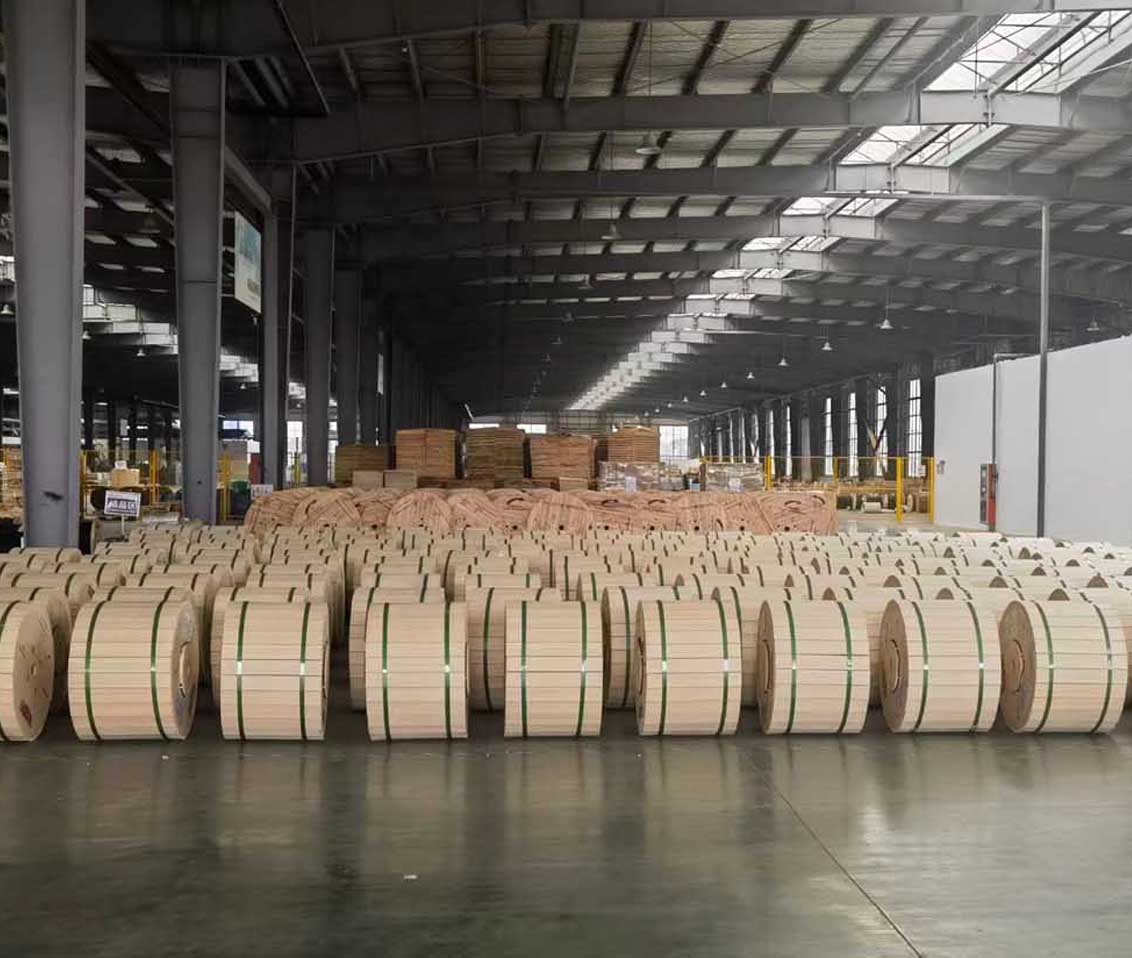
 Optical Fiber
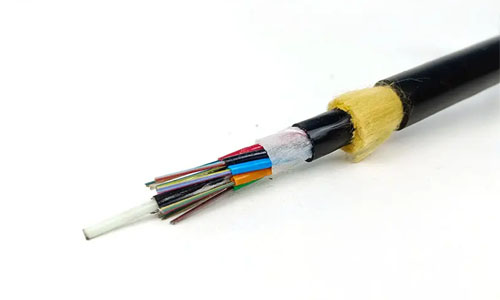 ADSS Fiber Optic Cable
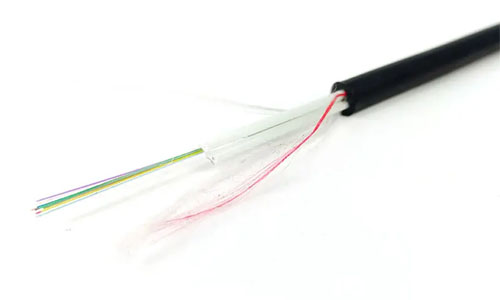 ASU Fiber Optic Cable
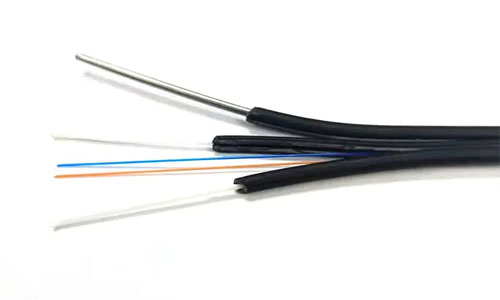 FTTH Fiber Optic Cable
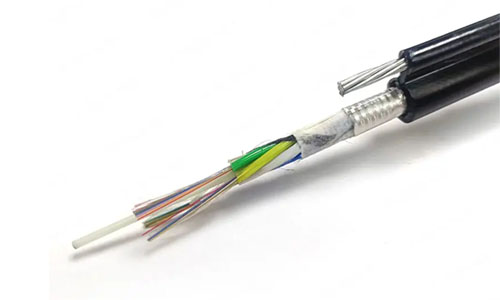 Figure 8 Fiber Optic Cable
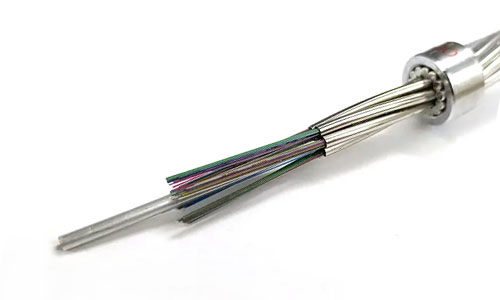 OPGW Fiber Optic Cable
 Coaxial Cable
 Ethernet Cable
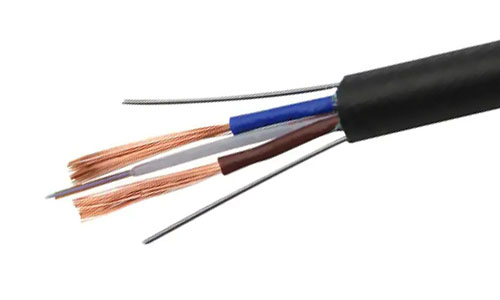 Photoelectric Composite Fiber Optic Cable
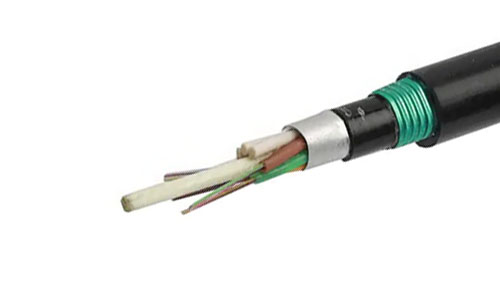 Underground & Pipeline Fiber Optic Cable
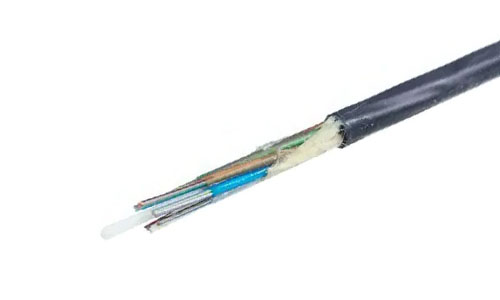 Air-Blown Micro Fiber Optic Cable
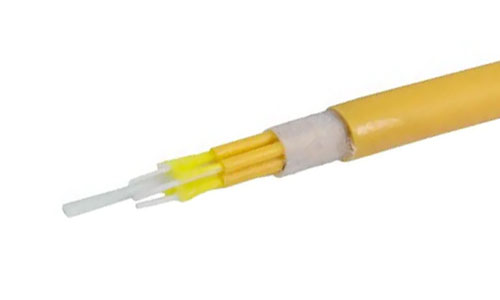 Indoor Fiber Optic Cable
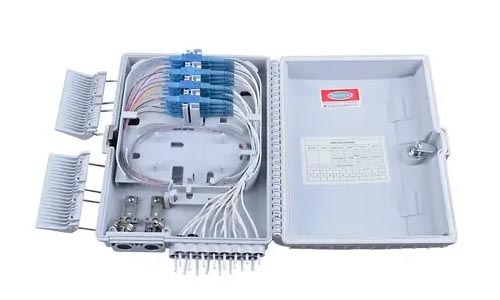 Fiber Optic Distribution Box
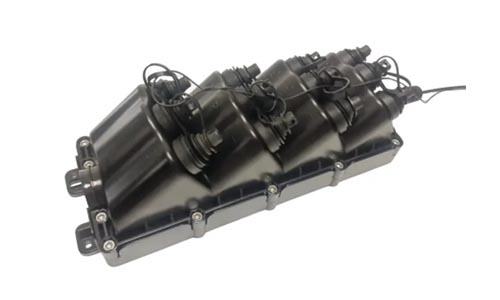 Multiport Service Termina Box
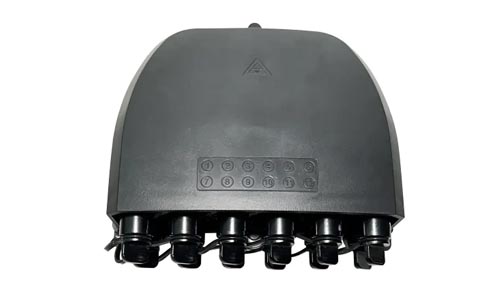 Fiber Optical Terminal Box
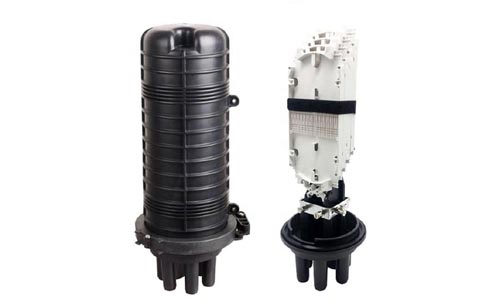 Fiber Optic Splice Closure
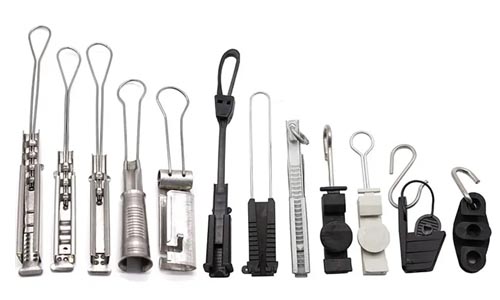 Fiber Optic Clamps
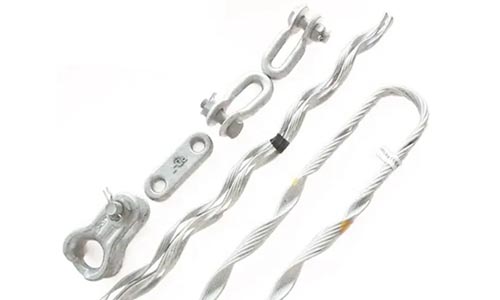 Fiber Optic Cable Fittings
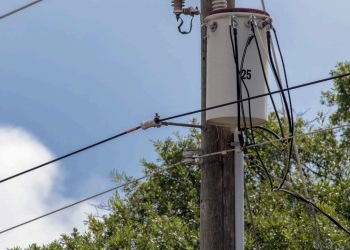 ADSS Fiber Cable
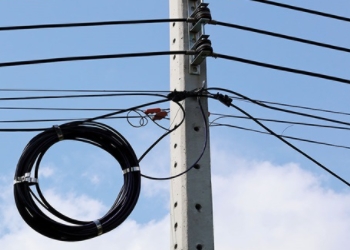 ASU Fiber Cable
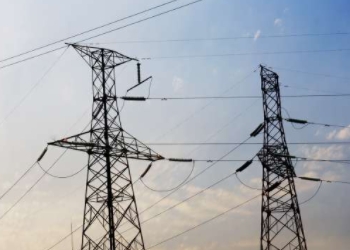 OPGW Fiber Cable
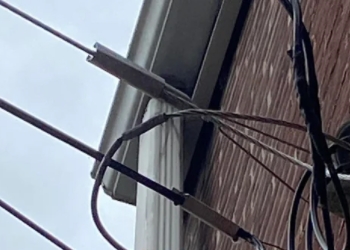 FTTH Fiber Cable
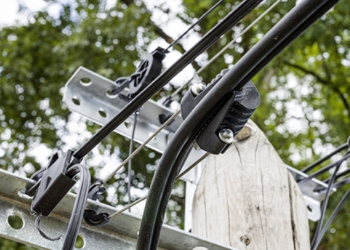 Figure 8 Fiber Cable
 Photoelectric Composite Fiber Cable
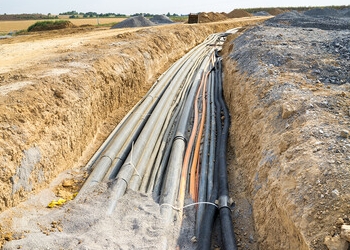 Underground & Pipeline Fiber Cable
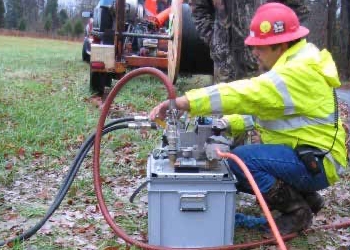 Air-Blown Micro Fiber Cable
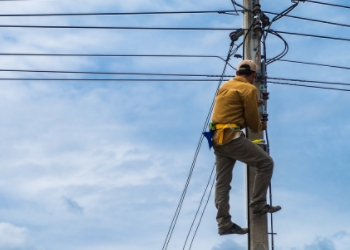 Aerial Fiber Cable
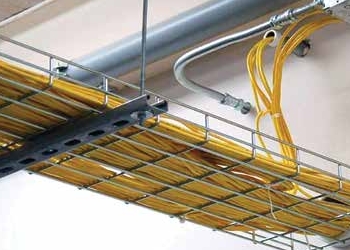 Indoor Fiber Cable
 Fiber Optical Terminal Box
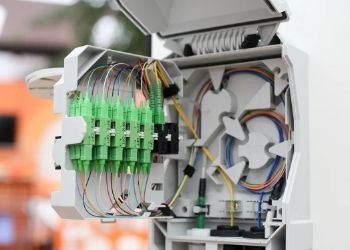 Fiber Optic Distribution Box
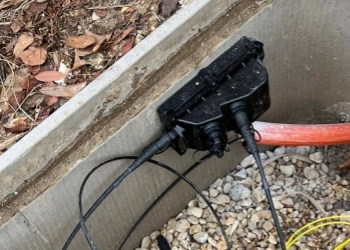 Multiport Service Termina Box
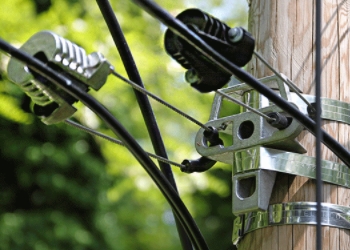 Fiber Optic Clamps
 About Us
 Our Team
 History
 R&D Strength
 Production Base
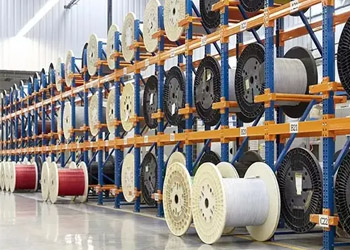 Warehouse & Logistics
 Quality
 FAQs
FAQsPolypropylene: Properties, Types, and Applications
Contact for Free Quotation & Sample, According to your needs, customize for you.
inquiry nowPolypropylene: Properties, Types, and Applications
Polypropylene(PP) is a lightweight but strong plastic. It surfaces in a lot of the things we use every day, from Tupperware to auto components. Folks generally identify it by its smoothness and slightly waxy texture. Polypropylene is noteworthy in that it resists water, many chemicals and even heat up to about 130°C. Factories love it because it can be formed into fiber, sheets or molded products with minimal waste. PP is accepted by most recycling centers, making it one of the more sustainable plastics. The tale of polypropylene demonstrates how the most basic of materials can influence everyday existence. To understand why it shows up everywhere, it helps to observe both the goodness and the context of it in industry and in our own homes.

What is Polypropylene?
Polypropylene, a versatile polymer, is a thermoplastic material used in various applications, including packaging, textiles, and automotive parts. Its uses extend to polypropylene fabric for ropes and thermal underwear, as well as reusable containers and laboratory equipment. Since its commercial launch in 1957, polypropylene recycling has become essential due to its durability and resistance to harsh environments, making it a popular choice in the plastic industry.
1. Chemical Makeup
Propylene, the base for polypropylene plastics, has a simple formula: C3H6. This configuration is significant because it allows the propylene units to bind in a linear fashion, creating long chains. The primary backbone of polypropylene resin is carbon, with hydrogen infilling. What really gives it character is the little “methyl” group (a CH3 group) that dangles off each one. These methyl groups make polypropylene tough and flexible by preventing the chains from sliding past each other too easily. For all you material wranglers, understanding polypropylene uses lets you select just the right one for your project.
2. Physical Form
Polypropylene often appears as a white or translucent plastic, lightweight but durable. It can be fashioned into films, fibers or molded.
This plastic can appear and feel in different ways depending on the kind. Certain varieties are stiffer, certain are bendier and softer, and others can even be spun into strengthy fibers for fabrics. Its appearance and shape transform the way it’s shaped and utilized. For instance, its injection molding convenience makes it a go-to for automotive parts or food containers. What it looks and feels like is important because it determines where and how you use it.
3. Key Properties
Toughness, flexibility, and light weight are the signatures of polypropylene, a versatile polymer known for its heat resistance, with a melting point between 160 and 166 °C. The strength and stiffness of polypropylene make it ideal for products that need to maintain their shape under stress, especially when considering polypropylene uses in various applications. Moreover, its resistance to oxidation, particularly with stabilizers, ensures durability in sunlight or inclement weather.
4. Main Types
Two main types of polypropylene exist: isotactic and syndiotactic, which differ in how the methyl groups line up. Homopolymers, such as unmodified polypropylene, are comprised solely of propylene, whereas copolymers blend in other small molecules. How you process polypropylene—using specific polymerization conditions, for example—alters its type and final properties. Isotactic polypropylene is often used in packaging, while syndiotactic ones are favored in specialty applications.
5. Production Process
It all begins with propylene gas, which is combined and heated with a catalyst like Ziegler-Natta to create versatile polymers such as polypropylene resins. Temperature and pressure during this polymerization reaction alter the final plastic’s strength and flexibility, making polypropylene uses more diverse and satisfying its high global demand.
The Polypropylene Paradox
Polypropylene, a versatile polymer, resides in an odd position. It’s what makes modern life go slickly, yet it leaves us with giant concerns about waste and environmental damage. The paradox is clear: we desire all the benefits of polypropylene uses, but we worry about the cost to our planet.
Unmatched Utility
Polypropylene turns up everywhere—food containers, medical syringes, car bumpers, even woven rice and flour bags. You’ll see it in carpets, furniture, ropes and diapers. Its span extends from kitchen drawers to hospital supply rooms.
Consumers choose polypropylene for its lightness, durability, and affordability. It preserves freshness, resists heat, and laughs off water and much of the chemical universe. These characteristics make it a favorite for packaging, storage bins, and numerous household items.
In large projects pp is used for pipes, insulation and car parts. Its capacity to flex but not break aids in slashing car weight, conserving fuel. Builders trust it for its blend of strength and value.
Because it can be molded, colored and both rigid and flexible, our demand for PP continues to increase. It suits so damn many jobs that most companies can’t imagine a superior choice.
Environmental Cost
Making polypropylene consumes oil or gas and generates greenhouse gases. PP plant waste threatens water and air quality, as it can leak, polluting the environment and harming nearby wildlife.
Once utilized, PP is often discarded. It jams up landfills and can degrade into micro-fragments that disperse through soil or water. Animals can consume these fragments accidentally.
PP doesn’t degrade quick in the wild. It can last years or decades, with research demonstrating 50% depleted after 4.5 years and complete degradation within 72, depending on heat and sun. Yet, ubiquitous assertions such as “plastic bags last 1000 years” don’t align with actual experiments—majority of bags fragment far quicker in the environment.
The plastics industry invests billions in decelerating this disintegration, but the disconnect between how long people believe PP endures and what science reveals is vast. If we don’t confront these realities, the expenses will compound.
Recycling Reality
Polypropylene, with the recycling code 5. That helps separate it from other plastics, but not everywhere can recycle it.
There are obstacles to recycling PP. Waste tends to get mixed with food or soil, contaminating it and making washing difficult and reducing the worth of recycled PP. The Polypropylene Recycling Coalition attempts to increase collection as well as optimize sorting equipment, but it’s a challenging ascent.
Second hand PP can be reincarnated into new things—car parts, outdoor furniture, or bins—if properly sorted. This keeps refuse out of landfills and reduces demand for virgin oil.
Polypropylene in Daily Life
Polypropylene, a versatile polymer, is found in everything from food containers to car parts. Its combination of strength, light weight, and affordability has made it a go-to for numerous polypropylene uses. We all come in contact with polypropylene products on a daily basis, sometimes unknowingly. By understanding where it fits in daily products, consumers can make more informed decisions, particularly as more people demand safer, more durable, and eco-friendlier options.
Packaging
-
Tough and hard to break, so it keeps stuff secure when you’re on the road.
-
Blocks moisture entry, which extends shelf life
-
Wash and reuse – reducing waste
-
Give you flexible for new shapes, transparent lids and easy open
-
Often used to make membranes for filtering and cleaning
Resilient packaging is a concern for humans and the earth. Polypropylene uses are unique in that it won’t absorb water and resists impact, drops, and even some chemicals. To the extent you can, find ways to recycle polypropylene packages – whether they’re shopping bags or storage bins – to reduce waste. Clever designs exploit its clear, rigid qualities to create boxes that display their contents yet maintain structural integrity.
Automotive
Polypropylene, a versatile polymer, is a major component in vehicle bumpers, dashboards, door panels, and even battery cases. Its extremely low density (around 0.9 g/cm3) assists in keeping cars light, thereby saving fuel. The material responds well to heat, preventing parts from warping on hot days. For security, it can absorb and dissipate energy in a collision, aiding in occupant protection. Modern cars count on using polypropylene for both function and style — balancing safety, cost, and energy — in their design.
Textiles
Synthetic polypropylene fabrics are in everything from carpets to sportswear. The fibers are tough, durable, and don’t absorb sweat — which makes them great for outdoor wear and athletic wear. These garments dry quickly and maintain comfort, even while hiking or jogging. Flexible and rugged, polypropylene twine now finds itself in tents, lashings, and even certain shoes, showcasing the versatility of polypropylene uses in various applications.
Medical
Polypropylene, a versatile polymer, has a huge role in the healthcare arena. It’s found in syringes, pill bottles, surgical meshes, and wound closures. This material is inert with the body, making it suitable for medical applications in the short term. It withstands abrasive cleaners, allowing for easy scrubbing and sanitizing. Disposable masks and gowns often utilize polypropylene fabric due to its safety, lightness, and cost-effectiveness. Medical innovations keep advancing with assistance from this material.
Consumer Goods
-
Food storage boxes: These keep food fresh and are safe for microwave use.
-
Toys: Tough enough to handle drops, yet light for easy play.
-
Furniture: Outdoor chairs and tables use it for weatherproofing.
-
House bins: Stiff, reusable, and easy to clean, ideal for sorting.
-
Reusable water bottles: Light, shatterproof, and free from strange smells.
Polypropylene, a versatile polymer, gives these products more years, safer years, and less breakage years. With its vibrant hues and glossy appearance, it allows designers to create products that pop. People’s increasing concern for safety and the planet is motivating manufacturers to opt for polypropylene plastics for durable, energy-efficient, and recyclable products.
Advanced Polypropylene Materials
Advanced polypropylene materials have come a long way in the past decade. Harder, more impact-resistant, and flexible, these innovative materials are found in terms as diverse as water filters and auto parts, thanks to polypropylene uses and continuous research. Polypropylene is exceptional due to its optimal mix of cost, durability, and heat and chemical resistance, making it a preferred choice for various polypropylene applications.
Composites
Polypropylene composites combine polypropylene with fibers or fillers, which makes the base plastic stronger and more durable. Normal polypropylene is pretty hardy stuff on its own, but composites can take even more punishment. Incorporating additives such as glass or natural fiber, e.g. Jute, can increase tensile strength by up to 10%.
Used in construction and cars, these composites help make panels, bumpers and even pipes due to their resistance to heat and pressure. For engineers, composites provide a means to build lighter longer-lasting components. It’s helped drive design forward, allowing us to construct things both strong and light.
Filled Grades
Filled grades are polypropylene with fillers such as talc, calcium carbonate or polyvinyl alcohol added. Such fillers can render plastics stiffer, tougher or even heat resistant up to 220 °C. Selecting the appropriate filler comes down to what you need the product to do, sometimes you want it to flex and sometimes you need it to remain stiff.
They’re used by industries for appliance housings, battery components and even air and water filtration. So the filler, once again, could be swapped out for every use. For instance, zeolite fillers enhance filtration for pure air or water and polycarbonate can increase impact resistance.
Biaxially Oriented
Biaxially oriented polypropylene (BOPP) is produced by stretching polypropylene film in both the machine and transverse directions. This technique provides the film with a fresh, crisp appearance as well as significantly increases its strength. BOPP cake packaging, labels and tape because it not only holds up well, but looks good on the shelf.
Clarity and strength to seal in freshness and keep labels sharp. BOPP additionally assists in waste reduction, as thinner, stronger films equate to less plastic being used per product.
Cast Film
Cast film polypropylene is created by casting – spinning melted plastic onto a chilled roller. This renders the film slick and convenient to manipulate in thickness.
Cast films are pliable, so they wrap nicely around food or products. They have applications in sandwich wraps, flower sleeves, and electronics protective films. The fact that the film can be made thin but strong helps companies save on material and showcase what’s inside the package.
A Material Scientist's View
Material scientists view polypropylene as a true game-changer in the plastic industry. Its combination of strength, affordability, and the capability to mold its characteristics positions it at the forefront of contemporary polymer innovations. Notably, polypropylene uses its high crystallinity to provide strong mechanical and thermal characteristics. The crystal forms—α, β, and γ—assist in altering its density and melting point, allowing it to be easily tailored for lots of applications.
Performance vs. Other Polymers
| Property | Polypropylene (PP) | Polyethylene (PE) | Polyvinyl Chloride (PVC) | Polystyrene (PS) |
|---|---|---|---|---|
| Tensile Strength | 30–40 MPa | 10–30 MPa | 40–55 MPa | 30–50 MPa |
| Heat Resistance | Up to 120°C | Up to 80°C | Up to 105°C | Up to 90°C |
| Chemical Resist. | High | High | Moderate | Low |
| Flexibility | Moderate | High | Low | Low |
| Key Uses | Auto, textiles | Films, bags | Pipes, cables | Packaging |
Polypropylene exhibits excellent heat resistance and resists chemicals. Its tensile and flexural strengths can improve even further by as much as 30.54% and 48%, respectively, with the inclusion of the appropriate additives. PP stands firm where other plastics would flex or snap, particularly in heated or demanding areas.
PP excels in everything from car parts to food containers to medical equipment. Its high melting point and solid chemical resistance make it a go-to for work where other plastics just don’t hold up. Selecting the right material usually boils down to these performance tests, which are important for both safety and expense.
Customization Potential
PP is simple to mold. Manufacturers can mix in things such as low-density polyethylene or powdered cellulose to enhance its durability or electrical properties. This allows manufacturers to optimize PP for all sorts of applications, from rugged water purifiers to supple fabrics.
Consider electrospun PP, for instance. This yields fibers that are strong, lightweight, and heat-resistant—perfect for filters or technical textiles. By selecting the correct blend, manufacturers can satisfy tough regulations or unique applications.
Customization keeps PP ahead, allowing it to adapt to new needs and differentiate itself in saturated markets.
Innovation Drivers
Fresh thinking drives PP ahead. With demand for greener, stronger, more useful plastics research is never-ending. Consumer trends—like desiring safer food packaging or lighter cars—result in superior PP blends and applications.
Sustainability is more important now than ever. Researchers find ways to recycle PP, use less power, reduce waste. Improvements in PP manufacturing along with innovative approaches to blending in other materials keep it fresh and functional.
The Future of Polypropylene
Polypropylene is at an inflection point, particularly in its versatile polymer applications. This polymer finds extensive use across industries ranging from packaging to electronics, as its worldwide market is estimated to hit a value of USD 154.2 Billion in 2035. With enhanced polypropylene recycling and new grades, significant changes are expected in the next 10 years.
Sustainable Sourcing
Sustainable sourcing is now at the center of polypropylene production. The new wave of green initiatives has pushed companies to reconsider their sourcing methods. Others are transitioning to bio-based feedstocks, such as utilizing agricultural waste rather than oil. This contributes to reducing emissions and relieving pressure on fossil resources.
Initiatives for cleaner extraction and processing matter. For example, new techniques consume less water and energy in manufacturing, which benefits the ecosystem. Others are partnering to exchange innovative tech, united by the desire to reduce their environmental impact.
Renewables will be a bigger part of future sourcing. It’s not merely a question of consuming less oil. It’s about discovering waste streams that we can convert into new plastics. This pivot ensures polypropylene stays relevant in a sustainability-obsessed world.
Market triumph will ride on them. As buyers seek out greener alternatives, only suppliers that dig deep will keep leading.
Enhanced Recyclability
Recycling tech for PP has accelerated. Now, more plants can separate and crush post-consumer plastics into new pellets. Chemical recycling turns old stuff into basic pieces, so you can get really good stuff.
The ambition is to boost recycling and reduce landfills. If only 30% polypropylene were recovered, the global greenhouse gas emissions would reduce by 311,000 metric tons. That’s an enormous effect.
Humans factor in a lot here. When more people separate and rinse their plastics, it’s simpler for reprocessing facilities to do their thing. Where cities have good collection systems in place, they already are seeing superior numbers for recycling.
Better recycling shifts the entire life cycle of polypropylene, turning it into a true circular economy material.
Smart Applications
Polypropylene is making its way into smart tech. In electronics, it’s employed for durable, lightweight housings and even flexible circuit boards. In smart textiles, it provides durability and moisture management to health-monitoring apparel.
The secret is polypropylene’s combination of durability, light weight, and chemical resistance. These characteristics create opportunities for novel applications in tech. Take medical gear, for instance — it has to be safe and sterilizable.
As innovation increases, polypropylene will remain at the heart of creating intelligent, sustainable products.
Conclusion
Polypropylene appears all over ordinary life. In everything from food tubs to car trim, it frequently goes unnoticed but performs a great deal of work. Labs continue to discover ways to make it stronger and lighter. Others in science envision large scale initiatives, such as improved recyclability or novel blends that reduce waste. A buddy of mine used to say her vintage backpack held up for years, due to this rugged plastic. That sort of story surfaces everywhere. We wear it, mend stuff with it, or discover it in strange places. Polypropylene is more than a material. It forms the way they live and think. Have you seen it in your day? Don’t miss it – find it and tell your tale.
Frequently Asked Questions
What is polypropylene?
Polypropylene, a versatile polymer produced from the polymerization of propylene gas, is lightweight, strong, and chemical resistant.
Why is polypropylene widely used?
Polypropylene remains a favorite due to its durability, affordability, and versatility, especially in packaging and textiles, making it an essential polymer in various applications, including automotive components.
Is polypropylene safe for food contact?
Indeed, polypropylene is a versatile polymer commonly found in food containers and packaging, as it doesn’t react with the majority of foods and is considered safe in many countries.
Can polypropylene be recycled?
Well, polypropylene recycling is an important process, as polypropylene is recyclable and designated by the resin code '5', allowing it to be transformed into new items.
How is polypropylene different from other plastics?
Polypropylene, a versatile polymer, is more heat-resistant and flexible than many other plastics, and its resistance to moisture and chemicals expands its polypropylene uses.
What are some common products made from polypropylene?
This versatile polymer, polypropylene, is not only strong and flexible but is also widely used in everyday objects such as reusable containers, packaging films, car parts, and medical devices.
What is the future of polypropylene?
The future of polypropylene recycling is enhanced, focusing on reimagining next-gen sustainable materials.