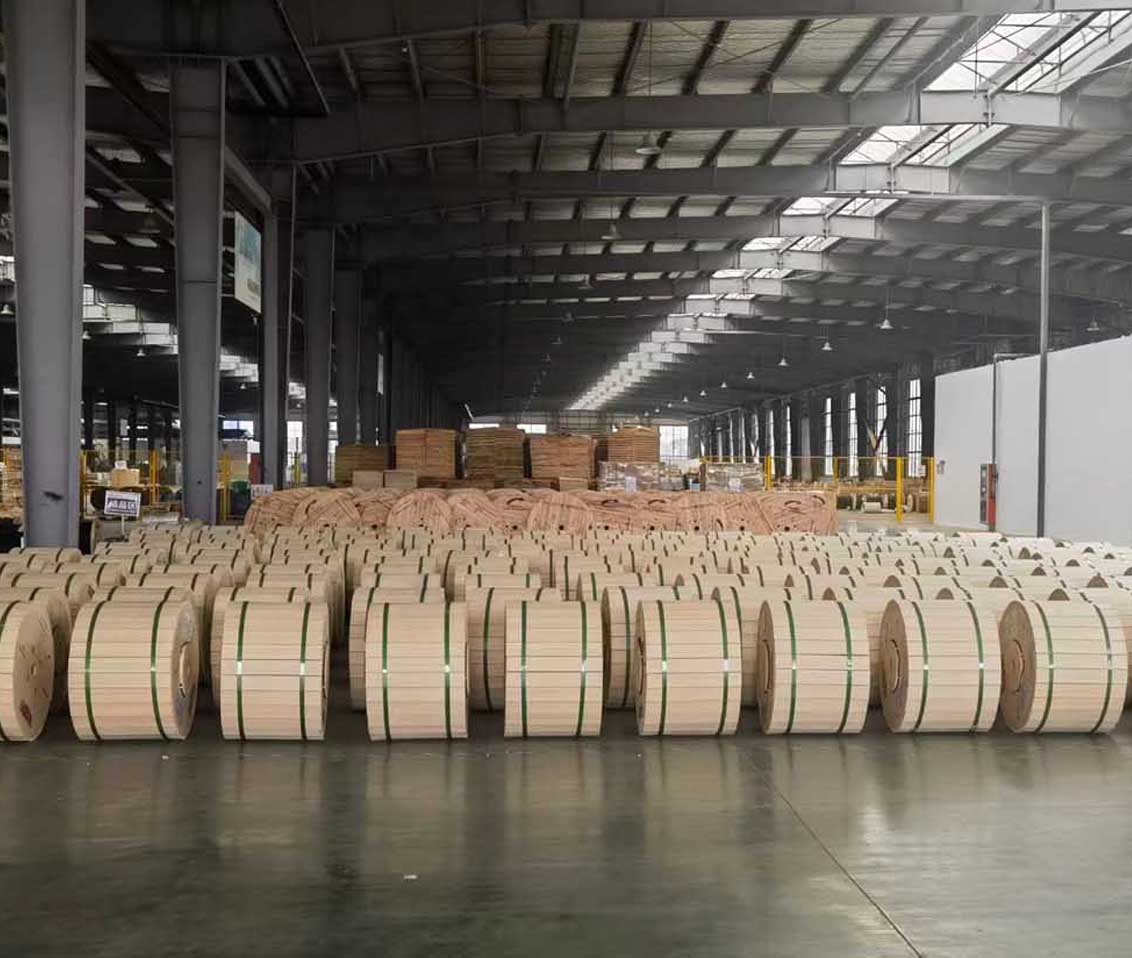
 Optical Fiber
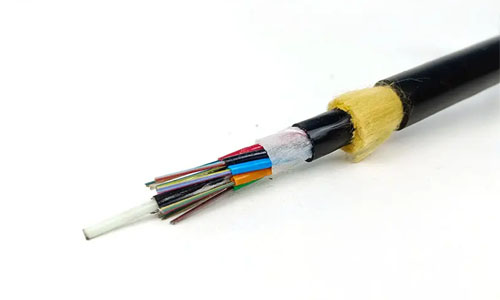 ADSS Fiber Optic Cable
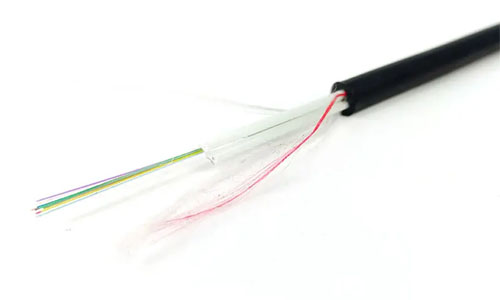 ASU Fiber Optic Cable
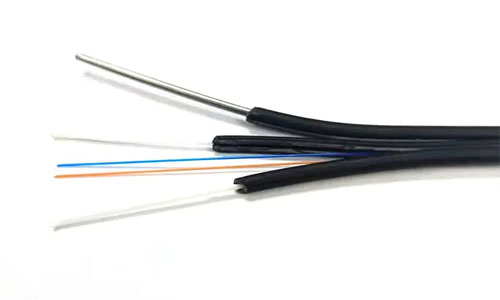 FTTH Fiber Optic Cable
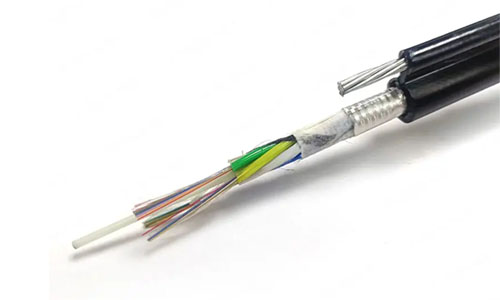 Figure 8 Fiber Optic Cable
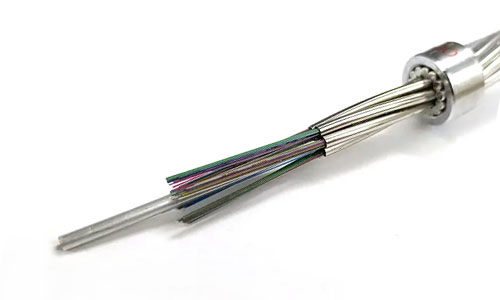 OPGW Fiber Optic Cable
 Coaxial Cable
 Ethernet Cable
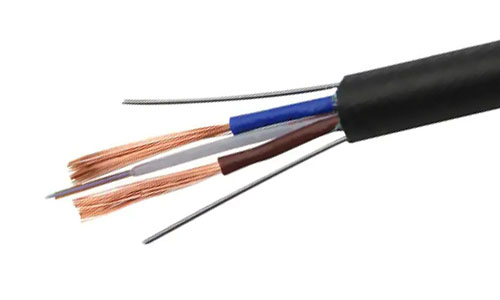 Photoelectric Composite Fiber Optic Cable
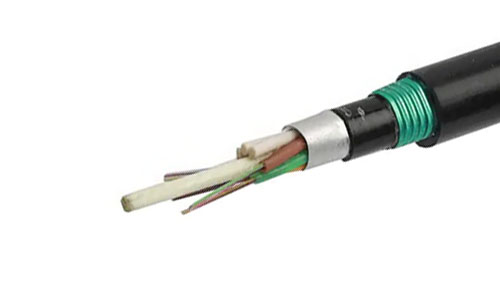 Underground & Pipeline Fiber Optic Cable
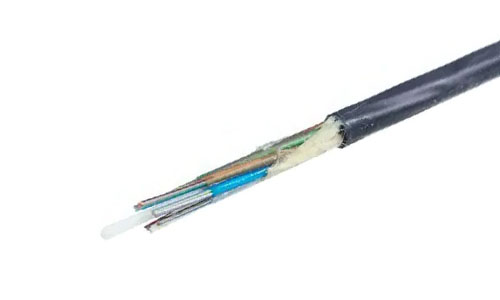 Air-Blown Micro Fiber Optic Cable
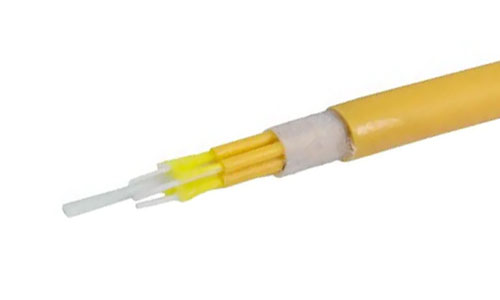 Indoor Fiber Optic Cable
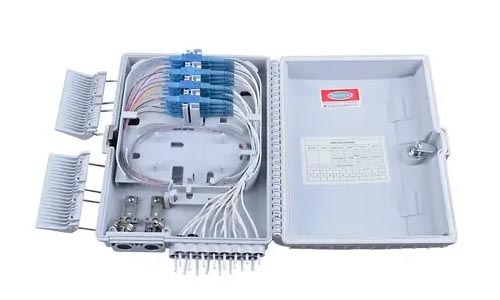 Fiber Optic Distribution Box
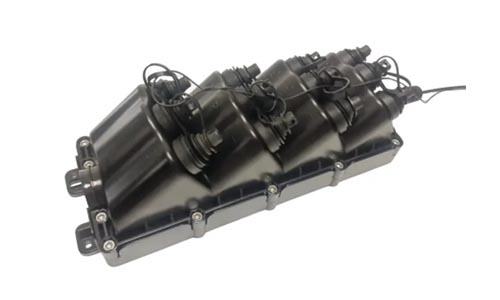 Multiport Service Termina Box
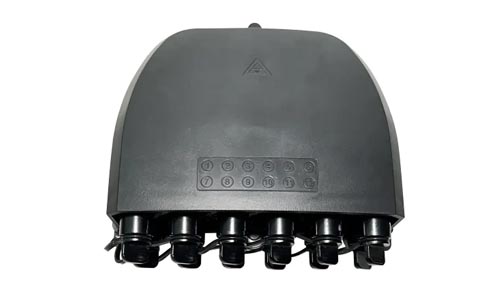 Fiber Optical Terminal Box
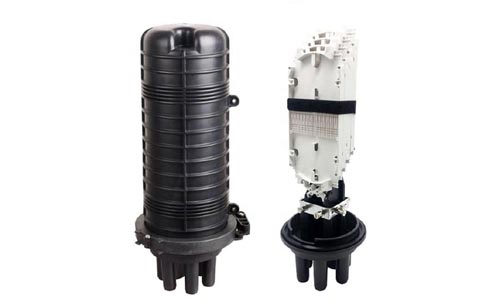 Fiber Optic Splice Closure
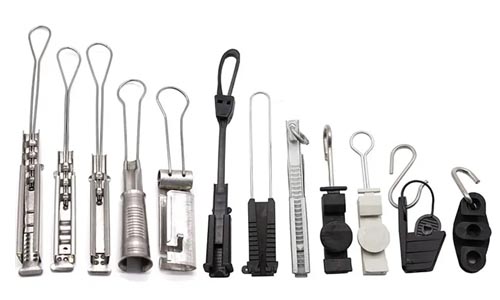 Fiber Optic Clamps
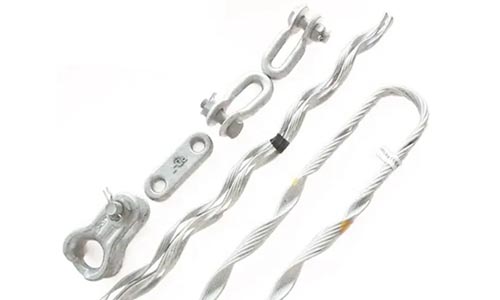 Fiber Optic Cable Fittings
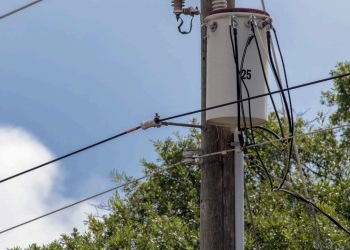 ADSS Fiber Cable
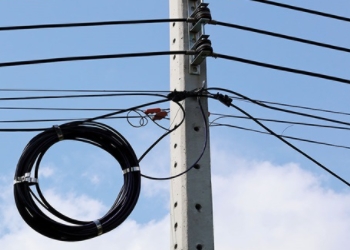 ASU Fiber Cable
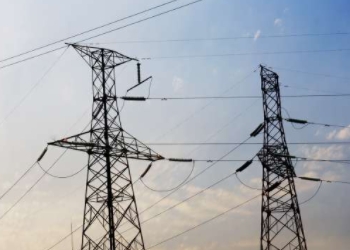 OPGW Fiber Cable
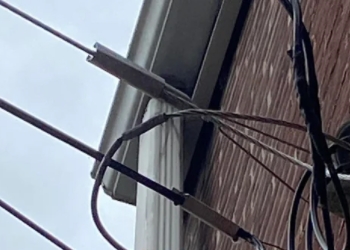 FTTH Fiber Cable
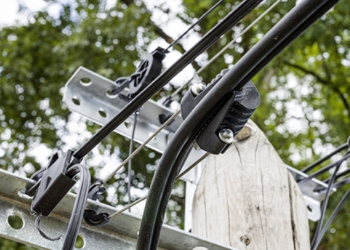 Figure 8 Fiber Cable
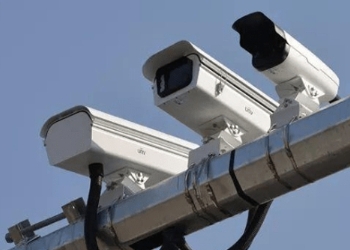 Photoelectric Composite Fiber Cable
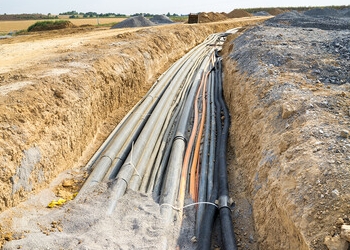 Underground & Pipeline Fiber Cable
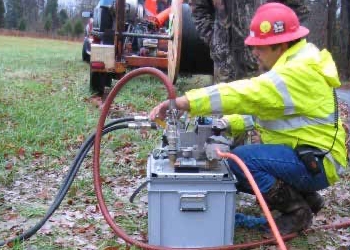 Air-Blown Micro Fiber Cable
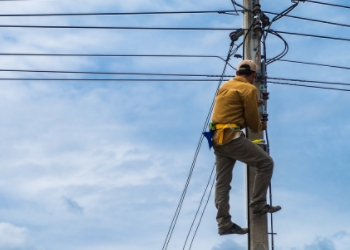 Aerial Fiber Cable
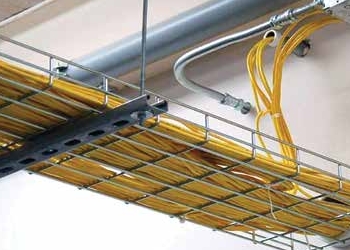 Indoor Fiber Cable
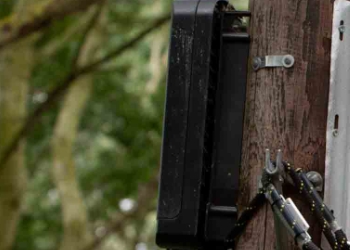 Fiber Optical Terminal Box
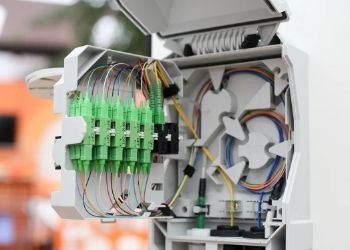 Fiber Optic Distribution Box
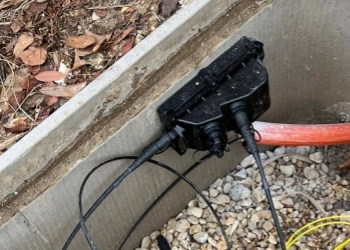 Multiport Service Termina Box
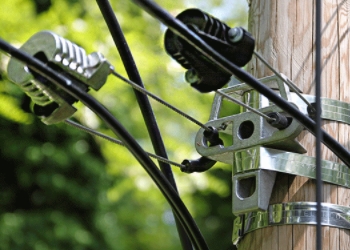 Fiber Optic Clamps
 About Us
 Our Team
 History
 R&D Strength
 Production Base
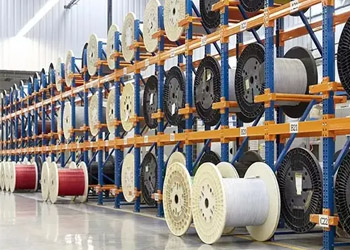 Warehouse & Logistics
 Quality
 FAQs
FAQsOutdoor Fiber Optic Cable: Complete Guide, Types, Applications, Installation
In today’s hyper-connected digital world, reliable and high-speed data transmission is no longer optional—it is essential. One of the most critical components enabling global communication infrastructure is the outdoor fiber optic cable. These cables form the backbone of modern telecommunications, internet service providers (ISPs), smart cities, 5G networks, and enterprise-level connectivity systems.
Unlike indoor fiber cables, outdoor fiber optic cables are specifically engineered to withstand harsh environmental conditions such as extreme temperatures, moisture, UV exposure, rodents, mechanical stress, and underground pressure. This makes them indispensable for long-distance communication networks and external installations.
This comprehensive guide explores everything you need to know about outdoor fiber optic cables, including types, structures, applications, installation methods, advantages, disadvantages, and buying considerations.

What Is an Outdoor Fiber Optic Cable?
An outdoor fiber optic cable is a type of optical fiber cable designed for installation in external environments. It is built with reinforced protective layers that safeguard the delicate glass fibers inside from environmental damage and physical stress.
These cables are typically used for:
- Underground duct installations
- Aerial deployments on poles
- Direct burial applications
- Long-distance backbone communication
Key Characteristics
Outdoor fiber optic cables are engineered with the following features:
- High tensile strength
- Water resistance (gel-filled or dry water-blocking materials)
- UV resistance
- Temperature tolerance (-40°C to +70°C or more)
- Rodent and crush resistance
Structure of Outdoor Fiber Optic Cable
Understanding the structure of outdoor fiber optic cables helps in selecting the right type for specific applications.
1. Optical Fiber Core
This is the central glass or plastic strand that carries light signals. It can be:
- Single-mode fiber (long-distance, high-speed transmission)
- Multi-mode fiber (short-distance, local networks)
2. Cladding Layer
Surrounds the core and reflects light signals back into it, ensuring signal integrity.
3. Buffer Coating
Protects the fiber from physical damage and moisture.
4. Strength Member
Usually made from:
- Aramid yarn (Kevlar)
- Steel wire
- FRP (Fiber Reinforced Plastic)
This layer provides tensile strength.
5. Water Blocking Layer
Prevents water ingress using:
- Water-blocking gel
- Swellable yarn or tape
6. Outer Jacket
The outermost protective sheath made from:
- PE (Polyethylene)
- HDPE (High-Density Polyethylene)
- LSZH (Low Smoke Zero Halogen) in some environments
Types of Outdoor Fiber Optic Cables
Outdoor fiber optic cables come in several types based on installation environment and mechanical protection requirements.
1. Aerial Fiber Optic Cable
Aerial cables are installed on utility poles or towers.
Features:
- Lightweight
- UV resistant
- High tensile strength
Types:
- Self-supporting aerial cable (ADSS)
- Figure-8 aerial cable (messenger wire included)
Applications:
- Rural broadband
- Power line communication
- Telecom backbone expansion

2. Direct Burial Fiber Optic Cable
Designed to be buried directly into the ground without conduit.
Features:
- Heavy-duty outer jacket
- Armored layers (steel tape or corrugated steel)
- Excellent moisture resistance
Applications:
- Underground city networks
- Industrial campuses
- Military communication systems

3. Duct Fiber Optic Cable
Installed inside pre-existing conduits or ducts.
Features:
- Flexible outer sheath
- Moderate mechanical protection
- Easier maintenance and replacement
Applications:
- Urban fiber networks
- ISP backbone infrastructure
- Data center interconnects

4. Armored Outdoor Fiber Optic Cable
Armored cables include additional metal protection layers.
Types:
- Steel tape armored (STA)
- Steel wire armored (SWA)
Benefits:
- Rodent resistance
- Crush resistance
- High durability in harsh environments
5. ADSS Cable (All-Dielectric Self-Supporting)
ADSS cables are widely used in power transmission networks.
Features:
- No metal components (safe near power lines)
- Self-supporting design
- High tension resistance
Applications:
- Utility pole installations
- High-voltage environments
- Cross-country telecom links
Applications of Outdoor Fiber Optic Cable
Outdoor fiber optic cables play a crucial role in modern communication systems.
1. Telecommunications Networks
They form the backbone of global internet infrastructure.
2. Internet Service Providers (ISP)
Used for FTTH (Fiber to the Home), FTTC (Fiber to the Curb), and FTTB (Fiber to the Building).
3. 5G Network Deployment
Outdoor fiber supports 5G base stations and backhaul connectivity.
4. Data Centers
Interconnect data centers across cities and regions.
5. Smart Cities
Used in:
- Traffic control systems
- Surveillance systems
- Public Wi-Fi networks
6. Industrial Automation
Supports real-time communication in factories and industrial plants.
7. Military and Defense Systems
Secure and high-speed communication infrastructure.
Advantages of Outdoor Fiber Optic Cable
Outdoor fiber optic cables offer significant benefits compared to copper cables.
1. High Bandwidth Capacity
Supports extremely high data rates suitable for modern internet demands.
2. Long-Distance Transmission
Minimal signal loss over kilometers.
3. Immunity to Electromagnetic Interference (EMI)
Ideal for industrial and power-line environments.
4. High Durability
Designed to withstand harsh outdoor conditions.
5. Lightweight Design
Easier to install compared to traditional copper cables.
6. Security
Difficult to tap, ensuring secure communication.
Disadvantages of Outdoor Fiber Optic Cable
Despite many advantages, there are some limitations:
1. Higher Initial Cost
Installation and material costs are higher than copper cables.
2. Fragility During Installation
Glass fibers require careful handling.
3. Complex Splicing
Requires specialized tools and trained technicians.
4. Repair Difficulty
Damage detection and repair can be time-consuming.
Installation Methods of Outdoor Fiber Optic Cable
Proper installation is critical for performance and durability.
1. Aerial Installation Method
- Cable is strung between poles
- Requires tension control and sag calculation
- Used in rural and suburban areas
2. Direct Burial Method
- Cable is buried directly in trenches
- Requires protective armored cables
- Suitable for long-term infrastructure
3. Duct Installation Method
- Cable is pulled through pre-installed ducts
- Allows easier future upgrades
4. Blown Fiber Installation
- Uses compressed air to push fiber through microducts
- Common in modern FTTH networks
Key Factors to Consider When Choosing Outdoor Fiber Optic Cable
Selecting the right cable is essential for performance and cost efficiency.
1. Installation Environment
- Aerial, underground, or duct
2. Distance Requirements
- Short vs long-distance transmission
3. Mechanical Protection Needs
- Armored vs non-armored
4. Fiber Type
- Single-mode for long distances
- Multi-mode for short distances
5. Weather Conditions
- UV exposure
- Temperature extremes
- Moisture levels
6. Budget Constraints
Balance performance with cost-effectiveness.
Outdoor Fiber Optic Cable vs Indoor Fiber Cable
| Feature | Outdoor Cable | Indoor Cable |
|---|---|---|
| Protection | High | Moderate |
| UV Resistance | Yes | No |
| Water Resistance | Yes | No |
| Strength | Reinforced | Lightweight |
| Application | External networks | Internal wiring |
Maintenance and Troubleshooting
Proper maintenance ensures long-term performance.
Common Issues:
- Fiber breakage
- Water ingress
- Signal attenuation
- Connector contamination
Maintenance Tips:
- Regular inspection of aerial lines
- Use OTDR testing for fault detection
- Protect joints with waterproof enclosures
- Avoid excessive bending radius
Future Trends in Outdoor Fiber Optic Technology
The demand for fiber optic infrastructure continues to grow rapidly.
1. 5G and 6G Expansion
Increased deployment of high-capacity fiber networks.
2. Smart City Integration
More fiber connections for IoT devices and sensors.
3. Higher Fiber Density Cables
Compact designs with more fibers per cable.
4. AI-Driven Network Monitoring
Predictive maintenance using AI analytics.
5. Eco-Friendly Materials
Sustainable cable jackets and recyclable components.
Frequently Asked Questions (FAQ)
1. What is outdoor fiber optic cable used for?
It is used for external communication networks, including telecom, internet, and data transmission over long distances.
2. Can outdoor fiber optic cable be used indoors?
Yes, but it is not cost-efficient and may require additional safety considerations.
3. How long does outdoor fiber cable last?
Typically 20–30 years depending on installation conditions and maintenance.
4. What is the difference between armored and non-armored cables?
Armored cables provide additional mechanical protection against rodents and physical damage.
5. Is fiber optic cable affected by weather?
Properly designed outdoor cables are highly resistant to weather conditions.
Conclusion
Outdoor fiber optic cables are a fundamental part of modern communication infrastructure. Their ability to deliver high-speed, reliable, and long-distance data transmission makes them essential for ISPs, telecom companies, enterprises, and government networks.
With increasing demand for internet connectivity, 5G expansion, and smart city development, outdoor fiber optic cables will continue to play a central role in global digital transformation.
Choosing the right type of outdoor fiber cable—based on environment, installation method, and performance requirements—is crucial for building a stable and future-proof network.