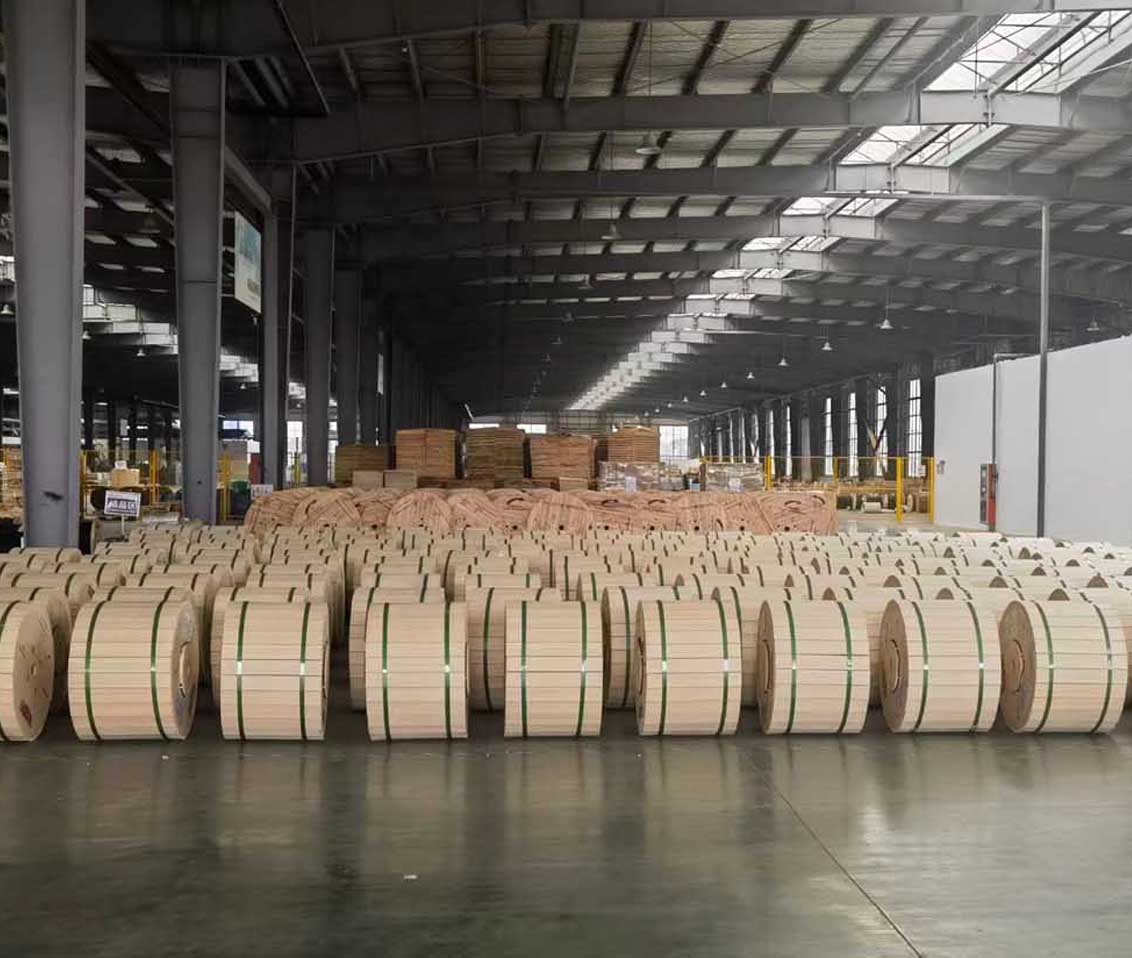
 Optical Fiber
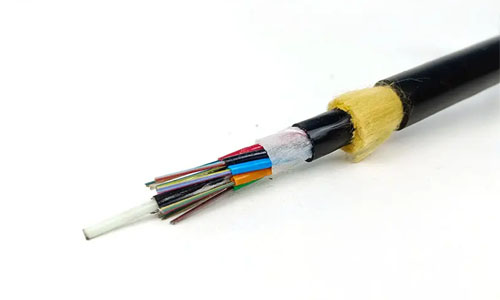 ADSS Fiber Optic Cable
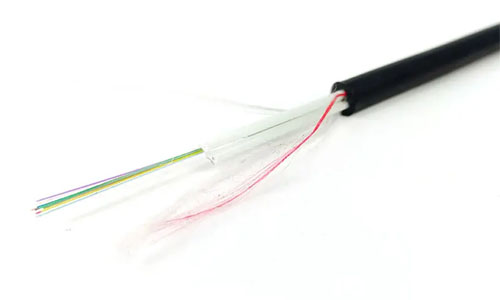 ASU Fiber Optic Cable
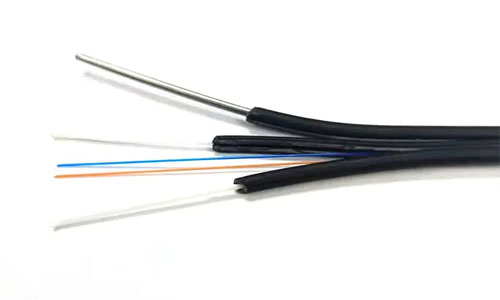 FTTH Fiber Optic Cable
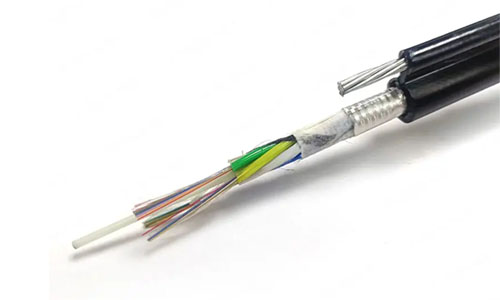 Figure 8 Fiber Optic Cable
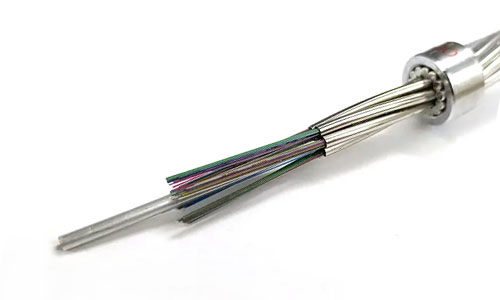 OPGW Fiber Optic Cable
 Coaxial Cable
 Ethernet Cable
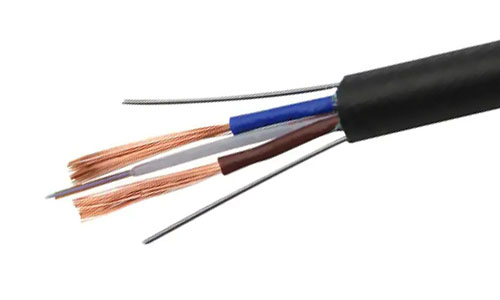 Photoelectric Composite Fiber Optic Cable
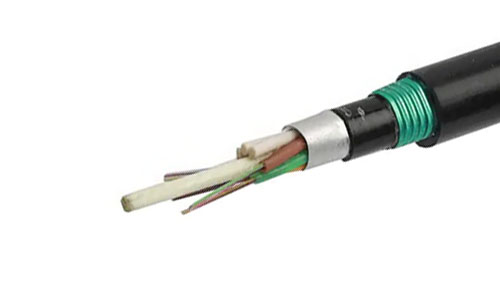 Underground & Pipeline Fiber Optic Cable
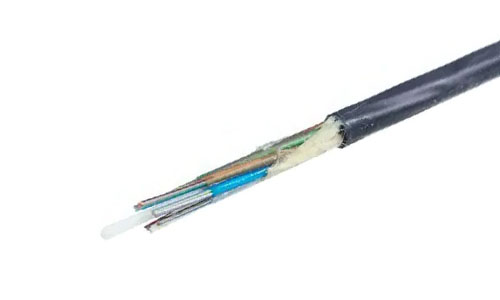 Air-Blown Micro Fiber Optic Cable
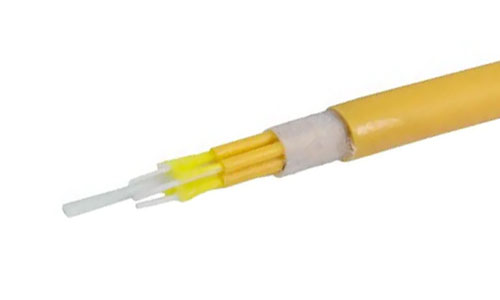 Indoor Fiber Optic Cable
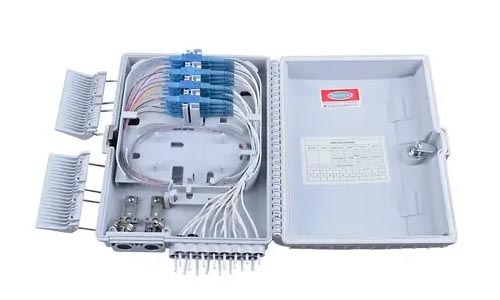 Fiber Optic Distribution Box
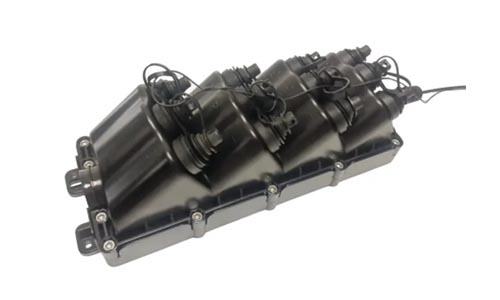 Multiport Service Termina Box
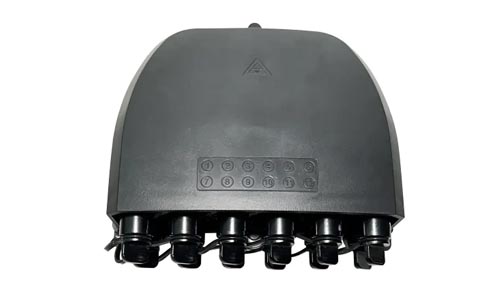 Fiber Optical Terminal Box
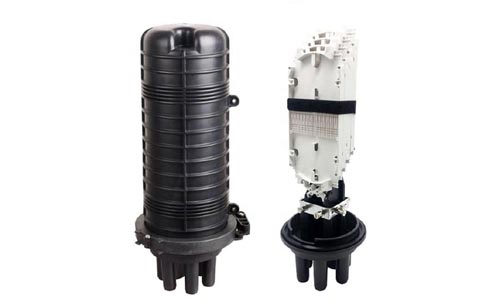 Fiber Optic Splice Closure
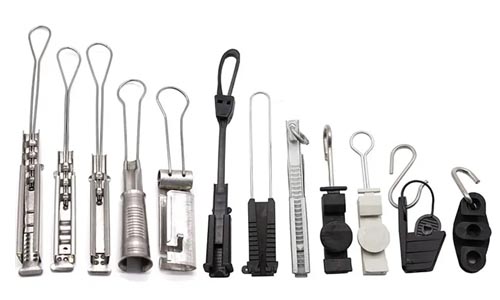 Fiber Optic Clamps
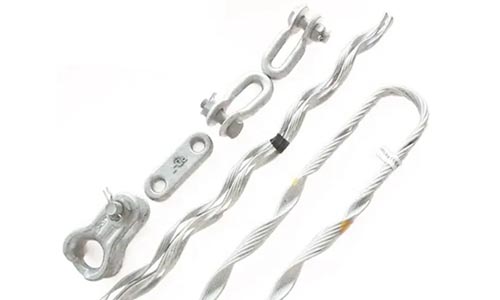 Fiber Optic Cable Fittings
 ADSS Fiber Cable
 ASU Fiber Cable
 OPGW Fiber Cable
 FTTH Fiber Cable
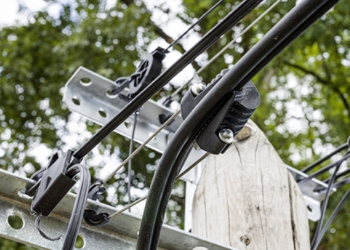 Figure 8 Fiber Cable
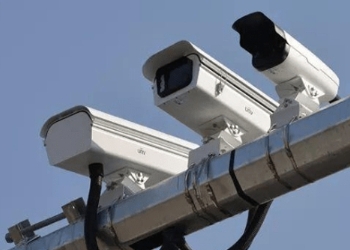 Photoelectric Composite Fiber Cable
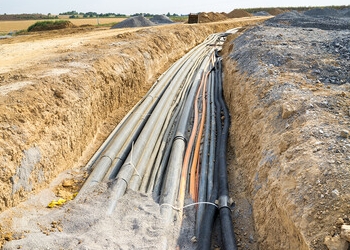 Underground & Pipeline Fiber Cable
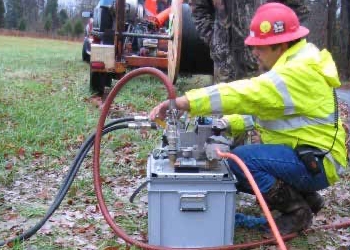 Air-Blown Micro Fiber Cable
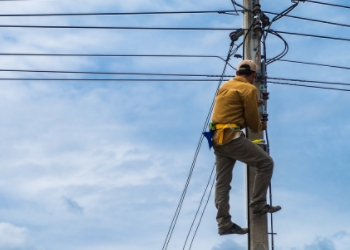 Aerial Fiber Cable
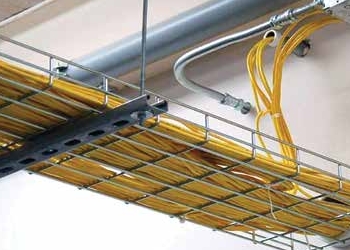 Indoor Fiber Cable
 Fiber Optical Terminal Box
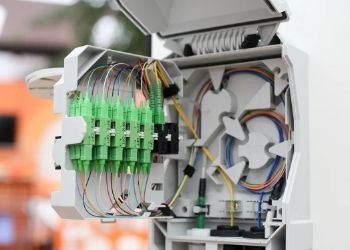 Fiber Optic Distribution Box
 Multiport Service Termina Box
 Fiber Optic Clamps
 About Us
 Our Team
 History
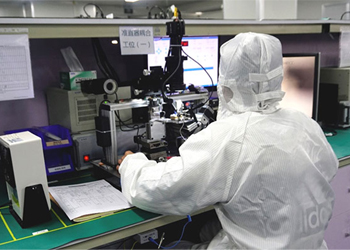 R&D Strength
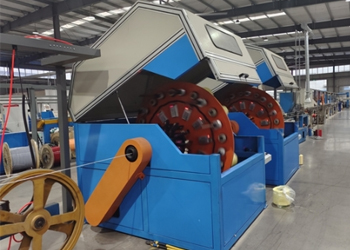 Production Base
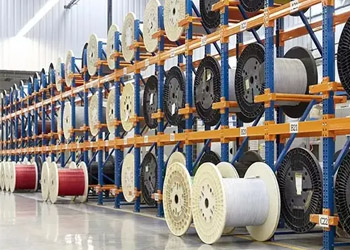 Warehouse & Logistics
 Quality
 FAQs
FAQsOptical Fiber Cable (OFC) - Types, Uses & Advantages
Contact for Free Quotation & Sample, According to your needs, customize for you.
inquiry nowOptical Fiber Cable (OFC) - Types, Uses & Advantages
Optic fiber cable, often called OFC cable, is a thin wire made from glass or plastic that moves data fast using light signals. In the United States, optic fiber cables have tunneled under city streets. They run along the highways and interstates, bringing gigabit service to all houses, businesses, even agribusiness onto the network.
These cables ensure that phone calls remain clear and that video calls are high quality. Every single year, they expand the reach of high-speed internet! Fiber networks are more resilient in extreme weather, and they are immune to interference from radio or electromagnetic signals.
Even the largest corporations and universities rely on optic fiber to deliver dependable, durable connections. To understand how optic fiber cable is changing our daily lives and helping to establish the deep, strong connections we all need, read on.

What Are Optical Fiber Cables?
Optical fiber cables has become the backbone of today’s digital world. They transmit enormous quantities of information at high speeds and with great accuracy. These are the same cables that you would see for regular electrical wiring. Instead of copper wires, they have one or more very thin strands of glass or plastic called fibers.
The brilliance here is in the method of transport. Because it moves as light signals and not electrical ones, the journey is considerably faster and less subject to loss.
1. Core Concept: Data via Light
Light signals traveling in the core of each fiber! They get reflected off the walls due to a nifty phenomenon known as internal reflection. This prevents the light from leaking out, even as it curves around bends and spans hundreds of miles.
Light travels at a speed beyond imagination, while evading the friction that electricity runs into. This is why fiber is so great for transmitting data long distances—often hundreds of miles—without significant signal degradation.
For those who depend on high-speed internet or experience the joy of streaming, that translates to less buffering and more seamless service.
2. Inside a Fiber Cable Strand
Each individual cable is made up of a core, which acts as a conduit for the light. It is kept wrapped in cladding to further insulate the light and layers of rugged protective coating. The core is made of the most pure silicon dioxide glass.
It’s so clear that you can view through miles of it and see just as clearly as you would through a glass window. Fiber manufacturers introduce specific dopants to adjust bending and bouncing of light, optimizing performance.
In addition, some cables employ “dark” glass to prevent stray light leakage.
3. How Fiber Sends Information?
Data travels through these fibers as fast, on-off pulses of light. The color, or wavelength of the light, aids in separation of the various information being sent.
Connectors at the end of each cable ensure the light signals stay properly aligned and flowing seamlessly between networks.
4. Fiber vs. "OFC" Copper Wires
When it comes to distance and speed, fiber leaves the old copper wires in the dust. Copper can’t carry the same amount of data, and it loses signal strength quickly.
That’s why today, fiber is the default choice for developing networks, smart cities, and the next-generation internet of things.
Key Fiber Cable Varieties
Optical fiber cables are produced in a wide variety, with each designed for specific application or environment. Our experience in Morocco highlights the importance of tailoring the right fiber cable to your needs.
Take into account distance, speed and where you’re installing — whether it be in a busy office in Marrakech or miles apart between urban centers. Knowing how each cable variety operates allows you to select the cable that suits your application best. That way you can skip the trial and error and save resources.
Single-Mode: The Distance King
Single-mode is the distance champ, sending data hundreds of miles—up to 25 miles in some cases—without significant signal degradation. For one, it has a very narrow core, typically 8 to 10 microns wide, which helps to maintain tight, straight light paths.
That configuration significantly reduces signal dispersion, ensuring you receive higher-quality, quicker data transmission even across long distances. Telecom providers, local and national, use single-mode for city-to-city links, internet backbone, and large campuses.
You’ll encounter a variety of OS1 and OS2 in this category, designed for short indoor runs as well as longer outdoor spans.
Multi-Mode: For Shorter Runs
Multi-Mode fiber is constructed with a larger core—typically 50/125 or 62.5/125 microns. Because of the way light bounces around in many different paths inside, it only works over short runs—typically up to 300 meters.
Multi-Mode cable is the standard choice for local area networks (LANs) within an office, school, or hospital. Alternatives such as OM1 through OM5 offer a wide range of bandwidth options.
OM5 is unique in that it can carry different colors of light, enabling the transmission of more data and accommodating emerging technology.
Picking Your Perfect Fiber Type
When selecting the right fiber type, consider the following questions:
-
How far will your signal travel?
-
What speed do you need?
-
Will the cable run inside, outside, or both?
-
Is future growth a must?
-
Will you require cables with nonconductive jackets such as OFNP, OFNR, or OFNG?
-
Would a duplex cable like Zipcord make installs simpler?

Fiber's Edge Over Old Wires
Optic fiber cable, or OFC, has revolutionized communication, collaboration, and connectivity around the world. On every conceivable level, fiber is superior to the old copper wires. Today, fiber is the core infrastructure that connects homes, offices, and entire smart city networks all over the US.
It does all this with lightning-fast speeds, massive data capacity, and rugged reliability!
Unmatched Speed, Minimal Delay
Fiber optic cables have a huge speed advantage even over faster DSL connections 100 Mbit/s or even 1 Gbit/s on a single strand. That’s an enormous leap from copper’s capabilities. Gamers experience minimal lag, and streaming enthusiasts benefit from crisp, clear video.
Whether it’s hospitals making medical real-time scans or Wall Street banks needing to execute split-second trades—that’s the great promise of fiber.
Massive Data Handling Power
Fiber is capable of handling terabits of data every second. Copper just can’t handle it, frequently running into a brick wall under substantial loads. Data centers and cloud services depend on fiber to manage millions of files simultaneously.
For enterprises, that translates to quicker backups, richer experiences with more simultaneous users online, and no performance degradation.
Clearer Signals, Less Loss
Signals on fiber cables remain crisp and clear over much longer distances. Beyond 100 meters, fiber only loses 3% of its signal—copper loses 94%. That translates to clearer phone calls and sharper internet, without the constant need for boosters.
Undersea cables show this best: fiber stretches for miles, needing far fewer repeaters.
Built Tough for US Climates
Unlike old copper wiring, fiber cables shrug off the worst weather—rain, heat, and cold. They resist storms and humidities, critical for aerial wires from the coasts of California to the coasts of New York.
With a durable exterior, fiber is protected beneath streets and fields.
Smart Long-Term Investment
Fiber is significantly cheaper to maintain than copper. It has a longer lifespan and requires less maintenance. Making the decision to upgrade a network to fiber will save more headaches in the long run.
Additionally, it’s prepared for the next big thing in technology!

Fiber's Impact Across the USA
The optic fiber cable anecdote around the USA is one of subtle yet substantive transformation. Fiber’s impact has been felt in every corner of our country, changing the way Americans connect, work, and foster community.
Whether on bustling urban streetscapes or remote agricultural communities, fiber has redefined what Americans should expect from their broadband and connectivity. Its impact spans from the household to the macroeconomy, raising the standard for speed and trust.
Here’s some of the specific ways fiber is having an impact across the USA.
Transforming American Internet
Fiber optics has set a new standard for internet speed and reliability. With data speeds reaching 100 Gbps, fiber empowers people to stream, work, and learn without delays.
This transition from legacy copper telephone lines to fiber optics paves the way for faster upload speeds, reduced service outages, and zero dropped calls. Is it really the case that most of America is transitioning from the old, obsolete broadband of yesterday to the fiber networks of tomorrow?
In urban areas, this translates to less bumpy service. In rural places, it can fill in the gaps – nearly 40% of U.S. Homes still lack fiber. Homes with Fiber-to-the-home (FTTH) gain value—in some cases, by as much as 12.8%.
These homes make a difference, particularly in places where reliable, high-speed internet is in short supply.
Backbone of US Telecommunications
Fiber is the backbone that connects American cities and towns. It moves huge streams of data from coast to coast, making sure calls, video chats, and messages reach their mark.
Telecom networks depend on fiber to create numerous quick, secure data pathways. Even first responders and emergency response teams rely on fiber for fast, reliable connection.
In situations where every second counts, fiber’s reliability is invaluable.
Beyond Just Internet: Diverse Uses
Beyond Just Internet: Diverse Uses Fiber isn’t only beneficial for the web. Health systems employ it to transmit critical medical images.
Factories depend on it to power smart machines. When it comes to secure, high-speed communications, the military relies on the fiber.
Its malleability allows it to meet a wide range of needs—from healthcare to national security. Depending on the location and installation method, fiber installation can range from $1 to $6 a foot.
Its scope and influence go well beyond this bottom line.
Getting Fiber Installed Right
Getting fiber optic cable installed correctly the first time is extremely important. A good install leads to fewer headaches and faster speeds in the long run.
Putting down fiber optic cable might seem simple enough after watching a few YouTube clips. Boy, is it a job that pays off when done right by a pro!
Pros understand how to manage cable slack, tight bends, and pressure—little things that end up mattering a whole lot. You see, fiber can only take 200 pounds of pull at maximum. If you bend it too tightly, you can rupture the cable within.
A professional will route cables with care, maintain bend radius, and make clean connections. DIY can be done successfully over short distances, but minor errors result in degraded performance or signal dropouts.
Pay attention to the cable length. Especially for longer runs, like anything more than 1 km, single-mode fiber is necessary and multimode works great for shorter distances and is more broad.
What are the most frequent errors you see out there? Not using the right connectors, not budging cables around hairpin turns or through floors, or failing to pay attention to local safety codes.
Fiber won’t hold up against harsh weather and aggressive daily operations — any better than copper — if it’s not installed correctly from day one. While an average install may take four to six hours, cutting corners can lead to days spent fixing errors down the line.
Fiber experiences essentially no signal loss, only 3% over 100 kilometers. In comparison, copper loses a lot more, but with a good installation, a copper installation can still hold an excellent signal for decades. Fiber requires less maintenance too, lasting longer before requiring a replacement.
Smart Fiber Installation Tips
-
Map out your cable path before you start.
-
Avoid tight bends—keep curves loose.
-
Use proper tools for connectors.
-
Keep cables away from power lines to dodge interference.
-
Label everything for easy checks later.
Properly planning routes and taking care with connectors prevents cracks and breaks. Sharp bends, drops and other rough handling can all lead to invisible damage.
Once the fiber’s in the wall, it’s hard to make it right!
Fiber Upkeep: Easier Than You Think
Fiber cables require very minor upkeep on a daily basis. It’s a good idea to inspect connections and blow dust off ends occasionally.
The majority of damage occurs not from regular use but from just plain bad moves. Since fiber is not affected by weather or oxidation like copper, it requires very little maintenance as it continues to operate without fail.
US Safety Codes for Fiber
In the U.S., any work as it relates to fiber installation has to adhere to National Electrical Code (NEC) regulations. These regulations dictate cable routing, labeling, and grounding.
By adhering to these safety codes you prevent these dangers, protect your network, and prevent costly violations. Organizations such as the Fiber Optic Association provide helpful resources and training to keep installers educated and up-to-code.
Custom Fiber and Buyer Info
Whether you’re in the U.S. Or not, if you’re looking to deploy or upgrade networks, you’ll quickly learn that the need for custom fiber optic cables comes up often. Well, it can, and surprisingly often! Because not every project lends itself to a cookie-cutter approach.
Many buyers have unique needs—maybe it’s a stretch of cable for a sprawling data center, or a rugged line to survive harsh weather outdoors. Custom fiber cable solutions help by letting buyers pick the exact fiber type, length, and connector style for their job. This is especially useful for difficult installs, sharp curves, or custom network configurations.
Tailor-Made Fiber Cable Solutions
Here’s a quick look at what you can tweak on custom cables:
| Option | Single-Mode Example | Multimode Example | Connector Types |
|---|---|---|---|
| Length | 100m, 500m, custom | 50m, 200m, custom | SC, LC, ST, custom |
| Jacket | PVC, LSZH, Plenum | PVC, LSZH, Plenum |
|
| Fiber Count | 1, 2, 12, custom | 2, 4, 24, custom |
|
Buyers frequently make decisions on the basis of the environment the cable will be deployed in—inside, outside, or in plenum spaces. The type of jacket on a cable is a huge factor. PVC is the most common.
While plenum-rated jackets are required in air ducts, LSZH materials are required in spaces where fire safety is the top priority. If a job requires a sharp bend radius or a very small diameter cable, custom builds can easily accommodate these specialties.
These modifications prevent signal loss and preserve high bandwidth, both of which are critical to maintaining a speedy and reliable network.
Why Cable Warranties Matter?
Having a solid warranty in place provides great comfort. Fiber optic investments aren’t cheap, so having some sort of coverage for defects or early failures is helpful. Typical terms are five years or longer, protecting the cable from defects in materials or workmanship.
Brands with next-day replacement available help ensure projects stay on schedule.
Navigating US Cable Shipping
Shipping fiber cables in the U.S. Has its own set of hassles. Long cables require strong spools and delicate handling to prevent cracking. Costs suddenly increase according to weight and delivery speed—overnight, ground or freight.
Qualified shippers are great with moving delicate equipment. Choose wisely—and the right partner will help you avoid the heartache of delays and complications, if they’re even possible!
The Bright Future of Fiber
Thanks to fiber optics, Moroccans and people all over the world are connecting and sharing in ways that today we are only imagining. Fiber is forging a bright future for what’s next in digital life. It’s an amazing accomplishment, it now reaches over 100 million homes around the world!
A walk through Marrakech’s growing tech neighborhoods shows how fiber is not just for big cities—smaller towns are catching up too. As fiber rolls out to more places, both city and countryside, it brings the same high-speed, steady link to everyone.
Next-Gen Fiber Technologies
Today, ordinary fiber optic cables transport data at speeds of 1 GB/s or higher. This is miles and miles advanced compared to legacy copper wires. With fiber, you don’t experience the frustrating slowdowns at rush hour, keeping business and leisure seamless.
The tech world is abuzz over fiber’s impact on 5G and smart devices (IoT). In the coming years, these cables will connect 5G towers, providing us all with quicker and more reliable cellular and broadband service. Research teams, both here and around the world, continue to advocate for finer, denser fibers that carry more information and have a longer life span.
Integrating Fiber with Older Systems
Making a transition from existing wiring to a fiber system can be daunting. From souks to historic palaces, the myriad structures in Marrakech’s historic quarters require sensitive consideration. Their teams need to determine how they will lay new cables while not damaging historic walls or the charm of a historic city.
Others have utilized tunnels or shared utility corridors to maintain the city’s aesthetic and vibe. Strategic implementations around town schools and city hall reveal that combining the old and the new can go off without a snag.
Why Fiber Wins Long-Term?
Faster installations and less disruption Fiber outlasts and outshines legacy copper wiring. It’s easy to plug in additional equipment or increase speed, helping it be a wise long-term choice.
Easier to maintain Fiber deployments house all equipment in a single location, reducing maintenance expenses. As everyone shifts to being online, fiber is more important than ever, with the fiber industry expanding by nearly 10% annually.
Conclusion
Among these, fiber optic cable shines as the indispensable backbone of speedy, reliable connections from coast to coast. Folks in big cities and small towns now tap into smoother calls, crisp streaming, and sharp uploads thanks to this tech. Picture a family in rural Kansas enjoying a smooth ballgame stream. Now imagine a teacher in Atlanta leading a real-time class with no delay. From better local business listings to higher tax revenues, these frequent, daily wins are where fiber’s real value lies. It’s no wonder local crews work hard to keep those lines rigged tight, so people stay connected. For those looking to increase their speed or catch up to the latest connection methods, fiber offers an intelligent solution. Looking to get a leg up, or just stay more informed? Contact a local expert and find out how fiber can improve your operation.
Frequently Asked Questions
What is an optical fiber cable?
What is an optical fiber cable? An optic fiber cable, or OFC, utilizes incredibly thin glass strands to transmit data through pulses of light. This provides a much faster internet connection and larger data capacity than the old copper wires.
How does fiber compare to copper cables?
Fiber optic cables provide huge improvements in speed, distance, and signal degradation over traditional copper cables. They are less prone to electromagnetic interference.
What are the main types of optical fiber cables?
What are the primary varieties of optical fiber cables. Single-mode works well for long distances, and multi-mode works best for shorter connections inside buildings.
Is fiber optic cable installation disruptive?
In fact, fiber installation is typically so quick and non-disruptive. To install the cables, the majority of providers utilize existing pathways or create new, shallow, skinny trenches.
Can I get fiber optic internet at my home in the USA?
Equity Investors Fiber internet is booming in the United States. It varies by specific address, but municipalities of all shapes and sizes are being connected to fiber each year.
What should I consider when buying fiber optic cable?
Select the appropriate type (single-mode or multi-mode), length, and connector that aligns with your network requirements. Please connect with a local professional to achieve optimal results.
Why is fiber optic cable important for the future?
Fiber backbone for today’s ultra-fast internet, streaming, smart home revolution. It’s the backbone of reliable, high-speed communication for neighborhoods, businesses, and emerging technologies nationwide.