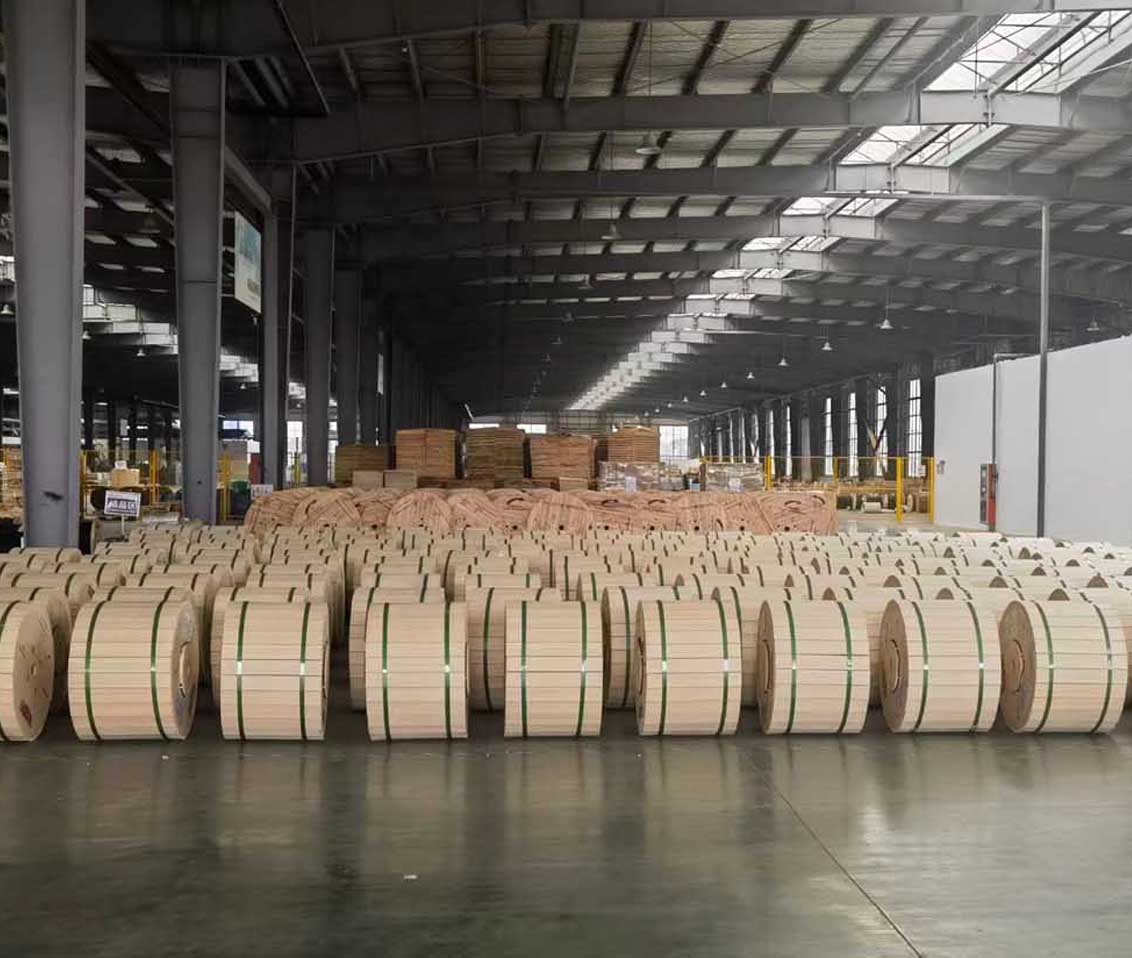
 Optical Fiber
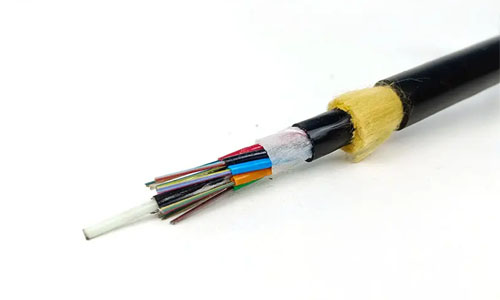 ADSS Fiber Optic Cable
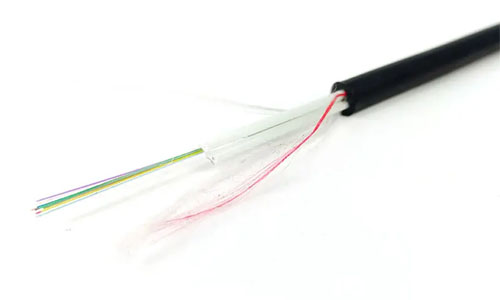 ASU Fiber Optic Cable
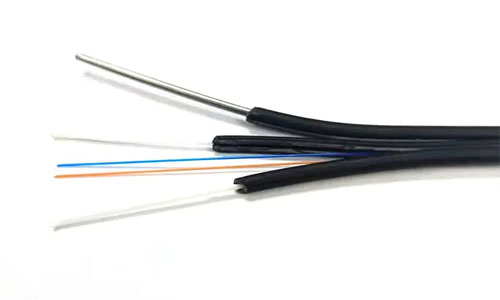 FTTH Fiber Optic Cable
 Figure 8 Fiber Optic Cable
 OPGW Fiber Optic Cable
 Coaxial Cable
 Ethernet Cable
 Photoelectric Composite Fiber Optic Cable
 Underground & Pipeline Fiber Optic Cable
 Air-Blown Micro Fiber Optic Cable
 Indoor Fiber Optic Cable
 Fiber Optic Distribution Box
 Multiport Service Termina Box
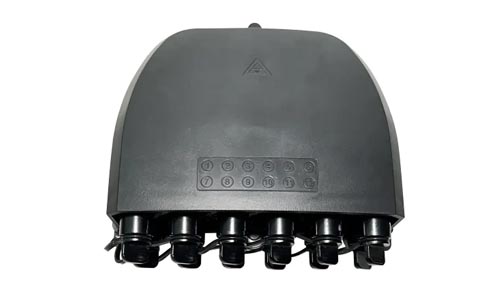 Fiber Optical Terminal Box
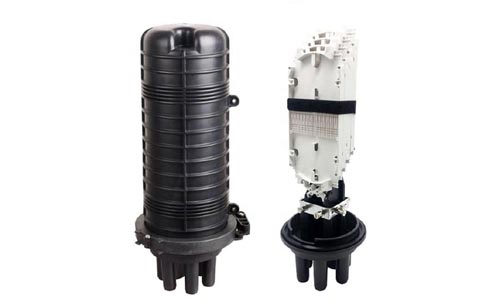 Fiber Optic Splice Closure
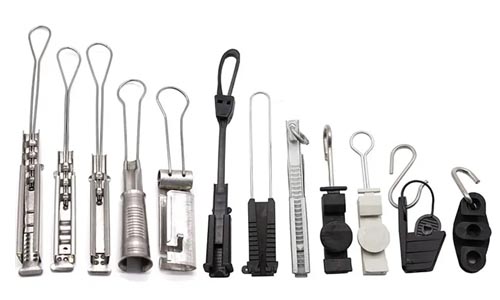 Fiber Optic Clamps
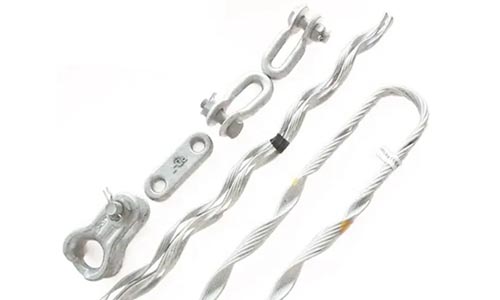 Fiber Optic Cable Fittings
 ADSS Fiber Cable
 ASU Fiber Cable
 OPGW Fiber Cable
 FTTH Fiber Cable
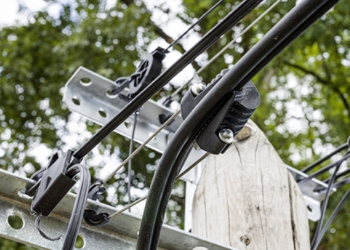 Figure 8 Fiber Cable
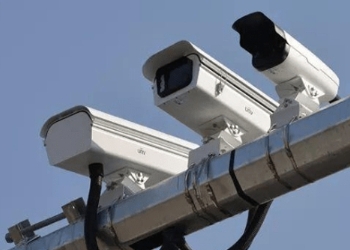 Photoelectric Composite Fiber Cable
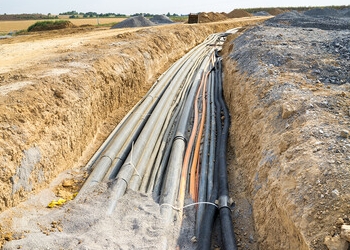 Underground & Pipeline Fiber Cable
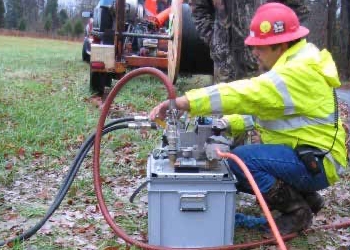 Air-Blown Micro Fiber Cable
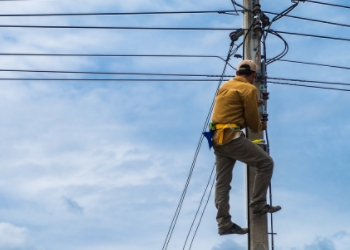 Aerial Fiber Cable
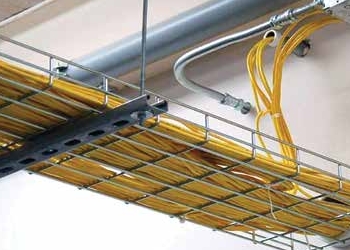 Indoor Fiber Cable
 Fiber Optical Terminal Box
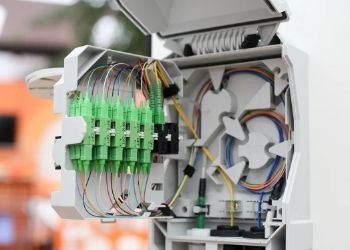 Fiber Optic Distribution Box
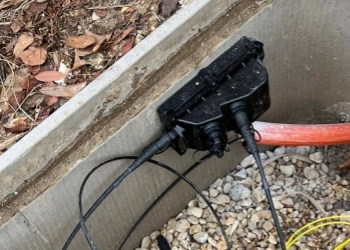 Multiport Service Termina Box
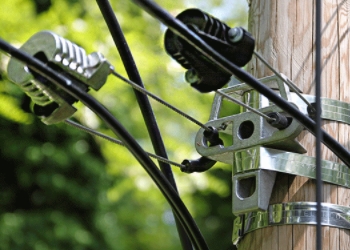 Fiber Optic Clamps
 About Us
 Our Team
 History
 R&D Strength
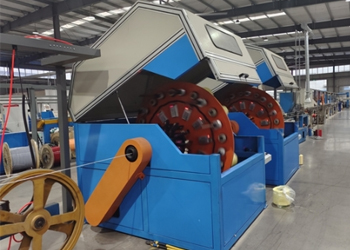 Production Base
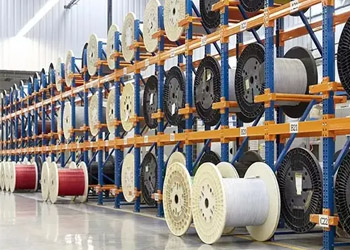 Warehouse & Logistics
 Quality
 FAQs
FAQsOPGW (Optical Ground Wire) Features and Benefits
Contact for Free Quotation & Sample, According to your needs, customize for you.
inquiry nowOPGW (Optical Ground Wire) Features and Benefits
OPGW optical ground wire is a type of cable that protects power lines while providing optical communication capacities. I rely on it to protect sensitive electrical systems from lightning strikes while enabling lightning-fast data transmission via built-in fiber strands. This integrated cable offers both the physical protection and ultra-low latency data links.
Get ready for shorter line lengths, less clutter on power poles and stronger, more reliable connections! With every cable housing numerous fibers in a metal protective tube, you receive years of durable use, even enduring harsh outdoor elements. You see these on overhead power lines and electrical lines where they serve as both a protective shield and a communication network backbone.
The advantages are especially apparent for utility companies and other organizations requiring reliable, robust, high-speed information under electric corridors. After that, I discuss how OPGW works and where it is best suited.

What Is Optical Ground Wire?
Optical ground wire, or OPGW, is a unique utility grade fiber cable traditionally placed on overhead power lines. This fiber optic cable combines two big tasks into one. It serves the dual purpose of an actual ground wire for the electric line and carrying dozens of optical fibers within for high-speed data.
OPGW has become a mainstay in modernizing and expanding electric grids. The next time you see a high-voltage line, take notice! OPGW is probably sitting right on top, keeping those wires safe and sound while transferring critical data at lightning speed.
Defining OPGW Technology Simply
Consider OPGW as one robust wire that does it all plus protects. It can hold many single-mode optical fibers, the kind best suited for sending information long distances quickly. These fibers are bundled together in groups of 12, with each 12-fiber bundle color-coded for fast, convenient tracking.
Unlike traditional ground wires, OPGW allows utilities to transmit control signals and data directly over the line. That’s because the cable is more than just a power line replacement. It’s a literal backbone for voice, control, and eventually inter-city internet.
The Dual-Purpose Design Explained
OPGW has two major roles. First, similar to above, it shields high-voltage lines from direct lightning strikes by serving as a grounded shielded conductor. Second, it’s bandwidth-efficient, carrying enormous amounts of data over long distances swiftly.
Utilities use this technology to implement real-time control and remote monitoring. They can rent it out to anyone else who needs a quick fiber connection. Its smart design makes our power grid safer, protecting it from extreme weather and attacks, all in one convenient location.
Core Components Inside OPGW Cable
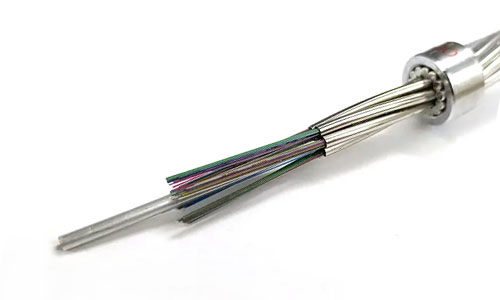
Inside OPGW, you are met with a hard exterior of steel and aluminum strands. Steel provides tensile strength for the cable to withstand the effects of high wind or ice.
Second, aluminum is a better conductor than copper when it comes to grounding. The fibers are housed in a central tube, protected from the elements. Since OPGW is designed to fit the weight and dimensions of standard ground wires, towers do not experience additional stress.
The length of the fiber is always a bit slack—minimum of 0.5%—to accommodate the elongation that occurs in storms.
How OPGW Combines Two Roles
CET technology OPGW, or optical ground wire, combines two extremely important roles into one cable. It serves as a ground wire for high-voltage transmission lines and as a conduit for high-speed telecommunications data. You combine robust electrical safety with high bandwidth, real-time communications in one, more economical conductor.
This unique combination enables you to minimize supplementary cables. Not only can you work quicker, but you can be assured that both power and data are passing through seamlessly.
1. Grounding High-Voltage Lines Safely
With OPGW, heavy line increasing voltage provides a consistent desired path for potentially risky currents. When lightning or an electrical surge occurs, OPGW protects the primary conductors and directs the charge to the ground, reducing the risk of damage.
This makes the grid more resilient and prevents widespread, cascading blackouts. Since OPGW can be installed without interrupting power, you avoid unscheduled outages. Its robust construction, similar to that of the traditional aluminium-conductor steel-reinforced cable (ACSR), allows it to easily integrate with existing towers.
2. Transmitting Data Via Fiber Optics
OPGW’s fiber optics allow data to travel incredibly quickly, with significantly less loss than traditional copper wire. Utilities use these fibers for advanced grid control and safety.
Did you know that you can rent them for non-OE telecom applications? This accelerates grid verification and allows you to quickly respond to real-time fluctuations.
3. Shielding Power Conductors Effectively
OPGW withstands high winds, solar storms, bird strikes and squirrel attacks. The fiber’s flexible, polymer outer layer with its protective aramid yarn serves a good reinforcement against damaging external elements.
Its great height above ground adds a level of protection.
4. Integrating Communication and Protection
That means you receive both cable protection and a fast data line—all in one innovative product. This truly renders OPGW as the one solution to all requirements—efficient, intelligent, and low-maintenance.
5. Enabling Real-Time Grid Monitoring
OPGW helps you monitor the health of your grid 24/7. It’s faster to deliver actionable data in real-time, allowing teams to identify and resolve problems before they escalate.
This enhances the overall reliability of the grid, an increasingly important objective for providers and consumers alike.

Key OPGW Features Unpacked
OPGW, short for optical ground wire, is the real rock star of power line deployments. It mixes high strength with high-tech. This innovative cable artfully combines a strong main ground wire with high-speed data connectivity.
Utilities receive the double benefit of protecting their high voltage lines from lightning while simultaneously receiving stable, low-loss signals for miles. With a tough metal jacket, OPGW provides unrivaled protection in extreme environments—imagine hurricanes, tornadoes, severe winds, or frigid winters.
The inner optical fibers, never anything but single-mode, enable monitoring of line health and conditions to ensure systems continue functioning optimally.
Robust Mechanical Strength Needs
OPGW delivers on stringent strength requirements from the start. That’s because the cable functions overhead, meaning it faces environmental impacts from wind, ice, and drastic fluctuations in weather.
OPGW continues to offer strength due to its all-metal design and firmly anchored build. This ruggedness holds true even if it has a central loose tube or multi-loose tube design.
When ice loads increase or the wind starts blowing hard, OPGW won’t sag or break under its own weight. That translates into lower risk for outages. Additionally, durability is a must when their lines can go for miles across open fields or rough terrain.
Year after year OPGW, with its extraordinary strength, stands out.
High Bandwidth Communication Capacity
With fibers in OPGW carrying high-speed data, they are well-qualified to meet the needs of today’s smart grid. With low signal loss and single-mode fibers, these cables keep data moving with little drop—great for long trips between substations.
While the fiber count is flexible depending on your budget, the more fibers you have the more capacity you have for future technology or additional users. By breaking big projects into smaller sections, utilities increase the options for developing their systems while serving new demands.
Resistance to Electrical Faults
OPGW provides robust short-circuit current management without harm to the fibers within, while safely providing lightning an alternative path to ground. A unique design of metal layers and smart engineering protect the inner fibers, allowing clear signals even in the event of a fault.
This fault resistance protects the lines during storms or system failures. No loss of data, no lost time.
Environmental Durability Factors
OPGW protects against corrosion, wet weather, UV exposure, and air pollution. Its metallic cloak shuts out water and dirt so nothing can get in, keeping the synchronous fibers safe and happy.
Even in regions where weather can rapidly change from hot to freezing, or where the air becomes corrosive by salt in coastal areas, OPGW performs excellently. That’s what makes it a good option for both urban metropolitan networks and off-the-grid rural electrification endeavors.
Why Choose OPGW Technology?
OPGW has incredible advantages. It’s the next generation of communications technology, seamlessly merging the protective strength of traditional ground wire with the expansive, speedy capability of fiber optics. Lots of utilities have picked OPGW because it’s tough, handles stress from wind and ice, and the fibers stay safe inside.
I love its central aluminum pipe and color-coded buffer tubes allow for easy, fast splicing and handling. This design is truly beneficial for crews working in difficult locations or on energized lines.
Enhanced Grid Reliability Benefits
OPGW provides the grid with not only a strong path to ground, but a connected, robust avenue for critical data. This arrangement lessens downtime and cuts outages. In addition to handling power faults, the cable protects the fiber from damage.
With dependable communications, my teams can identify issues quickly and maintain seamless service during any storm conditions.
Cost Savings Over Separate Systems
Cost is important, and OPGW saves money by serving two functions with one cable. Since it replaces the old shield wire, I save on installation and maintenance. I don’t require mosquito builds or distinct builds for ground and data lines, providing longterm savings.
Replacing wires on live lines is possible, so there’s less shutdown time and more value over the years.
Improved Communication Infrastructure Access
With OPGW, fiber optics travel along side-by-side with the power lines. That allows me to achieve reliable, high-speed data connections throughout the grid. Having this kind of interconnected network in place allows utilities to communicate with one another and monitor all different moving pieces.
With integrated paths, enjoy reduced clutter and increased flexibility all in one cable.
Streamlined Right-of-Way Utilization
With the use of a single cable doing double duty, it helps to maintain a clear right-of-way. I take up a smaller footprint, reduce schedule overruns, and minimize job site clutter, all important factors in the construction or retrofitting of rail lines.
Future-Proofing Utility Networks
OPGW excels in today’s expanding technology landscape. It’s versatile enough to integrate with new systems, which makes it an intelligent choice for any organization looking to future-proof their investments.
OPGW Applications Across Industries
OPGW, or optical ground wire, is the unsung hero across industries. It can simultaneously transmit data while protecting power lines. Opportunities for OPGW applications lie in various industries. It shields them from lightning strikes and allows for the speedy transfer of information that powers smart devices.
OPGW seamlessly integrates into new builds looking for greater digital control, such as in electric or telecommunications grids. It’s the secret sauce for those who care about increasing speed and improving safety at the same time.
Power Utility Grid Modernization
OPGW is a key component in new transmission lines. It enables you to deploy sensors, cameras, and other tools in new innovative ways. These smart tools provide and transmit real-time information, making it easier to detect issues and resolve them faster.
Large electric utilities across the Midwest use OPGW to remotely detect when their power lines have been damaged. This new technology has allowed them to respond more quickly and avoid blackouts. When you connect these advanced technologies to OPGW you’re creating a more efficient power flow and fewer customer-impacting outages.
Telecommunications Network Expansion
Telecom and broadband providers like AT&T and Verizon are deploying more OPGW to expand their infrastructure. Because it operates alongside existing electric transmission lines, there is no need to trench or create new corridors/routes of travel. That saves dollars and cents.
In busy cities and out in the country, OPGW carries tons of data and supports video calls, streaming, and cloud use without slowdowns. It further improves connections for communities that leaders at one time ceded to bad signal strength.
Supporting Smart Grid Initiatives
With OPGW, electric utilities' smart grids receive faster, more accurate real-time data. It aids in smart applications such as automatic meter reading and grid control. You receive real-time controls to prevent overloading and harness more wind or solar energy.
That translates to increased reliability, more control over energy use, and a more stable power flow for residences and industry alike.
Remote Monitoring and Control Systems
OPGW allows you to inspect and control power equipment remotely. This means you can detect failures, reroute power, and maintain a stable power flow—all with much less human intervention.
This innovation is especially important for regions where the population is further dispersed, such as in rural areas or larger states. Not only does it reduce repair trips, it enhances the safety and security of our systems.
Installation and Maintenance Insights
When I’m working with OPGW, my focus is on both establishing it and long-term maintenance. Solid installation and consistent maintenance ensure the wire remains in top working order while protecting its integrity. I’d say I just meticulously plan every detail in advance.
By equipping myself with the best tools and tried and true practices, I mitigate my risks and prevent surprises in the future. Equipped with the best skill set, I have an eagle eye for identifying potential issues before they become a much larger problem. This allows me to have both good looking power lines and consistent data flow over the wire.
Key Steps for OPGW Installation
-
Check the site and weather
-
Plan the path and span lengths
-
Use tensioners and pullers to string the wire
-
Clamp and ground at the right points
-
Test fiber links before use
I know first-hand that solid planning is what allows the install to go smooth — saving time and preventing costly errors. I go beyond what most spinners to use special pullers and tensioners for safe even stringing.
A crew that understands the precautions of high-wire work as well as the intricacies of fiber checks always leaves the job complete.
Critical Safety Protocols to Follow
From hard hats to harnesses and gloves, these items allow me to stay safe on the job and keep up. My crew works under a lockout/tagout system to eliminate energizing conductors.
Regular training on rescue drills and emergency first aid ensures we’re always ready. These measures prevent falls or electrical shock on the worksite.
Addressing Common Maintenance Hurdles
Wind and ice can impact OPGW, as can bird impacts and abrasion, which can wear down the fibers. I always look for loose clamps, fiber breaks, or signs of arc burns.
Routine inspections using the proper testing equipment identify minor defects before they turn into major disasters.
Specialized Skills and Equipment Needed
I just need to lock down some hands-on skill for both fiber and line work. My teams run OTDR testers, cable tension meters and splicing machines to name just a few.
Courses for fiber and power line technicians keep us on the cutting edge.
Long-Term Performance Considerations
In addition, sun, heat, and salt can take a toll on the wire as well. I monitor these variables and employ frequent cleanings and inspections to help keep the line tight.
Proactive repairs maximize the number of years I can stretch each run before I rest them in peace.
OPGW Design and Technical Standards
Specifically as we consider optical ground wire (OPGW), the design and testing of these cables is dictated by stringent standards. These regulations ensure that the cables are robust and durable, allowing power lines and information to function in harmony.
These rules of the road are established by industry standards, such as IEEE and ASTM. For example, they call the thickness of the wires and the type of metals to be used. They also offer technical standards for safeguarding the cable against weather-related harm.
Our OPGW cables are proven and tested – above and beyond – by following rigorous standards. They fit right in with components from other manufacturers, keeping the power flowing without interjection.
Understanding Crucial Design Specs
Important design specifications for OPGW are the number and type of optical fibers, the makeup of the individual metal strands, and the outer layer thickness. These component features yield the best application performance and longevity.
Time to nerd out on why these specs are important. For instance, a cable containing 48 fibers automatically provides you with 48 more channels of data, perfect for accommodating your large smart grid requirements.
Using more durable alloys, such as aluminum-clad steel, prevents corrosion and breaks. Correct specifications ensure the OPGW can hold up in storms, ice, and heat. By adhering to these specifications there are fewer failures and maintenance.
Navigating Industry Standard Evolution
Industry standards for OPGW are constantly expanding as we continually discover better means to manufacture and test cables. Originally, there were limited fiber options and less emphasis on atmospheric hazards.
Now, updated regulations consider speedy information and emerging grid requirements. This is a significant shift and requires us to monitor for further developments and adapt our processes for manufacturing or procuring OPGW respectively.
If we stay ahead of the curve with emerging technology, we end up with superior OPGW cables and a lot less headache in the future.
Ensuring Interoperability and Quality
This combined interoperability allows OPGW to be compatible with equipment manufactured from a variety of manufacturers. Manufacturing quality checks such as tension and crush tests ensure that the cable will never fail in service.
Testing and certification indicates that each spool of cable produced satisfies the needed specifications. This goes a long way toward decreasing the chance of problems during installation or operation.
Overcoming OPGW Deployment Challenges
Deploying optical ground wire (OPGW) in practical, everyday contexts has an obvious but well-defined set of challenges. Most projects still have to contend with challenging work environments, legacy facilities, short project schedules, and cost constraints. Weather delays, right-of-way issues and worker safety remain anchored at the list’s upper reaches.
With careful planning and risk checks we can identify weak points beforehand to avoid costly surprises.
Balancing Initial Cost vs. Benefits
Mainly, OPGW is more expensive upfront than a lot of other, less exciting wire upgrades. The cost includes the cable itself, specialized hardware and labor from a highly trained workforce. An OPGW represents more than a simple wire.
OPGW provides both a grounded wire and protected fiber optic data pathways. This translates to reduced maintenance staff costs, less demanding repair work, and clearer information transmission for decades.
Cost-benefit analysis First, do a basic cost-benefit analysis. What you’ll find is that the upfront capital outlay results in greater savings and future possibilities down the road.
The first order of business is to collect examples, sector-wide, of how utilities who deployed OPGW experienced reduced line outages and improved network redundancy without any additional effort.
Environmental Impact Assessment Factors
Protecting wildlife should be ingrained throughout the entire process. Reviews consider land use, wildlife habitat, and water quality in the vicinity of a project site.
Simple actions such as selecting low-impact work gear, adhering to predetermined routes of travel, and restoring earth afterward minimize impact. Choosing the best season to do the work and collaborating with local stakeholders can help ease deployment challenges.
The incorporation of recycled elements paired with clean-up crews helps to ensure that the entire process remains eco-friendly.
Regulatory Landscape Navigation
Regulations differ from state to state and city to city. Every new project must go through permitting, safety review, and provide assurance that it complies with U.S. Standards.
Neglecting a step or losing a piece of paperwork can push everything back for weeks, if not months. Understanding the regulations ahead of time and collaborating with community stakeholders shovels the ground for success.
In doing so, we remain under budget and on schedule.
The Future Outlook for OPGW
As more industries continue their transition to digital, automated, high-bandwidth systems, the outlook for OPGW is better than ever. From utility companies and telecom providers to the transportation industry—everyone is adopting OPGW. They appreciate its durability and its ability to transport the increasing volume of data.
With grids becoming smarter and more of their energy supplied by wind and solar, the need for OPGW is increasing steadily. The market is preparing for sustained growth. Over the entire 2023 to 2028 forecast period, we should see a compound annual growth rate of 8.5%.
Emerging Technological Advancements
Advances in technology have impacted the design of OPGW. Lighter, stronger materials and higher capacity fiber optics significantly enhance the cable’s data and energy transmission capabilities. Some OPGW cables now come with built-in sensors to track grid health, which helps spot issues early and cut downtime.
Businesses are combining these install techniques, such as deploying cables aerially and/or underground, to suit the varying environments. Together, these upgrades will create faster and more stable networks, all while meeting the growing needs for data and connectivity. One example is how utilities today operate smart monitoring systems directly through OPGW, speeding up repairs and creating a smarter, more reliable grid overall.
Integration with Renewable Energy Sources
OPGW becomes especially attractive when connecting relatively distant wind or solar farms to the electric grid. One of the gems of its fiber optics is real-time tracking that ensures renewable power can flow immediately. As utilities add more green energy to their lines, they’re installing more OPGW.
With the ability to withstand extreme conditions and long spans, this cable offers assurance for both existing and emerging energy projects. Cost savings become evident when OPGW links distant locations, reducing labor and maintenance costs.
Role in Next-Generation Utility Grids
Ultimately, modern grids will require a lot of reliable, very fast data links. OPGW allows for greater control over power flow, quick identification of faults, and remote operation of intelligent devices.
With the demand for grid modernization increasing, OPGW is right on track with high-tech, smart grid infrastructure all the way from busy urban centers to remote country locations. It plays nicely with other network appliances enabling utilities to lower their costs while increasing their uptime.
Conclusion
OPGW provides me the opportunity to obtain robust data connections and consistent lightning protection within one cable. I receive high-quality data throughput and true storm safety for my data. Proven in actual installations, OPGW proves its mettle in Nature’s fury and challenging job sites. For me, I continue to use OPGW because it integrates seamlessly within my electrical network, eliminates all of the clutter and provides lower maintenance. I now see it in city towers, as well as in the wild, out in nature functioning just as powerfully as before. Even with severe bending or extreme pole angles, OPGW can still go the distance. I’m always on the lookout for new upgrades, that way my grid continues to be as cutting-edge as possible. For those who need robust lines and clever technology in one go, OPGW is an all-around ace. See how OPGW can meet your upcoming needs.
Frequently Asked Questions
What is OPGW (Optical Ground Wire)?
OPGW is short for optical ground wire, an overhead power line cable that serves a dual purpose of grounding and fiber optic communication. It shields the high-voltage power grid from lightning strikes, while being a sophisticated medium for carrying high-speed telecommunications data.
How does OPGW benefit utilities?
OPGW reduces the space required and cost of installation by functioning as both a ground wire and a communication line. In one combined solution, utilities receive both reliable OPGW protection and advanced, high-performance data connectivity.
Where is OPGW commonly used?
OPGW is rapidly taking over as the go-to wire in electric power transmission, telecom, and railway signaling applications. Its flexibility and functionality are what make it best suited for those industries that require both a protective casing and communication capabilities.
What are the main features of OPGW?
OPGW provides high tensile strength, corrosion resistance, and secure data transmission. Its dual-purpose design makes it robust enough to withstand harsh environments while providing consistent network performance across various distances.
How is OPGW installed?
OPGW is installed on top of transmission towers and takes the place of traditional ground wires. To install the product safely and effectively, it requires specialized equipment and trained installation crews.
What are the main challenges when deploying OPGW?
Operations challenges are many, including the nature of working with energized lines, accessing remote or hard to reach locations, and maintaining quality splicing. With thoughtful planning and experienced teams, these challenges can be prevented.
Why choose OPGW over traditional ground wires?
OPGW’s unique dual grounding and fiber optic capabilities help save on overall infrastructure costs while hardening our communication assets through a more secure network. It’s a smart, future-focused decision for today’s demanding network requirements.