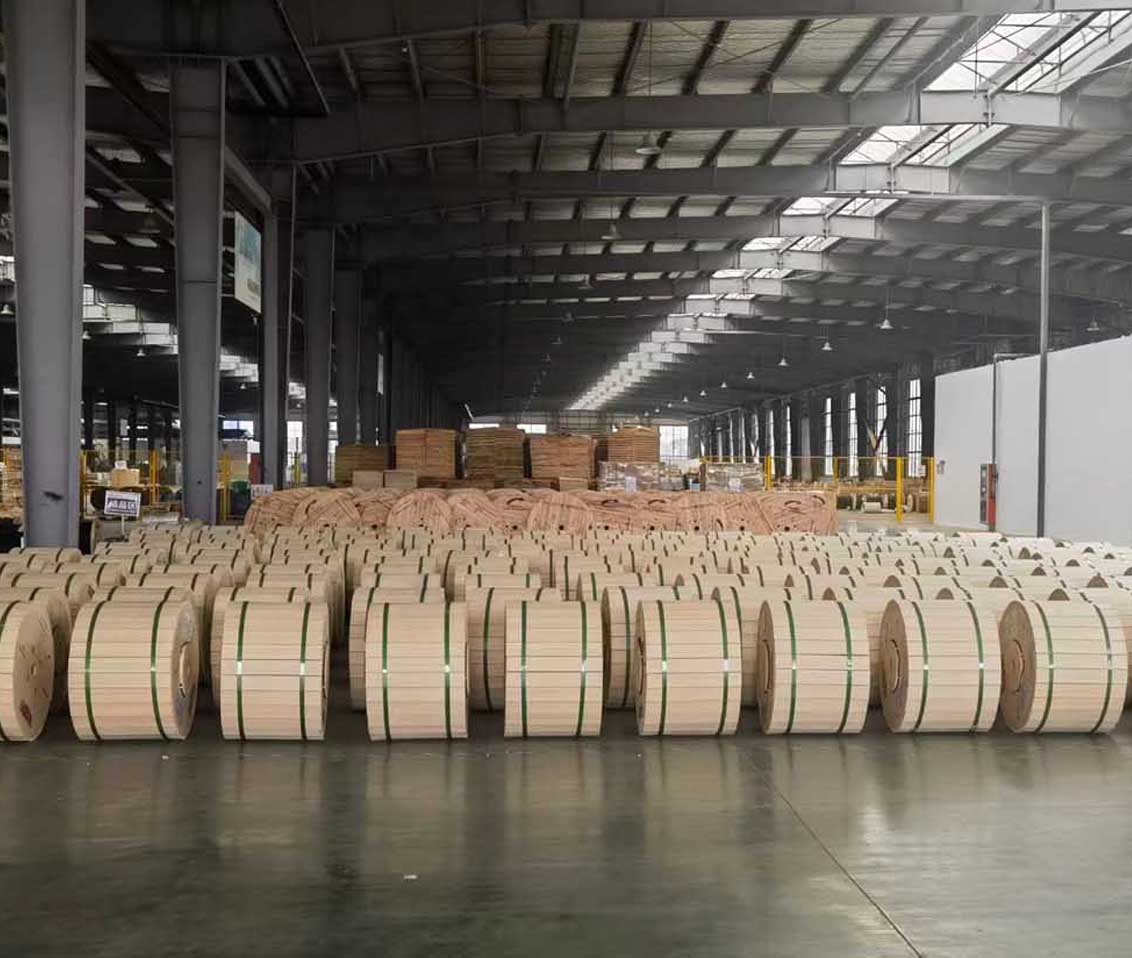
 Optical Fiber
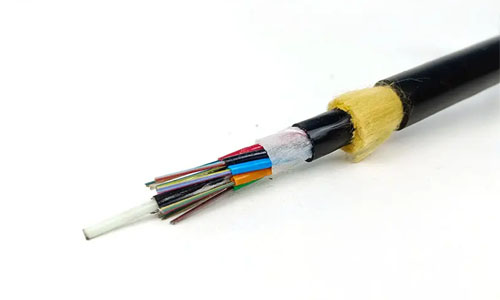 ADSS Fiber Optic Cable
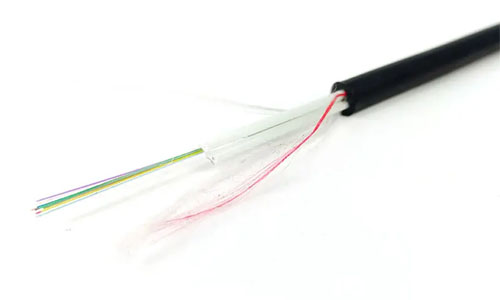 ASU Fiber Optic Cable
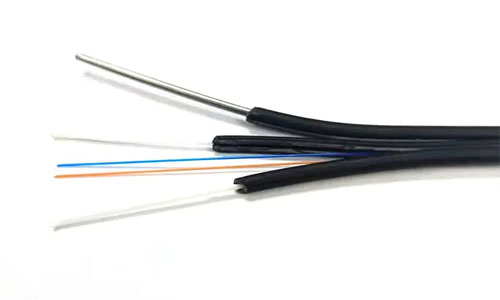 FTTH Fiber Optic Cable
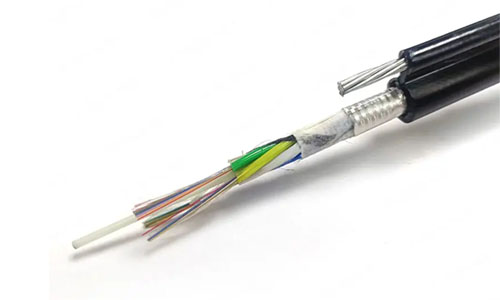 Figure 8 Fiber Optic Cable
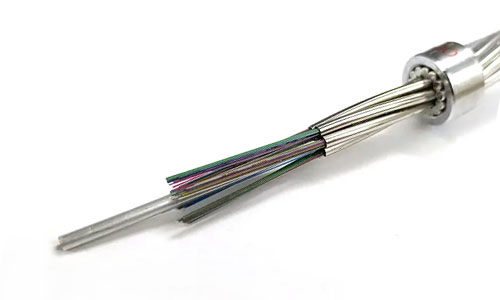 OPGW Fiber Optic Cable
 Coaxial Cable
 Ethernet Cable
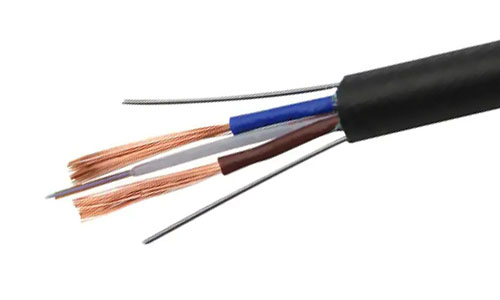 Photoelectric Composite Fiber Optic Cable
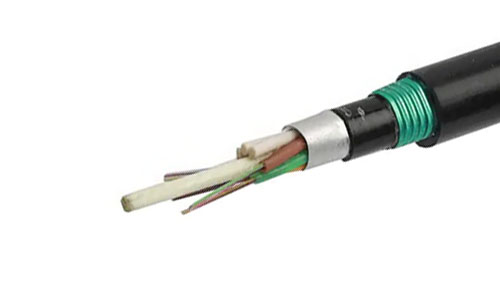 Underground & Pipeline Fiber Optic Cable
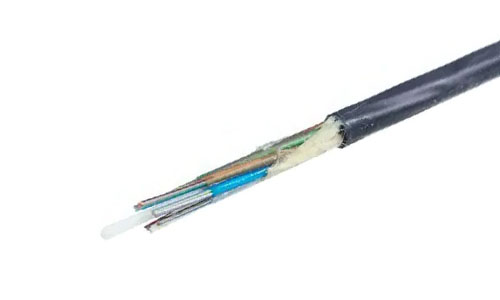 Air-Blown Micro Fiber Optic Cable
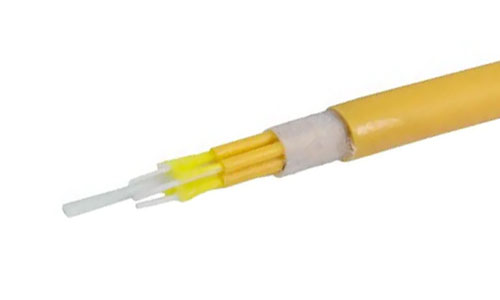 Indoor Fiber Optic Cable
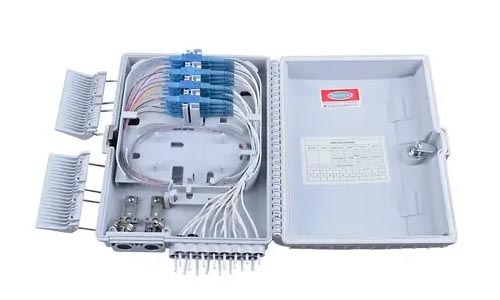 Fiber Optic Distribution Box
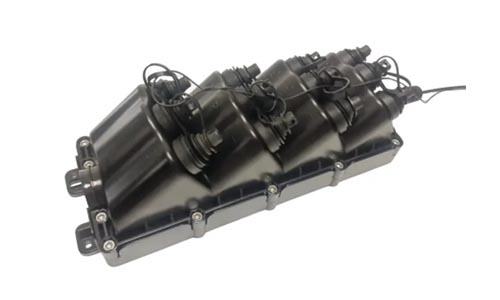 Multiport Service Termina Box
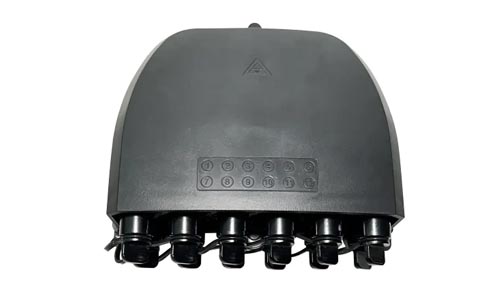 Fiber Optical Terminal Box
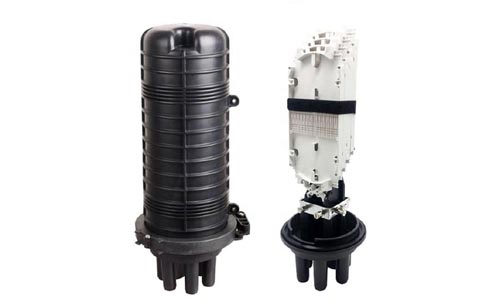 Fiber Optic Splice Closure
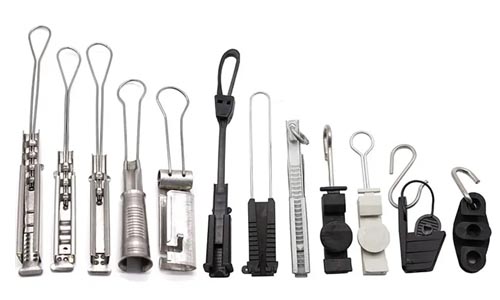 Fiber Optic Clamps
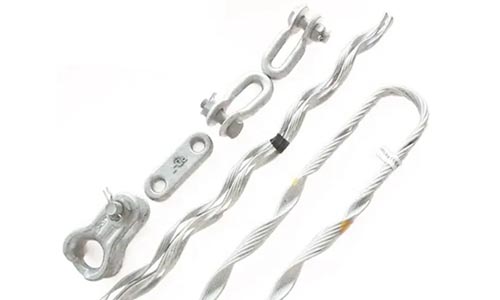 Fiber Optic Cable Fittings
 ADSS Fiber Cable
 ASU Fiber Cable
 OPGW Fiber Cable
 FTTH Fiber Cable
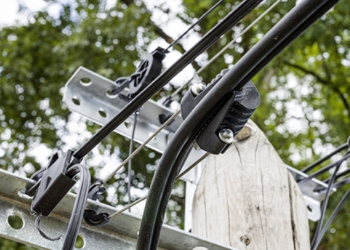 Figure 8 Fiber Cable
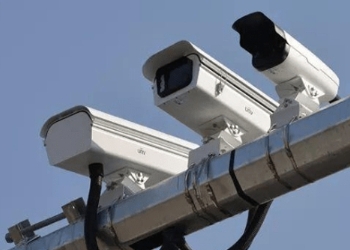 Photoelectric Composite Fiber Cable
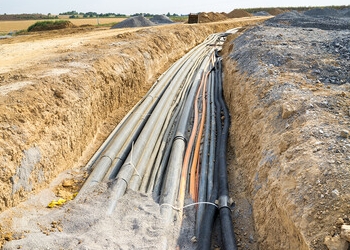 Underground & Pipeline Fiber Cable
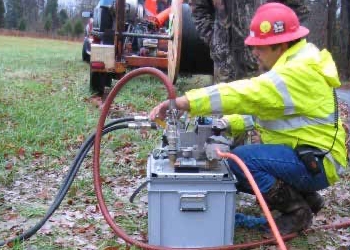 Air-Blown Micro Fiber Cable
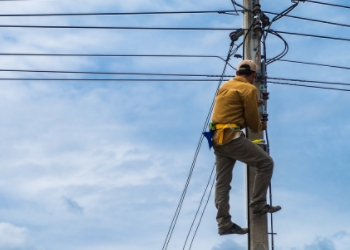 Aerial Fiber Cable
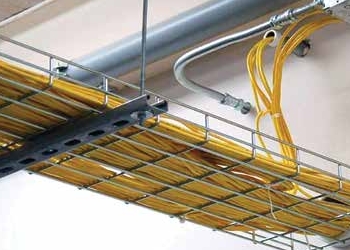 Indoor Fiber Cable
 Fiber Optical Terminal Box
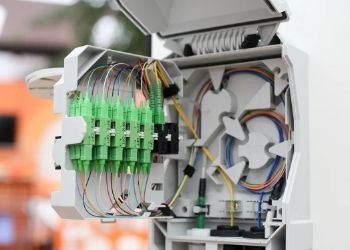 Fiber Optic Distribution Box
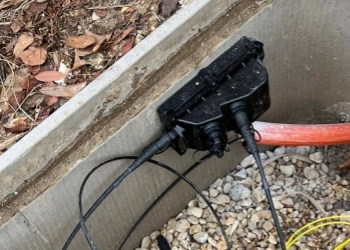 Multiport Service Termina Box
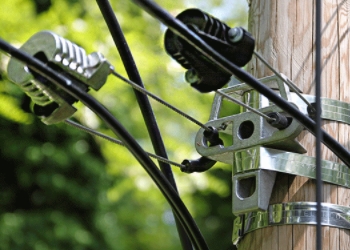 Fiber Optic Clamps
 About Us
 Our Team
 History
 R&D Strength
 Production Base
 Warehouse & Logistics
 Quality
 FAQs
FAQsONU Router: Concept, Features and Types
An ONU router is a network device that connects fiber optic internet from a provider to a home or business network. It converts the optical signal from a fiber line into data that your phone, laptop, and smart TV can consume. A lot of folks have ONU routers when they install fiber fast internet, sometimes in environments where quick and steady connection counts most. These routers typically feature ports for wired connections as well as robust Wi-Fi for wireless. Their easy-to-install ONU routers are users’ favorites, with models for various use cases, from casual home use to hectic offices. The following discusses what features to consider in an ONU router and how it assists with everyday online activities.

What is a Router Mode ONU?
A Router Mode ONU is the center of your fiber-optic universe. It’s an all-in-one box that converts fiber signals into usable internet, in essence combining the job of a modem, a router, and a Wi-Fi hub. This device forms its own local network, automatically supplying IP addresses to all your devices via DHCP. Most people want plug-and-play, and a router mode ONU keeps it intuitive and straightforward. It hooks you up to the internet, shares that connection with any device, and keeps things secure with built-in NAT and firewall.
1. The Optical Converter
What is a Router Mode ONU? These light pulses transmit your internet information. The optical converter within the ONU then reads these light flashes and converts them into a digital signal your phone or laptop understands.
How well this converter performs impacts your internet speed and stability. If that optical converter is good, you have fast and reliable internet with less lag and fewer drops. Most recent ONUs receive both GPON and EPON signals, the two for FTTH worldwide. By making high-speed fiber usable for daily life, the converter delivers gigabit speeds directly to your home or office.
2. The Network Manager
A router mode ONU controls how internet traffic flows between your devices. A bandwidth splitter ensures streaming, gaming, and calls do not battle. This traffic control is critical for the smooth operation of things, particularly when many devices are connected simultaneously.
Good data routing implies less buffering and fewer bottlenecks. If there’s a hiccup, the network manager makes it easier to spot and fix the issue instead of leaving you scratching your head over a slow connection.
3. The Wireless Hub
The integrated Wi-Fi hub enables you to connect smartphones, laptops, TVs, and many other devices all at once. Dual-band spreads the signal so you get robust coverage even in larger homes or offices.
Smart homes depend on this hub to maintain connectivity between gadgets such as lights, speakers, and locks. Since the Wi-Fi is in the ONU itself, you don’t need another box taking up space. You only need one piece of equipment to install and never think about again.
4. The Security Gatekeeper
A router mode ONU includes security features that keep intruders at bay. Firewalls and encryption keep your data secure while it traverses the network.
Keeping firmware up to date helps patch any weak spots. Parental controls are wired in, offering families a simple tool to control what kids view and do online.

Router Mode vs. Bridge Mode
ONU routers could work in two modes: router mode and bridge mode. Each mode determines your network’s operation, device communication, and control level. Below is a quick side-by-side look at what each mode does best:
| Mode | OSI Layer | NAT/DHCP | Security | Device Support | Typical Use |
|---|---|---|---|---|---|
| Router Mode | Layer 3 | Enabled | Built-in | Many devices | Homes, small offices |
| Bridge Mode | Layer 2 | Disabled | Needs firewall | Single device* | ISPs, enterprises |
*Can connect more with VLAN setup.
Core Function
Router mode wins in traffic management. It determines how to direct each packet, thanks to its routing table. This allows it to distribute your internet to all your devices—phones, laptops, TVs—with ease. Each device gets its own address and router mode manages all the sharing.
Bridge mode bridges networks together. It doesn’t route or assign addresses. It merely transfers data from one network to another by duplicating it. If you have a large network, bridge mode can assist in connecting the various parts without significant overhead. It isn’t going to help you manage traffic or devices.
Router mode really shines in environments where things move quickly. If you add or move devices frequently or you need to scale up, router mode keeps things smooth and flexible. Bridge mode is less versatile, more a bullet train track than a highway.
Network Management
Router mode has its own arsenal of network tools. You get parental controls, firewalls, and guest networks, that kind of thing. It allows you to stay on top of what’s going on via monitoring dashboards and logs. You can identify problems quickly and adjust preferences remotely.
Bridge mode sheds most of those tools. There is no routing, no firewall, and no way to manage devices from the ONU. You’ll need to install your own firewall elsewhere, and if you want to troubleshoot, you’ll require additional equipment.
Monitoring your network is far simpler in router mode. You monitor who is using what, where your bandwidth is going, and impose limits if necessary. For the average person, this simplifies setup and day-to-day operation.
Use Case
Router mode is a suitable choice for residences and small office environments. If you want to plug in a bunch of different gadgets and have them all online at once, router mode is the answer. You’ll have secure connections and no need to mess with a bunch of settings.
Bridge mode is most suitable for ISPs or large organizations who have to integrate massive networks or cede control to another device. It’s handy if you want to add a high-end router to your mix and have it do all the routing. Bridge mode allows you to do that without double NAT, though you need to know your way around VLANs if you want to use multiple devices.
How you use your network determines the mode to select. Router mode adapts to suit multiple needs and grows with you. Bridge mode keeps it minimal and out of your hair.
Key Benefits of an ONU Router
ONU routers have emerged as a staple of contemporary connectivity, providing a blend of performance, dependability, and ease of use that resonates from households to enterprises. If you’re interested in upgrading your home internet or simplifying an office network, knowing their fundamental benefits can assist you in making informed decisions.
Advantages of ONU Routers:
-
High-speed and stable internet access for demanding tasks
-
Optimal data throughput even when multiple users are online at the same time.
-
Space-saving design that fits well in any setting
-
Lower power use and cost savings over time
-
Handles multiple devices simultaneously, which is ideal for active households or workplaces.
-
Versatile for a range of network configurations, even non-TCP/IP devices.
-
Easy to set up, needing little tech know-how
-
Strong, reliable build for long-term use
Simplified Setup
Easy, most ONU routers are all about plug and play. This means you can typically just plug it in, walk through a few simple steps, and you’re online. There are no lengthy manuals or intricate menus. Even newbies find the setup less stressful. The easy-to-use interface makes it a breeze to check network status or configure settings. You don’t need to ring up a tech wizard whenever you tweak your wifi password or add a new device. That’s a genuine victory for the time-starved web surfer who just wants to bypass the hassle and connect pronto.
Space Efficiency
ONU routers combine multiple appliances, such as modems and switches, into a single thin box. This is terrific for apartments or small offices where shelf space is at a premium. Fewer boxes mean less clutter. Cables remain organized and more manageable. If you’re a connoisseur of aesthetics like me, one sleek little box on the bookshelf beats a rat’s nest of cables and blinking indicators. Organization is easy and cleaning is less of a hassle.
Cost Savings
It’s cost-saving upfront to have a single ONU router instead of multiple standalone units. Only one box to purchase and maintain. They consume less power, which reduces your bill. Some plans are even cheaper if you use your own integrated gear. Fewer devices mean fewer repairs or upgrades, so you spend less over the years.
Optimized Performance
ONU routers are designed for speed and consistency. They process large amounts of data simultaneously, which is ideal for streaming, videoconferencing, or smart home devices. Supported speeds reach as fast as 2.5 Gbps, so you get rapid downloads and seamless video even if everyone is online. Next-level architecture keeps everything humming, so you do not experience drops or slowdowns during peak times. Others allow you to designate which devices receive priority speed, which is useful for work or gaming. They automatically adjust as you add additional gadgets, keeping everything running smoothly.
The All-in-One Device Myth
To most folks, the all-in-one ONU router looks like a quick solution to the home or office network. One device, less clutter and cables -- sounds perfect. The assumption that a single unit can do it all and do it well frequently isn’t in accord with practical requirements. All-in-one ONUs are appealing on paper because they combine modem, router, and switch in a single enclosure. Yet, these devices generally sacrifice top-tier raw power and rich functionality for simplicity. They expect too much, assuming that one box can substitute for three or four powerful, dedicated devices. That’s when frustration sets in, particularly if you have aggressive networking requirements.
Performance Trade-offs
When you cram lots of tasks into one machine, it’s hard to keep each one running optimally. All-in-one ONU routers may provide fast Wi-Fi, but when they simultaneously handle routing, switching, and modem duties, that speed may decrease. The processor inside has to divide its attention, causing slowdowns under load. Those who stream in 4K, play battle royale online games, or operate home offices often notice these dips. A dedicated router or switch, engineered for a single purpose, can better manage surges in speed or heavy device connectivity with less strain.
Between the two, dedicated devices tend to have more memory and more powerful chips. They manage more traffic and can maintain things even when the network is congested. Users need to consider what they’re actually doing online. If you just check email and surf sites, then an all-in-one could work. When you require consistent, high-speed connections and a measure of control, a single-minded device is usually the smarter choice.
Upgrade Limitations
It is tricky to upgrade an all-in-one ONU router. You can’t simply replace the modem or install a new, faster switch. The components are designed to function as a unit, so if you upgrade one you’ve upgraded them all. This restricts how much you can scale with tech or amplify your network down the road.
Others may seek to add specialty features, such as elite security or enhanced wireless standards. With an all-in-one, you may wait for a new model. If you crave more flexibility, using separate devices allows you to mix and match and upgrade whenever you feel like it.
If you intend to grow your network, consider how upgrades will function. Opting for a modular configuration saves time and money in the future.
Customization Constraints
It’s a little about the all-in-one device myth. Maybe you want to configure custom firewalls or adjust advanced routing. These options might not appear in the menus. Some models even include extras like Wi-Fi 6, but not all are as rich or flexible as their standalone gear counterparts.
For tinkerers, these all-in-one solutions can prove restrictive. They vary a lot by brand and model. Each has a different set of options, so it pays to check which ones fit what you want to do. If you like to make your own rules or operate an intricate network, seek out systems that allow you to modify more options.
How an ONU Router Works
An ONU router is the pivotal point between fiber and your home network. It combines the capabilities of a modem, router, and Wi-Fi access point, thereby easing the way for households to access blazing fast fiber connections. These devices are designed to manage both wired and wireless connections, catering to multiple devices such as PCs, tablets, and smart TVs. ONU routers tend to have a lot more to offer than your ISP’s provided modem/router combo, as we discuss in our article on how an ONU router works. Knowing how these devices work is key for users looking to maximize their internet service, secure their information, and control their networks more easily.
FTTH Integration
ONU routers are the unsung heroes of FTTH configurations, acting as the crucial intermediary between lightning-quick fiber lines and your home's devices. They translate light signals from fiber cables into electronic data that normal devices can consume. This way, you benefit from the blazing speeds and reliability of fiber, the best of both worlds.
With FTTH, data is delivered straight to your home without the bottlenecks of shared lines. This is particularly crucial in bustling cities or in the countryside attempting to narrow the digital divide. As an all-in-one gateway, ONU routers simplify the deployment of these connections to subscribers, decreasing the demand for additional equipment and expanding broadband access.
Core Protocols
These protocols are what enable ONU routers to communicate with the fiber network and your home devices. Important protocols are Ethernet for wired data, PPPoE for handling user sessions, and Wi-Fi standards such as 802.11ax. These standards ensure your ONU router will play nicely with different brands and devices, so you’re not stuck with a single ecosystem.
Adhering to international standards keeps your connection solid and avoids glitches and dropped connections. A few routers tack on features like QoS, helping you prioritize which devices or activities receive quicker speeds. Nice protocol support translates into less geek hassle and a more peaceful online existence.
Critical Differences
| Feature | ONU Router | Traditional Router |
|---|---|---|
| Network Type | Fiber optic (FTTH) | DSL, cable, or Ethernet |
| Modes | Router Mode, Bridge Mode | Router Mode only |
| Built-in Modem | Yes (fiber optic) | Sometimes (DSL/cable) |
| Wi-Fi Support | Yes (often latest standards) | Yes |
| Integration | All-in-one gateway | May need separate modem |
| Setup Complexity | Varies by mode | Usually simple |
ONU routers literally work with light signals, whereas traditional routers work solely with electronic data. Since they’re designed for fiber, ONU routers provide much higher speeds and less latency. Bridge Mode allows power users to bring their own router, while Router Mode is straightforward and plug-and-play for typical households. With inherent security and simple installation, ONU routers assist additional individuals receive the most from modern networks.
Practical User Guide
ONU routers are a crucial part of home and SOHO networks. Enjoy your new device to the fullest with this practical guide to setup, security, firmware, and troubleshooting to ensure you’re protecting your data and maintaining smooth connections.
Installation
-
Unpack the ONU and check all items are present.
-
Insert the optical fiber cable into the corresponding port, making sure it fits tightly.
-
Connect the power adapter and turn on the device.
-
Connect an Ethernet cable from the ONU to your computer or primary router depending on your setup.
-
Login to the ONU's setup page via the IP address in the manual.
-
Select Router Mode or Bridge Mode. Router Mode is ideal for straightforward, secure configurations. Bridge Mode enables leading-edge routers to manage special features such as QoS.
-
Walk through the onscreen instructions to input your network information and preferences.
As with any technology, always refer to the manufacturer’s setup guide. Each model has tiny variations. Skipping steps or settings guessing can result in headaches such as spotty signal, device conflicts, or no internet connectivity.
Installation check: Ensure stable indicator lights and verify internet connectivity on a connected device. If it does not connect, verify cable placement or switch to another LAN port to be on the safe side in case of hardware issues.
Security
Switch the admin password right after the initial setup to avoid someone else gaining access. Utilize alphanumeric passwords and symbols for additional security.
Let the built-in firewall in the ONU or your main router block it. Find firmware updates by regularly checking for firmware updates on the manufacturer’s site and installing them to fix bugs and patch security gaps.
Turn off unused ports and remote access if they are not necessary. This easy trick keeps your network safer from external attacks.
Firmware
Make sure you’re running the latest firmware. This is important for both performance and security. Firmware updates can frequently address bugs, introduce features, or patch vulnerabilities that might be exploited.
Look for updates on ONU’s web interface or the manufacturer’s website. Use updates during off-peak hours to avoid wrecking your connection.
Ignoring firmware is ignoring your device’s vulnerabilities, which can lead to slow speeds, missed features, or leaving your network wide open to attack.
Conclusion
ONU routers perform a ton for houses and small businesses. They extend fiber lines to your doorstep and promote rapid web surfing to every screen. No more stacks of gear or tangles of cables. One box, one start, one easy setup. They experience reduced latency, fast file access, and stable calls. Every day, people switch from bridge mode to router mode for increased control and security. My neighbor in Rabat installed his ONU router and watched his streams cease to buffer. Another pal in Berlin got superior speeds with less hassle. To sample a new way to surf the web, try an ONU router. Experience how clean, easy, and quick your web will become.
Frequently Asked Questions
What is an ONU router?
What is an ONU router? It serves as both an ONU and a router, enabling multiple devices to get online.
How does router mode differ from bridge mode in an ONU?
Router mode enables the ONU to assign IP addresses and direct network traffic. Bridge mode just passes the internet connection to another router for management.
What are the main benefits of using an ONU router?
ONU router combines the two. That minimizes additional hardware, conserves space and streamlines networking for many consumers.
Can an ONU router replace my existing router?
Yes, in the majority of instances. An ONU router does both fiber termination and routing, so you don’t need a separate router unless you want advanced features.
Is an ONU router suitable for large households or businesses?
For larger areas or multiple users, your mileage may vary. You may need external routers or mesh systems for more powerful Wi-Fi coverage and advanced features.
Are all-in-one ONU routers truly all you need?
All-in-one ONU routers are great for the bare minimum. Power users will want more devices for performance, security, or coverage.
How do I set up an ONU router at home?
Plug in your fiber cable to the ONU port, turn it on, and follow your ISP’s setup guide. The majority of configurations take just a few minutes.