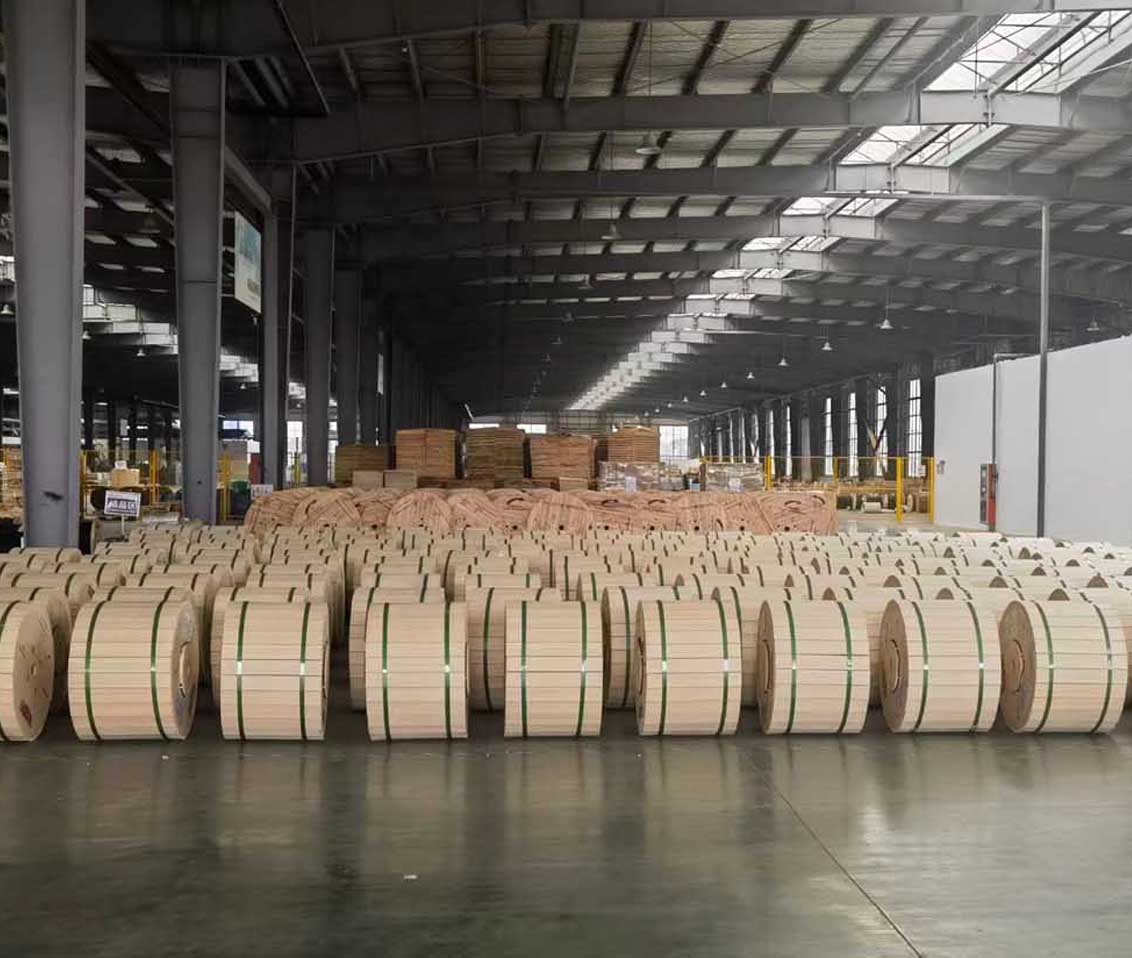
 Optical Fiber
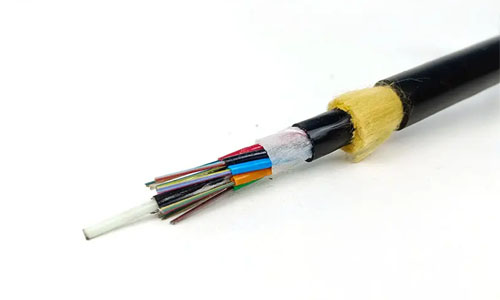 ADSS Fiber Optic Cable
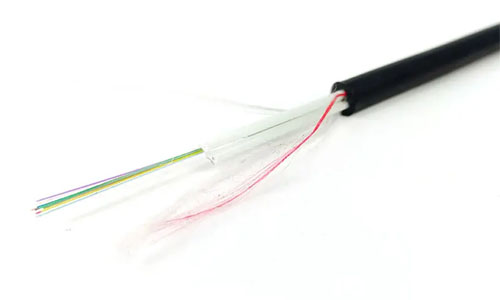 ASU Fiber Optic Cable
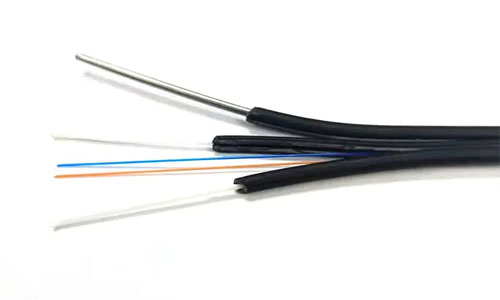 FTTH Fiber Optic Cable
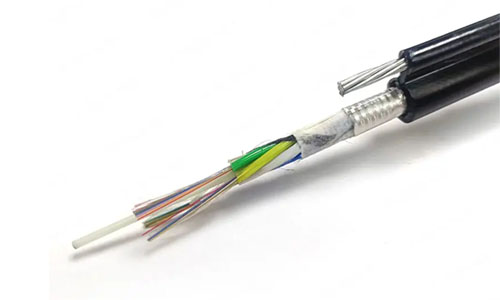 Figure 8 Fiber Optic Cable
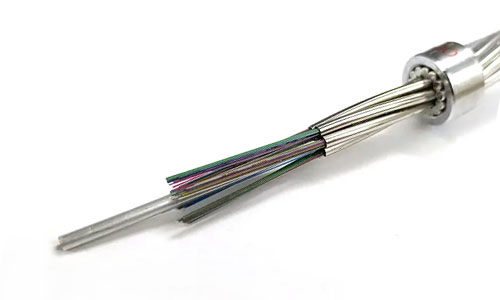 OPGW Fiber Optic Cable
 Coaxial Cable
 Ethernet Cable
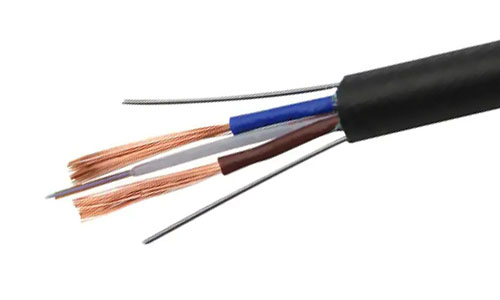 Photoelectric Composite Fiber Optic Cable
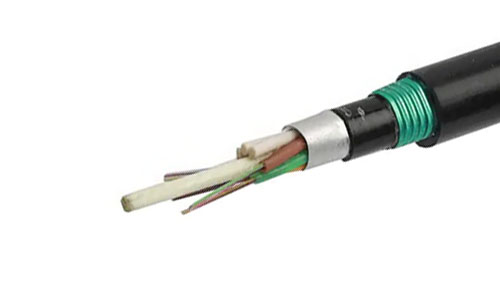 Underground & Pipeline Fiber Optic Cable
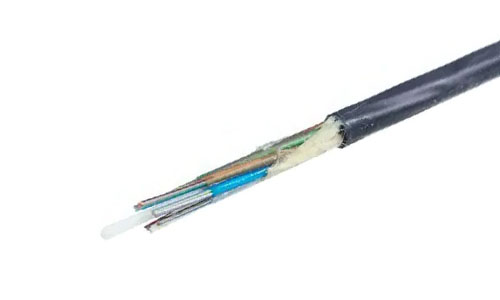 Air-Blown Micro Fiber Optic Cable
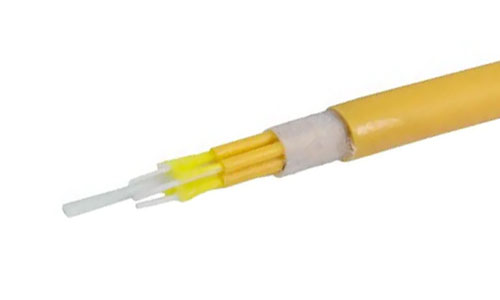 Indoor Fiber Optic Cable
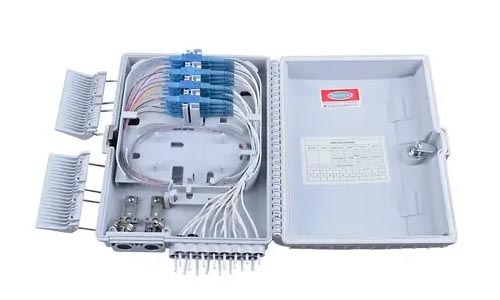 Fiber Optic Distribution Box
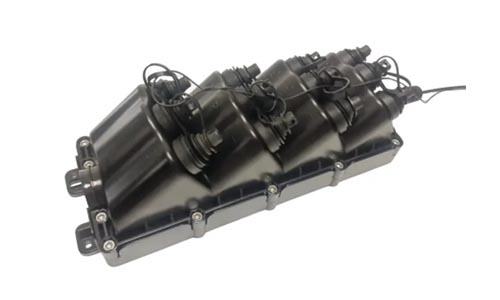 Multiport Service Termina Box
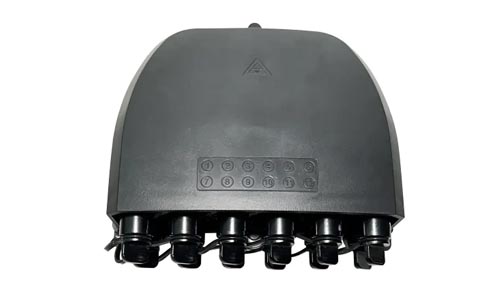 Fiber Optical Terminal Box
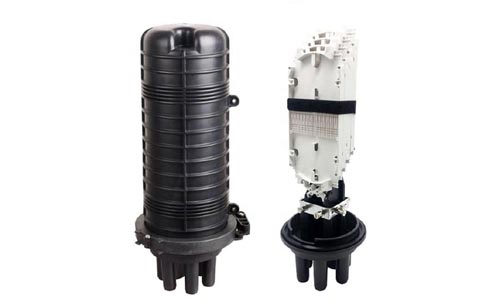 Fiber Optic Splice Closure
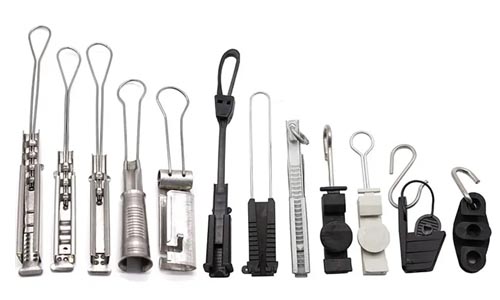 Fiber Optic Clamps
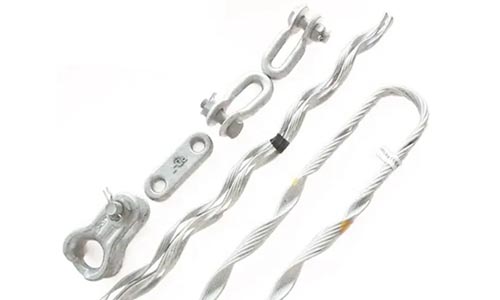 Fiber Optic Cable Fittings
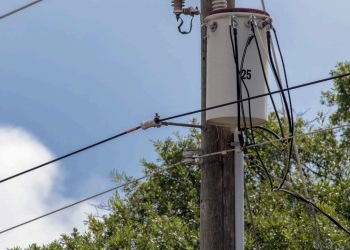 ADSS Fiber Cable
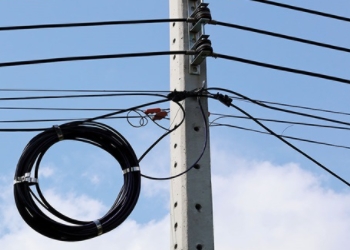 ASU Fiber Cable
 OPGW Fiber Cable
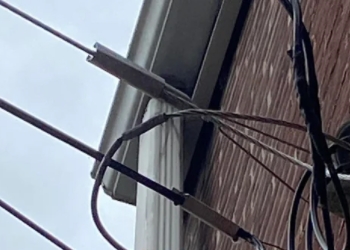 FTTH Fiber Cable
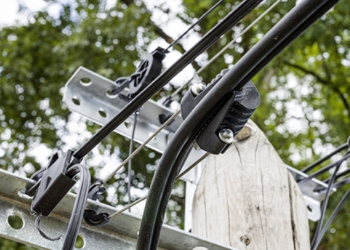 Figure 8 Fiber Cable
 Photoelectric Composite Fiber Cable
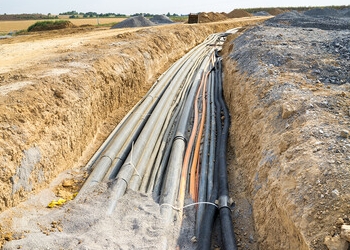 Underground & Pipeline Fiber Cable
 Air-Blown Micro Fiber Cable
 Aerial Fiber Cable
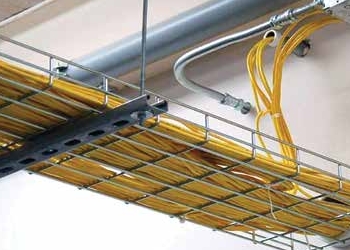 Indoor Fiber Cable
 Fiber Optical Terminal Box
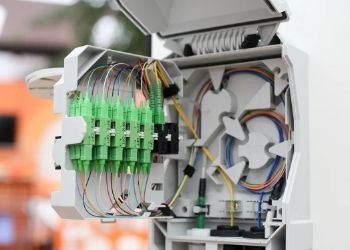 Fiber Optic Distribution Box
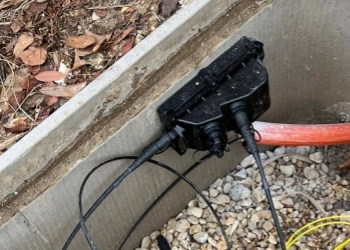 Multiport Service Termina Box
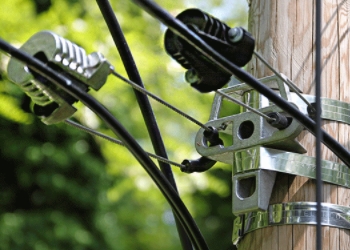 Fiber Optic Clamps
 About Us
 Our Team
 History
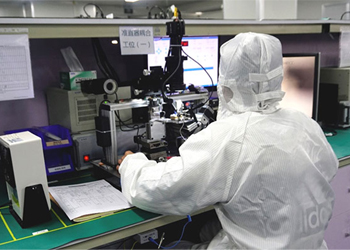 R&D Strength
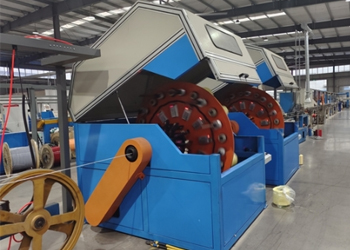 Production Base
 Warehouse & Logistics
 Quality
 FAQs
FAQsMPO Fiber Patch Cord: High-Density Optical Connectivity
As digital transformation accelerates across industries, data centers are experiencing unprecedented growth in traffic volume, cloud computing workloads, artificial intelligence (AI) applications, and high-speed networking requirements. Traditional cabling infrastructures are increasingly challenged by the need for higher bandwidth, lower latency, and greater port density.
To meet these demands, modern data centers are adopting MPO Fiber Patch Cords as a key component of their structured cabling systems. MPO technology enables multiple optical fibers to be connected through a single connector, dramatically improving cable density while simplifying network deployment and management.
From 40G and 100G Ethernet to emerging 400G and 800G architectures, MPO fiber patch cords have become essential for hyperscale data centers, cloud service providers, enterprise campuses, and AI computing facilities.
This comprehensive guide explores MPO fiber patch cords, their structure, advantages, applications, selection criteria, and future role in next-generation data center infrastructure.
What Is an MPO Fiber Patch Cord?
An MPO (Multi-Fiber Push-On) Fiber Patch Cord is a high-density optical cable assembly that contains multiple optical fibers terminated with MPO connectors on one or both ends.
Unlike traditional LC or SC patch cords that support one or two fibers, MPO connectors can accommodate multiple fibers within a single interface.
Common fiber counts include:
- 8 fibers
- 12 fibers
- 16 fibers
- 24 fibers
- 32 fibers
- 48 fibers
- 72 fibers
The MPO connector design significantly reduces cabling space requirements while supporting high-speed parallel optical transmission.

Understanding MPO and MTP Technology
Many professionals use MPO and MTP interchangeably, but there are differences.
MPO Connector
MPO is the international standard multi-fiber connector defined by IEC and TIA standards.
Features include:
- Push-pull locking mechanism
- High-density fiber alignment
- Multiple fiber configurations
- Compatibility with parallel optics
MTP Connector
MTP is an enhanced version of MPO technology developed by US Conec.
Advantages include:
- Improved insertion loss performance
- Better mechanical durability
- Higher mating reliability
- Optimized ferrule design
In most modern data centers, MTP connectors are widely preferred for high-performance applications.
Why Data Centers Need MPO Fiber Patch Cords
Modern data centers face several challenges:
Increasing Port Density
Thousands of server connections must fit into limited rack space.
Higher Network Speeds
Current network standards include:
- 40G Ethernet
- 100G Ethernet
- 200G Ethernet
- 400G Ethernet
- 800G Ethernet
Traditional duplex fiber cabling becomes inefficient at these speeds.
Scalability Requirements
Infrastructure must support future expansion without extensive recabling.
Faster Deployment
Large-scale facilities require simplified installation processes.
MPO fiber patch cords address all of these challenges simultaneously.
Structure of an MPO Fiber Patch Cord
An MPO patch cord consists of several critical components.
MPO Connector
The connector includes:
- Precision ferrule
- Guide pins
- Alignment holes
- Spring-loaded mechanism
These components ensure accurate fiber alignment.
Optical Fibers
Common fiber types include:
Single Mode Fiber
- OS1
- OS2
Used for:
- Long-distance links
- Telecom applications
- Large-scale data centers
Multimode Fiber
- OM3
- OM4
- OM5
Used for:
- High-speed short-range transmission
- Enterprise data centers
- Cloud facilities
Strength Members
Typically constructed from:
- Aramid yarn (Kevlar)
- FRP reinforcement
These improve tensile strength and durability.
Outer Jacket
Available materials include:
- PVC
- LSZH
- OFNP
- OFNR
LSZH jackets are increasingly preferred due to fire safety requirements.
MPO Fiber Count Options
8-Fiber MPO
Commonly used for:
- 40G SR4
- 100G SR4
Benefits:
- Reduced unused fibers
- Cost efficiency
12-Fiber MPO
Historically the most popular configuration.
Applications include:
- Backbone cabling
- Data center interconnects
- Legacy 40G deployments
16-Fiber MPO
Designed for next-generation networking.
Supports:
- 400G SR8
- 800G Ethernet architectures
24-Fiber MPO
Ideal for:
- High-density patching
- Core network infrastructure
- Large-scale cloud environments
MPO Polarity Methods
Correct polarity is critical for successful fiber communication.
Method A
Straight-through configuration.
Advantages:
- Simple implementation
- Commonly used in structured cabling
Method B
Cross-over configuration.
Frequently used in:
- Parallel optics
- High-speed Ethernet systems
Method C
Pairwise crossover arrangement.
Suitable for specific duplex applications.
Understanding polarity prevents transmission errors and simplifies maintenance.
Benefits of MPO Fiber Patch Cords in Data Centers
High-Density Cabling
One MPO connector can replace multiple duplex LC connections.
Benefits include:
- Reduced rack congestion
- Better airflow
- Improved cable management
Space Savings
Data center space is expensive.
MPO solutions allow:
- Higher port density
- More efficient cabinet utilization
- Reduced cable pathways
Faster Installation
Compared with installing multiple duplex patch cords individually, MPO systems significantly reduce deployment time.
This lowers:
- Labor costs
- Installation complexity
- Downtime risks
Scalability
MPO infrastructure can easily support future upgrades from:
- 10G to 40G
- 40G to 100G
- 100G to 400G
- 400G to 800G
without replacing the entire cabling system.
Reduced Power Consumption
Efficient optical interconnects support lower network latency and optimized switching architectures, indirectly improving energy efficiency.
MPO Fiber Patch Cord Applications in Data Centers
Spine-Leaf Networks
Modern data centers commonly use spine-leaf architectures.
MPO patch cords provide:
- High-bandwidth interconnections
- Low-latency communication
- Simplified scalability
Data Center Backbone Cabling
MPO trunks serve as backbone links connecting:
- Main distribution areas
- Equipment distribution areas
- Zone distribution areas
Cloud Computing Infrastructure
Cloud providers require massive bandwidth capacity.
MPO cabling supports:
- Virtualized environments
- Distributed computing
- Multi-tenant cloud platforms
AI and Machine Learning Clusters
AI training systems generate enormous east-west traffic.
MPO solutions provide:
- High-speed GPU interconnectivity
- Low latency
- Large-scale scalability
Storage Area Networks (SAN)
MPO patch cords facilitate connections between:
- Storage arrays
- Servers
- Backup systems
ensuring reliable high-speed data transfer.
MPO vs LC Fiber Patch Cords
| Feature | MPO Patch Cord | LC Patch Cord |
|---|---|---|
| Fiber Count | Multiple Fibers | 1-2 Fibers |
| Density | Very High | Moderate |
| Installation Speed | Fast | Slower |
| Cable Management | Easier | More Complex |
| 400G Support | Excellent | Limited |
| Data Center Scalability | Outstanding | Moderate |
LC patch cords remain important for access-layer connectivity, while MPO solutions dominate high-density backbone environments.
MPO Fiber Patch Cord Selection Guide
Fiber Type
Choose:
Single Mode MPO
Best for:
- Large campuses
- Inter-building links
- Telecom infrastructure
Multimode MPO
Best for:
- Data center internal connections
- Short-range high-speed networks
Fiber Count
Select based on network architecture:
- 8F for 40G/100G
- 12F for traditional deployments
- 16F for 400G/800G
- 24F for ultra-high density
Connector Gender
Male MPO
Contains guide pins.
Female MPO
Contains alignment holes.
Proper matching is essential.
Insertion Loss Requirements
Premium MPO patch cords typically achieve:
- Standard Loss ≤0.75 dB
- Elite Loss ≤0.35 dB
Lower insertion loss improves overall network performance.
Jacket Type
For modern facilities, LSZH jackets are often preferred because they:
- Produce less smoke
- Reduce toxic emissions
- Improve safety compliance
Emerging Trends in MPO Data Center Connectivity
400G Ethernet Deployment
400G adoption continues to accelerate globally.
MPO-16 connectivity has become a preferred solution for these environments.
800G Networks
The next generation of hyperscale facilities increasingly relies on MPO technology to support 800G optical modules.
Artificial Intelligence Data Centers
AI workloads require enormous bandwidth between GPU clusters.
MPO-based architectures provide the density and scalability required for AI infrastructure.
Hyperscale Cloud Expansion
Leading cloud providers continue investing heavily in high-density optical cabling systems, driving demand for MPO patch cords worldwide.
Co-Packaged Optics
Future switching technologies may integrate optics directly with switching ASICs, creating new opportunities for advanced MPO connectivity.
Best Practices for MPO Fiber Patch Cord Installation
To maximize performance:
Keep Connectors Clean
Dust contamination is one of the leading causes of optical loss.
Always inspect and clean connectors before installation.
Observe Bend Radius Limits
Avoid excessive bending that may increase attenuation.
Verify Polarity
Incorrect polarity can prevent communication entirely.
Use Quality Testing Equipment
Perform:
- Insertion loss testing
- Return loss testing
- End-face inspection
before commissioning.
Implement Proper Cable Management
Use cable trays and routing systems to maintain organization and airflow.
Frequently Asked Questions
What does MPO stand for?
MPO stands for Multi-Fiber Push-On, a high-density fiber optic connector standard.
How many fibers can an MPO connector support?
Common configurations range from 8 to 72 fibers, depending on the application.
Is MPO suitable for 400G networks?
Yes. MPO-16 and related configurations are widely used in 400G data center deployments.
What is the difference between MPO and MTP?
MTP is a premium performance version of the MPO connector that offers enhanced mechanical and optical characteristics.
Why are MPO patch cords popular in data centers?
They provide higher density, easier scalability, reduced installation time, and support for next-generation high-speed networks.
Conclusion
MPO fiber patch cords have become a foundational technology for modern data center infrastructure. Their ability to deliver high-density optical connectivity, support ultra-high-speed Ethernet standards, and simplify large-scale deployments makes them indispensable in today's cloud, AI, and hyperscale environments.
As data centers evolve toward 400G, 800G, and future terabit networks, MPO technology will continue to play a central role in enabling scalable, efficient, and future-ready optical communication systems. Organizations investing in MPO fiber patch cords today are positioning themselves to meet tomorrow's bandwidth demands while maximizing operational efficiency and infrastructure flexibility.