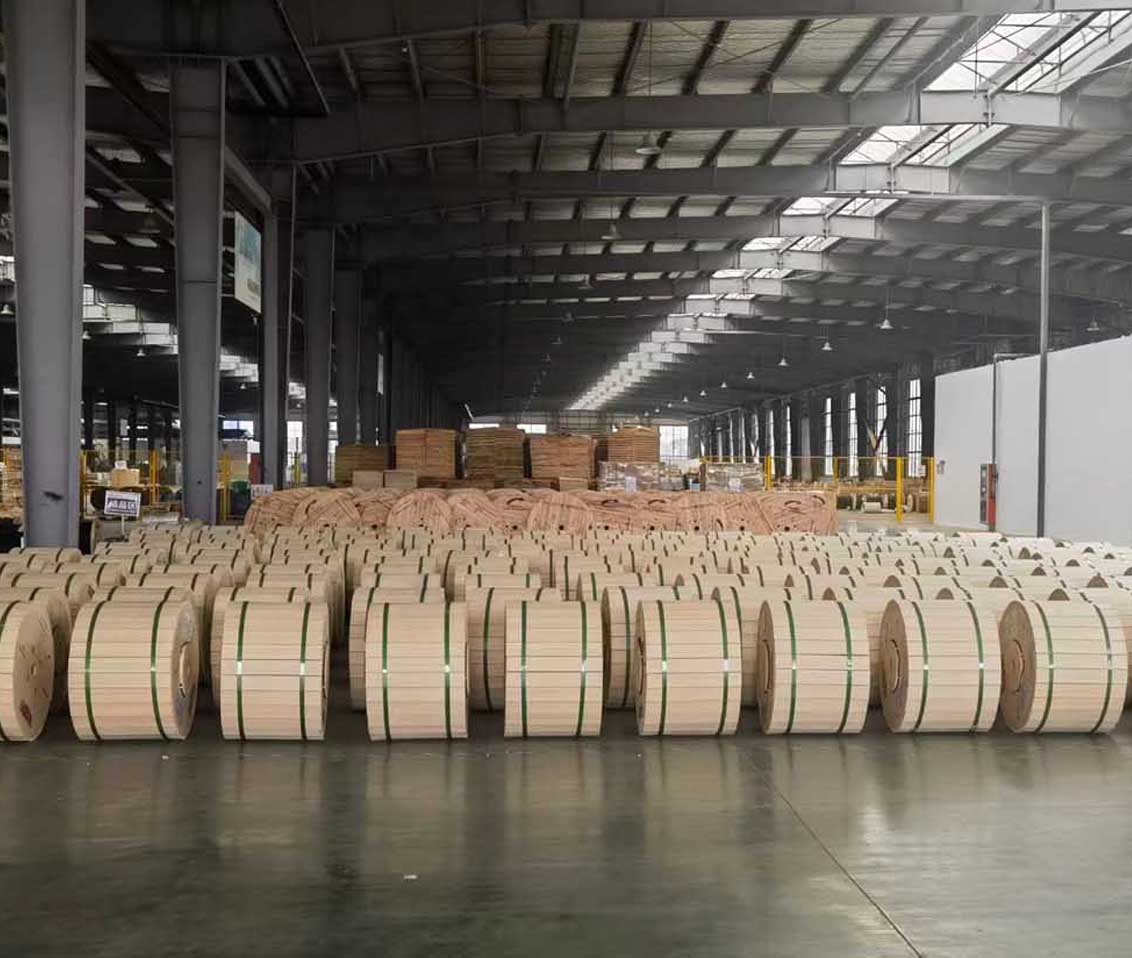
 Optical Fiber
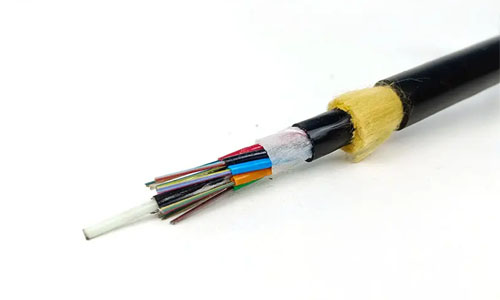 ADSS Fiber Optic Cable
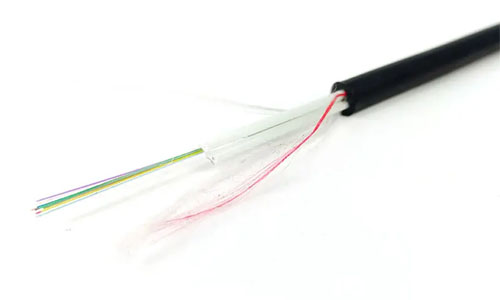 ASU Fiber Optic Cable
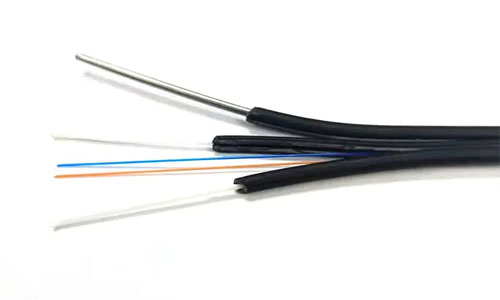 FTTH Fiber Optic Cable
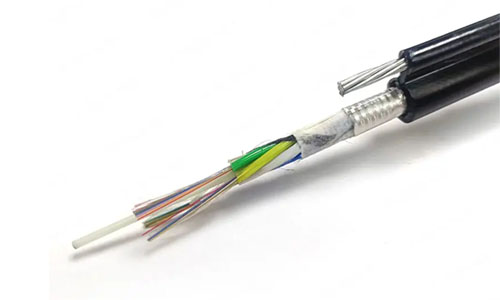 Figure 8 Fiber Optic Cable
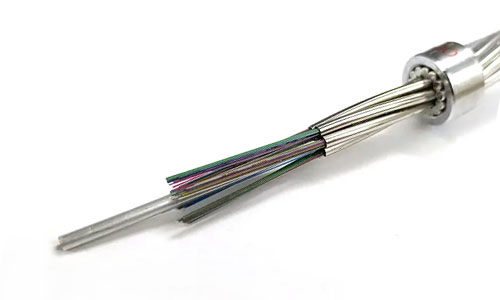 OPGW Fiber Optic Cable
 Coaxial Cable
 Ethernet Cable
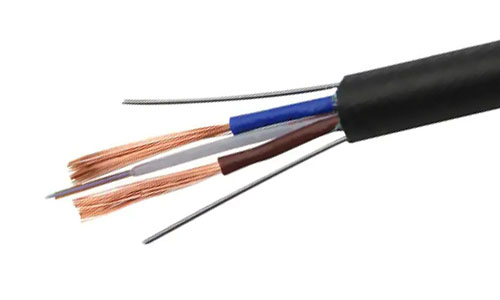 Photoelectric Composite Fiber Optic Cable
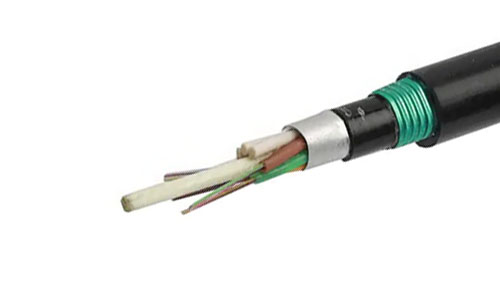 Underground & Pipeline Fiber Optic Cable
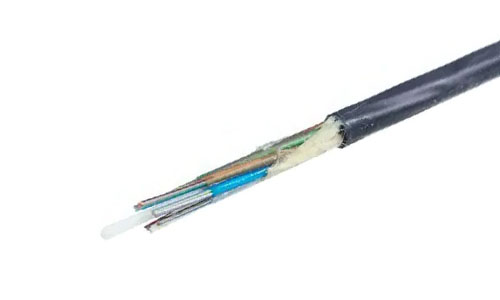 Air-Blown Micro Fiber Optic Cable
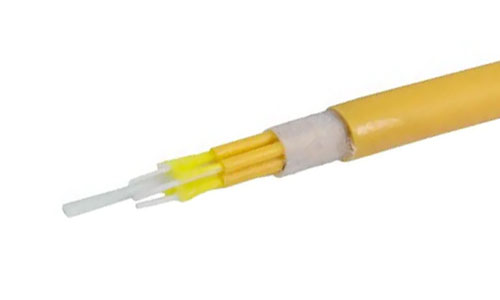 Indoor Fiber Optic Cable
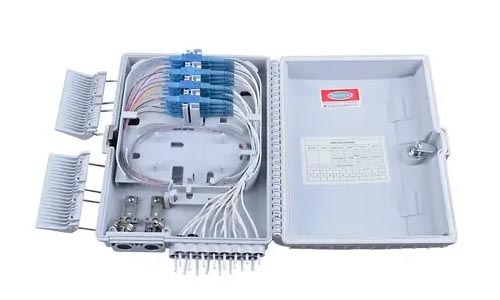 Fiber Optic Distribution Box
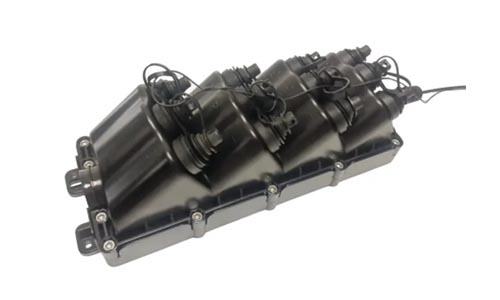 Multiport Service Termina Box
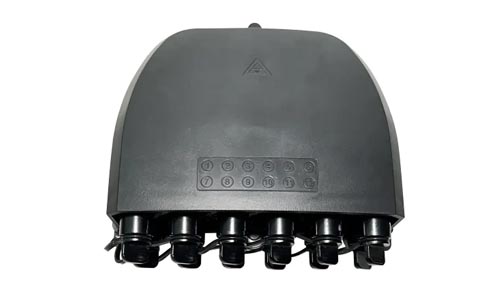 Fiber Optical Terminal Box
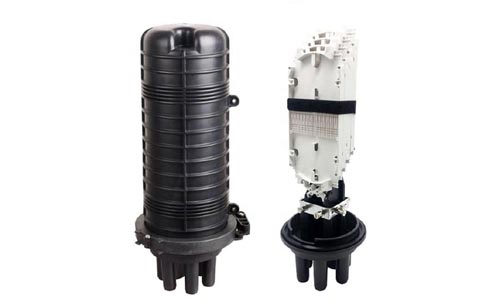 Fiber Optic Splice Closure
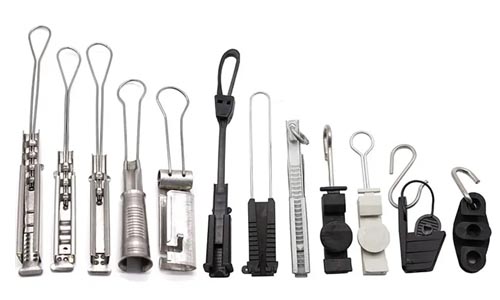 Fiber Optic Clamps
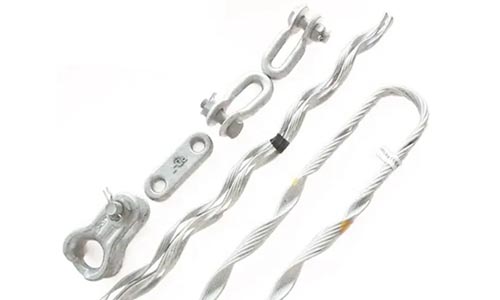 Fiber Optic Cable Fittings
 ADSS Fiber Cable
 ASU Fiber Cable
 OPGW Fiber Cable
 FTTH Fiber Cable
 Figure 8 Fiber Cable
 Photoelectric Composite Fiber Cable
 Underground & Pipeline Fiber Cable
 Air-Blown Micro Fiber Cable
 Aerial Fiber Cable
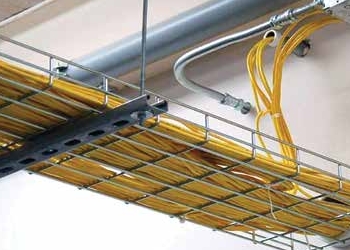 Indoor Fiber Cable
 Fiber Optical Terminal Box
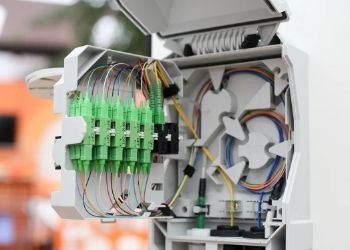 Fiber Optic Distribution Box
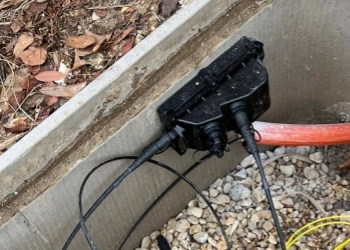 Multiport Service Termina Box
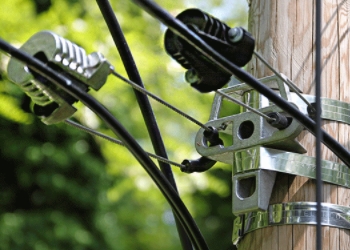 Fiber Optic Clamps
 About Us
 Our Team
 History
 R&D Strength
 Production Base
 Warehouse & Logistics
 Quality
 FAQs
FAQsMPO and MTP Connectors: Understanding Their Specifications and Applications
MPO and MTP connectors are the backbone of contemporary fiber optic networks, providing multi-fiber solutions that enable high data density and accelerated speeds across sectors such as data centers and telecom.
The industry standards-based connectors that make up the core of this portfolio ensure compatibility, reliability, and outstanding performance, all essential for global network interoperability.
Premium connectors and materials boost performance, resilience, and signal integrity. This is a wise investment for lasting network reliability.
Multi-fiber connectors make network scalability and upgrades hassle-free. They enable organizations to respond rapidly to expanding data needs without expensive rewiring.
Routine inspection, cleaning and testing are important to ensure connectors perform at their best and avoid connectivity problems in mission critical applications.
Deciding which connector type and fiber count to deploy for each application can increase efficiency and future-proof network infrastructure as technology advances.

MTP and MPO connectors are high-density fiber optic connectors that are commonly used in data centers and telecom networks to manage large volumes of data. Both utilize a multi-fiber push-on design and can carry more fiber strands in a single connector than is typical, proving useful for rapid, high-capacity links. MTP is US Conec’s brand name, while MPO (multi-fiber push-on) is an international standard. MTP connectors tend to have tighter tolerances and better performance, while MPO connectors tend to be more cross-brand. For good reason, users opt for MTP and MPO connectors to save space, increase speed, and simplify network upgrades. The following sections detail how MTP and MPO fit into real-world networks and what distinguishes them.
The MPO and MTP Connector Explained
MPO and MTP connectors play a crucial role in today’s fiber optic networks, particularly in high-density fiber cabling solutions. While both types serve similar purposes, they are not identical. MPO connectors, which are standardized by IEC-61754-7 and TIA-604-5-D, feature a multi-fiber push-on design. In contrast, MTP is a branded design that represents a premium version of MPO, boasting a floating ferrule and enhanced performance for easier field work. The primary distinction lies in their mechanical engineering; MTP connectors have improved guide pins and a floating ferrule that minimize insertion loss and ensure superior alignment. Both MPO fiber connectors and MTP are essential in data centers, supporting bandwidth applications like 40G, 100G, and even 400G Ethernet.
1. The Standard
MPO connectors feature a multi-fiber design, with 8, 12, and 24 fibers per row being the most common configurations, and are available all the way up to 72 fibers per connector. Their standard pin layout guarantees that multi-fiber cables connect simply and securely, and guide pins maintain the fiber alignment during connection. Standards such as IEC-61754-7 and TIA-604-5-D drive the design and testing of these connectors.
The MPO and MTP Connector Decoded
Most fiber networks today are using connector types such as MPO-8, MPO-12, and MPO-24. Achieving these standards is about more than compliance; it keeps transmission loss low and performance high, which is essential when every decibel matters.
2. The Enhancement
Advances in MPO and MTP technologies are largely concerning robustness and accuracy in fiber connections. MTP connectors, for instance, utilize a redesigned guide pin and floating ferrule, which are essential for optimizing the performance of MPO fiber connectors. These small adjustments may seem insignificant, but collectively they reduce insertion loss and increase signal dependability. MTP’s removable housing allows for reworking or repairing the ferrule if necessary, ultimately saving cost and time in fiber optic applications.
3. Performance
Optical performance is determined primarily by insertion loss and return loss. With enhanced MTP connectors, insertion loss can be as low as 0.35 dB for both single-mode and multimode, whereas standard MPO connectors may reach 0.75 dB. Quality matters—shoddy MPO cables can increase insertion loss, reduce bandwidth, and cripple network speeds. Its design, such as floating ferrules and precise guide pins, can be what separates a fast, reliable network from one that throttles at load. In data centers, MPO fiber optic connectors can result in seamless upgrades to higher speeds, such as transitioning from 40G to 100G Ethernet, without having to rewire everything.
4. Durability
MPO and MTP connectors, known for their rugged fiber optic connector designs, are constructed from high-grade plastics and metals that ensure durability and immunity to dust, moisture, and temperature changes. Ruggedized models are available for scenarios where mpo connectors endure significant abuse. These connectors undergo rigorous mechanical and environmental tests, including mating cycle and temperature extremes, ensuring they perform reliably not just in pristine labs but also in harsh field locations.
5. Cost
Pricing on MPO connectors and MTP connectors differs, with MTP typically coming in a little higher initially because of its cutting-edge design and components. Still, investing in high-quality fiber MPO connectors often pays off with lower signal loss, fewer replacements, and less downtime. Compared to old-school single-fiber connectors, MPO/MTP setups are more economical for dense cabling tasks, particularly in huge data centers. Always consider your total cost of ownership; sometimes a more expensive connector is actually less expensive when it lasts longer and increases network uptime.
Why Multi-Fiber Connectors Matter
Multi-fiber connectors, such as MTP and MPO fiber optic connectors, are a backbone of high-speed networks. They help you drive more data through less space, making them ideal for contemporary fiber cable environments where pace and density count the most.
Data Density
Data density, in layman’s terms, refers to how much data you can cram into a small space. In fiber optic networks, this concept is crucial since every rack, panel, or tray can only provide limited space. MPO connectors, particularly the MPO fiber optic connectors, allow you to connect 8, 12, 16, or even 24 fibers in a single click, compared to just 1 or 2 with conventional connectors. That’s a significant improvement.
Consider a data center, where businesses require multiple high-speed connections running adjacent to one another. With MPO cables, you can now install dozens of connections in the same space it previously took only a handful. This translates to less mess, reduced wiring to manage, and more room for expansion. Less cabling means fewer complications and a lower chance of mix-ups during maintenance. For instance, a cloud service provider can efficiently run 100G or 400G networks on MPO trunks, maintaining a dense yet organized wiring setup. This makes multi-fiber connectors an essential choice in environments where every millimeter counts.
Network Scalability
When networks have to expand, multi-fiber connectors make it easy to grow. If you begin with MPO connections, increasing bandwidth frequently means simply snapping in an additional cable or switching to a higher-count connector. It’s quick and doesn’t interfere with existing infrastructure.
Scalability is crucial for future-proofing networks. Why Multi-Fiber Connectors Matter As data rates leap to 800G and beyond, it’s worth having a cabling infrastructure that can keep pace. Organizations, such as global banks and streaming platforms, that have utilized MPO-based systems from their inception have seen their networks scale effortlessly. They avoid expensive re-cabling and downtime. When planned correctly and with the appropriate polarity techniques, networks remain dependable and adaptable for years.
Speed Enablement
Multi-fiber connectors are the gateway to multi-gigabit speeds. They make 40G, 100G, 200G, and 400G today, and the form factor evolves as standards emerge. MPO connectors are designed for high-speed tasks, whether it’s streaming HD video or powering cloud applications.
Connector makes a big difference for speed. The higher the fibers you can fit into one connector, the greater amount of data you can transport simultaneously without signal degradation or latency. From finance to healthcare to world media, these industries are all leveraging multi-fiber links to meet the demands of big data and real-time processing. With standards such as IEC TR 61282-15 demanding MPO testing, these connectors' importance only continues to increase.
Understanding Technical Specifications
Technical specifications make or break fiber optic networks, especially when it comes to MPO connectors. For MTP and MPO cables, being familiar with the specs ensures seamless connections, robust signals, and zero unexpected twists. Specs such as wavelength, fiber type, connector style, and strand count all influence compatibility between different components like fiber MPO connectors. Insertion loss (IL), return loss (RL), and polarity pop up all over supplier sheets; understanding these terms helps you select the right parts for the job and assists with troubleshooting and upgrading later on.
Polarity Types
Polarity governs how signals navigate in fiber networks. MPO connectors have three main types: Type A (Straight), Type B (Reversed), and Type C (custom). Each determines how fibers are arranged on each side. If polarity gets confused, signals won’t align and data won’t stream properly. Planning polarity becomes crucial, especially for big rigs with tons of cables.
For multi-fiber runs, best practice is to label and map each link. This minimizes errors and delays. For instance, data centers tend to use Type B for rapid switch connections, whereas Type A is more prevalent for patch panels. On-site, installers verify keying positions, Key Up or Key Down, so cables mate as intended and signal remains robust.
Fiber Counts
Fiber count is just how many fiber strands are in a connector. Typical counts are 12, 16, 24, 32 or even 48. The higher the counts, the more data at one time, ideal for expanding networks. With the expression S equals X multiplied by R minus one plus N, you can identify each fiber’s order, which is useful for following strands through convoluted configurations.
Selecting the appropriate count is all about needs. For little offices, 12 fiber could be good. For big campuses or data centers, 24 or 48 allows you to scale without re-cabling. As demand skyrockets, new products with even higher counts keep appearing.
Industry Standards
| Standard | Description | Organization |
|---|---|---|
| IEC 61754-7 | Defines MPO connector interface | IEC |
| TIA-604-5 | Specifies fiber optic connector performance | TIA |
| IEC 61755-3-31 | Ferrule end-face geometry for MPO | IEC |
Bodies like IEC and TIA create these standards so components from any manufacturer function together. Adhering to standards helps keep networks interoperable and secure. It simplifies upgrades and repairs, as you can interchange certified connectors.
Standards dictate, from ferrule shape to cable color. For example, tight ferrule tolerances and floating ferrules increase performance by reducing insertion loss and increasing return loss. Networks are quicker, more reliable, and longer-lived.
Real-World Connector Applications
MPO or MTP connectors are at the core of data transport for a number of industries, especially in parallel fiber optic applications. With their small form, high fiber count, and trusted alignment, MPO fiber connectors define the way networks operate, expand, and evolve to meet the demands for velocity and bandwidth applications.
Data Centers
Data centers turn to MPO connectors for dense, fast, and flexible cabling solutions. In hyperscale facilities, MTP connectors power 400G and 800G connections with SR8, DR8, or FR8 modules when loss budgets are tight and every decibel counts. Their real-world connector applications, along with the capacity to fit 8, 12, or even 16 fibers in a single connector, help shrink cable bundles, keeping racks tidy and airflow strong. Large enterprise sites leverage MPO cables to upgrade or expand to 40G and 100G by using QSFP SR4 and LR4 modules. MTP connectors are typical within OM4 and OM5 multimode links that remain below 100 meters, such as in server rows or edge switches.
One of the biggest headaches for data centers has long been how to stay current with evolving tech without ripping out cabling. MTP connectors enable teams to rearrange layouts efficiently and securely. Their rugged construction design signifies they can withstand repeated relocations and swaps, outliving typical fiber MPO connectors. Sites with MTP Elite connectors can satisfy the toughest loss budgets for upcoming speeds such as 800G or even 1.6T links.
Telecommunications
Telecom networks are under tremendous stress for bandwidth and adaptability, and MPO connectors provide a helping hand. These fiber MPO connectors enable high-speed links over fewer cables, particularly in 5G fronthaul where space and time are limited. Consider city deployments with high-density eCPRI. With more homes and offices receiving fiber directly with FTTH, MPO cables enable quicker rollouts and simpler maintenance.
What makes MPO technology particularly exceptional is how easy it is to scale. This means that the same connectors used for today’s 10G or 40G services can be re-used as networks migrate to 100G, 400G or beyond, so upgrades incur less downtime and less rewiring. Telco makers view this as a means to future-proof bets and catch up to a seemingly insatiable appetite for speed.
Forward, MPO and MTP connectors will become the backbone for next-gen telecom, from 5G to whatever.
High-Performance Computing
MPO connectors play a role in HPC centers, where data must travel at lightning-fast speeds around processors and storage. An MTP trunk can carry 8 or 16 fiber pairs, which means connecting clusters of servers that are running complicated simulations or AI training. Fast connections are essential because a bounce or cut in the signal anywhere can delay the entire train. MTP connectors’ precise alignment cuts return loss by 5 to 10 dB, which keeps signals crisp even in noisy environments.
Trusted connections lead to less time offline and more time for heavy-duty number crunching. Other industries, such as finance, weather modeling, and even medical research, swear by MPO cabling to keep their HPC clusters humming. One global bank, for instance, replaced legacy connectors with MTP in their analytics hub, cutting errors and increasing throughput without rewiring the remainder.
Future-Proofing with Multi-Fiber Connectors
Future-proofing a network means selecting components that can keep up with new demands and shifts, and multi-fiber connectors like MTP and MPO cables were designed with this in mind. They perform well in environments where space and speed count, like large data centers and active server rooms. These MPO connectors can support more fibers in a single connector: 8, 12, 16, or even 24 at a time. That’s powerful future-proofing because a single fiber MPO connector can replace dozens, keeping racks neater and leaving more room for gear. Take, for instance, a business that must scale data rates from 10G to either 40G or 100G. They can typically get away with upgrading a few components, not the entire array. That’s a huge time and cost saver, particularly for super-fast-growing groups or razor-thin budgets.
Adaptability is a strong suit for MPO connectors. Tech standards don’t stand still, and these connectors are designed to keep up. As new speeds or data rules arrive, MTP and MPO fiber optic connectors can still slide right in. Many people select them for upgrades or new installs because they won’t become obsolete any time soon. Their flexibility allows them to cover a variety of configurations, from short rack-to-rack links to runs across large rooms. This makes them a safe bet for everything from high-speed research labs to cloud service providers.
The return on investment of using multi-fiber connectors today is huge. They reduce clutter, conserve rack space and simplify the addition or replacement of cables during transitions. Teams discover that install time decreases, resulting in less downtime and headaches. There are a few watch points. Nailing polarity is critical—if fibers are crossed, data won’t stream as expected. Periodic inspections and cleaning prevent issues such as attenuation or distortions. After all, these connectors are built to last and when maintained properly, they keep networks humming for years.
Looking to the future, the trends indicate an increased need for speed and density. As cloud, AI, and streaming continue to expand, connectors that can carry more data in less space are only going to become more important. New standards will no doubt pressure fiber counts higher and speeds further, but the adaptable foundation of MTP and MPO connectors means they can adjust to those demands.
Ensure Optimal Performance
MTP and MPO connectors, including various fiber MPO connectors, play a crucial role in quick, high-density fiber networks. To maximize their performance, it is essential to respect their construction, usage, and maintenance. These practices are key to ensuring optimal fiber connections.
-
Use low-moisture material, such as PPS thermoplastic, for connectors.
-
Choose designs with floating ferrules for better physical performance.
-
Guide pins > Be sure they’re aligned correctly for a secure fit.
-
Seek low insertion loss. A value of 0.35 dB or less is good.
-
Choose scalable solutions that support duplex, eight- and sixteen-fiber cables.
-
Make sure the housing suits your needs. Some accommodate as many as 864 fibers.
-
Match the connector to the environment: think about heat, dampness, and vibration.
-
Set up a routine for inspection, cleaning, and testing.
Inspection
-
Handheld fiber microscopes for visual checks
-
Automated inspection scopes for fast, repeatable results
-
Video inspection probes for detailed endface images
-
Reference images for cleanliness standards
Inspect the endface with a fiber scope for dust, scratches, or chips. Automated scopes are convenient for hectic teams and minimize human error. Always match what you observe against the trade standards for pristine connectors!
A little checking can save you hours of debugging. Even the smallest speck can sabotage signal and create downtime. Bypassing this step results in bad links, higher insertion loss, and unreliable service.
Cleaning
-
Blow dust away with dry air or a lint-free wipe.
-
Use a cleaning stick or cassette to lightly scrub the endface.
-
If stubborn dirt remains, use an alcohol-based solution and repeat.
-
Double-check with a scope before plugging back in.
Always use tools designed specifically for fiber MPO connectors, not generic wipes or sprays. Adhere to isopropyl alcohol or specialty cleaners. Clean MPO connector end faces keep your network working right and prevent signal loss. Skipping this step can translate into mistakes, slow speeds, or dropped connections.
Testing
Testing verifies that your MPO connectors are functioning properly. A few main methods used are optical time-domain reflectometer (OTDR), insertion loss testing, and polarity testing. Each one gives you different information, such as whether there is excessive signal loss or crossed fibers.
Testing prevents little issues from becoming large ones. A bad test means you capture the problem before it impacts your users. Test after install, and do checks every few months or after any big move or change.
Conclusion
MTP and MPO connectors Multi-fiber connectors put high-speed data within easy reach. They’ve got big data centers moving fast, and many needs fitting into small spaces. These connectors are up to hard work. Teams use them where they require consistent connections and quick repairs, such as in broadcast studios and smart buildings. Tech marches ahead, and these connectors just as easily keep pace. They’re time, space, and money savers. To discover the perfect match, consider your current configuration and prepare for expansion. For really good data links, go with MTP or MPO connectors in your next project. Contact a trusted supplier or tech pro for advice on the best fit for your layout.
Frequently Asked Questions
What is the difference between MPO and MTP connectors?
MPO is a standard multifiber connector used in fiber optics, while MTP, a high-performance version of MPO connectors, offers better mechanical and optical quality for rigorous networks.
Why are multi-fiber connectors important in modern networks?
Multi-fiber connectors like MPO and MTP, including MPO fiber optic connectors, permit fast, high-density connectivity. By saving space and cutting installation time, they’re a must for data centers and high-speed fiber connections.
How many fibers can MPO and MTP connectors support?
MPO and MTP connectors, including various mpo connector designs, accommodate 8, 12, 24, or higher fibers in one connector, enabling high-speed data transmission and network scalability.
Where are MPO and MTP connectors commonly used?
MPO/MTP connectors, including fiber MPO connectors, are commonly used in data centers, telecom, and enterprise networks to support high-speed applications like 40G, 100G, and beyond.
Are MPO and MTP connectors future-proof?
MPO and MTP connectors are scalable. They support existing and future network upgrades, such as higher bandwidth and increased fiber counts.
What technical standards do MPO and MTP connectors follow?
These mpo connectors adhere to international standards, including IEC and TIA, ensuring cross-system compatibility and high performance in fiber optic applications.
How can I ensure optimal performance with MPO or MTP connectors?
Choose quality mpo connectors, the right cleaning tools, and best installation practices. Routine inspection and maintenance keep fiber connections reliable and loss low.