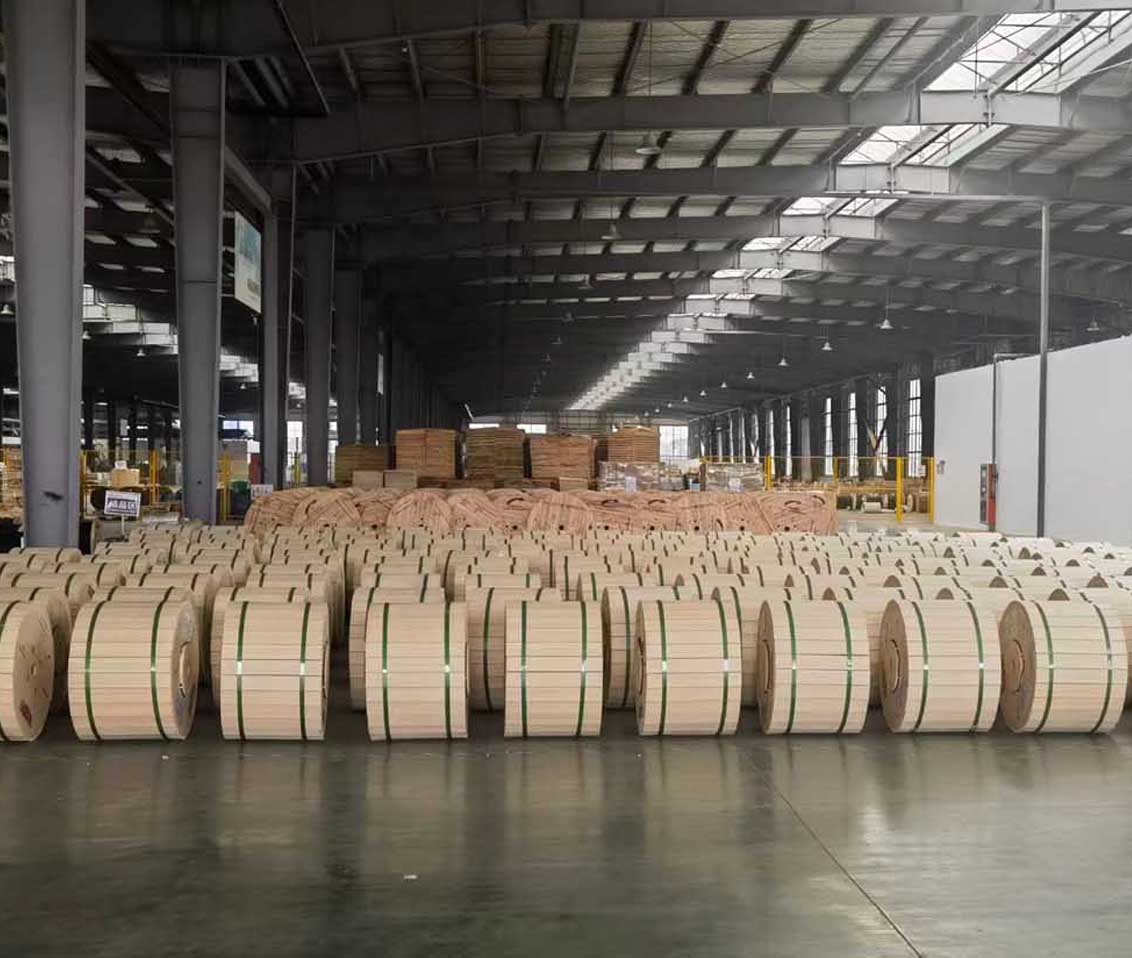
 Optical Fiber
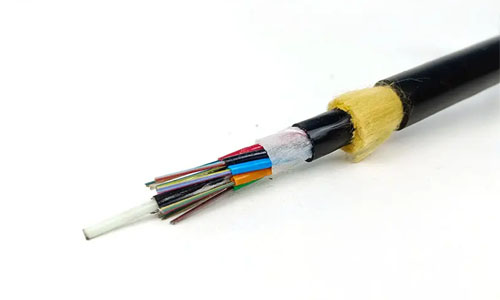 ADSS Fiber Optic Cable
 ASU Fiber Optic Cable
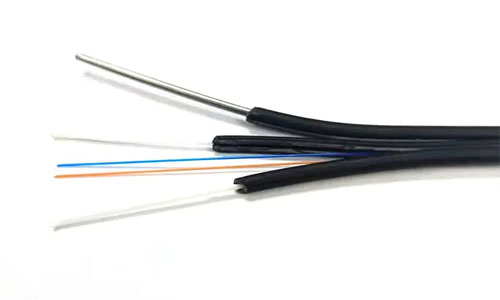 FTTH Fiber Optic Cable
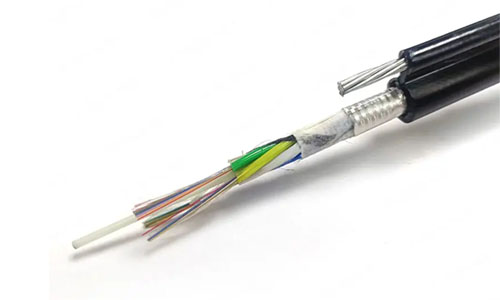 Figure 8 Fiber Optic Cable
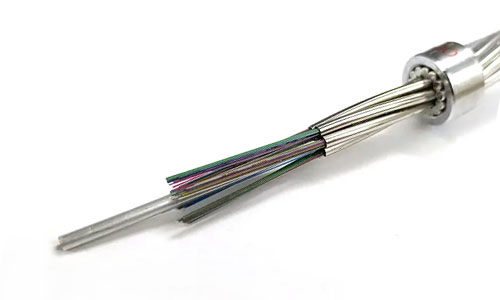 OPGW Fiber Optic Cable
 Coaxial Cable
 Ethernet Cable
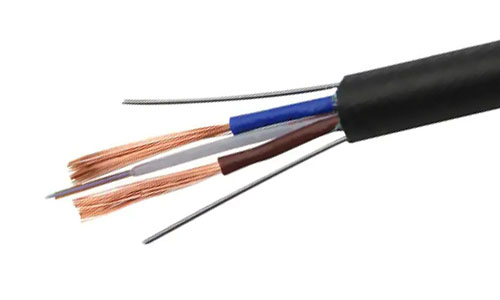 Photoelectric Composite Fiber Optic Cable
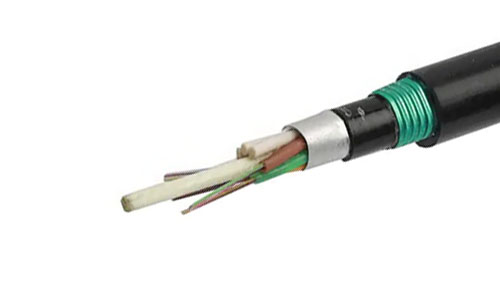 Underground & Pipeline Fiber Optic Cable
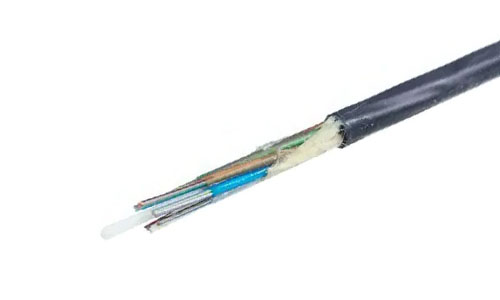 Air-Blown Micro Fiber Optic Cable
 Indoor Fiber Optic Cable
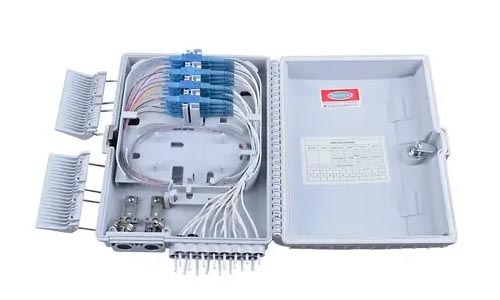 Fiber Optic Distribution Box
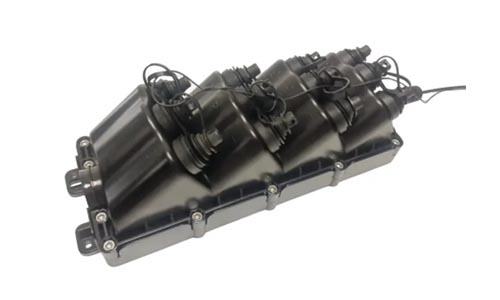 Multiport Service Termina Box
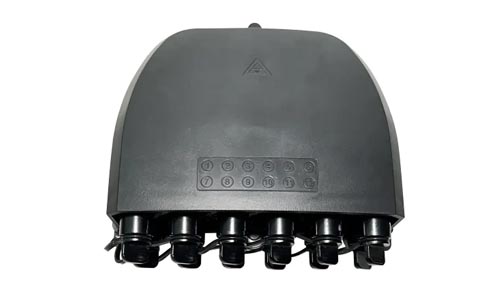 Fiber Optical Terminal Box
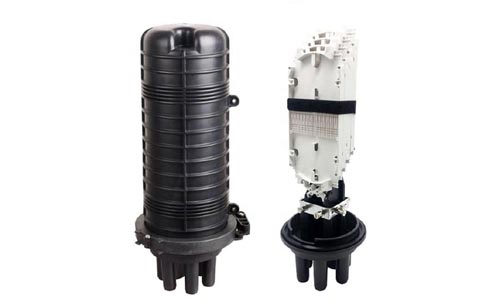 Fiber Optic Splice Closure
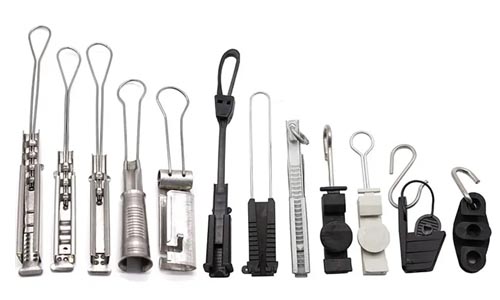 Fiber Optic Clamps
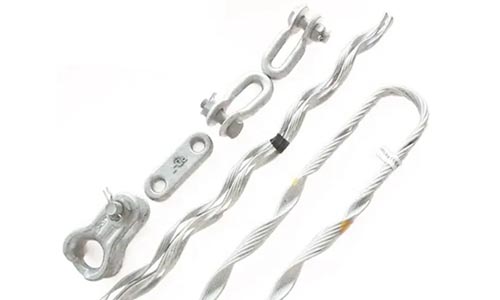 Fiber Optic Cable Fittings
 ADSS Fiber Cable
 ASU Fiber Cable
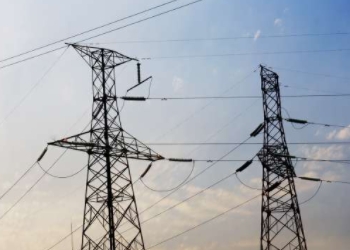 OPGW Fiber Cable
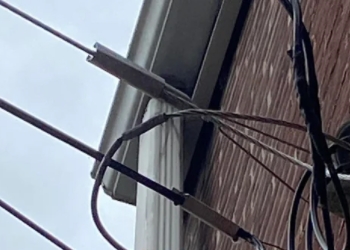 FTTH Fiber Cable
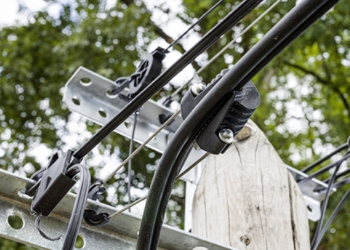 Figure 8 Fiber Cable
 Photoelectric Composite Fiber Cable
 Underground & Pipeline Fiber Cable
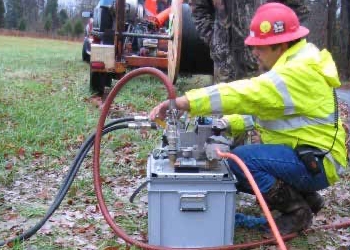 Air-Blown Micro Fiber Cable
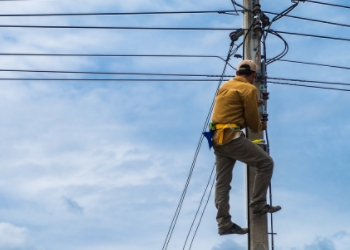 Aerial Fiber Cable
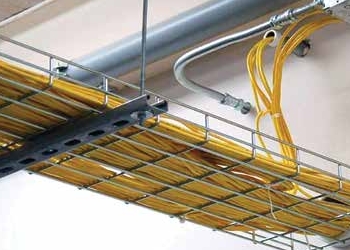 Indoor Fiber Cable
 Fiber Optical Terminal Box
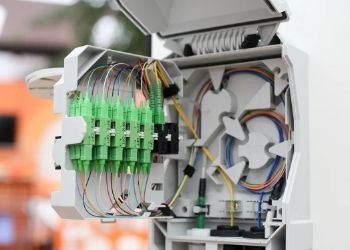 Fiber Optic Distribution Box
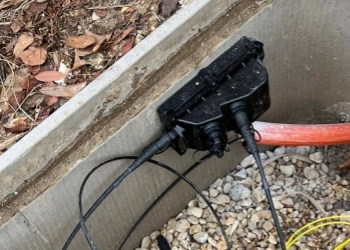 Multiport Service Termina Box
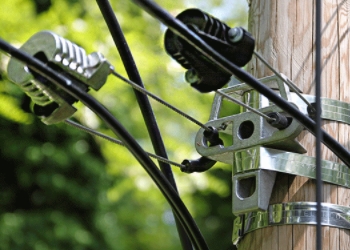 Fiber Optic Clamps
 About Us
 Our Team
 History
 R&D Strength
 Production Base
 Warehouse & Logistics
 Quality
 FAQs
FAQsModem Router Combo vs Separate: Which One is Right for You?
Contact for Free Quotation & Sample, According to your needs, customize for you.
inquiry nowModem Router Combo vs Separate: Which One is Right for You?
A modem router combo is one device that takes care of both your internet signal and Wi-Fi network. With separate devices, you would have a stand-alone modem that connects to the internet and a router that connects to your home network.
People in the U.S. Frequently consider these two configurations when selecting home internet equipment. Combo units take up less space and can be easier to set up. They’re ideal for studio apartments or minimalists who like to keep things simple!
Having a separate modem and router gives you more control and speed. They provide a wide Wi-Fi coverage, which is perfect for larger houses or users who often stream and game online.
Combined or separate, each scenario comes with distinct advantages and disadvantages. Pick the best setup that fits your home internet usage!

What's a Modem, What's a Router?
There are really two devices that work behind the scenes when you go online at home—a modem and a router. Understanding how each one functions allows you to maximize the value of your internet. Think of your modem as your connection to the outside world, while the router is the piece that connects that outside world to all of your devices.
Both are important players for a successful life online, whether you’re binge-watching your favorite show, doing business or reconnecting with long-lost family on social media.
Your Internet's Front Door: The Modem
A modem takes the signal from your internet provider and turns it into something your computer or phone can use. If you have cable internet, then you’re probably using a cable modem. Cable internet requires a cable modem.
Consider your modem the front door—without that door, no one’s coming or going. In environments with intensive internet activity, such as in congested Marrakech residences or workplaces, a reliable modem translates into less susceptibility of disconnections.
Whether you’re streaming the World Cup, taking a work-from-home video call, or video chatting with friends, the modem plays a crucial role. Until next time, maintain that connection!
Your Home's Traffic Cop: The Router
Your home’s traffic cop: The router. That’s when a router becomes important. It distributes the internet to all of your devices—computers, tablets, smart TVs—simultaneously.
It’s your home’s traffic cop, routing data to the correct places, ensuring each device gets the data it needs. Routers provide additional security with built-in firewalls and NAT protection, which protects your devices from malicious outside actors.
They form a local area network, allowing your printer or phone to easily communicate with your laptop, for example.
Two-in-One: The Combo Device
A modem router combo combines both functions into a single device. It’s a great compromise to make for people looking for less cord chaos and more straightforward installation.
For most households or cramped apartments, a combo device equals less clutter and more convenience. It’s a clean option for anyone who just wants to make things simple.

Combo vs. Separates: Key Differences
Deciding between a modem router combo and separate devices goes beyond just cost. It’s not about if your internet is fast enough for a Netflix binge. Some people prefer a hands-off approach, and some prefer a faster, more manual, iterative process. Your location, requirements, and technology proficiency all factor into the equation.
Read on as we compare these two configurations side by side, from how fast they are and their capabilities to expense and how to debug.
1. Speed, Range & Reliability: What to Expect?
Combo units combine the modem and router into a single device. This allows for more compact designs as a result, but you’ll find the compromises more frequently. Most combo units utilize mid-range hardware. That could mean not having access to the highest speeds or most expansive Wi-Fi coverage.
For small houses or condos, this may not be a concern. If you want the best experience possible, such as being on a high-end internet plan or streaming 4K movies, a combo just won’t cut it.
With separate devices you can choose each component for what you specifically need. You might choose a high-speed modem, then combine it with a separate router designed for gaming or streaming. The beauty of this is that it can significantly increase both speed and range if you’re willing to invest in some good equipment.
That’s why gamers and people with large homes usually take this route. Here’s a quick look at how they compare:
| Device Type | Max Modem Speed | Max Router Wi-Fi Speed | Range (sq. ft.) | Best For |
|---|---|---|---|---|
| Basic Combo Unit | 300 Mbps | Wi-Fi 5: 1,200 Mbps | <1,200 | Apartments, basic use |
| High-End Combo | 1 Gbps | Wi-Fi 6: 2,400 Mbps | ~1,500 | Small homes, light work |
| Standalone Router/Modem | 2.5 Gbps+ | Wi-Fi 6/6E: 5,000 Mbps | 2,500+ | Large homes, heavy users |
Combo units typically don’t cut it when you really put them to the test … whereas separates are able to stay ahead of increasing demand.
2. Features & Control: Tailoring Your Network
Many combos don’t venture beyond the basics. You’ll receive Wi-Fi, firewall, and possibly a guest network. For example, if you want to configure Quality of Service (QoS) to prioritize gaming traffic, you’ll run into roadblocks. Smart combos usually lack the advanced parental control features you want as well.
Standalone routers provide greater options. You’ll have the ability to change features to suit your lifestyle—install a VPN, control individual devices, or set unique schedules for various devices. Others offer the ability to track network usage in real-time or even block ads at the network level.
If you need your home network a specific way, separates are the better option. To help with picking, it’s a good idea to make a list of the features that are most important to you. If you’re looking for straightforward plug-and-play, a combo provides that.
If you have a penchant for tinkering or a larger number of devices, separates make you happier.
3. Upgrades & Future Tech: Staying Current
Combo units are locked in. If you get faster internet service, you’ll have to replace the entire unit to stay current. Bonus, if new Wi-Fi adjacent tech comes along, this upgrade will work for that, too! This can be very costly and inefficient.
With combo devices, it’s not so easy—upgrading one device usually requires swapping out the other as well. Your modem could be in service for a decade or more, even as you frequently replace your router/modem combo serving the new Wi-Fi standard every three to five years.
This future-proofs your home by giving you access to the latest speeds and features, all while keeping costs low.
4. Cost Factor: Initial vs. Long-Term
Initially, modem router combos are less expensive. They are more of a one-stop solution and you’ll pay less initially. Even worse, a lot of people rent combos from their internet service provider, which keeps the cost low up front but increases over time.
You can recoup costs if you already own your own equipment and do not rent it. If one part breaks, you only need to fix that element. With combos, if you have a modem failure, then you’re out both the modem and the router.
Hidden costs can sneak in with combos. With upgrades, it’s less flexible and you could end up spending more money to replace the entire unit as opposed to just one component.
5. Setup, Space & Placement: Getting It Right
Combos are great when space and setup are simpler. Less wiring, one enclosure, and you’re finished. This is convenient in tiny homes or if you’re seeking a minimalist aesthetic.
With combo devices, you only need one spot with less cable clutter. This introduces additional opportunities to optimize. Put your modem where the cable first comes into your house. Then, place your router in the center of your house to enjoy stronger Wi-Fi!
Key placement tips:
-
Put routers high up, away from walls.
-
Keep devices clear of metal objects and thick walls.
-
Place routers near the center of your home.
-
Avoid setting up near microwaves or cordless phones.
-
Check for dead spots and adjust as needed.
6. Fixes & Support: When Things Go Wrong
When troubleshooting combos, it can become very complicated very quickly. When your internet goes out, it’s hard to determine if the modem or the router is at fault because both devices can impact your service. That means you need to replace the entire system.
With separates, you have a chance to test each individual piece. If it doesn’t work when Wi-Fi does not work, wired internet works, then your router is the issue. If that doesn’t get it running, the culprit is probably the modem.
That saves maintenance crews both time and money when things go wrong. Support is more divided. Combos usually have a single point of support from your ISP, with separates you’ll have to work with two different companies for support.
7. Security Considerations: Which is Safer?
Standalone routers tend to come loaded with more security features. They receive frequent updates, provide customizable protections to block emerging threats, and allow configuration of firewalls.
Combos can be more behind on updates, as they rely on your ISP to update and install new software. If your combo isn’t regularly updated, that can turn into an Achilles’ heel.
On the other hand, using one device for everything there is the risk of a single point of failure. If hackers do manage to get in, they have access to the modem and router. With separates, you have a bonus layer to help delay threats.
When a Combo Unit Shines?
Here are some of the real advantages a modem router combo offers for people who lead lives that are simple and clutter free. This type of device combines two functions into one. It provides convenience in places where every square foot and penny is precious.
People with basic web needs or those just starting out often find that a combo unit fits right into their world.
Best for Simple Needs
A combo unit covers the essentials. If you want to read email, watch the occasional movie, or peruse social media, this configuration is all you need. When it comes to technology, many people are intimidated by something that requires a significant amount of configuration or expertise.
With a combo, you can avoid all the hassle. Simply plug it in, go through a couple of steps, and you’re good to go. You don’t have to keep two devices paired constantly or swap between modes.
For someone who just wants to get online without sorting through menus or cables, all-in-one is the way to go. It’s the type of decision that makes it worthwhile for retirees, college students, or anyone with basic mobility requirements.
Ideal for Small Spaces
In a small dorm or college apartment? Combo units were built for small spaces. One less device means one less set of wires.
You don’t have to search for a pair of outlets or clear room for big equipment. Fewer blinking lights, more dusting, and a cluttered appearance on your shelf.
In areas where every square foot counts, this one compact box keeps everything organized.
Good for Budget Start
Combo units typically save money over purchasing individual pieces. They’re great for new users or those who are not quite ready to invest heavily in equipment. You receive the essentials and don’t walk away short-changed.
For people on a budget, the initial savings and ease of use of a combo unit means it can be a good option to get started.
When Separate Devices Rule?
Some people are looking for more than a fast install. When only the finest control will do, that’s when you really need a standalone modem. If you advanced home with tons of devices, it again closely is reasonable to have a different router. This approach is great for power users, gadget lovers, and those who just refuse to accept foundation.
For Top-Tier Performance
When separate devices rule, you can really make the most of your connection. A quality modem handles the internet connection you get from your service provider. At the same time, a quality router provides high-speed internet in every room and corner of your home.
Whether it’s gamers in Casablanca or streamers operating from Tangier, they enjoy reduced latency and high-definition video. Pick the right equipment for you! Whether you’re in the market for a top-tier Wi-Fi 6 router or a DOCSIS 3.1 modem to cut the cord, now’s your chance.
When it comes to multiple large downloads, 4K streaming and smart homes, this configuration rules them all.
For Ultimate Customization
A separate wireless router allows you to tweak settings that most all-in-one units simply can’t match. You can establish strong parental controls, develop several visitor networks, and even set up a VPN for added personal privacy.
For ultimate customization, each device has its own set of options, so you have complete control over how things operate. This much choice works for families with many devices and for people who like to customize every last setting.
For Easy Future Upgrades
When new technology comes along, you’re not left in the lurch having to replace it all. If your provider later brings faster speeds to Marrakech, you simply replace your modem.
If you need better Wi-Fi coverage, buy a new router. This saves taxpayers money and reduces electronic waste.
For Better Troubleshooting
With two devices, it’s not a guessing game to find these issues. If your internet speed slows down, power cycle your modem and router separately.
Your support teams can troubleshoot and resolve their issues much faster, and best of all you mitigate downtime.
Which Setup Fits Your US Home?
Modem router combo vs. Separate devices. Which setup is best for you? MODERN LIFESTYLER It depends on your internet habits. Think about what’s going on in your own house.
How many devices will be using the Wi-Fi, and how much do you rely on a seamless internet experience each day? The configuration of your home plays an equally important role! Those historic brick walls can really gobble up a signal.
The Everyday Web User
If you’re just browsing, scrolling social media, or streaming Netflix, a modem router combo is perfectly fine. Space savers, these all-in-ones are compact and quick to deploy.
They help keep everything organized, so they’re well suited for a studio in Phoenix or a row home in Boston. Convenience is key; reliable Wi-Fi for schoolwork, paying bills online, even an occasional video chat makes everything easier. Wireless eliminates the clutter of cables.
The Smart Home Family
Families equipped with smart thermostats, door cameras, and a dozen old tablets are going to require something further. Each new device adds more strain to your US home network.
Here, distinct modem and router setups go a long way in preventing any disruption. You gain greater control over who connects, along with enhanced protection against the exposure of personal information.
In larger homes—imagine the aforementioned Dallas suburbs or a three-story interior-Ballard dwelling in Seattle—more powerful, adaptable systems make sense.
The Serious Gamer or Streamer
For gamers and streamers, speed and low-lag connections are essential. Individual devices give you the ability to tweak settings more easily.
From guiding you to the best gaming router to prevent lag or dropped connections in major matches or live streams! For the serious gamer or streamer, this setup is non-negotiable.
Renters vs. Homeowners
Renters tend to prioritize convenience and flexibility in relocation and installation. Plugins make it easy—plug in, hook up, and you’re ready.
Homeowners, if they are committed, can buy the best equipment possible, upgrade it over time, and adjust to what’s needed over the long haul.
My Take: Smart Choices for Your Gear
Why deciding on a modem-router combo or separate devices is more important than you’d expect. How you decide will determine how fast the internet becomes. It affects how easily you’re able to address shortcomings and how much money you have in your pocket every month.
First figure out what you need for yourself. Think about how many devices you own, the size of your home, and the level of customization you’d like with your network.
The ISP Rental Trap
Renting a modem or modem/router combo from your ISP may seem easy, but there’s a trapdoor. With most providers, you pay them a monthly fee—usually something like $10-$15—that lasts forever.
Over the long haul, this really starts to add up. Further, the gear they provide often is outdated or lacks the newest functionality. When you buy your own modem and router, you can decide what’s right for your needs today.
You can avoid all those out-of-control rental fees! Owning your own gear gives you the tools to fight back. You won’t be left waiting on your provider to make things better—you’ll have greater control over your in-home experience.
Why Owning Your Gear Pays Off?
Purchasing your own modem and router gives you the freedom to choose. Need faster speeds or stronger Wi-Fi coverage in a large home? The good news is that to match your use case, you can pick a router that works.
You have the ability to upgrade only the router if your needs change. Plus, you only have to replace the modem when you upgrade to faster internet! Now, it’s true that purchasing both pieces requires a larger initial investment.
You can save money in the long run by not paying rental fees! In addition, individual units are more readily upgradable and customizable.
My Personal Recommendation
Consider your intended use, your available space, your budget, and your comfort level with DIY. Combos are great for tiny spaces or minimalistic arrangements.
If you desire greater speed or control, choose separate units. That said, always be sure to verify that your modem is compatible with your provider before purchasing.
Conclusion
Choosing between a modem router combo and separate devices simply comes down to what your home requires. People in smaller places or renters typically prefer the combo—fewer cords, easier setup, simple correction if something goes wrong. Large homes, gamers, or those with heavy wall materials frequently depend on separates for better coverage and more flexibility. Out in the suburbs or city, some swear by a combo for less hassle, while others split gear to chase faster speeds. Consider what’s bothering you the most—dead zones, slow performance, or simply too many flashing lights. Looking for equipment that matches your aesthetic and environment? Consider what you have, consider what you need, and choose what suits your workflow best. Have comments or suggestions? Leave them in the comments and let’s trade tales.
Frequently Asked Questions
What is the main difference between a modem router combo and separate devices?
What is the main difference between a modem router combo and separate devices? Separate devices are made up of an individual modem and an individual router. This impacts flexibility, performance, and ultimately how you upgrade your home network.
Are combo units easier to set up than separate devices?
Yes. Are combo units easier to set up than separate devices? They’re perfect if you care more about simplicity and fast installation.
Do separate modems and routers provide better performance?
In general, of course. Opting for separate devices allows you to invest in higher-quality routers that will provide stronger Wi-Fi coverage and speeds. Additionally, you can upgrade your router independently from upgrading the modem.
Will a combo unit save me money?
Most of the time, you’re right. Combo units are cheaper up front and take up less space. If you need to upgrade down the line, you’ll likely have to replace the entire unit—which is more expensive in the long run.
Which is better for large homes in the US?
Which is better for large homes in the US? Pick a router with lots of power, or go the route of mesh systems to increase coverage. Which is super important for large, sprawling American homes with many rooms and floors!
Can I use my own modem and router with most US internet providers?
The short answer is yes, all of the major US ISPs allow you to use your own modem and router. Just make sure the devices are supported by your provider and internet plan.
Is security better with a combo or separate devices?
Security is typically more robust with separate devices. You receive more regular router firmware updates and cutting-edge features with standalone routers that can better protect your home network.