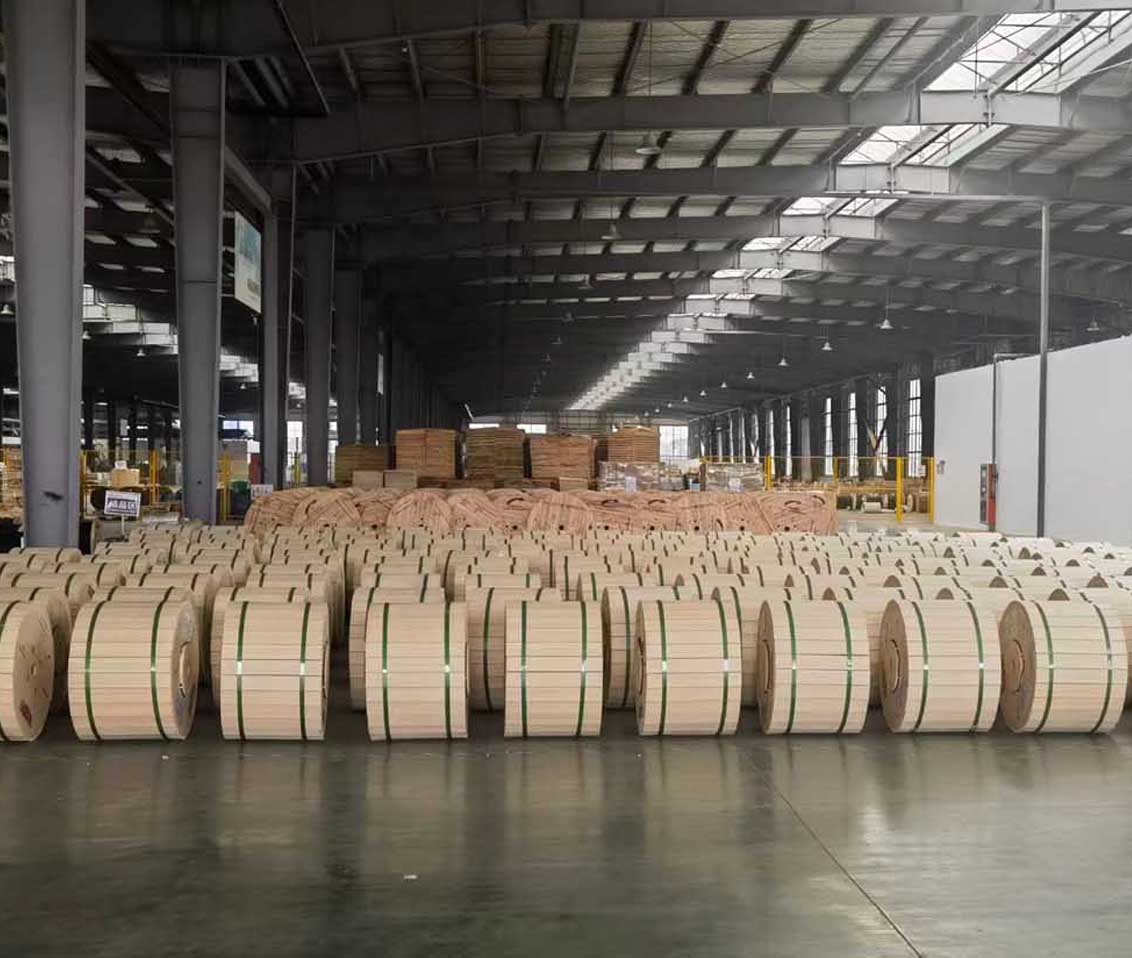
 Optical Fiber
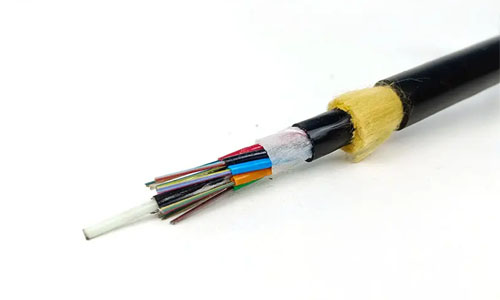 ADSS Fiber Optic Cable
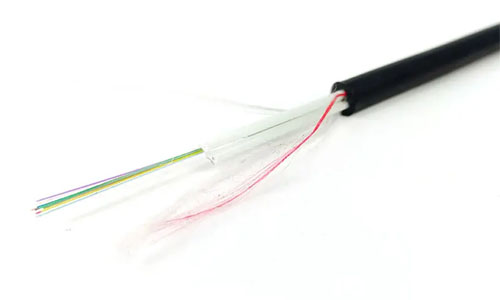 ASU Fiber Optic Cable
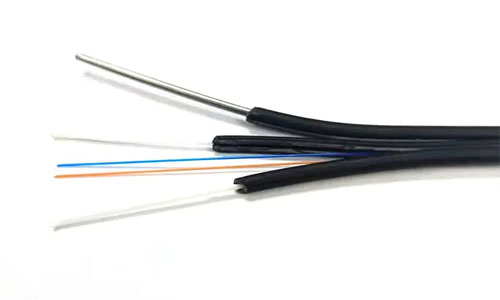 FTTH Fiber Optic Cable
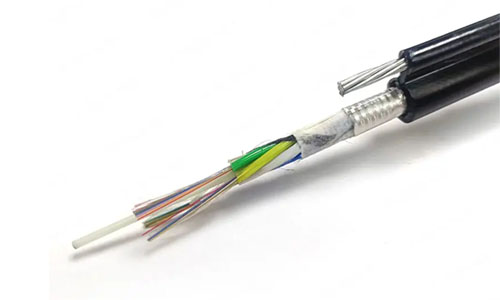 Figure 8 Fiber Optic Cable
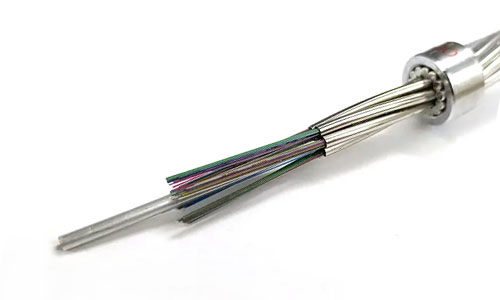 OPGW Fiber Optic Cable
 Coaxial Cable
 Ethernet Cable
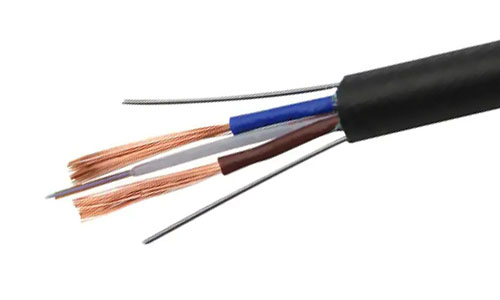 Photoelectric Composite Fiber Optic Cable
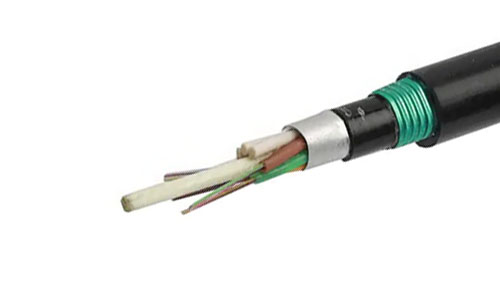 Underground & Pipeline Fiber Optic Cable
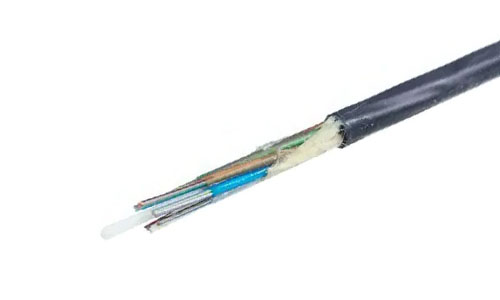 Air-Blown Micro Fiber Optic Cable
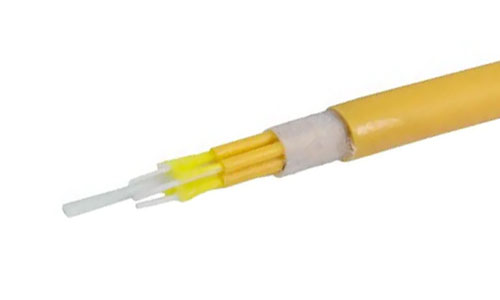 Indoor Fiber Optic Cable
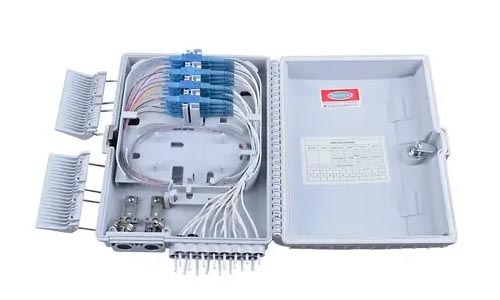 Fiber Optic Distribution Box
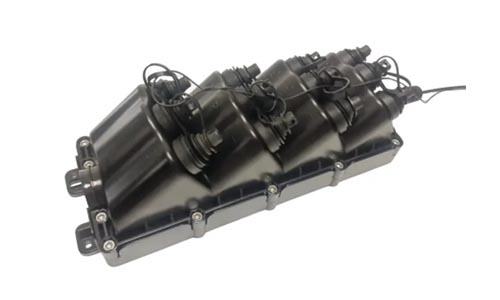 Multiport Service Termina Box
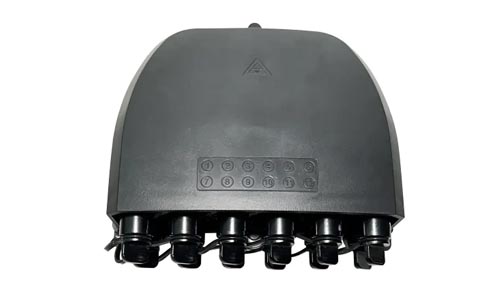 Fiber Optical Terminal Box
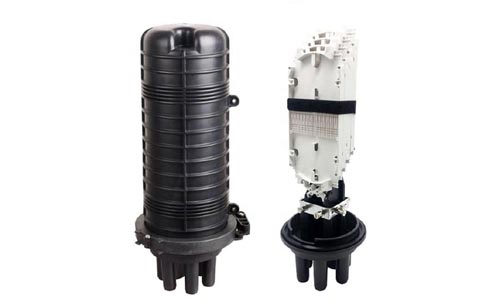 Fiber Optic Splice Closure
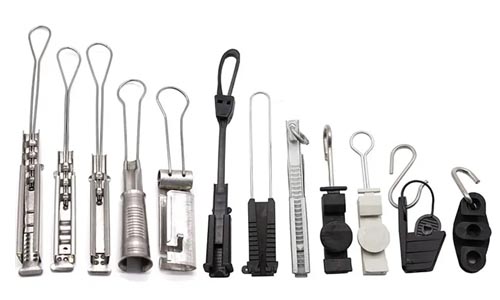 Fiber Optic Clamps
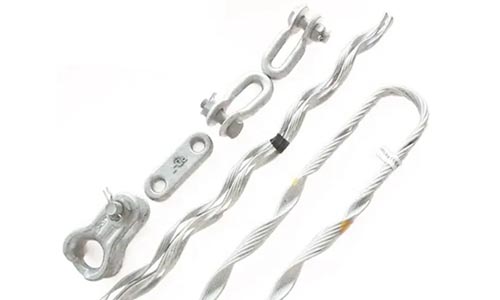 Fiber Optic Cable Fittings
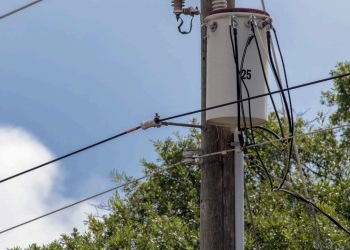 ADSS Fiber Cable
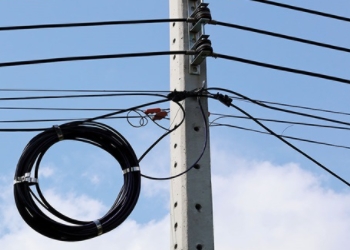 ASU Fiber Cable
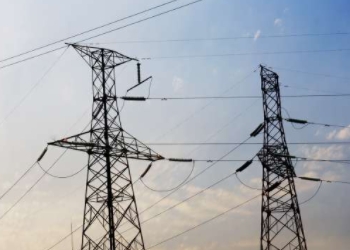 OPGW Fiber Cable
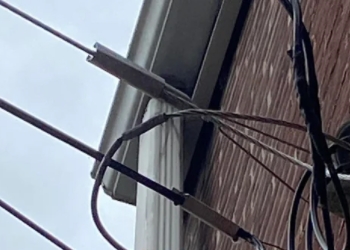 FTTH Fiber Cable
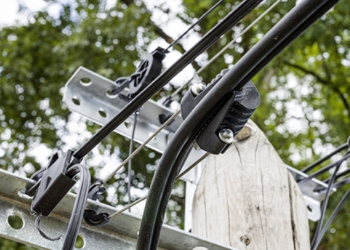 Figure 8 Fiber Cable
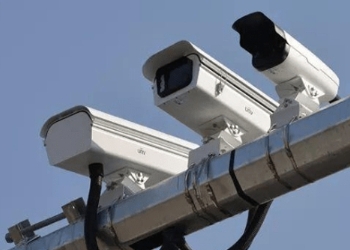 Photoelectric Composite Fiber Cable
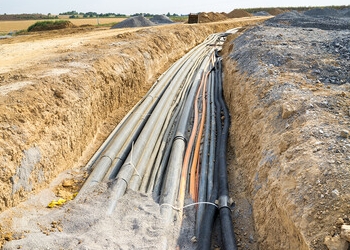 Underground & Pipeline Fiber Cable
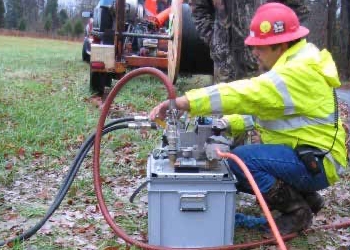 Air-Blown Micro Fiber Cable
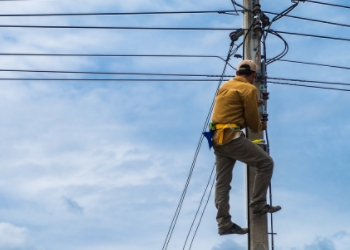 Aerial Fiber Cable
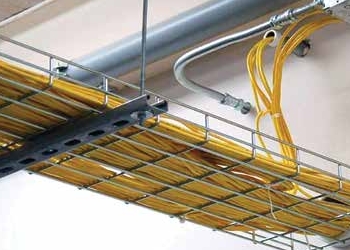 Indoor Fiber Cable
 Fiber Optical Terminal Box
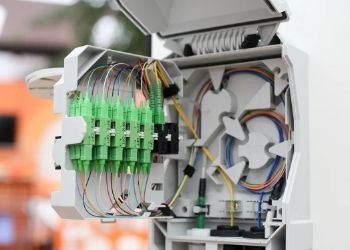 Fiber Optic Distribution Box
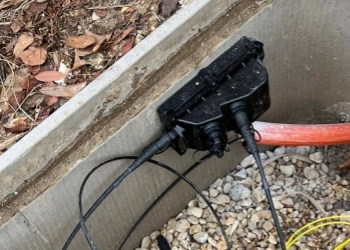 Multiport Service Termina Box
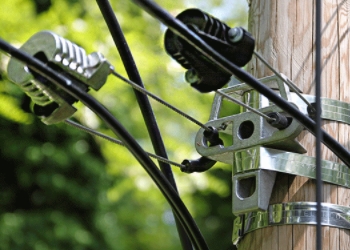 Fiber Optic Clamps
 About Us
 Our Team
 History
 R&D Strength
 Production Base
 Warehouse & Logistics
 Quality
 FAQs
FAQsUnderstanding IP65 Rating: What You Need to Know About Waterproof Protection?
Contact for Free Quotation & Sample, According to your needs, customize for you.
inquiry nowUnderstanding IP65 Rating: What You Need to Know About Waterproof Protection?
-
The IP65 rating indicates that a product is dust-tight and water-resistant, capable of withstanding low-pressure water jets, signifying its durability for indoor and outdoor environments.
-
Knowing what the 1st and 2nd digits mean in an ip rating can help you select hardware with the appropriate level of dust and liquid protection for your setting!
-
IP65-rated devices provide outstanding protection against the elements, which comes in handy for outdoor illumination, industrial housings, and electronic gadgets.
-
So, while IP65 products are water-resistant and can withstand splashes or rain, it’s not waterproof and you shouldn’t submerge it.
-
Things like good materials, severe temperatures, and chemical exposure can degrade IP65 protection over time, meaning routine maintenance is key.
-
When choosing an IP rating, factor in your environment and application to keep your gear protected and operational.

IP65 waterproof rating means it can protect against dust and low-pressure water jets from any direction. This rating provides robust defense for Fiber Termination Box, garden lights, security cameras, phones and other equipment regularly used outside or in wet locations. Most folks choose products with IP65 when they want to protect from rain, splashes or dust in everyday life. Equipment with this seal rating can withstand a drenched garden, teeming workshop or downpour on the street. Manufacturers test them to rigorous standards, so you can rely on the construction. To assist you in selecting the right product, the following section explains what IP65 includes and contrasts it with other ratings so you can decide what fits your needs.
Decoding the IP65 Rating
The IP65 rating is a notable one in the realm of ingress protection, a code established by the International Electrotechnical Commission (IEC) to indicate the effectiveness of enclosures against dust and water. This two-digit code informs you if a gadget can endure rough environments, be it a dusty manufacturing floor or an area with frequent water sprays. With its robust IP rating, we use IP65 worldwide, and you’ll find it on the likes of security cameras and outdoor equipment.
1. The First Digit
The first number, which ranges from 0 to 6, is a rating for solids, with 6 being the highest. This implies that it is completely impervious to dust—no matter how minute. For electronics in workshops or mines, this dust protection avoids sensors, circuits and moving parts wear out prematurely.
Having a “6” is more than a number. That it’s designed for environments where dust is ubiquitous. Without it, dust gunk can clog fans, get boards shorted and connections messed up. For anyone requiring long-life equipment in hard places, that first number is the important one.
2. The Second Digit
The second digit indicates the amount of water the enclosure can withstand — from 0 to 9. That “5” means it can withstand low-pressure water jets from any angle. So if you’re hosing down machinery or stuck in a shower, it still works.
This ‘5’ doesn’t imply that the enclosure can withstand being submerged or dumped on in hurricane-like conditions for days on end. It’s perfect for outdoor lights, security panels or control boxes that get splashed or hosed down from time to time.
3. Solids Protection
IP65-rated products keep out all dust and fine particles, due to tight seals and sturdy materials. Manufacturers deploy gaskets, tough plastics, and smart design to prevent dust from sneaking in through seams and seams.
This tough protection is particularly important to electronics that have to operate in dust-filled environments. In factories, construction sites or even bustling kitchens, dust can take out fragile components quickly. With a solid IP65 barrier in place, that should mean less breakdown and less expensive repairs, so it all keeps humming along.
4. Liquids Protection
Water jets are nothing to IP65 gear. They test them by shooting water at them from all angles with a nozzle to see if anything seeps in. This defense is sufficient for garden sensors or control boards exposed to rain or wash-down sprays, but not submersion.
With IP65 protection, it means that professionals and consumers can feel confident that their equipment will survive outside or on the worksite, even in inclement weather. Still, you should be aware that IP65 doesn’t extend to everything—such as deep water or intense sun.
5. Combined Meaning
When you multiply the two digits, you end up with a device that completely denies dust and brushes off water jets. This is what makes IP65-rated equipment such an attractive choice for many applications, from outdoor lighting to industrial controls, where dust and water are prevalent hazards.
IP65 is a sweet spot: tough enough for most harsh places, without the cost or bulk of higher ratings like IP67 or IP68. That knowledge allows consumers to make a more informed decision when selecting the right device for their lifestyle, creating more confidence in their purchase.

Real-World IP65 Applications
IP65 products are all around us in a day-to-day context, and in many instances, they are doing their job behind the scenes. From the highway to your home, they battle dust, water, and weather, showcasing their impressive water resistance capabilities. Their applications are increasing rapidly, with an annual growth in demand of approximately 8.5%, as more sectors seek robust IP rating solutions.
Outdoor Lighting
Outdoor lights with IP65 ratings shine through rain, snow and dust. In public spaces, such as walkways and parks, they maintain paths illuminated and safe for all visitors, regardless of the time of year. On roadwork and construction sites, IP65 lighting withstands water jets and dust storms, protecting workers and deadlines.
Others like New Zealand and Ireland have solar-powered IP65 light towers for rural roads. These towers are IP65 rated and perform well in even the most far flung locations. Thanks to their sealed design, they last longer, require less maintenance, and are typically stylish to boot. Which in practice means cities and towns can illuminate streets and trails while conserving energy and maintenance.
Industrial Enclosures
Factories and plants require enclosures that safeguard equipment against dust and water. IP65-rated boxes do exactly that, shielding sensitive electronics and controls from water jets at 12.5 liters/minute and fine particles. This proves essential in heavy equipment areas, where dust and washing are prevalent.
The right enclosure choice supports compliance with safety regulations and maintains workflow. Because if the gear remains dry and clean it lasts longer and fails less frequently. Which translates to fewer repairs, less downtime and reduced costs for all parties.
Consumer Electronics
IP65 equals phone, earbud, and smartwatch peace of mind. So folks are looking for cool gadgets that don’t stop after a splash or dusty day outside. Waterproof and dustproof are now a selling point, not a bonus.
Tech brands leverage IP ratings to differentiate themselves in a crowded marketplace. Consequently, more people select products that claim to withstand hard abuse, putting IP65 into the realm of everyday toughness.
Security Equipment
Cameras and alarms must survive rain or shine. IP65 means security equipment can operate outdoors, even in snow or freezing temperatures. Weatherproof cameras help guard highways and job sites, watching over things without missing a beat.
This rating reduces maintenance. Less water and dirt intrusion means devices have a longer lifespan. Strong protection is what matters most when sensitive data is on the line.
IP65 Versus Other Ratings
IP65 falls just about halfway along the ingress protection rating scale, balancing reasonable dust and water resistance capabilities for a variety of applications. Understanding how it compares to other ratings, such as the higher IP66 rating, is essential for selecting equipment that performs reliably in harsh weather conditions, from dusty workshops to outdoor lights in torrential downpours.
Against IP54
IP54 protects against some dust and water, but not all. It keeps out most dust while providing limited protection against splashes, not powerful water jets. Consider a device beneath a kitchen sink or by a moist window. Over time, fine dust and some spray will infiltrate. In contrast, an IP65 rating ensures complete protection by keeping out all dust and resisting water from low-pressure jets for up to 30 minutes. This robust IP rating is ideal for devices positioned outside or in environments where splashing and dust are commonplace. With an IP65 product, you can breathe easy when it comes to cleaning, rain, or the occasional spill. It just endures.
Against IP66
IP65 and IP66 keep out dust 100%, but the IP66 rating goes further when it comes to water resistance capabilities. While IP65 deals with low-pressure jets, the robust IP66 rating is designed against high-pressure jets, excelling in areas of intense storms or routine hose-down, such as on a factory floor or ship deck. If you live somewhere with heavy rain or want to clean gear with a hose, IP66 is safer. Although the IP66 rating can be more expensive, not every application requires that degree of ruggedness; IP65 is usually sufficient for home, garden, and regular outdoor equipment.
Against IP67
When deciding between IP65 and IP67 ratings, it’s crucial to consider the risk of submersion. The IP67 rating can withstand being submerged under water up to one meter for thirty minutes, making it ideal for applications that may encounter substantial water exposure, such as mounting lights around a pool or using technology in soggy basements. Meanwhile, the more common IP65 rating efficiently handles rain and splashes, providing reliable protection for the majority of use cases.
Key Considerations When Selecting an IP Rating
-
Equivalent Ratings IP65 versus other ratings Match the rating to real-world risks—dust, rain or full submersion.
-
Think about where the device will sit: indoors, outdoors, or near water.
-
Think about long-term wear and how frequently you’ll wash the gear.
-
Consider price against the amount of protection you truly require.
Is IP65 Truly Waterproof?
Many people hear ‘IP65 waterproof’ and assume it can withstand any water exposure. However, the IP65 rating only prevents dust ingress and resists low-pressure water jets, like those from garden hoses and heavy rainfall. It’s crucial to note that this does not equate to being waterproof. The “5” in the IP65 rating refers specifically to low-pressure water jets, making this distinction vital for anyone selecting equipment for outdoor applications or wet conditions.
Water-Resistant
Water resistance on an IP65 device means it stands up to splashes, rain or 30 kPa water jets from 3 meters. Think patio speaker or pool light—these can take a rinse or burst of rain.
Water resistance isn’t waterproof. It provides reassurance against everyday accidents, but the phone is not designed to survive the swimming or pool drop. It counts when you handle electronics near sinks, showers or outside. Water-resistant abilities maintain your devices operational and economize repair costs. They help devices survive longer, even dust and rain. This makes them convenient for work sites, outdoors or in kitchens where spills occur frequently.
Not Submersible
IP65 products are not submergable. If you drop your ip65 phone in a tub, water gets in. No matter how sturdy it appears, the rating doesn’t include full submersion or deep water.
Prolonged water exposure, or dunking, jeopardizes IP65 devices. Be sure to verify the manufacturer’s recommendation before bringing a device near water. If you want stuff for swimming, snorkeling, or boating — seek out IP67 or IP68 instead. These include immersion, which IP65 is not.
Practical Limits
IP65 isn’t without its boundaries. The rating says it can handle dust, rain or a quick hose-down, but not all of it. Pressure and water volume and time-exposed all make a difference. Even a heavy storm might test the rating’s boundaries if water is entering at weird angles, or under pressure.
Frequent inspections assist in maintaining tight seals. Eventually, even microscopic dust particles that sneak in will wear down the device. Care is what keeps the water resistance functioning. Even sun’s UV rays, which IP65 doesn’t address, can degrade materials and seals.
No rating beats knowing. Understanding these boundaries will allow you to make an educated choice about selecting the appropriate device and stay away from expensive blunders.
Beyond the Lab Certification
Sure, the IP65 waterproof rating means it’s designed to keep out dust and powerful water jets, but in real-world use, we often stretch devices beyond what lab tests indicate. Though the IEC 60529 standard provides a transparent framework for IP ratings, these figures only paint a partial picture. In the real world, elements such as severe weather and chemical spills challenge the water resistance capabilities of electrical components. It’s not simply test-proven; it’s time-proven—the kind of safety and dependability you need in harsh environments.
Material Degradation
Sun, rain, and pollution can significantly degrade the seals in IP65 equipment over time. Even tough materials may crack or discolor, compromising their water resistance capabilities and allowing moisture and dust to enter. The choice of material is crucial; for example, a cheap plastic housing might pass initial tests but could start leaking after a year in harsh environments. This is why selecting equipment made from premium materials is essential for ensuring long-lasting protection against environmental factors.
Routine inspections are vital for identifying early signs of damage. A small tear in a gasket or a hairline crack can lead to significant issues, allowing liquid ingress. Therefore, making informed material choices and establishing a regular inspection routine can mean the difference between years of reliable protection and an unexpected failure of your electronic devices.
Temperature Extremes
Scorching summers and freezing winters can put seals and enclosures through a stress test, even for IP65 products. High heat can make rubber seals brittle, and cold can shrink them, providing pathways for water. That’s why it pays to select gear rated for the complete temperature spectrum you anticipate.
Certain items provide additional temperature ratings, be sure to look for that in case your equipment will encounter wild swings in climate. Otherwise, surprise breakdowns can lurk around the corner during the hottest or coldest months.
Chemical Contact
In factories or labs, chemicals in the air or chemical spills can corrode the protective layers of IP65 gear. Certain plastics burst or split when immersed in solvents, and even metals can rust. If your environment utilizes aggressive cleaning agents or chemicals, seek out items manufactured from resistant substances such as stainless steel or specialized polymers.
Even the best IP65 rating won’t hold up in those environs — unless you add extra shields or coatings. That’s particularly in splash or fume heavy environments.
User Maintenance
Cleaning and care are equally as important as the initial score. Dust, mud and grime can accumulate, obstructing seals or concealing cracks.
Regular maintenance keeps things in shape. Simple steps help:
-
Wipe down surfaces with safe cleaners.
-
Check gaskets and seals for wear.
-
Tighten loose screws or covers.
-
Replace parts that look damaged.
Heed the maker’s care advice, always. This assists the device in maintaining its IP65 pledge.
Choosing the Right Protection
Choosing the right protection means knowing what you need to safeguard against in your environment. Defined by international standards such as EN 60529 and IEC 60509, the IP rating describes a device’s level of resistance to dust and water ingress, making it crucial for selecting equipment for various applications. This isn’t just a marketing sticker; it’s an indicator of what the device can endure in actual use.
When examining the IP code, the initial digit indicates how effective the case keeps solids out. A 6 means it’s dust-tight, ensuring no dust enters. The second number reflects its level of protection against water. A 5 in the second position means it’s protected against water jets anywhere, while an IP68 rating indicates the device can withstand complete submersion for a while, providing robust water resistance capabilities.
You can’t just ignore where and how you’ll use the gear. If you’re installing outdoor equipment like lights in a garden that experiences heavy downpours or cameras in an area prone to sandstorms, you’ll desire a higher IP rating. For water spray, such as in a kitchen or bathroom, an IP55 rating is a necessity. For heavy jets, as seen in car washes, a 6 or more is ideal. If your gear may get dunked, then you want at least an IP67 rating.
Here are the main points to help you pick the right IP rating for reliable protection in harsh conditions.
-
Oh, and choose the right protection. Consider dust, water and even cleaners.
-
Choose the right protection. For dust, seek a first digit of 5 or 6. 4 protection means water splashes, 6 strong jets, 7 for short dips, and 8 for long soaks.
-
Consider heat and moisture. Some locations are hot and sticky, others cold and dry, each requiring a unique degree of protection.
-
See if they check for chemicals. If your gear will encounter cleaning sprays or other harsh stuff, seek out cases designed to resist those as well.
-
Don’t bunch. High ip ratings can translate into higher cost and bulk, so choose only what you actually require.
Conclusion
IP65 provides easy, durable weather protection for lamps, equipment, and equipment. Rain, dust and splashes can’t keep these from functioning. Imagine a street light that remains illuminated during a tempest, or a taj-croc speaker at a pool party that continues to pump out perfect sound. IP65 doesn’t stand for safe for deep dives or long soaks, but it’s great for everyday outdoor use. For wet work, icky environments or tough conditions, IP65 rises to the challenge. When you shop for equipment, consider which rating suits your requirements. Wish to know more or share your story. Leave your feedback or questions below. Your advice and opinions guide others to choose the best tools for their universe.
Frequently Asked Questions
What does IP65 waterproof rating mean?
IP65 certification indicates that it is dust-tight and offers reliable protection against powerful water jets from any angle, making it suitable for outdoor equipment.
Can I submerge an IP65-rated device in water?
No, IP65 doesn’t provide robust protection against submersion; it only safeguards against powerful water jets. For total protection, seek out IP67 ratings or greater.
Where are IP65-rated products commonly used?
IP65-rated products, known for their robust IP rating, are commonly used outdoors, in industrial settings, or in environments where items may face exposure to dust and water splashes, such as lighting fixtures or security cameras.
Is IP65 protection enough for heavy rain?
Yep, the IP65 rating provides reliable protection against heavy rain and powerful water jets, but it’s not for underwater use or prolonged soaking.
How does IP65 compare to IP44 and IP67?
IP65 certification offers better dust and water resistance capabilities than IP44, while the IP67 rating provides reliable protection for limited submersion.
Does IP65 rating guarantee durability outdoors?
IP65 is dust-tight and offers reliable protection against water jets, making it suitable for outdoor equipment in harsh weather conditions, despite temperature and UV exposure affecting durability.
Should I always choose the highest IP rating?
Not necessarily. Select an IP rating for your environment and requirements, as higher ratings, like the IP68 rating, can add expense and are not required in all use cases.