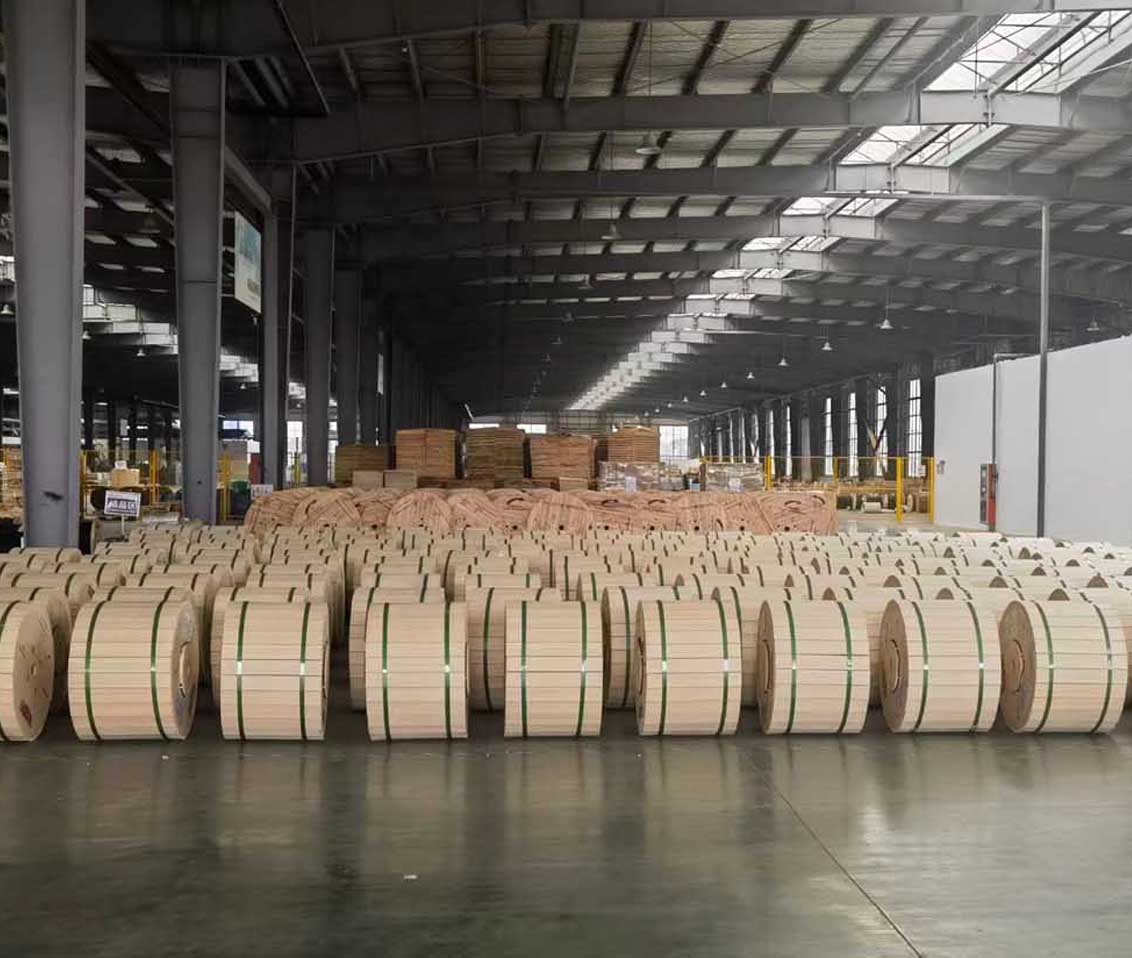
 Optical Fiber
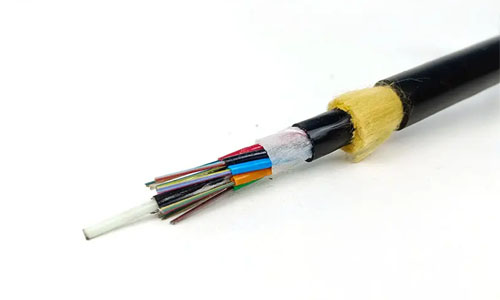 ADSS Fiber Optic Cable
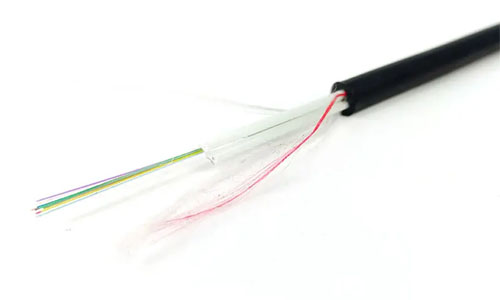 ASU Fiber Optic Cable
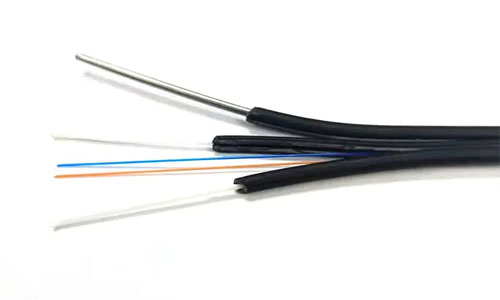 FTTH Fiber Optic Cable
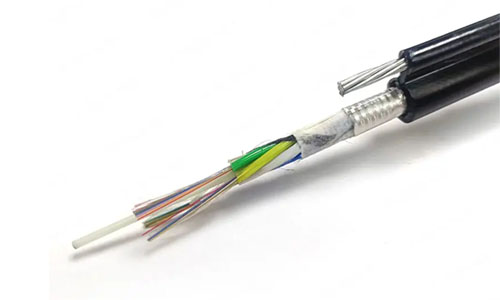 Figure 8 Fiber Optic Cable
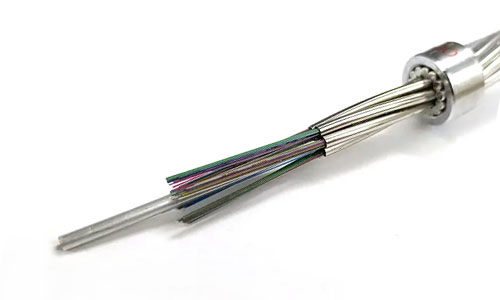 OPGW Fiber Optic Cable
 Coaxial Cable
 Ethernet Cable
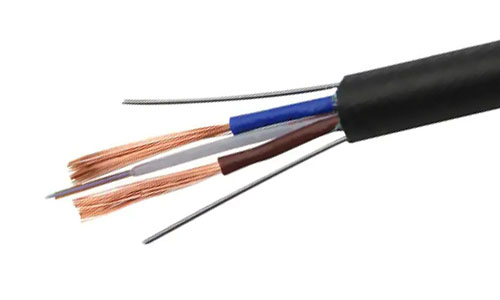 Photoelectric Composite Fiber Optic Cable
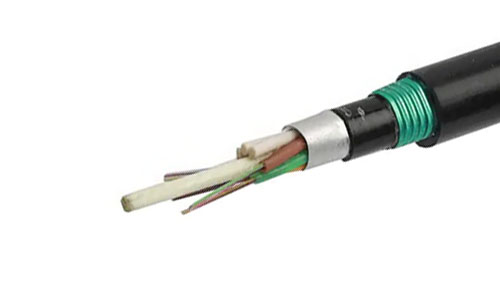 Underground & Pipeline Fiber Optic Cable
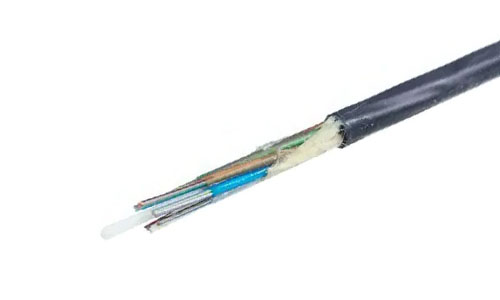 Air-Blown Micro Fiber Optic Cable
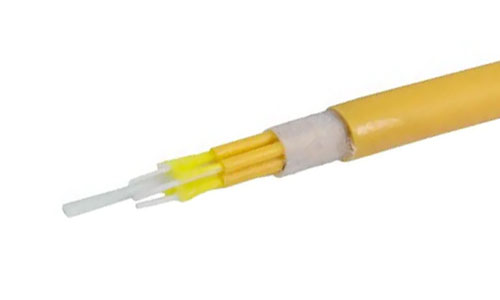 Indoor Fiber Optic Cable
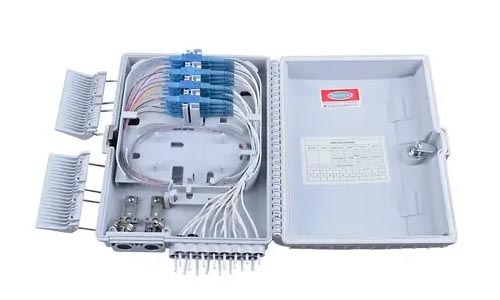 Fiber Optic Distribution Box
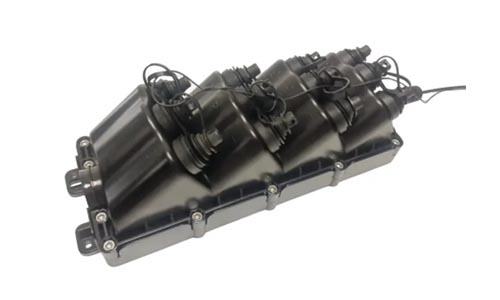 Multiport Service Termina Box
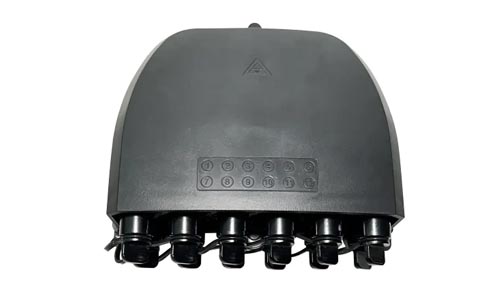 Fiber Optical Terminal Box
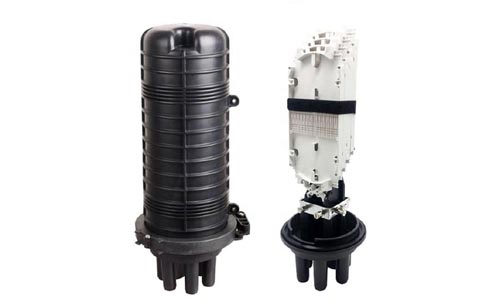 Fiber Optic Splice Closure
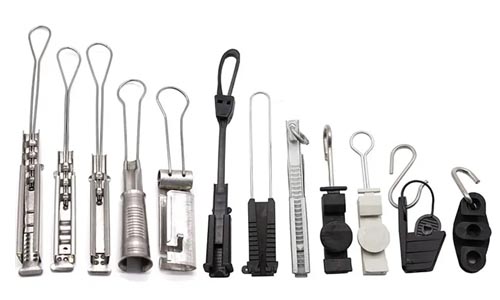 Fiber Optic Clamps
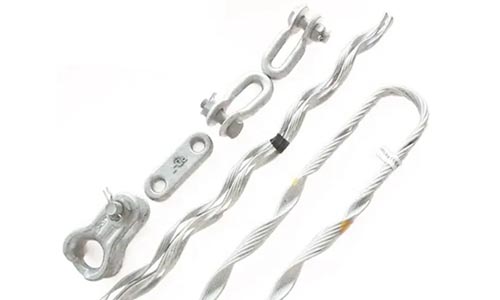 Fiber Optic Cable Fittings
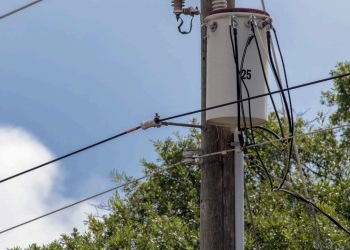 ADSS Fiber Cable
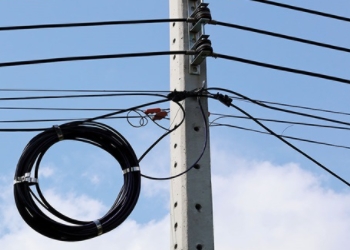 ASU Fiber Cable
 OPGW Fiber Cable
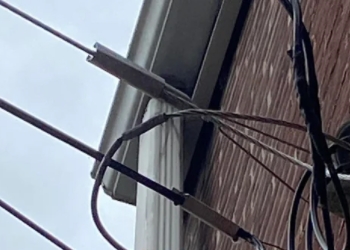 FTTH Fiber Cable
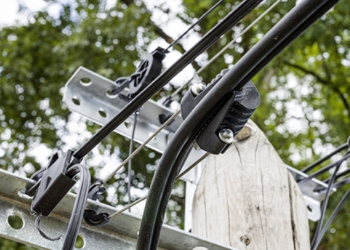 Figure 8 Fiber Cable
 Photoelectric Composite Fiber Cable
 Underground & Pipeline Fiber Cable
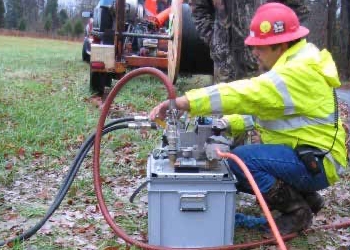 Air-Blown Micro Fiber Cable
 Aerial Fiber Cable
 Indoor Fiber Cable
 Fiber Optical Terminal Box
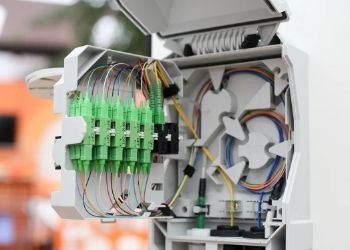 Fiber Optic Distribution Box
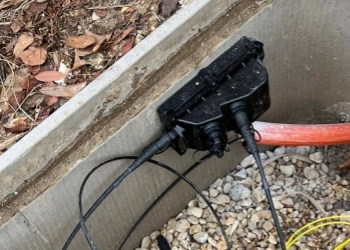 Multiport Service Termina Box
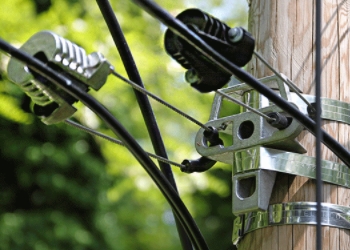 Fiber Optic Clamps
 About Us
 Our Team
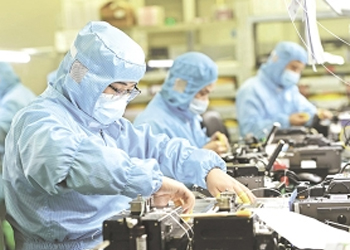 History
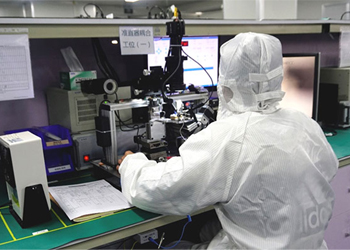 R&D Strength
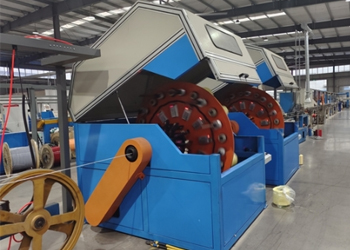 Production Base
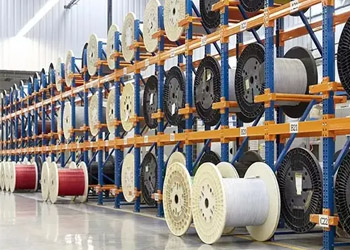 Warehouse & Logistics
 Quality
 FAQs
FAQsHow To Splice Fiber Optic Cables?
Contact us for more sample, According to your needs, customize for you.
inquiry nowHow to Splice Fiber Optic Cables?
What Is Fiber Splicing?
Fusion splicer is the act of joining two optical fibers end-to-end. The goal is to fuse the two fibers together in such a way that light passing through the fibers is not scattered or reflected back by the splice, and so that the splice and the region surrounding it are almost as strong as the intact fiber. When done correctly, splicing creates a cable with improved durability and minimal loss. Thanks to fiber fusion, when the fiber breaks, the massive data flood can still run quickly in telecommunications network.
Mechanical Splicing: A mechanical joint aligns two or more broken fiber tips and holds the fibers together through a single assembly. Mechanical splicing requires less time and effort, uses no power and has few tools. However, mechanical splicing is generally considered temporary and can result in insertion losses of about 0.3 dB.
Fusion Splicing: Fiber fusion splicing is the most commonly used fiber fusion splicing method and is also the main method discussed in this article. In the fusion splicing process, a specialized fusion splicer machine is used to precisely align the two fiber ends then the glass ends are fused together using an electric arc or some type of heat. The advantage of this welding method is that it produces a transparent, non-reflective and continuous connection between the optical fibers, and achieves very low loss, generally only 0.1db loss.

The two most common methods of fiber splicing are fusion and mechanical. Both fusion and mechanical splicing accomplish the same target,l which connect two optical fibers together so that light signals can travel smoothly through them.Generally speaking, it is recommended to usel fusion splicing. This method has low losses and low subsequent maintenance costs. Next, the specific operation steps of this method of fusionl splicing will be introduced.
How to Splice Fiber Optic Cables?
Step 1:Fiber Preparation. First we need to use cable stripper to remove the protective layer of the optical fiber, such as cladding, jacket, and sheath. Bare fiber needs to be cleaned carefully using alcohol cotton to ensure it is spotless.
Step 2: Cleave the fiber. Fiber cleavers are used for cutting. This is one of the most important steps. A bad fiber cutter or poor cutting can significantly increase the attenuation of a welded joint. That's why we have to do this step carefully. A good cut end surface is flat, which is beneficial to subsequent splicing work.
Step 3: Place the prepared optical fibers into both sides of the fiber optic splicing machine and secure them. The fusion splicer first uses a microscope and a 3D positioning motor to position the fiber. Aligning a fiber means matching its ends perfectly so that light can travel from one fiber to the other with minimal loss, reflection, or distortion. After positioning is completed, an electric arc is formed between the electrodes,l melting the optical fiber. The fused joints were then tested for mechanical strength and joint attenuation. In this way, the splicing is completed,l but the splicing is sensitive and needs protection.
Step 4: Fiber Protection: A typical welded joint has a tensile strength between 0.5 and 1.5 pounds and will not break during normal handling. But in order to protect the fiber from bending and pulling forces, we need to use optic fiber protection sleeve, silicone or mechanical crimp protectors to protect the connector from external factors and breakage.