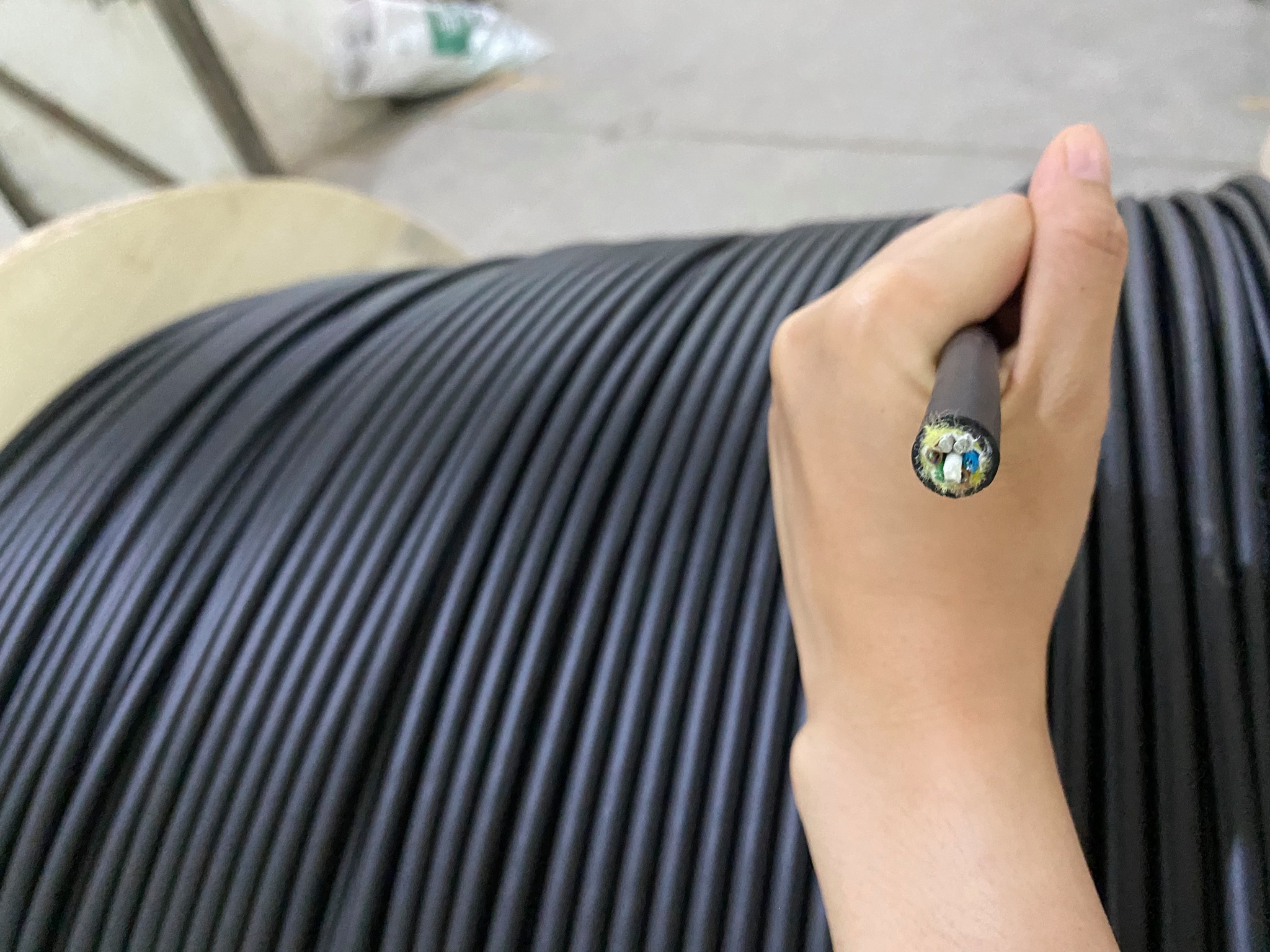
 Optical Fiber
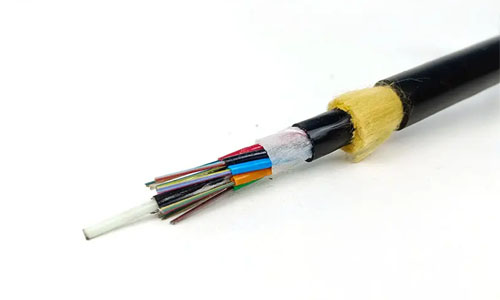 ADSS Fiber Optic Cable
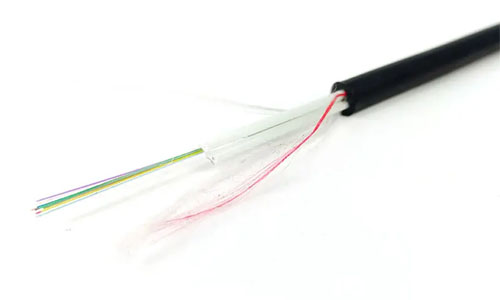 ASU Fiber Optic Cable
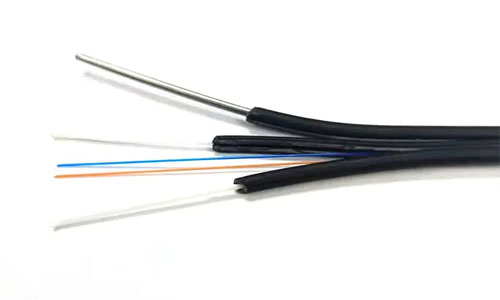 FTTH Fiber Optic Cable
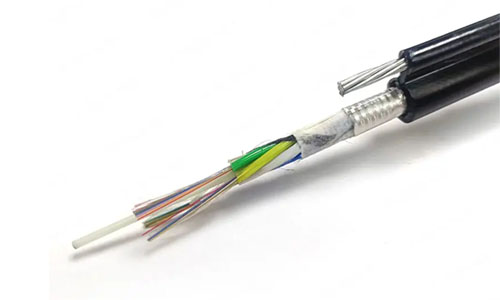 Figure 8 Fiber Optic Cable
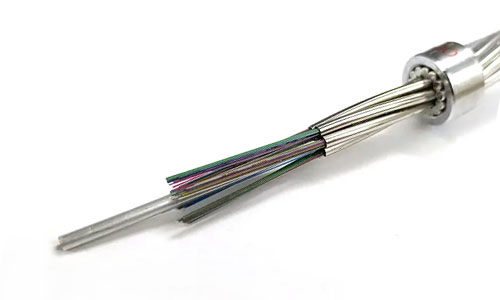 OPGW Fiber Optic Cable
 Coaxial Cable
 Ethernet Cable
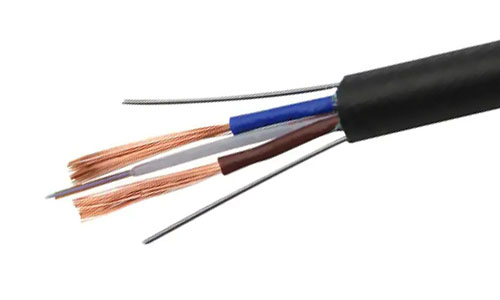 Photoelectric Composite Fiber Optic Cable
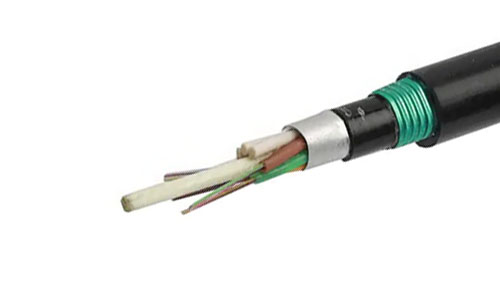 Underground & Pipeline Fiber Optic Cable
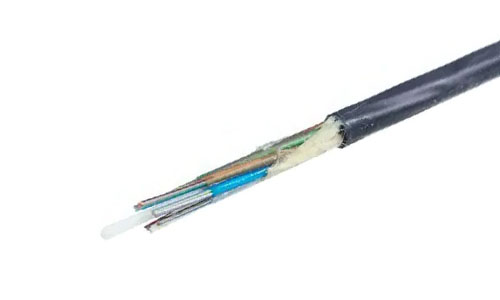 Air-Blown Micro Fiber Optic Cable
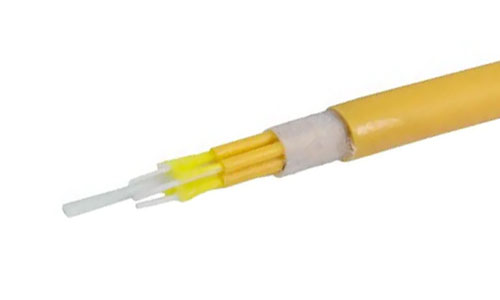 Indoor Fiber Optic Cable
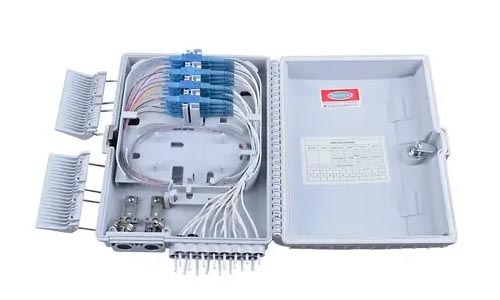 Fiber Optic Distribution Box
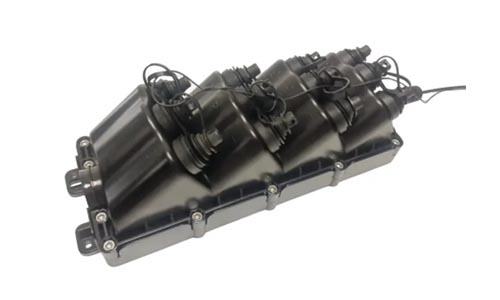 Multiport Service Termina Box
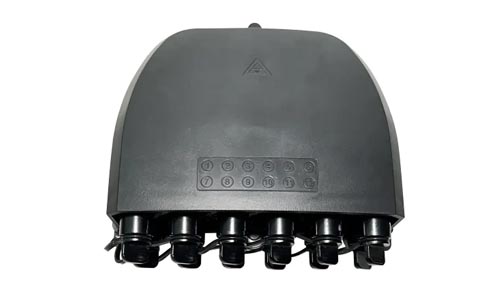 Fiber Optical Terminal Box
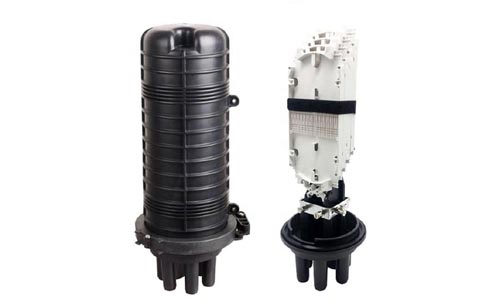 Fiber Optic Splice Closure
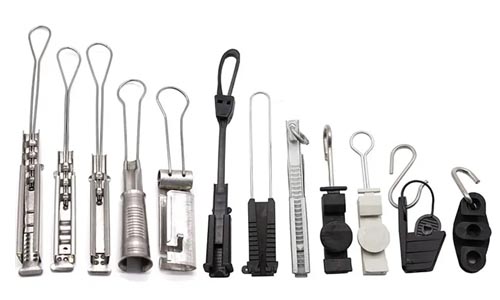 Fiber Optic Clamps
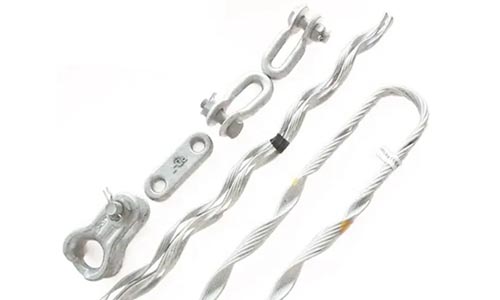 Fiber Optic Cable Fittings
 ADSS Fiber Cable
 ASU Fiber Cable
 OPGW Fiber Cable
 FTTH Fiber Cable
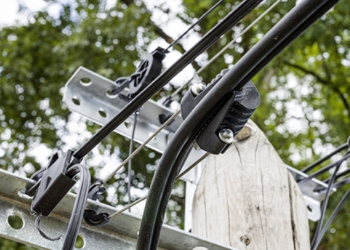 Figure 8 Fiber Cable
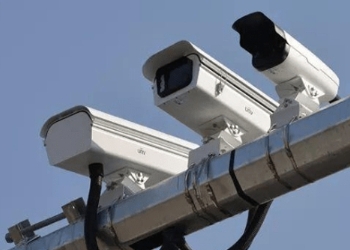 Photoelectric Composite Fiber Cable
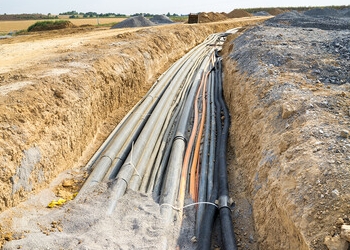 Underground & Pipeline Fiber Cable
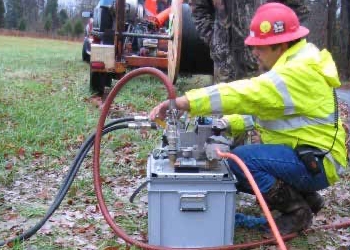 Air-Blown Micro Fiber Cable
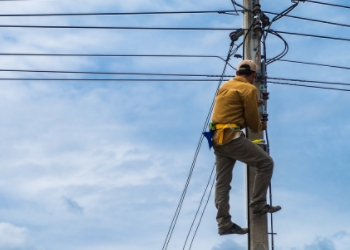 Aerial Fiber Cable
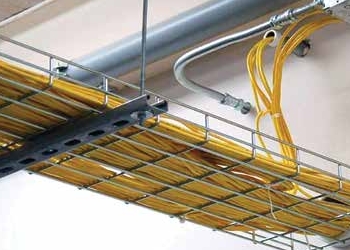 Indoor Fiber Cable
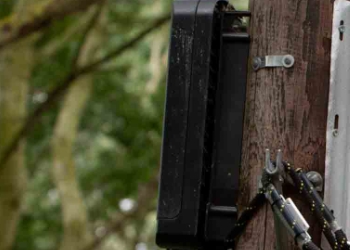 Fiber Optical Terminal Box
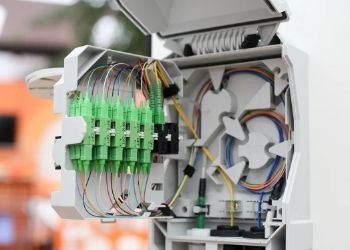 Fiber Optic Distribution Box
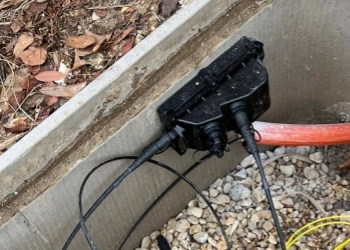 Multiport Service Termina Box
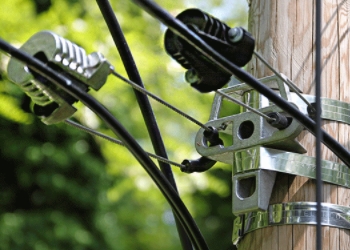 Fiber Optic Clamps
 About Us
 Our Team
 History
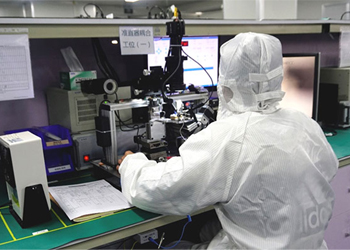 R&D Strength
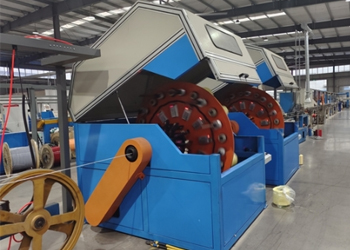 Production Base
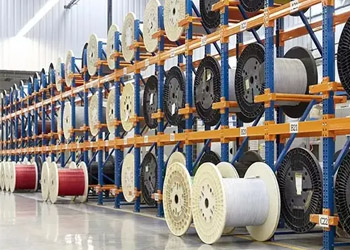 Warehouse & Logistics
 Quality
 FAQs
FAQsHow to Properly Install ADSS Fiber Cable?
Installing ADSS (All-Dielectric Self-Supporting) fiber optic cable requires careful planning and execution to ensure optimal performance and longevity. Here are the general steps to properly install ADSS fiber cable:

Site Survey and Planning:
Before installation, conduct a thorough site survey to identify potential obstacles, environmental factors, and other considerations.
Plan the route carefully, considering factors such as terrain, clearance requirements, and existing infrastructure.
Gather Necessary Equipment and Materials:
Gather all the necessary tools and materials required for installation, including fiber optic cable, tensioning equipment, support hardware, cable lubricant, and safety gear.
Preparation of Cable Lengths:
Inspect the cable reels to ensure they are undamaged and suitable for installation.
Cut the cable into appropriate lengths based on the installation plan.
Clear the Installation Path:
Clear any obstacles along the installation path to ensure smooth deployment of the cable.
Installation of Support Structures:
Install poles, towers, or other support structures at appropriate intervals along the route, ensuring they meet clearance requirements and can support the weight of the cable.
Cable Installation:
Attach pulling grips to the cable ends and use a tensioning machine to pull the cable along the installation path.
Use cable lubricant to reduce friction and prevent damage during installation.
Ensure proper sag and tension are maintained throughout the installation process, following manufacturer guidelines.
Securing the Cable:
Secure the cable to support structures using appropriate hardware, such as brackets or clamps.
Use proper strain relief to prevent stress on the cable at termination points.
Termination and Testing:
Terminate the fiber optic cable at both ends using connectors or splicing techniques.
Conduct thorough testing using an OTDR (Optical Time Domain Reflectometer) or other testing equipment to verify the integrity and performance of the installed cable.
Documentation and Maintenance:
Document the installation details, including cable routes, termination points, and test results.
Implement a maintenance plan to regularly inspect and maintain the ADSS fiber optic cable to ensure optimal performance and longevity.
Safety Considerations:
Prioritize safety throughout the installation process, including proper use of personal protective equipment (PPE) and adherence to safety guidelines and regulations.
Proper installation of ADSS fiber optic cable is essential to ensure reliable communication and minimize the risk of damage or failure. Following these steps and manufacturer guidelines will help achieve a successful installation. Additionally, consulting with experienced professionals or certified technicians can provide valuable insights and assistance during the installation process.