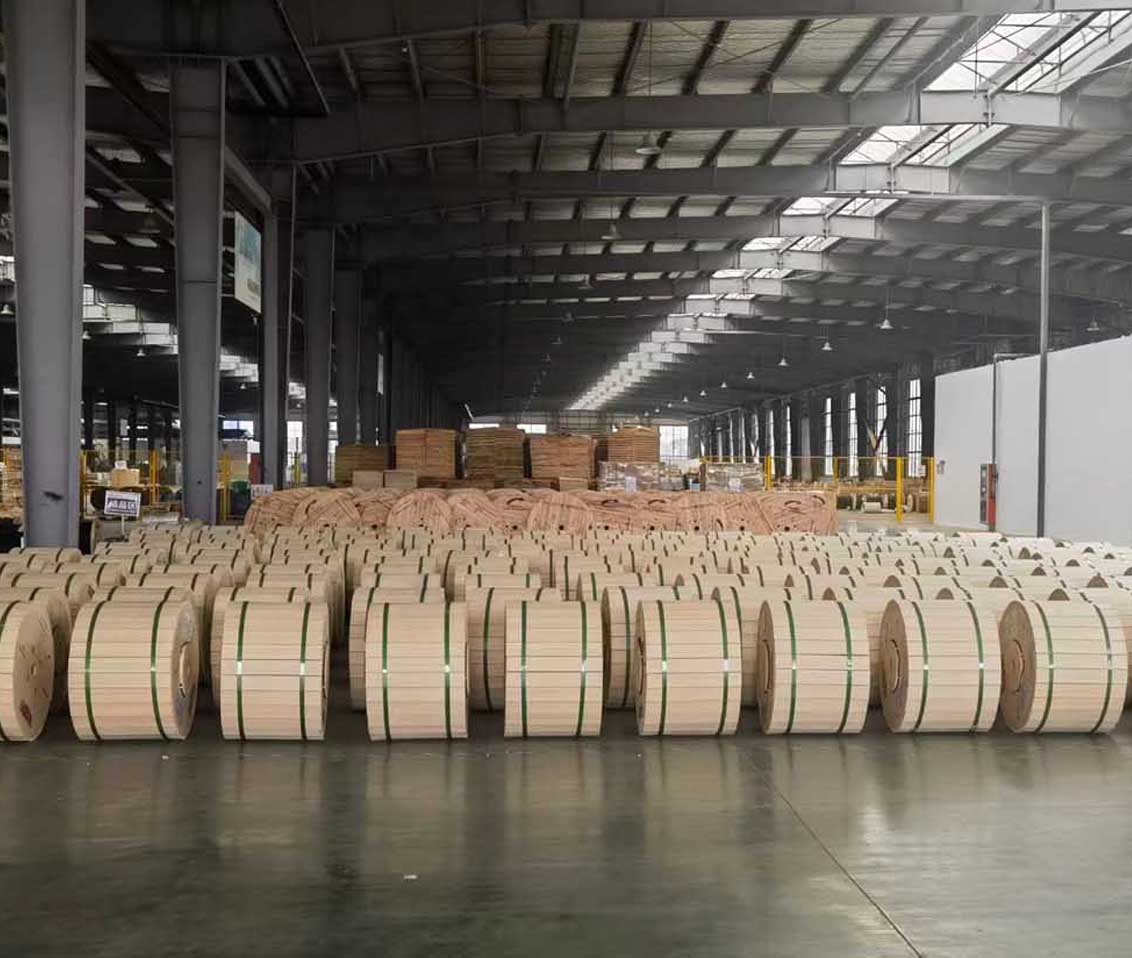
 Optical Fiber
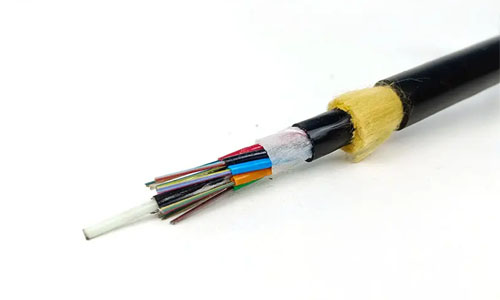 ADSS Fiber Optic Cable
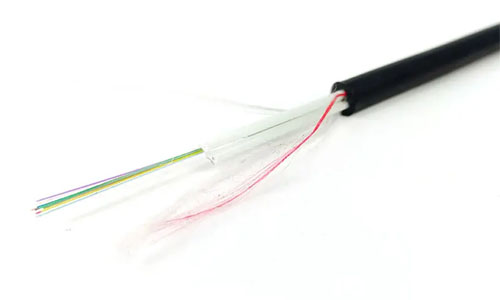 ASU Fiber Optic Cable
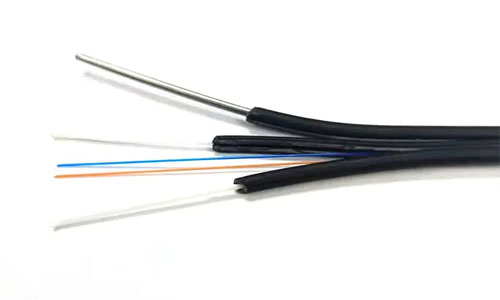 FTTH Fiber Optic Cable
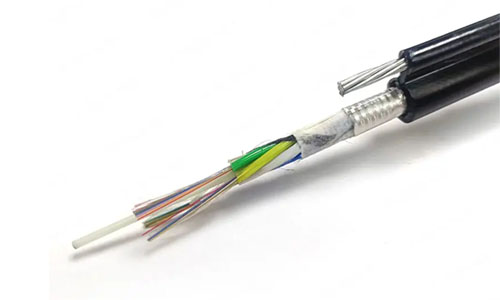 Figure 8 Fiber Optic Cable
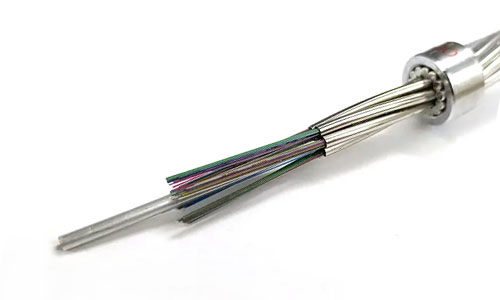 OPGW Fiber Optic Cable
 Coaxial Cable
 Ethernet Cable
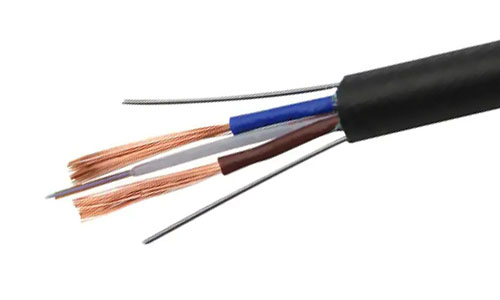 Photoelectric Composite Fiber Optic Cable
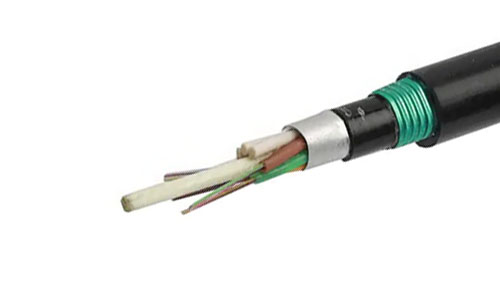 Underground & Pipeline Fiber Optic Cable
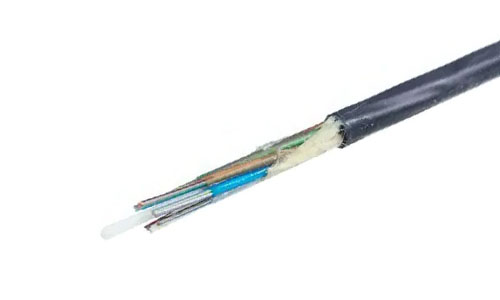 Air-Blown Micro Fiber Optic Cable
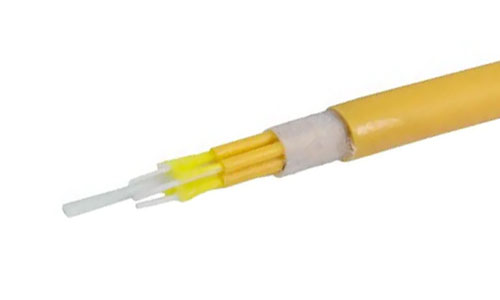 Indoor Fiber Optic Cable
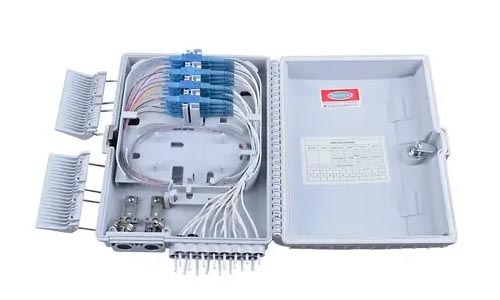 Fiber Optic Distribution Box
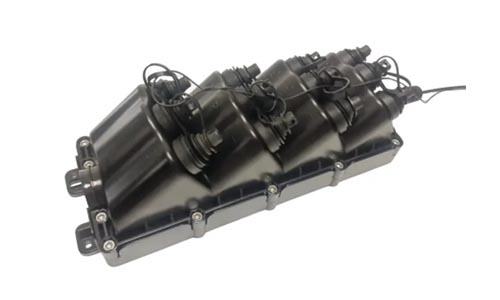 Multiport Service Termina Box
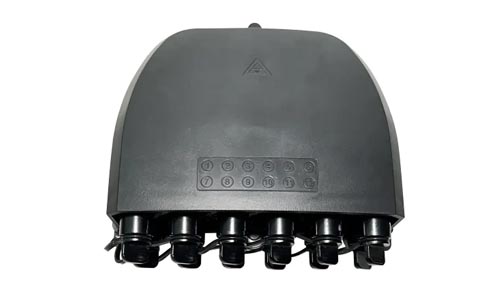 Fiber Optical Terminal Box
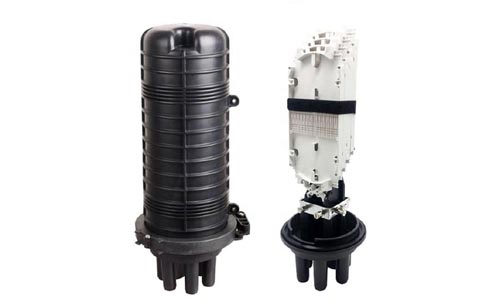 Fiber Optic Splice Closure
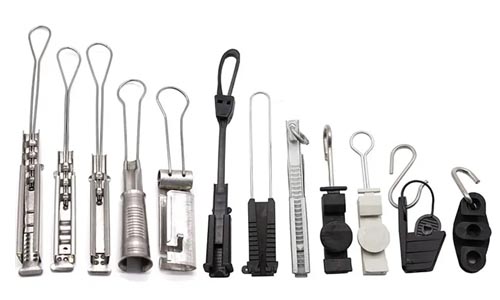 Fiber Optic Clamps
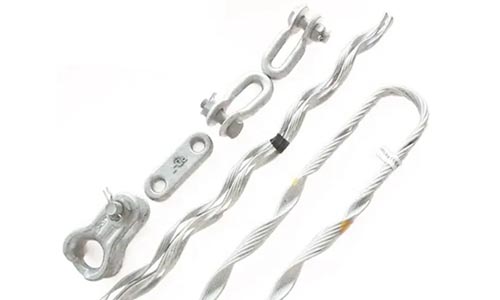 Fiber Optic Cable Fittings
 ADSS Fiber Cable
 ASU Fiber Cable
 OPGW Fiber Cable
 FTTH Fiber Cable
 Figure 8 Fiber Cable
 Photoelectric Composite Fiber Cable
 Underground & Pipeline Fiber Cable
 Air-Blown Micro Fiber Cable
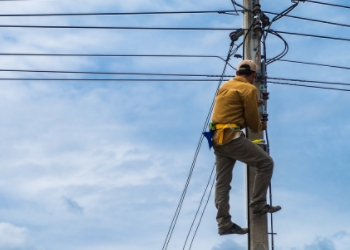 Aerial Fiber Cable
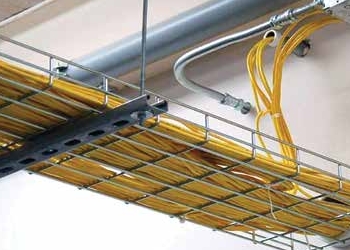 Indoor Fiber Cable
 Fiber Optical Terminal Box
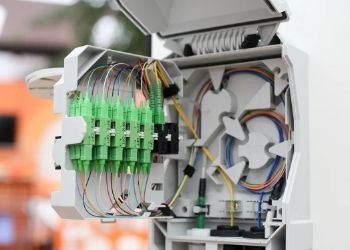 Fiber Optic Distribution Box
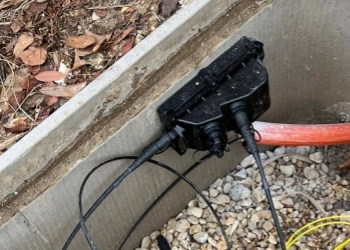 Multiport Service Termina Box
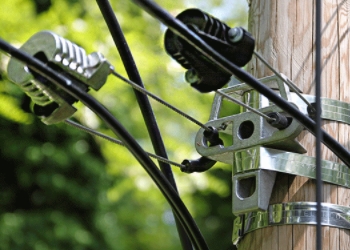 Fiber Optic Clamps
 About Us
 Our Team
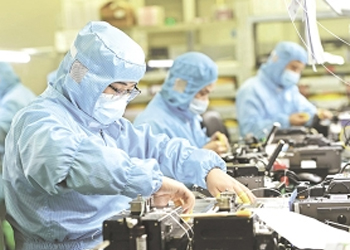 History
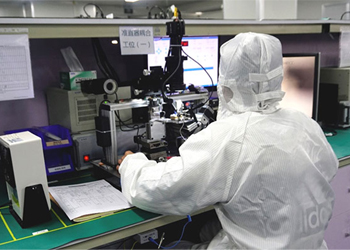 R&D Strength
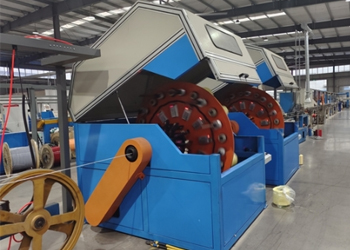 Production Base
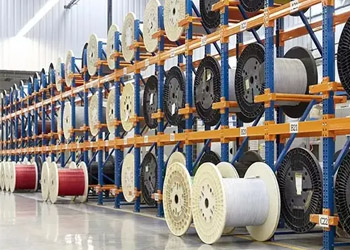 Warehouse & Logistics
 Quality
 FAQs
FAQsHow to Choose the Right FTTH Optical Cable?
In order to select the FTTH optical cable, people compare factors such as core count, cable type, size, and weather resistance. FTTH cables deliver internet from a provider directly to a home or office. Most users are concerned about speed, safety, and easy installation. In urban areas, cables tend to be compressed into smaller spaces, whereas rural locations might require longer cables that withstand heat or frigid weather. Experts verify the cable’s bend radius, jacket material, and whether it is building code compliant. Easy tips assist anyone in selecting the optimal cable for their requirements and room. The next section dissects the key points to consider, so selecting a cable seems less daunting.

Why Fiber Optic Is Essential
Fiber optic cables are at the core of high-speed, reliable internet. Their mechanism is primitive but powerful, employing light to transmit data instead of electricity like traditional copper cables. This crucial shift creates a massive leap in what telecommunications networks enable for individuals and companies.
| Feature | Fiber Optic Cable | Copper Cable |
|---|---|---|
| Data Speed | Very high (speed of light) | Lower (speed of electrons) |
| Signal Loss (100 m) | ~3% | ~94% |
| Cable Size & Weight | Thin and light | Thick and heavy |
| Bandwidth | Very high | Limited |
| Distance Without Boost | Long | Short |
| Port Density | High | Low |
| Interference | Little | Prone to interference |
Fiber wins on speed, as light travels through these optic cables at extraordinary rates, providing fast downloads, clear video chats, and crisp streams. A fiber optic cable can transmit data more than a hundred times quicker than copper, making it beneficial not just for big businesses but also for households where multiple devices crave reliable, strong connections.
Signal loss is another area in which fiber outperforms copper. Over 100 meters, fiber loses about 3% of its signal, while copper loses as much as 94%. This means that a fiber optic network can transmit signals significantly farther without degrading or requiring re-amplification by repeaters. For tall buildings or broad campuses, selecting the right fiber optic cable becomes a savvy choice.
Contemporary demands such as cloud computing and IoT require networks capable of massive data transmission speeds. Fiber offers huge bandwidth, allowing more users and devices to operate lag-free. This means enterprises can expand their networks without a complete reengineering. Fiber cables are thin and shaped like light, fitting comfortably into even the smallest crevices. Data centers love fiber for its high port density, enabling them to cram more lines in less space while keeping configurations tidy.
Fiber optic networks endure and require less maintenance than copper. They withstand weather, don’t corrode, and are more resistant to damage. In the long run, this translates to fewer repairs and lower expenses. For any network designer, choosing fiber is a decision that pays off.
Understanding Cable Anatomy
Fiber optic cables may appear straightforward externally, but internally, every component is crucial to your internet’s speed and dependability. At the center of any fiber optic cable is its core, a slender filament of glass or plastic through which light signals pass. Encasing that is the cladding, fashioned from a distinctive glass or plastic with only a 1% variance in light refraction due to extra dopants. It’s this tiny disparity in the refraction of light that keeps the light bouncing down the core without leaking out. Next comes the coating, which keeps the core safe from bumps and scrapes. The strength member provides the cable’s backbone, allowing it to flex or tension without breaking. Finally, the cable jacket bundles it all together, shielding the cable from water, dirt, and sunlight.
Selecting singlemode or multimode fiber is a significant decision. Singlemode fiber contains a tiny core, approximately 8.3 or 9 microns across. It sends light directly down the line, so it can travel much greater distances, which is excellent for long hauls in a large building or across town. Multimode fiber, with a larger core (50 or 62.5 microns), allows light to reflect in more paths. It is most effective for short runs, such as wiring within a single structure. For home or small office, multimode should do the trick. For big business parks or citywide networks, singlemode typically prevails.
Connectors may appear insignificant, but they’re crucial in the overall fiber optic cable industry. They either splice cables or connect them to hardware. The most common ones you’ll encounter are SC, LC, and ST. Each type has its strengths and weaknesses. LC connectors are tiny and play nicely in confined spaces, while SC connectors are larger but snap in firmly. ST connectors twist and lock, making them suitable for locations with significant motion. The right connector enables insertion loss to stay low, meaning less light is lost, and your internet remains speedy.
Cable construction significantly affects durability and flexibility. Some cables have armoring-like strength members for hard work, such as pulling through walls, while others are thin and flexible for tight bends or cramped spaces. It is smart to check the tensile ratings, which indicate how much you can pull the cable during setup and how much it can withstand while in use. These figures help you select a cable that won’t snap mid-install or later, ensuring optimal performance for your fiber internet needs.
How to Choose Your FTTH Cable
Selecting the right fiber optic cable for FTTH is not just about grabbing the nearest spool; it’s essential to match the cable’s specifications to your network’s requirements and geography. Begin with a checklist: What’s your planned data transmission speed and distance? Are you wiring up a house, a high-rise, or a business? How many connections do you require now, and will you desire additional connectivity later on? Determine whether the job requires indoor or outdoor fiber optic cables, and consider temperature fluctuations, moisture, and potential abuse. Add your fiber counts, verify fire safety codes, and ensure the cable’s tensile strength aligns with its pulling or bending requirements during installation.
1. Fiber Type
Singlemode fiber optic cables are optimized for long runs, such as entire buildings or city blocks, because they preserve the signal over distances measured in kilometers. In contrast, multimode fiber optic cables are good for short hops, like within a single building, and are generally cheaper. For those really quick short connections, think data centers; OM4 or OM5 multimode fibers can reach data transmission speeds of up to 100 Gbps. Which is the right fiber optic cable choice? It depends on what you’re wiring up. Residential installs typically use singlemode, while commercial sites may prefer multimode for local links. Fiber type changes everything: bandwidth, speed, and how much you’ll pay in the end.
2. Cable Construction
Cable construction plays a crucial role in determining the durability of your fiber optic cable and its lifespan. Loose tube cables are ideal for outdoor fiber optic cables, as they endure harsh conditions and provide added protection from moisture and freezing. In contrast, tight buffered cables are flexible and convenient for indoor deployment. The arrangement of fibers inside—whether packed tightly or with some room to wiggle—affects the cable's resistance to bending or crushing. A smaller cable is easier to fit into tight spots, but make sure it meets your strength and bandwidth requirements.
3. Jacket Material
The choice of cable jackets should align with your environment. While PVC jackets are common, they are not the safest option for fire safety. LSZH jackets offer superior fire resistance and low smoke, making them ideal for indoor common areas. Additionally, armored jackets incorporate a metal layer to protect against damage from rodents and crushing, ensuring the durability of your fiber optic cables. The jacket also affects the ease of bending the cable during installation and its longevity against sun, rain, or abuse.
4. Strength Member
Strength members protect fiber optic cables when technicians pull or bend them. Aramid yarn, or Kevlar, is light, resists stretch, and works well in most builds. Steel strength members are strong and resist crushing, which is good for outdoor or industrial installs. When cables get pulled through miles of ducts, your choice of strength member is what keeps the fibers inside from snapping or kinking. They assist the fiber cable in maintaining its form well beyond installation, so data continues to zip quickly and smoothly.
5. Installation Environment
All install sites are not created equal, especially when considering outdoor fiber optic cables that need to withstand rain, sun, and freezes. Opt for UV-resistant and water-blocking designs to ensure optimal performance. Indoors, fire codes are more important, so choose plenum or riser-rated cable jackets. In strings that have sharp bends or high motion, selecting cables with more robust jackets and larger tensile ratings is crucial. If your cables run through walls, ceilings, or underground, match the build to the challenge to ensure a fiber network that lasts years, not months.
Key Performance Metrics
Selecting the appropriate FTTH optical cable, such as a multimode fiber optic cable, involves considering various critical performance metrics that influence the performance and scalability of your fiber network. These key performance metrics guide savvy decisions and keep your setup prepared for evolving tech demands.
-
Data transfer speed
-
Bandwidth capacity
-
Distance limitations
-
Attenuation rates
-
Dispersion characteristics
-
Cable type (OS1, OS2, OM1, OM2, OM3, OM4)
-
Connector compatibility
-
Environmental resistance
-
Scalability
-
Cost
-
Latency, packet loss, signal-to-noise ratio
Attenuation
-
Cable type (singlemode or multimode)
-
Signal wavelength
-
Cable length
-
Temperature and humidity
-
Quality of connectors
Attenuation refers to the diminishing of signal strength as it travels down the wire, particularly in fiber optic cables. For FTTH, lower attenuation values are crucial for optimal performance. Singlemode fibers, such as OS2, typically have an attenuation of approximately 0.35 dB per kilometer at 1310 nm, while OM3 multimode fibers measure around 3.5 dB per kilometer at 850 nm. The longer the fiber optic cable or the higher the wavelength, the more attenuation you will observe. For instance, strategically running cables 100 meters or more in a home or office is essential to maintain high speed, especially if you aim to utilize OM3 or OM4 fibers for faster data transmission speeds. Additionally, attenuation can increase if cables overheat or become wet, so selecting the right fiber optic cable designed for your local climate is vital for maintaining your network’s stability.
Bandwidth
Bandwidth is how much data a fiber optic cable can ferry at one time. OM3 cables can support 10 Gbps at 300 meters, while singlemode fiber can scale to 100 Gbps at 100 kilometers. The fiber cable types and the connectors you use both play significant roles. For expanding telecommunications networks, consider their data transmission speeds down the road. LC connectors, for example, save space and accommodate higher-density configurations, which is convenient if you plan on scaling. If you know your needs will grow, choose cables and connectors that can keep up without requiring premature upgrades.
Dispersion
-
Chromatic dispersion: Different colors of light travel at different speeds.
-
Modal dispersion: Light travels in multiple paths, causing overlap.
-
Polarization mode dispersion: Light polarization changes, affecting timing.
Dispersion restricts the distance and speed of your data transmission, making the choice of the right fiber optic cable crucial. Singlemode fibers exhibit less dispersion and are therefore more suitable for greater distances, especially in a fiber optic network. Controlling dispersion is essential for maintaining low latency and preventing packet loss, ensuring your data gets there crisp and timely.
The Hidden Costs of Poor Choices
The Hidden Costs of Bad Decisions
Making the wrong fiber optic cable choice frequently creates more headaches than meet the eye. Too often we see the price tag and figure we’re saving, only what comes after can be a much greater expense. One of the earliest culprits to look out for is choosing a cable length that doesn’t correspond with your required distance. If the fiber optic cables can’t transmit a powerful signal over long distances, you’ll experience signal degradation, reduced speeds, and you will need to install additional amplifiers at intervals. These patches accumulate quickly and don’t address the underlying issue.
Network outages happen more frequently when cables aren’t built for the task. The biggest culprits after bad connectors are cables bent too sharply. These bends can break the fiber or weaken the signal, causing downtime and repairs. Every time you send someone out to repair an issue, it’s time and money wasted. If the cable wasn’t made for the outdoors—say moisture, sun, or heat—it deteriorates faster. Swapping out outdoor fiber optic cables more frequently is something that’s seldom foreseen or inexpensive.
Performance is yet another domain where bad decisions sting. A cable that doesn’t support enough bandwidth can bottleneck your network. Suddenly, you can’t get the speeds you need, and upgrading down the road becomes difficult. Poorly designed cables run into bend issues that exacerbate the signal. These micro-bends and macro-bends are sneaky, emerging as sluggish, flaky service that’s hard to diagnose.
Interoperability problems arise when the cord doesn’t match your device. That could mean replacing devices you believed would last for years just due to poor cable compatibility. Maintenance and troubleshooting expenses begin to accumulate as well. Technicians invest additional hours locating and resolving issues, generating extra labor costs and diminishing uptime. Businesses, in particular, experience lost productivity every time the network cable goes down.
Future-Proofing Your Network
Selecting the right fiber optic cable for FTTH is largely about future-proofing your network. It’s not only what your network does now but also what it may be called upon to do in five or ten years. Here’s where fiber-optic internet excels, technologically future-proofing your network by matching the speed of new tech as it emerges and keeping up when data demands spike. Its decades-long lifespan of 20 to 25 years or more means you won’t have to rip up cables whenever there’s a technological leap. Because fiber can transmit a large amount of data simultaneously, it makes an excellent match for intense activities such as 4K streaming, virtual reality, and massive online gaming.
In other words, future-proof your network with the right fiber optic cable. Singlemode fiber cables, for instance, are a wise choice for new installs. They’re future-proof, with the range and speed to remain effective as your network grows or accelerates. Inside buildings for shorter runs, multimode fiber — OM3, OM4, OM5 — can suffice, but these have speed and distance ceilings. OM3 is good for 40GbE over 100 meters, with OM4 and OM5 stretching even further. Singlemode is the safer option for those who want to future-proof their network.
Fast emerging tech, like 5G and the Internet of Things (IoT), means your network will probably have to send and receive more data than ever. Fiber makes this possible. Consider 5G; it requires swift, reliable connections between cell towers and networks. Fiber is what allows that to happen because it can transmit data 60 miles or more with virtually no loss. If you remain with copper cable, you will lose as much as 94% of your signal over 100 meters, but fiber loses only around 3%. That is huge for smart homes and offices packed with connected gadgets, where every ounce of speed and reliability matters.
By investing in powerful fiber optic cables, your network remains speedy, reliable, and prepared to evolve with the times. It’s future-proofing your network. It supports big jumps like 100GbE networks and can extend as new devices and new uses arrive.
Conclusion
Selecting the appropriate FTTH optical cable defines your network experience and expansion. Reinforced fiber, intelligent armor, and rock solid construction keep you out of bandwidth bottlenecks and Wi-Fi dead zones. You save money because you’re not paying to fix or swap later. Brands count as well—some people rave about trusted manufacturers for a reason, such as easier installations and less trouble. If you consider cable specs and space, you can configure equipment that lasts for years. Big cities, small towns, busy homes or growing shops, good cable gives all of us a fighting chance at quick, secure info. Need less hassle and more haste? Begin exploring reliable FTTH cable types and select what suits your universe most.
Frequently Asked Questions
What is FTTH optical cable?
FTTH optical cable is a type of fiber optic cable specifically designed for FTTH applications, utilizing glass fibers to achieve faster data transmission speeds and almost faultless data transmission.
How do I choose the right FTTH cable for my home?
Consider the fiber count, cable type (indoor or outdoor fiber optic cables), and installation environment to ensure optimal performance and safety certification.
Why is cable quality important for FTTH?
Good fiber optic cables ensure solid connections, rapid data transmission speeds, and durability, while poor quality can cause signal loss and repairs.
What are the key performance metrics for FTTH cables?
Search for low signal loss, high bandwidth, and great protection against environmental factors like moisture or heat, especially when using fiber optic cables.
Can I install FTTH cables myself?
Professional installation of fiber optic cables is advised for optimal performance and to prevent signal loss or damage.
How does the choice of FTTH cable affect future upgrades?
Selecting high-bandwidth and resilient fiber optic cables positions your network to accommodate future internet speed and technology advancements.
What are the hidden costs of choosing low-quality FTTH cables?
Poor quality fiber optic cables may trigger frequent breakdowns, expensive repairs, and downtime, escalating your long-term costs.