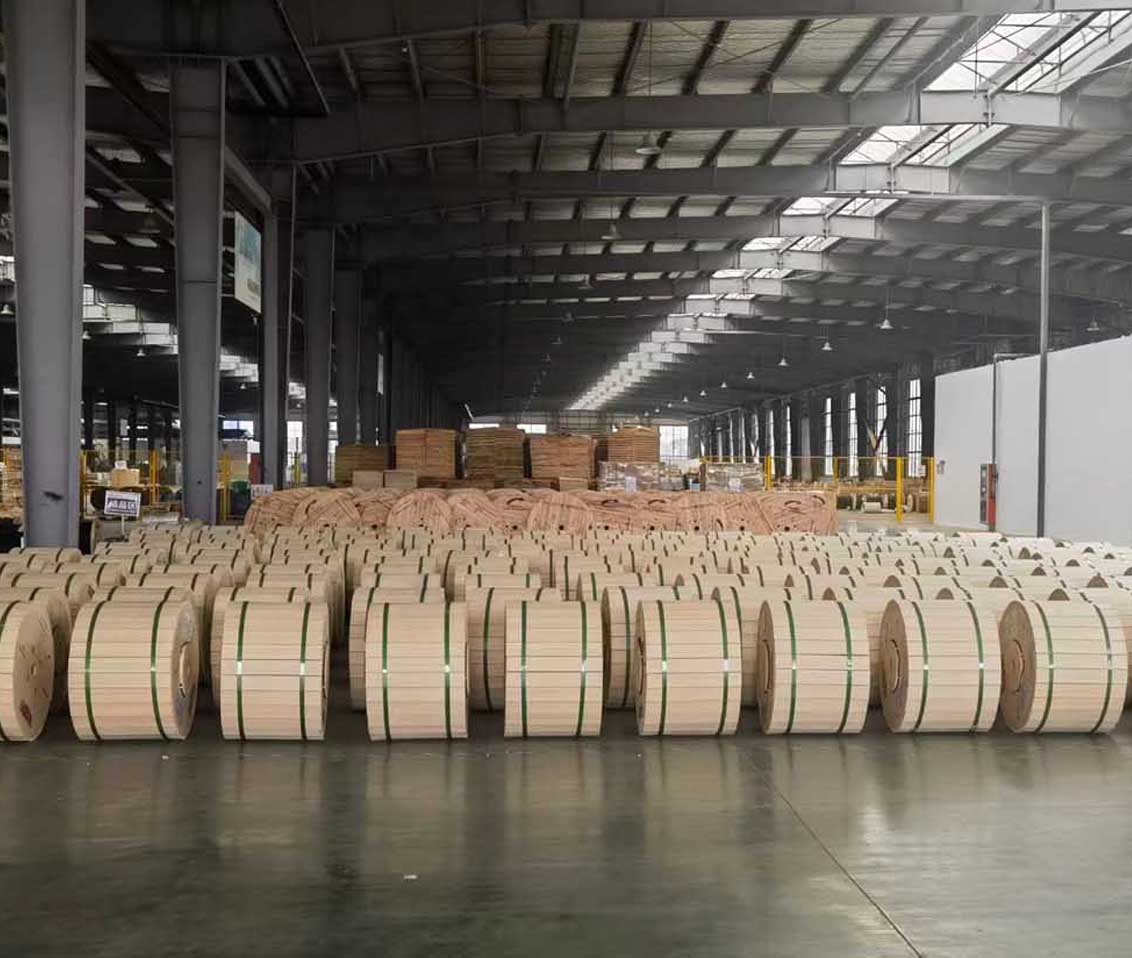
 Optical Fiber
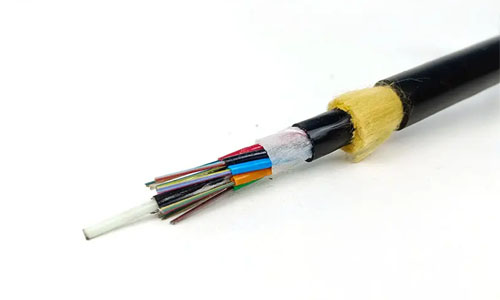 ADSS Fiber Optic Cable
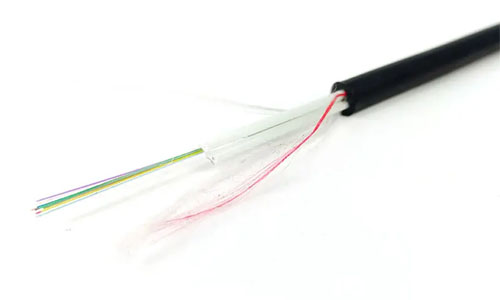 ASU Fiber Optic Cable
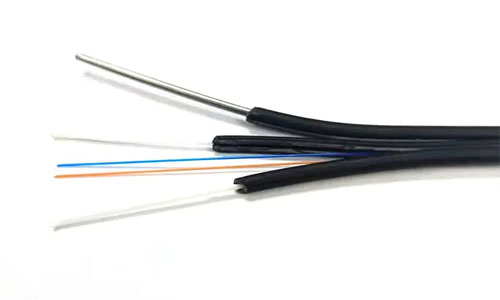 FTTH Fiber Optic Cable
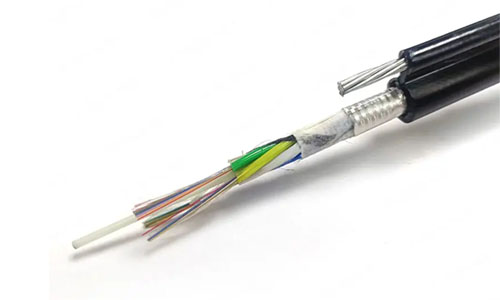 Figure 8 Fiber Optic Cable
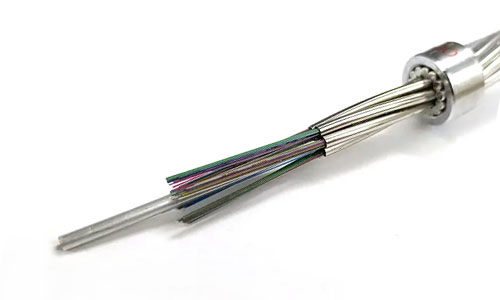 OPGW Fiber Optic Cable
 Coaxial Cable
 Ethernet Cable
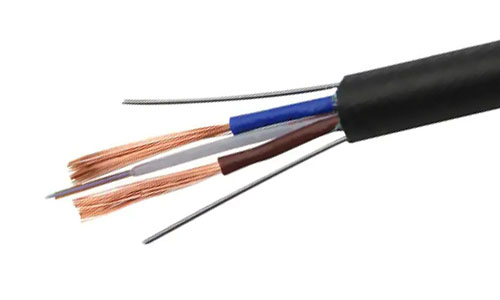 Photoelectric Composite Fiber Optic Cable
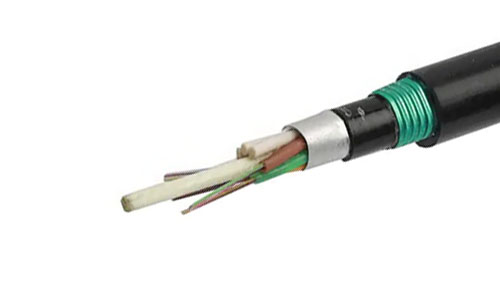 Underground & Pipeline Fiber Optic Cable
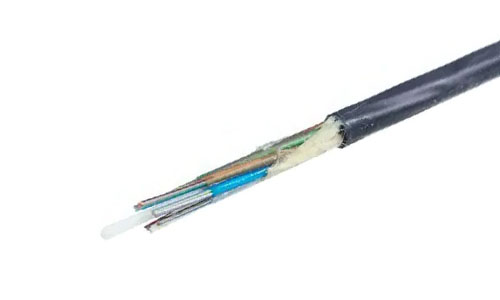 Air-Blown Micro Fiber Optic Cable
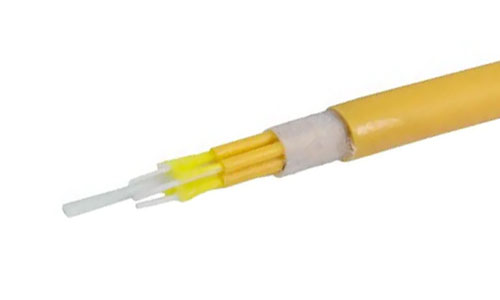 Indoor Fiber Optic Cable
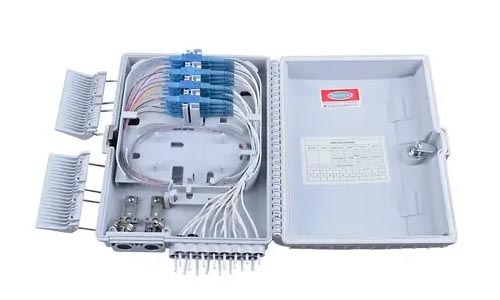 Fiber Optic Distribution Box
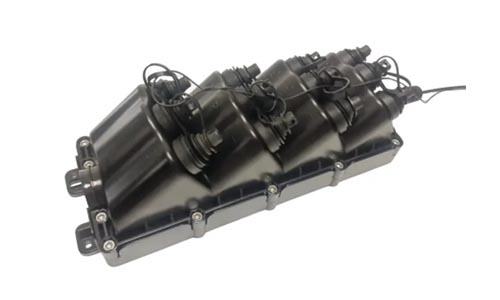 Multiport Service Termina Box
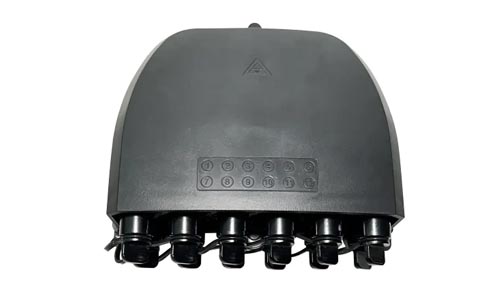 Fiber Optical Terminal Box
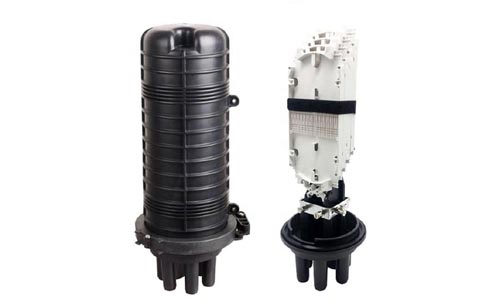 Fiber Optic Splice Closure
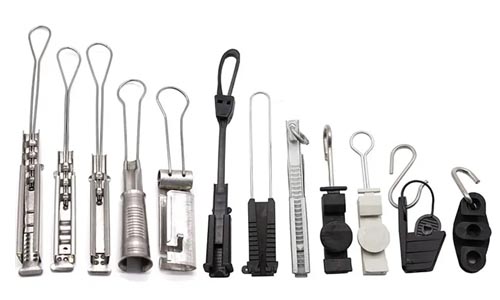 Fiber Optic Clamps
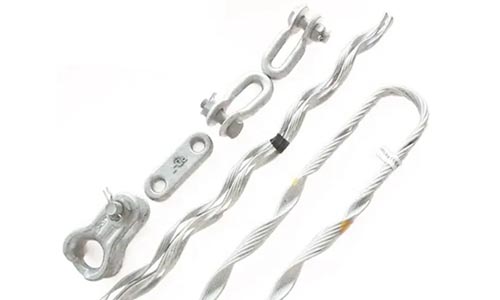 Fiber Optic Cable Fittings
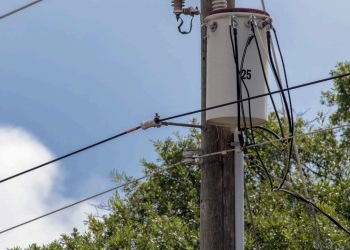 ADSS Fiber Cable
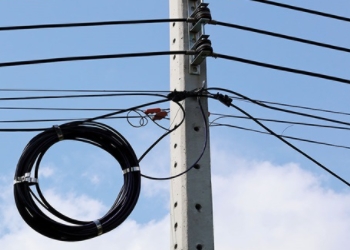 ASU Fiber Cable
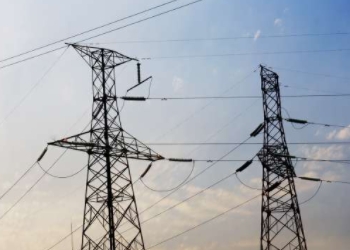 OPGW Fiber Cable
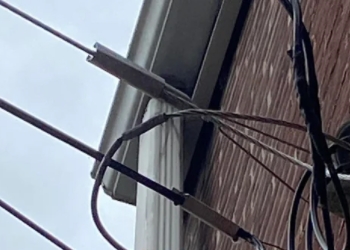 FTTH Fiber Cable
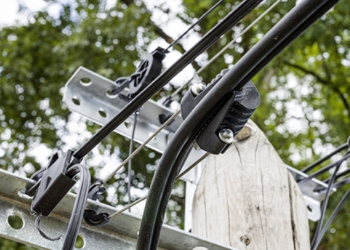 Figure 8 Fiber Cable
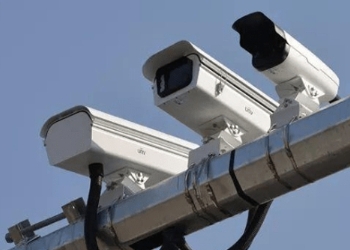 Photoelectric Composite Fiber Cable
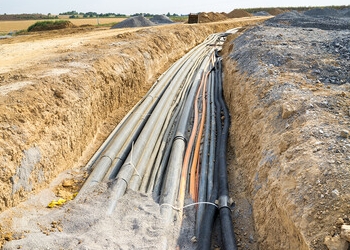 Underground & Pipeline Fiber Cable
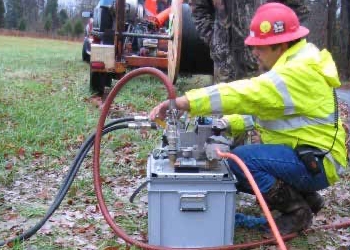 Air-Blown Micro Fiber Cable
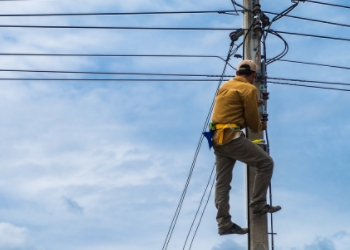 Aerial Fiber Cable
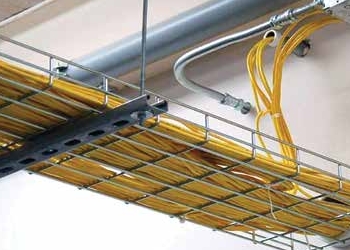 Indoor Fiber Cable
 Fiber Optical Terminal Box
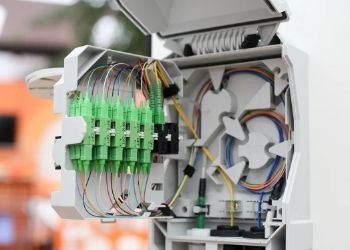 Fiber Optic Distribution Box
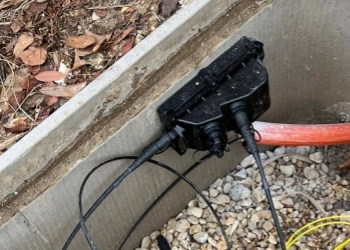 Multiport Service Termina Box
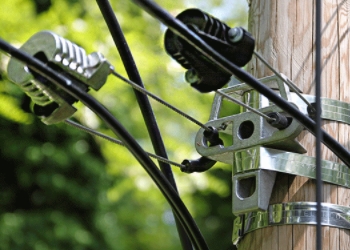 Fiber Optic Clamps
 About Us
 Our Team
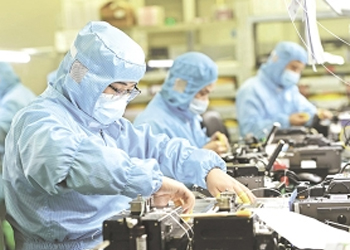 History
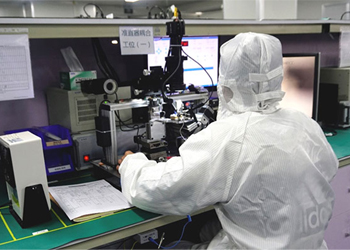 R&D Strength
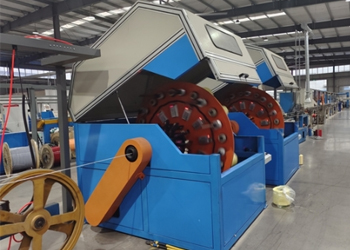 Production Base
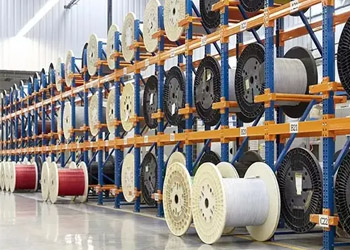 Warehouse & Logistics
 Quality
 FAQs
FAQsHow to Choose the Best Fiber Optic Cable Supplier for Your Needs?
Contact for Free Quotation & Sample, According to your needs, customize for you.
inquiry nowHow to Choose the Best Fiber Optic Cable Supplier for Your Needs?
-
Select Fiber Optic Cable Supplier with a track record of technical excellence, rigorous quality control, and flexible customization capabilities.
-
Check the supplier’s product range for a full range of cables, connectors and accessories that fit your current and future network needs.
-
Choose suppliers with a good industry reputation, backed by certifications, happy case studies and financial stability to ensure dependable long-term collaborations.
-
Think about the supplier’s production capabilities and logistics in terms of delivering on schedule and scaling with you as your fiber optic needs increase.
-
Look into the total cost of ownership — Clear pricing, warranty and hidden costs — to dodge surprises and get the most bang for your buck.
-
Look for suppliers dedicated to innovation, support, and flexibility to keep your network future-ready as technology advances.
Trusted suppliers provide quality-tested products compliant with industry norms and provide transparent specifications for every cable variant. Quality suppliers post actual test results and respond to inquiries promptly. Many buyers additionally inquire if the supplier offers worldwide shipping and after-sale services, which aids in solving problems down the line. Others select vendors that have years of experience and excellent testimonials from clients in other industries. Selecting a supplier with robust inventory means you won’t be waiting on your order for an extended period of time. Verifying that the supplier has ISO certificates or the like can indicate a quality orientation. The body below will deconstruct each step to assist you in choosing the appropriate supplier.

Beyond the Spec Sheet
Choosing a quality fiber optic cable supplier involves more than just checking off a list of specifications. It demands a keen focus on world-class expertise, verified quality, and the flexibility to meet the specific fiber optic needs of increasingly complex projects.
1. Technical Expertise
They should be well versed in the various fiber optic cable types, ranging from single-mode to newer bend-insensitive fibers. This understanding is crucial because bad advice can lead to expensive errors in fiber optic technology installations. When the industry began in the 1980s, virtually no one across the globe possessed these skills. Now, with the multitude of new installation methods and products, it’s critical for suppliers to keep their crews trained. Search for evidence of continuing education, such as new certifications or recent training. A quality fiber optic supplier provides trusted advice and will take on hard tasks — like aerial installations where cables need to bear the weight of a ladder and person.
2. Quality Assurance
Demand rigorous testing standards that prove the quality fiber optic cable’s durability and safety. It’s not enough for suppliers to make commitments – they should be able to deliver inspection reports. Major certifications—ISO9001, CE, or FCC—indicate a level of quality, but viewing actual test results makes the impact. Certain areas require fiber optic technology that can withstand unique stresses — like holding 150kgs if you prop a ladder against them. Top-notch cable maintains loss as low as 3% over 100 meters, a massive leap above copper’s 94% loss.
3. Production Capacity
Verify that the fiber optic supplier can produce sufficient fiber optic cables when you require them. A few projects demand thousands of meters, pronto. Inquire about how they produce their fiber cables and the machinery involved. Pumped out advanced gear translates into less waiting and higher quality. Find out if they can grow with you, scaling up as your needs evolve or you transition from petite indoor runs to beastly outdoor runs — pulling fiber 500 meters off a pole. That sort of elasticity is hard to come by, and it rewards you.
4. Customization Ability
Vendors ought to provide custom fiber optic cable assemblies, such as specialized connectors or cable jackets for specific projects. As fiber optic technology evolves, suppliers must adapt quickly to meet diverse cable needs. A supplier capable of accommodating both small runs and large batches saves you time.
5. Industry Reputation
See what other buyers are saying and what they’ve rated it. Consult colleagues for boots on the ground insight into choosing fiber optic cable. Suppliers with a long history and proven support in the fiber optic cable industry are more likely to come through, especially when the going gets tough.
Assess Product Portfolio
As a fiber optic supplier, your product portfolio speaks volumes about how you address different network requirements. When you browse through their range, expect to find a huge collection of quality fiber optic cables, connectors, and add-ons. You need to have options for indoor and outdoor installations as well as singlemode or multimode fiber optic cable types. This flexibility allows for seamless optic installation in any data transfer or network configuration – from a short office run to a long outside build.
Cable Specialization
Some vendors are experts in a particular fiber optic technology or application. If your project is for fiber internet or a big data center, choose someone with a background in that field. They understand the optimum fiber counts, whether simplex or duplex, and can walk you through tight-buffered or ribbon fiber builds. Suppliers with this focus stay on top of new technology, like improved ORL numbers or higher OFL bandwidth, and can demonstrate what’s new in the space.
Component Compatibility
Products must be compatible with your existing network infrastructure, including the right cable types and connectors such as SC, ST, and QSFP+. Quality fiber optic cable suppliers often provide explicit compatibility information and necessary adapters to ensure seamless transitions. This attention to detail prevents minor misalignments that could lead to bottlenecks in data transmission. They should also offer transceivers and components that meet industry standards for both Gigabit Ethernet and fiber optic technology.
Innovation Roadmap
Look to fiber optic suppliers and inquire about their roadmap for improved fiber optics. Do they invest time and money into R&D? Or are they developing speed-enhancing or signal loss-reducing cables? If they are, it indicates they seek to anticipate shifts in the industry. Their roadmap should align with your long-term needs, so your network won’t lag behind as new protocols or standards emerge.
The Partnership Framework
A partnership framework is the foundation of a good supplier relationship, especially for fiber optic cable providers. It establishes expectations, management roles, and issue resolution processes. This collaboration reduces risk, increases trust, and strengthens the foundation for enduring partnerships in the fiber optic technology industry.
Warranty & Support
Warranty and support must be explicit from day one, especially when choosing fiber optic cable. The top vendors outline what their warranty covers, its duration, and how to proceed if you need to make a claim. Read the fine print; some may provide support for just a year, while others may be with you for a very long time. Request actual instances of their approach to claims or support calls. A vendor with a track record of respecting warranties and responding quickly to problems should be taken seriously. After-sales support counts too, particularly for fiber optic technology, as immediate assistance with installs or troubleshooting can keep your project moving — even if you’re in a remote location with limited local expertise.
Logistics & Delivery
To steal a project, delivery is everything, especially when choosing fiber optic cable. Inspect how the fiber optic supplier ships cables — by air, sea, or road — and what their typical timelines are. If you require expedited shipping, inquire about their rush services. Trusted vendors maintain sufficient inventory of quality fiber optic cables, so you don’t have to wait weeks. Their logistics partners need to be established, with a reputation for safe, timely delivery. If they’ve dealt with large international shipments, that’s frequently a positive as well. Straightforward questions such as, “How do you prevent stockouts?” or “Are you able to provide evidence of recent on-time deliveries?” can tell you a great deal.
Communication
Good communication is the oil in the gears of a partnership, especially when choosing fiber optic cable suppliers. Establish well-defined channels of communication—email, telephone, or even text messages. Suppliers that provide frequent updates and alert issues ahead of time are invaluable. Certain ones will transmit order status updates without you inquiring, whereas others leave you pursuing solutions. Great customer service is not simply about courtesy; it’s about dependability and transparency, ensuring both parties can respond quickly should anything shift.
Evaluating Total Cost
The actual cost of choosing fiber optic cable extends well beyond the sticker price. To be wise, account for things like cable length, your network scalability needs, and existing equipment. Consider expenses now and later, since add-ons and long-term maintenance can accumulate quickly with quality fiber optic cables.
Price vs. Value
Locating the sweet spot between price and quality counts. Not every cheap cable is a bargain if you’re giving up dependability. Some suppliers provide a per meter price—say, $0.20 to $1.20—but that doesn’t always capture the full picture.
Seek out vendors who itemize their pricing without shrouding fees. A transparent quote allows you to determine whether you’ll be charged extra for items such as connectors or shipping. Sometimes bundled offers are logical and can reduce expenses.
Consider what you receive in exchange for your payment. Does the vendor toss in support, warranties, or assistance with installation? Shop deals to find what suits your budget and your circle. The lowest bid isn’t necessarily best if it guarantees more headaches down the road.
Long-Term Reliability
Choose vendors with a reputation for durable cable that stands the test of time. Weather, rodents, and rough handling can all screw up fiber optic lines, so you want cables constructed to withstand real-world abuse.
See how the cables last. Request case studies or testimonials from other purchasers–find out if the wires have assisted others to keep repair expenditures at bay. Warranties are another clue: a long one shows the supplier stands by their product.
If a provider’s clients gabbing about cables working for years, without incident, that’s a good indication. Suppliers who cut corners may save you cash initially, but expenses stack up if you have to replace or repair cables annually.
Hidden Expenses
Beware of stealth expenses. Occasionally the sticker won’t tell you what you’ll pay in installation, specialty tools or upkeep. Fiber optic cable tools—crimpers, testers, blowing machines—range from $50 to $10,000, so see what’s included.
Request a complete quote that itemizes all charges. Verify there won’t be add-ons for stuff like project overruns or tech support. A few suppliers provide bundles with cables and tools, which can reduce surprise prices if you purchase in volume.
Honest vendors will share with you up front about every expense, so you don’t get crawl into a bigger invoice down the road.
Key Steps to Evaluate Total Cost
-
List all needs—distance, equipment, growth plans.
-
Ask for detailed, transparent quotes.
-
Check long-term reviews and warranty terms.
-
Compare bundled deals and single-item costs.
Verifying Supplier Credentials
Verifying qualifications of a fiber optic cable supplier is crucial for keeping your projects on schedule and minimizing risk. A supplier’s reputation, proven experience, and focus on quality fiber optic cables can significantly impact your rollout. Good buyers check references and seek proof of rigorous testing and certification.
Certifications
Industry certifications, such as ISO 9001 or ISO/IEC 11801, indicate that a supplier complies with international standards for fiber optic cables. These aren’t paper badges–they demonstrate the organization adheres to rigorous quality control and safety standards. Suppliers who refresh their certificates indicate they prioritize remaining up-to-date with technology and best practices.
It’s wise to match the supplier’s certifications with your project’s needs. For example, if your project needs flame-retardant cables or low-smoke zero-halogen (LSZH) jackets, check that the supplier’s certificates cover those specs. Certifications help weed out vendors who might cut corners, so always ask to see copies and check their validity online.
Case Studies
Case studies are stories that really happened. Request that suppliers provide references to finished fiber optic projects similar to yours. A robust case study will demonstrate what the customer wanted and how the supplier cracked the nut and the results they provided.
Seek out diverse projects across domains–telecom networks, data centers, smart cities. The more varied, the better. That tells you the supplier is flexible and can adjust. Don’t just take a supplier’s word for it – contact listed clients and hear about their experience directly. If the supplier’s case studies emphasize long-term partnerships, on-time delivery and low MOQ & complaints, that’s promising.
Financial Health
A healthy business translates to less shocks down the line. See if the supplier’s revenues are stable or increasing. Read financials, or just ask basic questions about how long they’ve been operating, their staff numbers, or how they invest in equipment and premises.
A supplier that spends for new equipment, or enlarges its plant, is likely planning to stay. If they appear to be trimming down or provide short-term support only, that’s a warning sign. Ensure they have a business model supporting warranties and service for years to come.
Supplier Credential Checklist
-
Industry certifications, updated and relevant
-
Detailed case studies with client references
-
Financial records or public company data
-
Quality control/testing processes
-
Warranty and support terms
-
In-person facility visit results
Future-Proofing Your Choice
Picking the right fiber optic cable supplier is about more than fulfilling today’s needs; it’s about discovering a match who understands your destination tomorrow. Vendors who stay close to innovation in fiber optics can help you future-proof your choices. For instance, certain vendors commit to single-mode cables that transmit signals farther with lower loss. These cables can be a savvy choice if you’re trying to connect buildings dispersed across a city or campus. If you want room to grow, inquire about fiber cable types with larger strand counts, such as 24 or even 48. That is, more lines to transport data when your business expands or your needs evolve.
A great supplier will also discuss scale with you. Will your network need to double in 5 years? Will you be adding sites or users? Suppliers that provide flexible solutions like fiber optic cable assemblies or swappable hardware simplify upgrading when the time arrives. They may offer you connectors that work with what you have, so you’re not required to tear out lines and begin anew. This type of planning reduces expenses and keeps your network humming with minimal outages.
Some vendors do more than just sell cable. They assist you in mapping out what you need now and what you’ll need going forward, examining each connection in your network. They’ll ask questions such as, ‘How far apart are your locations?’ or ‘Will you be adding new tech that requires faster speeds?’ This assists you in selecting cords that support high speeds and large data volumes, not merely at present but for multiple years. Investing in cables with robust, premium jackets and cores holds up better and requires fewer repairs, which saves expense and inconvenience.
Ensuring the supplier’s products align with your future vision is crucial. If you’re going to shift to cloud tools or supplement with smart devices, your provider should provide cables and gear that accommodate these shifts. The right supplier will treat your network as a living organism—ever expanding, ever evolving.
Conclusion
Getting the right fiber optic cable supplier defines your entire project. Every decision, from cable to service, matters for speed, uptime and growth. A good supplier stands behind their work, listens, and solves real problems quickly. One crew I hung out with chose a hometown vendor who provided fast responses and straightforward solutions. Their network held up, even heavily used. Search for teams that show up, care and keep their word. Trust and transparent terms trump a long spec sheet every time. To optimize your selection, communicate with vendors, challenge them, and observe their support. Select partners who support your growth, not just ship cables. Ready to get started? Contact us and see what suits you best.
Frequently Asked Questions
What key factors should I consider when choosing a fiber optic cable supplier?
Consider more than just the simple specs when choosing fiber optic cable suppliers. Evaluate quality fiber optic cables, certifications, service, and reputation.
How can I verify the credibility of a fiber optic cable supplier?
Verify industry certifications, read customer reviews, and ask for references from a reputable fiber optic supplier. Request evidence of internationally accepted standards and if you can, pay a visit to their plant.
Why is the supplier’s product portfolio important?
A broad selection of fiber optic cables demonstrates both knowledge and adaptability, ensuring the fiber optic supplier can meet your specific fiber optic needs.
What does a good partnership framework with a supplier look like?
Transparency, responsiveness, and a long-term view are hallmarks of a great partnership in the fiber optic cable industry, offering clear and dependable post-sale support.
How do I evaluate the total cost when selecting a supplier?
When choosing fiber optic cable, consider more than just the upfront price; think about shipping, warranties, installation, and long-term support for the true cost.
Why is future-proofing important when choosing a supplier?
Once again, choosing a fiber optic supplier dedicated to innovation means your network will always play nice with the new fiber optic technology, safeguarding your investment for the long term.
What international standards should fiber optic cable suppliers meet?
Suppliers ought to adhere to ISO, IEC, and other accepted fiber optic standards to ensure that the quality fiber optic cables are safe, compatible, and work reliably anywhere in the world.