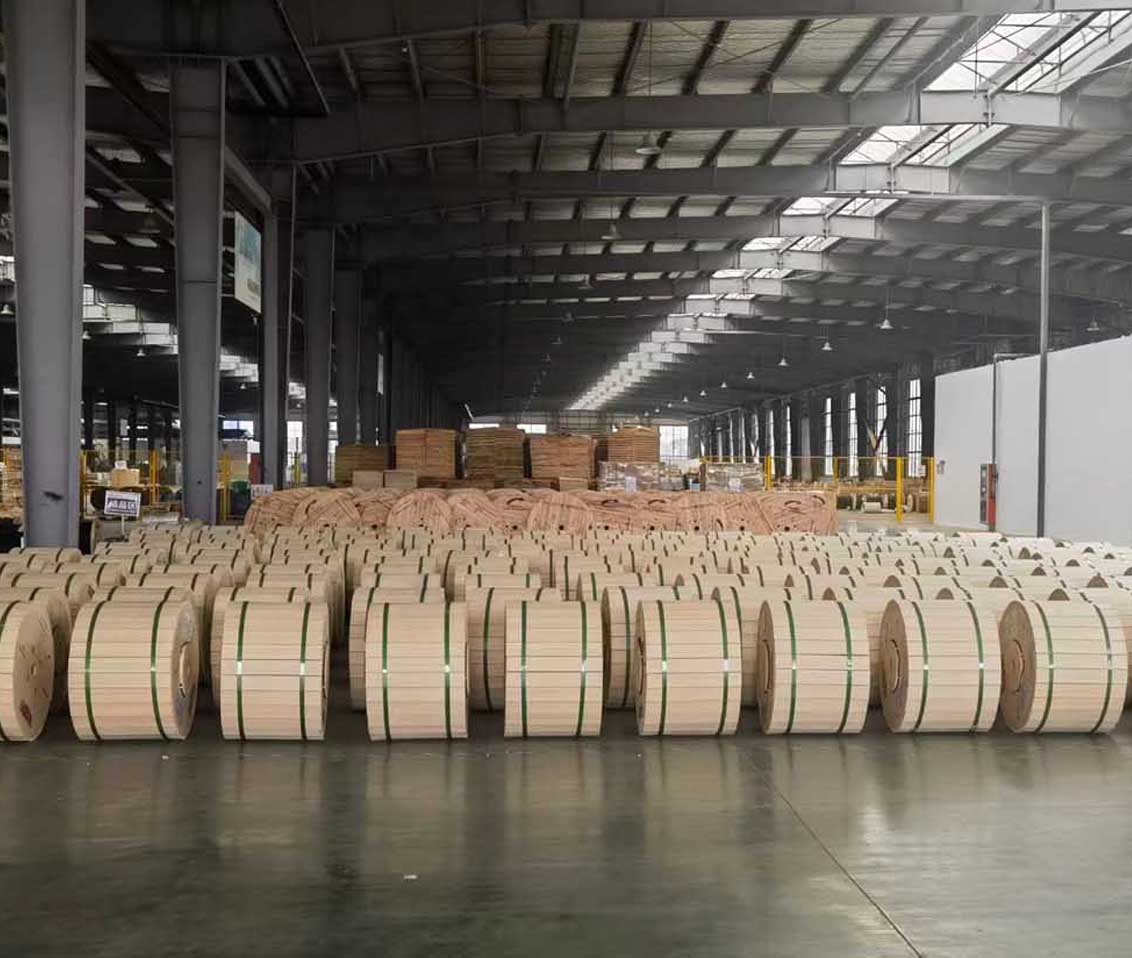
 Optical Fiber
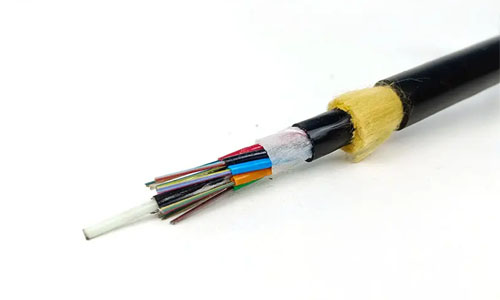 ADSS Fiber Optic Cable
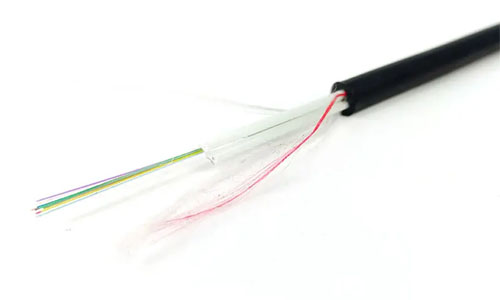 ASU Fiber Optic Cable
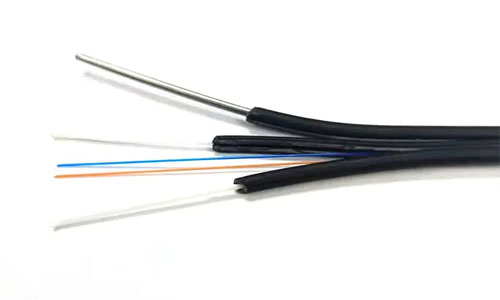 FTTH Fiber Optic Cable
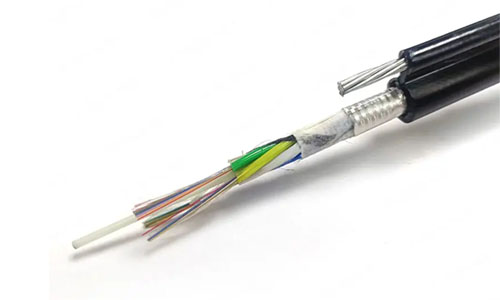 Figure 8 Fiber Optic Cable
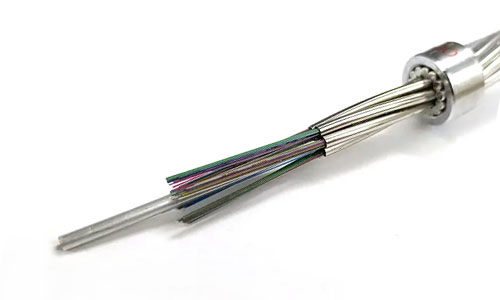 OPGW Fiber Optic Cable
 Coaxial Cable
 Ethernet Cable
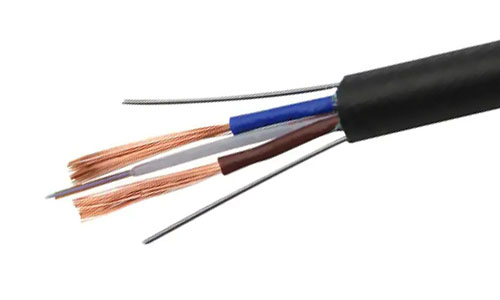 Photoelectric Composite Fiber Optic Cable
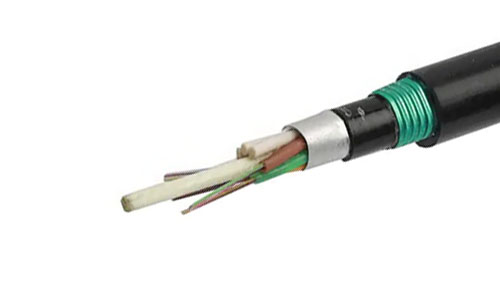 Underground & Pipeline Fiber Optic Cable
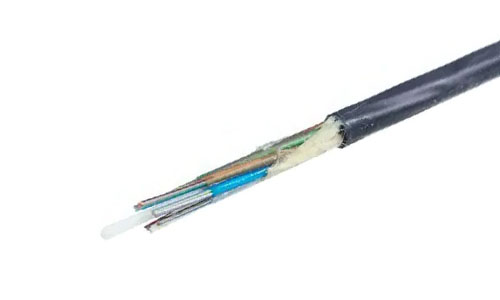 Air-Blown Micro Fiber Optic Cable
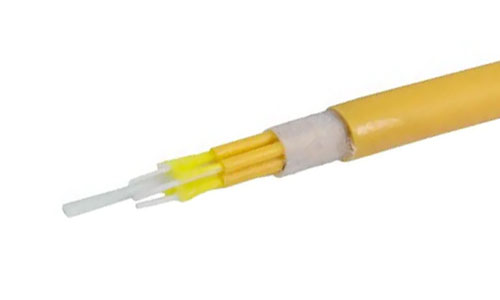 Indoor Fiber Optic Cable
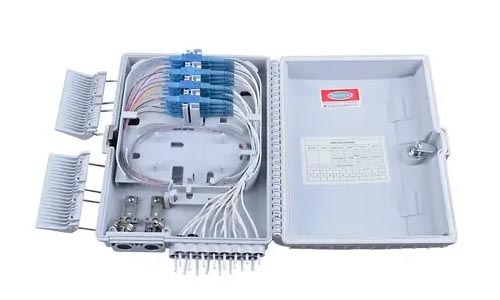 Fiber Optic Distribution Box
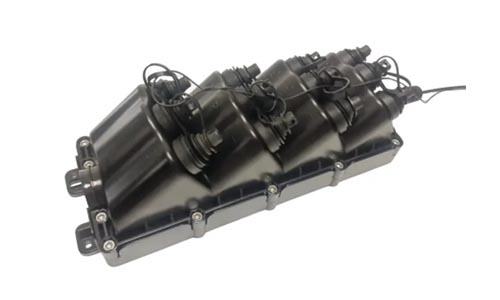 Multiport Service Termina Box
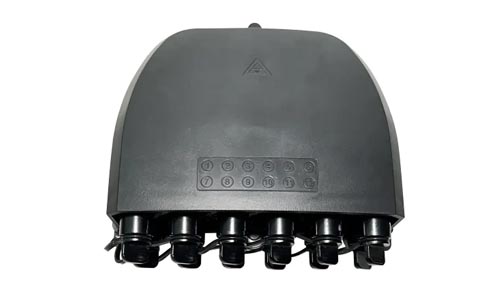 Fiber Optical Terminal Box
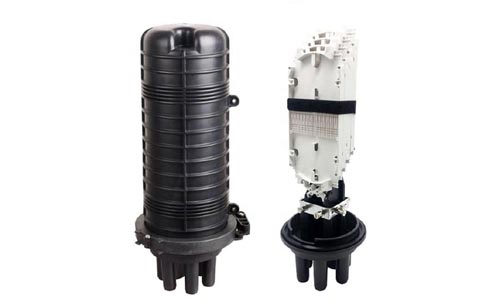 Fiber Optic Splice Closure
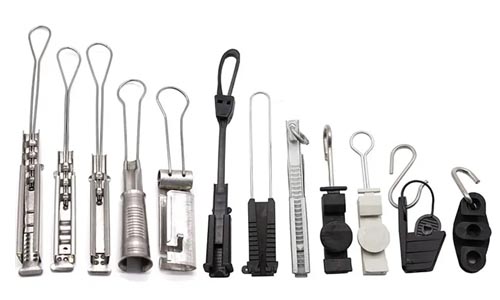 Fiber Optic Clamps
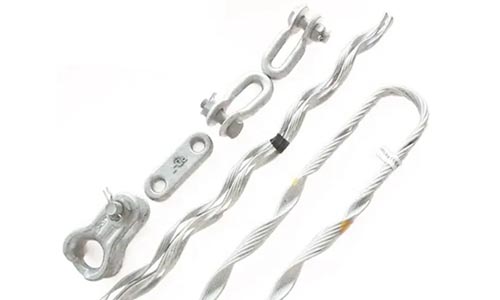 Fiber Optic Cable Fittings
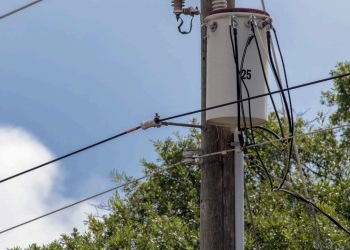 ADSS Fiber Cable
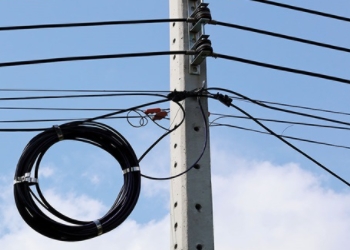 ASU Fiber Cable
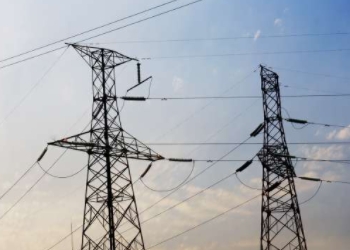 OPGW Fiber Cable
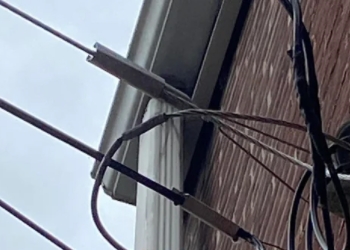 FTTH Fiber Cable
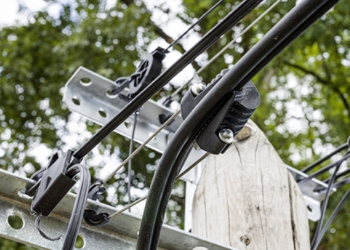 Figure 8 Fiber Cable
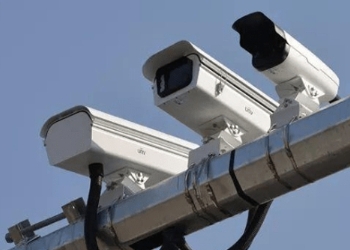 Photoelectric Composite Fiber Cable
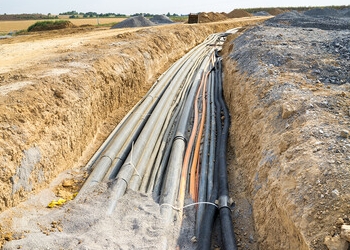 Underground & Pipeline Fiber Cable
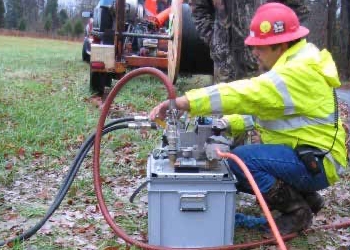 Air-Blown Micro Fiber Cable
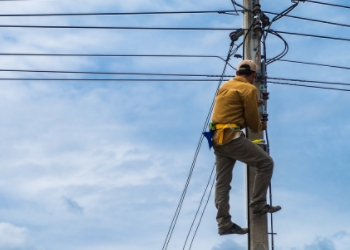 Aerial Fiber Cable
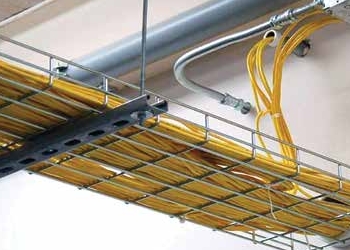 Indoor Fiber Cable
 Fiber Optical Terminal Box
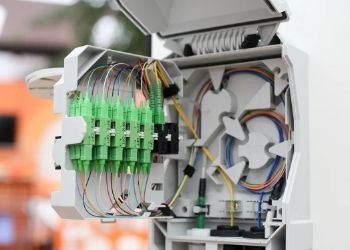 Fiber Optic Distribution Box
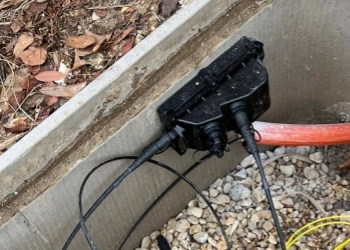 Multiport Service Termina Box
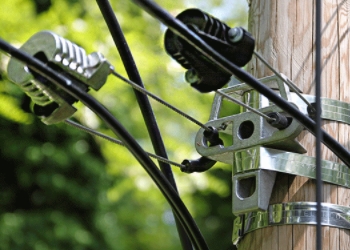 Fiber Optic Clamps
 About Us
 Our Team
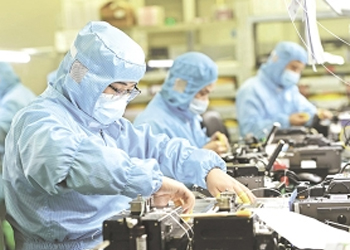 History
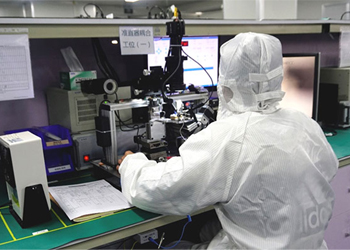 R&D Strength
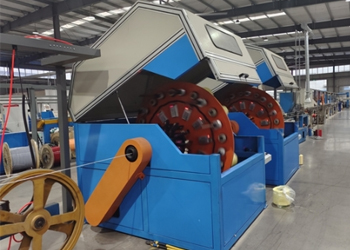 Production Base
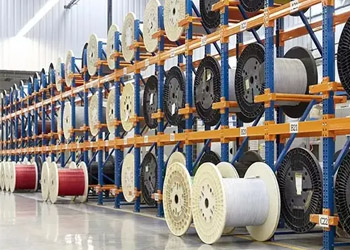 Warehouse & Logistics
 Quality
 FAQs
FAQsHow to choose Fiber cable suppliers?
Fiber cable suppliers are businesses that provide fiber optic cables for high speed data networks, telecommunications and internet applications. These providers are vital to keeping residences and commercial entities connected with powerful, reliable signals. Many provide various cable varieties, such as single-mode and multi-mode, to suit the requirements of each project. A lot of them assist with selecting the appropriate products, ship internationally, and provide after-sale support. Some suppliers do business with big global brands, while others concentrate on local jobs or custom orders. Whether you’re working on a new project or maintaining an existing installation, the right supplier can help speed projects and reduce costs. In the sections below, get advice for selecting reliable fiber cable manufacturers and discover what distinguishes the top ones from the others.

Decoding Fiber Cable Types
Fiber cable types – there are tons of them, each constructed for a different purpose. Understanding these types allows you to select the optimal match for any configuration, be it a tiny office or a giant data farm. Here are some of the most common cable types found from top suppliers:
-
Single-mode fiber
-
Multimode fiber (OM1, OM2, OM3, OM4, OM5)
-
Ribbon cables
-
Armored cables
-
Specialty fibers
1. Single-Mode Fiber
Single-mode fiber is intended for long runs. Its minuscule core, typically 9 microns in diameter, transmits a single ray of light, minimizing attenuation and modal dispersion. It’s ideal for transmitting data over large distances, like between cities or countries. Telecom companies depend on single-mode cables to deliver quick, stable connections. The yellow jacket you see on these cables designates them as single-mode. For those projects where bandwidth and speed really count, like high-speed internet or cable TV, single-mode fiber is usually the way to go. Over long distances, it’s economical because you don’t require a ton of repeaters or amplifiers.
2. Multimode Fiber
Multimode fiber is the short-hop munchkin. It’s available in 50 or 62.5 micron core sizes, allowing multiple light signals to transmit simultaneously. This makes it perfect for LANs, data centers, or wiring buildings and campuses. There are several types: OM1 and OM2 are older, while OM3, OM4, and OM5 handle higher speeds and distances. OM5, for instance, is designed for shortwave division multiplexing and high-speed connections. Multimode cables are generally orange or aqua and easy to identify. They’re not designed for distance, but when it comes to rapid, close connections, they’re difficult to top.
3. Ribbon Cables
Ribbon cables pull together dozens of fibers into a flat, neat strip. This design saves room in congested racks and enables speedy, bulk splicing, which is perfect in large data centers. They make installation speedier and lighter, a huge bonus in high-density deployments. Because they can provide so many connections simultaneously, this translates to less clutter and a reduced chance of tangles. In networks where every inch matters, ribbon cables are an intelligent, space-saving solution.
4. Armored Cables
Armored ones are wrapped in tough metal, so they’ve got some extra muscle on them. They resist crushing, bending, or even rodent bites, which makes them ideal for outdoor or industrial locations. When you’re running cable in rocky soil or near heavy equipment, armored fiber protects your connections. These cables are frequently selected for backbone links that must remain live, come hell or high water.
5. Specialty Fibers
Specialty fibers meet extremely specific requirements. Some are designed for medical imaging, others for measuring temperature or strain in bridges or pipelines. These cables are capable of odd wavelengths, extreme temperatures, or other harsh environments. They’re deployed from oil fields to labs, where traditional cables simply won’t suffice. With every new technology, specialty fibers keep evolving to stay up to date.

Choosing Your Fiber Cable Supplier
Choosing the right fiber cable supplier is about more than just the obvious. It’s about prioritizing your project objectives and aligning them with supplier offerings. The right choice can define the performance, dependability, and scalability of your connectivity.
-
Go from the top and check the supplier’s background. Seek experience, testimonials, and projects with longevity. Providers with a reputation for reliability and service tend to be dependable.
-
Inquire about their selection. A good supplier stocks all main types: single-mode, multi-mode, simplex, and duplex, with LC, MTP/MPO, and other connector options. If you require OM5 for SWDM or something for 10 Gigabit Ethernet to 25 miles, they have you covered.
-
Make sure they adhere to international standards such as ISO and UL.
-
Suppliers that adhere to these standards demonstrate an obvious commitment to quality and safety.
-
Discuss with their sales representatives. Good suppliers assist with specifications questions, provide clear spec documentation, such as cable design, fiber type, and connectors, and offer transparent information regarding lead times and availability.
-
Specialize in custom. If your project requires custom cable lengths or special connectors, ask if the supplier is willing to work with you on manufacturing them.
Quality Standards
ISO-certified suppliers will typically provide reliable fiber cables. Seek out those who detail their testing procedures and quality checks, as this demonstrates a concern for performance. The best suppliers employ rigorous standards, such as attenuation tests and mechanical inspections, to identify defects prior to cables exiting the facility.
Proven track record counts. Select those who have provided high quality solutions across industries and around the world.
| Supplier Name | ISO Certified | UL 1651 Compliant | Routine Testing | Years Experience |
|---|---|---|---|---|
| Supplier A | Yes | Yes | Yes | 15 |
| Supplier B | No | Yes | Partial | 8 |
| Supplier C | Yes | No | Yes | 10 |
Technical Support
Support can make or break a project. The top suppliers provide support from beginning to end with clear manuals, online tutorials, and rapid response to inquiries. They don’t leave you hanging when your setup or testing gets a snag.
Many provide training, occasionally online and occasionally in-person, to ensure your installers are up to speed. Quick, transparent assistance leads to reduced downtime and errors.
Customization
Certain projects require more than off-the-shelf cables. Suppliers that provide custom builds, altering length, connectors, or cable types, aid you in achieving the proper fit. If you need OM5 cable with special connectors for an unusual install or a cable cut to an exact length, they will help you design it.
Custom solutions can increase your network’s speed or reduce deployment headaches. Suppliers who collaborate with you to customize products make projects easier.
Innovations Shaping Fiber Optics
The fiber optics world is undergoing major transformation. Innovations shaping fiber optics include fresh ideas, clever technology, and collaboration that are making lightning-fast connectivity available to just about everywhere more affordably and efficiently than ever before. Vendors are fast to adopt these innovations, defining how consumers and enterprises interact with fiber optics now and down the line.
-
Rollable ribbon technology allows cables to bend even more and be more compact, simplifying installs in hard to reach locations.
-
Hollow-core fiber designs utilize air channels instead of glass, slashing signal delay by approximately 30 percent and enabling low-latency applications such as remote surgery and real-time gaming.
-
Fusion splicers and flexible ribbons simplify the process of joining and laying cables, reducing the time and effort and minimizing the risk of weak spots in the line.
-
A few test cables can now transfer internet traffic at speeds as high as 1 Tbps, advancing the boundaries of what is feasible for data-intensive tasks such as streaming, scientific research, and cloud computing.
-
50G-PON that’s defined by innovation in fiber optics, which allows providers to deliver legacy and cutting-edge technologies, GPON, XGS-PON, and 50G-PON, over the same line, making upgrades seamless and eliminating the need for extensive field interventions.
-
Innovations in how we make cables from stronger strand material to intelligent fiber-tracking tools have lowered costs and expanded access to fast internet across towns and rural areas.
-
Thanks to huge taxpayer-funded programs and smart investments from private groups, more money for research and laying lines is speeding fiber’s reach.
According to industry trends, the connection between fiber and 5G will become increasingly closer, particularly for applications such as edge computing and smart cities that require robust, high-speed networks everywhere. Regional collaboration and city-driven initiatives are emerging as crucial for deploying new lines, with training and reskilling initiatives assisting local teams in staying abreast of rapid technological advancements. Partners who are collaborative, educational, and knowledge-sharing suppliers will be at an advantage as the appetite for speedy and reliable connections continues to increase.
Key Cable Construction Elements
Fiber optic cable depends on a few main components to transfer information quickly and reliably. Each component from the core to the jacket affects how well the cable performs and endures. Understanding these specifics aids purchasers and providers in selecting the optimal cable for any assignment, be it a massive data center or a country broadband connection.
Core and Cladding
The core hangs in the center of each fiber optic cable. It’s generally composed of pure silicon dioxide (SiO2) glass. This is the path for light signals that transmit information across great distances. Cladding, a layer with a lower refractive index, is around the core. This keeps the light contained within the core so information doesn’t leak out.
Core diameter is important. Single-mode fibers, with about 8 to 10 microns wide cores, transmit signals directly down the fiber. They’re great for distance. Multimode fibers have bigger cores, typically 50 to 62.5 microns, so light bounces around more, making them better for short runs. The glass used in the core and cladding can affect the way the cable responds to bends or heat, so vendors may select different blends for different applications.
Coating and Buffer
A thin polymer coating surrounds the cladding. This layer protects against abrasion, moisture, and dirt. Without it, the glass might break with the slightest contact.
The buffer comes next. Sometimes it’s a snug tube, other times a loose sleeve. It protects the fiber from larger impacts, such as when a person steps on a cable or drags it through a tight bend. The coating and buffer likewise assist the cable to flex without snapping, so it can be installed in walls or ceilings more easily. Certain protective coatings are more pliable, allowing cables to move about in tight spaces.
Strength Members
Strength members are the biceps of the cable. It’s their job to protect the fiber when it’s yanked or squeezed. In most cases, this is aramid yarn, also known as Kevlar. Occasionally, steel wires are employed for rugged outdoor work.
These components don’t transmit information, they prevent the cable from pulling apart or breaking. Around the rough spots—underground or in a factory—extra-strong members keep the cable going for years. They prevent damage when cables are yanked across long distances during setup.
Jacket Material
The jacket is the cable’s armor. It looks out on the world, guarding against rain, sun, cold, or even varmints. Jackets come in all sorts: PVC for indoors, tough polyethylene for outdoors, and LSZH for places where fire safety matters most. LSZH jackets don’t make smoke or nasty fumes if they burn, so they’re safer for crowded buildings.
Selecting the proper jacket is really about considering where your cable is headed. Wet, hot, or densely packed spaces all require special types of cables. This selection can determine whether a cable survives a year or a decade.
The Supplier's Hidden Value
Fiber cable suppliers do much more than sell cables. Their true value lies in their expertise and assistance throughout. They understand why a fiber-optic cable, roughly the width of a hair, can transmit information up to 65,000 times faster than copper. They assist clients in choosing the appropriate cable for anything from medical imaging to factory head-mounted displays. The way they describe the science, such as how total internal reflection traps light within the glass or plastic core without slowing it down, makes hard concepts easy. This kind of insight is not in a catalog.
A supplier’s value increases when they provide insights into new moves in your industry. In an $8.07 billion market in 2023, growing strong even as prices increase, it means something to be out front. Suppliers who collaborate with partners around the world see what works beyond borders and what doesn’t. They exchange top usages for fiber cables, be it a 1 Gbps home network or a 100 Gbps link in a research lab. They know why some industries, such as aerospace or automotive, need cables capable of 60 terabytes per second bandwidths. This counsel can assist purchasers in avoiding expensive errors and anticipating the future.
The long-term wins from a good supplier run deeper than a big stock list. Partners that bring end-to-end solutions from concept to design to troubleshooting smooth projects. When a supplier assists in planning out cable-laying in a new hospital or a cloud data center, they identify problems prematurely. They may demonstrate how fiber alone can keep up as a bunch of devices consume bandwidth simultaneously. These incremental steps help accelerate a project and reduce waste.
About: The Supplier's Hidden Value Teams that trust their supplier seek counsel and receive clear answers. When a project must scale, such as new sites or greater speeds, the right supplier is there with equipment and advice. That sort of bond allows bold ambitions to seem not only less perilous but more achievable.
Navigating Global Supply Realities
Industry-leading access to global supply realities. Fast internet demand is exploding everywhere, with streaming, gaming, and remote work entrenched daily rituals. This has pushed fiber cables into demand-driven territory where suppliers and buyers suddenly have a harder time managing expectations. Tariffs on imports have added an extra layer of complexity. Costs rise, margins fall, and businesses tend to slash R&D simply to deal with the additional expense. For a lot of us, business as usual is no longer an option.
Geopolitics goes a long way toward shaping fiber cables’ accessibility. When countries layer on new trade rules or tariffs, prices increase and supply tightens. For instance, a maker in Asia may encounter an abrupt price increase due to a new tariff, cascading onto Europeans or Africans who purchase that product. This domino effect can freeze projects or drive businesses to seek alternative manufacturers. While Japan, South Korea, and some European countries have excellent quality fiber cables, they tend to be more expensive. They may not be able to produce as much as the bigger suppliers, meaning that demand can exceed supply. Nonetheless, these countries are viewed as security plays when trade winds blow hard elsewhere.
Diversifying suppliers is one way businesses attempt to sidestep risk. Depending on a single or dual source is dangerous when contingency appears. Others now deal with a global supply reality, which involves one or more suppliers from a handful of countries, trading off cost and reliability. This assists if a disaster strikes one location. If a plant closes in one country, cables from elsewhere can pick up the slack. That increased price from other sources is a trade-off, and not all businesses can absorb it.
Flexible sourcing is a necessity today. Suppliers and buyers follow world events carefully, prepared to redirect orders. This means forging robust connections with diverse suppliers, leveraging real-time analytics to identify shifts in supply or price, and being willing to pay a premium for consistency. The fiber optics market is going to expand even more rapidly, so the demand for these talents will only increase.
Conclusion
A search for the right fiber cable supplier requires more than a cursory glance or a basic price comparison. What separates good fiber cable suppliers from the rest is their willingness to provide true information, transparent specifications and straightforward assistance. Some provide powerful guidance, others keep up with tech changes and worldwide demand. The top ones get minor tangles untangled quickly. You receive slicker installs and fewer headaches. Suppliers who know their stuff help you grow, not just fill orders. Search for plain answers, genuine reviews and intelligent assistance. The fiber world keeps spinning, so stay frosty and keep shredding. Looking to find the perfect fiber cable supplier for your next project? Say hi. Pose some real questions and find out how far the right supplier can carry you.
Frequently Asked Questions
What are the main types of fiber cables?
The two primary types are single-mode and multi-mode. Single-mode is optimal for long-range connections and multi-mode is optimal for short connections. Each kind fits different networking requirements.
How do I choose a reliable fiber cable supplier?
Seek out suppliers who have a track record, global certifications, and great feedback. Verify that they provide technical support and can fulfill your project needs.
Why is cable construction important when selecting fiber cables?
Cable construction impacts durability and performance. Quality construction means it is protected against moisture, temperature swings, and physical impact, making it more durable and functional.
What innovations are shaping the fiber optics industry?
New developments such as bend-insensitive fibers, increased bandwidth, and environmentally responsible production accelerate performance and sustain increasing data demand across the globe.
How do global supply challenges affect fiber cable availability?
Fiber cable suppliers can be affected by global events and logistics issues. Trustworthy vendors anticipate these issues to maintain consistent product availability.
What hidden value does a supplier offer beyond the product?
A quality supplier offers technical assistance, customization, quick turnaround, and support even after the sale. These value adds contribute to sustained success for your fiberoptic endeavors.
Are international certifications important when selecting a fiber cable supplier?
Yes, ISO and IEC certification show that a supplier complies with international quality and safety standards. Certified suppliers tend to provide more reliable and higher quality fiber cables.