 Optical Fiber
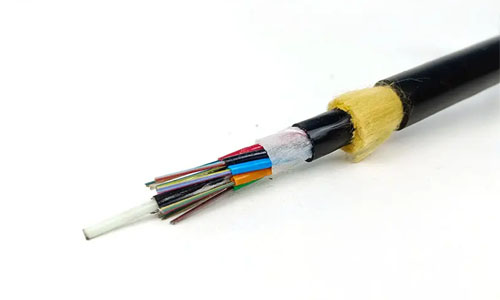 ADSS Fiber Optic Cable
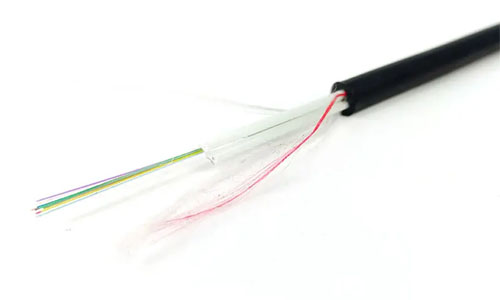 ASU Fiber Optic Cable
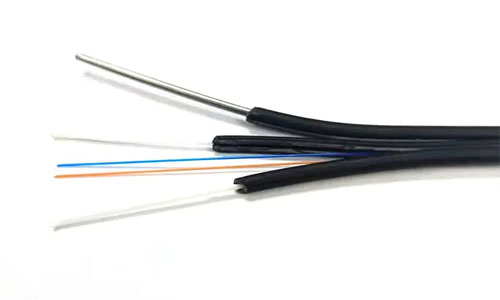 FTTH Fiber Optic Cable
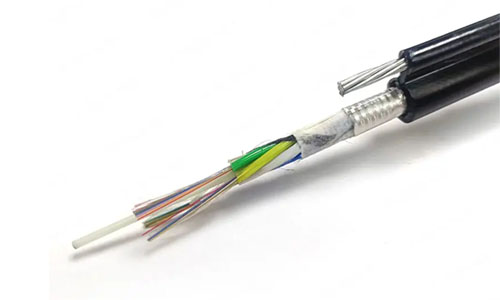 Figure 8 Fiber Optic Cable
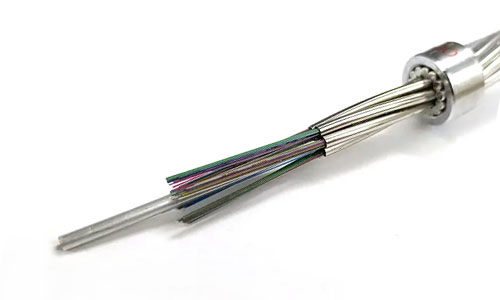 OPGW Fiber Optic Cable
 Coaxial Cable
 Ethernet Cable
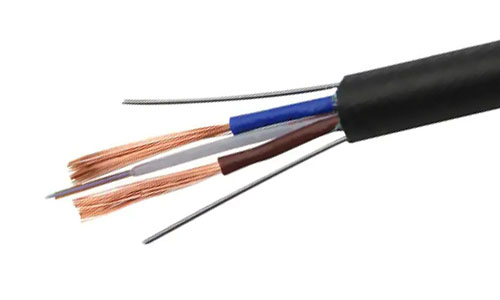 Photoelectric Composite Fiber Optic Cable
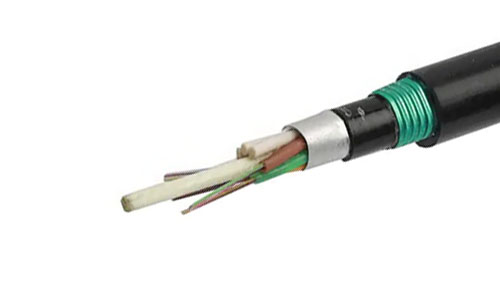 Underground & Pipeline Fiber Optic Cable
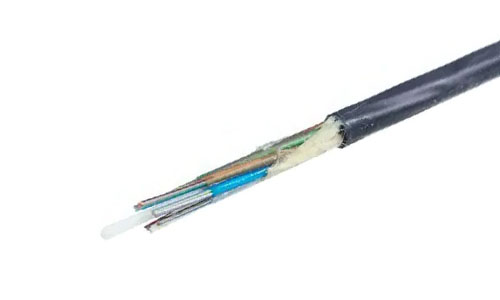 Air-Blown Micro Fiber Optic Cable
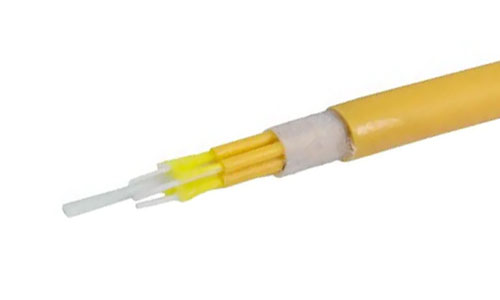 Indoor Fiber Optic Cable
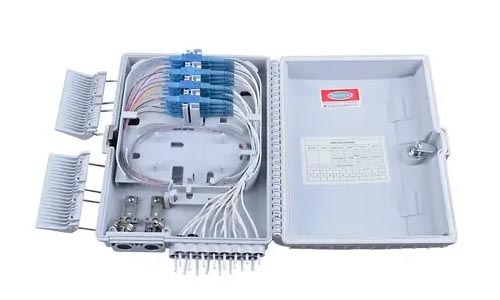 Fiber Optic Distribution Box
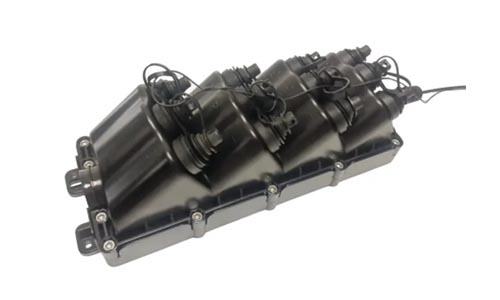 Multiport Service Termina Box
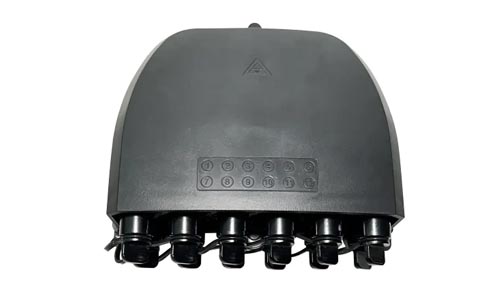 Fiber Optical Terminal Box
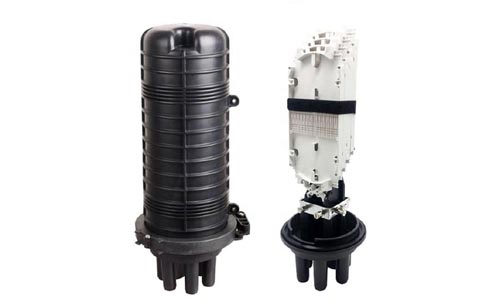 Fiber Optic Splice Closure
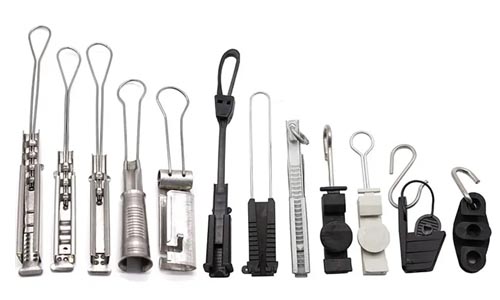 Fiber Optic Clamps
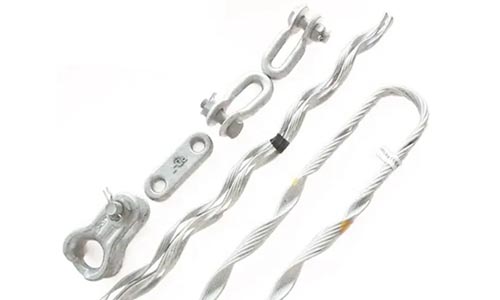 Fiber Optic Cable Fittings
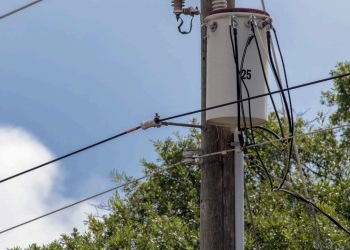 ADSS Fiber Cable
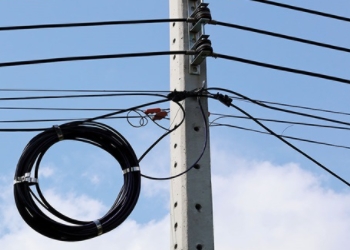 ASU Fiber Cable
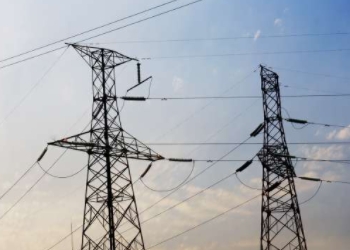 OPGW Fiber Cable
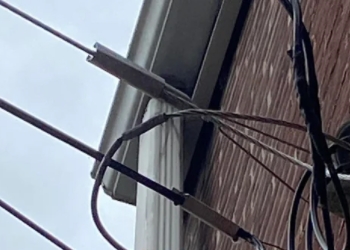 FTTH Fiber Cable
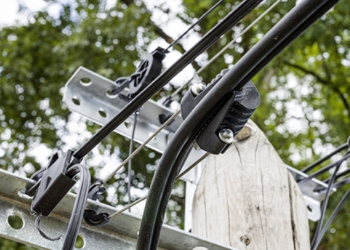 Figure 8 Fiber Cable
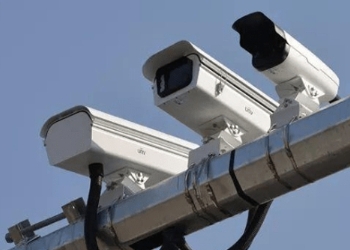 Photoelectric Composite Fiber Cable
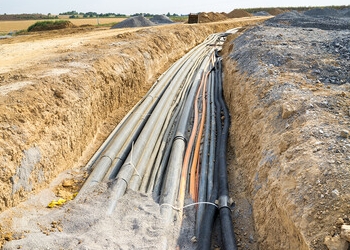 Underground & Pipeline Fiber Cable
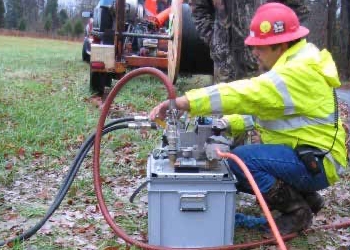 Air-Blown Micro Fiber Cable
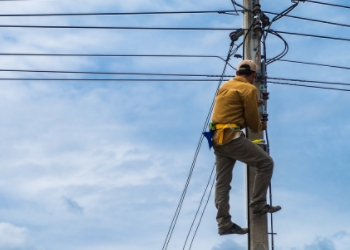 Aerial Fiber Cable
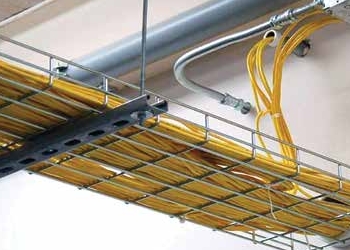 Indoor Fiber Cable
 Fiber Optical Terminal Box
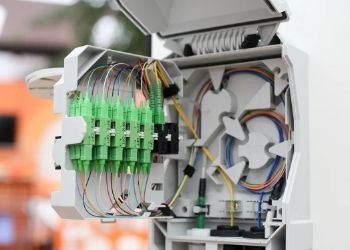 Fiber Optic Distribution Box
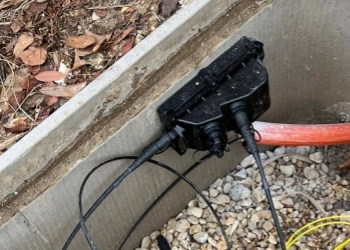 Multiport Service Termina Box
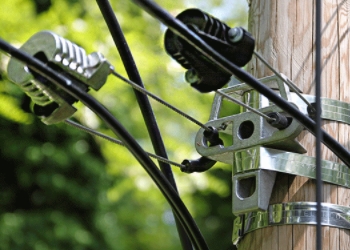 Fiber Optic Clamps
 About Us
 Our Team
 History
 R&D Strength
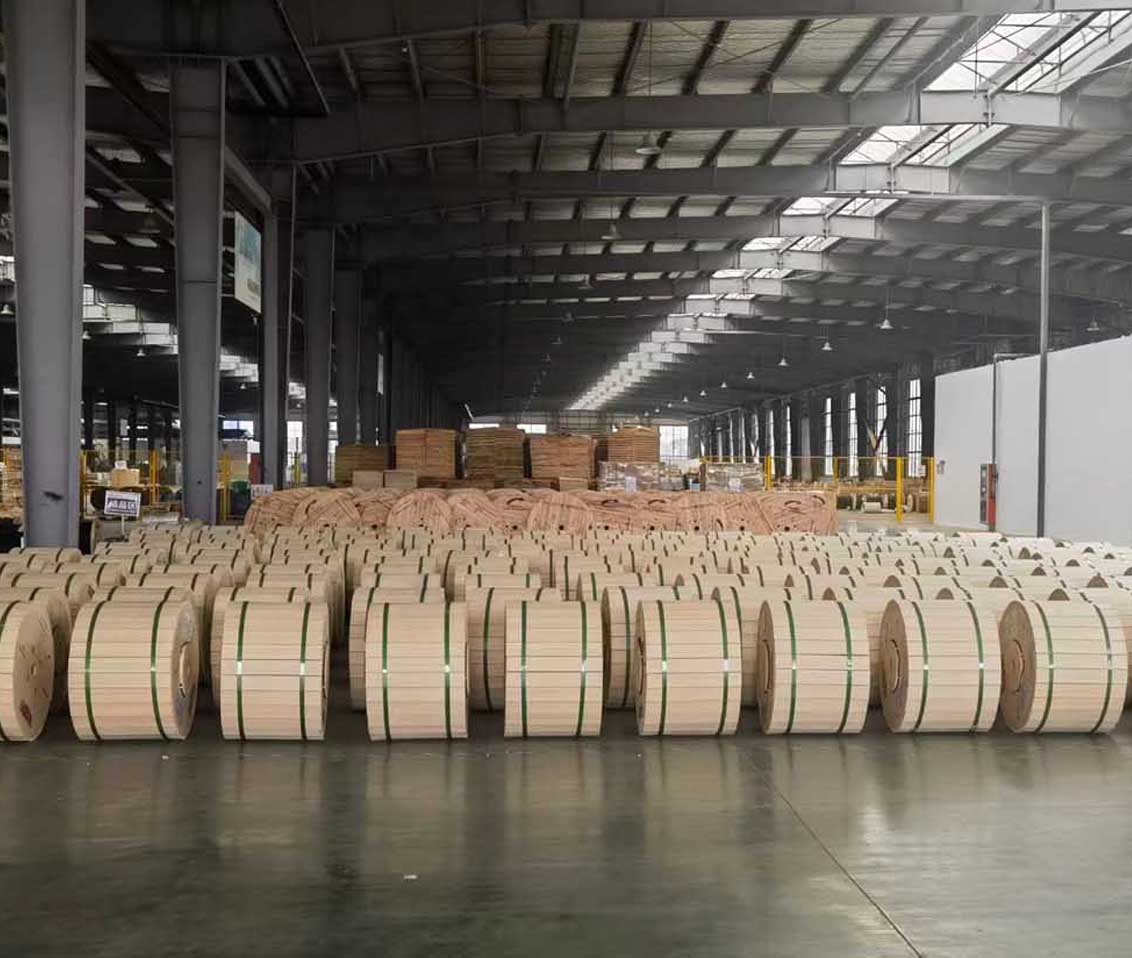
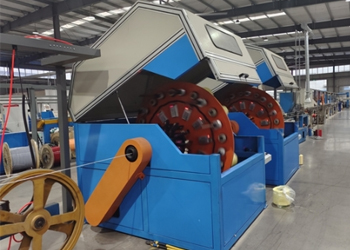 Production Base
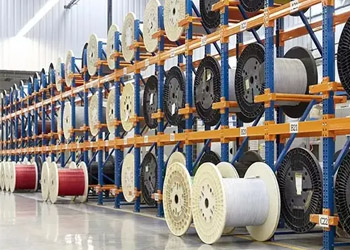 Warehouse & Logistics
 Quality
 FAQs
FAQsHow Deep Shoud We Bury Fiber Optic Cable?
Contact us for more sample, According to your needs, customize for you.
inquiry nowHow Deep Shoud We Bury Fiber Optic Cable?
The depth at which fiber optic cables should be buried depends on various factors including local regulations, environmental conditions, and the type of installation. However, there are some general guidelines that can be followed:

Depth for Protection: Typically, fiber optic cables are buried at depths ranging from 12 to 36 inches (30 to 91 centimeters). This depth helps protect the cables from accidental damage caused by digging, construction activities, or natural elements like frost.
Local Regulations: It's essential to check local regulations and guidelines regarding the burial depth of fiber optic cables. These regulations may vary depending on factors such as the type of soil, proximity to other utilities, and local climate conditions.
Crossings and Roadways: When fiber optic cables cross roads or highways, they may need to be buried deeper to comply with safety standards and to withstand the weight of vehicles passing over them. In such cases, depths may range from 24 to 48 inches (61 to 122 centimeters) or more.
Proximity to Other Utilities: If fiber optic cables are buried near other utilities such as gas pipelines or electrical cables, they may need to be buried deeper to prevent interference or damage from other infrastructure.
Trenching and Installation Methods: The method of trenching or installation can also influence the depth at which fiber optic cables are buried. For example, direct burial methods may require deeper trenches compared to installation within conduit or duct systems.
Environmental Factors: Environmental factors such as soil type, moisture content, and erosion patterns can affect the stability of buried fiber optic cables. In areas prone to flooding or soil movement, deeper burial depths may be necessary to ensure the long-term integrity of the installation.
Consultation with Experts: When planning fiber optic cable installations, it's advisable to consult with engineers, utility providers, and other experts who can provide guidance based on local conditions and regulations.

In summary, the depth at which fiber optic cables should be buried varies depending on several factors, and careful consideration should be given to local regulations, environmental conditions, and installation requirements to ensure a reliable and durable network infrastructure.